Cleanroom Environment Control Solutions That Reduce Contamination Risk
For quality control and safety management, contamination is never a small deviation. It changes yield, compliance status, maintenance cost, and long-term product reliability. Environment Control solutions for cleanrooms create stable, measurable conditions that reduce airborne particles, manage humidity and temperature, and protect process integrity. In semiconductor and sensory-infrastructure operations, these controls directly support cleaner wafers, safer chemical handling, more consistent sensor performance, and lower production risk.
Why a Checklist Approach Matters for Cleanroom Environment Control
Cleanroom performance depends on many linked variables. Airflow, filtration, pressure cascade, material movement, operator behavior, and maintenance discipline all affect contamination risk. A checklist turns these variables into repeatable actions.
That matters in integrated industries where semiconductor fabrication, advanced packaging, specialty gases, and industrial sensors operate under strict reliability expectations. Environment Control solutions for cleanrooms work best when facilities review conditions systematically instead of reacting only after defects appear.
A structured review also improves alignment with ISO cleanroom practices, SEMI expectations, traceability needs, and internal quality systems. It helps identify hidden drift before contamination becomes scrap, downtime, or customer failure.
Core Checklist for Environment Control Solutions for Cleanrooms
- Verify airflow design against process sensitivity, using unidirectional flow where particle-critical steps demand controlled sweep and minimal turbulence around tools, benches, transfer points, and exposed product surfaces.
- Confirm HEPA or ULPA filter integrity with scheduled leak testing, pressure-drop tracking, and replacement criteria tied to actual contamination data rather than fixed calendar assumptions.
- Maintain room pressure differentials between adjacent zones so cleaner spaces stay positive, while chemical isolation or hazardous exhaust areas follow controlled negative-pressure containment rules.
- Control temperature within process-specific limits to prevent material instability, metrology drift, condensation events, and uncomfortable operator conditions that can increase gowning errors.
- Stabilize relative humidity to reduce electrostatic discharge, moisture absorption, corrosion risk, and wafer or sensor defects caused by surface charge imbalance or condensation.
- Monitor airborne particles continuously at critical points, then correlate excursions with shift changes, tool maintenance, filter loading, door openings, and material transfer events.
- Separate personnel flow from material flow to limit cross-contamination, especially where packaging, chemicals, gas cabinets, and sensitive assemblies share nearby operational space.
- Standardize gowning, glove change, and entry behavior, because strong Environment Control solutions for cleanrooms fail quickly when human-generated particles remain unmanaged.
- Validate cleaning chemistry, wipe materials, and cleaning frequency against actual residue types, including particles, condensable vapors, ionic contaminants, and chemical film buildup.
- Assess vibration, acoustic load, and microclimate effects near precision tools, since contamination control can be weakened by unstable process platforms and disturbed airflow patterns.
- Review make-up air quality and exhaust balance, ensuring outside contaminants, corrosive gases, and process emissions do not undermine indoor cleanliness targets.
- Document alarms, deviations, response times, and corrective actions so every environmental event becomes usable data for root-cause analysis and future contamination prevention.
Application Notes Across Key Industrial Scenarios
Semiconductor Fabrication Areas
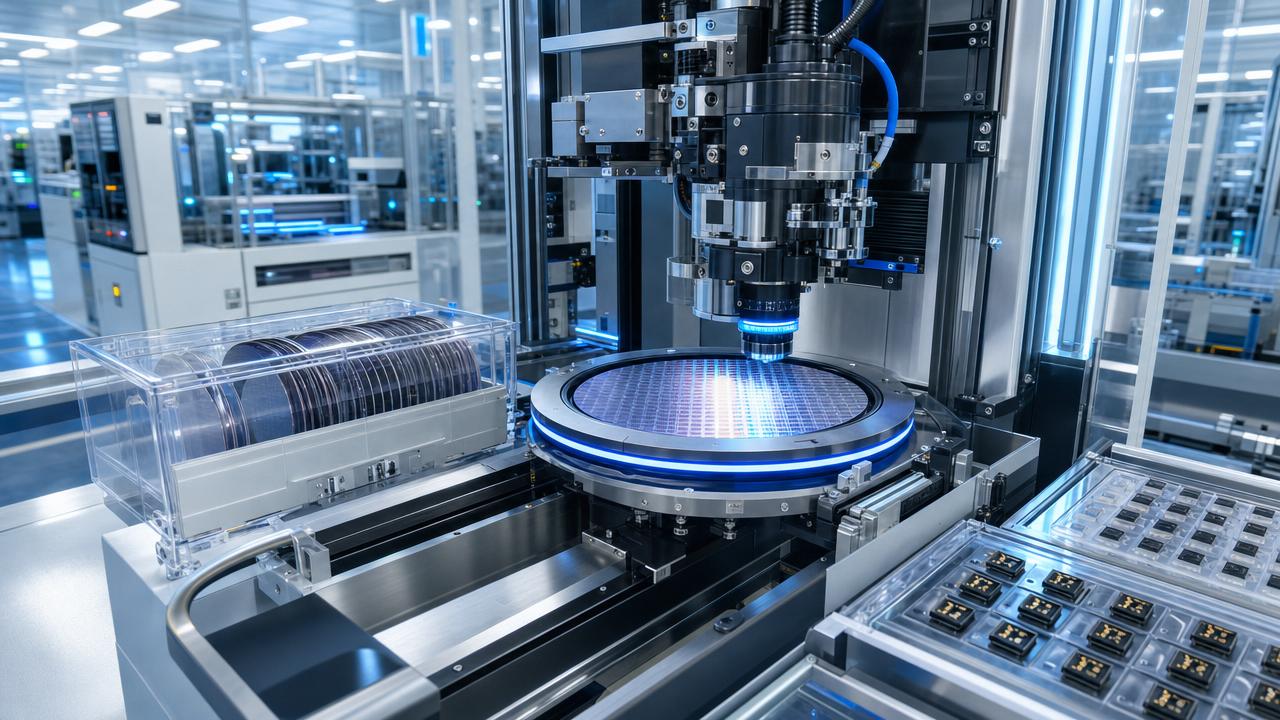
In wafer processing, environment drift can damage yield before visual evidence appears. Particle spikes may affect lithography, etch uniformity, deposition quality, and post-clean surface condition. Environment Control solutions for cleanrooms should focus on stable airflow, strict pressure zoning, and continuous particle trend review.
Humidity control is equally critical. Electrostatic discharge risk rises when air becomes too dry, while excess moisture may affect photoresist behavior, chemical stability, and condensation-sensitive steps. Tight environmental control supports more predictable process windows.
Advanced Packaging and Testing
Packaging lines often combine precision assembly with adhesives, underfill, bonding, inspection, and thermal processes. This mix creates both particle and molecular contamination concerns. Cleanroom environment control must address local heat generation, fume extraction, and material staging discipline.
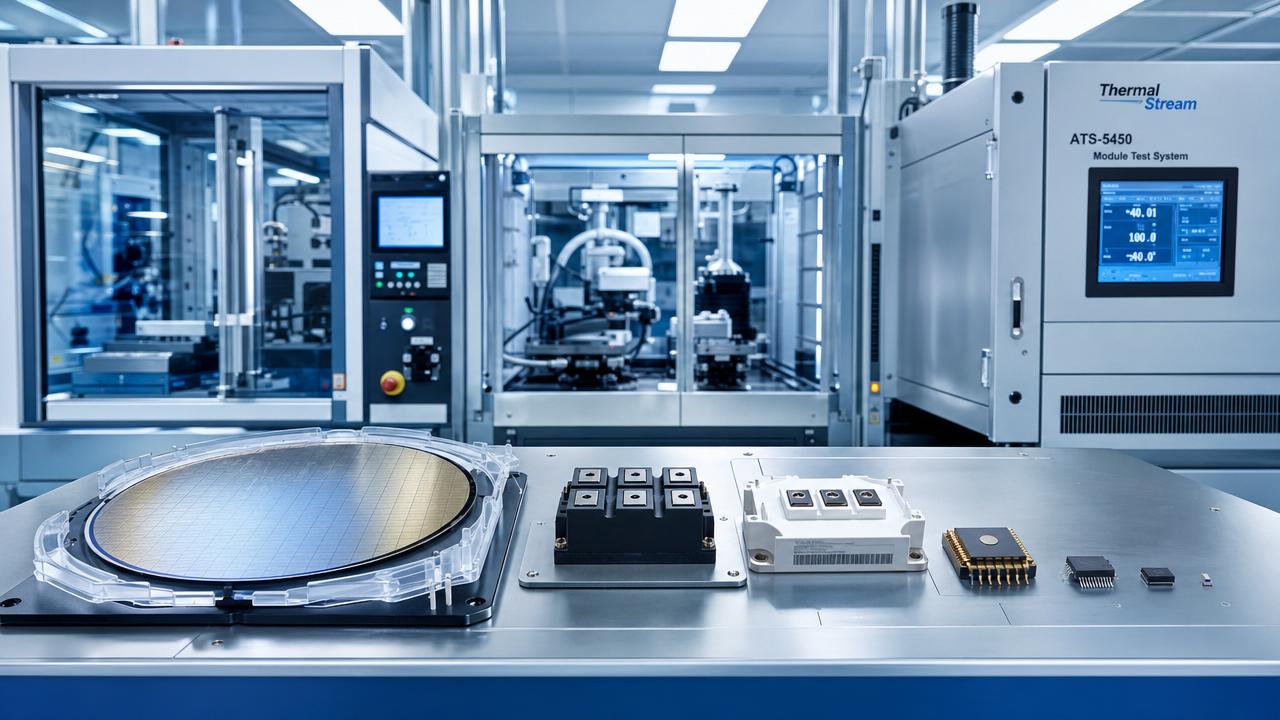
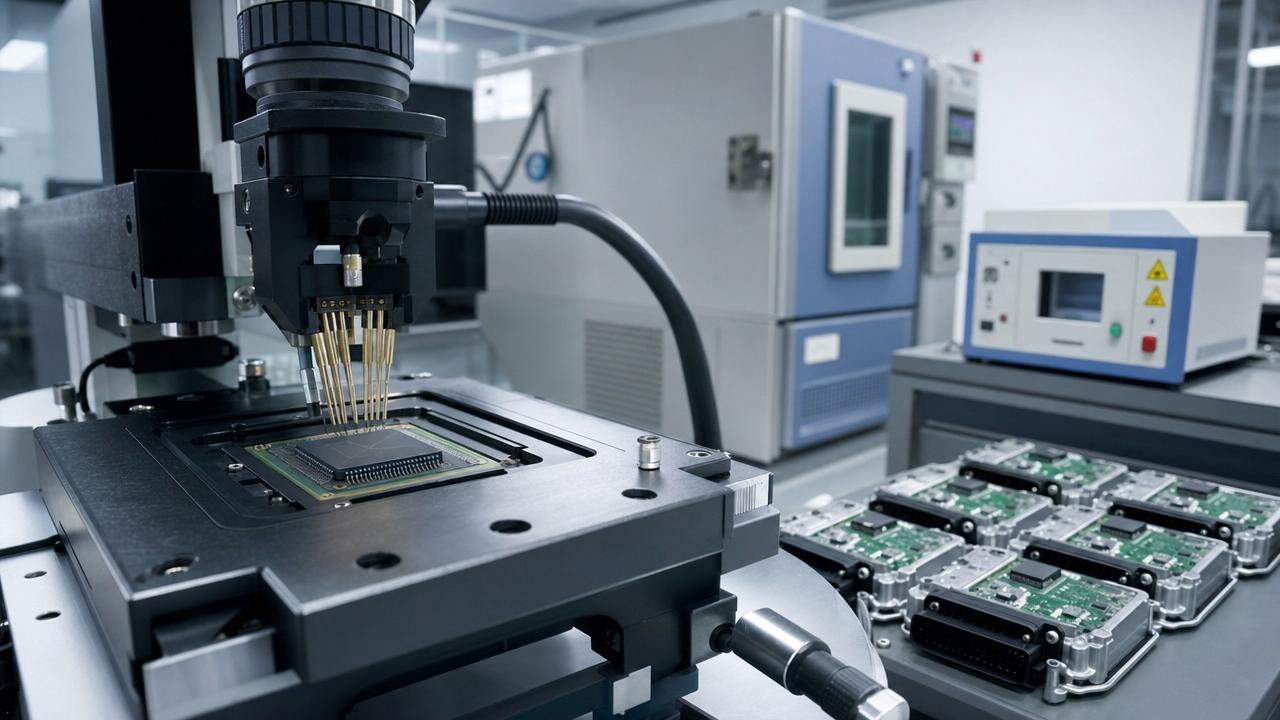
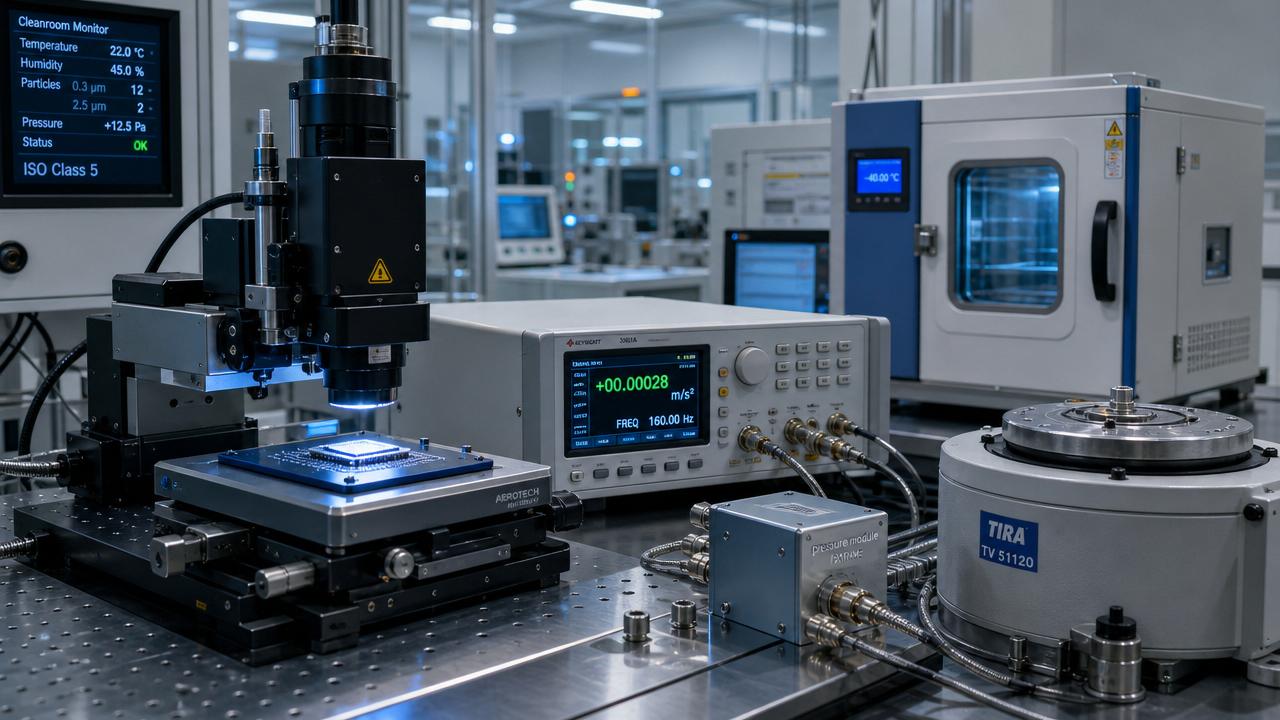
Testing zones also need temperature stability. Sensor calibration, electrical characterization, and reliability screening can shift when ambient conditions fluctuate. Effective Environment Control solutions for cleanrooms help keep data fidelity high and rework lower.
MEMS and Smart Sensor Production
MEMS structures and sensing elements are highly sensitive to particles, outgassing, and moisture. Small contamination events can alter response accuracy, bias stability, or package integrity. Here, molecular cleanliness and handling discipline deserve as much attention as visible particle counts.
For sensory-infrastructure products, environmental consistency also protects calibration trust. Stable room conditions reduce variation during assembly, tuning, and final inspection, which is essential for industrial and autonomous-system applications.
Electronic Chemicals and Special Gas Support Areas
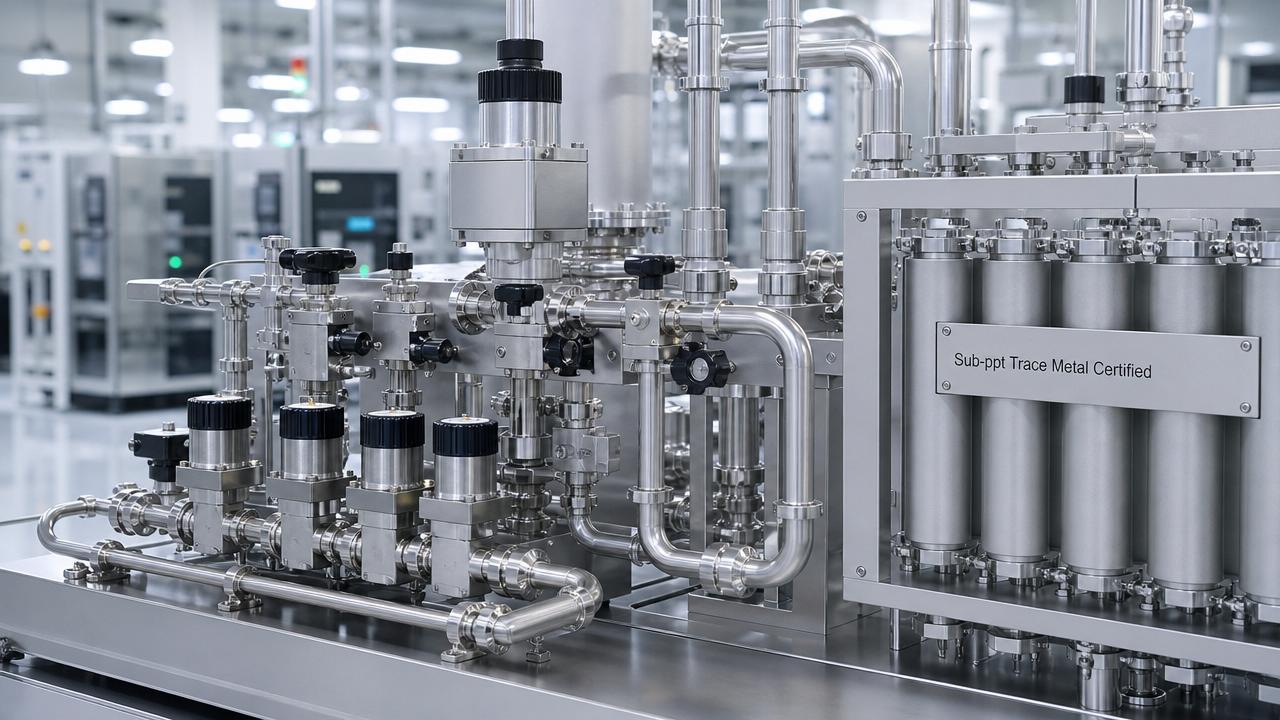
High-purity media handling requires strict separation between clean production zones and chemical support functions. Pressure relationships, exhaust control, and leak response planning must work together. A cleanroom is not protected if gas cabinets, bulk chemical areas, or transfer corridors are poorly controlled.
In these settings, Environment Control solutions for cleanrooms should include airborne molecular contamination review, corrosion monitoring, and clear escalation paths when abnormal odor, residue, or sensor alarms appear.
Often Overlooked Risks That Increase Contamination
Door Opening Frequency
Frequent door cycles disturb pressure balance and introduce particles from less-controlled spaces. Even a well-designed cleanroom loses performance when access behavior remains unmanaged.
Filter Performance Assumptions
Assuming filters perform until scheduled replacement is risky. Loading patterns, leaks, and installation defects can reduce protection long before the planned service date.
Local Heat Sources
Tools, lighting, and utility lines can create microclimates that disrupt laminar flow and change humidity near critical process points. Room averages may hide local instability.
Cleaning Without Verification
Cleaning routines that lack residue checks may redistribute contamination instead of removing it. Wipes, solvents, and methods must match the actual contaminant type.
Incomplete Data Correlation
Particle alarms alone rarely reveal the full cause. Correlating environmental data with maintenance logs, utility events, and production changes makes Environment Control solutions for cleanrooms far more effective.
Practical Execution Recommendations
- Map critical contamination points by process step, not just by room classification.
- Set alert limits for particles, humidity, pressure, and temperature before product quality shifts.
- Use trend charts to compare environmental drift with yield, defects, and maintenance history.
- Requalify airflow and filter integrity after tool moves, ceiling work, or layout changes.
- Audit gowning, transfer, and cleaning practices with direct observation, not paperwork alone.
- Review chemical and gas support zones as part of the same contamination control strategy.
These steps help convert Environment Control solutions for cleanrooms from passive infrastructure into an active contamination reduction system. The strongest programs combine engineering control, disciplined operation, and evidence-based corrective action.
Conclusion and Next Actions
Contamination risk falls when cleanroom control is treated as a managed system rather than a background utility. Airflow, filtration, pressure, humidity, cleaning, and operator movement must work together under clear verification rules.
For semiconductor, packaging, sensor, and high-purity media operations, Environment Control solutions for cleanrooms provide measurable value when they are audited with a practical checklist and tied to defect prevention. The next step is simple: review current environmental data, identify the highest-risk zones, and close the most important control gaps first.
Get weekly intelligence in your inbox.
No noise. No sponsored content. Pure intelligence.
 Apr 28, 2026When do rapid prototyping 3D printing services save real costWhen do rapid prototyping 3D printing services save real cost
 Apr 28, 2026What Can Go Wrong in Fan-out Wafer Level Pkg?What Can Go Wrong in Fan-out Wafer Level Pkg?
 Apr 28, 2026What Makes Optical LiDAR Modules Better for Autonomy?What Makes Optical LiDAR Modules Better for Autonomy?
 Apr 28, 20262026 Market Trends in Supply Chain Resilience for Fabs2026 Market Trends in Supply Chain Resilience for Fabs
 May 30, 2026Automatic Pet Water Fountains: Safety and MaintenanceAutomatic Pet Water Fountains: Safety and Maintenance
 May 30, 2026Clear Aligner Manufacturing Quality Control ChecklistClear Aligner Manufacturing Quality Control Checklist
 May 30, 2026RGB LED Strips: Common Setup Mistakes to AvoidRGB LED Strips: Common Setup Mistakes to Avoid
 May 30, 2026EV Charging Stations Commercial Installation CostsEV Charging Stations Commercial Installation Costs
 May 30, 2026Smartgridsolutions: 2026 Adoption Risks to WatchSmartgridsolutions: 2026 Adoption Risks to Watch
 May 30, 2026Japan METI Launches Green Semiconductor Export Fast-Track for 1200V SiC MOSFETsJapan METI Launches Green Semiconductor Export Fast-Track for 1200V SiC MOSFETs
 May 30, 2026SEMI F71-0526 Updated: Kelvin Source Thermal Cycling Now Mandatory for AEC-Q101 Certification of ≥1200V SiC ModulesSEMI F71-0526 Updated: Kelvin Source Thermal Cycling Now Mandatory for AEC-Q101 Certification of ≥1200V SiC Modules
 May 30, 2026Wolfspeed Launches 3.3kV SiC Modules at PCIM 2026 for SST and HVDC ApplicationsWolfspeed Launches 3.3kV SiC Modules at PCIM 2026 for SST and HVDC Applications
 May 30, 2026Toshiba Advances TW007D120E SiC MOSFET Production to Q3 2026, Opens Global AEC-Q101 Pre-Certification SamplingToshiba Advances TW007D120E SiC MOSFET Production to Q3 2026, Opens Global AEC-Q101 Pre-Certification Sampling
 May 30, 2026Infineon Raises Prices for 1200V+ SiC Modules Starting June 2026Infineon Raises Prices for 1200V+ SiC Modules Starting June 2026
 May 29, 2026Digital Infrastructure Standards: Compliance Risks to WatchDigital Infrastructure Standards: Compliance Risks to Watch
 May 29, 2026Manufacturing Analysis: Finding Yield Loss EarlyManufacturing Analysis: Finding Yield Loss Early
 May 29, 2026Third-Generation Semiconductor Technology Trends in 2026Third-Generation Semiconductor Technology Trends in 2026
 May 29, 2026Flexible Printed Circuits: Cost Risks Before ScalingFlexible Printed Circuits: Cost Risks Before Scaling
 May 29, 2026IC Testing for Automotive-Grade Chips: Key Reliability ChecksIC Testing for Automotive-Grade Chips: Key Reliability Checks
 May 29, 2026Japan Launches Green Semiconductor Export Fast-Track for SiC MOSFETs and UPW SystemsJapan Launches Green Semiconductor Export Fast-Track for SiC MOSFETs and UPW Systems
 May 29, 2026TÜV Rheinland Mandates ISO 16750-4 Vibration Testing for Industrial MEMS AccelerometersTÜV Rheinland Mandates ISO 16750-4 Vibration Testing for Industrial MEMS Accelerometers
 May 29, 2026Korea Customs Service Mandates KC Certification for GaN Power ModulesKorea Customs Service Mandates KC Certification for GaN Power Modules
 May 29, 2026SEMI Urgently Updates F71-0526: Kelvin Pin Thermal Cycling Now Mandatory for AEC-Q101SEMI Urgently Updates F71-0526: Kelvin Pin Thermal Cycling Now Mandatory for AEC-Q101
 May 29, 2026FDA Updates Import Requirements for Electronic Specialty Gases EquipmentFDA Updates Import Requirements for Electronic Specialty Gases Equipment
 May 28, 2026Sensory Benchmarking: What Matters Most in Industrial MEMS Accuracy TestsSensory Benchmarking: What Matters Most in Industrial MEMS Accuracy Tests
 May 28, 2026Industrial Silicon Value Chain Risks Behind 2026 GaN Power Module PricingIndustrial Silicon Value Chain Risks Behind 2026 GaN Power Module Pricing
 May 28, 2026Autonomous Systems Semiconductors: Is Optical LiDAR Still the Safer Bet?Autonomous Systems Semiconductors: Is Optical LiDAR Still the Safer Bet?