Manufacturing Analysis: Finding Yield Loss Early
Manufacturing Analysis: Finding Yield Loss Early
In complex semiconductor and sensor-infrastructure projects, small process deviations can quickly become costly yield losses if they are not detected early.
Manufacturing Analysis connects fab data, test results, materials behavior, and equipment signals before defects scale across production.
For mission-critical silicon, early insight supports tighter control, faster root-cause analysis, and more resilient delivery schedules.
Yield Risk Is Moving Earlier in the Production Timeline
The semiconductor value chain is no longer judged only by final electrical test or outgoing quality inspection.
Yield risk now appears during incoming materials checks, deposition stability, lithography drift, packaging stress, and sensor calibration.
Manufacturing Analysis is becoming a continuous discipline rather than a late-stage reporting activity.
This shift matters in SiC, GaN, MEMS, advanced packaging, and high-purity chemical environments.
Defects in these areas may not appear as simple failures. They often emerge as thermal instability, drift, leakage, or reliability scatter.
Manufacturing Analysis helps detect these weak signals while corrective action is still economically manageable.
Trend Signals Showing Why Early Detection Matters
Several market and technology signals are changing how yield loss is investigated across global fabrication networks.
- Mature-node capacity is expanding, increasing variation across fabs, tools, and regional supply chains.
- Power devices face stricter thermal, voltage, and lifetime expectations in industrial systems.
- MEMS and smart sensors require stable mechanical, electrical, and environmental response.
- Chiplet and 2.5D/3D packaging amplify interaction between wafer yield and assembly yield.
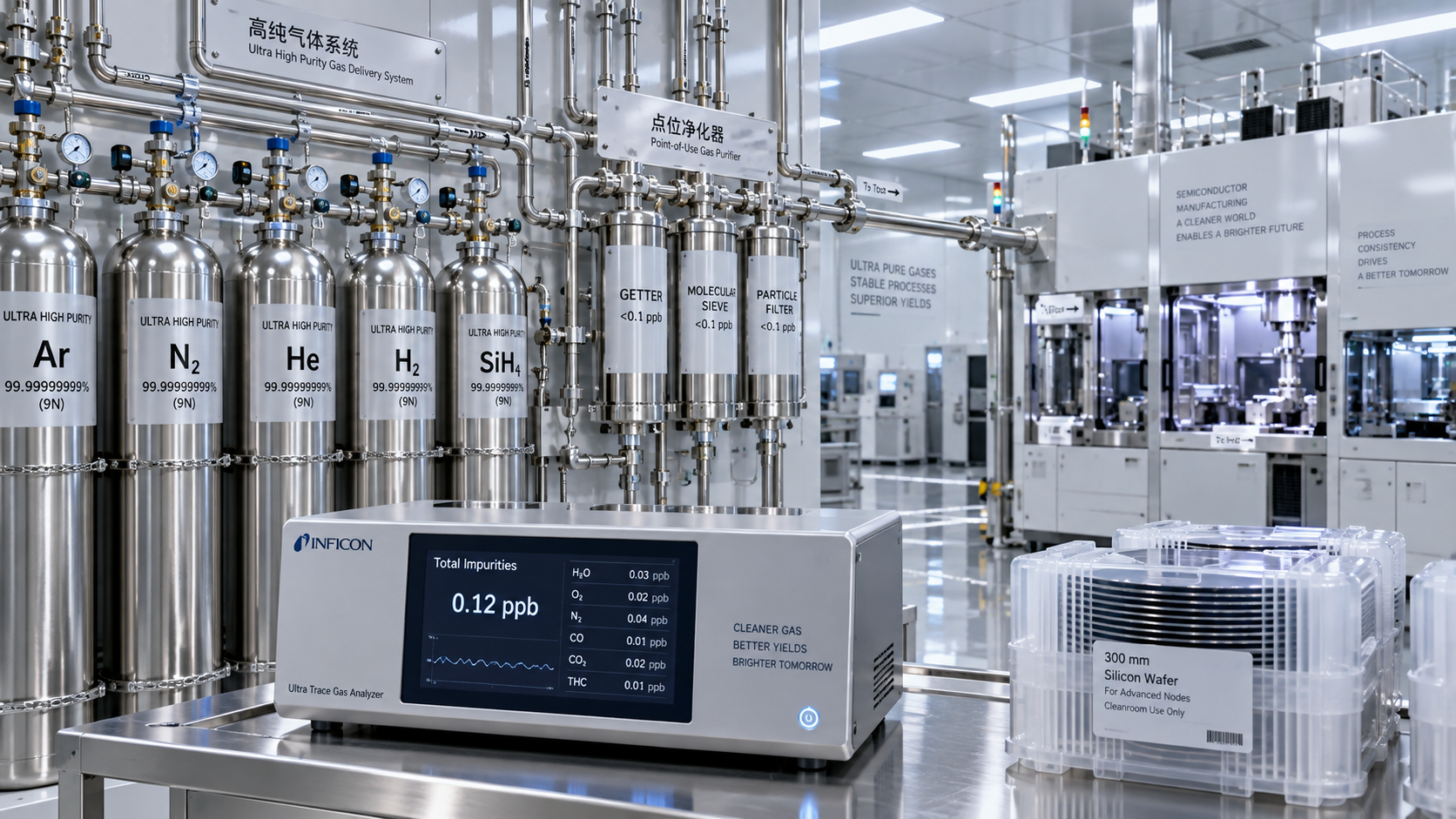
- Electronic chemicals and specialty gases demand tighter purity control at sub-ppb levels.
These signals make Manufacturing Analysis essential for interpreting variation before it becomes systemic loss.
Early yield-loss identification also improves benchmarking against SEMI, AEC-Q100, and ISO/IEC 17025 expectations.
The Forces Pushing Manufacturing Analysis Into Daily Operations
Yield loss is rarely caused by one isolated event in advanced semiconductor environments.
It usually forms through small interactions between process windows, materials, equipment condition, and measurement interpretation.
Manufacturing Analysis turns these drivers into a structured investigation model.
Instead of waiting for scrap reports, teams can observe trend movement across wafers, lots, chambers, and test bins.
Impact Across Fabrication, Packaging, Testing, and Supply Control
The operational impact of early Manufacturing Analysis extends beyond yield percentage.
It influences capacity planning, qualification confidence, customer commitments, inventory risk, and technology transfer speed.
Fabrication Stability
In front-end fabrication, Manufacturing Analysis highlights drift in deposition thickness, etch uniformity, implant behavior, and lithography overlay.
Earlier visibility reduces the chance that multiple lots move through a compromised process window.
Packaging and Assembly Interaction
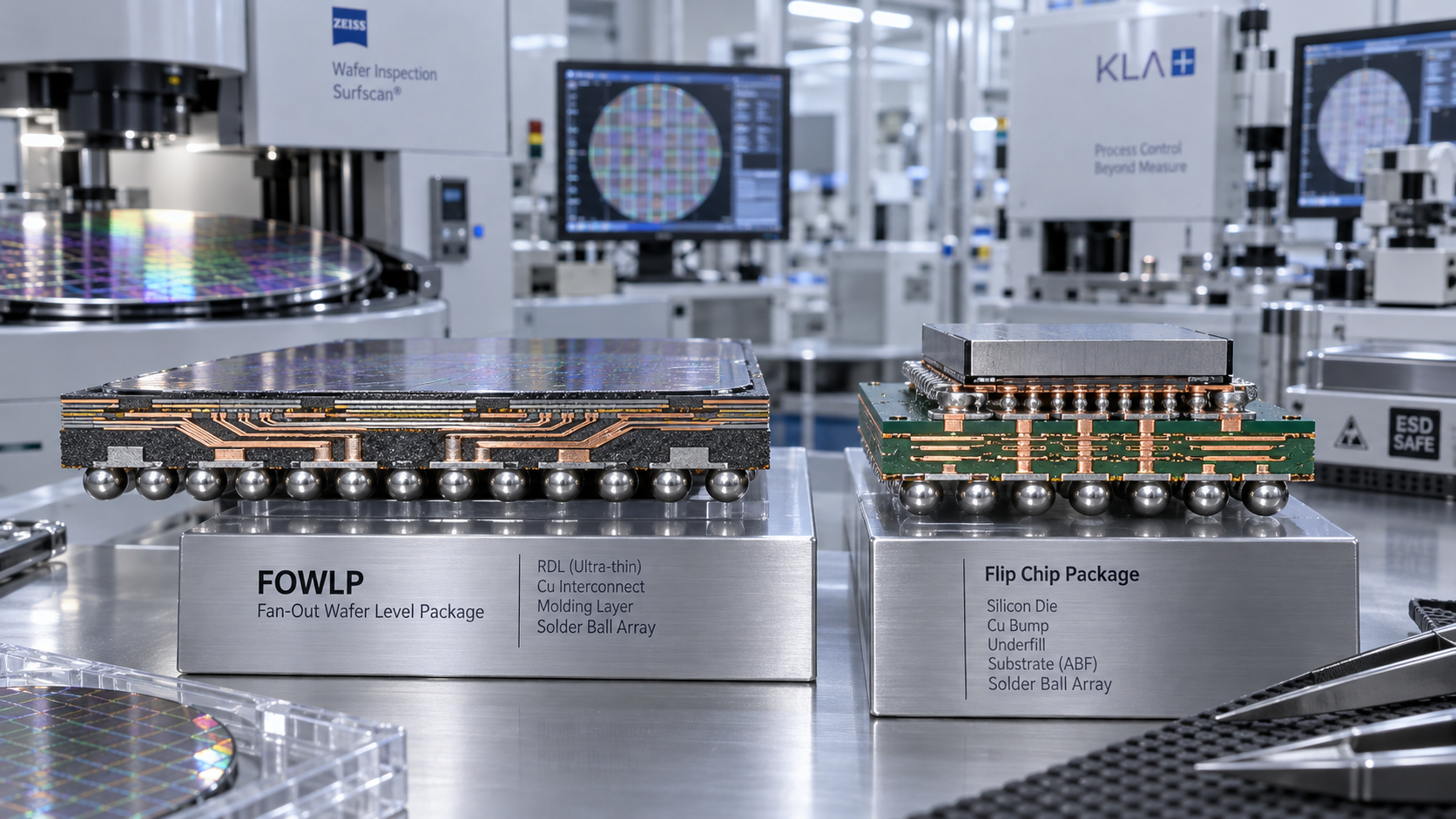
In advanced packaging, yield loss may originate from wafer variation but appear after bonding, molding, or thermal cycling.
Manufacturing Analysis links die-level signatures with package-level failures, helping distinguish process weakness from design sensitivity.
Test, Reliability, and Field Confidence
Electrical test data can hide early-warning patterns when reviewed only through pass-fail logic.
Manufacturing Analysis examines parametric distributions, bin migration, corner behavior, and reliability stress outcomes.
This approach is especially important for power semiconductors, MEMS sensors, and industrial-grade control devices.
What Strong Early Yield-Loss Detection Looks Like
Effective Manufacturing Analysis is not simply more dashboards or more statistical charts.
It requires disciplined connections between process knowledge, data integrity, metrology confidence, and decision rules.
- Lot genealogy must connect wafers, tools, recipes, materials, operators, and rework history.
- Critical parameters should have dynamic control limits, not only static specification limits.
- Metrology systems must be verified for repeatability, bias, and calibration traceability.
- Failure analysis should feed back into process windows and design rules.
- Yield reviews should include weak signals, not only major excursions.
Manufacturing Analysis becomes more valuable when data is trusted and context is preserved.
Without context, even advanced analytics may identify correlations that cannot support real corrective action.
Key Metrics That Reveal Yield Loss Before It Spreads
Early indicators often appear as subtle movement in distributions rather than dramatic failures.
Manufacturing Analysis should monitor metrics that are close to physics, process mechanisms, and reliability behavior.
These metrics support practical Manufacturing Analysis because they connect observation with controllable actions.
They also create a shared language between fabrication, testing, reliability, and supply-quality functions.
Decision Points for Better Root-Cause Investigation
Root-cause analysis improves when Manufacturing Analysis separates symptom, mechanism, and source.
A failing bin, for example, is a symptom. The mechanism may be leakage, stress, contamination, or dimensional drift.
The source could be a chemical lot, furnace tube, probe card, wafer edge effect, or packaging material interaction.
- Start with time-based segmentation across lots, wafers, and equipment usage.
- Compare failing and healthy populations with the same product context.
- Use wafer maps to detect spatial signatures and chamber fingerprints.
- Check whether metrology variation can explain the observed movement.
- Confirm findings with physical analysis, not correlation alone.
Manufacturing Analysis should shorten the time between detection and containment.
Fast containment protects downstream capacity and prevents unreliable material from entering higher-value stages.
Priority Areas for Semiconductor and Sensor-Infrastructure Operations
Different technology pillars require different Manufacturing Analysis priorities.
A uniform yield dashboard is rarely enough for advanced industrial silicon programs.
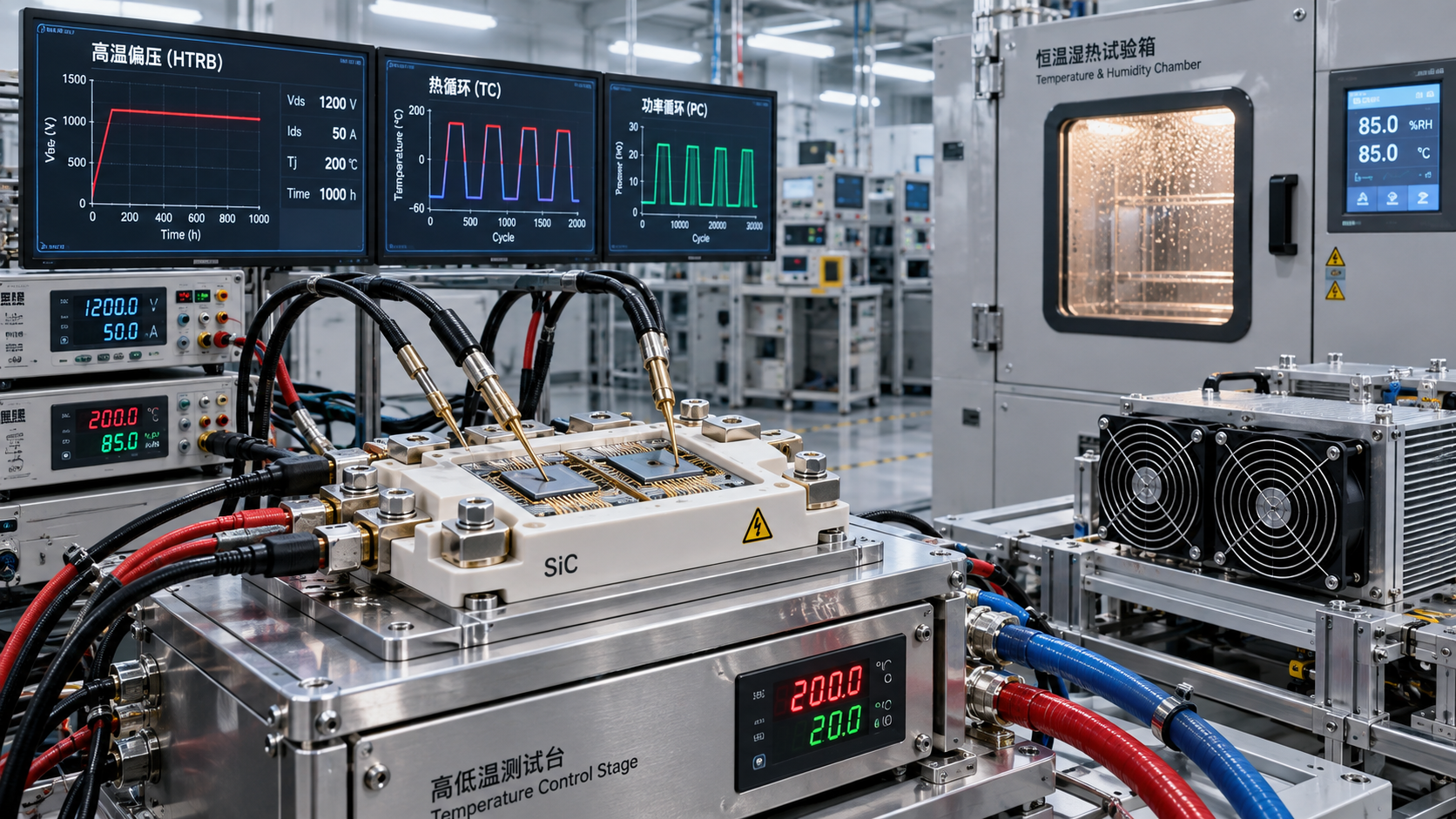
- SiC and GaN: monitor defectivity, gate stability, thermal resistance, and high-voltage leakage.
- Advanced packaging: track warpage, interconnect integrity, underfill behavior, and thermal cycling response.
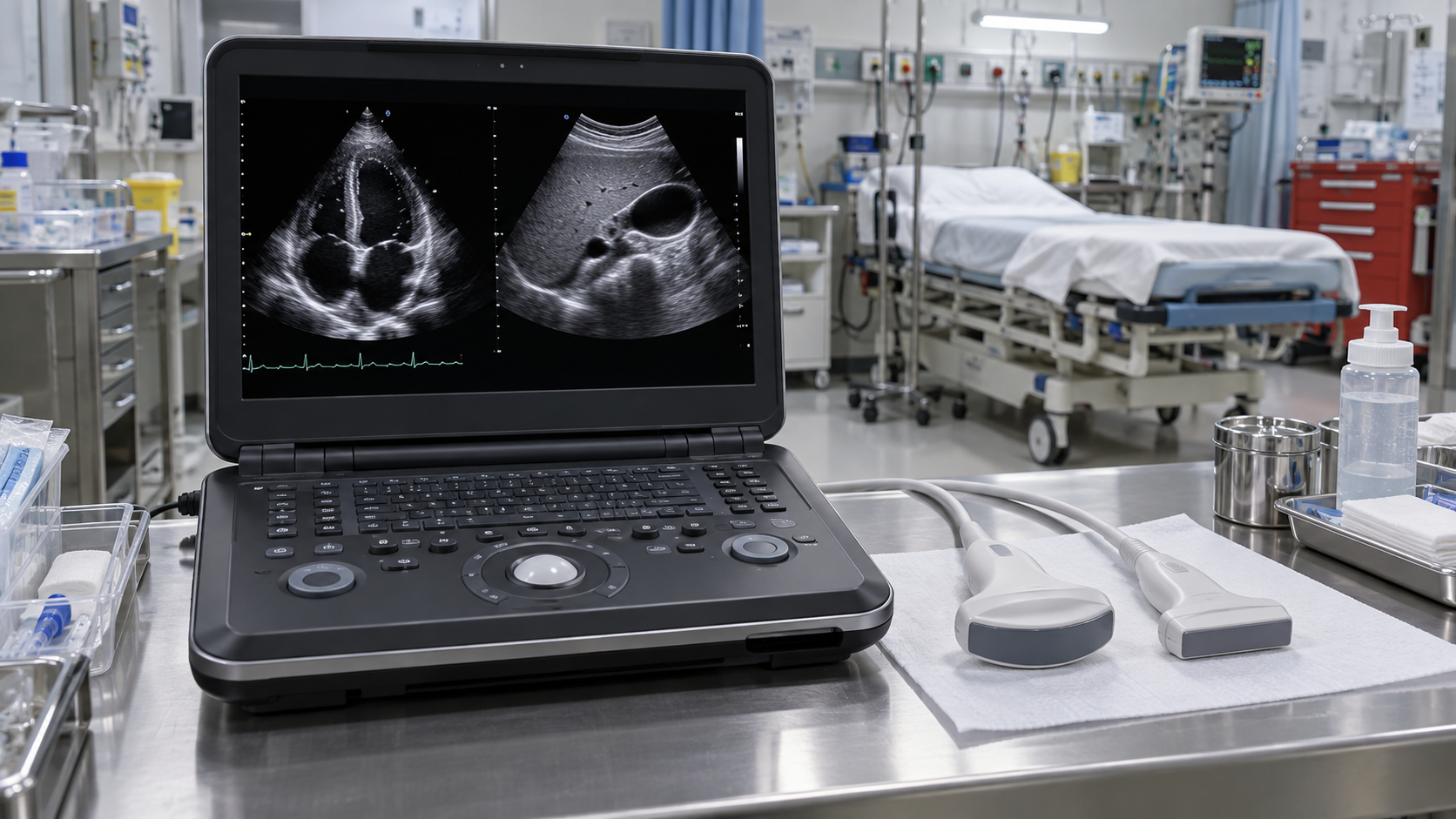
- MEMS sensors: observe drift, offset, sensitivity, mechanical stress, and environmental repeatability.
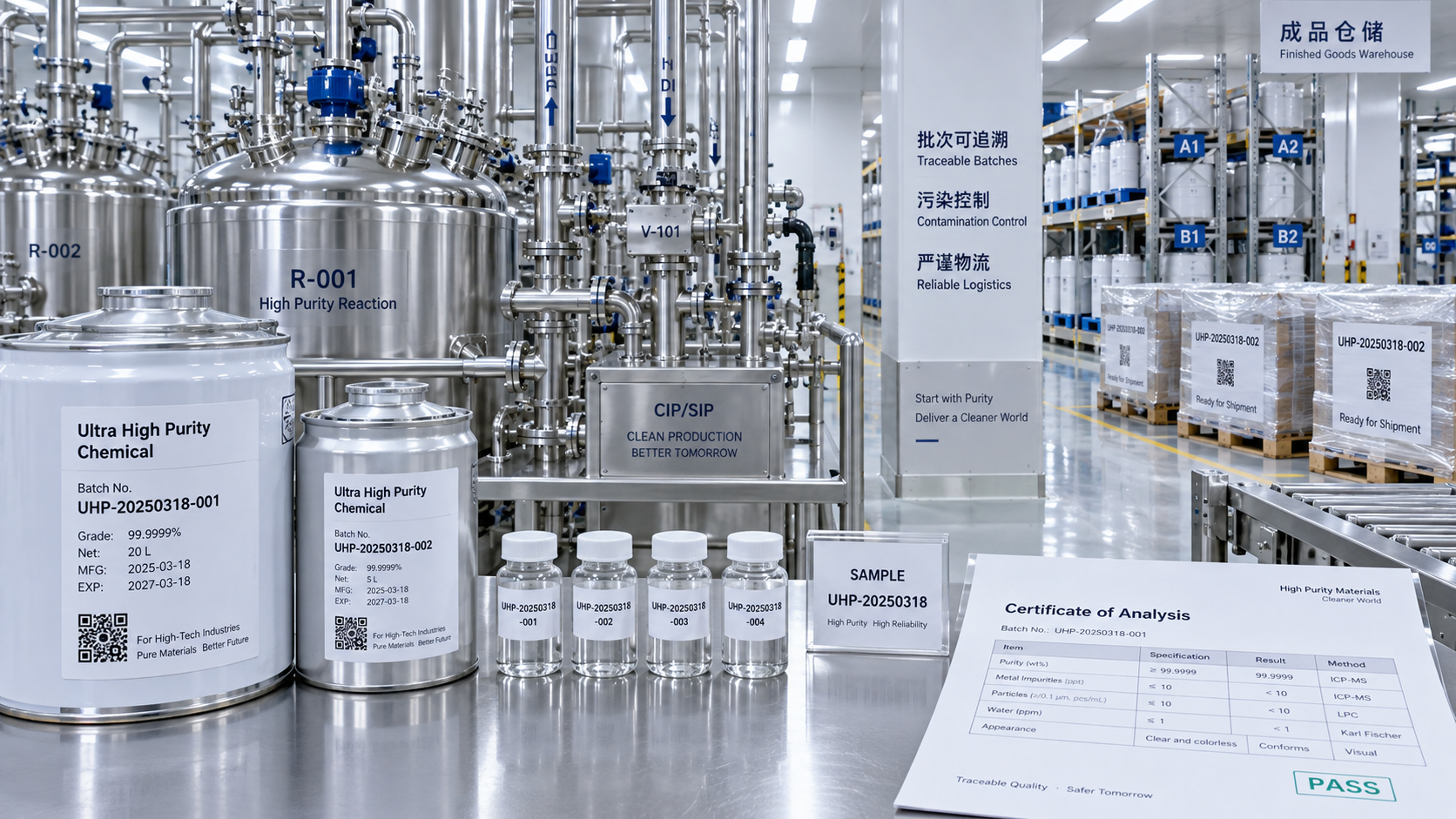
- Electronic chemicals: link purity excursions with process signatures and chamber contamination.
- Fab environments: correlate particles, humidity, AMC levels, and equipment alarm patterns.
Manufacturing Analysis provides the framework for adapting control strategy to each technology’s failure physics.
This is critical where sovereign-level digital infrastructure depends on stable, traceable, and reliable components.
How to Build a More Predictive Yield-Loss Response
A predictive response does not require perfect automation on the first day.
It begins by defining which signals deserve immediate review, containment, or engineering experiment.
Manufacturing Analysis should be measured by avoided loss, faster learning, and stronger process confidence.
The best programs combine statistical discipline with deep technical understanding of devices, materials, and equipment.
Practical Focus Areas for the Next Review Cycle
Near-term improvement should focus on places where small changes can prevent large yield escapes.
- Audit whether critical parameters are reviewed before lots leave each major process segment.
- Identify top recurring yield-loss signatures and map them to suspected mechanisms.
- Strengthen traceability between material certificates, tool logs, and electrical outcomes.
- Create escalation thresholds for distribution shift, not only specification failure.
- Review reliability outliers as early warnings, even when qualification passes.
These steps make Manufacturing Analysis more actionable without overloading existing operations.
They also support better communication between process engineering, test engineering, quality systems, and executive planning.
From Reactive Yield Reporting to Strategic Manufacturing Analysis
The direction is clear: yield management is moving from retrospective reporting toward early, physics-aware detection.
Manufacturing Analysis is the discipline that makes this transition practical for semiconductor and sensor-infrastructure programs.
When applied early, it protects capacity, improves reliability, and strengthens supply-chain resilience.
It also helps organizations compare process performance against international standards with greater evidence and confidence.
The next step is to review current yield-loss patterns, trace data gaps, and define earlier intervention points.
A focused Manufacturing Analysis program can begin with one critical product family, one recurring defect mode, or one high-risk process module.
Starting there creates measurable learning and builds the foundation for broader predictive yield control.
Get weekly intelligence in your inbox.
No noise. No sponsored content. Pure intelligence.
 Apr 28, 2026When do rapid prototyping 3D printing services save real costWhen do rapid prototyping 3D printing services save real cost
 Apr 28, 2026What Can Go Wrong in Fan-out Wafer Level Pkg?What Can Go Wrong in Fan-out Wafer Level Pkg?
 Apr 28, 2026What Makes Optical LiDAR Modules Better for Autonomy?What Makes Optical LiDAR Modules Better for Autonomy?
 Apr 28, 20262026 Market Trends in Supply Chain Resilience for Fabs2026 Market Trends in Supply Chain Resilience for Fabs
 Oct 12, 2026When does fan-out wafer level packaging outperform flip-chip packaging?When does fan-out wafer level packaging outperform flip-chip packaging?
 Oct 11, 2026How energy management can reduce peak demand chargesHow energy management can reduce peak demand charges
 Oct 10, 2026When do integrated sensor systems reduce commissioning risks?When do integrated sensor systems reduce commissioning risks?
 Oct 09, 2026How North American semiconductor fabs control airborne molecular contaminationHow North American semiconductor fabs control airborne molecular contamination
 Oct 08, 2026When do custom aluminum extrusions reduce fabrication costs?When do custom aluminum extrusions reduce fabrication costs?
 Oct 07, 2026How semiconductor packaging affects thermal reliability in EV power electronicsHow semiconductor packaging affects thermal reliability in EV power electronics
 Oct 06, 2026When do corrugated plastic boxes make sense for returnable shipping?When do corrugated plastic boxes make sense for returnable shipping?
 Oct 05, 2026What to verify before choosing semiconductor distributors in North AmericaWhat to verify before choosing semiconductor distributors in North America
 Oct 04, 2026How to assess a high purity materials manufacturer’s traceabilityHow to assess a high purity materials manufacturer’s traceability
 Oct 03, 2026How SiC power conversion solutions improve high-voltage invertersHow SiC power conversion solutions improve high-voltage inverters
 Oct 02, 2026When do SiC MOSFET benefits justify the higher device cost?When do SiC MOSFET benefits justify the higher device cost?
 Oct 01, 2026Which semiconductor reliability testing standards apply to power devices?Which semiconductor reliability testing standards apply to power devices?
 Sep 30, 2026How to qualify a semiconductor photoresist supplier for KrF/ArF productionHow to qualify a semiconductor photoresist supplier for KrF/ArF production
 Sep 29, 2026What image quality should portable ultrasound scanners deliver for triage?What image quality should portable ultrasound scanners deliver for triage?
 Sep 28, 2026How sub-ppb impurity control gases protect process consistencyHow sub-ppb impurity control gases protect process consistency
 Sep 27, 2026How chemical purity affects defect rates in semiconductor depositionHow chemical purity affects defect rates in semiconductor deposition
 Sep 26, 2026When do high voltage power semiconductor devices need SiC over IGBTs?When do high voltage power semiconductor devices need SiC over IGBTs?
 Sep 25, 2026How to verify quality controls at a die casting parts supplier in ChinaHow to verify quality controls at a die casting parts supplier in China
 Sep 24, 2026How to verify electronic gas purity for sub-ppb semiconductor processesHow to verify electronic gas purity for sub-ppb semiconductor processes
 Sep 23, 2026When sensory data integration improves industrial motion monitoringWhen sensory data integration improves industrial motion monitoring
 Sep 22, 2026How supply chain resilience reduces the cost of production disruptionsHow supply chain resilience reduces the cost of production disruptions
 Sep 21, 2026What autonomous systems OEMs should verify before sourcing LiDAR modulesWhat autonomous systems OEMs should verify before sourcing LiDAR modules
 Sep 20, 2026How gas purity affects defect density in epitaxial wafer growthHow gas purity affects defect density in epitaxial wafer growth