Infineon Raises Prices for 1200V+ SiC Modules Starting June 2026
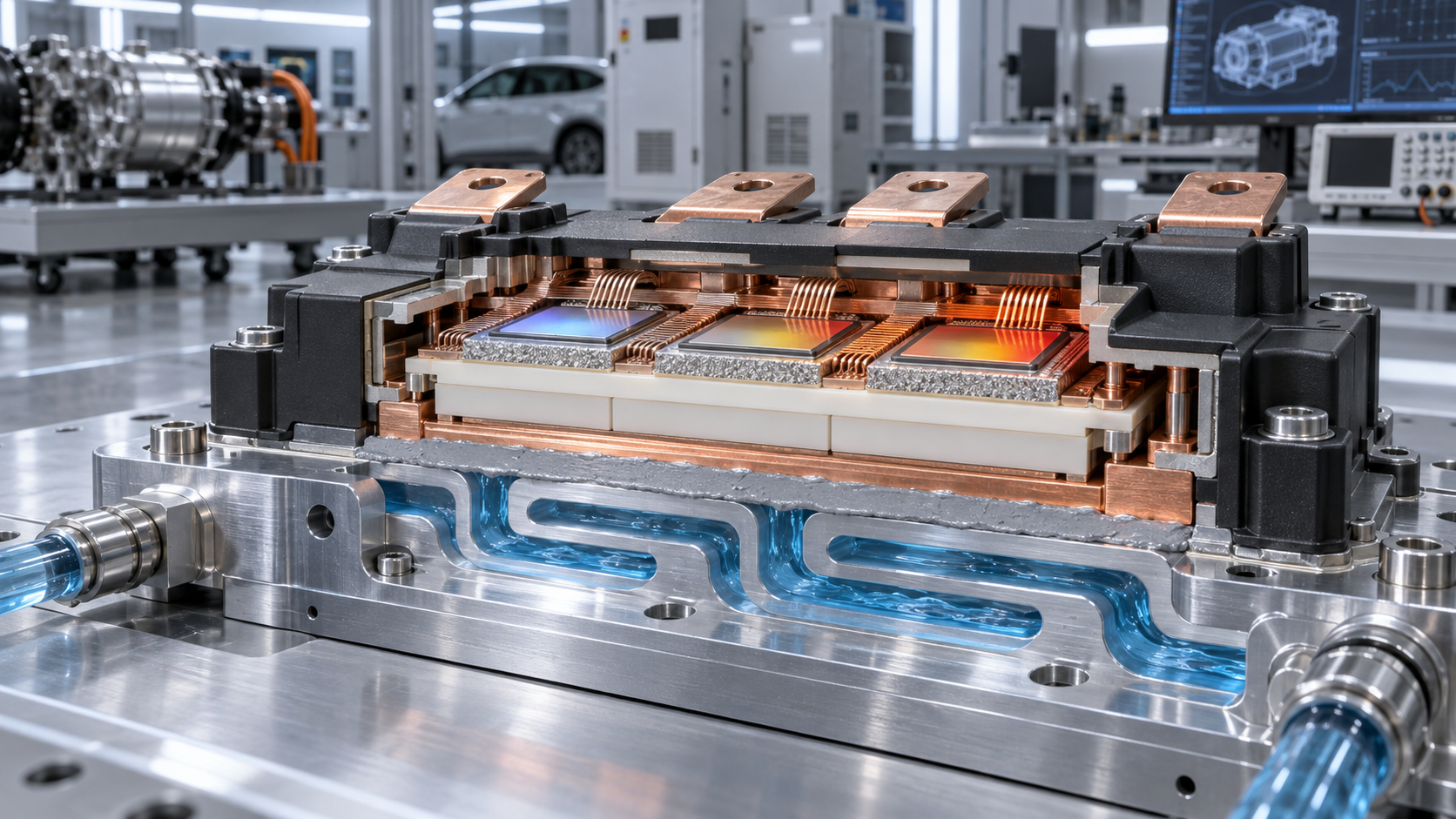
Effective 1 June 2026, Infineon Technologies has implemented a second round of price increases for its 1200V and higher silicon carbide (SiC) power modules—including automotive-grade and HVDC power supply variants—following a global notification issued on 28 May 2026. The adjustment, ranging from 12% to 18%, applies to all in-transit orders and new orders alike, driven primarily by extended SiC wafer fabrication lead times (exceeding 36 weeks) due to AI data center demand crowding out capacity, compounded by bottlenecks in packaging and testing resources. This development is reshaping procurement planning and inventory management across European, Southeast Asian, and Middle Eastern distribution channels.
Confirmed Pricing Adjustment Details
On 28 May 2026, Infineon formally notified global customers of a price increase for 1200V and higher SiC power modules, effective 1 June 2026. The increase spans 12%–18% and covers all product variants designated for automotive applications and HVDC power systems. It applies universally—to both existing in-transit orders and newly placed orders. The stated drivers are prolonged SiC wafer fabrication lead times (≥36 weeks), attributed to prioritized allocation of foundry capacity toward AI data center chip production, and concurrent constraints in backend packaging and test capacity.
Supply Chain Impact Across Key Stakeholder Roles
Direct trading enterprises
Distributors and resellers—particularly those serving Europe, Southeast Asia, and the Middle East—are facing immediate pressure to revise annual procurement budgets and adjust safety stock levels. Since the price hike applies retroactively to in-transit orders, margin visibility has diminished, and forward pricing commitments with end customers require urgent renegotiation.
Raw material and component procurement enterprises
Companies sourcing SiC modules as critical BOM components must now reassess landed cost models, especially where landed costs include logistics, customs duties, and currency hedging. Longer lead times also necessitate earlier purchase commitments, increasing working capital exposure and complicating just-in-time planning.
Manufacturing enterprises
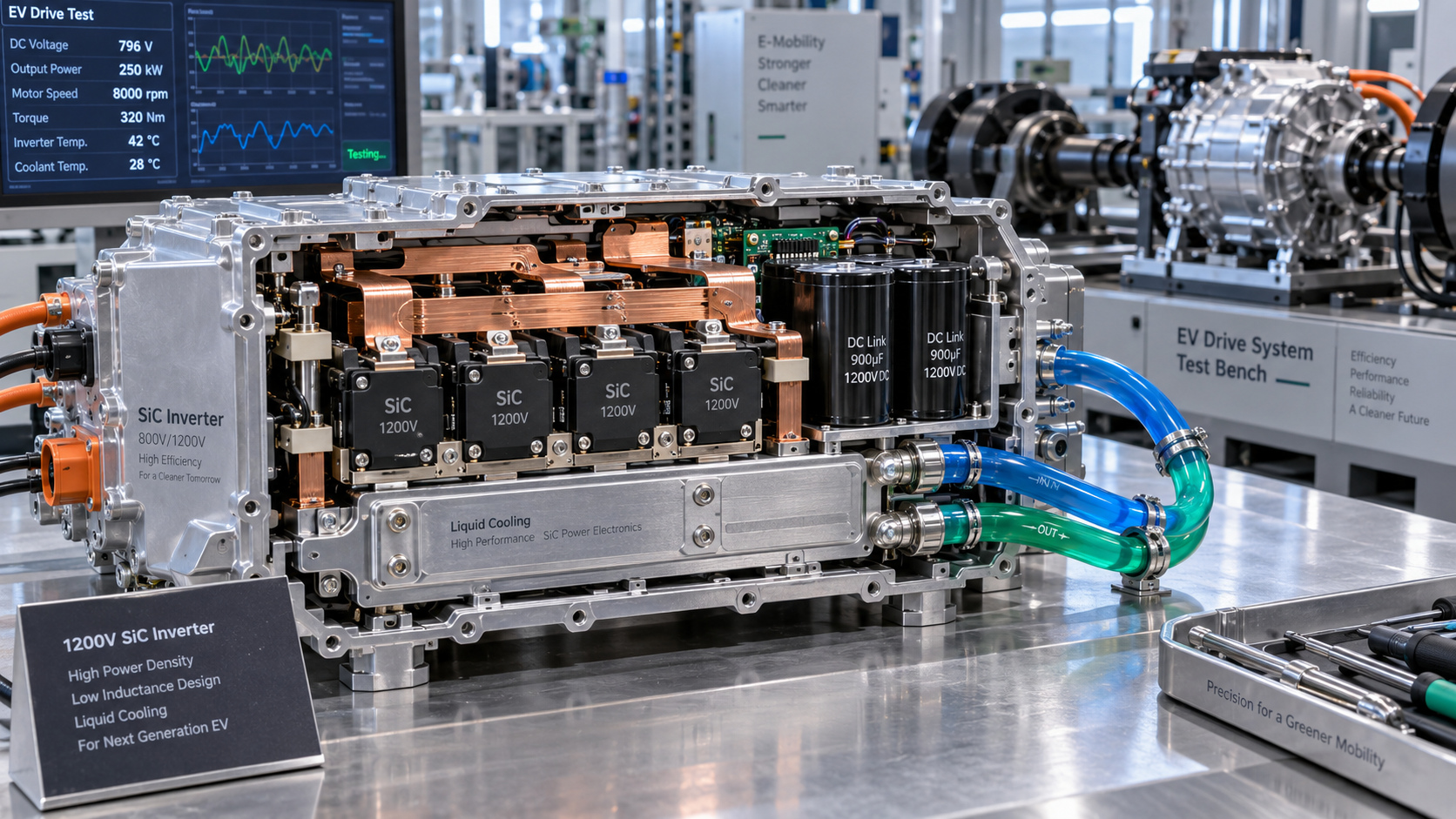
OEMs and ODMs integrating these modules into power electronics systems—including EV traction inverters and grid-scale converters—face cascading effects on bill-of-materials cost validation, design-for-cost reviews, and production scheduling. Delayed module availability may trigger line-down risks unless alternative qualified parts or dual-sourcing strategies are pre-validated.
Supply chain service providers
Logistics coordinators, customs brokers, and compliance verification agencies must accommodate tighter documentation timelines—especially for tariff classification updates, origin certification, and technical conformity statements tied to revised commercial terms and delivery windows.
Strategic Priorities for Affected Businesses
Review and lock in long-lead procurement schedules
Given the 36-week wafer lead time and broad applicability of the price increase, enterprises should finalize Q3–Q4 2026 SiC module orders before early June, where contract terms allow, to mitigate further cost escalation and allocation risk.
Validate alternative part qualifications and cross-references
Automotive- and HVDC-grade modules require rigorous qualification (e.g., AEC-Q101, IEC 62933-3-1). Firms should accelerate comparative analysis of functionally equivalent modules from STMicroelectronics, Wolfspeed, or onsemi—ensuring full compliance with application-specific reliability, thermal, and safety standards before switching.
Update tender specifications and technical bid alignment
Procurement departments issuing RFQs or managing framework agreements must revise technical annexes to reflect updated pricing tiers, delivery milestones, and contractual clauses covering force majeure, price adjustment mechanisms, and substitution rights under supply disruption scenarios.
Strengthen supplier performance monitoring and dual-sourcing readiness
With Infineon’s capacity constraints now structural rather than transient, companies should formalize contingency plans—including pre-audited secondary suppliers, shared test capacity agreements, and documented qualification transfer pathways—to reduce single-source dependency.
Industry Observation: Beyond Short-Term Cost Pressure
Analysis shows this pricing action reflects more than cyclical supply-demand imbalance—it signals an inflection point in semiconductor resource allocation, where AI infrastructure investment is actively reshaping capacity access for power electronics. From an industry perspective, the widening gap between AI logic wafer demand and wide-bandgap device supply suggests that lead time volatility will persist beyond 2026. What deserves closer attention is how this dynamic accelerates consolidation among SiC module integrators and incentivizes vertical integration—particularly in packaging and test—among tier-1 power semiconductor players. It is more appropriate to understand this as a structural recalibration of the SiC ecosystem, not merely a pricing event.
Key Takeaway for Industry Stakeholders
This adjustment underscores that SiC module procurement is no longer governed solely by technical fit or unit cost—but increasingly by strategic access to constrained manufacturing capacity, qualification agility, and contractual flexibility. Enterprises that treat SiC sourcing as a commodity transaction risk operational and financial exposure; those embedding supply assurance into product development and procurement governance will gain measurable resilience.
Source Attribution and Verification Guidance
This article is based exclusively on the user-provided information: title, event date (2026-06-01), and summary text. Specific official source links were not provided in the input and should be verified continuously. Stakeholders are advised to monitor Infineon’s official communications, distributor bulletins, and updates to technical documentation (e.g., datasheets, qualification reports, and packaging change notices), as well as forthcoming guidance from regional trade associations on import classification and regulatory interpretation related to wide-bandgap power devices.
Get weekly intelligence in your inbox.
No noise. No sponsored content. Pure intelligence.
 Apr 28, 2026When do rapid prototyping 3D printing services save real costWhen do rapid prototyping 3D printing services save real cost
 Apr 28, 2026What Can Go Wrong in Fan-out Wafer Level Pkg?What Can Go Wrong in Fan-out Wafer Level Pkg?
 Apr 28, 2026What Makes Optical LiDAR Modules Better for Autonomy?What Makes Optical LiDAR Modules Better for Autonomy?
 Apr 28, 20262026 Market Trends in Supply Chain Resilience for Fabs2026 Market Trends in Supply Chain Resilience for Fabs
 Oct 12, 2026When does fan-out wafer level packaging outperform flip-chip packaging?When does fan-out wafer level packaging outperform flip-chip packaging?
 Oct 11, 2026How energy management can reduce peak demand chargesHow energy management can reduce peak demand charges
 Oct 10, 2026When do integrated sensor systems reduce commissioning risks?When do integrated sensor systems reduce commissioning risks?
 Oct 09, 2026How North American semiconductor fabs control airborne molecular contaminationHow North American semiconductor fabs control airborne molecular contamination
 Oct 08, 2026When do custom aluminum extrusions reduce fabrication costs?When do custom aluminum extrusions reduce fabrication costs?
 Oct 07, 2026How semiconductor packaging affects thermal reliability in EV power electronicsHow semiconductor packaging affects thermal reliability in EV power electronics
 Oct 06, 2026When do corrugated plastic boxes make sense for returnable shipping?When do corrugated plastic boxes make sense for returnable shipping?
 Oct 05, 2026What to verify before choosing semiconductor distributors in North AmericaWhat to verify before choosing semiconductor distributors in North America
 Oct 04, 2026How to assess a high purity materials manufacturer’s traceabilityHow to assess a high purity materials manufacturer’s traceability
 Oct 03, 2026How SiC power conversion solutions improve high-voltage invertersHow SiC power conversion solutions improve high-voltage inverters
 Oct 02, 2026When do SiC MOSFET benefits justify the higher device cost?When do SiC MOSFET benefits justify the higher device cost?
 Oct 01, 2026Which semiconductor reliability testing standards apply to power devices?Which semiconductor reliability testing standards apply to power devices?
 Sep 30, 2026How to qualify a semiconductor photoresist supplier for KrF/ArF productionHow to qualify a semiconductor photoresist supplier for KrF/ArF production
 Sep 29, 2026What image quality should portable ultrasound scanners deliver for triage?What image quality should portable ultrasound scanners deliver for triage?
 Sep 28, 2026How sub-ppb impurity control gases protect process consistencyHow sub-ppb impurity control gases protect process consistency
 Sep 27, 2026How chemical purity affects defect rates in semiconductor depositionHow chemical purity affects defect rates in semiconductor deposition
 Sep 26, 2026When do high voltage power semiconductor devices need SiC over IGBTs?When do high voltage power semiconductor devices need SiC over IGBTs?
 Sep 25, 2026How to verify quality controls at a die casting parts supplier in ChinaHow to verify quality controls at a die casting parts supplier in China
 Sep 24, 2026How to verify electronic gas purity for sub-ppb semiconductor processesHow to verify electronic gas purity for sub-ppb semiconductor processes
 Sep 23, 2026When sensory data integration improves industrial motion monitoringWhen sensory data integration improves industrial motion monitoring
 Sep 22, 2026How supply chain resilience reduces the cost of production disruptionsHow supply chain resilience reduces the cost of production disruptions
 Sep 21, 2026What autonomous systems OEMs should verify before sourcing LiDAR modulesWhat autonomous systems OEMs should verify before sourcing LiDAR modules
 Sep 20, 2026How gas purity affects defect density in epitaxial wafer growthHow gas purity affects defect density in epitaxial wafer growth