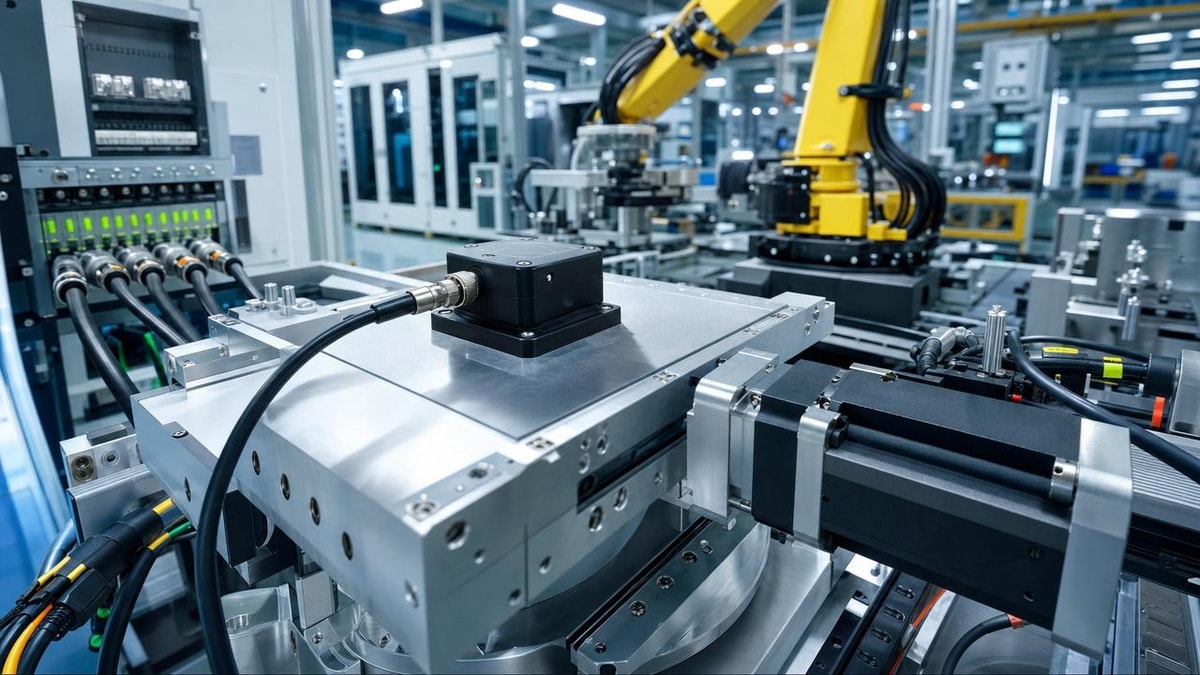


Choosing an Autonomous Systems Supplier for Scalable Automation
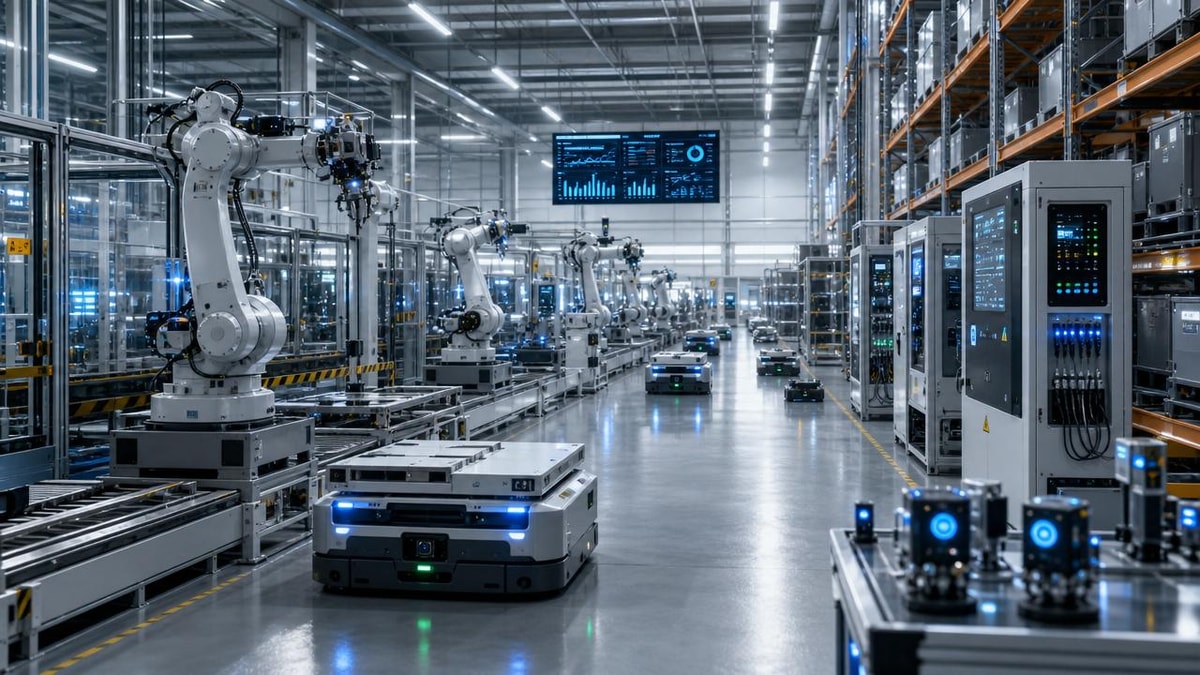
Selecting the right Autonomous Systems supplier is no longer a tactical purchase—it is a strategic decision that shapes scalability, reliability, and long-term competitiveness. For enterprise leaders navigating autonomous manufacturing, sensing infrastructure, and power-efficient automation, the ideal partner must deliver more than products: they must prove technical rigor, standards compliance, and supply chain resilience in a rapidly evolving global industrial landscape.
What an Autonomous Systems supplier really provides
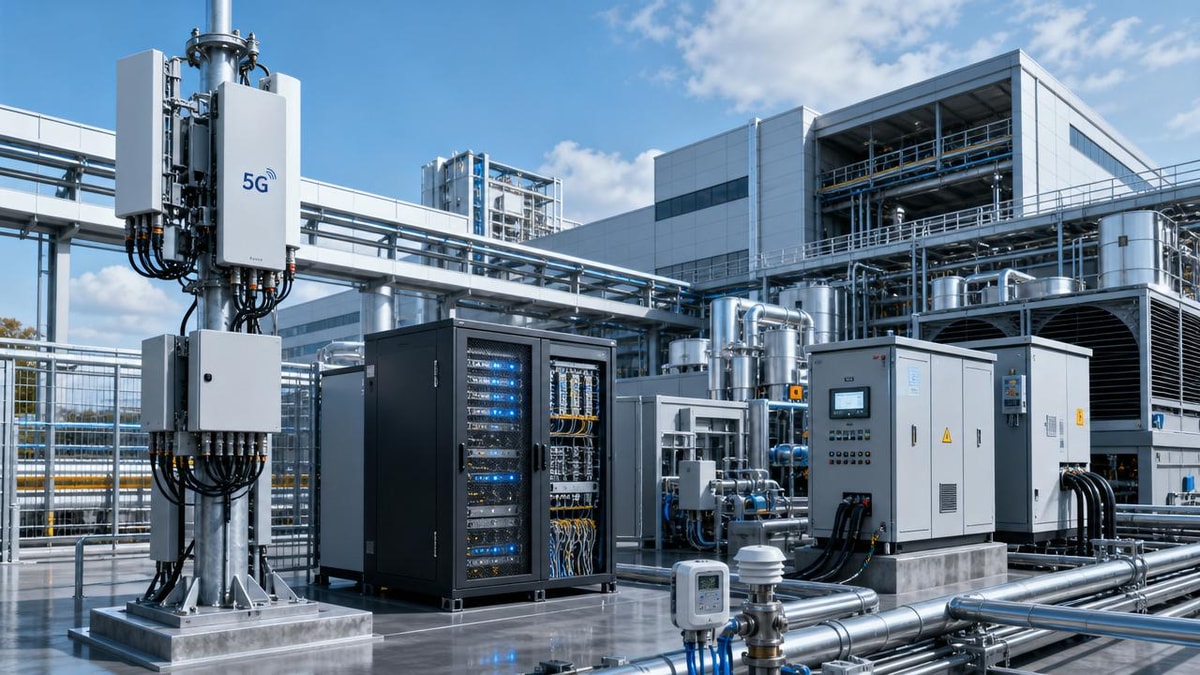
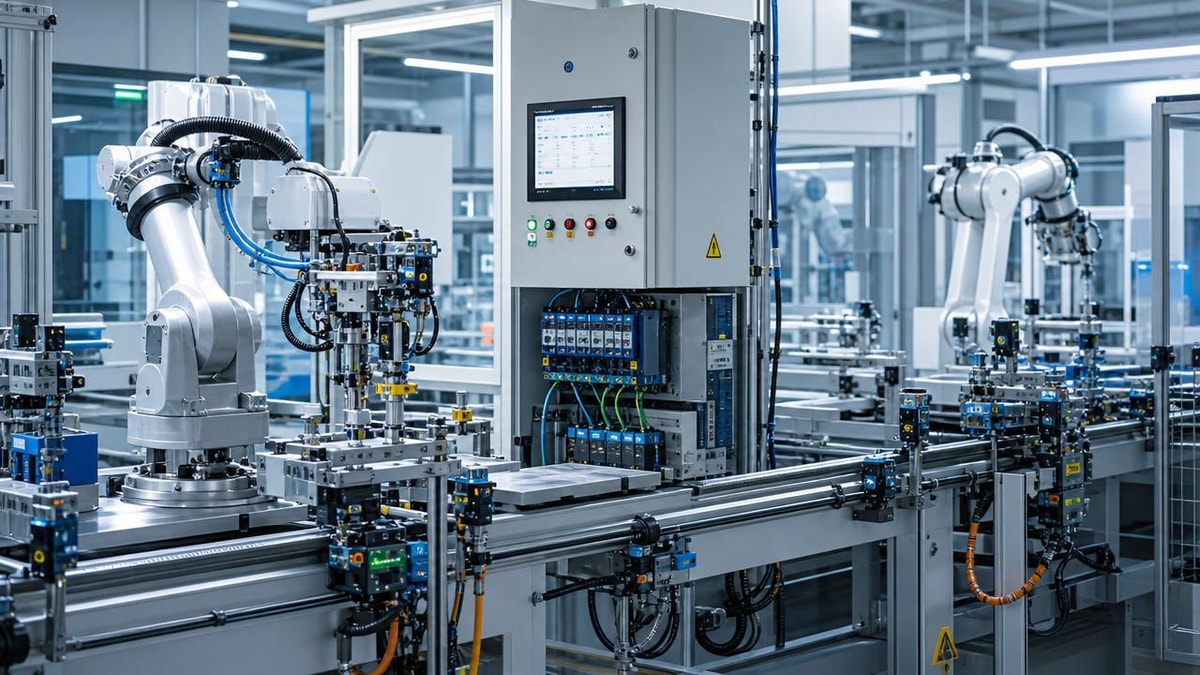
An Autonomous Systems supplier is not simply a vendor of robots, controllers, or software. In enterprise environments, the term refers to a partner capable of enabling machines, industrial assets, and infrastructure to sense, decide, communicate, and act with minimal human intervention. That capability often spans edge computing, industrial AI, MEMS-based sensing, embedded control, power semiconductors, connectivity, thermal management, and system-level integration.
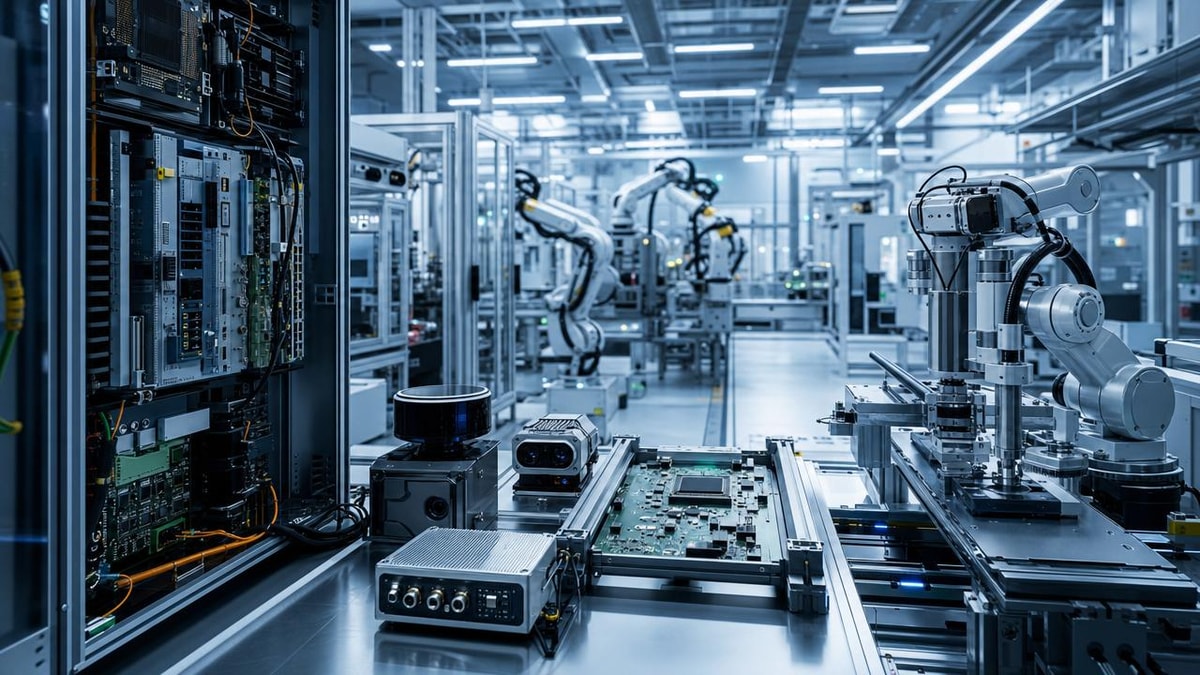
For decision-makers in manufacturing, logistics, energy, and digital infrastructure, supplier selection has become more complex because autonomous systems now sit on top of critical semiconductor and sensory foundations. If sensor fidelity is weak, edge decision-making becomes unreliable. If power devices fail under thermal stress, uptime suffers. If packaging, testing, or environmental controls are inconsistent, scale becomes fragile. This is why a qualified Autonomous Systems supplier must demonstrate competence far beyond headline product features.
Why the market is paying closer attention
The rising focus on supplier quality is driven by a structural shift in industry. Autonomous operations are expanding from isolated pilot projects into plant-wide and cross-site deployments. At the same time, global enterprises face pressure to improve labor productivity, energy efficiency, traceability, and sovereign control over critical infrastructure. These demands make system reliability and component integrity non-negotiable.
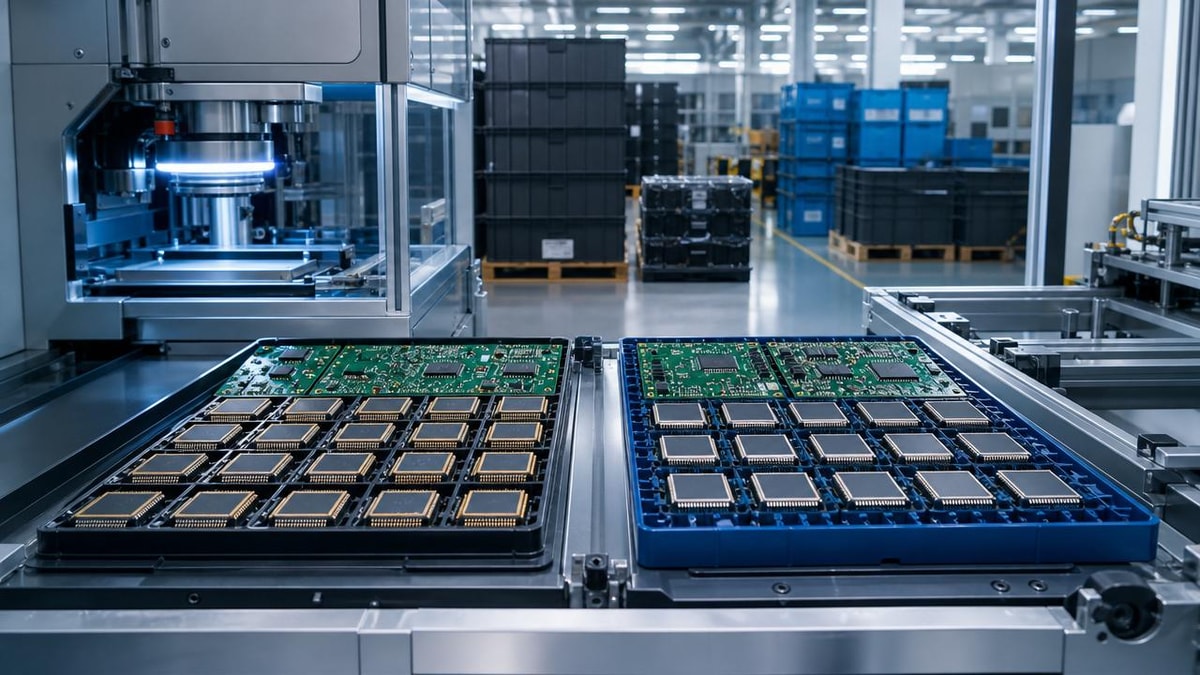
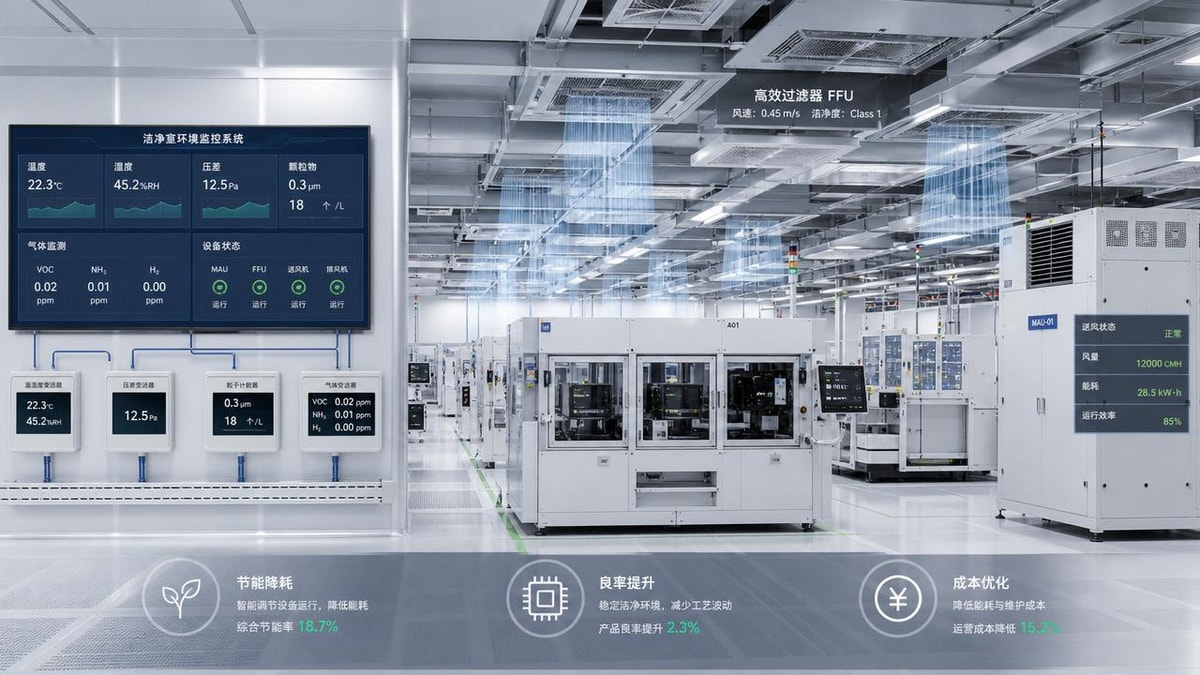
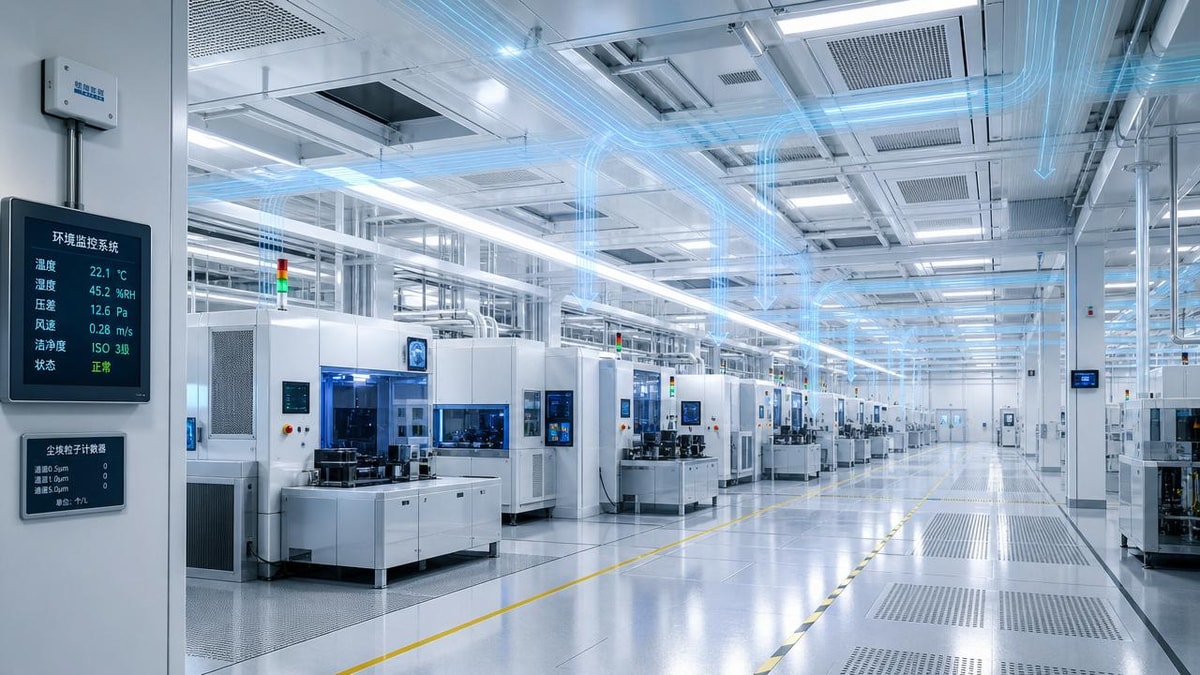
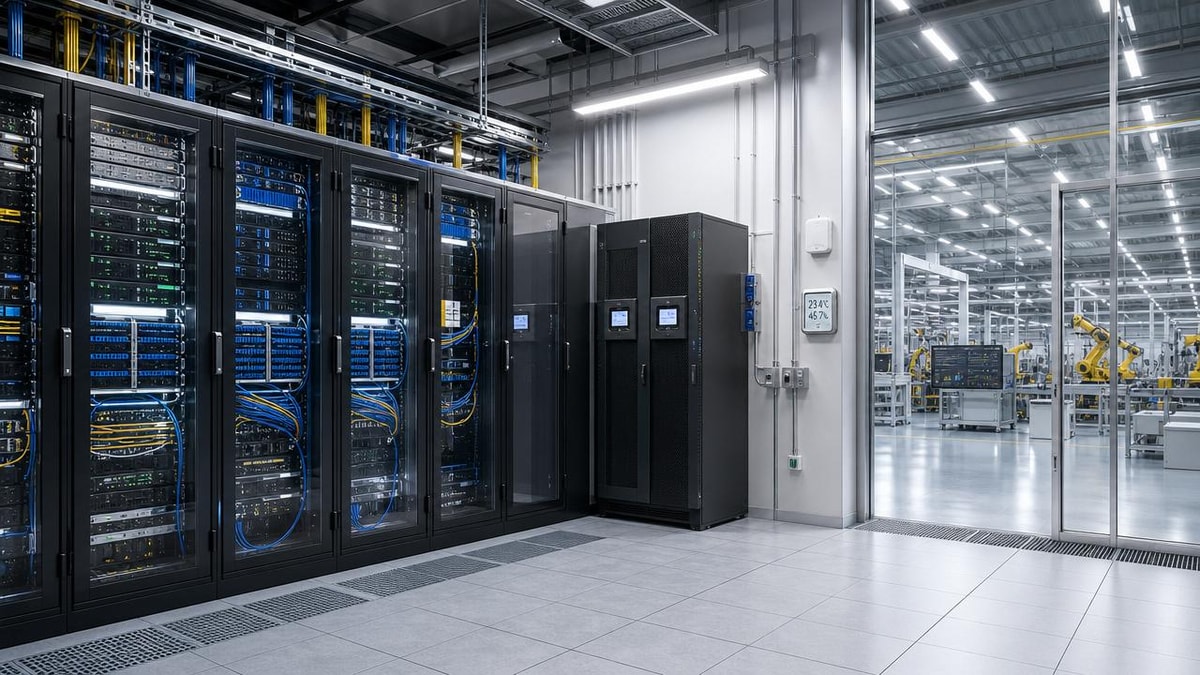
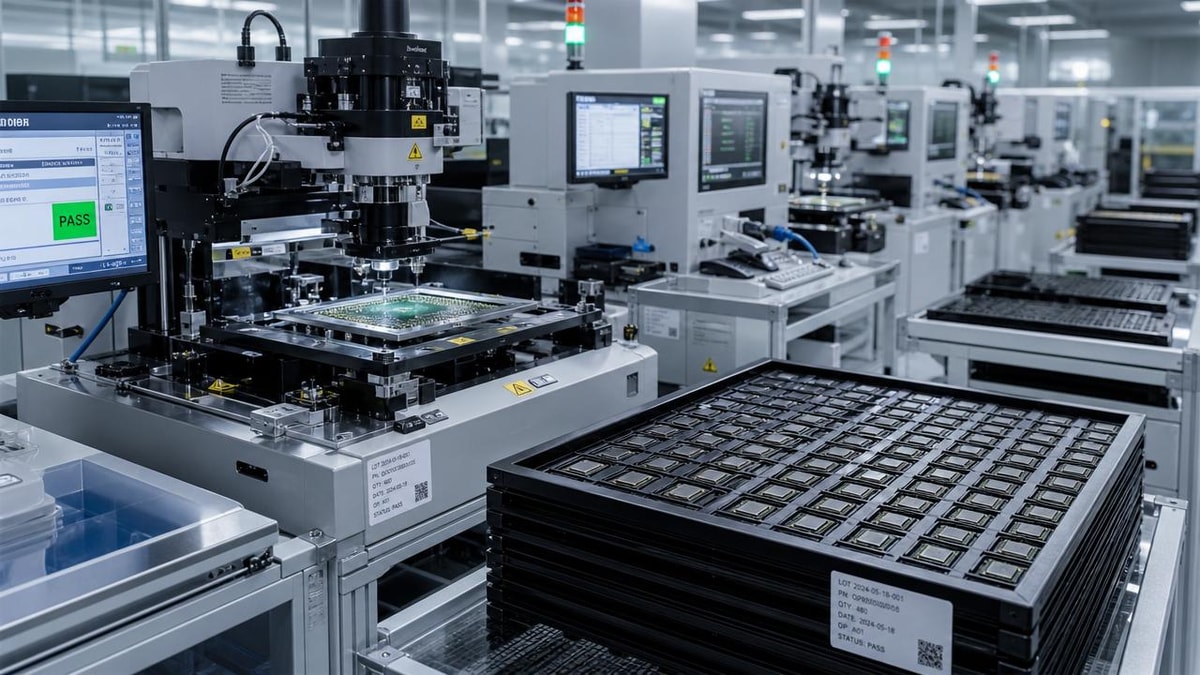
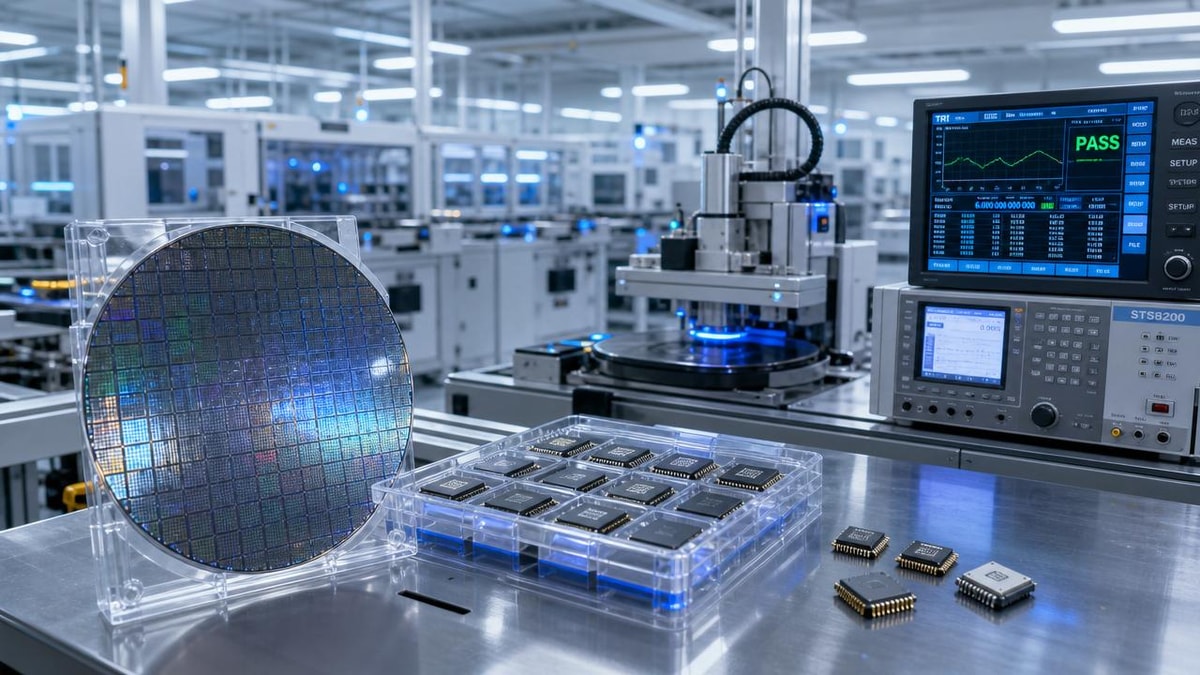
This is especially relevant in sectors linked to semiconductor-intensive automation. High-efficiency power conversion built on SiC and GaN devices, advanced IC packaging, industrial-grade MEMS sensors, high-purity electronic chemicals, and fabrication environment control all affect autonomous system performance. G-SSI’s institutional perspective is useful here: the path to scalable autonomy depends on precise benchmarking against standards such as SEMI, AEC-Q100, and ISO/IEC 17025, not only on software claims or dashboard demonstrations.
In other words, the market is no longer asking whether autonomy is valuable. It is asking which Autonomous Systems supplier can support industrial deployment with measurable reliability, robust thermal behavior, trusted data capture, and durable supply continuity.
Core evaluation dimensions for enterprise leaders
A practical evaluation framework should connect board-level objectives with engineering realities. The best Autonomous Systems supplier will usually score well across the following dimensions:
- System architecture maturity: Ability to integrate sensors, compute, control, communications, and power stages into a stable operating stack.
- Component-level credibility: Proven use of reliable semiconductors, industrial sensors, and packaging strategies suited to harsh environments.
- Standards alignment: Evidence of testing, traceability, calibration, and quality procedures aligned with recognized industrial norms.
- Scalability: Capacity to move from one site or one use case to fleet-level, multi-site, or multi-region implementation.
- Supply chain resilience: Multiple qualified sources, transparent risk controls, and continuity planning for critical parts and materials.
- Lifecycle support: Ability to maintain firmware, diagnostics, safety updates, and performance optimization over time.
This evaluation approach helps executives avoid a common mistake: choosing a visually impressive automation platform that lacks deep technical resilience in the underlying silicon, sensing, and environmental infrastructure.
Industry overview: what matters most in scalable automation
The following overview summarizes the technical and business issues that often separate a strategic Autonomous Systems supplier from a short-term equipment vendor.
Business value across typical enterprise scenarios
A capable Autonomous Systems supplier creates value differently depending on the operating context. Understanding these differences allows leaders to define supplier requirements more precisely and reduce implementation risk.
Across these scenarios, the most important pattern is consistency. A strong Autonomous Systems supplier should be able to support both immediate performance goals and long-range operational scaling, especially where downtime or data inaccuracy creates strategic risk.
The hidden role of semiconductors and sensory infrastructure
Many enterprise buyers focus first on visible system outcomes such as labor savings, throughput, or software dashboards. However, long-term value is often determined by less visible technical layers. Semiconductor quality influences switching efficiency, thermal load, and control stability. Sensor architecture affects perception precision and false-positive rates. Advanced packaging shapes reliability under shock, humidity, and temperature cycling. Even high-purity chemicals and fabrication environment control matter indirectly, because they affect device consistency and field durability.
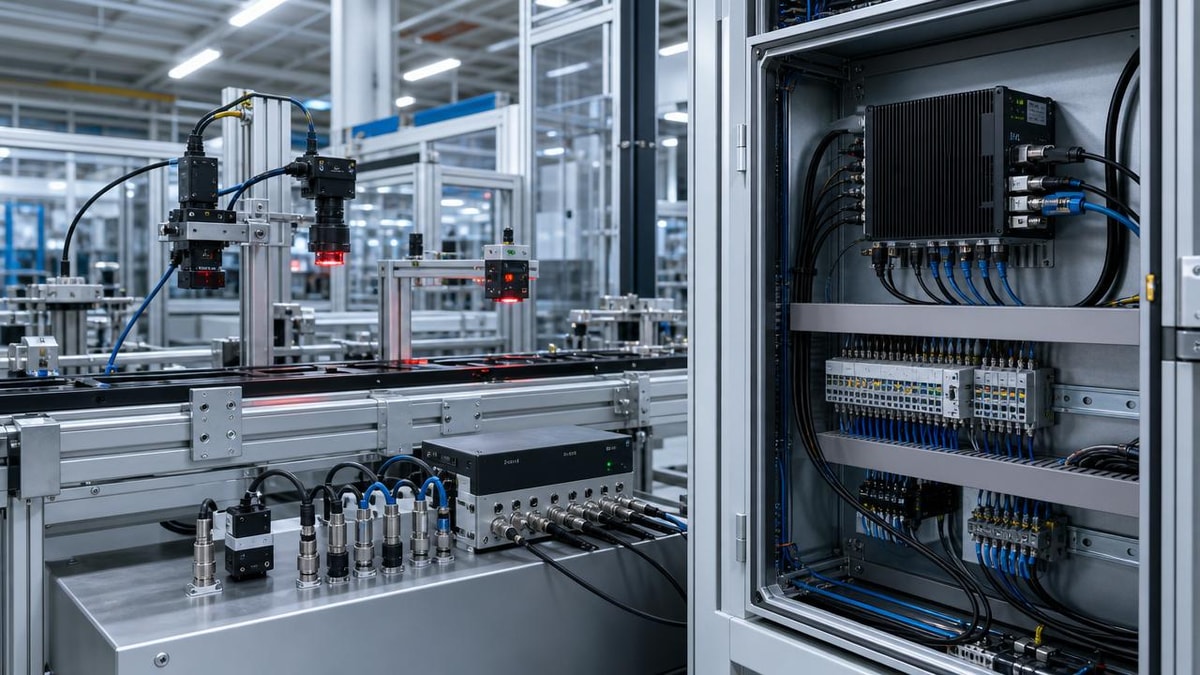
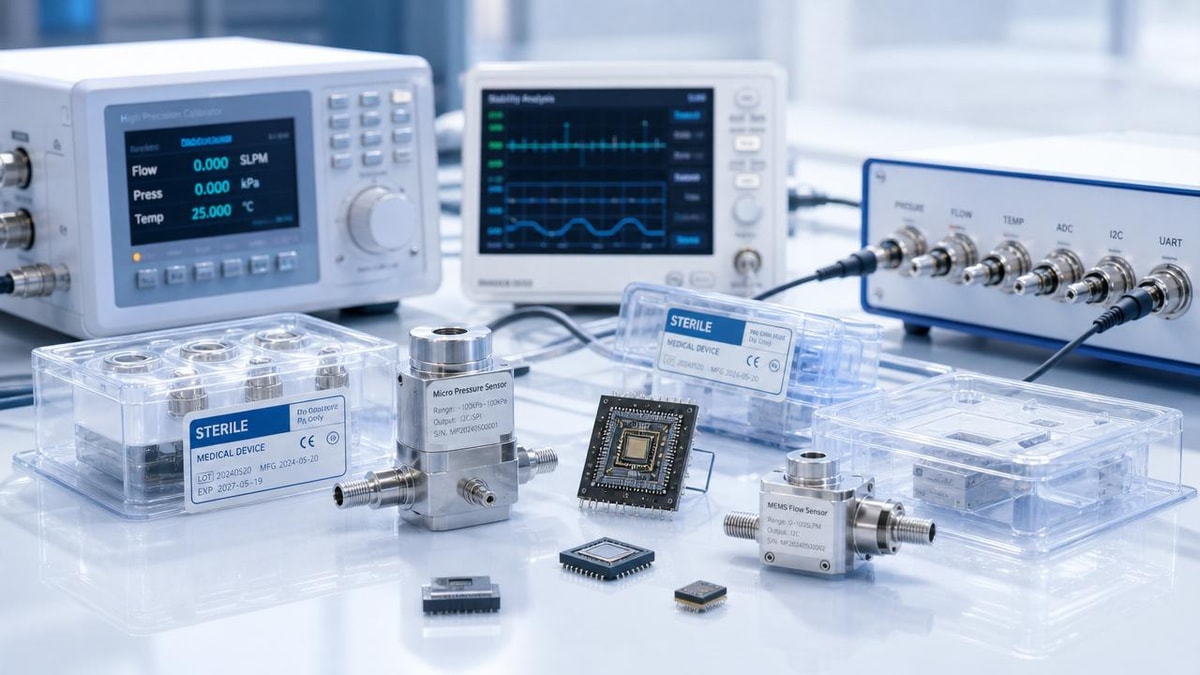
This is where benchmark-driven evaluation becomes a strategic advantage. Organizations that examine the semiconductor and sensory backbone of an Autonomous Systems supplier are better positioned to distinguish scalable engineering from marketing-led integration. For example, a supplier using well-qualified 1200V SiC MOSFETs in high-load automation power stages may deliver superior efficiency and thermal margins. Similarly, a supplier that validates industrial MEMS sensors with disciplined calibration and environmental testing can improve perception reliability in demanding industrial settings.
How to assess practical readiness before expansion
Before committing to multi-site deployment, enterprise leaders should evaluate whether the Autonomous Systems supplier is ready for scale in operational terms, not just technical demonstrations. This means reviewing documentation depth, service responsiveness, upgrade paths, data governance, and measurable field performance.
- Request evidence from real operating environments, including uptime, mean time between failures, and maintenance intervals.
- Verify interoperability with current ERP, MES, SCADA, and industrial communication layers.
- Check whether sensing, power, and compute subsystems have clearly defined qualification standards.
- Assess the supplier’s ability to support regional regulations, safety expectations, and data localization requirements.
- Review component roadmap transparency to avoid lock-in around obsolete or unstable parts.
A mature Autonomous Systems supplier should welcome this level of scrutiny. In fact, transparency is often a reliable indicator of engineering discipline and long-term partnership quality.
Common risks in supplier selection
Several risks repeatedly appear in autonomous automation programs. The first is overvaluing front-end software while underestimating hardware robustness. The second is assuming pilot success guarantees production-scale stability. The third is neglecting supply chain dependencies in semiconductors, sensor modules, packaging services, or specialty materials. The fourth is failing to align supplier capabilities with internal operating maturity.
These risks can be reduced by using a layered evaluation model: business objectives at the top, system architecture in the middle, and semiconductor-sensory validation at the base. This is particularly important for Global Top 500 organizations and infrastructure-intensive enterprises, where operational interruptions can affect compliance, customer commitments, and strategic resilience.
FAQ for decision-makers
How is an Autonomous Systems supplier different from a general automation vendor?
A general automation vendor may provide controls, robotics, or integration services. An Autonomous Systems supplier is expected to support machine perception, real-time decision logic, adaptive control, and data-driven autonomy at scale, with stronger emphasis on sensing accuracy, semiconductor reliability, and lifecycle intelligence.
Why should executives care about semiconductor and sensor details?
Because those details directly influence uptime, energy efficiency, safety, and scalability. Autonomous performance is only as strong as the integrity of the silicon, packaging, and sensory data beneath it.
What is a realistic sign of supplier maturity?
Clear qualification data, transparent standards alignment, documented field results, and a stable roadmap for supply continuity are stronger indicators than broad claims about AI or automation.
A practical path forward
For enterprise leaders, choosing an Autonomous Systems supplier should begin with a disciplined understanding of what scalable autonomy actually requires. The decision touches operational strategy, semiconductor quality, sensing precision, standards compliance, and long-term resilience. A supplier that performs well across these dimensions can help organizations move beyond isolated automation wins toward repeatable, infrastructure-grade transformation.
If your organization is evaluating autonomous manufacturing, industrial sensing, or power-efficient automation, the most effective next step is to compare suppliers through a benchmark-based lens. Prioritize verifiable technical depth, validated sensory infrastructure, robust power electronics, and proven supply chain resilience. That approach will lead to a better Autonomous Systems supplier choice—and a more scalable automation strategy overall.
- Power Semiconductors
- SiC MOSFET
- Advanced IC Packaging
- MEMS Sensors
- Electronic Chemicals
- Thermal Management
- Data Fidelity
- Industrial IoT
- Autonomous Systems
- Power Conversion
- Supply Chain Resilience
- High-Purity Chemicals
- Environment Control
- Sensory Data
- Digital Infrastructure
- Autonomous Systems supplier
- Industrial MEMS
Get weekly intelligence in your inbox.
No noise. No sponsored content. Pure intelligence.
 Apr 28, 2026When do rapid prototyping 3D printing services save real costWhen do rapid prototyping 3D printing services save real cost
 Apr 28, 2026What Can Go Wrong in Fan-out Wafer Level Pkg?What Can Go Wrong in Fan-out Wafer Level Pkg?
 Apr 28, 2026What Makes Optical LiDAR Modules Better for Autonomy?What Makes Optical LiDAR Modules Better for Autonomy?
 Apr 28, 20262026 Market Trends in Supply Chain Resilience for Fabs2026 Market Trends in Supply Chain Resilience for Fabs
 May 03, 2026Commercial EV Charging Station Installation: Site Issues to Catch EarlyCommercial EV Charging Station Installation: Site Issues to Catch Early
 May 03, 2026Photovoltaic Modules for Residential Use: What Actually Impacts PaybackPhotovoltaic Modules for Residential Use: What Actually Impacts Payback
 May 03, 2026Solar Panels Wholesale USA: Pricing Factors That Change Bulk OrdersSolar Panels Wholesale USA: Pricing Factors That Change Bulk Orders
 May 03, 2026Lithium Ion Batteries Manufacturer in China: How to Shortlist Reliable PartnersLithium Ion Batteries Manufacturer in China: How to Shortlist Reliable Partners
 May 03, 2026ESS Energy Storage Lithium Ion Batteries: What Affects Lifetime MostESS Energy Storage Lithium Ion Batteries: What Affects Lifetime Most
 May 03, 2026ESS Energy Storage for Renewable Energy: Sizing Basics That MatterESS Energy Storage for Renewable Energy: Sizing Basics That Matter
 May 03, 2026Cost-Effective Hybrid Inverters Without Hidden Performance Trade-OffsCost-Effective Hybrid Inverters Without Hidden Performance Trade-Offs
 May 03, 2026Hybrid Inverters for Solar Energy Systems: When They Make More SenseHybrid Inverters for Solar Energy Systems: When They Make More Sense
 May 03, 2026Semiconductor Fabrication Supplier Risks That Delay Capacity ExpansionSemiconductor Fabrication Supplier Risks That Delay Capacity Expansion
 May 03, 2026Supply Chain Resilience in Electronics Manufacturing Starts with Dual SourcingSupply Chain Resilience in Electronics Manufacturing Starts with Dual Sourcing
 May 03, 2026How Cleanroom Environment Control Solutions Affect Operating CostsHow Cleanroom Environment Control Solutions Affect Operating Costs
 May 03, 2026Environment Control Solutions for Cleanrooms: What Impacts Yield MostEnvironment Control Solutions for Cleanrooms: What Impacts Yield Most
 May 03, 2026How Digital Infrastructure Shapes Smarter City Expansion PlansHow Digital Infrastructure Shapes Smarter City Expansion Plans
 May 03, 2026Digital Infrastructure for 5G Networks: Build Now or Upgrade LaterDigital Infrastructure for 5G Networks: Build Now or Upgrade Later
 May 03, 2026Digital Infrastructure Standards Every New Facility Plan Should AddressDigital Infrastructure Standards Every New Facility Plan Should Address
 May 03, 2026IC Testing Standards That Reduce Rework in Volume ProductionIC Testing Standards That Reduce Rework in Volume Production
 May 03, 2026Industrial IoT Certification: What Matters Before System RolloutIndustrial IoT Certification: What Matters Before System Rollout
 May 03, 2026Autonomous Systems for Industrial Automation: Common Integration MistakesAutonomous Systems for Industrial Automation: Common Integration Mistakes
 May 03, 2026Choosing an Autonomous Systems Supplier for Scalable AutomationChoosing an Autonomous Systems Supplier for Scalable Automation
 May 03, 2026Autonomous Systems OEM vs Supplier: What Changes in Project ControlAutonomous Systems OEM vs Supplier: What Changes in Project Control
 May 03, 2026How to Vet a MEMS Sensors Manufacturer for Long-Term SupplyHow to Vet a MEMS Sensors Manufacturer for Long-Term Supply
 May 03, 2026MEMS Sensors for Medical Devices: Key Factors Before Product ApprovalMEMS Sensors for Medical Devices: Key Factors Before Product Approval
 May 03, 2026How MEMS Sensors Improve Stability in Industrial Motion MonitoringHow MEMS Sensors Improve Stability in Industrial Motion Monitoring