

Autonomous Systems for Industrial Automation: Common Integration Mistakes
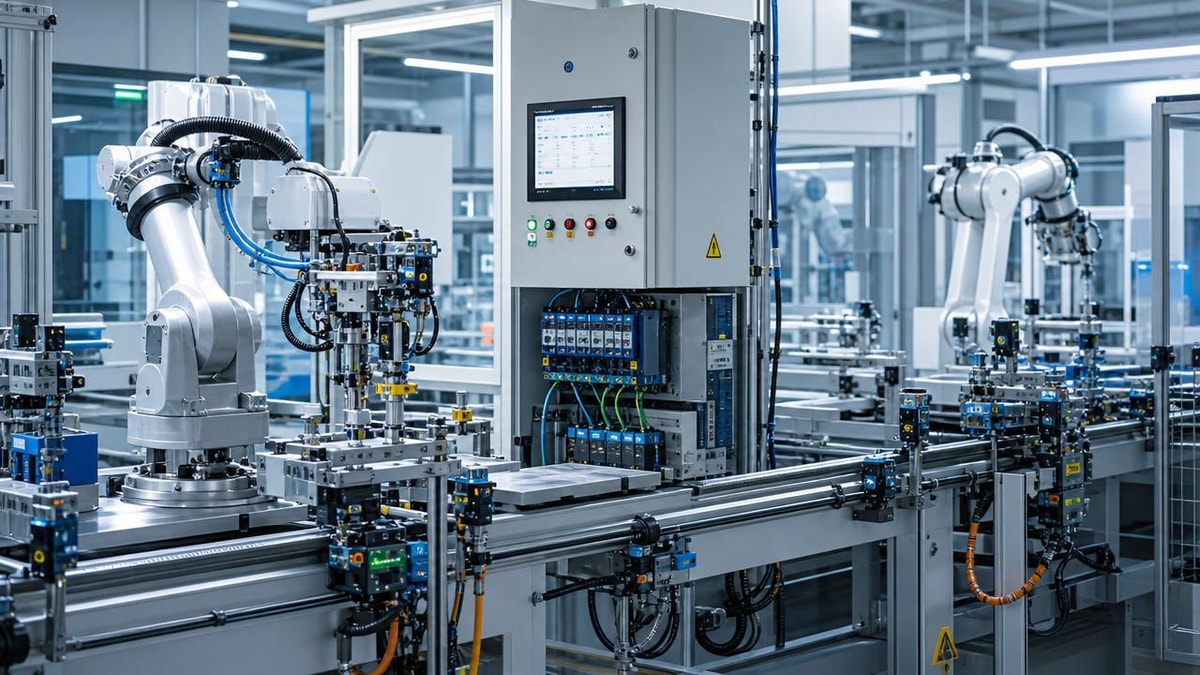
Autonomous Systems for industrial automation promise faster throughput, smarter maintenance, and tighter process control, but poor integration can quickly turn these gains into costly downtime. For after-sales maintenance teams, understanding the most common mistakes is essential to protecting system reliability, sensor accuracy, and long-term equipment performance in complex industrial environments.
What Autonomous Systems for Industrial Automation Really Mean
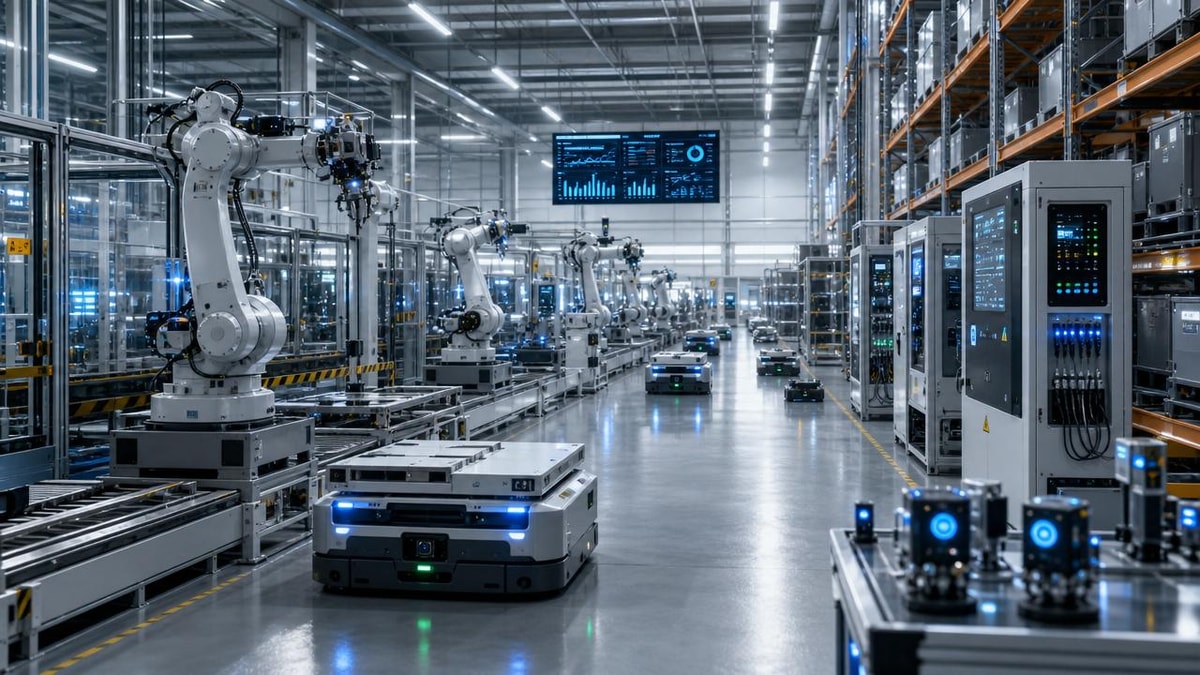
In practical terms, Autonomous Systems for industrial automation are connected control environments where machines, sensors, drives, edge computers, vision units, and software platforms can make limited or advanced decisions with minimal human intervention. These systems may adjust process parameters, predict failures, route materials, optimize energy use, or trigger alarms based on live data. In factories, warehouses, packaging lines, semiconductor-support facilities, and process industries, autonomy is no longer a future concept. It is becoming part of daily operations.
For after-sales maintenance personnel, the key issue is not only whether the system works on commissioning day. The real test is whether it remains stable after months of vibration, heat, contamination, firmware updates, component replacements, and production changes. That is why integration quality matters as much as hardware quality. Even a high-performance controller or a reliable MEMS sensor can underperform if signal mapping, grounding, thermal design, or data handoff are poorly executed.
Why the Industry Is Paying Closer Attention
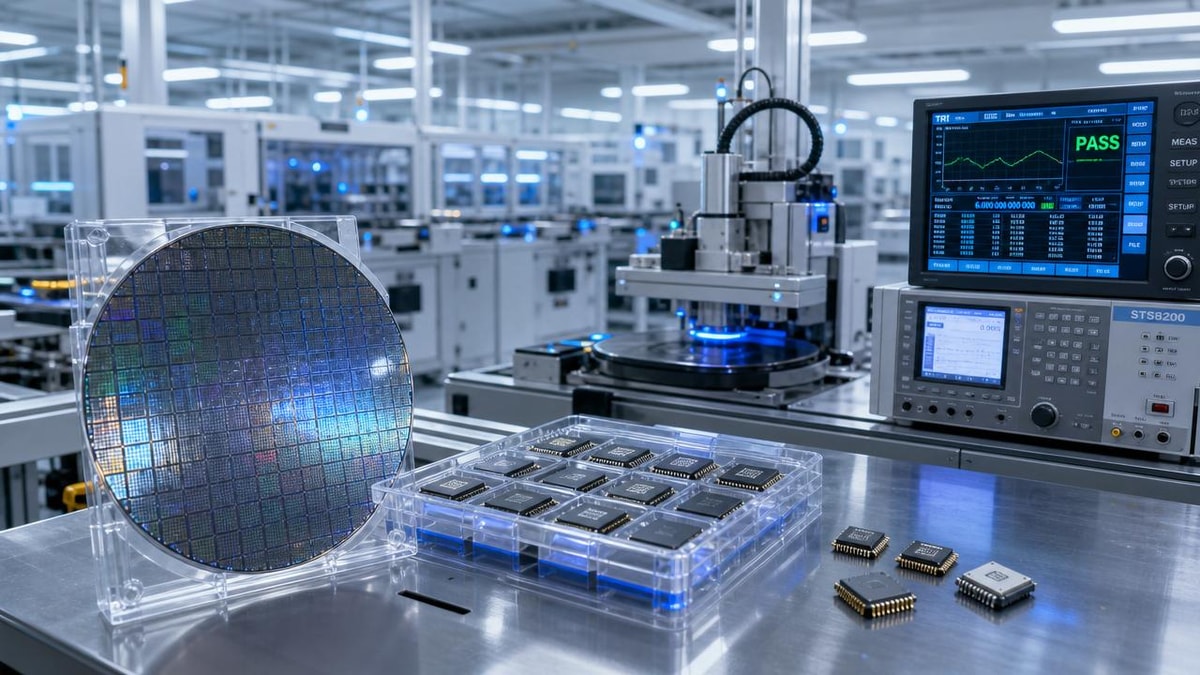
Across the broader industrial landscape, companies are under pressure to improve throughput, reduce labor dependency, increase traceability, and maintain uptime with fewer interruptions. At the same time, systems are becoming more dependent on accurate sensing, stable power electronics, and reliable communication layers. In sectors influenced by semiconductor manufacturing, smart sensors, advanced packaging, power conversion, and industrial IoT architectures, the tolerance for integration error is shrinking.
This is especially relevant to environments aligned with standards such as SEMI, AEC-Q100, and ISO/IEC 17025, where reliability and data fidelity are not optional. A machine may appear mechanically sound, but if its autonomous decision logic is fed by noisy inputs, delayed communications, or mismatched device profiles, the result can be false alarms, unstable cycles, and maintenance confusion. For maintenance teams, the most expensive problems often come from the gap between what the system was designed to do and what the integrated system can actually sustain.
A Quick Industry Overview of Where Integration Errors Appear
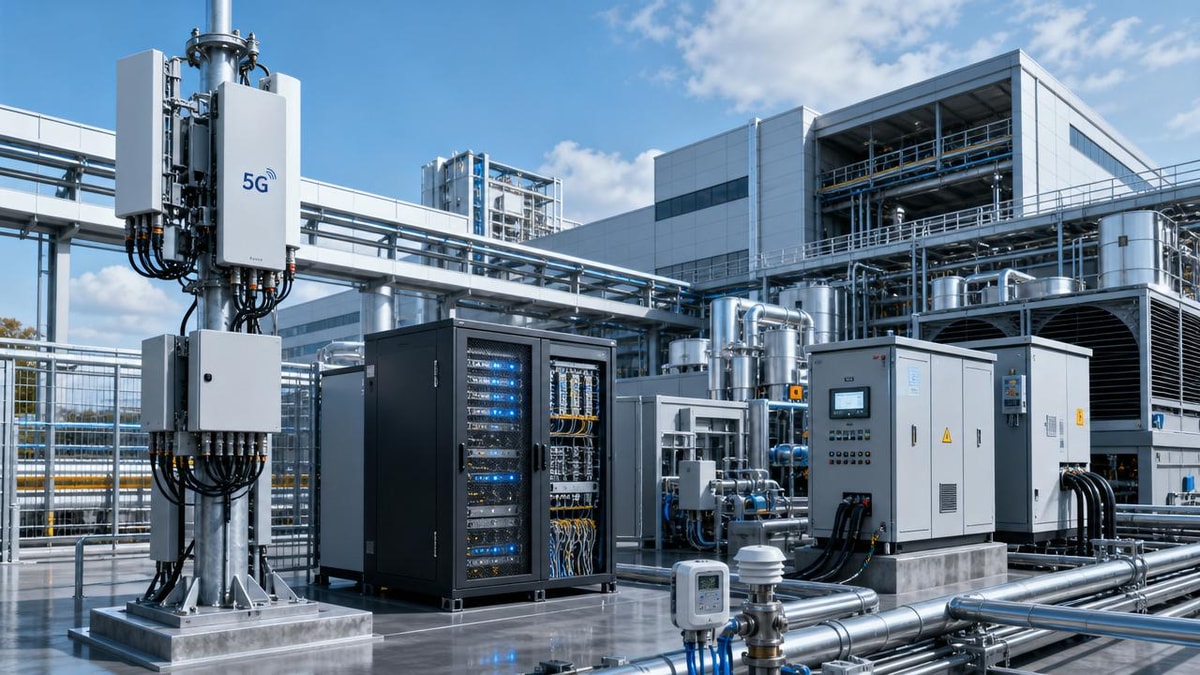
The following overview shows how common integration risks differ by environment, while still affecting the same core goal: dependable Autonomous Systems for industrial automation.
The Most Common Integration Mistakes
1. Treating autonomy as software only
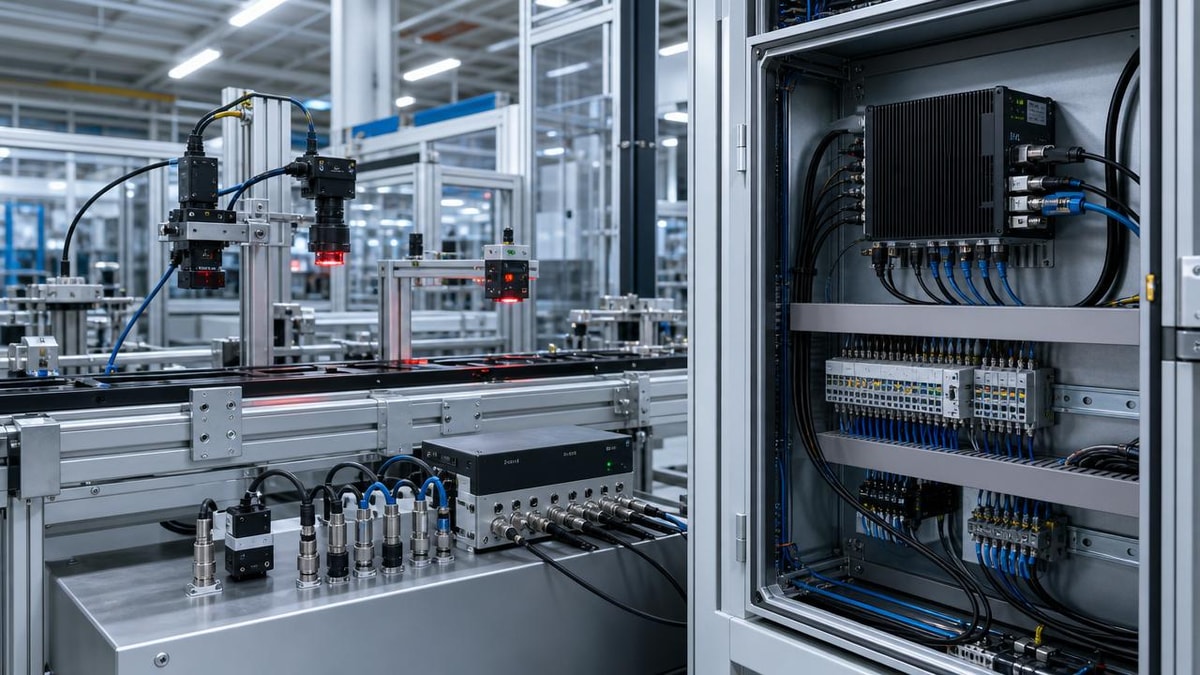
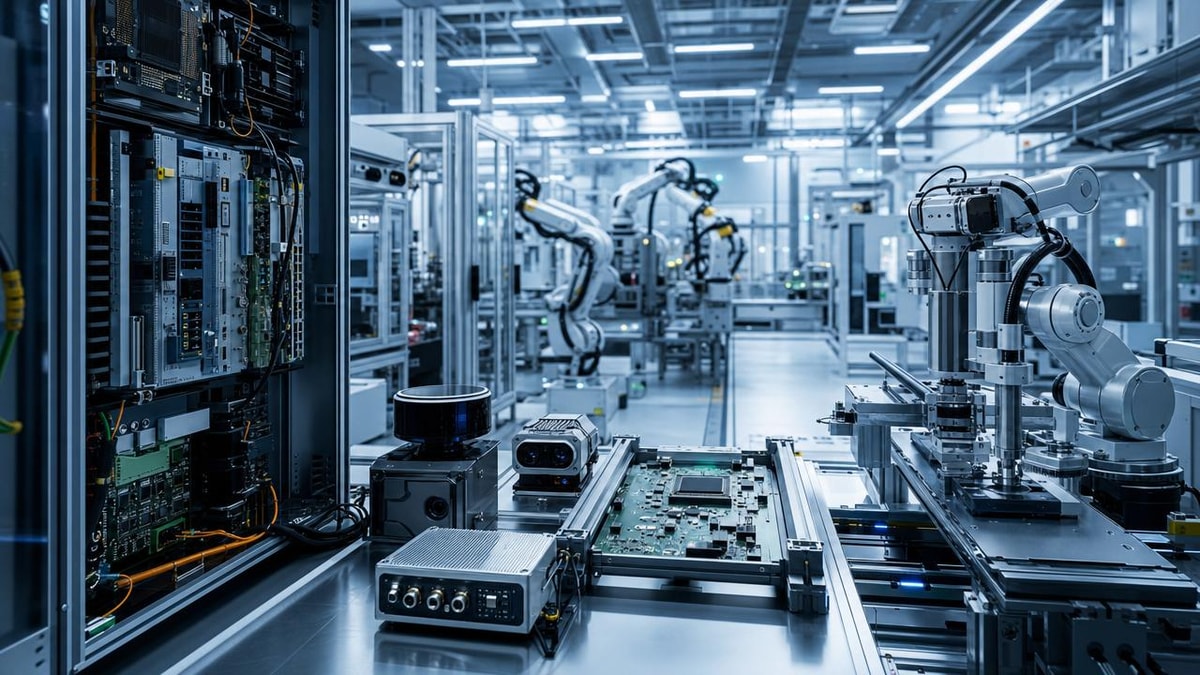
One of the biggest mistakes is assuming Autonomous Systems for industrial automation are mainly a software layer. In reality, autonomy depends on the entire stack: sensor integrity, power stability, fieldbus quality, enclosure environment, timing behavior, and mechanical consistency. If teams focus only on dashboards or AI features while ignoring cable shielding, heat dissipation, or connector quality, reliability drops quickly.
2. Using sensor data without validating data quality
Autonomous decisions are only as good as the input data. A frequent integration mistake is connecting sensors, confirming that values are visible, and then assuming the data is trustworthy. After-sales teams often discover later that vibration sensors were installed in poor locations, vision systems were exposed to unstable lighting, or temperature sensors were affected by nearby heat sources. Data availability is not the same as data accuracy.
3. Ignoring power and thermal conditions
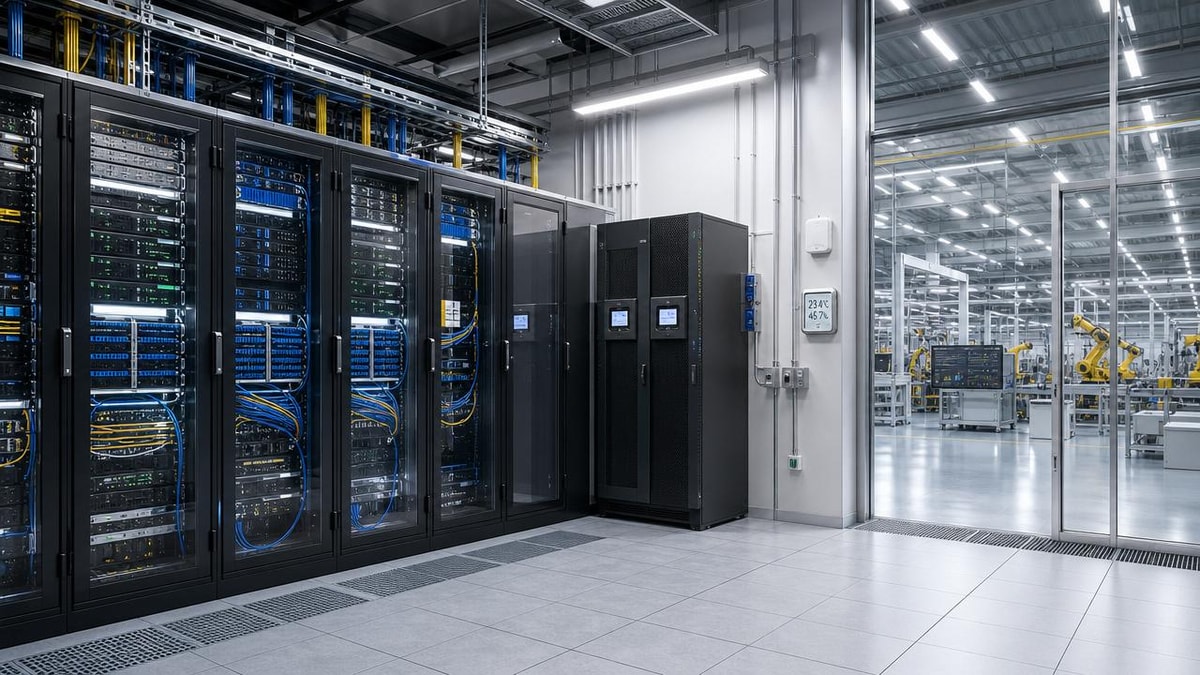
Industrial autonomy often adds edge processors, smart drives, communication gateways, and more sensors. That increases thermal load and power sensitivity. In systems using high-efficiency power semiconductors, including SiC or GaN-related architectures, integration teams sometimes underestimate transient behavior, cooling needs, or cabinet airflow. Maintenance staff then face recurring resets, communication drops, or shortened component life that look like software problems but actually come from heat or unstable supply conditions.
4. Overlooking protocol compatibility and timing
A system may include PLCs, SCADA, edge analytics, machine vision, servo control, and cloud reporting. If these layers use different assumptions about timing, message priority, or data formats, the system becomes fragile. This is common when integrators connect legacy equipment to modern Autonomous Systems for industrial automation without fully validating cycle times, failover behavior, and timestamp consistency. The result may be subtle: not a complete failure, but a gradual loss of trust in alarms, trends, or automated decisions.
5. Weak fail-safe and fallback design
Autonomy does not eliminate the need for controlled manual recovery. A poor integration choice is to automate normal production states while leaving exception handling undefined. When a sensor becomes unavailable or a communication path drops, what happens next? Does the machine move to a safe state, a degraded mode, or a dead stop? Maintenance teams need clear fallback logic, or every abnormal event becomes a troubleshooting emergency.
6. Inadequate calibration and reference alignment
In sensor-heavy environments, calibration errors are a silent source of integration failure. A vision unit may be aligned to an outdated coordinate system. A pressure sensor may be scaled differently in the PLC and analytics platform. A predictive model may use data collected before a mechanical retrofit. These mismatches create false confidence. Autonomous Systems for industrial automation can continue running while making poor decisions because the references behind the logic are wrong.
7. Poor documentation at handover
Many post-installation issues are not purely technical. They come from missing documentation. If maintenance teams do not receive complete I/O lists, firmware versions, network topology, calibration records, spare part mapping, and alarm-response logic, troubleshooting takes longer and repeated mistakes become likely. In autonomous environments, undocumented changes are especially dangerous because one unnoticed update can alter system behavior across multiple devices.
Where These Mistakes Hit After-Sales Maintenance the Hardest
After-sales maintenance personnel are usually responsible for restoring uptime quickly, preserving warranty confidence, and preventing repeat service calls. That means they experience the consequences of bad integration more directly than system designers do. The issue may first appear as nuisance alarms, unstable feedback loops, unexplained actuator behavior, or intermittent communication faults. Yet behind those symptoms are integration decisions made much earlier.
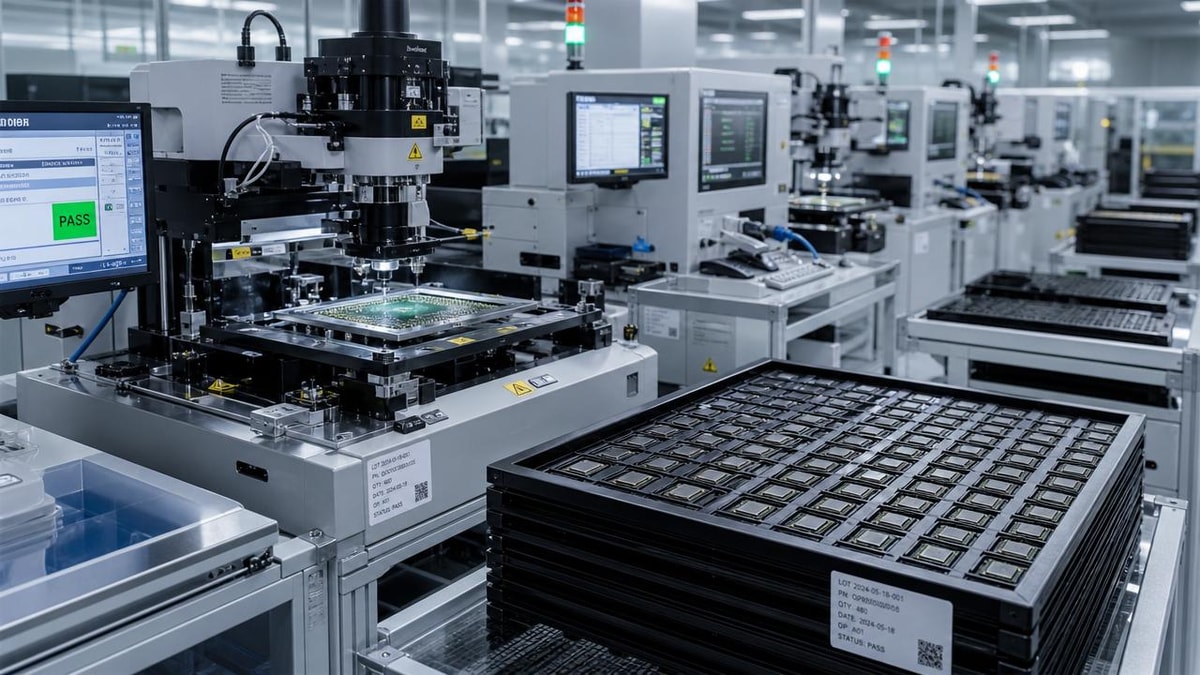
In facilities that depend on precise sensing or contamination-sensitive operations, such as electronics, precision assembly, or semiconductor-support processes, the impact is even greater. A slight offset in sensor data can distort process control. An improperly grounded cabinet can inject noise into analog channels. A network device placed in the wrong thermal zone can create random dropouts. Maintenance teams need to diagnose not only failed parts, but also weak system architecture.
Practical Classification of Integration Risk
To make field assessment easier, after-sales teams can classify Autonomous Systems for industrial automation risks into four practical categories.
Best Practices for More Reliable Integration
The most effective way to improve Autonomous Systems for industrial automation is to treat integration as a lifecycle discipline instead of a one-time installation event. First, validate data quality at the source. This means checking not only whether sensors communicate, but also whether their location, calibration, response time, and environmental protection are suitable for long-term use.
Second, review the physical layer with the same seriousness as the software layer. Grounding, shielding, connector selection, cabinet heat flow, and power conversion behavior directly affect autonomous performance. In advanced industrial environments, especially those involving high-performance semiconductors or precision sensory infrastructure, physical instability can silently corrupt otherwise sophisticated control strategies.
Third, design for degraded operation. Not every fault should trigger total shutdown. A robust autonomous system should define what can continue safely, what must stop immediately, and how maintenance teams can recover without guesswork. Fourth, keep firmware and parameter management tightly controlled. Even small changes in communication modules, drive settings, or edge analytics can alter behavior across the system.
Finally, strengthen handover discipline. Clear records, revision tracking, calibration baselines, and maintenance training reduce long-term support costs. For after-sales teams, this is often the difference between solving a problem once and solving the same problem repeatedly.
Frequently Asked Questions
Are Autonomous Systems for industrial automation only relevant to large factories?
No. Smaller production lines, utility systems, and smart logistics cells also use autonomous functions such as condition monitoring, adaptive control, and automated diagnostics. The scale changes, but the integration principles remain the same.
What is the first thing maintenance teams should verify when problems appear?
Start with data validity and physical infrastructure. Confirm that sensors are accurate, communication timing is stable, and power or thermal conditions are within design range before assuming the fault is in higher-level logic.
Why do some autonomous systems fail after running well for several weeks?
Because many integration issues are cumulative. Heat buildup, vibration, contamination, firmware drift, and misalignment between system components may not appear during short testing periods, but they become visible under real production loads.
A Practical Closing Perspective
Autonomous Systems for industrial automation create real value when they combine intelligent control with dependable infrastructure. The most common integration mistakes are rarely dramatic at first; they are usually small technical gaps that grow into downtime, quality loss, and service complexity. For after-sales maintenance teams, the goal is not just to repair faults, but to understand the architecture behind them.
Organizations that align automation logic with sensor accuracy, power integrity, thermal management, and disciplined documentation are far more likely to achieve stable performance over time. In an industrial landscape shaped by advanced semiconductors, smart sensors, and increasingly sovereign digital infrastructure, better integration is not only a technical advantage. It is a long-term reliability strategy. If your team supports autonomous equipment in demanding environments, a structured review of these common mistakes is one of the most practical ways to protect uptime and extend asset life.
Get weekly intelligence in your inbox.
No noise. No sponsored content. Pure intelligence.
 Apr 28, 2026When do rapid prototyping 3D printing services save real costWhen do rapid prototyping 3D printing services save real cost
 Apr 28, 2026What Can Go Wrong in Fan-out Wafer Level Pkg?What Can Go Wrong in Fan-out Wafer Level Pkg?
 Apr 28, 2026What Makes Optical LiDAR Modules Better for Autonomy?What Makes Optical LiDAR Modules Better for Autonomy?
 Apr 28, 20262026 Market Trends in Supply Chain Resilience for Fabs2026 Market Trends in Supply Chain Resilience for Fabs
 May 03, 2026Commercial EV Charging Station Installation: Site Issues to Catch EarlyCommercial EV Charging Station Installation: Site Issues to Catch Early
 May 03, 2026Photovoltaic Modules for Residential Use: What Actually Impacts PaybackPhotovoltaic Modules for Residential Use: What Actually Impacts Payback
 May 03, 2026Solar Panels Wholesale USA: Pricing Factors That Change Bulk OrdersSolar Panels Wholesale USA: Pricing Factors That Change Bulk Orders
 May 03, 2026Lithium Ion Batteries Manufacturer in China: How to Shortlist Reliable PartnersLithium Ion Batteries Manufacturer in China: How to Shortlist Reliable Partners
 May 03, 2026ESS Energy Storage Lithium Ion Batteries: What Affects Lifetime MostESS Energy Storage Lithium Ion Batteries: What Affects Lifetime Most
 May 03, 2026ESS Energy Storage for Renewable Energy: Sizing Basics That MatterESS Energy Storage for Renewable Energy: Sizing Basics That Matter
 May 03, 2026Cost-Effective Hybrid Inverters Without Hidden Performance Trade-OffsCost-Effective Hybrid Inverters Without Hidden Performance Trade-Offs
 May 03, 2026Hybrid Inverters for Solar Energy Systems: When They Make More SenseHybrid Inverters for Solar Energy Systems: When They Make More Sense
 May 03, 2026Semiconductor Fabrication Supplier Risks That Delay Capacity ExpansionSemiconductor Fabrication Supplier Risks That Delay Capacity Expansion
 May 03, 2026Supply Chain Resilience in Electronics Manufacturing Starts with Dual SourcingSupply Chain Resilience in Electronics Manufacturing Starts with Dual Sourcing
 May 03, 2026How Cleanroom Environment Control Solutions Affect Operating CostsHow Cleanroom Environment Control Solutions Affect Operating Costs
 May 03, 2026Environment Control Solutions for Cleanrooms: What Impacts Yield MostEnvironment Control Solutions for Cleanrooms: What Impacts Yield Most
 May 03, 2026How Digital Infrastructure Shapes Smarter City Expansion PlansHow Digital Infrastructure Shapes Smarter City Expansion Plans
 May 03, 2026Digital Infrastructure for 5G Networks: Build Now or Upgrade LaterDigital Infrastructure for 5G Networks: Build Now or Upgrade Later
 May 03, 2026Digital Infrastructure Standards Every New Facility Plan Should AddressDigital Infrastructure Standards Every New Facility Plan Should Address
 May 03, 2026IC Testing Standards That Reduce Rework in Volume ProductionIC Testing Standards That Reduce Rework in Volume Production
 May 03, 2026Industrial IoT Certification: What Matters Before System RolloutIndustrial IoT Certification: What Matters Before System Rollout
 May 03, 2026Autonomous Systems for Industrial Automation: Common Integration MistakesAutonomous Systems for Industrial Automation: Common Integration Mistakes
 May 03, 2026Choosing an Autonomous Systems Supplier for Scalable AutomationChoosing an Autonomous Systems Supplier for Scalable Automation
 May 03, 2026Autonomous Systems OEM vs Supplier: What Changes in Project ControlAutonomous Systems OEM vs Supplier: What Changes in Project Control
 May 03, 2026How to Vet a MEMS Sensors Manufacturer for Long-Term SupplyHow to Vet a MEMS Sensors Manufacturer for Long-Term Supply
 May 03, 2026MEMS Sensors for Medical Devices: Key Factors Before Product ApprovalMEMS Sensors for Medical Devices: Key Factors Before Product Approval
 May 03, 2026How MEMS Sensors Improve Stability in Industrial Motion MonitoringHow MEMS Sensors Improve Stability in Industrial Motion Monitoring