How Can Manufacturers Reduce Semiconductor Supply Chain Risk?
How Can Manufacturers Reduce Semiconductor Supply Chain Risk?
How can manufacturers reduce semiconductor supply chain risk? The answer goes beyond securing more chips. It requires visibility into fabrication capacity, qualified alternatives, packaging constraints, and the materials that keep production running. A component may be commercially available yet unusable because its package, firmware behavior, or reliability documentation does not match the application.
The practical objective is not to eliminate every dependency. That would be expensive and, for some devices, impossible. It is to identify which dependencies can stop production, decide how much disruption the business can tolerate, and prepare a technically credible response before a shortage forces rushed decisions.
That distinction matters across industrial controls, automotive electronics, power conversion, and connected equipment. The cheapest component on a bill of materials can still be the one that prevents a finished system from shipping.
Start with the parts that can stop a production line
A semiconductor risk assessment should begin with production consequences, not purchasing spend. An inexpensive voltage regulator with no approved substitute may deserve more attention than a costly processor already supported by a qualified redesign.
For each critical component, record the approved manufacturer and part number, inventory coverage, current delivery commitments, lifecycle status, and the time needed to qualify an alternative. Where suppliers will disclose them, add wafer fabrication, assembly, and test locations. Mark unknowns explicitly rather than treating missing information as evidence of low risk.
Then ask a more useful question than “Is this part single-sourced?”: If supply stops today, can an approved replacement reach production before usable stock runs out? The answer must include engineering validation, customer approvals where applicable, tooling changes, firmware updates, and production ramp time.
Consider an industrial controller whose microcontroller, isolation device, and connector are readily available, but whose precision analog front end has one approved source. Buying more microcontrollers does not protect that controller. The analog device is the dependency that deserves a recovery plan.
Look beyond the supplier name
Two distributors selling the same chip do not constitute two independent sources. Nor do two component manufacturers necessarily provide meaningful diversification if both depend on the same fabrication site, packaging subcontractor, or specialized substrate supplier.
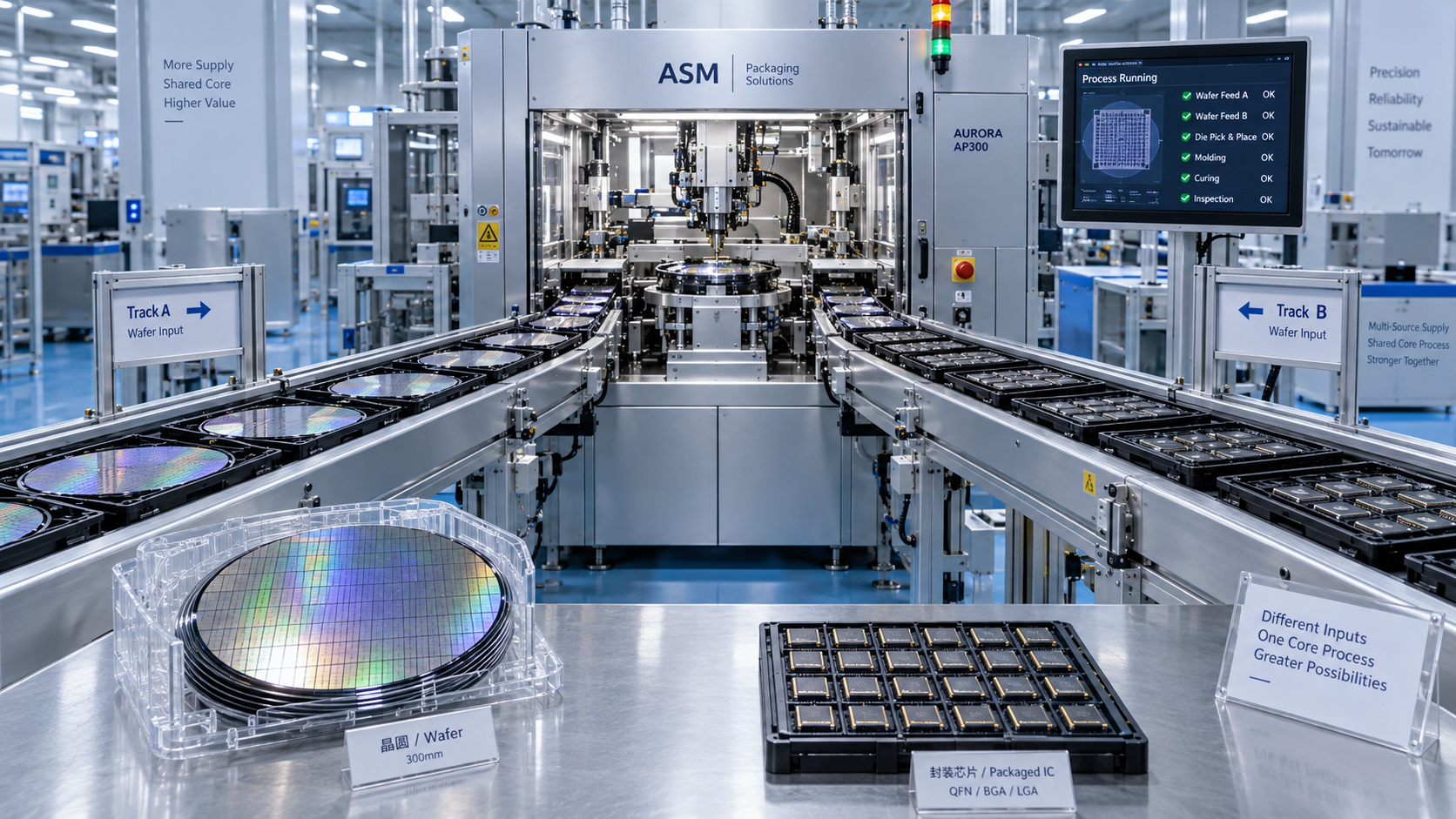
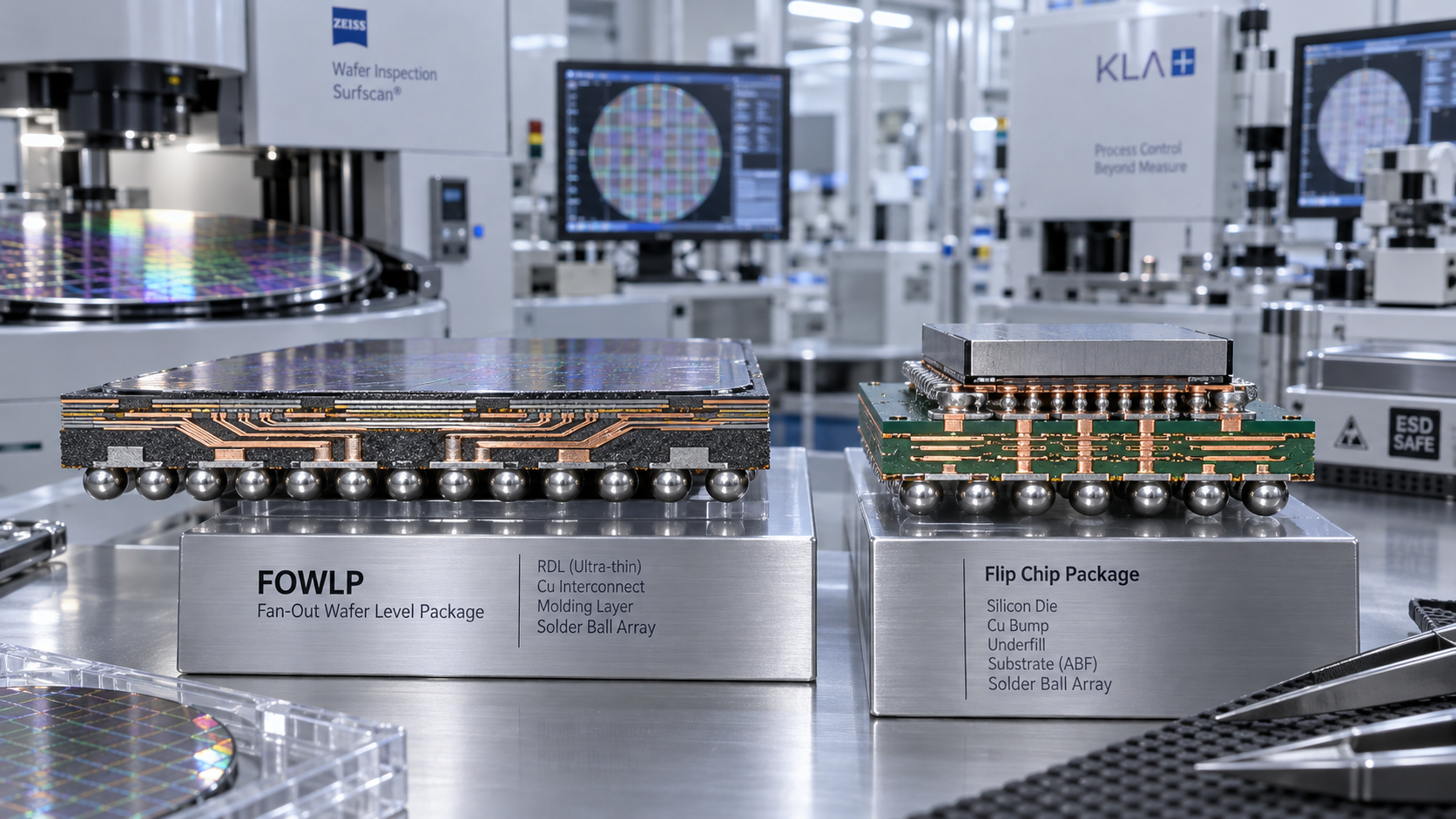
Map critical devices through wafer fabrication, assembly, packaging, and testing. For advanced integrated circuits, include dependencies such as interposers, package substrates, and the test capability needed for the specific design. A 2.5D or 3D chiplet architecture can face a packaging constraint even when the constituent dies are available.
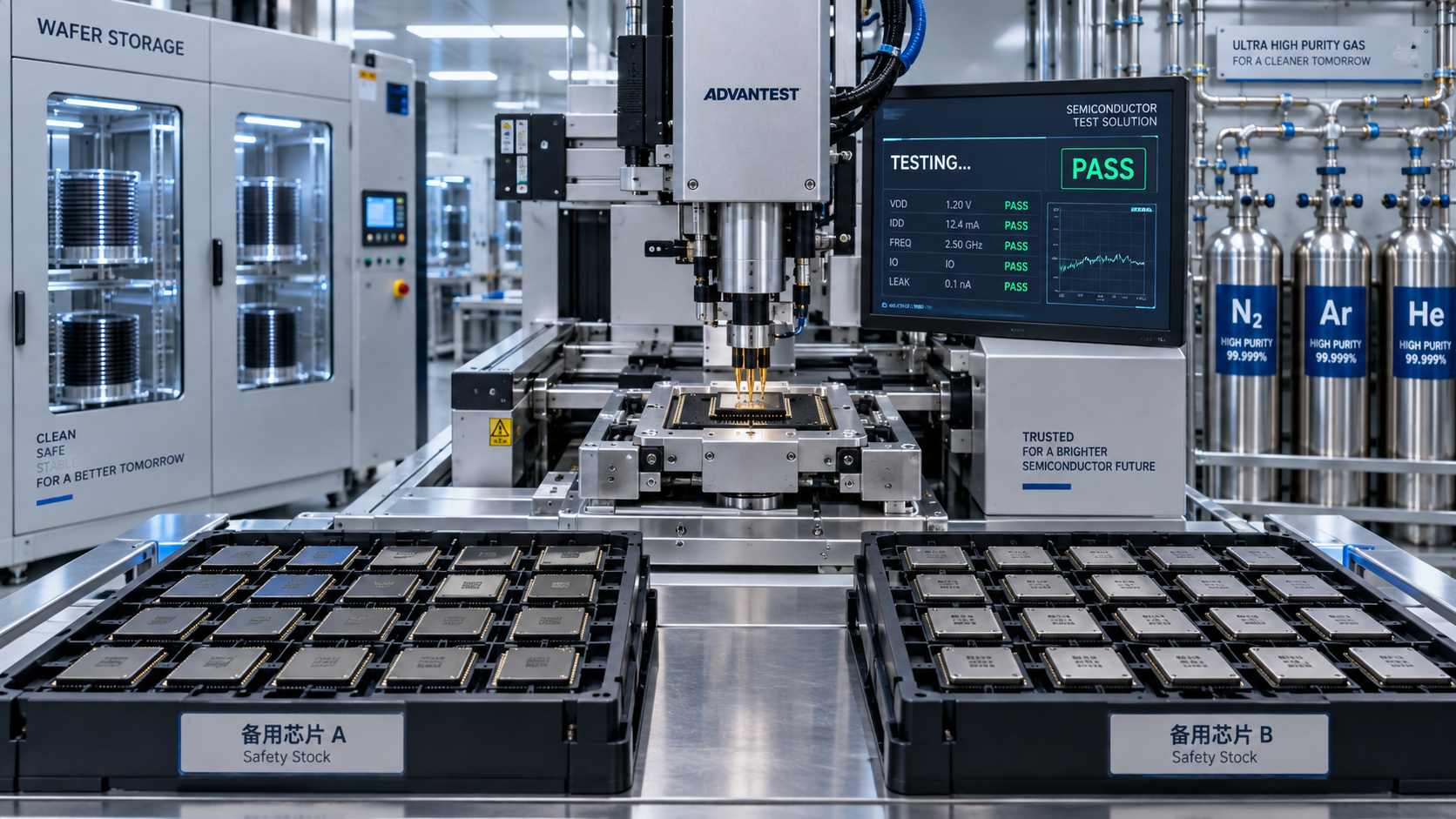
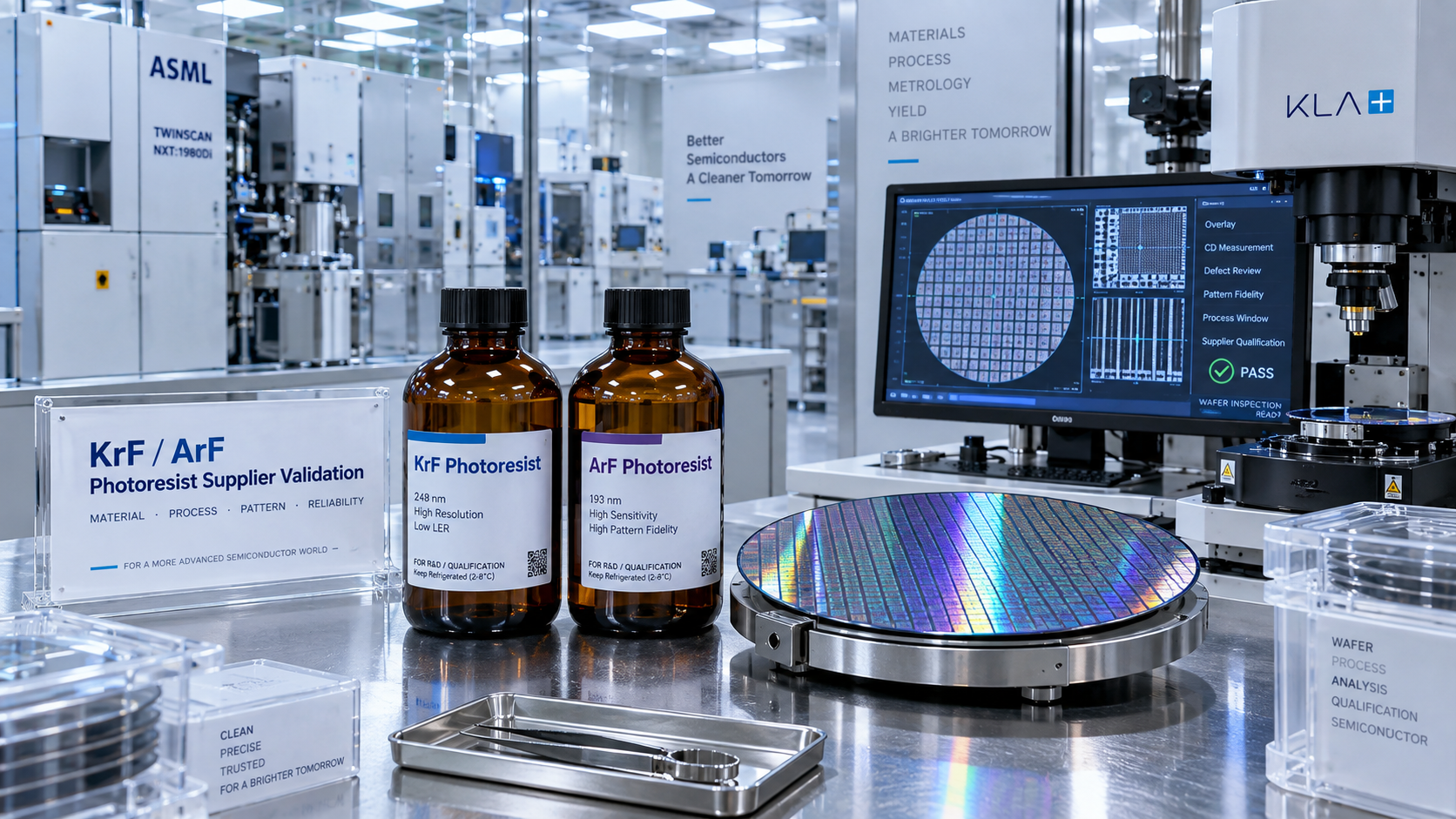
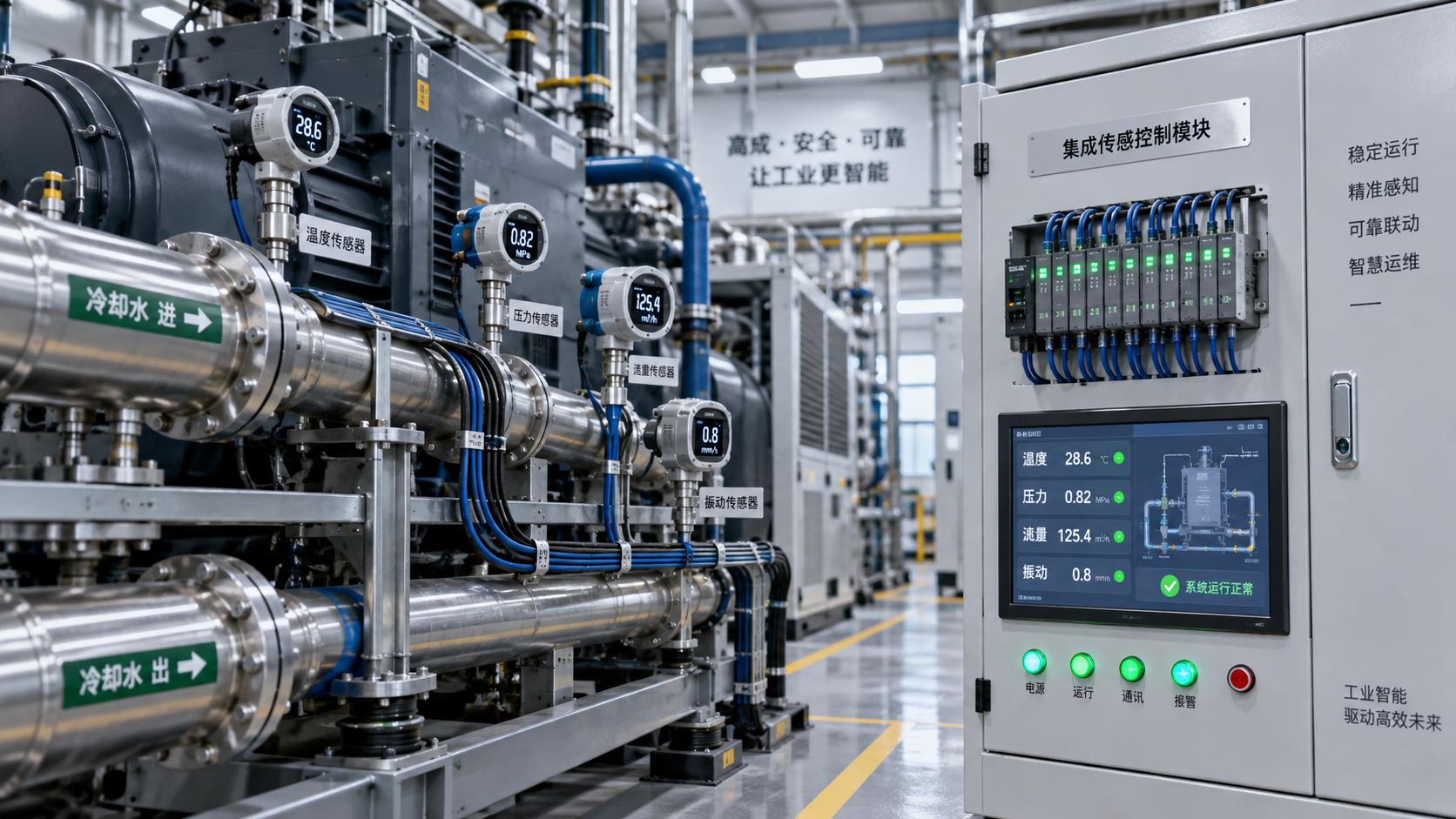
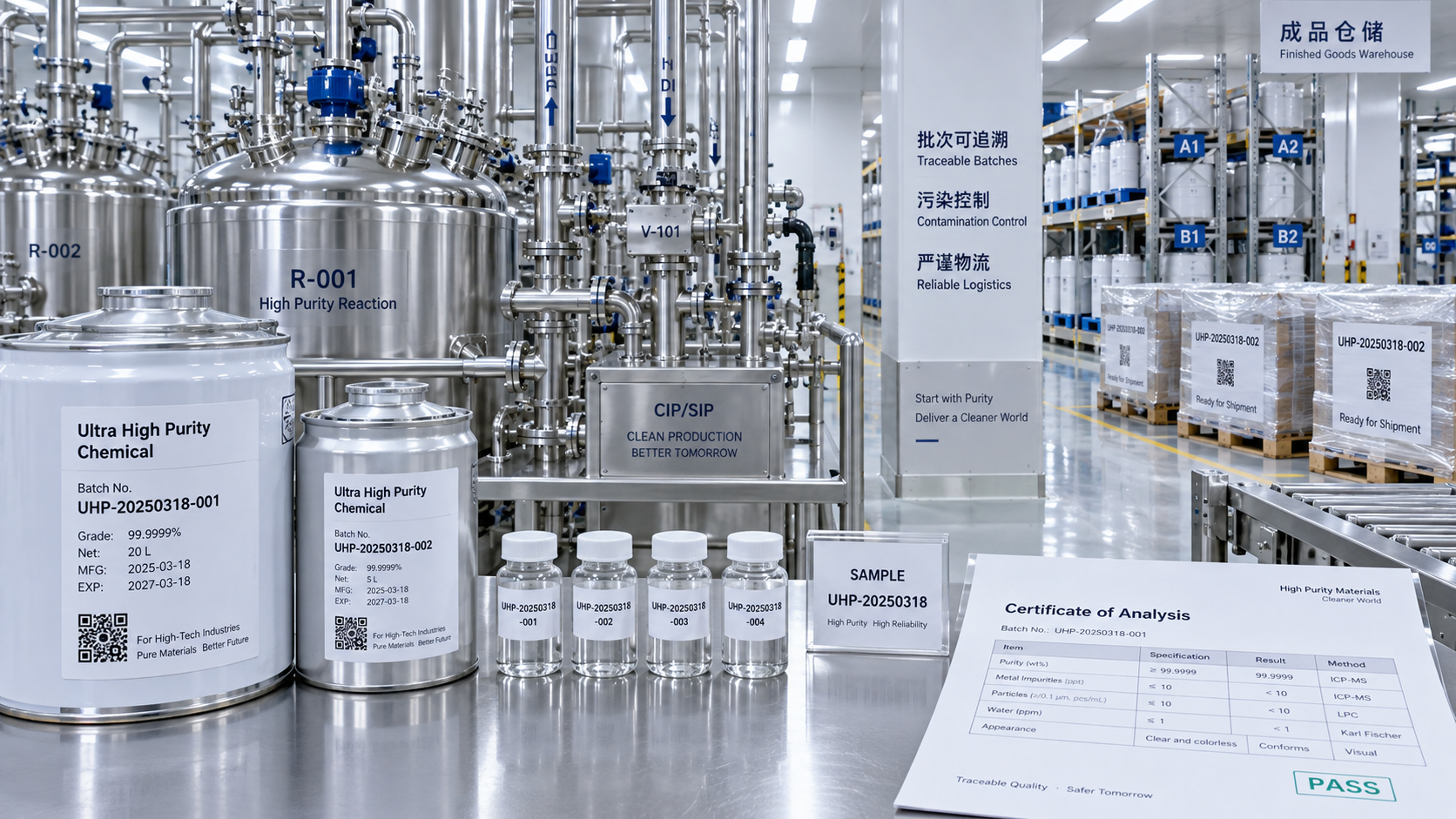
The same logic extends upstream. Electronic gases, wet chemicals, contamination control, and utilities can affect usable output. A nominally available production line is not equivalent to a line delivering qualified material at an acceptable yield.
Global Semi-Conductor & Sensory-Infrastructure (G-SSI) provides a relevant benchmarking perspective by considering power semiconductors, advanced packaging and testing, industrial sensors, high-purity chemicals and gases, and fabrication environment control together. For risk planning, these should be treated as connected dependencies rather than separate purchasing categories.
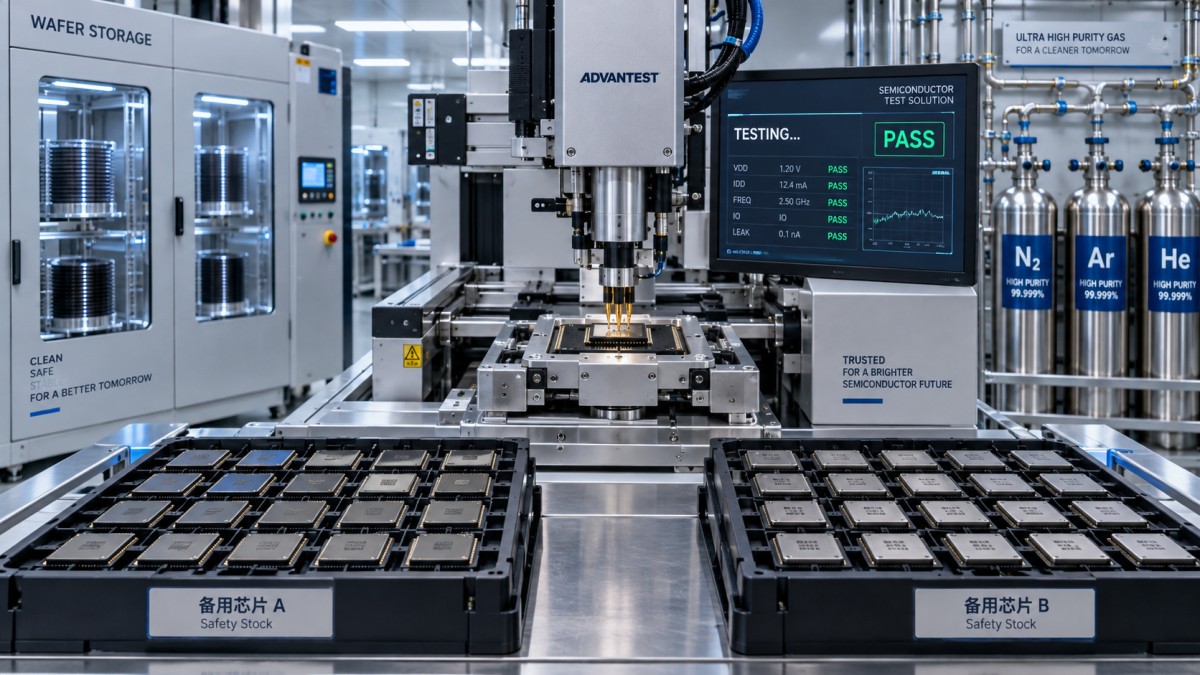
Suppliers may not disclose every upstream relationship. Where visibility is limited, request site-change notification commitments, business continuity information, and clarification of which alternate facilities are already qualified. An unqualified backup site is a recovery possibility, not immediately available capacity.
Qualify alternatives before procurement needs them
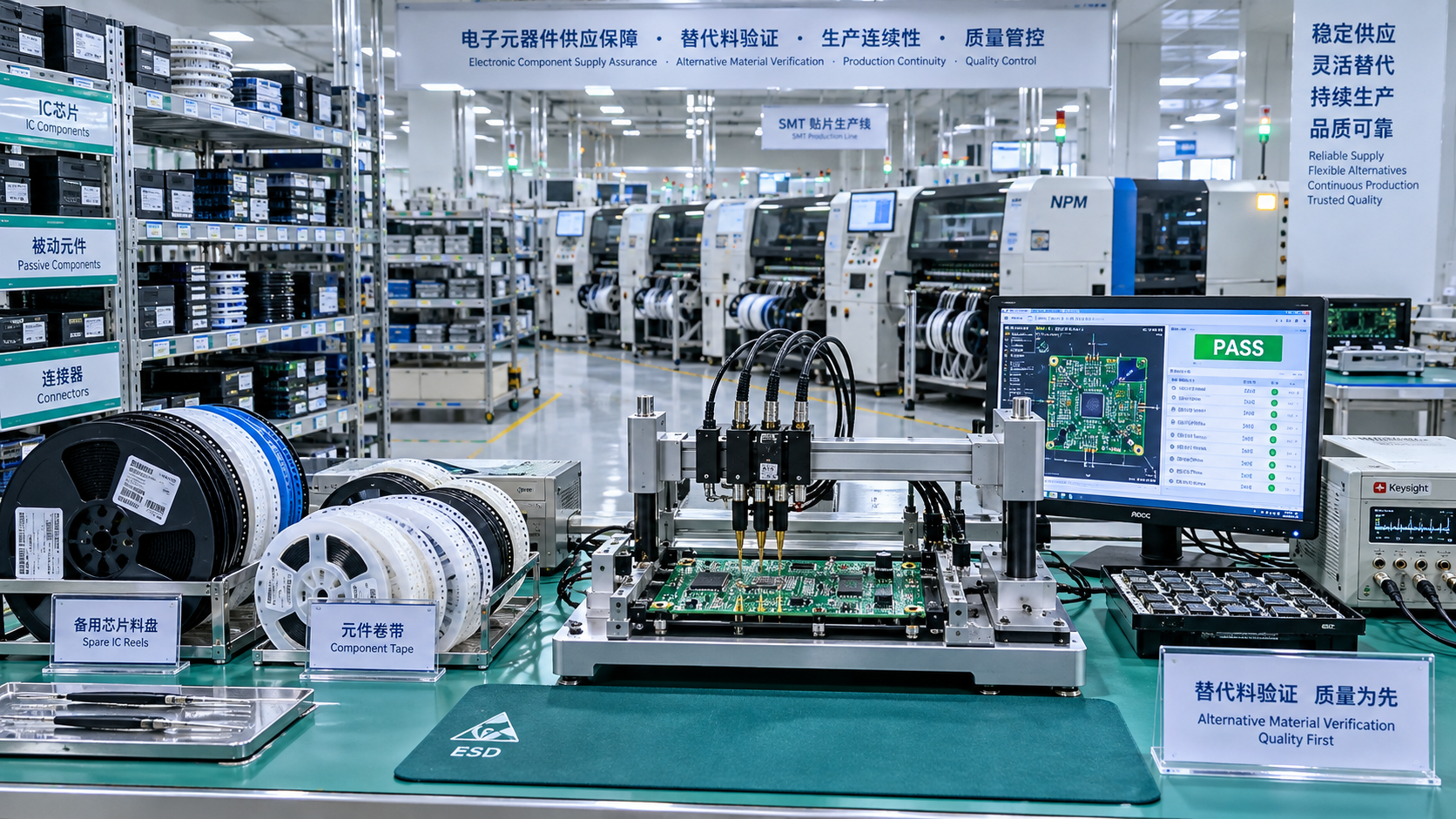
A second source is useful only when the product can actually accept it. Matching a datasheet’s headline specifications is a screening step, not proof of interchangeability.
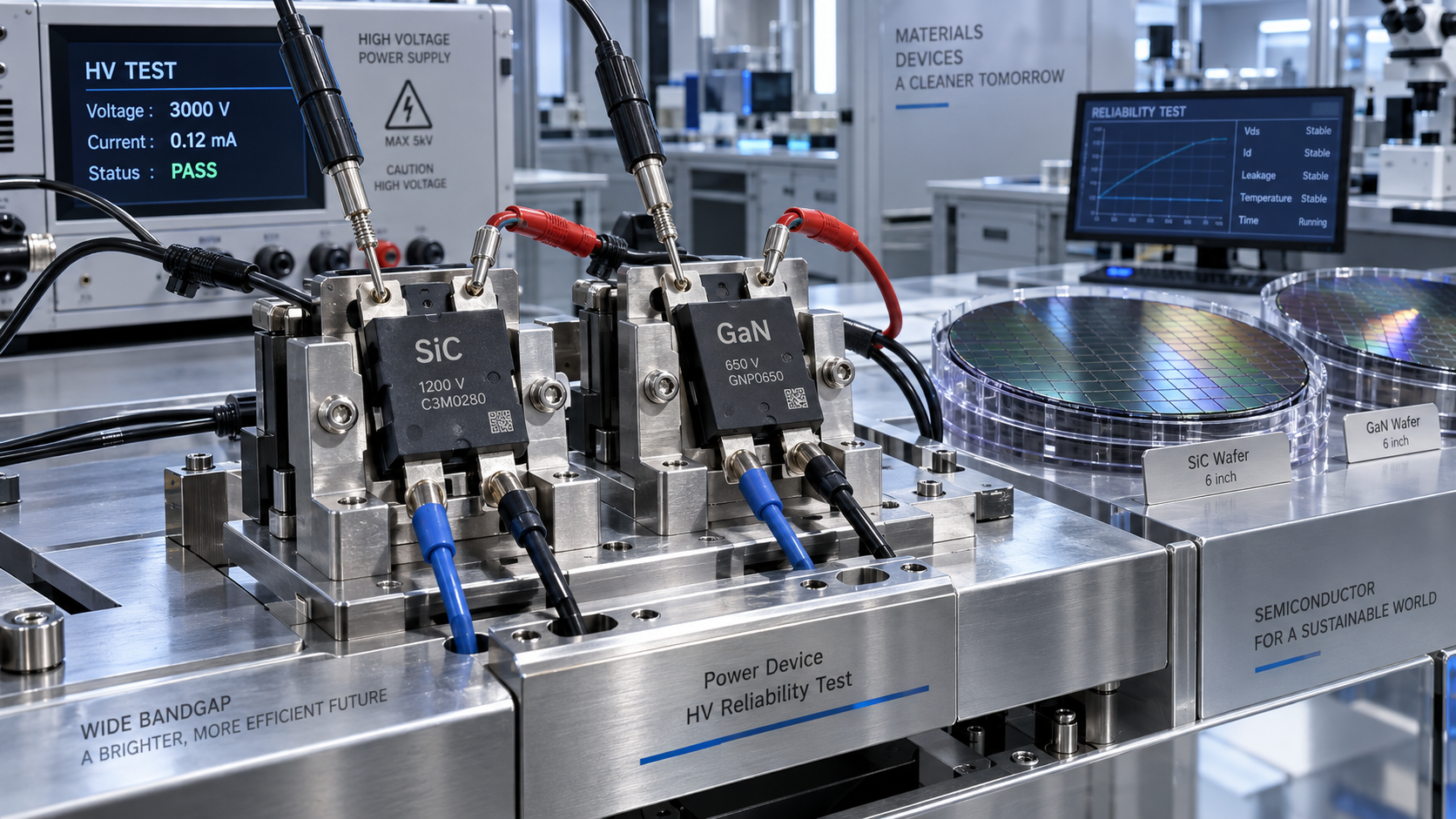
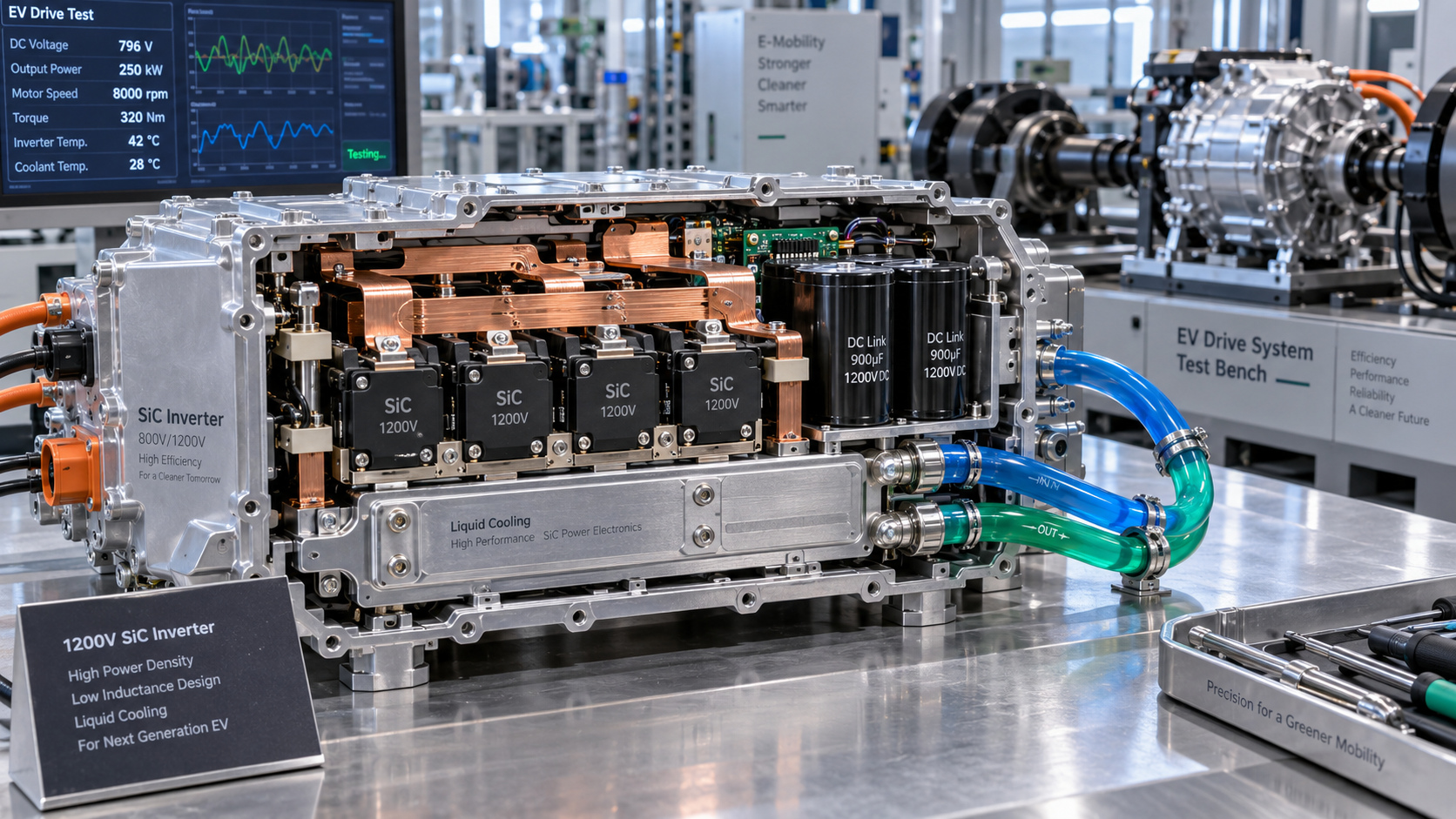
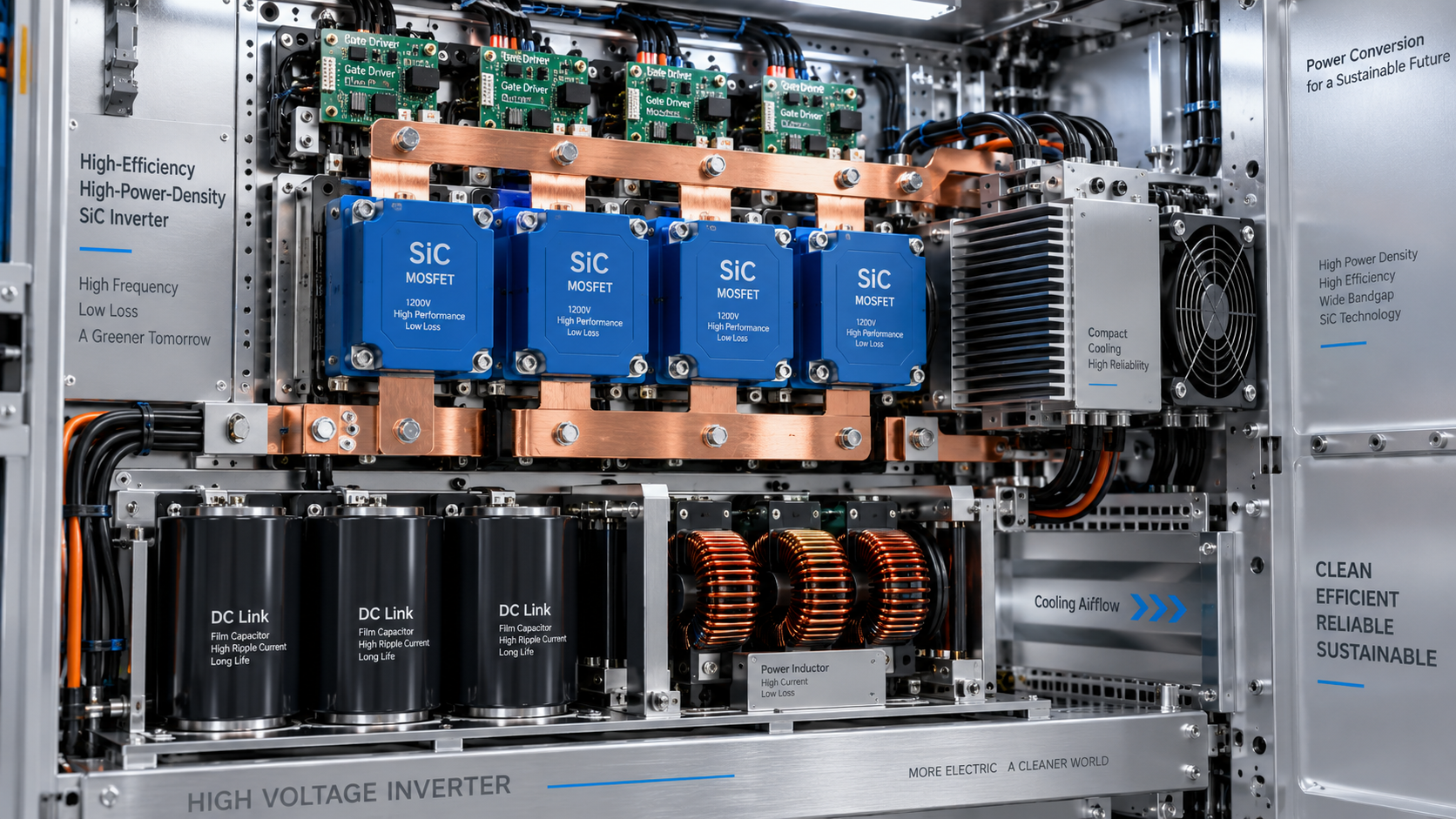
For a 1200V SiC MOSFET, qualification should examine more than voltage rating and on-resistance. Gate-drive requirements, switching behavior, thermal performance, package parasitics, and application-specific fault behavior can change system performance. A substitution may require adjustments to the gate driver, protection settings, cooling arrangement, or electromagnetic compatibility measures.
For an industrial MEMS sensor, check offset, drift, noise, bandwidth, cross-axis response where relevant, and calibration behavior over the intended operating conditions. A replacement with the same digital interface can still change the interpretation of measurement data. In condition monitoring, that can affect alarm thresholds or diagnostic models.
Useful qualification evidence includes:
- Bench measurements under representative electrical loads and temperature conditions.
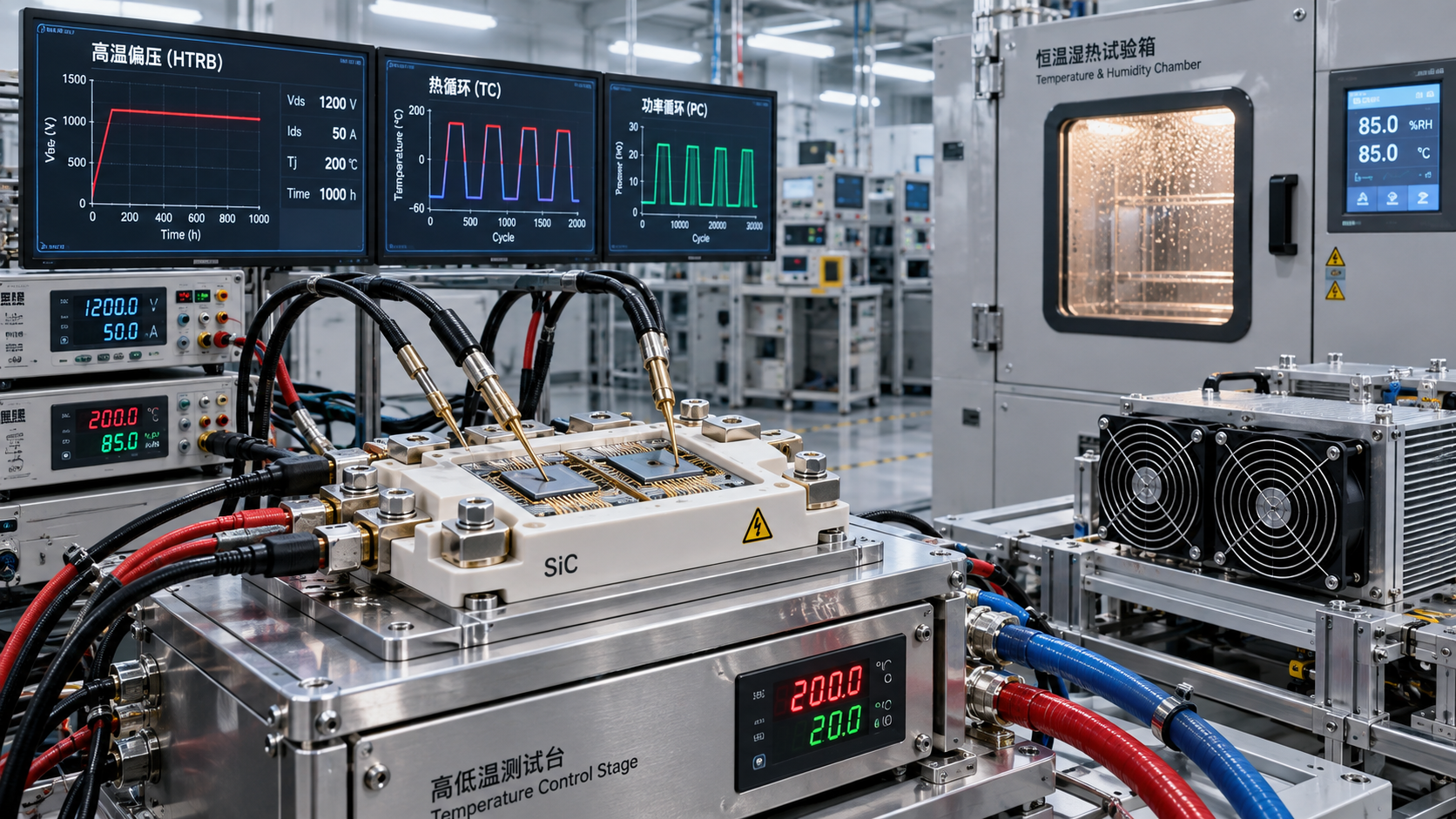
- System-level testing, including startup, abnormal operation, and protection behavior.
- Firmware and calibration checks, not just mechanical or pin compatibility.
- Production-process validation and documented acceptance criteria.
- Reliability evidence matched to the application and relevant customer requirements.
Standards must also be interpreted correctly. AEC-Q100 addresses qualification of integrated circuits; AEC-Q101 applies to discrete semiconductors. Neither replaces application validation. ISO/IEC 17025 concerns laboratory competence within an accredited scope, not blanket certification of every product tested. SEMI standards should be referenced by the specific document and requirement involved.
For new designs, create substitution options early. Flexible footprints, configurable firmware, and adequate electrical margins can reduce future redesign work. But flexibility has costs: extra board area, validation effort, or performance compromises. Apply it where recovery time justifies the investment.
Diversify capacity without confusing availability with suitability
Geographic diversification can reduce exposure to a local disruption, but country count is a weak measure of resilience. What matters is whether sources have sufficiently independent operations and can deliver qualified parts for the actual design.
When evaluating mature-node capacity in China or elsewhere, compare process compatibility, device performance, package options, reliability evidence, and change-control practices. Available wafer capacity does not automatically translate into interchangeable analog, power, or embedded-control components. A different process may require design changes and a new qualification program.
Commercial access matters too. Ask whether quoted capacity is supported by a firm allocation, what happens during constrained supply, and whether assembly and testing capacity are included. Review applicable export controls, end-use restrictions, and import requirements for the actual transaction with qualified compliance specialists rather than relying on broad assumptions about a region.
There are situations where dual sourcing is impractical. A proprietary ASIC or tightly optimized power module may not have an economical equivalent. In that case, stronger continuity agreements, strategic inventory, or a planned redesign can be more credible than maintaining a nominal second supplier that cannot support production.
Set inventory around recovery time, not a blanket target
“Hold more stock” is incomplete advice. Inventory ties up cash, can become obsolete, and may require controlled storage. Yet insufficient coverage can leave engineering with no time to implement an alternative.
For critical parts, compare usable inventory coverage with the time required to restore supply or introduce a replacement. Include demand variability, realistic delivery uncertainty, qualification work, and ramp-up. Do not count unconfirmed purchase orders as equivalent to physically available, accepted stock.
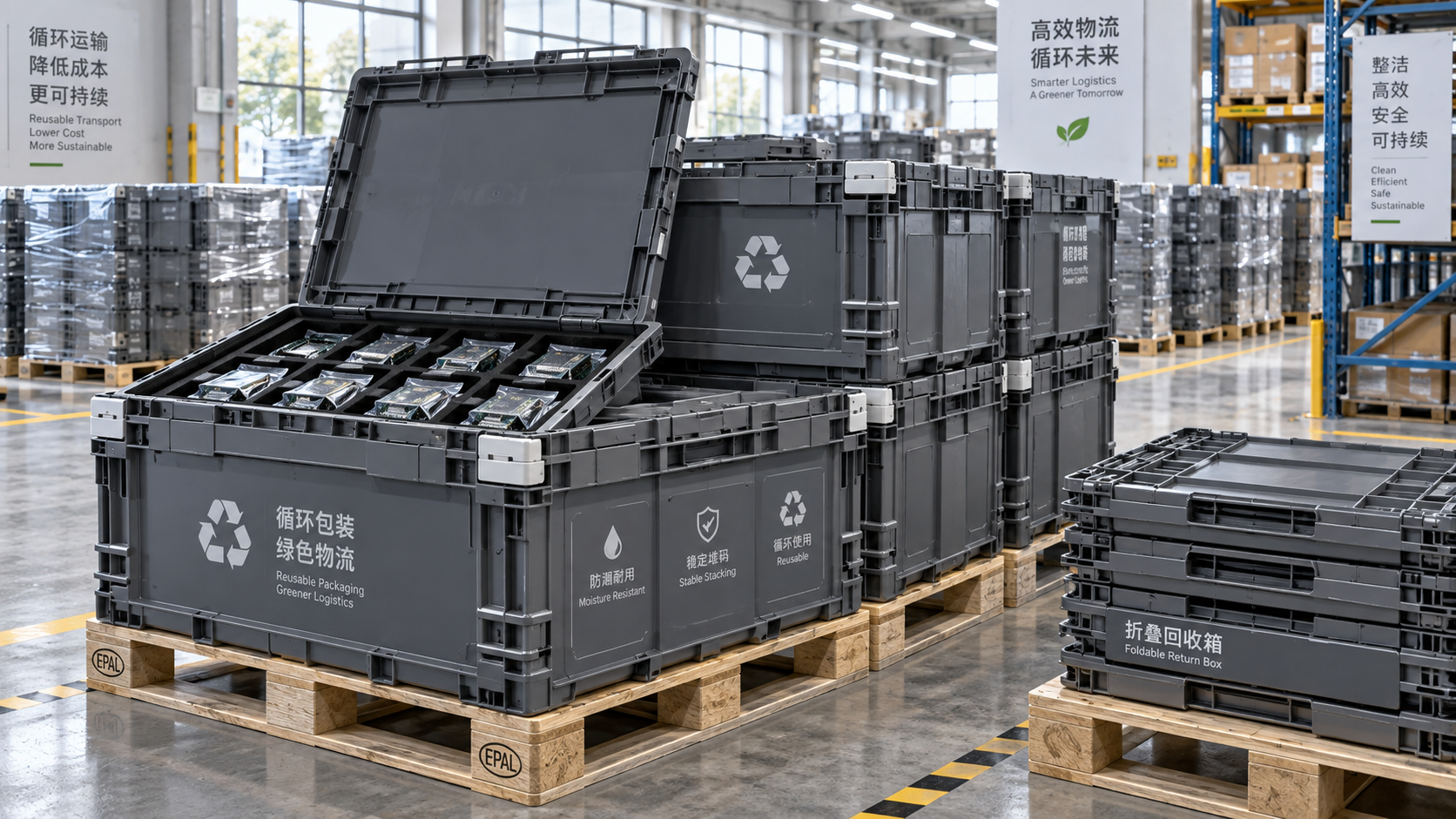
Different components warrant different policies. A sole-source controller nearing end of life may justify a last-time buy supported by a service-demand forecast. A standard logic device with several validated alternatives may need less protection. Moisture-sensitive packaged devices require storage and handling appropriate to their classification; excess inventory is not useful if its condition becomes uncertain.
Avoid building buffers independently across purchasing, factories, and contract manufacturers without reconciling demand. That can create duplicated orders and distorted forecasts. Review inventory against production and service requirements, and distinguish shortages caused by physical supply limits from those caused by inaccurate planning.
Protect authenticity when shortages push buyers off normal channels
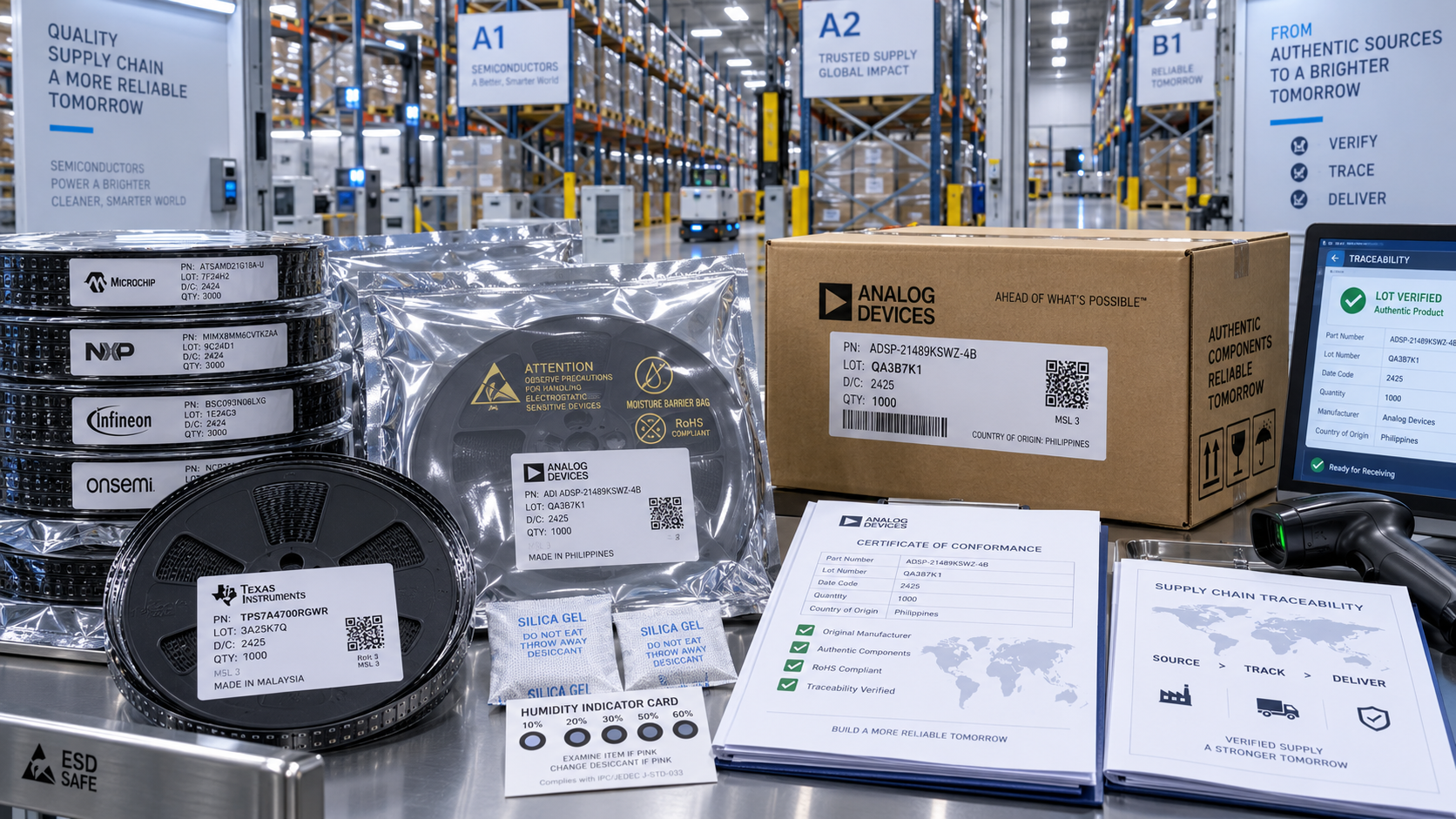
An urgent broker offer can solve a delivery problem while introducing an authenticity or reliability problem. Prefer manufacturer-direct and authorized distribution channels. If independent sourcing is unavoidable, require a documented acceptance process before purchasing, not after the shipment arrives.
Review provenance, lot traceability, packaging condition, storage history where available, and the inspection or testing appropriate to the device and application. Visual inspection alone may not establish authenticity. The depth of testing should reflect the consequences of failure and the evidence available.
Keep suspect material quarantined until disposition is complete. Procurement urgency should not override quality approval, particularly in applications where failures could affect safety or require expensive field service.
Turn risk reviews into decisions with owners
A supplier scorecard does little if nobody is responsible for acting on it. Combine procurement signals with engineering and quality information: slipping commitments, lifecycle notices, fabrication or assembly changes, qualification delays, and recurring lot issues.
Assign each critical dependency an owner, an escalation trigger, and an approved response. Purchasing may secure allocation, engineering may qualify a replacement, and quality may investigate a process change. Those actions need to share one timeline.
Test the plan with a simple disruption exercise: assume a critical fabrication or packaging site becomes unavailable, then identify which finished products stop and when. Check whether the proposed alternate is approved, capacity is accessible, and documentation is current. This exposes gaps that a supplier list often hides.
Start with the components whose recovery time exceeds available coverage. For each one, choose a defensible action: qualify an alternative, secure supply commitments, increase controlled inventory, or redesign. The strongest semiconductor resilience plan is not the one with the most suppliers. It is the one that can explain, part by part, how production will continue when an expected source cannot deliver.
- Power Semiconductors
- SiC MOSFET
- 3D Chiplet
- Power Conversion
- High-Purity Chemicals
- Environment Control
- Industrial MEMS
- Semiconductor Supply Chain
- Industrial Sensors
- SEMI Standards
- 3D chiplet architecture
- Advanced packaging
- Electronic Gases
- How can manufacturers reduce semiconductor supply chain risk?
Get weekly intelligence in your inbox.
No noise. No sponsored content. Pure intelligence.
 Apr 28, 2026When do rapid prototyping 3D printing services save real costWhen do rapid prototyping 3D printing services save real cost
 Apr 28, 2026What Can Go Wrong in Fan-out Wafer Level Pkg?What Can Go Wrong in Fan-out Wafer Level Pkg?
 Apr 28, 2026What Makes Optical LiDAR Modules Better for Autonomy?What Makes Optical LiDAR Modules Better for Autonomy?
 Apr 28, 20262026 Market Trends in Supply Chain Resilience for Fabs2026 Market Trends in Supply Chain Resilience for Fabs
 Oct 15, 2026What voltage rating do SiC power modules for railway traction need?What voltage rating do SiC power modules for railway traction need?
 Oct 14, 2026How third-generation semiconductors achieve high breakdown voltagesHow third-generation semiconductors achieve high breakdown voltages
 Oct 13, 2026When does parallel testing cut high-volume semiconductor testing costs?When does parallel testing cut high-volume semiconductor testing costs?
 Oct 12, 2026Semiconductor Supply Chain Risk Management: Mapping Single-Source ExposureSemiconductor Supply Chain Risk Management: Mapping Single-Source Exposure
 Oct 12, 2026Preventing Electronics Production Stoppages from Component ShortagesPreventing Electronics Production Stoppages from Component Shortages
 Oct 12, 2026Electronics Supply Chain Resilience: When to Dual-Source or Hold Safety StockElectronics Supply Chain Resilience: When to Dual-Source or Hold Safety Stock
 Oct 12, 2026How Can Manufacturers Reduce Semiconductor Supply Chain Risk?How Can Manufacturers Reduce Semiconductor Supply Chain Risk?
 Oct 12, 2026Which Semiconductor Material Risks Should Sourcing Teams Assess?Which Semiconductor Material Risks Should Sourcing Teams Assess?
 Oct 12, 2026What Should You Check Before Switching KrF/ArF Photoresist Suppliers?What Should You Check Before Switching KrF/ArF Photoresist Suppliers?
 Oct 12, 2026When does fan-out wafer level packaging outperform flip-chip packaging?When does fan-out wafer level packaging outperform flip-chip packaging?
 Oct 11, 2026How energy management can reduce peak demand chargesHow energy management can reduce peak demand charges
 Oct 10, 2026When do integrated sensor systems reduce commissioning risks?When do integrated sensor systems reduce commissioning risks?
 Oct 09, 2026How North American semiconductor fabs control airborne molecular contaminationHow North American semiconductor fabs control airborne molecular contamination
 Oct 08, 2026When do custom aluminum extrusions reduce fabrication costs?When do custom aluminum extrusions reduce fabrication costs?
 Oct 07, 2026How semiconductor packaging affects thermal reliability in EV power electronicsHow semiconductor packaging affects thermal reliability in EV power electronics
 Oct 06, 2026When do corrugated plastic boxes make sense for returnable shipping?When do corrugated plastic boxes make sense for returnable shipping?
 Oct 05, 2026What to verify before choosing semiconductor distributors in North AmericaWhat to verify before choosing semiconductor distributors in North America
 Oct 04, 2026How to assess a high purity materials manufacturer’s traceabilityHow to assess a high purity materials manufacturer’s traceability
 Oct 03, 2026How SiC power conversion solutions improve high-voltage invertersHow SiC power conversion solutions improve high-voltage inverters
 Oct 02, 2026When do SiC MOSFET benefits justify the higher device cost?When do SiC MOSFET benefits justify the higher device cost?
 Oct 01, 2026Which semiconductor reliability testing standards apply to power devices?Which semiconductor reliability testing standards apply to power devices?
 Sep 30, 2026How to qualify a semiconductor photoresist supplier for KrF/ArF productionHow to qualify a semiconductor photoresist supplier for KrF/ArF production
 Sep 29, 2026What image quality should portable ultrasound scanners deliver for triage?What image quality should portable ultrasound scanners deliver for triage?