Digital Infrastructure Standards Shaping Cleanroom Upgrades
As semiconductor facilities modernize for autonomous systems, power efficiency, and data-critical operations, Digital Infrastructure standards are becoming central to cleanroom upgrades. For enterprise decision-makers, aligning environment control, reliability, and data integrity with globally recognized benchmarks is no longer optional—it is a strategic requirement for resilient production, compliant expansion, and long-term competitiveness across the silicon value chain.
Why are Digital Infrastructure standards now driving cleanroom upgrade decisions?
Cleanrooms were once evaluated mainly by airborne particle control, temperature stability, and utility continuity. That is no longer enough. In advanced and mature-node semiconductor environments alike, the cleanroom has become part of a larger digital production system where process equipment, facility controls, sensors, environmental monitoring, and quality records must operate as one integrated infrastructure.
For business leaders, this changes the investment logic. A cleanroom upgrade is not just a facilities project. It affects yield stability, audit readiness, energy consumption, preventive maintenance, equipment interoperability, and the speed at which a site can support new packaging, sensor, power semiconductor, or specialty materials workflows. Digital Infrastructure standards help define how these systems should communicate, be monitored, be validated, and remain dependable under production stress.
G-SSI approaches this challenge from a benchmarking perspective. Its strength lies in connecting fabrication environment control with the broader demands of sovereign-grade semiconductor and sensory infrastructure. That matters when enterprises must compare local expansion speed with international expectations for thermal management, contamination discipline, data fidelity, and traceable reliability.
- Executives need cleaner links between facility investment and measurable production outcomes.
- CTOs need cleanroom systems that can support higher sensor density, automation, and predictive controls.
- Operations leaders need fewer blind spots between environmental deviation, equipment alarms, and lot-level quality risk.
- Procurement teams need standard-based criteria instead of vendor claims that are difficult to compare.
What has changed inside modern semiconductor facilities?
Three shifts are reshaping cleanroom upgrades. First, process sensitivity has increased across packaging, MEMS, power devices, and specialty gas handling. Second, data expectations are higher: environmental readings now feed analytics, alarms, compliance records, and cross-site decision systems. Third, uptime is judged more strictly because production losses from contamination, drift, or unstable utilities can affect both output and customer confidence.
In this context, Digital Infrastructure standards serve as the operating language for upgrade planning. They turn abstract goals such as resilience and reliability into requirements that can be validated through architecture, monitoring logic, calibration discipline, and system integration strategy.
Which cleanroom upgrade areas are most affected by Digital Infrastructure standards?
Decision-makers often ask where standards have the greatest operational impact. The answer is not limited to IT rooms or network cabling. In semiconductor environments, Digital Infrastructure standards influence the physical and digital layers together. The table below highlights the cleanroom domains where standard-driven upgrades create the clearest value.
The key takeaway is simple: Digital Infrastructure standards are not an add-on. They shape how a cleanroom senses, responds, records, and proves performance. Upgrades that ignore this often deliver new hardware without delivering decision-grade visibility or compliance-grade evidence.
How this applies across the silicon value chain
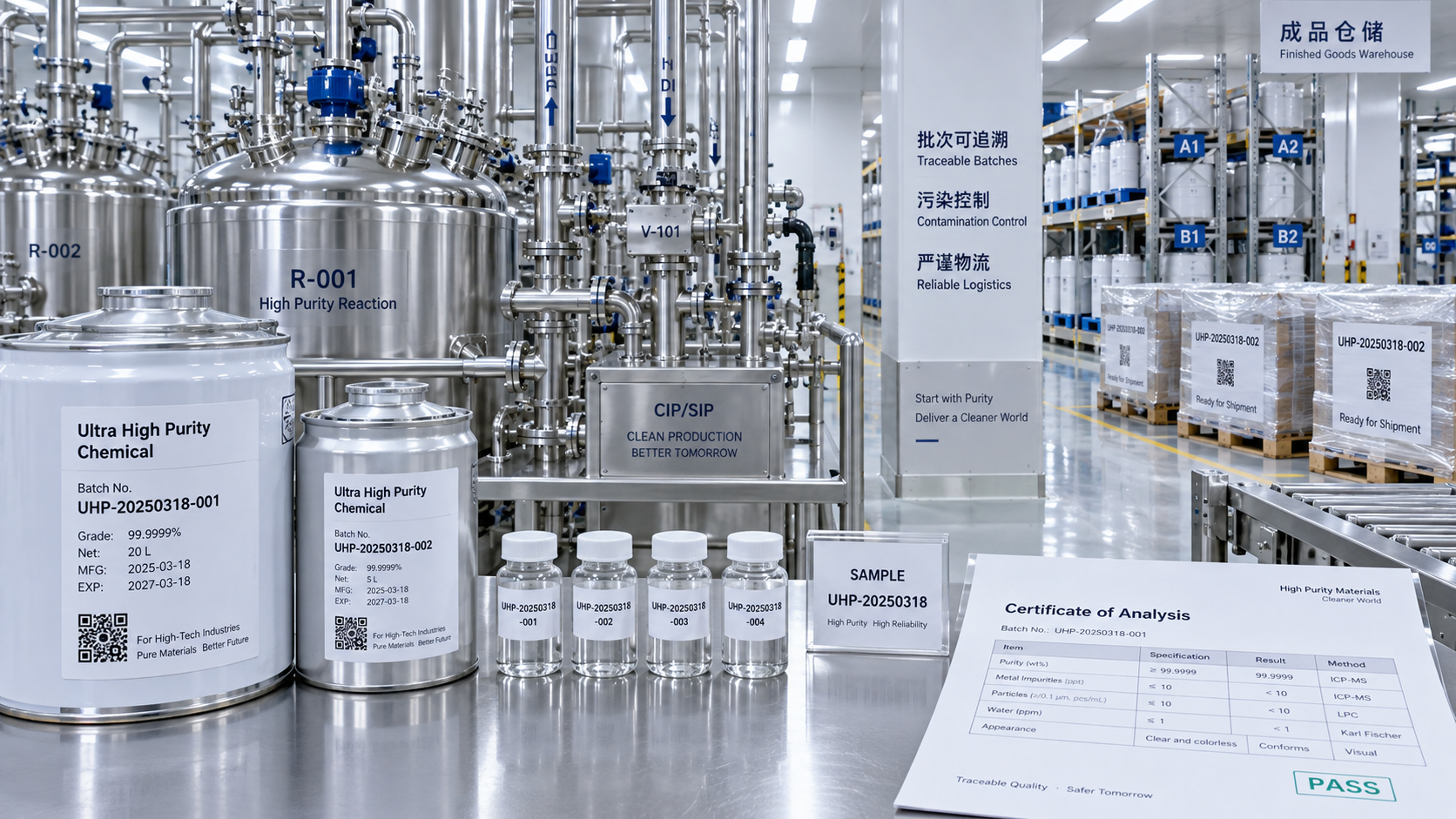
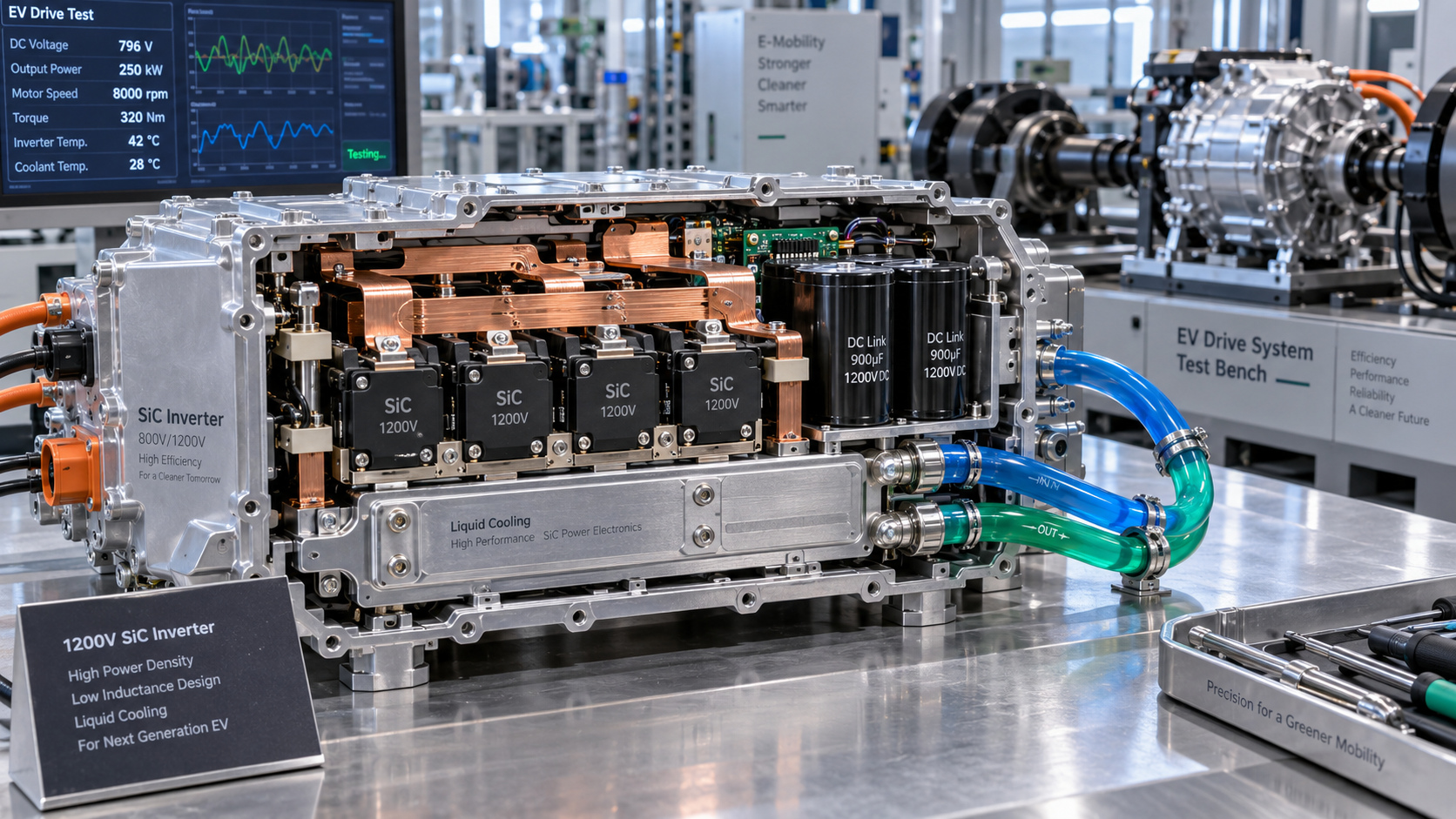
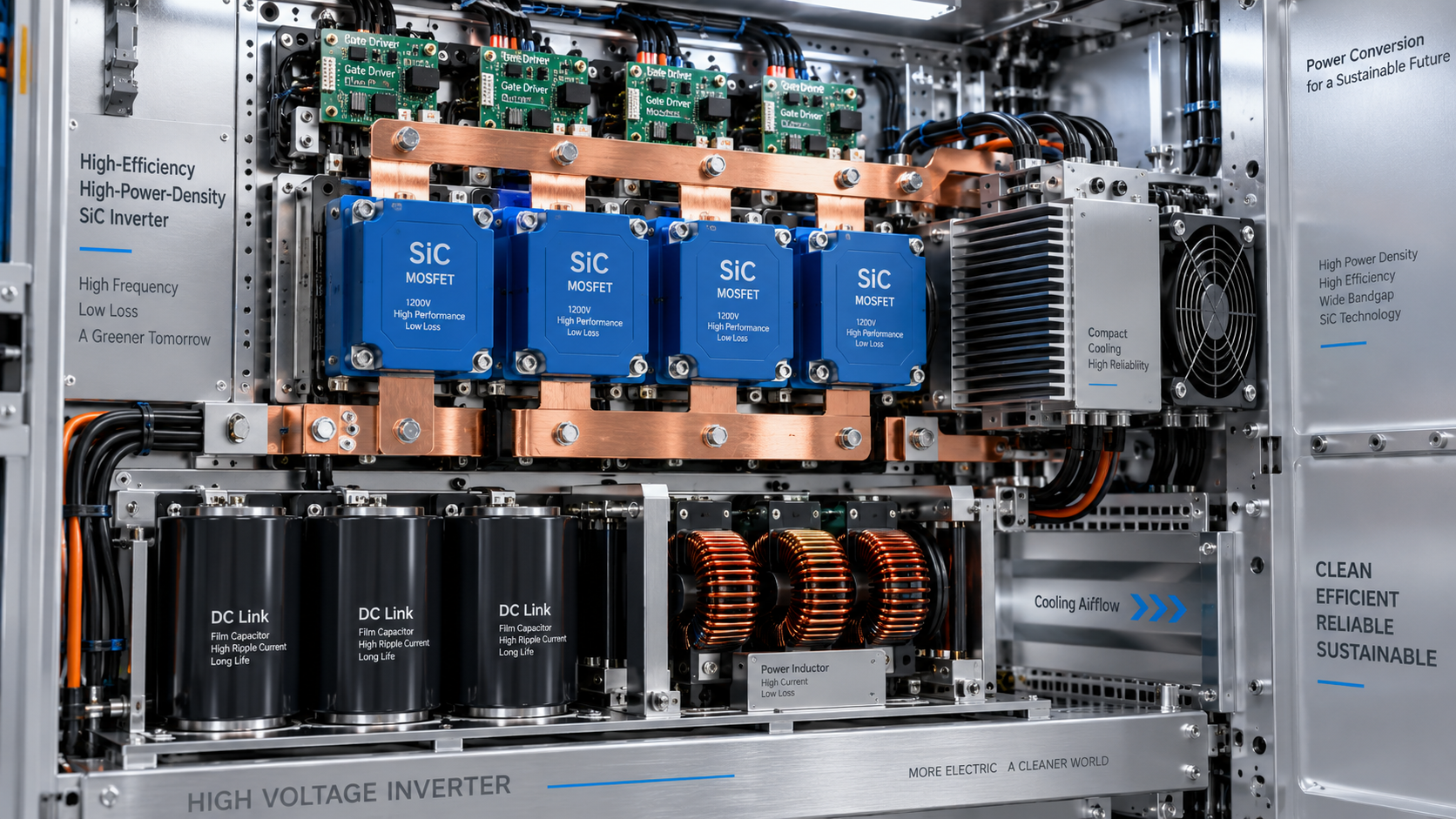
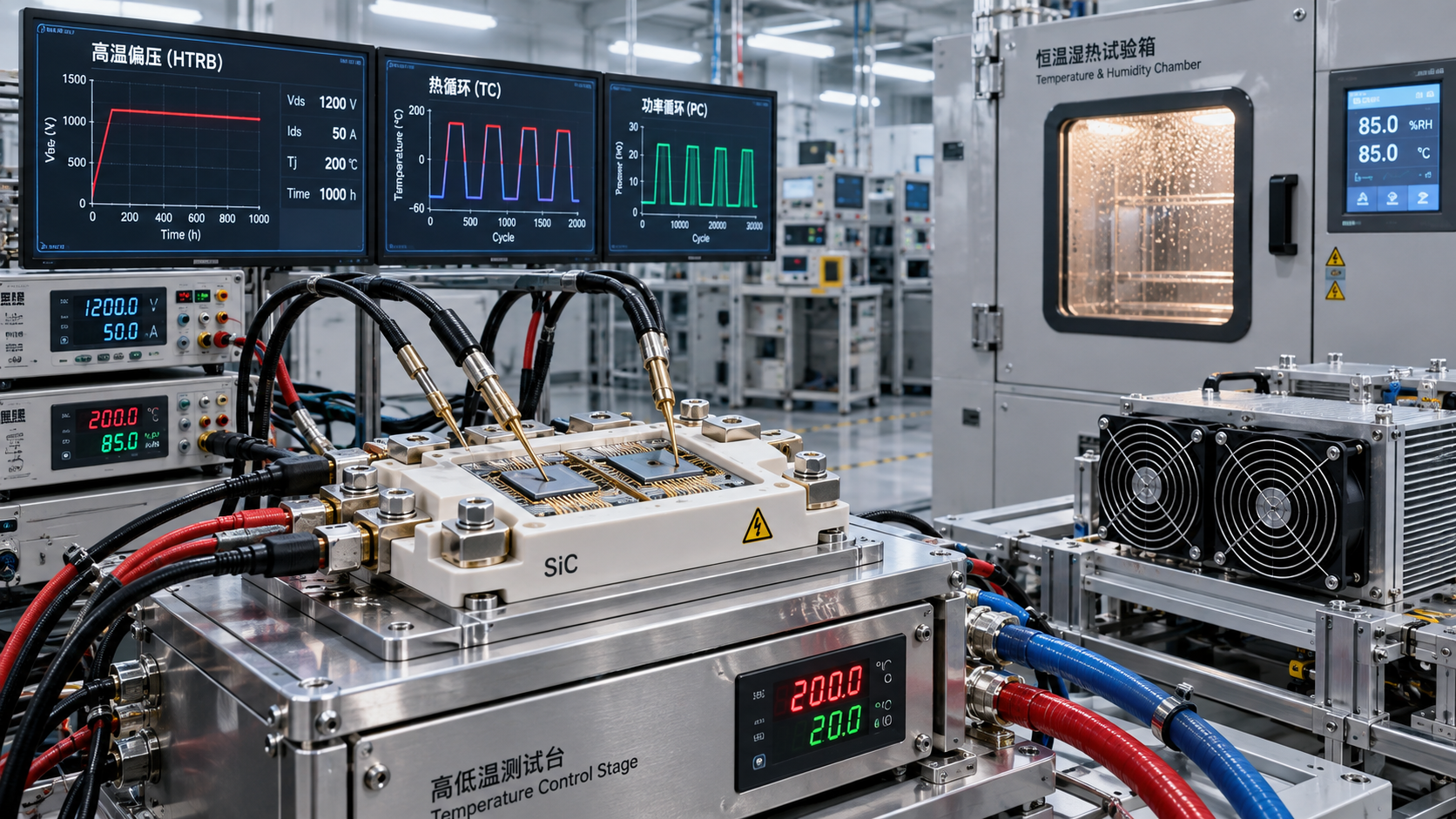
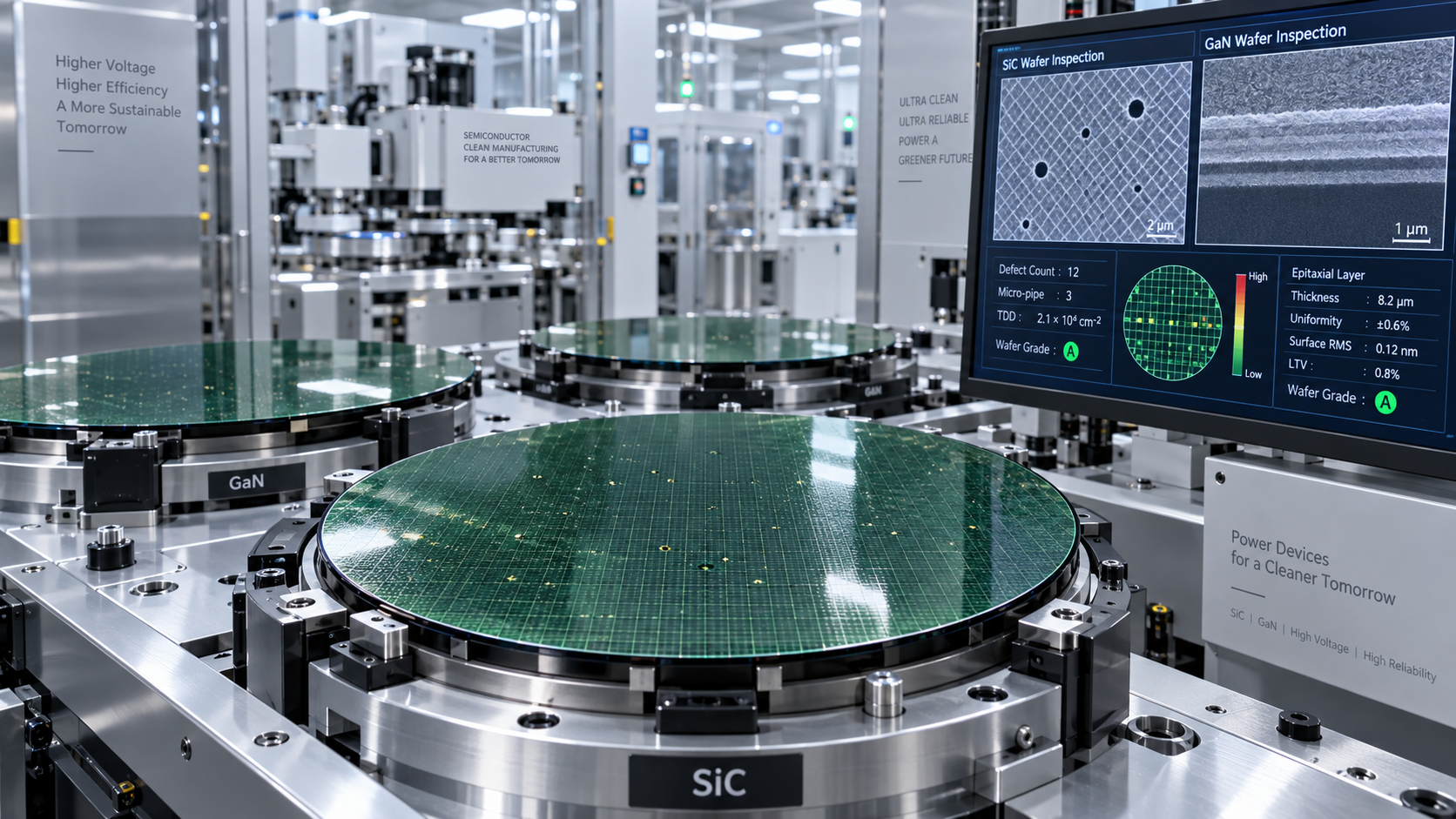
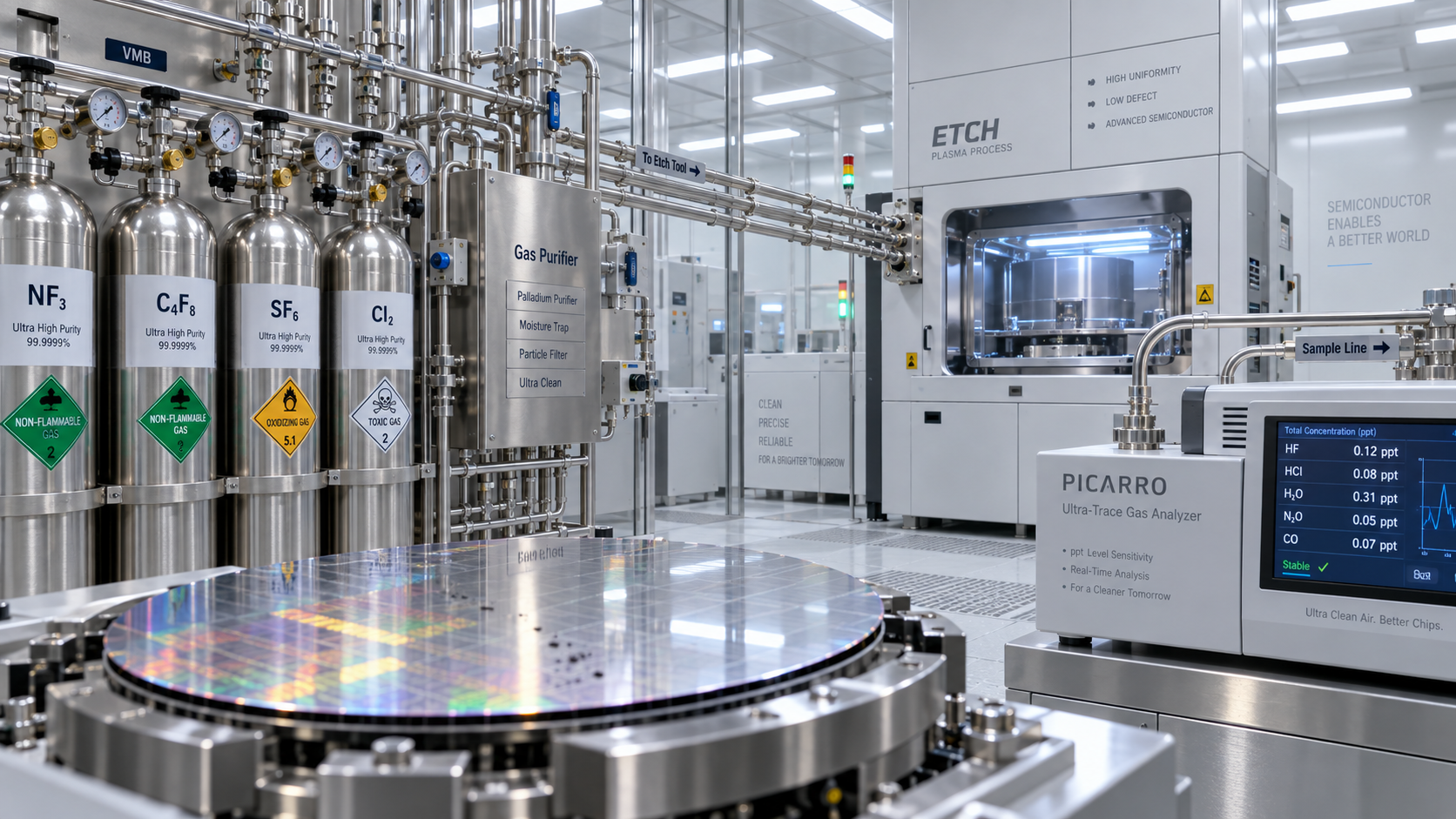
The impact differs by segment. A SiC or GaN operation may prioritize thermal consistency and power device reliability. An advanced packaging line may focus more on environmental stability, process synchronization, and equipment interface continuity. MEMS and smart sensor manufacturing often requires stronger control of contamination, calibration traceability, and fidelity of recorded environmental data. High-purity chemical and gas environments demand even tighter attention to monitoring architecture and alarm credibility.
This cross-domain view is where G-SSI provides strategic value. Rather than treating environment control, sensor infrastructure, and semiconductor process support as isolated topics, it benchmarks them together against practical international expectations.
How should enterprise buyers evaluate upgrade options?
Many cleanroom upgrade projects underperform because purchasing decisions are driven by isolated specifications instead of system-level outcomes. For enterprise buyers, the better question is not which component looks strongest on paper, but which architecture reduces operational risk while remaining scalable for expansion, audits, and process changes.
A practical procurement checklist
- Define the production sensitivity first. A mature-node fab, advanced packaging cell, and sensor assembly environment do not tolerate the same environmental deviation or data latency.
- Check interoperability, not just device capability. Monitoring hardware, BMS, EMS, MES, and equipment control layers should exchange structured data without fragile custom patches.
- Review redundancy and recovery logic. Ask what happens during network loss, sensor failure, controller switchover, or temporary utility fluctuation.
- Verify calibration and traceability practices. If measurements influence release decisions, drift management and documented verification matter as much as initial sensor selection.
- Assess the upgrade path. The solution should support future expansion in automation, AI-based diagnostics, and denser sensing coverage without a full redesign.
The following comparison helps enterprise teams judge which cleanroom upgrade model aligns best with Digital Infrastructure standards and business priorities.
This comparison shows why lower upfront cost does not always mean lower total risk. When Digital Infrastructure standards are built into the upgrade design, enterprises usually gain stronger operational transparency and fewer costly surprises during qualification, ramp-up, or customer review.
Which standards and compliance signals should decision-makers watch closely?
Not every project needs the same compliance depth, but enterprise decision-makers should use recognized frameworks as anchors. In semiconductor and sensory-infrastructure environments, standards are valuable not only for certification or customer assurance, but also for engineering discipline during procurement and implementation.
Common reference points for cleanroom-related digital infrastructure
- SEMI references are often relevant for equipment communication expectations, facility practices, and semiconductor manufacturing ecosystem alignment.
- ISO/IEC 17025 is important where testing, calibration credibility, and traceable measurement practices affect acceptance decisions.
- AEC-Q100 may matter indirectly when environmental control supports automotive-grade semiconductor reliability requirements.
- Cleanroom classification and environmental control criteria remain essential, but they should be linked to digital evidence capture rather than treated as isolated facilities data.
A practical warning: some projects cite standards in a proposal but fail to translate them into acceptance criteria. That gap is expensive. A standard should influence how sensors are selected, how alarms are prioritized, how records are retained, and how system performance is verified after commissioning.
Questions worth asking vendors and integrators
Before approval, ask how the proposed architecture handles data retention, calibration traceability, zone-level redundancy, and interface compatibility with existing production systems. Ask what documentation will be delivered at FAT, SAT, and handover. Ask how deviations are logged and whether event histories can support investigations across facilities, equipment, and quality functions. These questions reveal whether the provider understands Digital Infrastructure standards as operational requirements, not just sales language.
What are the main cost, risk, and implementation trade-offs?
Enterprise teams often face a familiar dilemma: move fast with a limited-scope cleanroom retrofit, or invest in a more integrated upgrade aligned with Digital Infrastructure standards. The answer depends on production criticality, expansion plans, customer expectations, and how expensive downtime or quality deviation would be.
Short-term savings can disappear when disconnected systems create recurring engineering work, weak alarm confidence, or difficult audits. On the other hand, overengineering a facility without matching the process roadmap can also lock budget into low-value complexity. The best path is usually a phased architecture with clear priorities.
A phased cleanroom upgrade model
- Phase 1: Baseline assessment. Map contamination risks, environmental instability points, data gaps, and integration constraints.
- Phase 2: Critical control upgrades. Prioritize monitoring accuracy, zone control logic, alarm architecture, and utility resilience in the most sensitive areas.
- Phase 3: Data integration. Link facility and environmental data to operational dashboards, quality records, and maintenance workflows.
- Phase 4: Expansion readiness. Add modular sensing, predictive analytics, and stronger cross-site reporting where production scale justifies it.
This phased approach is particularly useful for companies expanding mature-node capacity, adding advanced packaging lines, or upgrading industrial sensor production without stopping core output for a full facility rebuild.
FAQ: what do enterprise decision-makers ask most about Digital Infrastructure standards?
How do Digital Infrastructure standards improve cleanroom ROI?
They improve ROI by reducing hidden losses rather than only reducing visible utility cost. Better-standardized monitoring and control can shorten deviation investigations, strengthen audit readiness, improve preventive maintenance timing, and reduce scrap linked to unstable environmental conditions. For executives, this means cleaner justification for capital spending because the upgrade supports yield, compliance, and uptime together.
Are these standards only relevant for leading-edge fabs?
No. Mature-node production, advanced packaging, MEMS, industrial sensors, electronic chemicals, and specialty gas environments all benefit from stronger infrastructure discipline. In many cases, mature facilities need Digital Infrastructure standards even more because they are expanding quickly, integrating mixed generations of equipment, and serving customers who still demand globally credible reliability.
What are the most common cleanroom upgrade mistakes?
The most common mistakes are buying isolated monitoring devices without an integration plan, underestimating calibration and data governance, treating alarms as a facilities issue instead of a production-risk issue, and accepting vendor proposals that reference standards without defining measurable acceptance criteria. Another frequent mistake is failing to separate critical zones from noncritical zones when setting upgrade priorities.
How long does a standard-based upgrade usually take?
It depends on scope, shutdown tolerance, and interface complexity. A monitoring enhancement in selected zones may move relatively quickly, while a broader upgrade involving control logic, gas support, validation, and data integration takes longer. The practical issue is not only project duration, but how well commissioning, testing, and production continuity are sequenced. A strong implementation partner will define dependencies early and stage work to minimize disruption.
What should be prepared before requesting quotations?
Prepare your cleanroom classification targets, process sensitivity map, utility constraints, existing control architecture, required interfaces, documentation expectations, and any customer-driven compliance requirements. If these inputs are vague, quotations will be hard to compare. If they are clear, suppliers can respond with more accurate proposals on scope, delivery timeline, and technical risk.
Why work with a benchmark-led partner for cleanroom upgrades?
When enterprises upgrade cleanrooms for semiconductor, packaging, sensor, or specialty materials operations, they need more than equipment supply. They need a decision framework that connects facility controls, environmental data, reliability expectations, and compliance logic. That is where G-SSI is positioned differently. Its multidisciplinary coverage across power semiconductors, advanced packaging, industrial-grade MEMS, high-purity chemicals and gases, and fabrication environment control helps decision-makers judge upgrades in context rather than in silos.
This matters especially for organizations balancing rapid capacity deployment with international expectations. Instead of relying on fragmented specifications, they can benchmark upgrade paths against practical standards for thermal management, data fidelity, contamination discipline, and long-term resilience.
Contact us for a more decision-ready cleanroom upgrade plan
If your team is evaluating cleanroom modernization, Digital Infrastructure standards should be translated into specific procurement and implementation criteria before budgets are locked. We can support discussions around parameter confirmation, environmental monitoring architecture, product and solution selection, compliance expectations, delivery sequencing, sample or pilot scope, and quotation alignment for phased upgrades.
You can also consult on upgrade priorities for SiC/GaN environments, advanced packaging and testing areas, MEMS and smart sensor production, high-purity chemical and gas support spaces, and broader semiconductor fabrication environment control. The earlier these technical and compliance questions are clarified, the easier it becomes to reduce risk, compare suppliers fairly, and build a cleanroom upgrade plan that supports both near-term output and long-term competitiveness.
Get weekly intelligence in your inbox.
No noise. No sponsored content. Pure intelligence.
 Apr 28, 2026When do rapid prototyping 3D printing services save real costWhen do rapid prototyping 3D printing services save real cost
 Apr 28, 2026What Can Go Wrong in Fan-out Wafer Level Pkg?What Can Go Wrong in Fan-out Wafer Level Pkg?
 Apr 28, 2026What Makes Optical LiDAR Modules Better for Autonomy?What Makes Optical LiDAR Modules Better for Autonomy?
 Apr 28, 20262026 Market Trends in Supply Chain Resilience for Fabs2026 Market Trends in Supply Chain Resilience for Fabs
 Oct 10, 2026When do integrated sensor systems reduce commissioning risks?When do integrated sensor systems reduce commissioning risks?
 Oct 09, 2026How North American semiconductor fabs control airborne molecular contaminationHow North American semiconductor fabs control airborne molecular contamination
 Oct 08, 2026When do custom aluminum extrusions reduce fabrication costs?When do custom aluminum extrusions reduce fabrication costs?
 Oct 07, 2026How semiconductor packaging affects thermal reliability in EV power electronicsHow semiconductor packaging affects thermal reliability in EV power electronics
 Oct 06, 2026When do corrugated plastic boxes make sense for returnable shipping?When do corrugated plastic boxes make sense for returnable shipping?
 Oct 05, 2026What to verify before choosing semiconductor distributors in North AmericaWhat to verify before choosing semiconductor distributors in North America
 Oct 04, 2026How to assess a high purity materials manufacturer’s traceabilityHow to assess a high purity materials manufacturer’s traceability
 Oct 03, 2026How SiC power conversion solutions improve high-voltage invertersHow SiC power conversion solutions improve high-voltage inverters
 Oct 02, 2026When do SiC MOSFET benefits justify the higher device cost?When do SiC MOSFET benefits justify the higher device cost?
 Oct 01, 2026Which semiconductor reliability testing standards apply to power devices?Which semiconductor reliability testing standards apply to power devices?
 Sep 30, 2026How to qualify a semiconductor photoresist supplier for KrF/ArF productionHow to qualify a semiconductor photoresist supplier for KrF/ArF production
 Sep 29, 2026What image quality should portable ultrasound scanners deliver for triage?What image quality should portable ultrasound scanners deliver for triage?
 Sep 28, 2026How sub-ppb impurity control gases protect process consistencyHow sub-ppb impurity control gases protect process consistency
 Sep 27, 2026How chemical purity affects defect rates in semiconductor depositionHow chemical purity affects defect rates in semiconductor deposition
 Sep 26, 2026When do high voltage power semiconductor devices need SiC over IGBTs?When do high voltage power semiconductor devices need SiC over IGBTs?
 Sep 25, 2026How to verify quality controls at a die casting parts supplier in ChinaHow to verify quality controls at a die casting parts supplier in China
 Sep 24, 2026How to verify electronic gas purity for sub-ppb semiconductor processesHow to verify electronic gas purity for sub-ppb semiconductor processes
 Sep 23, 2026When sensory data integration improves industrial motion monitoringWhen sensory data integration improves industrial motion monitoring
 Sep 22, 2026How supply chain resilience reduces the cost of production disruptionsHow supply chain resilience reduces the cost of production disruptions
 Sep 21, 2026What autonomous systems OEMs should verify before sourcing LiDAR modulesWhat autonomous systems OEMs should verify before sourcing LiDAR modules
 Sep 20, 2026How gas purity affects defect density in epitaxial wafer growthHow gas purity affects defect density in epitaxial wafer growth
 Sep 19, 2026How substrate defects affect third-generation material device yieldHow substrate defects affect third-generation material device yield
 Sep 18, 2026How trace impurities in specialty process gases affect wafer yieldHow trace impurities in specialty process gases affect wafer yield