How to Use Market Intelligence Reports for Faster Entry Decisions
When faster entry decisions depend on sharper market reading
Market Intelligence Reports matter most when a business cannot afford slow learning cycles. That is especially true in semiconductors, sensing systems, and industrial infrastructure.
In these sectors, entry decisions rarely fail because demand is invisible. They fail because demand, standards, timing, and supply conditions are misread together.
A useful Market Intelligence Report does more than summarize market size. It helps compare whether a region, segment, or application is actually ready for entry.
That difference becomes clearer in businesses linked to silicon sovereignty and perception reliability, where fabrication quality, thermal stability, and sensor fidelity shape long-term outcomes.
In practice, faster entry decisions come from narrowing uncertainty across several layers at once: customer demand, compliance thresholds, pricing pressure, channel maturity, and operational risk.
This is why Market Intelligence Reports are increasingly used as decision tools, not background reading, particularly where G-SSI-aligned benchmarking and international standards influence adoption.
Different entry situations demand different evidence
Not every market-entry question is the same. A mature-node fabrication ecosystem creates one kind of decision pressure, while industrial MEMS deployment creates another.
A report used for power semiconductors must often test resilience around materials, certification, and downstream electrification demand. A report for electronic gases needs purity, logistics, and continuity checks.
The same market can look attractive in headline growth terms, yet remain unsuitable because qualification cycles are too long or local infrastructure is too weak.
That is why strong Market Intelligence Reports separate visible opportunity from usable opportunity. They frame where entry can be accelerated and where patience reduces risk.
What usually changes from one scenario to another
A report becomes valuable when it matches these differences instead of flattening them into a single growth narrative.
Where Market Intelligence Reports speed up entry most
Entering a regulated, qualification-heavy segment
This is common in automotive-grade power devices, industrial control sensing, and precision packaging. Here, entry speed depends less on first contact and more on qualification predictability.
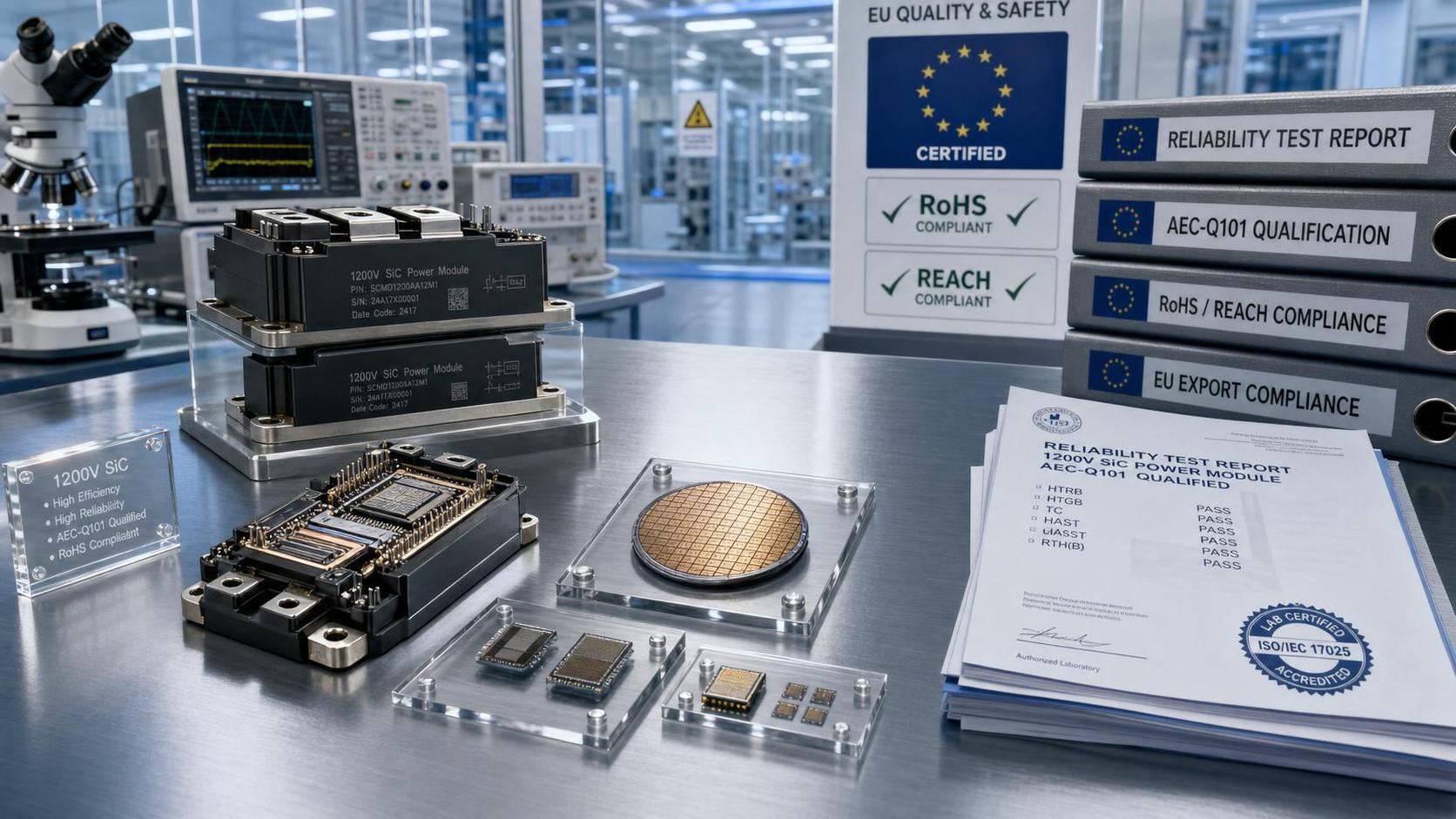
Market Intelligence Reports should reveal which standards truly control adoption. In many cases, AEC-Q100, SEMI-related process expectations, and laboratory validation depth matter more than nominal performance claims.
The practical question is simple: can the market be entered quickly without creating a backlog of approvals? If not, timeline assumptions need revision early.
Testing a fast-growth niche before larger commitment
Other situations are less constrained by formal certification and more shaped by rapid demand shifts. Smart factory sensors and edge monitoring modules often fit this pattern.
In these cases, Market Intelligence Reports should track where deployments are moving from pilot to repeat purchase. Early enthusiasm alone is not enough.
A faster decision becomes possible when reports show recurring application logic, stable integration partners, and credible replacement cycles rather than isolated project wins.
Comparing markets that look similar on paper
This is one of the most underestimated uses of Market Intelligence Reports. Two countries may show similar output growth, yet differ sharply in energy policy, local packaging depth, or import control exposure.
For G-SSI-relevant sectors, that difference can change entry logic completely. A market with modest demand but stronger test infrastructure may be easier to enter than a larger one with fragmented validation capacity.
Reading report signals differently across industrial contexts
The same metric should not be interpreted the same way everywhere. Shipment growth, for example, means something different in chip packaging than in fab environment control.
- For power semiconductors, growth signals are stronger when tied to inverter platforms, charging networks, and thermal management requirements.
- For MEMS and smart sensors, demand quality improves when reports show repeat calibration needs, integration with automation stacks, and serviceable installation conditions.
- For high-purity gases, market attractiveness rises when supply continuity, storage handling, and contamination control are documented with operational detail.
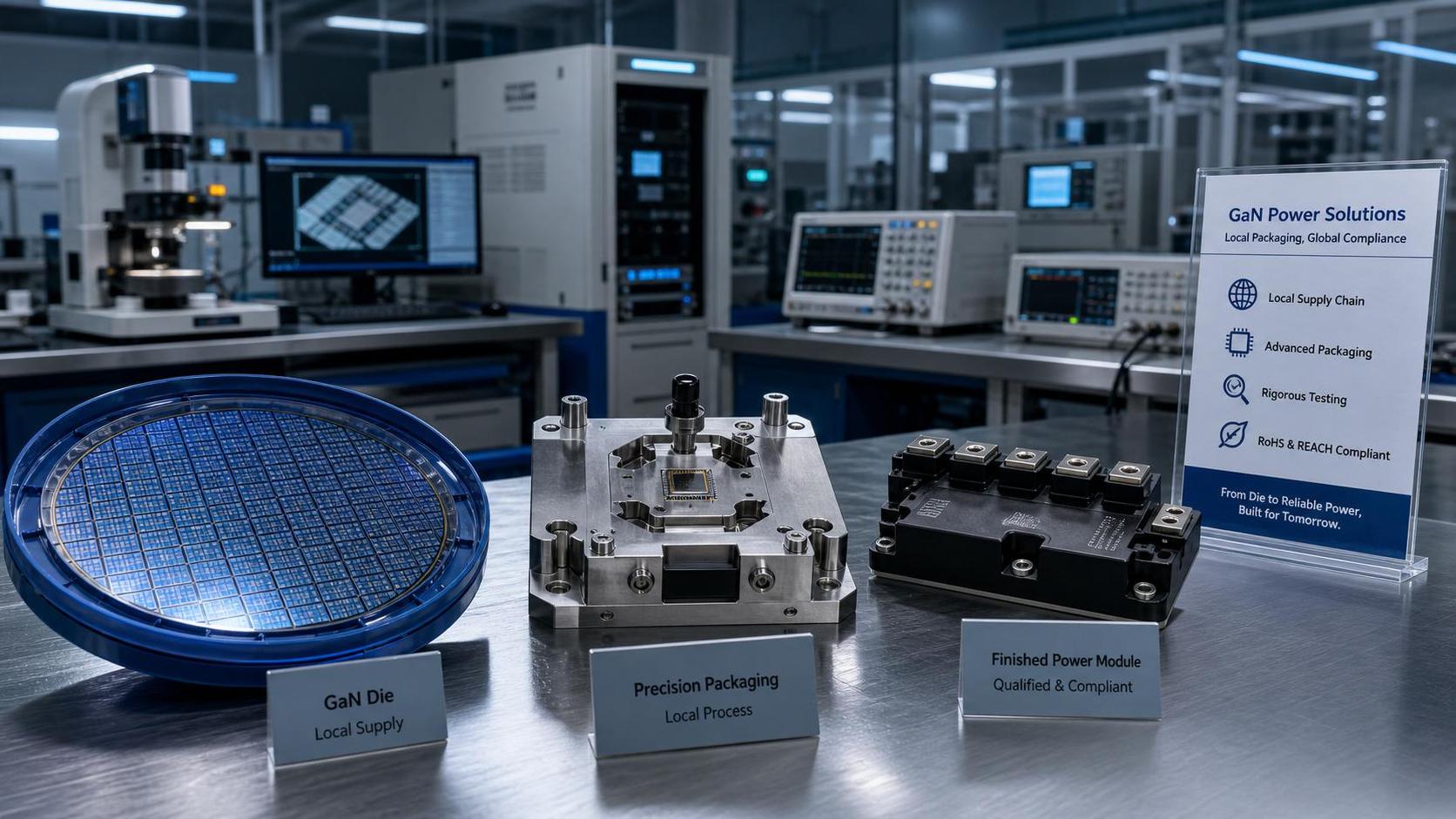
- For packaging and testing, expansion is more credible when yield discipline and ecosystem specialization are visible, not only aggregate capacity numbers.
In actual use, Market Intelligence Reports work best when they are read through the logic of deployment, not only through top-line market scale.
Common misreads that slow decisions instead of speeding them
A surprising number of delays come from using the right report in the wrong way. The first mistake is treating reported demand as immediately reachable demand.
Another common issue is overvaluing product specifications while underestimating field conditions. A sensor that performs well in controlled validation may struggle in vibration-heavy or contaminated sites.
In semiconductor-related sectors, it is also risky to assume that one qualified reference unlocks the full market. Local approval pathways often remain fragmented.
Cost comparisons create another trap. Market Intelligence Reports may show favorable pricing levels, yet omit hidden burdens such as gas handling infrastructure, test adaptation, or thermal redesign.
The broader lesson is that similar application labels do not mean identical entry conditions. Mature-node fabrication, chiplet packaging, and industrial sensing each punish shallow comparison in different ways.
How to turn Market Intelligence Reports into practical entry choices
A good process starts by narrowing the entry question. Decide whether the issue is geography, segment, application, or partnership structure before reviewing data.
Then compare reports against conditions that affect execution speed, not just market potential. This is where G-SSI-style benchmarking becomes useful.
International standards, data fidelity, thermal reliability, contamination control, and packaging compatibility often determine whether a promising opening is actionable.
A practical review sequence
- Map the exact application environment, not only the broad industry label.
- Check whether Market Intelligence Reports include standards, qualification steps, and channel structure.
- Separate short-cycle demand from demand requiring redesign, approval, or ecosystem alignment.
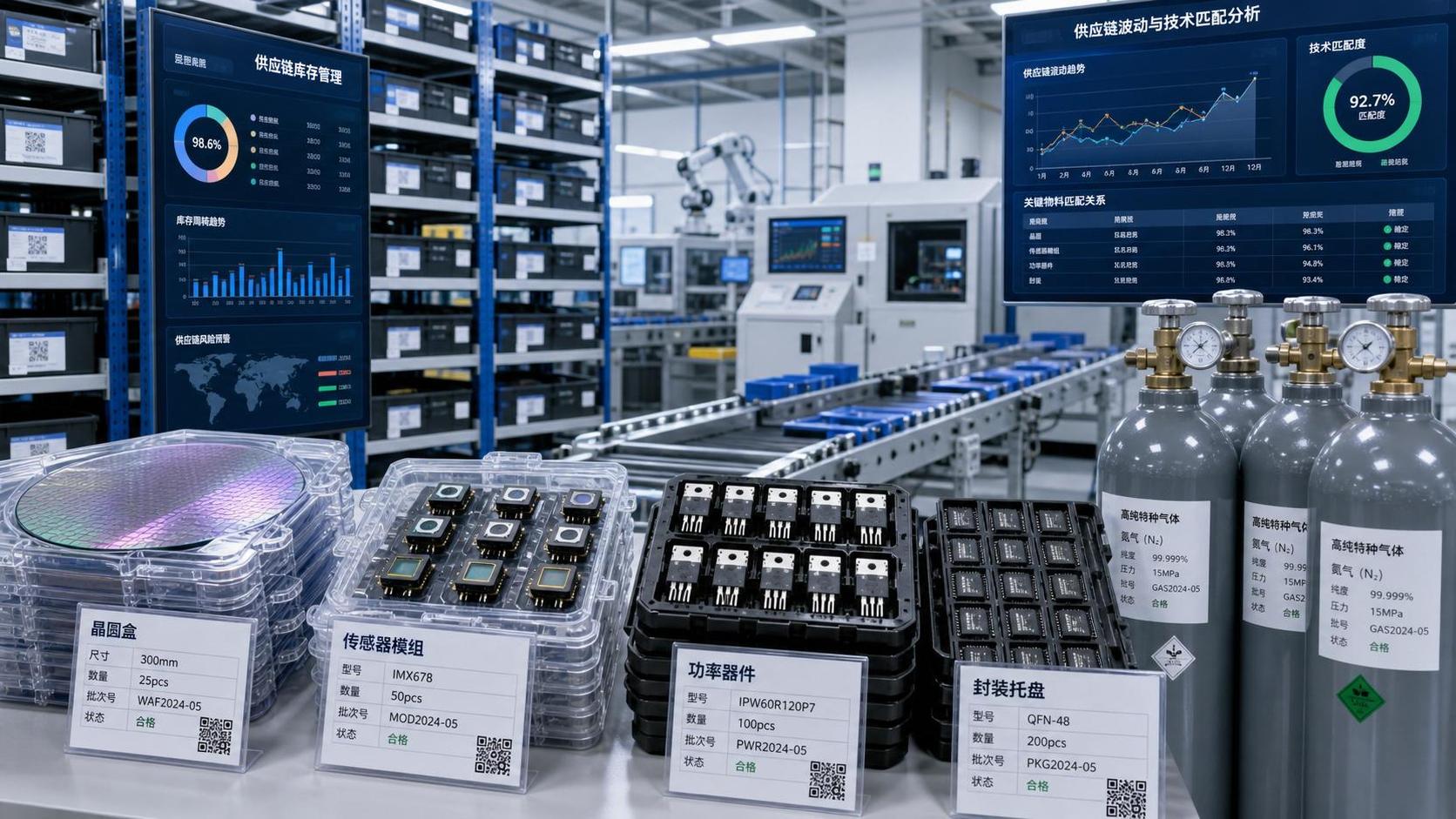
- Review supply chain exposure, especially for materials, gases, packaging services, and testing support.
- Rank opportunities by executable speed, not headline growth alone.
That approach keeps reports tied to entry decisions rather than letting them remain descriptive documents.
What to confirm before making the final move
Before moving ahead, confirm whether the chosen market supports reliable implementation under real operating conditions. This is especially important across semiconductors and sensory infrastructure.
The strongest Market Intelligence Reports help clarify where demand is durable, where compliance is manageable, and where ecosystem support reduces launch friction.
From there, the next step is not simply to approve entry. It is to define the exact scenario fit, compare constraints across target markets, and test whether standards, supply resilience, and service conditions align.
When that sequence is followed, Market Intelligence Reports become a faster route to confident decisions, especially in industries where technical precision and market timing must work together.
Get weekly intelligence in your inbox.
No noise. No sponsored content. Pure intelligence.
 Apr 28, 2026When do rapid prototyping 3D printing services save real costWhen do rapid prototyping 3D printing services save real cost
 Apr 28, 2026What Can Go Wrong in Fan-out Wafer Level Pkg?What Can Go Wrong in Fan-out Wafer Level Pkg?
 Apr 28, 2026What Makes Optical LiDAR Modules Better for Autonomy?What Makes Optical LiDAR Modules Better for Autonomy?
 Apr 28, 20262026 Market Trends in Supply Chain Resilience for Fabs2026 Market Trends in Supply Chain Resilience for Fabs
 Jun 20, 2026FDA Tightens Import Review for IC Cleaning SolventsFDA Tightens Import Review for IC Cleaning Solvents
 Jun 20, 2026GaN Module Buying Rises, but Local Packaging Becomes KeyGaN Module Buying Rises, but Local Packaging Becomes Key
 Jun 20, 2026METI Tightens Import Rules for Sub-ppb Electronic GasesMETI Tightens Import Rules for Sub-ppb Electronic Gases
 Jun 20, 2026SEMI Clarifies Export Boundaries for TSV and μBump ChipletsSEMI Clarifies Export Boundaries for TSV and μBump Chiplets
 Jun 20, 2026Wolfspeed SiC Certification Raises EU Import BarWolfspeed SiC Certification Raises EU Import Bar
 Jun 19, 2026SiC vs IGBT for EV Charging Station EfficiencySiC vs IGBT for EV Charging Station Efficiency
 Jun 19, 2026Heavy Duty Shelving: Load Limits, Layout, and SafetyHeavy Duty Shelving: Load Limits, Layout, and Safety
 Jun 19, 2026Cold Chain Logistics Failures and How to Prevent LossCold Chain Logistics Failures and How to Prevent Loss
 Jun 19, 2026Port Automation Tech: Where ROI Improves FirstPort Automation Tech: Where ROI Improves First
 Jun 19, 2026Supply Chain Shifts Reshaping Inventory Risk in 2026Supply Chain Shifts Reshaping Inventory Risk in 2026
 Jun 19, 2026SEMI China White Paper Maps Export Rules for Gas SensorsSEMI China White Paper Maps Export Rules for Gas Sensors
 Jun 19, 2026PCIM Europe 2026 Signals Shift to GaN Die SourcingPCIM Europe 2026 Signals Shift to GaN Die Sourcing
 Jun 19, 2026JETRO Tightens UPW Skid Import Documentation for JapanJETRO Tightens UPW Skid Import Documentation for Japan
 Jun 19, 2026EN 1822-4:2026 Brings AMC Units Into H14 CertificationEN 1822-4:2026 Brings AMC Units Into H14 Certification
 Jun 19, 2026BIS Adds License Rule for 1200V+ SiC MOSFET ModulesBIS Adds License Rule for 1200V+ SiC MOSFET Modules
 Jun 18, 2026How to Choose Power Transmission Components for Heavy-Duty SystemsHow to Choose Power Transmission Components for Heavy-Duty Systems
 Jun 18, 2026Biomass Energy Equipment: Common Failures and How to Prevent DowntimeBiomass Energy Equipment: Common Failures and How to Prevent Downtime
 Jun 18, 2026OEM Machined Parts: Tolerance, Lead Time, and Quality Checks ExplainedOEM Machined Parts: Tolerance, Lead Time, and Quality Checks Explained
 Jun 18, 2026Energy Solutions for Industrial Sites: How to Compare ROI and RiskEnergy Solutions for Industrial Sites: How to Compare ROI and Risk
 Jun 18, 2026Refrigerated Shipping Containers: Cost, Power Use, and Rental vs BuyRefrigerated Shipping Containers: Cost, Power Use, and Rental vs Buy
 Jun 18, 2026SEMI China Maps Export Compliance Gaps for Gas SensorsSEMI China Maps Export Compliance Gaps for Gas Sensors
 Jun 18, 2026PCIM Europe 2026 Signals Shift in GaN Module SourcingPCIM Europe 2026 Signals Shift in GaN Module Sourcing
 Jun 18, 2026METI Opens Fast-Track UPW Skid Access for Chinese SuppliersMETI Opens Fast-Track UPW Skid Access for Chinese Suppliers