Port Automation Tech: Where ROI Improves First
Port Automation Tech: Where ROI Improves First
For business evaluators, port automation tech rarely pays back first through fully autonomous terminals.
The earliest gains usually appear in uptime, yard flow, energy use, and cleaner operational data.
That matters because ports now face tighter turnaround windows, labor variability, and rising reliability expectations.
In practice, the best port automation tech investments solve today’s bottlenecks before they chase tomorrow’s autonomy vision.
This is where procurement decisions become sharper, especially when cost, resilience, and long-term infrastructure value must align.
Why early ROI in port automation tech shows up faster than expected
Many buyers assume ROI starts with large autonomous fleets or fully digital control towers.
More often, early returns come from targeted upgrades with lower integration risk.
These include sensor-based condition monitoring, automated dispatch support, smart gate systems, and energy optimization.
Each one improves a measurable operating metric without forcing a full terminal redesign.
That is especially relevant when capital approval depends on clear payback windows and manageable implementation steps.
From a sourcing perspective, strong port automation tech should reduce friction before it adds complexity.
The first value layer is operational stability
Ports lose money quickly when cranes, yard trucks, gate systems, or power modules fail unexpectedly.
So the first ROI layer in port automation tech is usually uptime improvement.
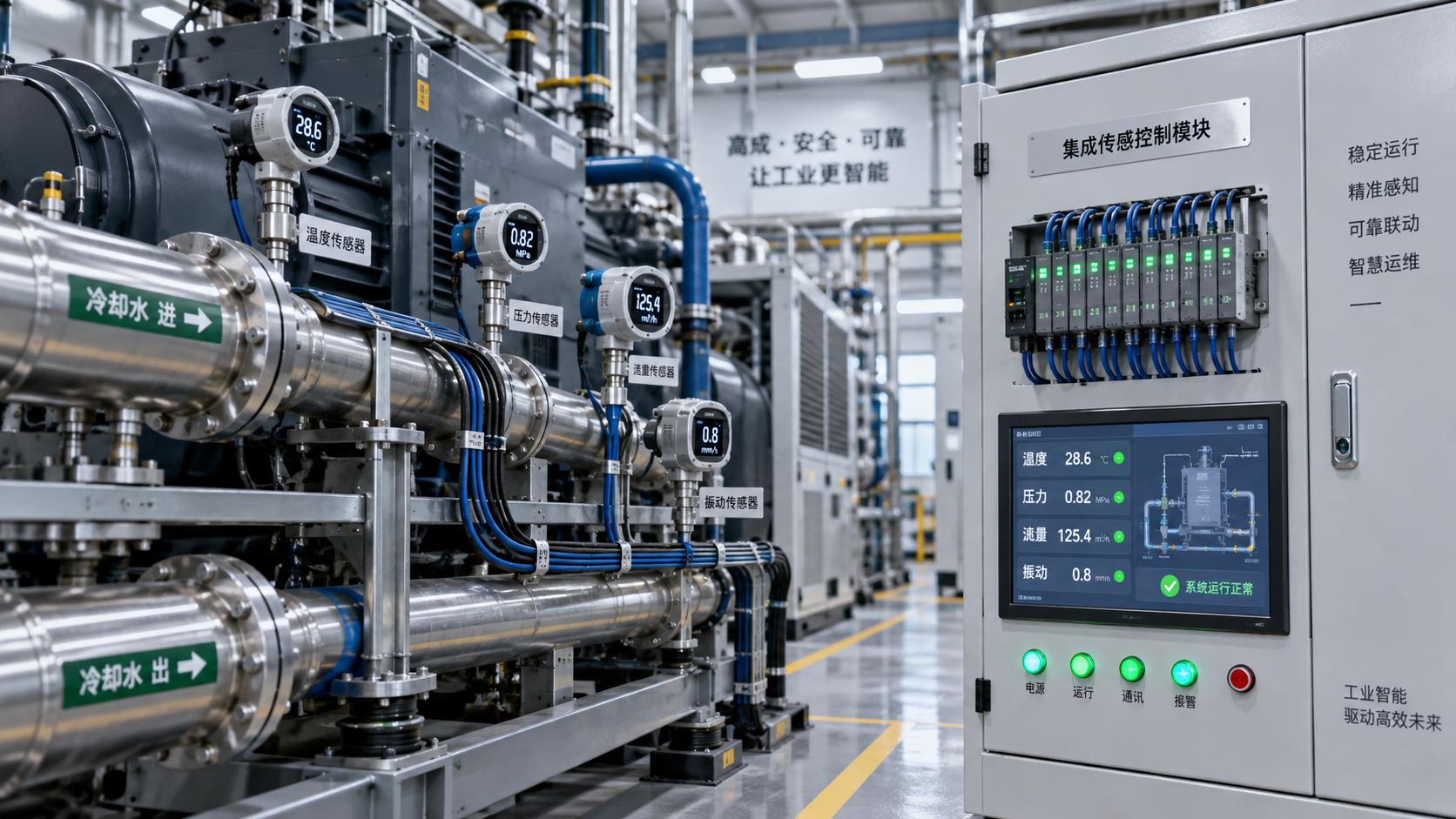
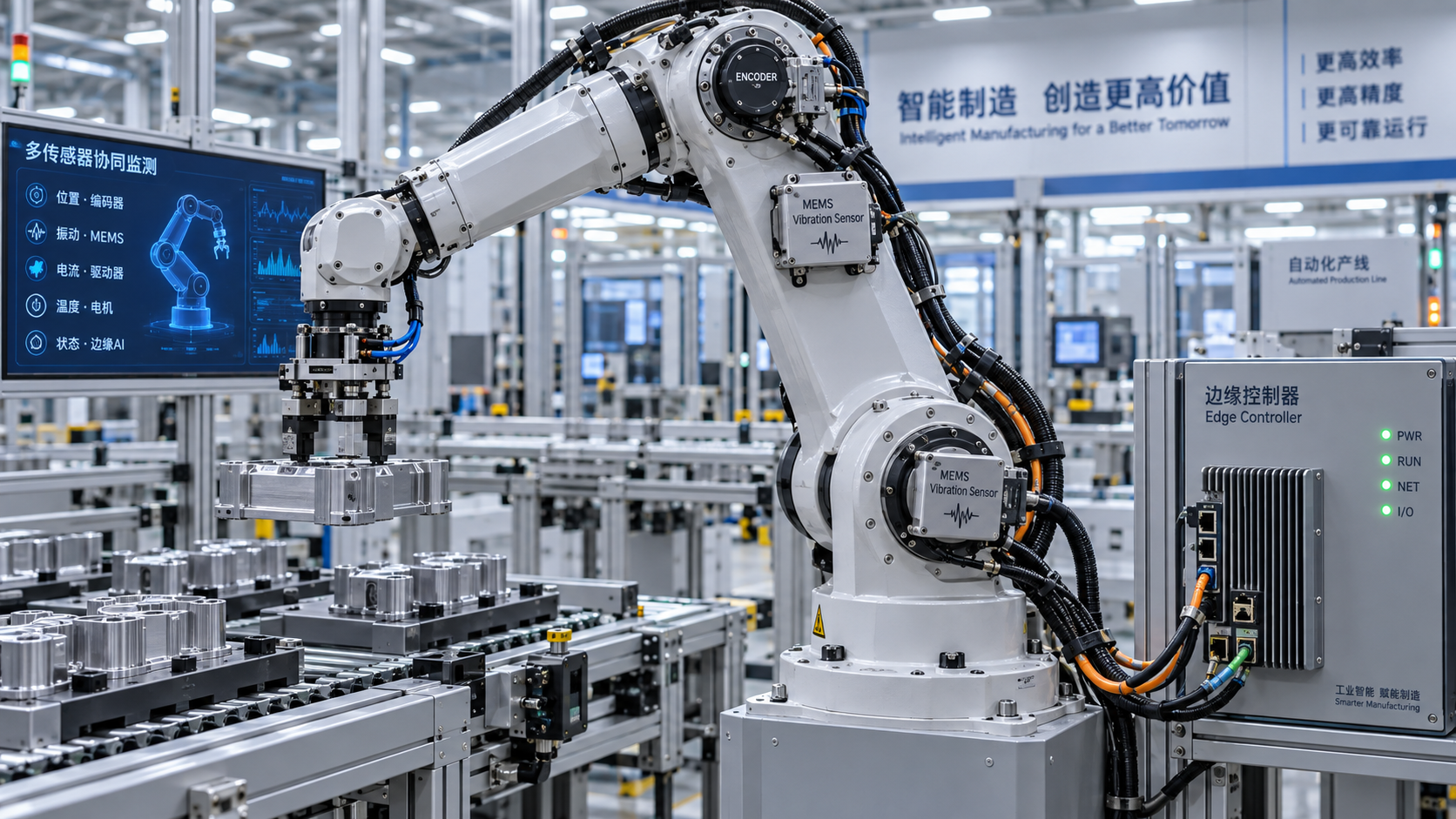
Condition monitoring tools can detect thermal drift, vibration changes, and electrical instability early.
That gives maintenance teams more control over repairs and spare parts planning.
It also helps avoid cascading delays across berth schedules, stacking operations, and outbound logistics.
Where port automation tech improves ROI first
Early ROI is easier to capture when technology is tied to a visible operational pain point.
Across most port environments, four areas tend to outperform others at the start.
1. Equipment uptime and predictive maintenance
Predictive maintenance is one of the strongest entry points for port automation tech.
It produces value through fewer breakdowns, longer asset life, and better maintenance scheduling.
This matters for quay cranes, rubber-tyred gantries, conveyors, switchgear, and charging systems.
When sensors, controls, and analytics work together, maintenance becomes less reactive and more precise.
- Lower emergency repair costs
- Higher asset availability during peak periods
- Better spare parts forecasting
- Reduced safety incidents linked to equipment failure
2. Yard coordination and move efficiency
The second fast-return area is yard orchestration.
Even partial automation can reduce idle moves, container reshuffles, and queue congestion.
Dispatch optimization tools often deliver measurable gains before autonomous vehicle fleets do.
That is because better sequencing improves throughput with existing assets.
In real operations, fewer unnecessary moves often translate into lower fuel, less wear, and tighter vessel servicing.
3. Energy efficiency and power quality
Energy is becoming a bigger procurement factor in port automation tech.
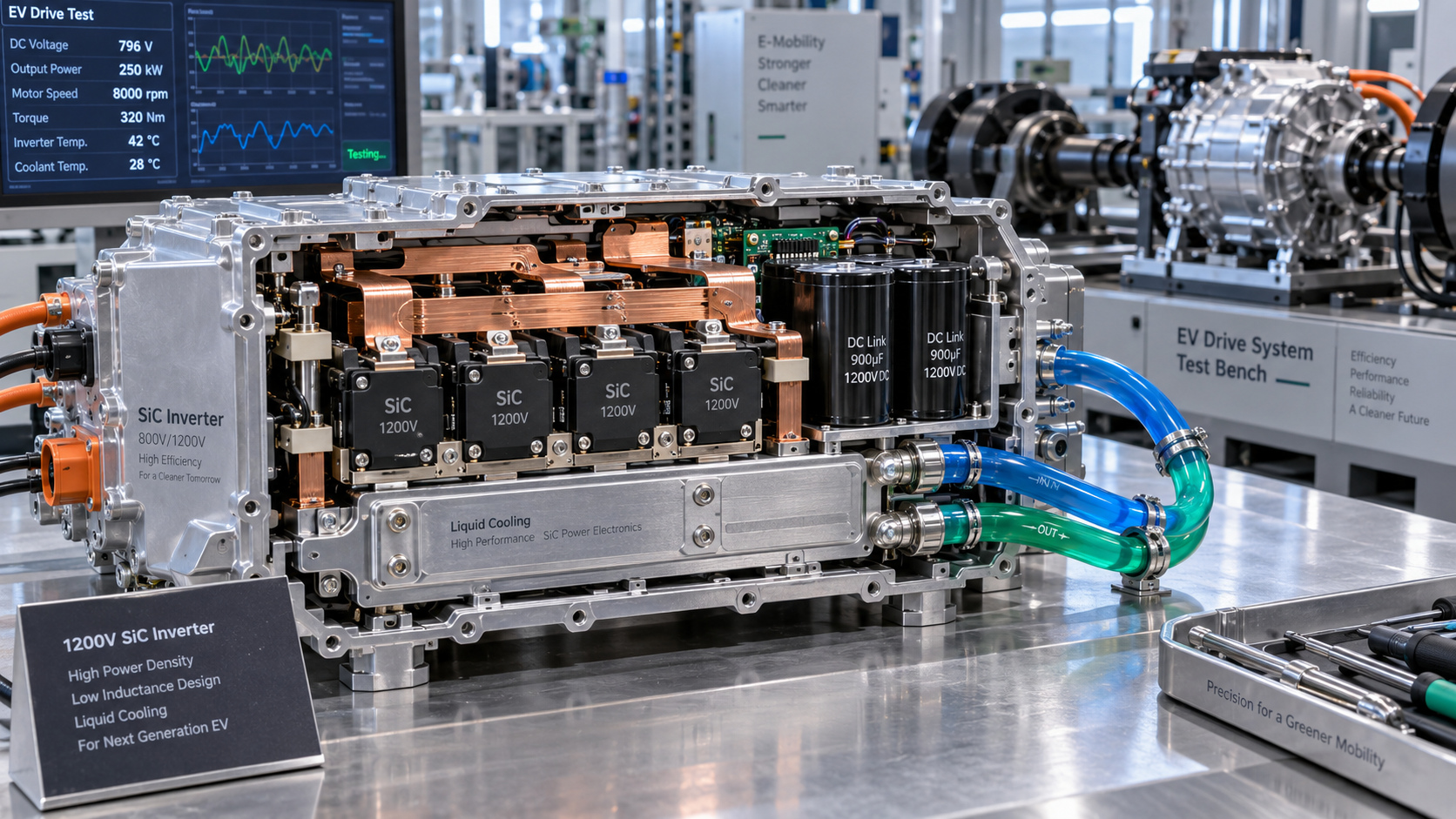
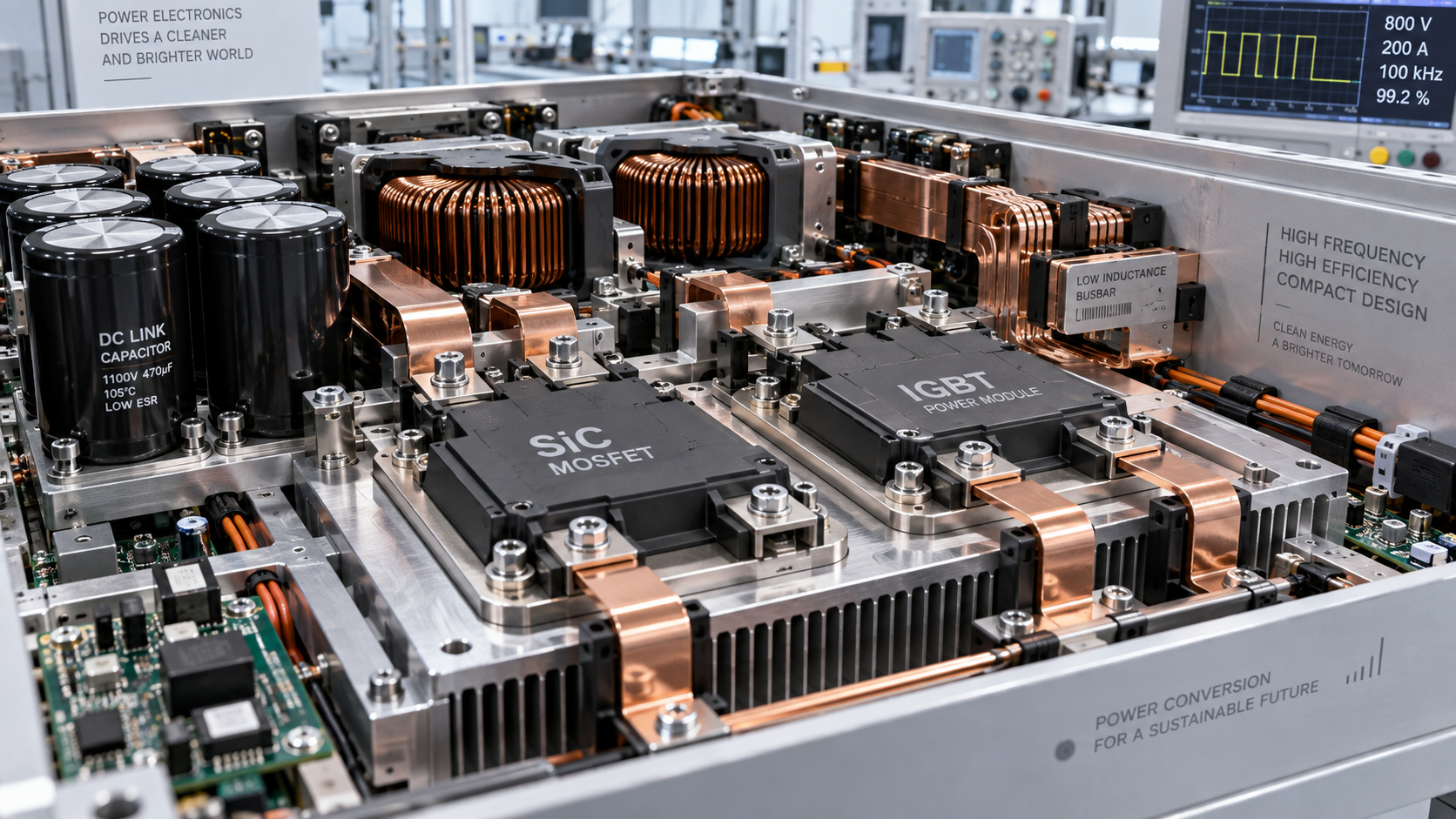
Electrified fleets, automated cranes, and digital infrastructure all depend on stable power conversion.
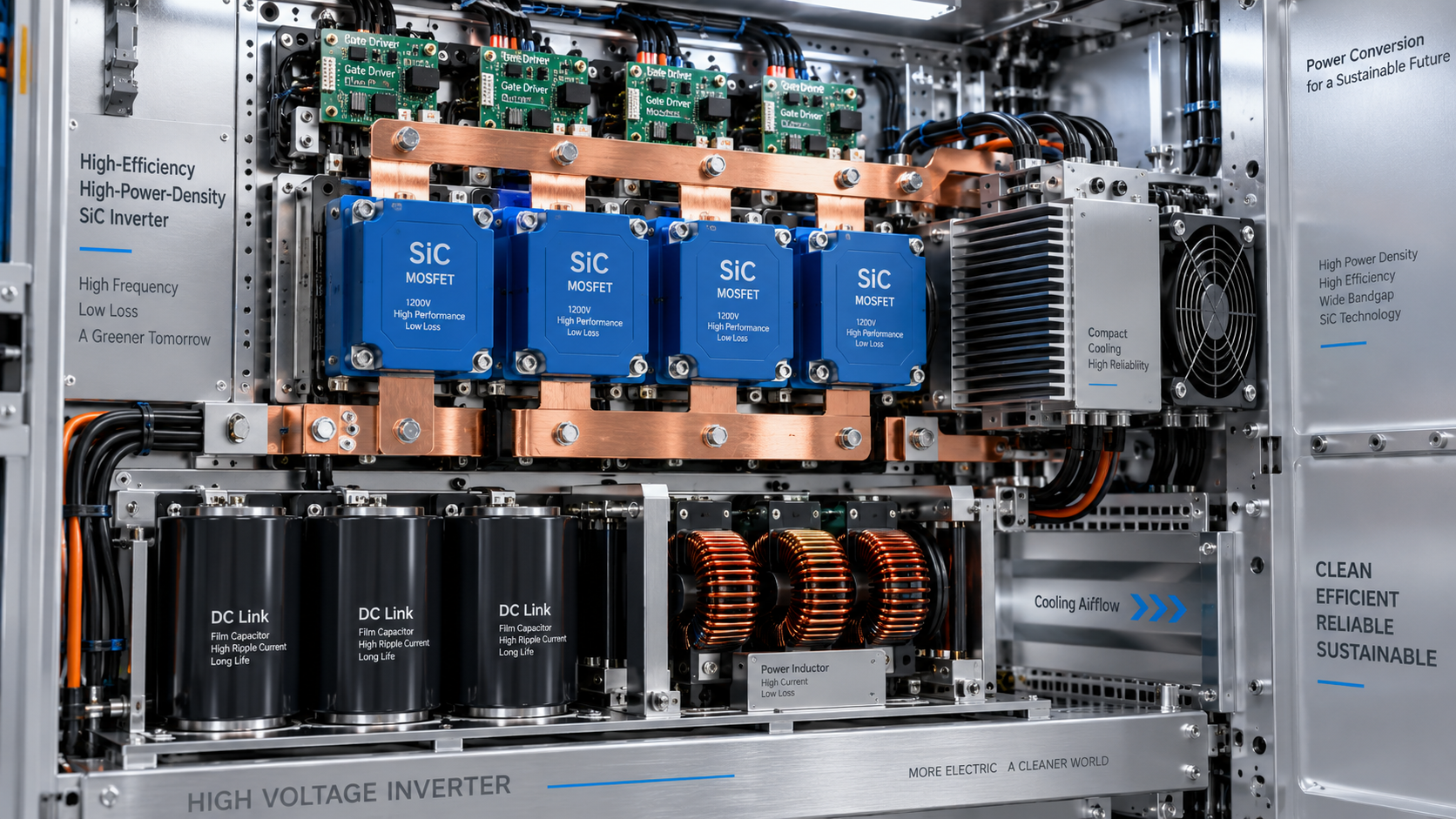
Here, advanced power semiconductors, monitoring systems, and control software can improve efficiency quickly.
The effect shows up in lower peak loads, fewer power anomalies, and more reliable charging cycles.
For facilities with heavy electric equipment, this can create one of the clearest short-term savings cases.
4. Data accuracy at gates, yards, and inspections
Poor data creates hidden cost across port operations.
Misreads, duplicate records, and missing condition data all slow decision-making.
Port automation tech based on machine vision, industrial MEMS, and sensor fusion can improve data fidelity.
That means better container identification, safer equipment movement, and more consistent inspection records.
Cleaner data also supports future scaling, which makes the original purchase easier to defend.
How to evaluate port automation tech without overbuying
The market often presents port automation tech as a complete transformation package.
But procurement quality improves when buyers separate core needs from long-range ambitions.
A disciplined review usually starts with three questions.
- Which bottleneck creates the most recurring cost today?
- Which automation layer integrates with current systems fastest?
- Which supplier can prove reliability under industrial conditions?
This approach prevents expensive overreach.
It also aligns with how mature infrastructure programs usually scale.
Start with high-frequency pain, then expand once performance data supports the next step.
Key procurement criteria that influence payback
Why component quality matters in port automation tech
Not all ROI drivers sit at the software layer.
In harsh port environments, component quality often decides whether automation keeps producing value.
This is where the broader semiconductor and sensory infrastructure chain becomes strategically important.
High-performance power devices, industrial MEMS, advanced packaging, and stable fabrication controls all affect field reliability.
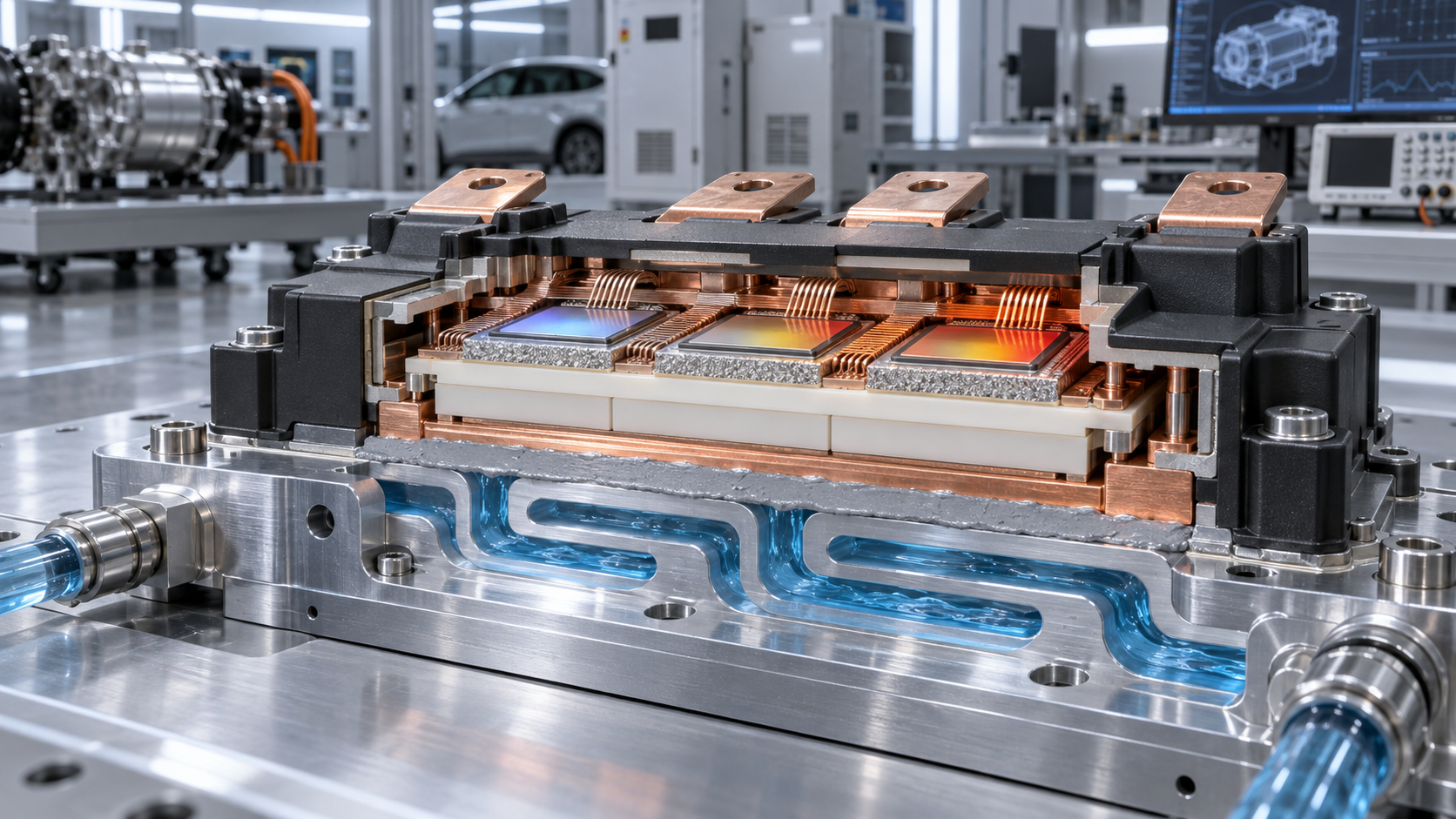
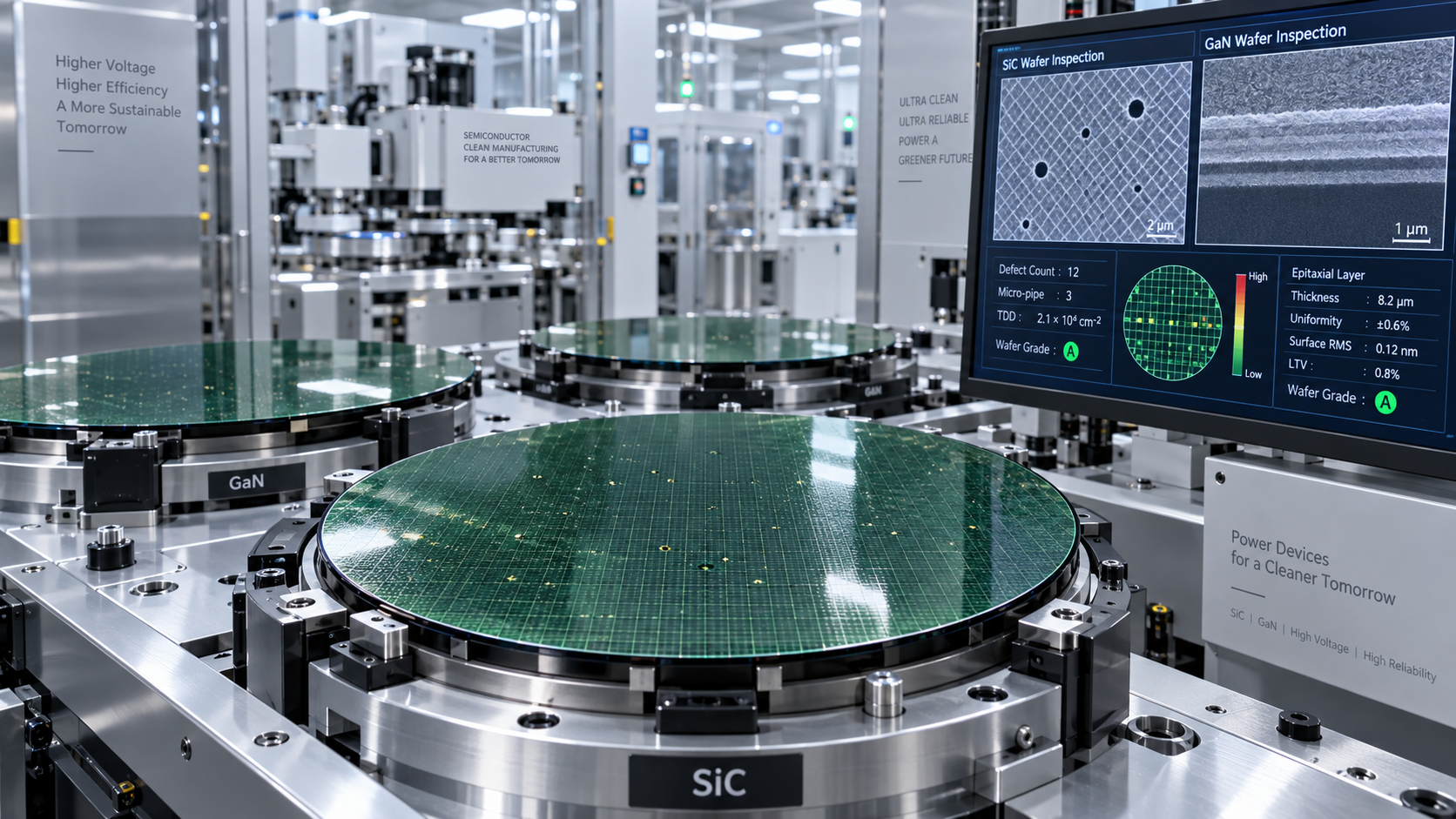
For example, SiC and GaN power solutions can improve switching efficiency and thermal performance.
Likewise, robust sensor modules support better perception in dust, vibration, humidity, and temperature variation.
That means port automation tech should be evaluated not only by features, but by engineering depth and supply chain resilience.
Signals of a stronger technical foundation
- Evidence of compliance with standards such as SEMI, AEC-Q100, or ISO-aligned testing methods
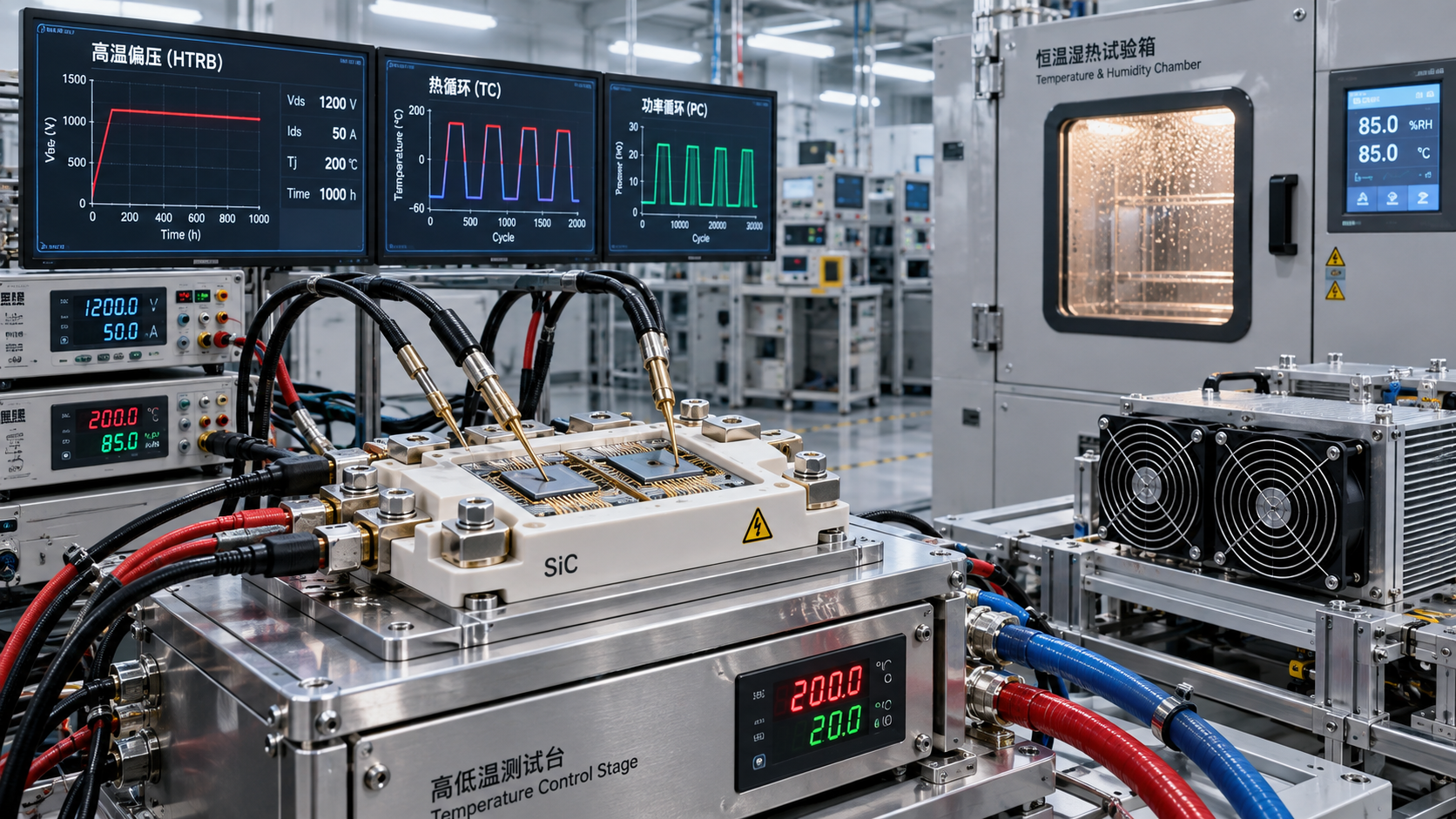
- Clear thermal management data for power electronics and enclosure conditions
- Proven sensor stability under industrial shock, contamination, and humidity
- Transparent support for diagnostics, calibration, and replacement cycles
Common buying mistakes that delay ROI
Early returns from port automation tech are very achievable.
Still, several common mistakes can slow or erase that value.
- Buying for maximum autonomy instead of the biggest operational constraint
- Underestimating integration work across legacy systems
- Ignoring data quality requirements at the sensor and edge level
- Choosing lower-cost hardware without lifecycle reliability evidence
- Measuring success only by labor reduction instead of total flow improvement
A better buying path focuses on phased impact.
That usually means proving one strong use case, then extending the architecture.
When done well, port automation tech becomes a compounding asset rather than a difficult one-time project.
A practical decision path for stronger returns
The most effective procurement strategy is rarely the most dramatic one.
It is the one that improves measurable performance first.
For most ports, that means starting port automation tech investment in uptime, coordination, energy, or data accuracy.
These areas create visible savings and reduce operational risk without demanding full-system disruption.
They also create the digital and electrical foundation needed for future automation phases.
So if the question is where ROI improves first, the answer is simple.
Choose port automation tech that fixes recurring operational loss, proves reliability, and scales without waste.
That is usually where the strongest long-term infrastructure value begins.
Get weekly intelligence in your inbox.
No noise. No sponsored content. Pure intelligence.
 Apr 28, 2026When do rapid prototyping 3D printing services save real costWhen do rapid prototyping 3D printing services save real cost
 Apr 28, 2026What Can Go Wrong in Fan-out Wafer Level Pkg?What Can Go Wrong in Fan-out Wafer Level Pkg?
 Apr 28, 2026What Makes Optical LiDAR Modules Better for Autonomy?What Makes Optical LiDAR Modules Better for Autonomy?
 Apr 28, 20262026 Market Trends in Supply Chain Resilience for Fabs2026 Market Trends in Supply Chain Resilience for Fabs
 Oct 10, 2026When do integrated sensor systems reduce commissioning risks?When do integrated sensor systems reduce commissioning risks?
 Oct 09, 2026How North American semiconductor fabs control airborne molecular contaminationHow North American semiconductor fabs control airborne molecular contamination
 Oct 08, 2026When do custom aluminum extrusions reduce fabrication costs?When do custom aluminum extrusions reduce fabrication costs?
 Oct 07, 2026How semiconductor packaging affects thermal reliability in EV power electronicsHow semiconductor packaging affects thermal reliability in EV power electronics
 Oct 06, 2026When do corrugated plastic boxes make sense for returnable shipping?When do corrugated plastic boxes make sense for returnable shipping?
 Oct 05, 2026What to verify before choosing semiconductor distributors in North AmericaWhat to verify before choosing semiconductor distributors in North America
 Oct 04, 2026How to assess a high purity materials manufacturer’s traceabilityHow to assess a high purity materials manufacturer’s traceability
 Oct 03, 2026How SiC power conversion solutions improve high-voltage invertersHow SiC power conversion solutions improve high-voltage inverters
 Oct 02, 2026When do SiC MOSFET benefits justify the higher device cost?When do SiC MOSFET benefits justify the higher device cost?
 Oct 01, 2026Which semiconductor reliability testing standards apply to power devices?Which semiconductor reliability testing standards apply to power devices?
 Sep 30, 2026How to qualify a semiconductor photoresist supplier for KrF/ArF productionHow to qualify a semiconductor photoresist supplier for KrF/ArF production
 Sep 29, 2026What image quality should portable ultrasound scanners deliver for triage?What image quality should portable ultrasound scanners deliver for triage?
 Sep 28, 2026How sub-ppb impurity control gases protect process consistencyHow sub-ppb impurity control gases protect process consistency
 Sep 27, 2026How chemical purity affects defect rates in semiconductor depositionHow chemical purity affects defect rates in semiconductor deposition
 Sep 26, 2026When do high voltage power semiconductor devices need SiC over IGBTs?When do high voltage power semiconductor devices need SiC over IGBTs?
 Sep 25, 2026How to verify quality controls at a die casting parts supplier in ChinaHow to verify quality controls at a die casting parts supplier in China
 Sep 24, 2026How to verify electronic gas purity for sub-ppb semiconductor processesHow to verify electronic gas purity for sub-ppb semiconductor processes
 Sep 23, 2026When sensory data integration improves industrial motion monitoringWhen sensory data integration improves industrial motion monitoring
 Sep 22, 2026How supply chain resilience reduces the cost of production disruptionsHow supply chain resilience reduces the cost of production disruptions
 Sep 21, 2026What autonomous systems OEMs should verify before sourcing LiDAR modulesWhat autonomous systems OEMs should verify before sourcing LiDAR modules
 Sep 20, 2026How gas purity affects defect density in epitaxial wafer growthHow gas purity affects defect density in epitaxial wafer growth
 Sep 19, 2026How substrate defects affect third-generation material device yieldHow substrate defects affect third-generation material device yield
 Sep 18, 2026How trace impurities in specialty process gases affect wafer yieldHow trace impurities in specialty process gases affect wafer yield