Reliability Standards for Semiconductor Manufacturing in 2026
In 2026, quality control and safety teams face rising pressure to validate fabrication integrity across advanced packaging, SiC/GaN power devices, MEMS sensors, and ultra-clean process environments.
Reliability Standards for Semiconductor Manufacturing now define more than compliance. They determine yield stability, operational safety, thermal resilience, and long-term supply chain confidence.
As global fabs align with SEMI, AEC-Q100, ISO/IEC 17025, and stricter contamination-control benchmarks, standard literacy becomes a strategic operational capability.
Reliability Standards for Semiconductor Manufacturing Are Becoming a Strategic Control Layer
The semiconductor value chain is entering a period where reliability is designed, audited, simulated, and verified across every process node.
This shift is visible in mature-node expansion, third-generation power materials, chiplet packaging, and sensor-rich industrial infrastructure.
Reliability Standards for Semiconductor Manufacturing increasingly connect process control with field performance, especially in automotive, energy, robotics, aerospace, and industrial IoT systems.
The old boundary between factory qualification and product qualification is fading. A weak process signal can become a warranty event years later.
G-SSI frames this change as silicon sovereignty plus perception integrity. Reliable chips and trustworthy sensing now support critical digital infrastructure.
Trend Signals Reshaping Fab Reliability in 2026
Several signals show why Reliability Standards for Semiconductor Manufacturing are moving from quality manuals into board-level technology planning.
First, SiC and GaN devices operate under higher voltage, temperature, and switching stress than legacy silicon power components.
Second, 2.5D and 3D packages introduce thermal coupling, warpage risk, interconnect fatigue, and more complex failure localization.
Third, MEMS and smart sensors convert microscopic mechanical behavior into mission-critical data streams for autonomous decision systems.
Fourth, contamination tolerance is shrinking. Trace metals, moisture, particles, and molecular residues can distort yield or accelerate latent defects.
Together, these signals make Reliability Standards for Semiconductor Manufacturing essential for both production stability and end-use safety.
Forces Driving Higher Reliability Expectations
Reliability pressure is not caused by one regulation or one technology. It reflects converging technical, commercial, and geopolitical forces.
This combination explains why Reliability Standards for Semiconductor Manufacturing are increasingly evaluated through evidence chains, not isolated certificates.
How Reliability Requirements Affect Key Semiconductor Segments
Power Semiconductors and Third-Generation Materials
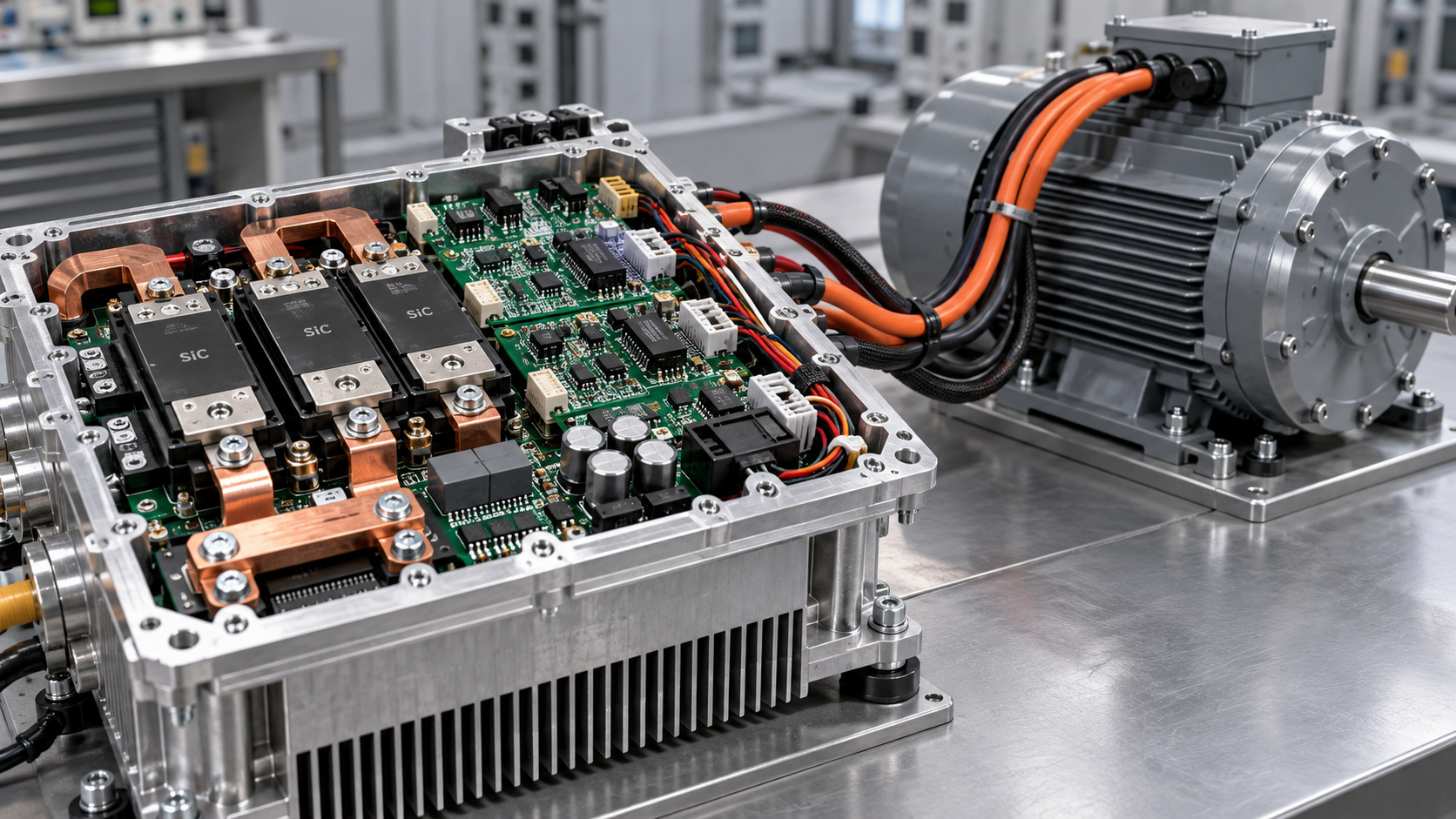
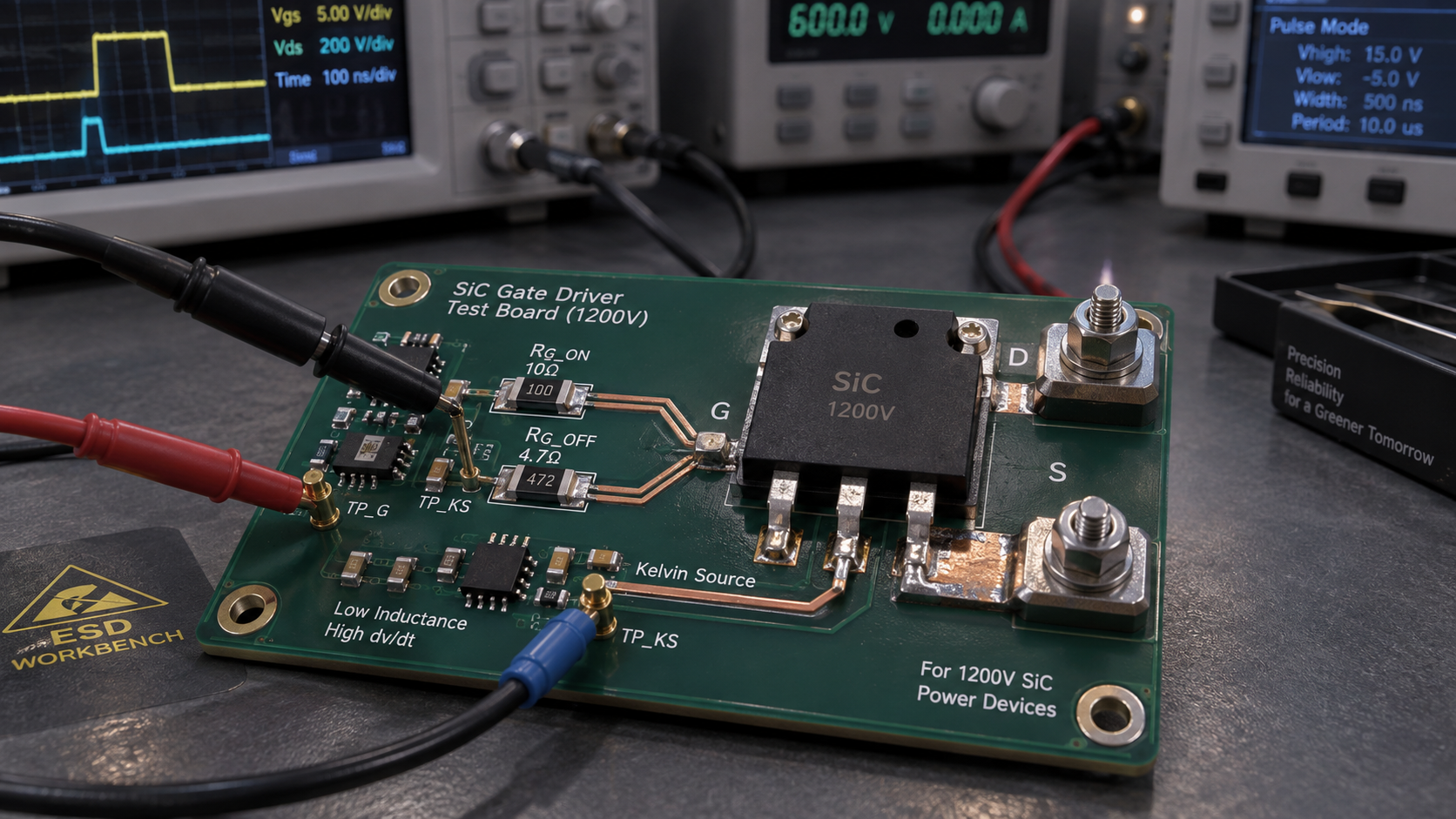
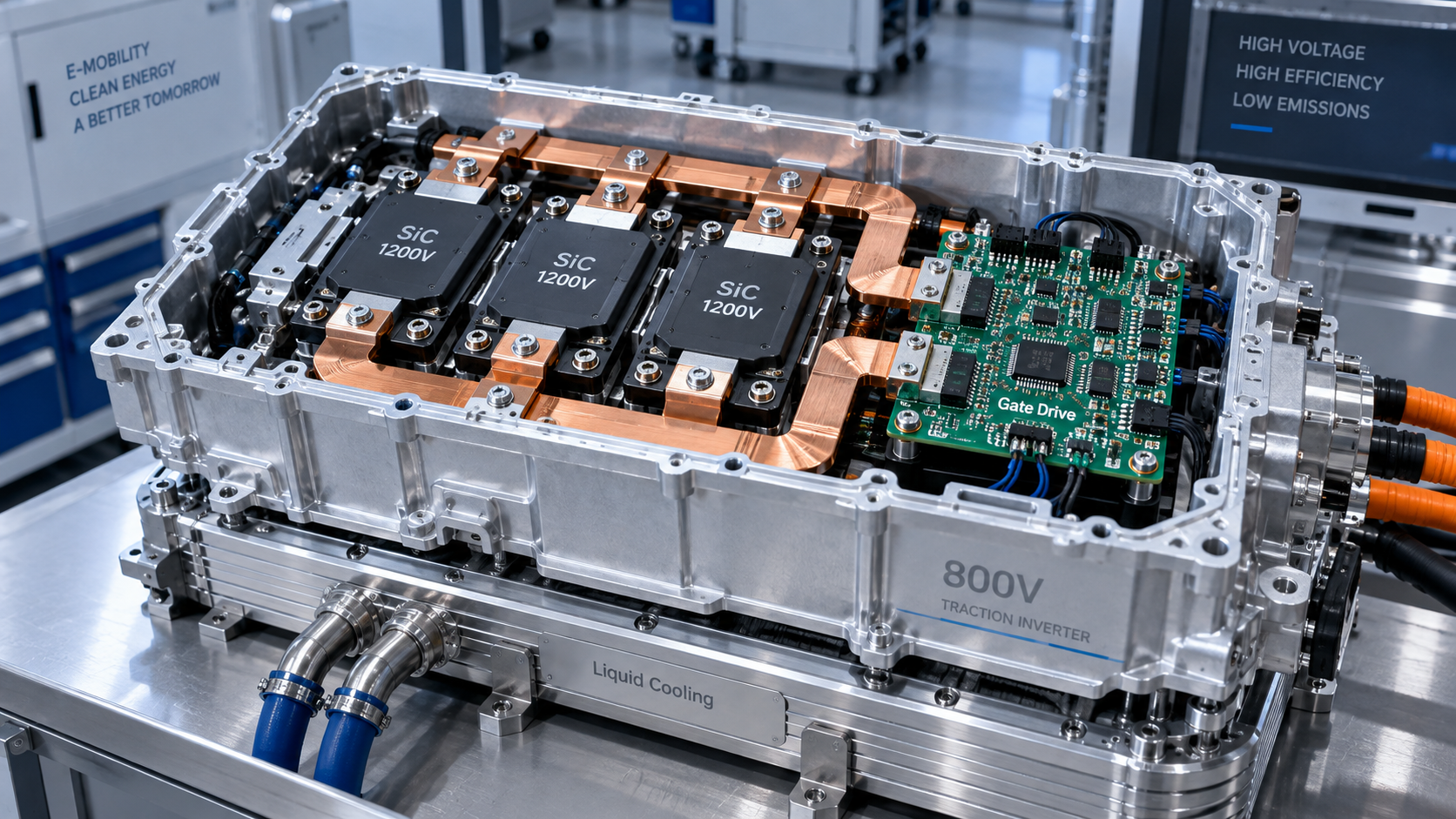
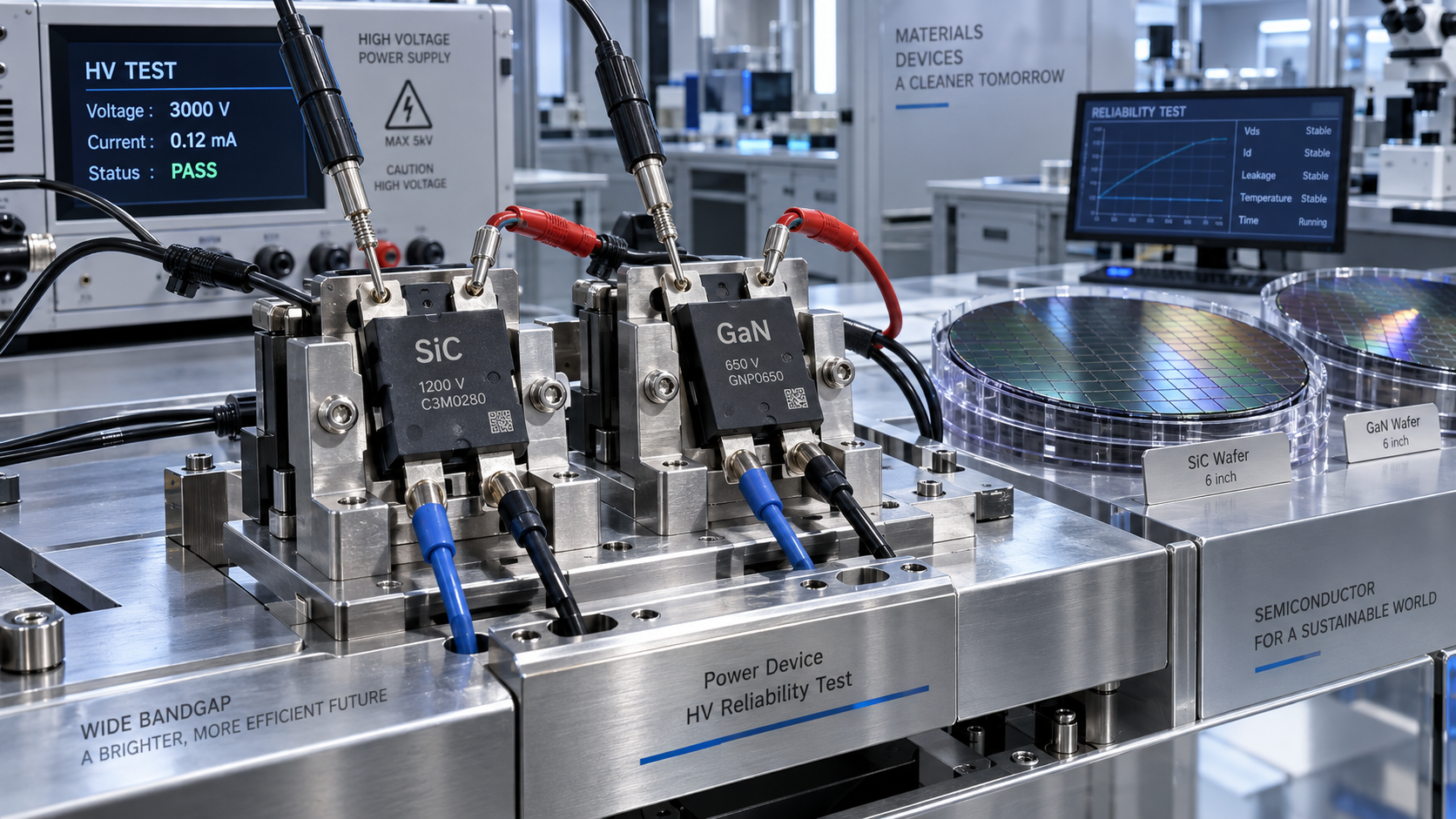
SiC MOSFETs, GaN HEMTs, and high-voltage modules require deeper correlation between wafer defects, epitaxy quality, package design, and field profiles.
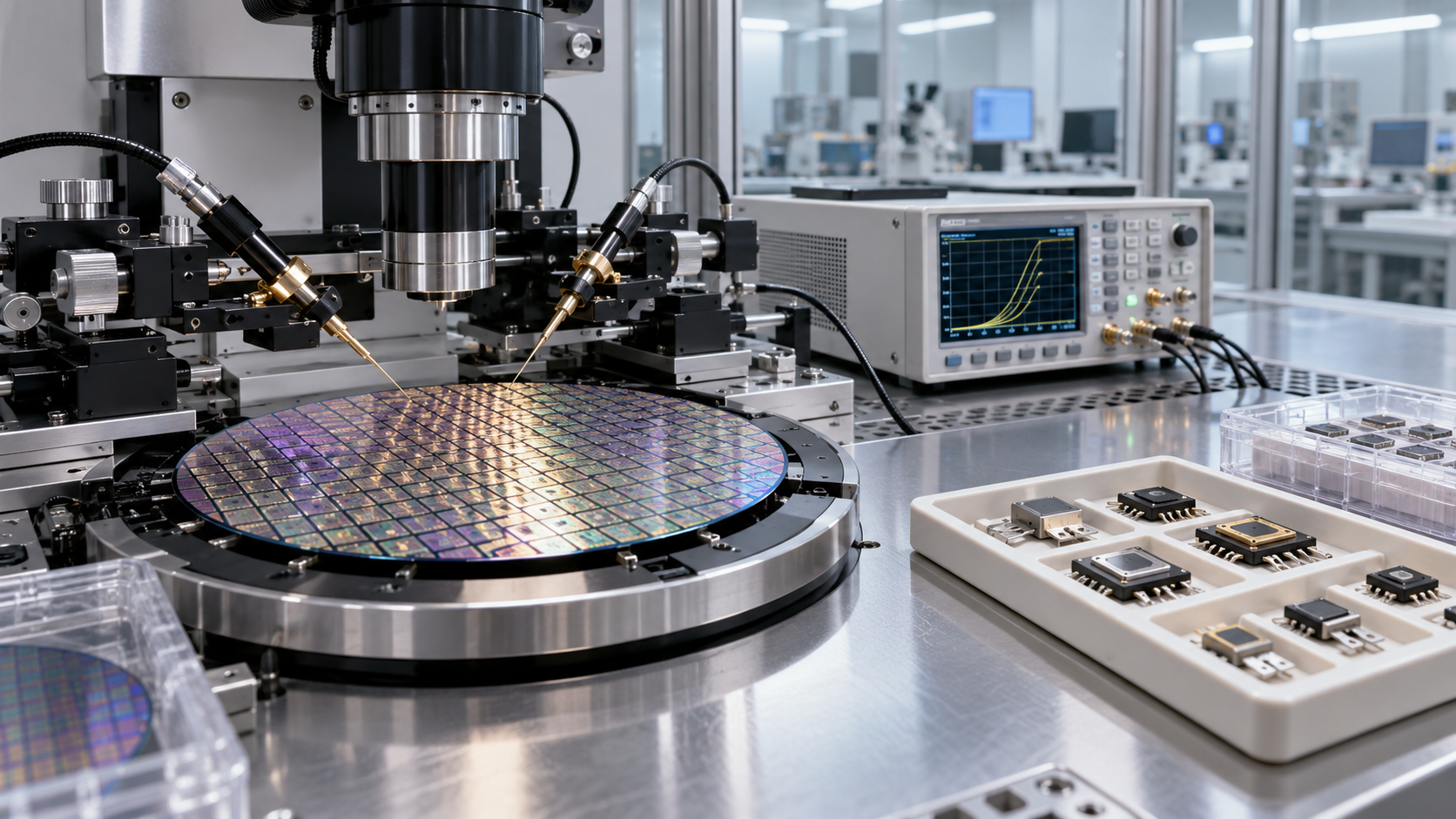
Reliability Standards for Semiconductor Manufacturing help define burn-in, high-temperature reverse bias, power cycling, and failure analysis expectations.
In 2026, the strongest programs will connect device physics with inverter duty cycles, charging infrastructure loads, and industrial drive behavior.
Advanced Packaging and Testing
Chiplet systems expose reliability gaps that traditional single-die qualification may miss, especially at heterogeneous interfaces.
Thermal paths, micro-bump fatigue, underfill selection, and package warpage must be controlled with process-level visibility.
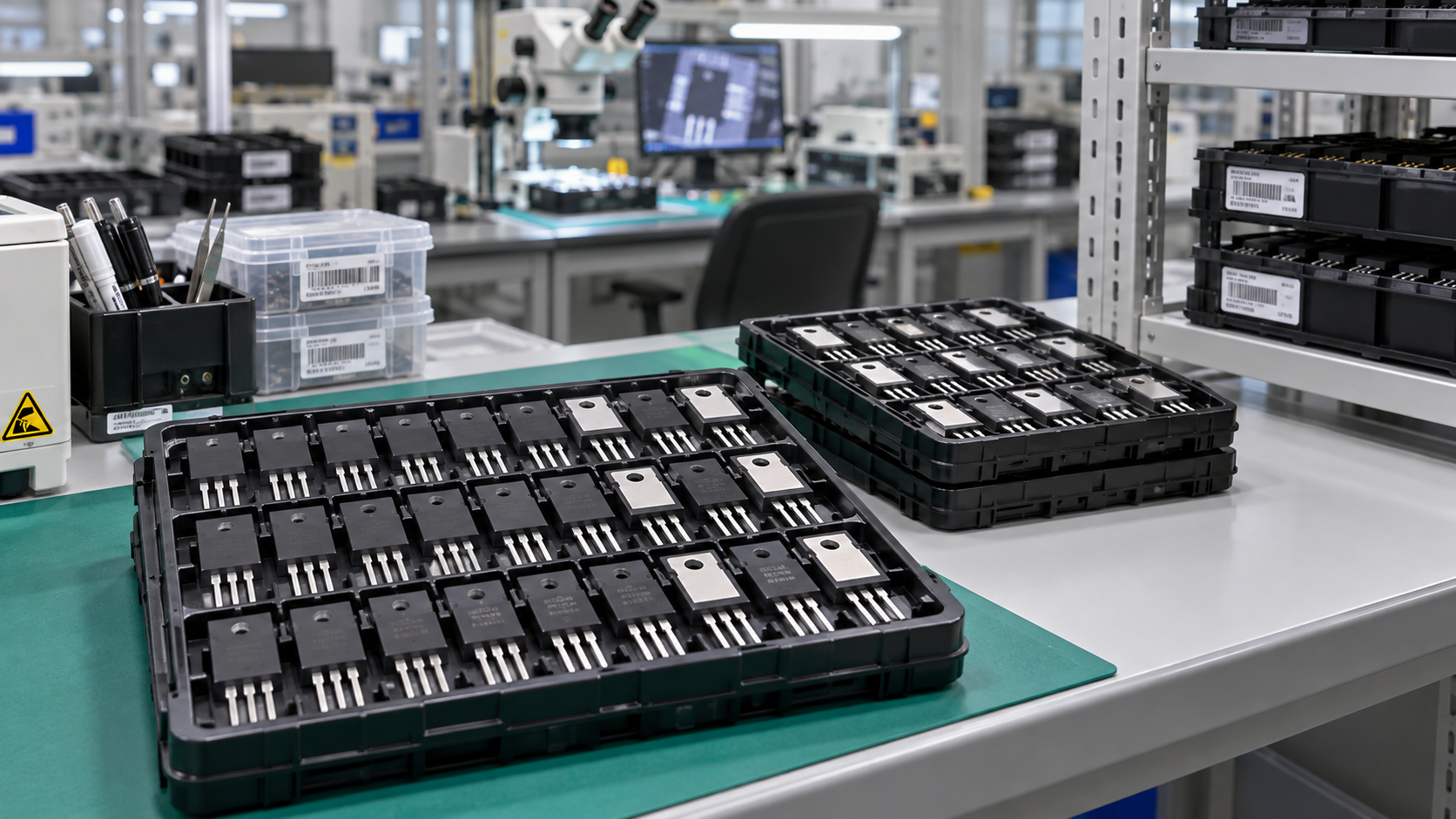
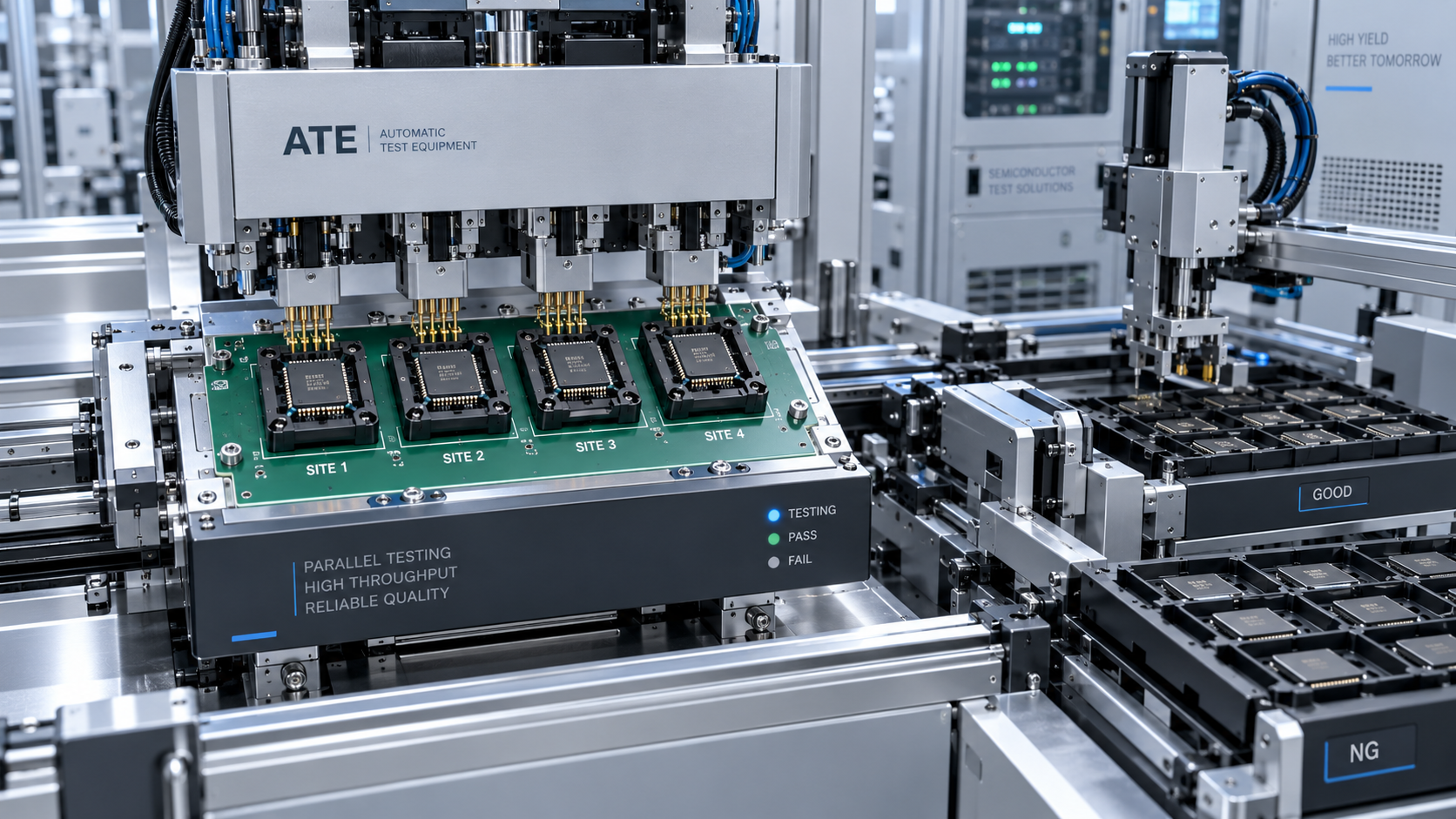
Reliability Standards for Semiconductor Manufacturing increasingly require stronger test coverage, simulation validation, and traceable package genealogy.
MEMS, Smart Sensors, and Data Fidelity
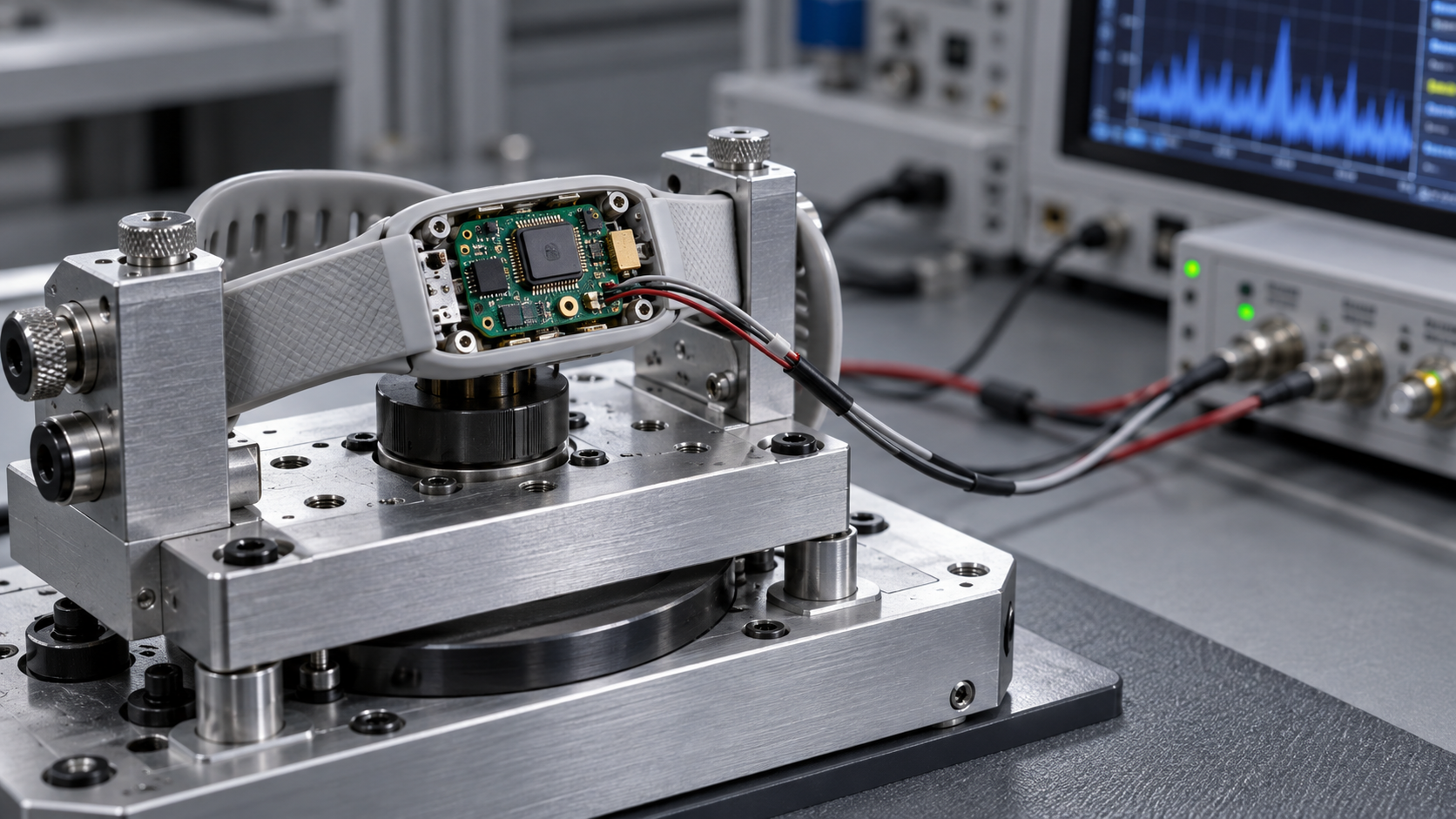
MEMS reliability depends on mechanical structures, packaging stress, surface conditions, calibration stability, and environmental exposure.
For autonomous systems, sensor failure is not only a component issue. It can become a perception and control-system risk.
Reliability Standards for Semiconductor Manufacturing must therefore support drift monitoring, accelerated aging, and metrology traceability.
Process Environment Control Is Moving Into the Reliability Core
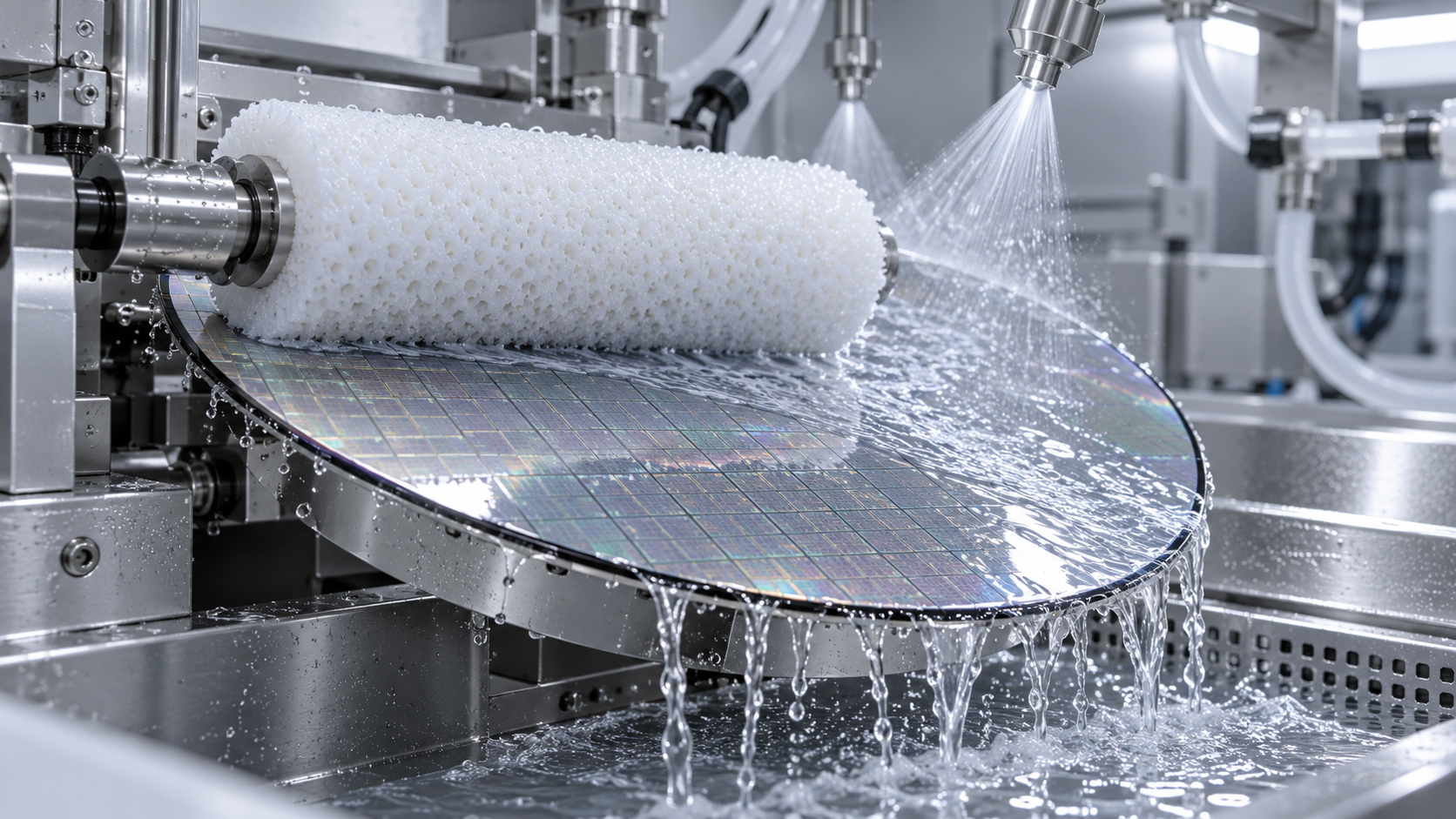
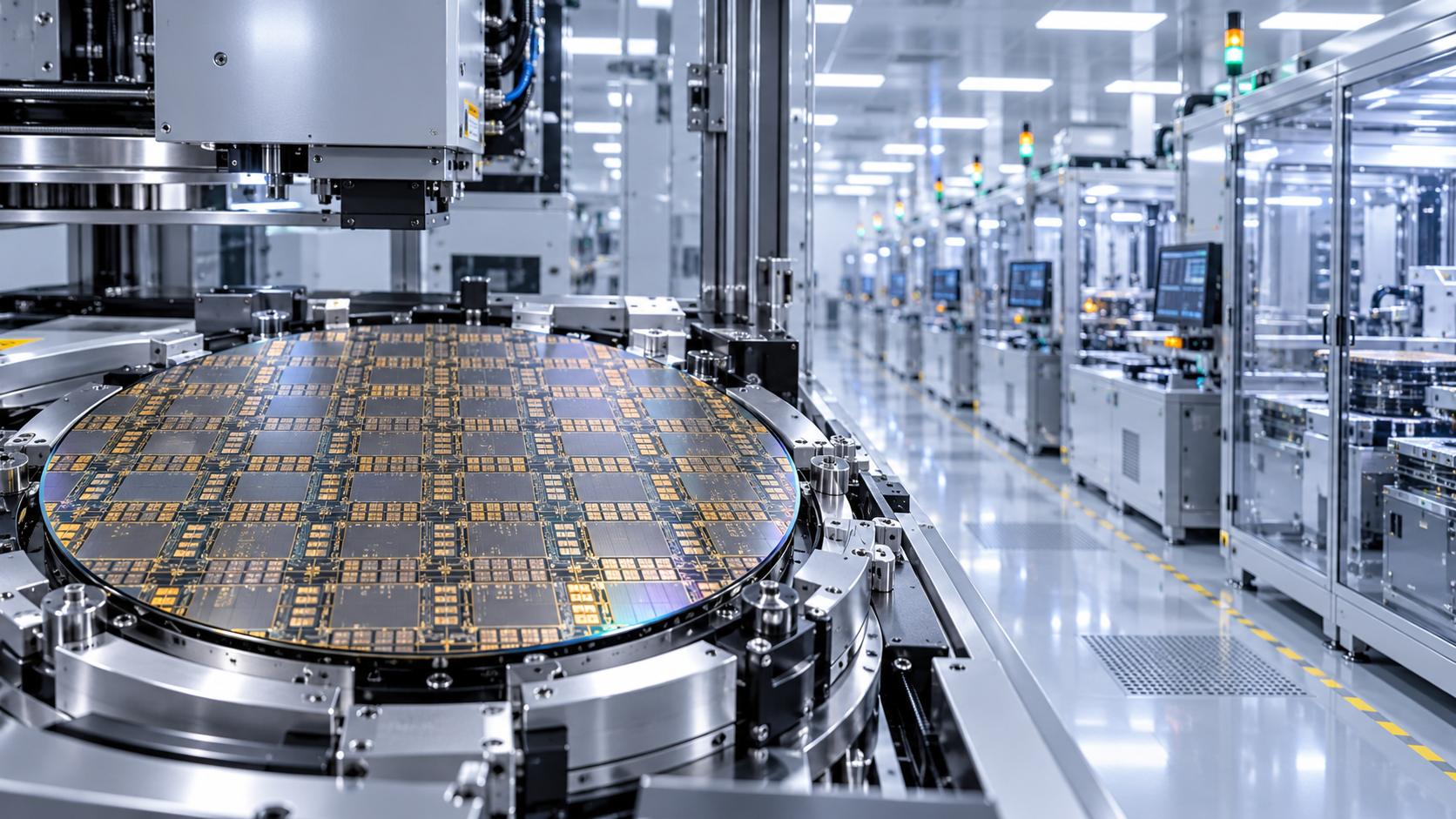
Ultra-clean process control is becoming a reliability differentiator, not only a yield improvement activity.
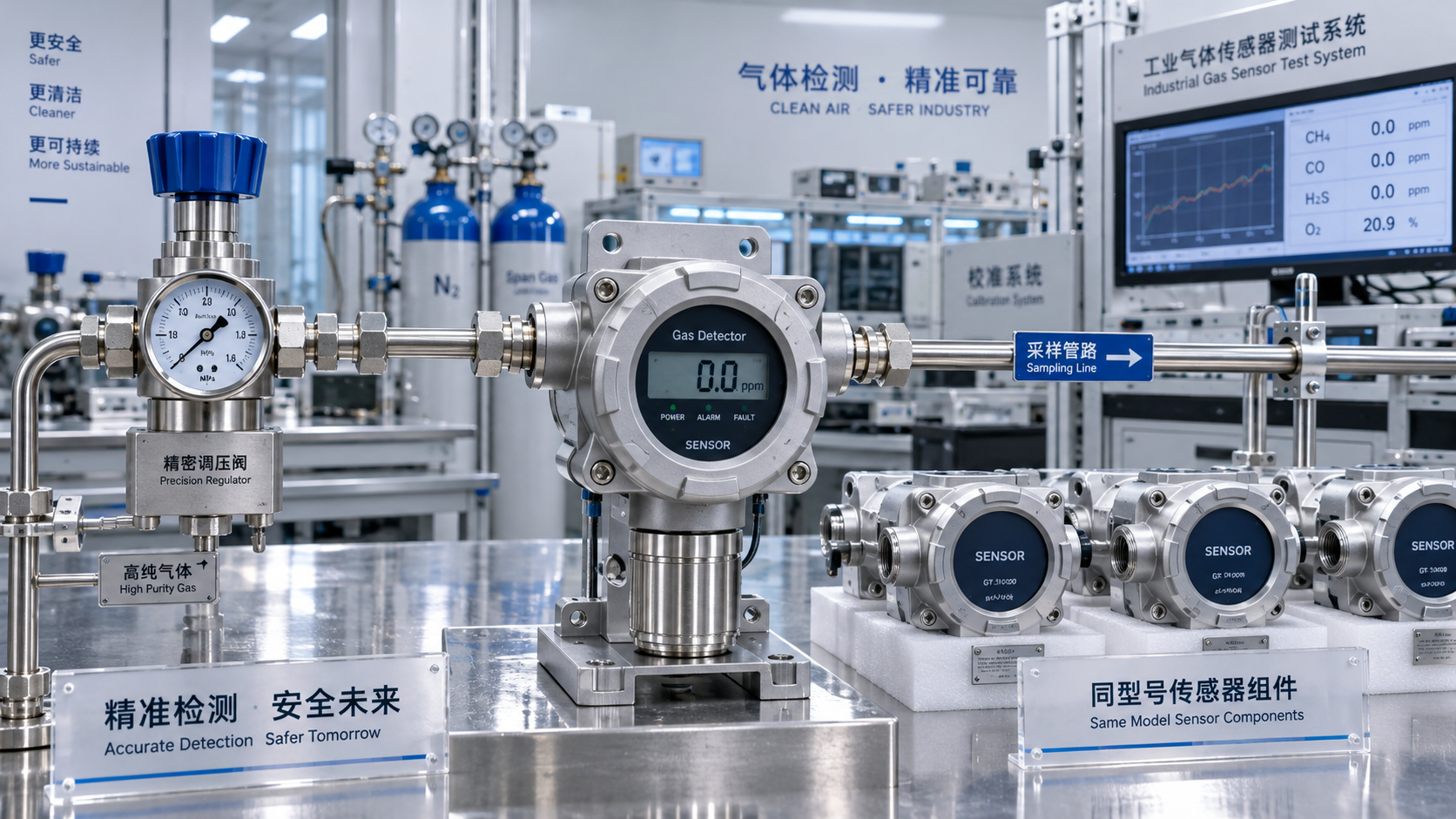
High-purity chemicals, electronic gases, filtration, humidity control, and airborne molecular contamination all influence latent defect formation.
Sub-ppb impurities may alter interface states, dielectric integrity, corrosion behavior, and sensor baseline stability.
Reliability Standards for Semiconductor Manufacturing now push fabs to prove environmental consistency across tools, shifts, suppliers, and facility zones.
This is especially important when mature-node capacity expands rapidly while serving automotive, industrial, and infrastructure-grade applications.
Impact Across Business and Technical Workflows
The impact of Reliability Standards for Semiconductor Manufacturing spreads across design, sourcing, process engineering, testing, and customer assurance.
Design teams must define reliability margins earlier, using mission profiles instead of generic lifetime assumptions.
Process teams need faster feedback loops between statistical process control, inline inspection, parametric testing, and failure analysis.
Laboratories must maintain traceable methods, calibrated instruments, uncertainty budgets, and ISO/IEC 17025-aligned documentation.
Supply chain teams must evaluate supplier substitutions through equivalent reliability data, not only commercial availability.
- Design qualification becomes linked to real application stress.
- Incoming materials require tighter contamination and purity controls.
- Packaging choices require thermal and mechanical co-validation.
- Test coverage must detect latent and intermittent failure modes.
- Audit readiness depends on complete evidence traceability.
Core Priorities for 2026 Reliability Programs
A mature reliability program should turn standards into operating routines, measurable controls, and decision rules.
Reliability Standards for Semiconductor Manufacturing are most effective when connected to real-time data, engineering ownership, and structured escalation.
- Build a standards map covering SEMI, JEDEC, AEC-Q100, AEC-Q101, and ISO/IEC 17025.
- Link each requirement to a process owner, control metric, and evidence location.
- Use mission profiles for SiC, GaN, MEMS, and advanced package qualification.
- Define contamination limits for chemicals, gases, cleanrooms, and tool interfaces.
- Integrate accelerated testing with statistical process trends and field returns.
- Require change-control reviews for materials, recipes, tools, and suppliers.
These priorities reduce ambiguity during audits and improve confidence when production scales across multiple regions.
Decision Framework for Adapting to Higher Standards
The next challenge is prioritization. Not every reliability gap carries the same operational or market risk.
A practical framework should rank gaps by failure severity, detectability, exposure time, customer requirements, and recovery cost.
Reliability Standards for Semiconductor Manufacturing should guide investment sequencing, especially where failure consequences are severe.
What to Watch Next
Three developments deserve close attention through 2026 and beyond.
The first is deeper use of digital twins for package stress, thermal performance, and accelerated aging prediction.
The second is stronger traceability between fab data, test data, laboratory records, and field performance.
The third is tighter benchmarking of domestic capacity against international reliability expectations for infrastructure-grade semiconductors.
Reliability Standards for Semiconductor Manufacturing will likely become more data-driven, application-specific, and supply-chain-aware.
From Compliance Evidence to Operational Advantage
The most resilient semiconductor organizations will not treat standards as final inspection checklists.
They will use Reliability Standards for Semiconductor Manufacturing to shape design rules, process controls, laboratory discipline, and supplier qualification.
This approach improves yield stability, reduces hidden failure mechanisms, and strengthens confidence in mission-critical electronics.
For semiconductor infrastructure planning, the practical next step is a gap assessment against SEMI, AEC, JEDEC, and ISO/IEC 17025 requirements.
Map each gap to product risk, process evidence, laboratory capability, and supplier exposure.
Then prioritize corrective actions where reliability affects safety, uptime, thermal resilience, or long-term supply continuity.
In 2026, Reliability Standards for Semiconductor Manufacturing are not a paperwork burden. They are the operating language of trusted silicon.
- Power Semiconductors
- MEMS Sensors
- Smart Sensors
- Data Fidelity
- Industrial IoT
- Autonomous Systems
- Third-Generation Materials
- High-Purity Chemicals
- Environment Control
- Reliability Standards
- Digital Infrastructure
- GaN power devices
- Reliability Standards for Semiconductor Manufacturing
- Silicon Sovereignty
Get weekly intelligence in your inbox.
No noise. No sponsored content. Pure intelligence.
 Apr 28, 2026When do rapid prototyping 3D printing services save real costWhen do rapid prototyping 3D printing services save real cost
 Apr 28, 2026What Can Go Wrong in Fan-out Wafer Level Pkg?What Can Go Wrong in Fan-out Wafer Level Pkg?
 Apr 28, 2026What Makes Optical LiDAR Modules Better for Autonomy?What Makes Optical LiDAR Modules Better for Autonomy?
 Apr 28, 20262026 Market Trends in Supply Chain Resilience for Fabs2026 Market Trends in Supply Chain Resilience for Fabs
 Oct 26, 2026How do buying decisions in the B2B market differ from those in B2C?How do buying decisions in the B2B market differ from those in B2C?
 Oct 26, 2026JW Insights’ 2026 SiC Report: Substrate Price Rebound Signals Industry Turning PointJW Insights’ 2026 SiC Report: Substrate Price Rebound Signals Industry Turning Point
 Oct 25, 2026How SiC power semiconductors for motor drives reduce switching lossesHow SiC power semiconductors for motor drives reduce switching losses
 Oct 25, 2026AI Overcapacity Fears Rattle US Chip Stocks as October Losses Reach $2.2 TrillionAI Overcapacity Fears Rattle US Chip Stocks as October Losses Reach $2.2 Trillion
 Oct 24, 2026How post-CMP cleaning materials affect wafer particle removalHow post-CMP cleaning materials affect wafer particle removal
 Oct 24, 2026AI, GaN and Robotics: What Comes Next for Power SemiconductorsAI, GaN and Robotics: What Comes Next for Power Semiconductors
 Oct 23, 2026How noise affects MEMS accelerometers in wearable medical devicesHow noise affects MEMS accelerometers in wearable medical devices
 Oct 23, 2026U.S. Commerce Announces Up to $389 Million in CHIPS R&D FundingU.S. Commerce Announces Up to $389 Million in CHIPS R&D Funding
 Oct 22, 2026How to avoid counterfeit power conversion components in the Middle EastHow to avoid counterfeit power conversion components in the Middle East
 Oct 22, 2026Nvidia Partners Expand AI Supply Chain; Amkor Plans Over 300% Capacity IncreaseNvidia Partners Expand AI Supply Chain; Amkor Plans Over 300% Capacity Increase
 Oct 21, 2026When are portable solar panels cost-effective for remote worksites?When are portable solar panels cost-effective for remote worksites?
 Oct 21, 2026Infineon and Wolfspeed Sign Multiyear 8-Inch SiC Wafer Supply AgreementInfineon and Wolfspeed Sign Multiyear 8-Inch SiC Wafer Supply Agreement
 Oct 20, 2026Can FFU systems alone achieve ISO 14644-1 Class 1 cleanliness?Can FFU systems alone achieve ISO 14644-1 Class 1 cleanliness?
 Oct 20, 2026Aixtron Q3 Orders More Than Double as Orders and Profit Beat ExpectationsAixtron Q3 Orders More Than Double as Orders and Profit Beat Expectations
 Oct 19, 2026How to evaluate power semiconductor suppliers for supply continuityHow to evaluate power semiconductor suppliers for supply continuity
 Oct 18, 2026How system-in-package technology reduces PCB space in wearablesHow system-in-package technology reduces PCB space in wearables
 Oct 17, 2026How to size gate resistors in 1200 V SiC power semiconductor designsHow to size gate resistors in 1200 V SiC power semiconductor designs
 Oct 16, 2026How to select 1200 V SiC MOSFETs for 800 V EV traction invertersHow to select 1200 V SiC MOSFETs for 800 V EV traction inverters
 Oct 15, 2026What voltage rating do SiC power modules for railway traction need?What voltage rating do SiC power modules for railway traction need?
 Oct 14, 2026How third-generation semiconductors achieve high breakdown voltagesHow third-generation semiconductors achieve high breakdown voltages
 Oct 13, 2026When does parallel testing cut high-volume semiconductor testing costs?When does parallel testing cut high-volume semiconductor testing costs?
 Oct 12, 2026Industrial Accelerometer Specifications for Machine Vibration MonitoringIndustrial Accelerometer Specifications for Machine Vibration Monitoring
 Oct 12, 2026What Makes an Industrial Gas Sensor Supplier Reliable for Long-Term Supply?What Makes an Industrial Gas Sensor Supplier Reliable for Long-Term Supply?