What Drives Semiconductor Supply Chain Cost in 2026
Why semiconductor supply chain cost looks different in 2026
Semiconductor supply chain cost used to be discussed as a wafer price issue. That view is now too narrow for 2026 budget decisions.
A more realistic picture includes power consumption, yield loss, packaging complexity, specialty gases, logistics buffers, and qualification demands.
That shift matters across automotive, industrial automation, energy systems, telecom infrastructure, and smart sensing platforms.
In practical terms, the biggest cost pressure often appears after the quoted component price looks acceptable.
G-SSI has become relevant here because its benchmarking spans mature-node fabrication, SiC and GaN devices, advanced packaging, MEMS sensors, and fab environment control.
That broad view helps explain why semiconductor supply chain cost now depends on technical integrity and sourcing resilience together, not separately.
What actually drives semiconductor supply chain cost now?
The short answer is that cost has moved upstream and downstream at the same time.
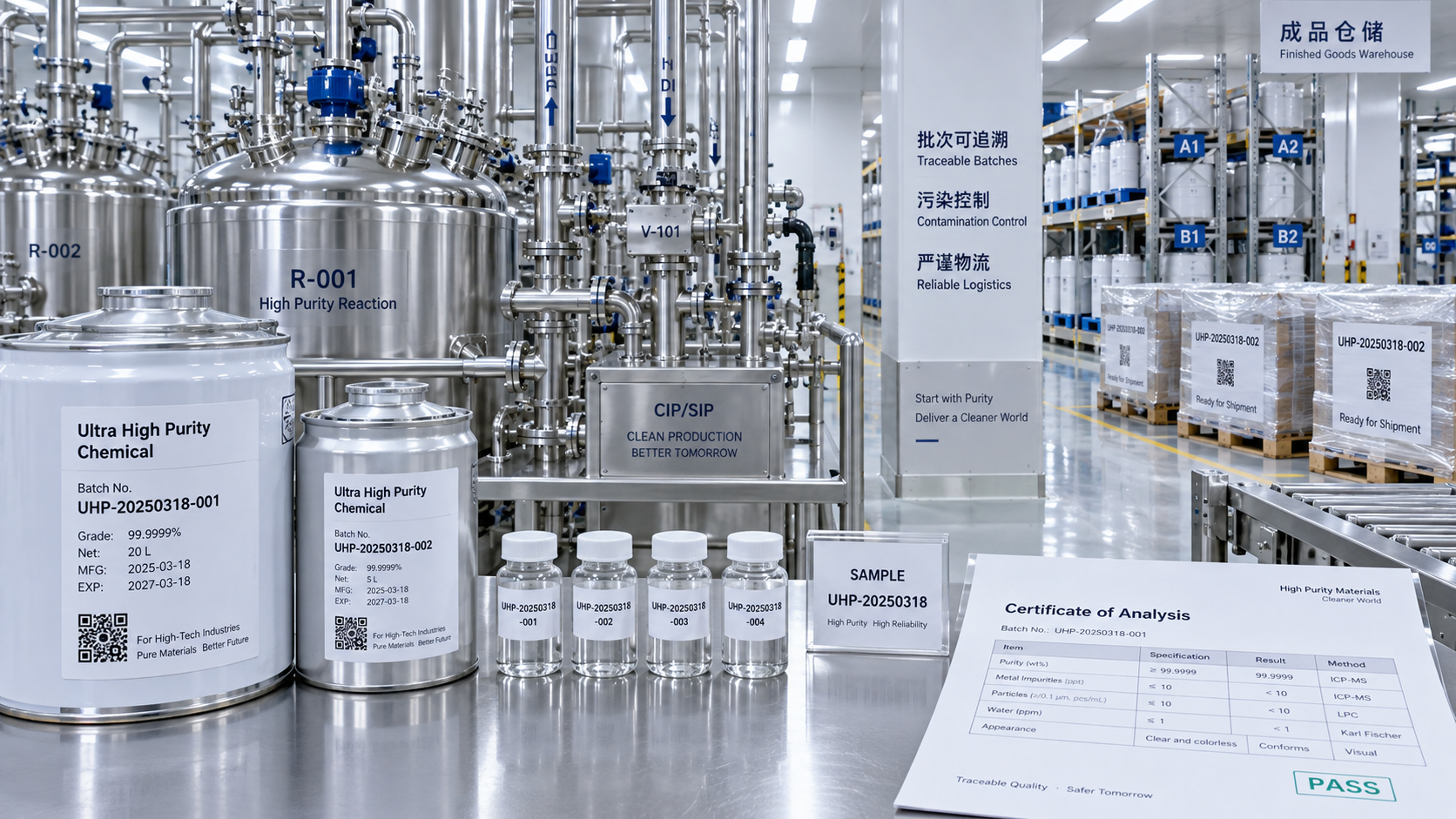
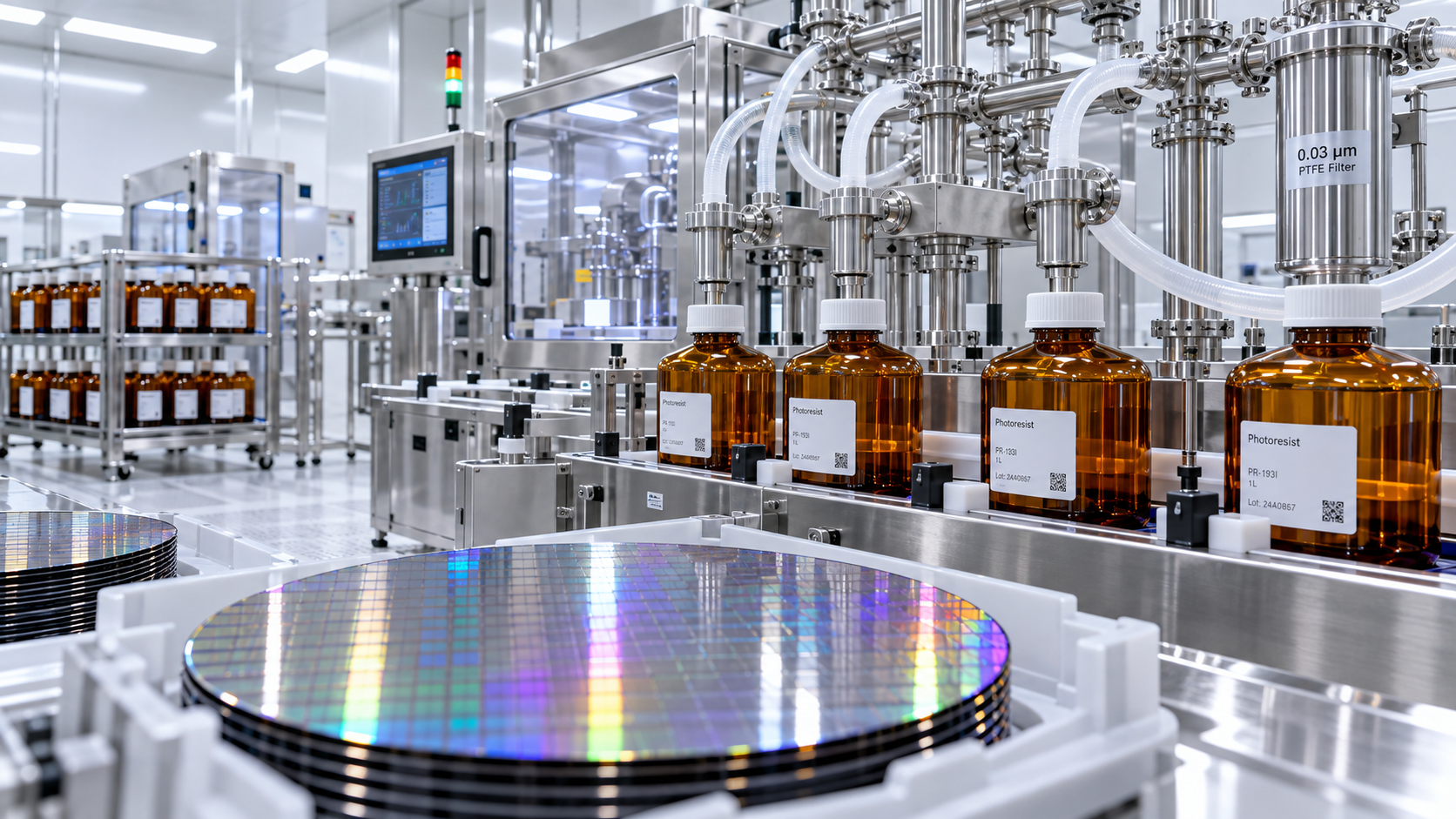
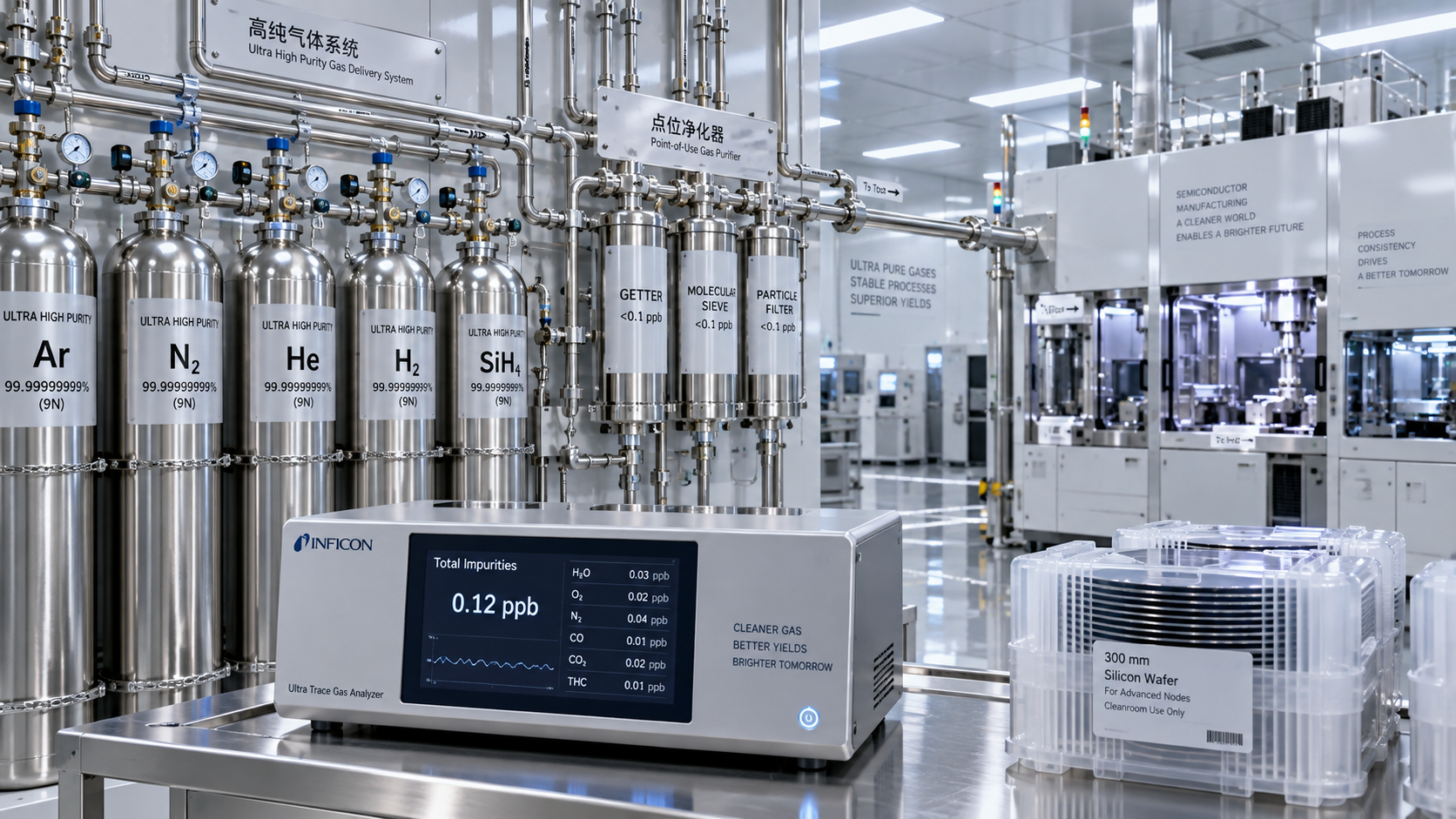
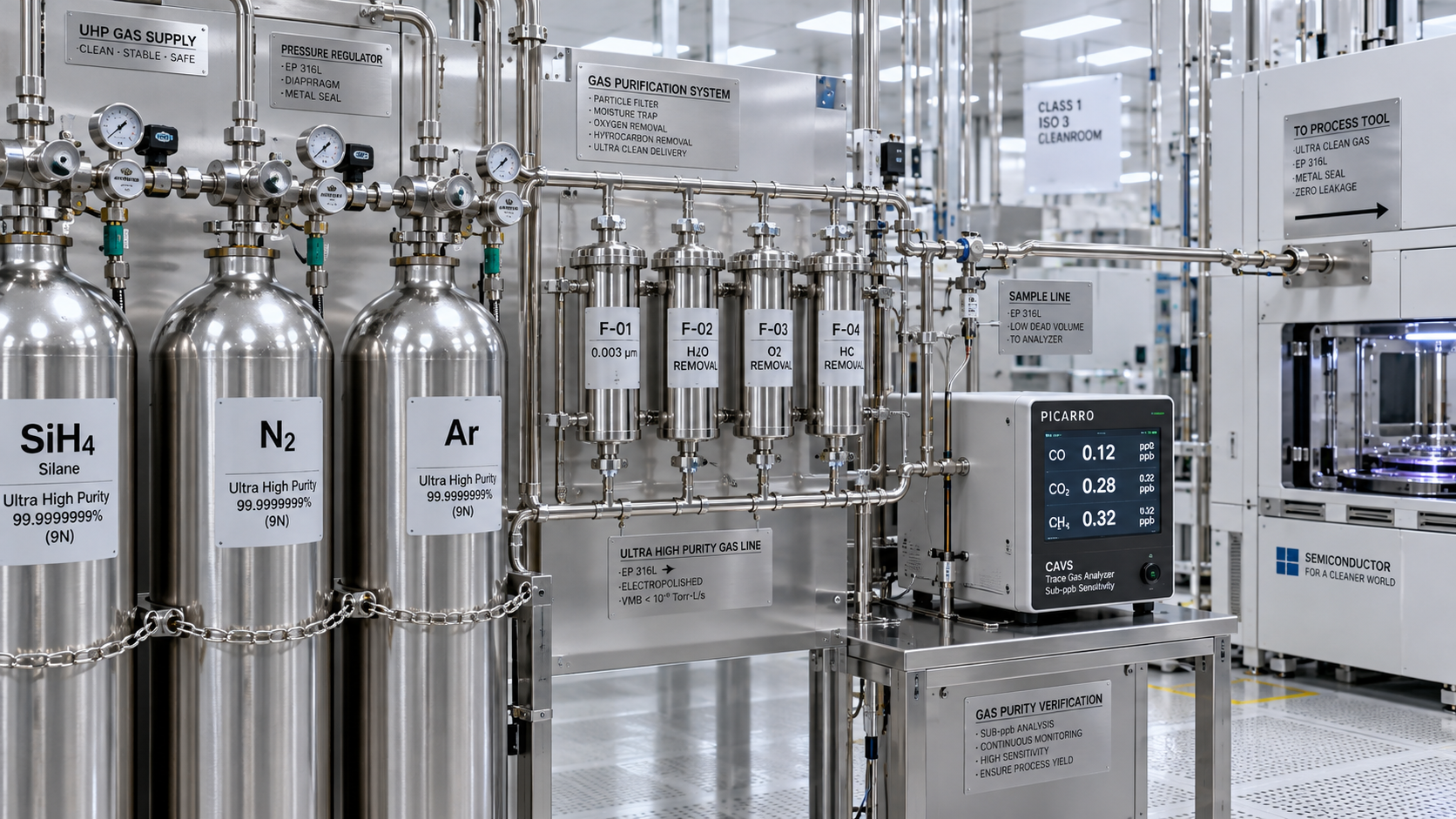
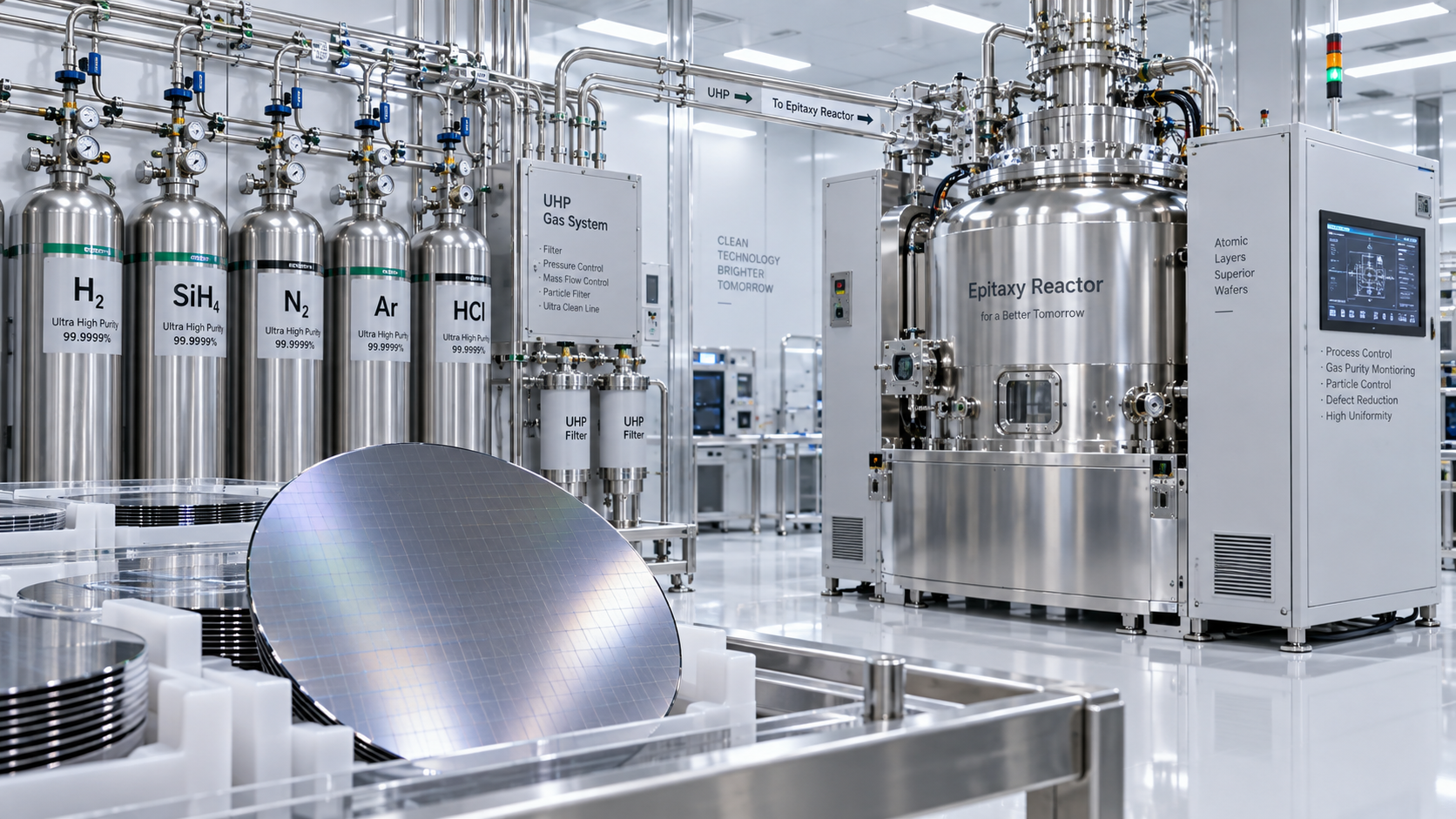
Upstream, energy-intensive fabrication, water treatment, high-purity chemicals, and special gases have become more expensive and less interchangeable.
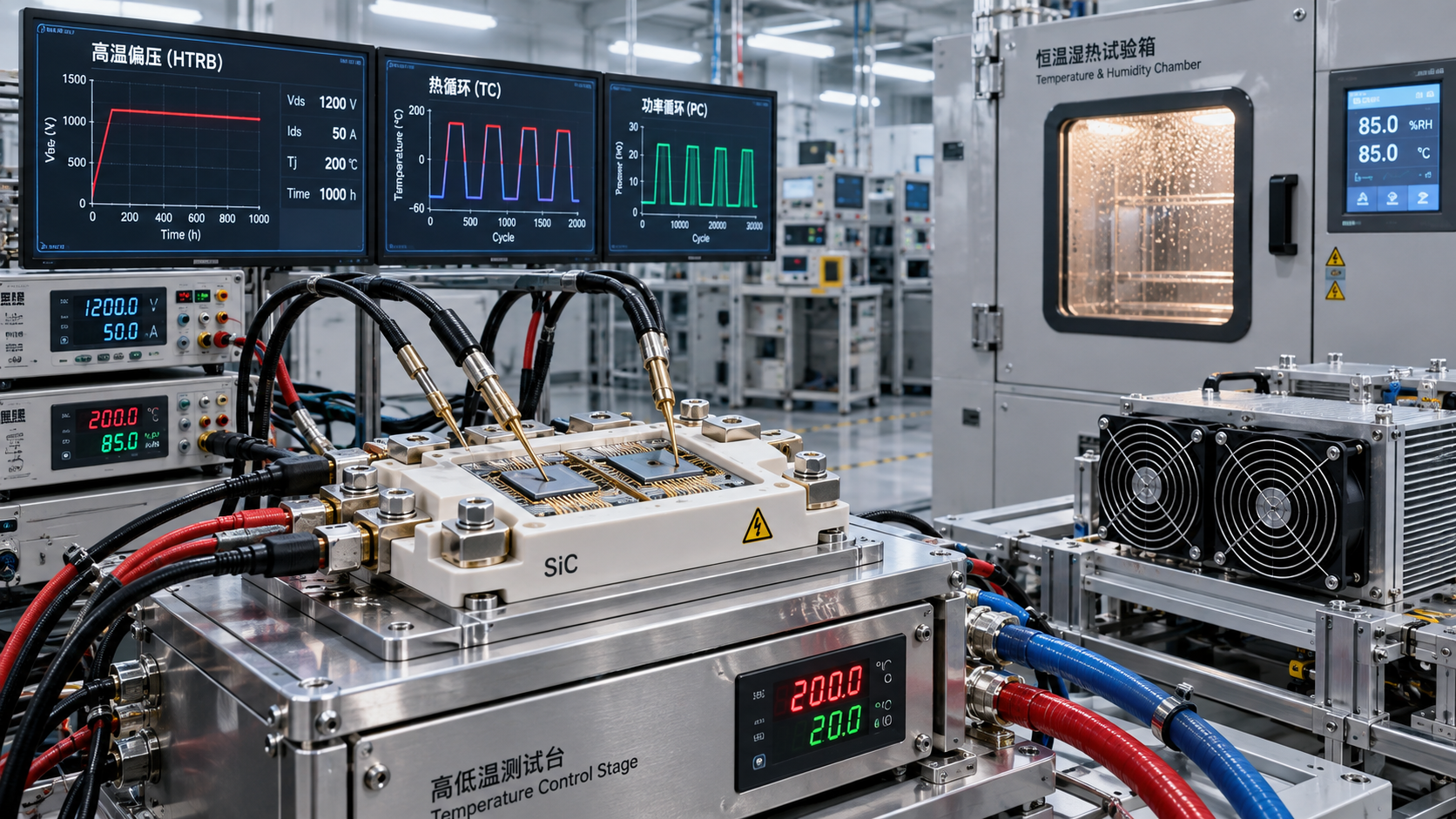
Downstream, advanced packaging, burn-in testing, reliability screening, and traceability systems add more cost before a shipment is usable.
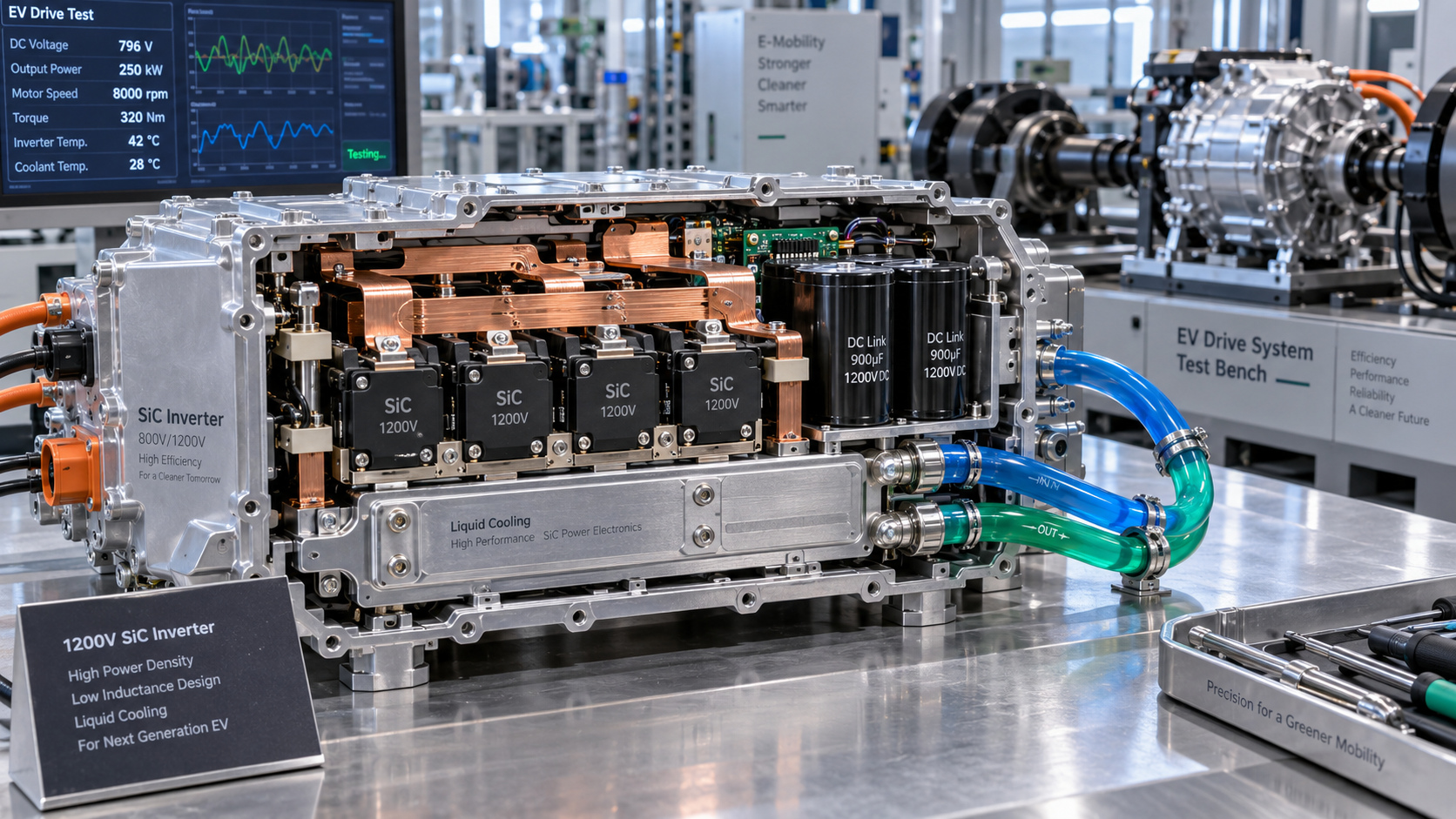
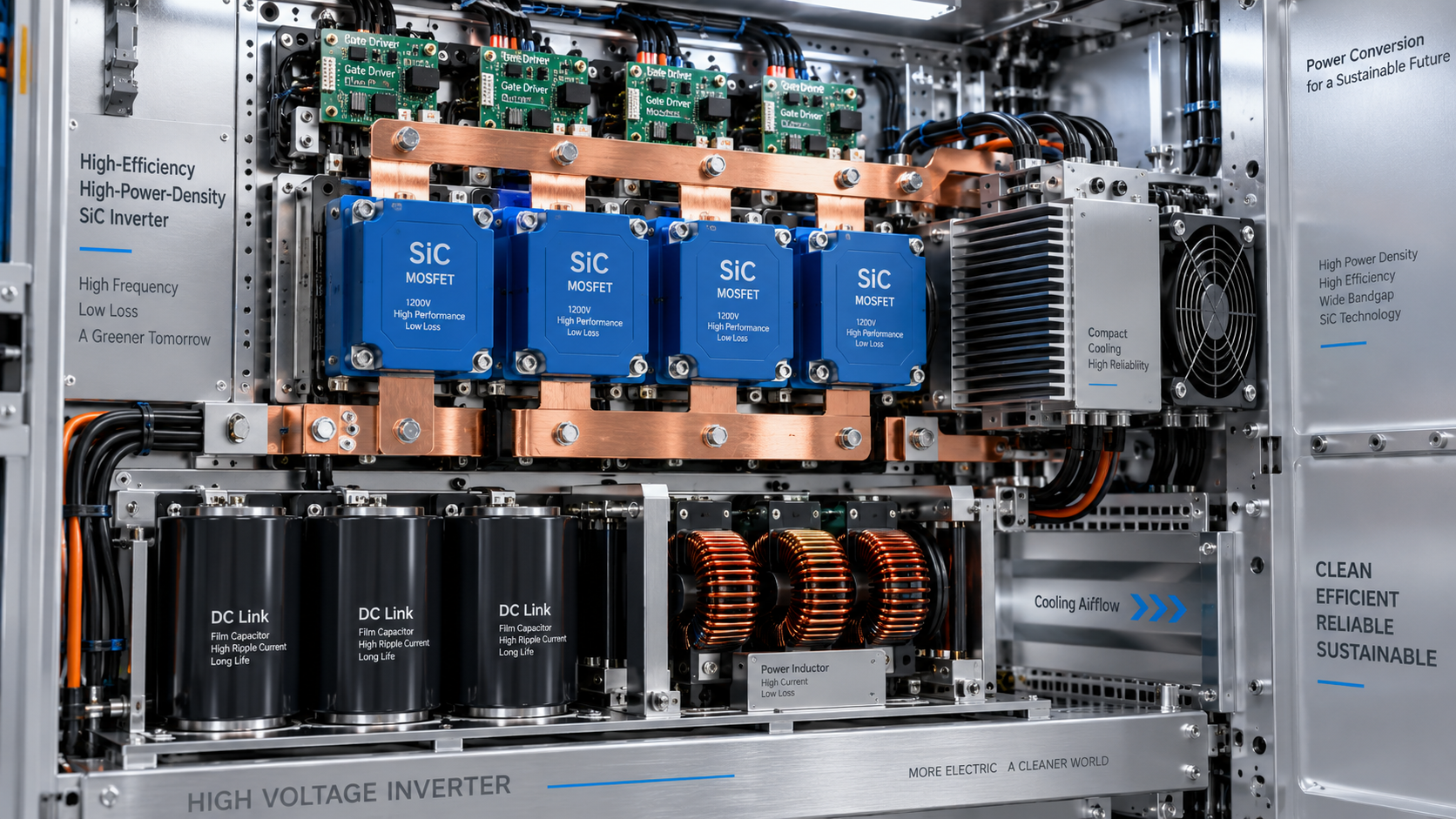
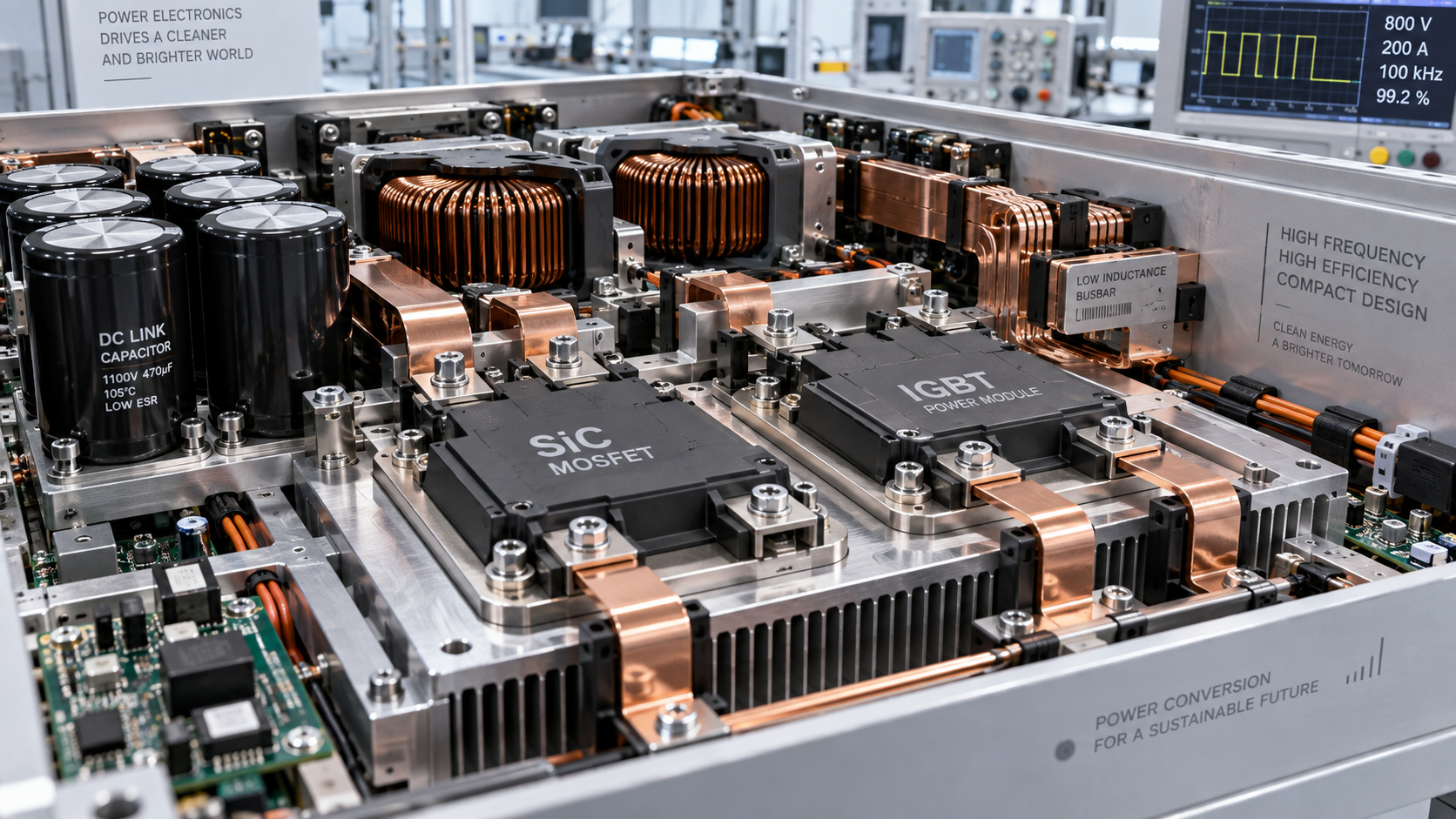
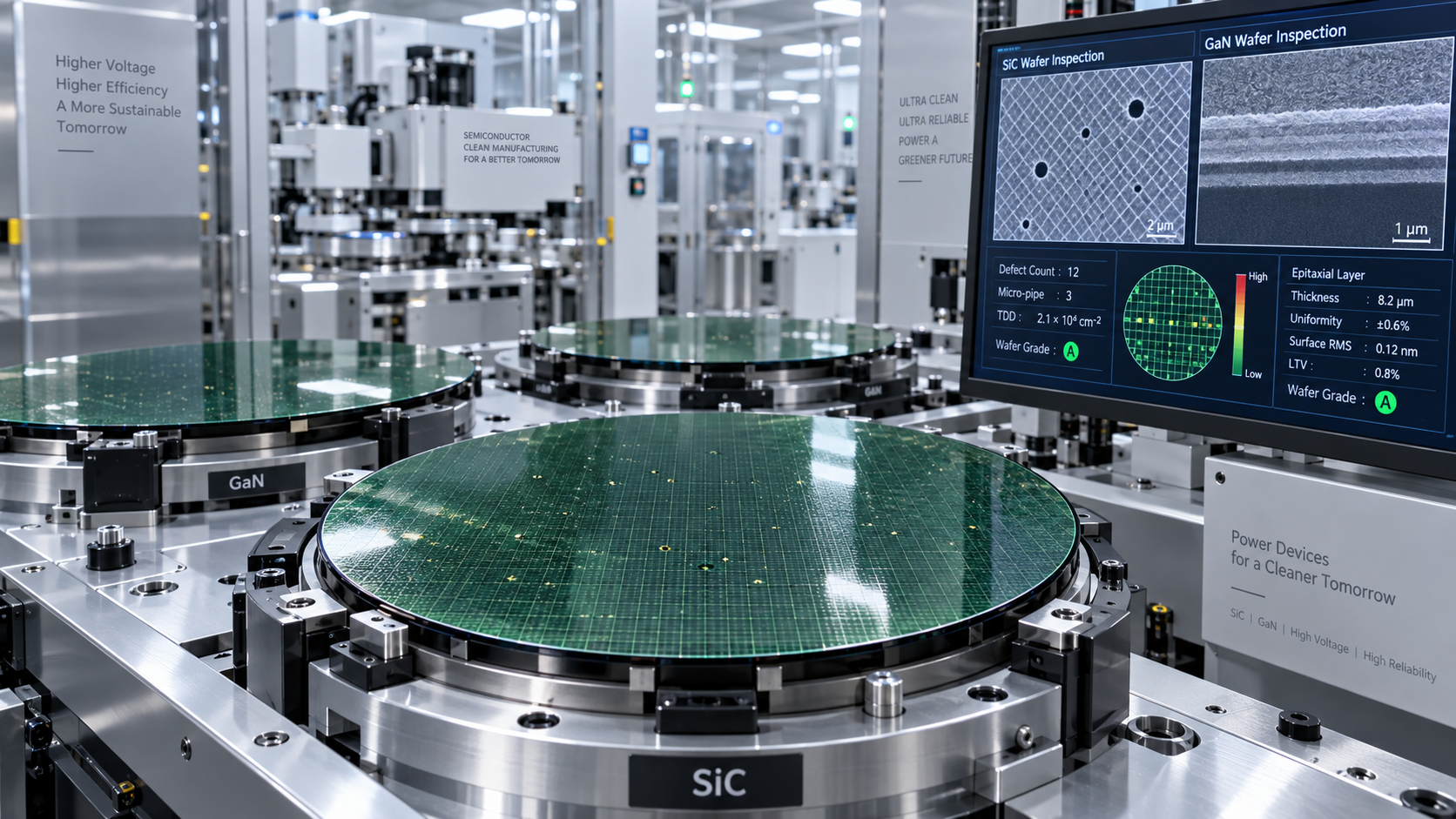
For power semiconductors, especially SiC MOSFETs, substrate quality and thermal performance can move the budget more than nominal die size.
For MEMS and smart sensors, calibration stability, environmental sealing, and data fidelity often determine the real total cost.
Advanced packaging creates another layer. A 2.5D or 3D chiplet program may improve performance, but assembly yield and test complexity can raise cost unexpectedly.
This is why semiconductor supply chain cost should be reviewed as a system cost, not a line-item quote.
Where do hidden costs usually appear?
- Low yield during packaging or final test
- Dual-source qualification that takes longer than planned
- Inventory buffers added to cover geopolitical or shipping risk
- Compliance documentation for SEMI, AEC-Q100, or ISO/IEC 17025 workflows
- Tighter contamination control in gases, wet chemicals, and fab air systems
Is wafer pricing still the main benchmark, or is that outdated?
It is still useful, but it is no longer enough.
Wafer pricing remains a visible benchmark because it is easy to compare across suppliers and quarters.
The problem is that it ignores the cost of making the wafer dependable in the final application.
A lower wafer quote can be offset by poor thermal consistency, extra screening, or a higher reject rate during integration.
That is especially true when the end use involves power conversion, autonomous equipment, edge sensing, or industrial uptime requirements.
More mature-node capacity from China may reduce some front-end costs, but the final economics still depend on reliability, process control, and qualification standards.
G-SSI’s value in this context is its cross-checking of performance against standards instead of relying only on headline price comparisons.
A simple comparison table makes the point clearer.
Which categories create the most volatility?
Not all semiconductor segments behave the same way, and that is where many budgeting errors begin.
Power devices, advanced packaging, and ultra-pure material inputs usually show the highest volatility in 2026 planning cycles.
SiC and GaN supply chains remain sensitive to substrate availability, process maturity, and thermal qualification demands.
Packaging and testing move unpredictably when chiplet designs, heterogenous integration, or automotive-grade reliability targets are involved.
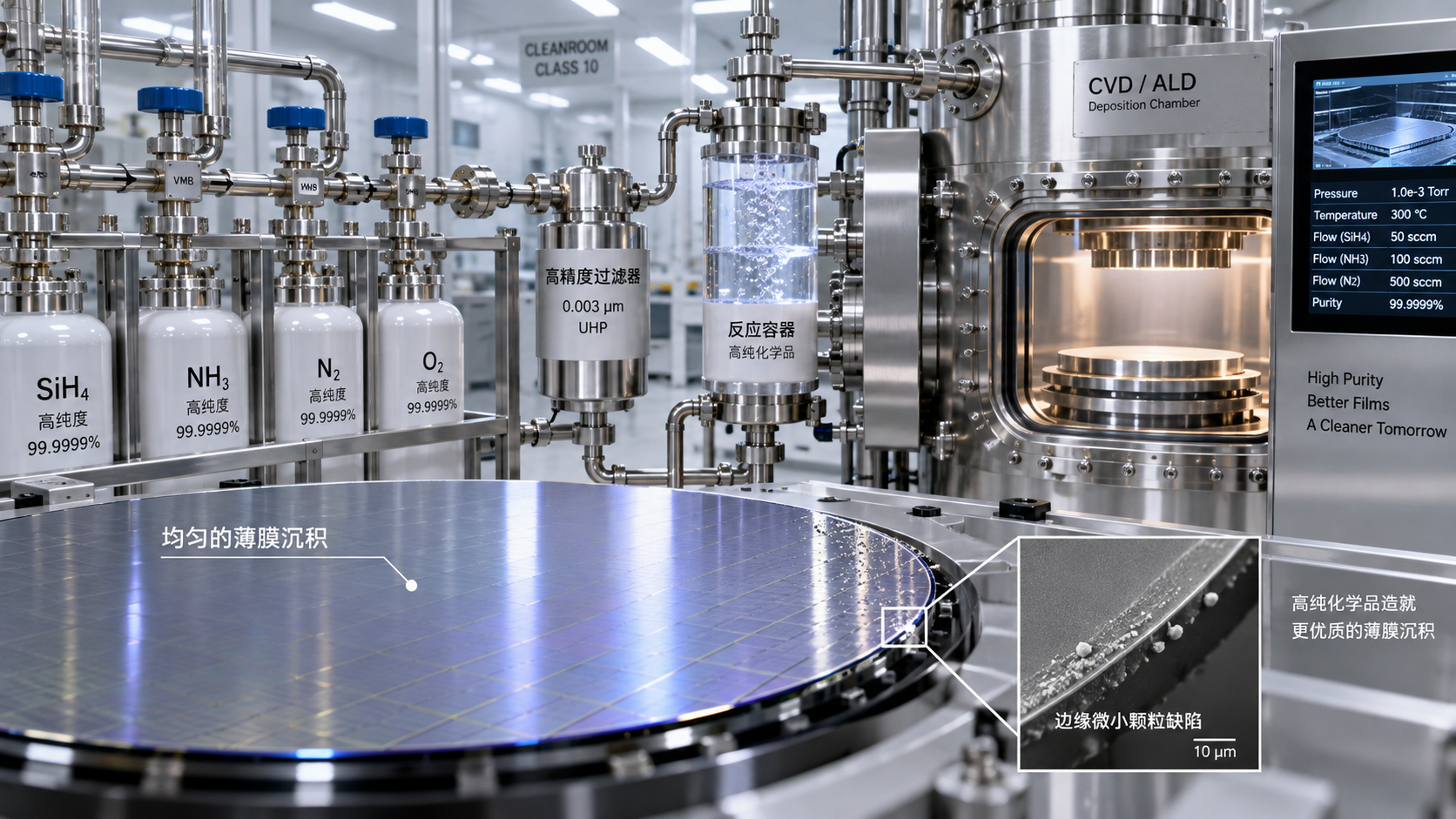
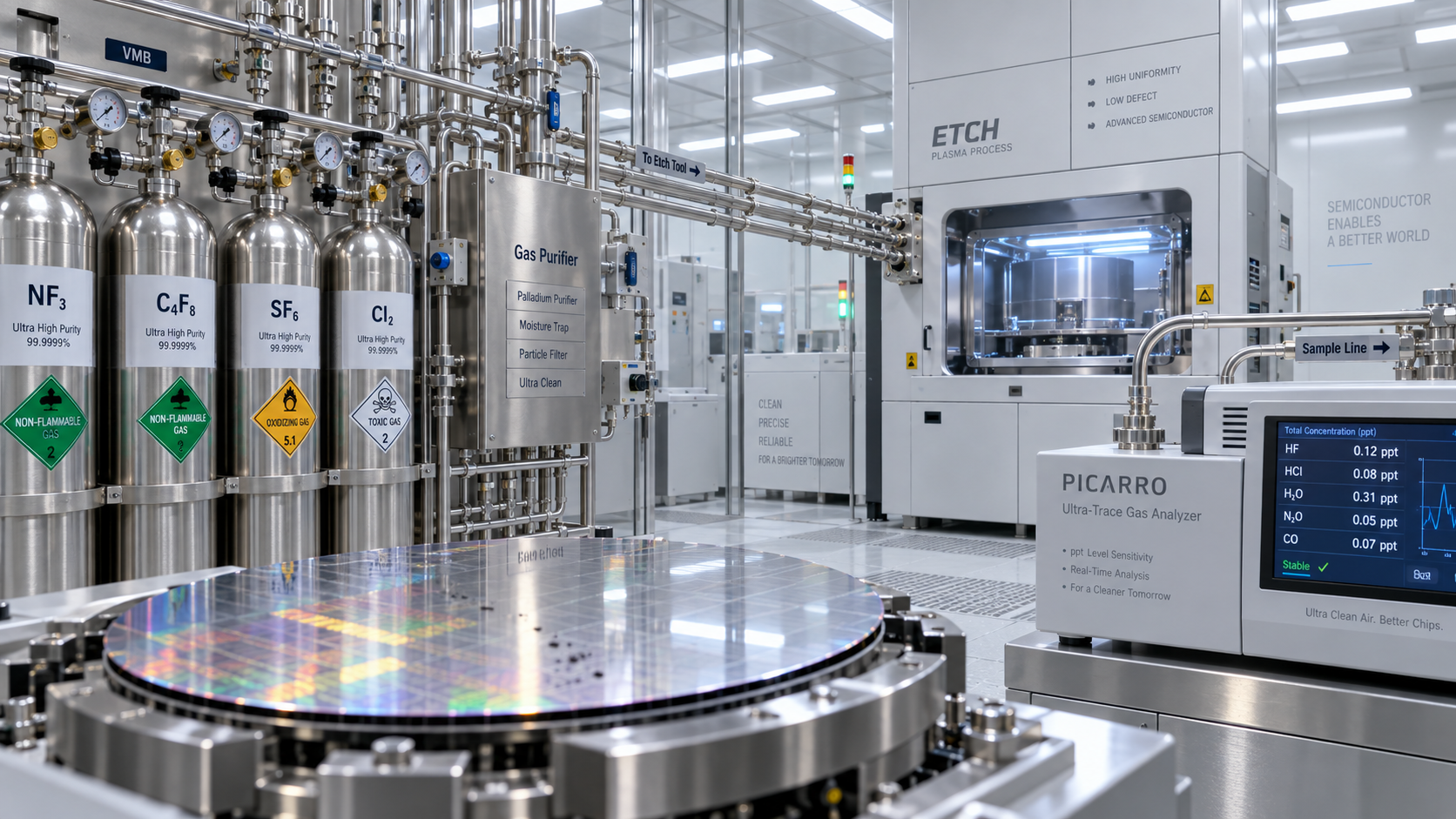
Electronic chemicals and special gases bring a different risk profile. Small purity deviations can cause large yield impacts.
For fab environment control, contamination monitoring and cleanroom stability may look indirect, yet they strongly affect process consistency and scrap rates.
MEMS and smart sensors often show moderate unit pricing volatility but higher quality-related variability once calibration and field reliability are included.
A useful way to judge volatility
Instead of asking which category is cheapest, ask which category can disrupt forecast accuracy the fastest.
- High volatility: SiC/GaN, chiplet packaging, ultra-pure gases
- Medium volatility: MEMS sensors, mature-node logic, standard test services
- Often underestimated: contamination control and compliance documentation
How should cost be evaluated before approving a sourcing decision?
A practical review usually works better than a broad strategy memo.
Start by separating direct unit cost from enabling cost. They are related, but they behave differently.
Direct unit cost includes wafer processing, assembly, test, logistics, and basic overhead.
Enabling cost includes qualification, second-source onboarding, process audits, extra inventory, and failure analysis capacity.
When both are visible, semiconductor supply chain cost becomes easier to defend and less likely to surprise later.
In actual reviews, the strongest decisions usually depend on five checks.
What are the most common mistakes when estimating semiconductor supply chain cost?
One common mistake is assuming that supply security is a separate topic from cost. In 2026, it is part of cost.
Another mistake is treating mature-node supply as automatically low risk. Capacity may exist, but quality alignment still matters.
A third issue is overlooking the price of transition. Changing a source can trigger retesting, documentation updates, and engineering delays.
Some teams also underestimate environmental control inputs. Yet special gases, chemical purity, and cleanroom consistency directly influence output value.
There is also a reporting mistake: using average unit cost while ignoring variance. Variance is often the bigger financial risk.
A better approach is to track base cost, volatility range, and recovery cost if a supplier or process drifts.
Signals worth watching this year
- Energy pricing trends in key fabrication regions
- Lead-time changes for packaging substrates and test capacity
- Availability of high-purity gases and specialty wet chemicals
- Updates in automotive and industrial reliability requirements
- Any gap between local fab expansion and international quality benchmarks
So what is the smartest next step?
The most useful next step is not asking for one more low quote.
It is building a review model that connects price, qualification effort, reliability exposure, and resilience cost in one place.
That model should be category-specific. Power semiconductors, advanced packaging, sensors, and process materials behave differently.
Where possible, use external benchmarks that tie performance to recognized standards instead of supplier language alone.
This is where institutions like G-SSI can support better comparisons, especially when balancing China-based mature-node expansion against global reliability expectations.
Semiconductor supply chain cost in 2026 is ultimately about control, not just purchase price.
A sound decision usually starts with three actions: map the true cost drivers, compare technical risk by category, and verify which costs are one-time versus recurring.
Once that structure is in place, budgeting becomes more accurate, sourcing becomes more defensible, and long-term return becomes easier to protect.
Get weekly intelligence in your inbox.
No noise. No sponsored content. Pure intelligence.
 Apr 28, 2026When do rapid prototyping 3D printing services save real costWhen do rapid prototyping 3D printing services save real cost
 Apr 28, 2026What Can Go Wrong in Fan-out Wafer Level Pkg?What Can Go Wrong in Fan-out Wafer Level Pkg?
 Apr 28, 2026What Makes Optical LiDAR Modules Better for Autonomy?What Makes Optical LiDAR Modules Better for Autonomy?
 Apr 28, 20262026 Market Trends in Supply Chain Resilience for Fabs2026 Market Trends in Supply Chain Resilience for Fabs
 Oct 10, 2026When do integrated sensor systems reduce commissioning risks?When do integrated sensor systems reduce commissioning risks?
 Oct 09, 2026How North American semiconductor fabs control airborne molecular contaminationHow North American semiconductor fabs control airborne molecular contamination
 Oct 08, 2026When do custom aluminum extrusions reduce fabrication costs?When do custom aluminum extrusions reduce fabrication costs?
 Oct 07, 2026How semiconductor packaging affects thermal reliability in EV power electronicsHow semiconductor packaging affects thermal reliability in EV power electronics
 Oct 06, 2026When do corrugated plastic boxes make sense for returnable shipping?When do corrugated plastic boxes make sense for returnable shipping?
 Oct 05, 2026What to verify before choosing semiconductor distributors in North AmericaWhat to verify before choosing semiconductor distributors in North America
 Oct 04, 2026How to assess a high purity materials manufacturer’s traceabilityHow to assess a high purity materials manufacturer’s traceability
 Oct 03, 2026How SiC power conversion solutions improve high-voltage invertersHow SiC power conversion solutions improve high-voltage inverters
 Oct 02, 2026When do SiC MOSFET benefits justify the higher device cost?When do SiC MOSFET benefits justify the higher device cost?
 Oct 01, 2026Which semiconductor reliability testing standards apply to power devices?Which semiconductor reliability testing standards apply to power devices?
 Sep 30, 2026How to qualify a semiconductor photoresist supplier for KrF/ArF productionHow to qualify a semiconductor photoresist supplier for KrF/ArF production
 Sep 29, 2026What image quality should portable ultrasound scanners deliver for triage?What image quality should portable ultrasound scanners deliver for triage?
 Sep 28, 2026How sub-ppb impurity control gases protect process consistencyHow sub-ppb impurity control gases protect process consistency
 Sep 27, 2026How chemical purity affects defect rates in semiconductor depositionHow chemical purity affects defect rates in semiconductor deposition
 Sep 26, 2026When do high voltage power semiconductor devices need SiC over IGBTs?When do high voltage power semiconductor devices need SiC over IGBTs?
 Sep 25, 2026How to verify quality controls at a die casting parts supplier in ChinaHow to verify quality controls at a die casting parts supplier in China
 Sep 24, 2026How to verify electronic gas purity for sub-ppb semiconductor processesHow to verify electronic gas purity for sub-ppb semiconductor processes
 Sep 23, 2026When sensory data integration improves industrial motion monitoringWhen sensory data integration improves industrial motion monitoring
 Sep 22, 2026How supply chain resilience reduces the cost of production disruptionsHow supply chain resilience reduces the cost of production disruptions
 Sep 21, 2026What autonomous systems OEMs should verify before sourcing LiDAR modulesWhat autonomous systems OEMs should verify before sourcing LiDAR modules
 Sep 20, 2026How gas purity affects defect density in epitaxial wafer growthHow gas purity affects defect density in epitaxial wafer growth
 Sep 19, 2026How substrate defects affect third-generation material device yieldHow substrate defects affect third-generation material device yield
 Sep 18, 2026How trace impurities in specialty process gases affect wafer yieldHow trace impurities in specialty process gases affect wafer yield