SiC delivery time extended to 52 weeks, automakers rearrange main drive supply chain
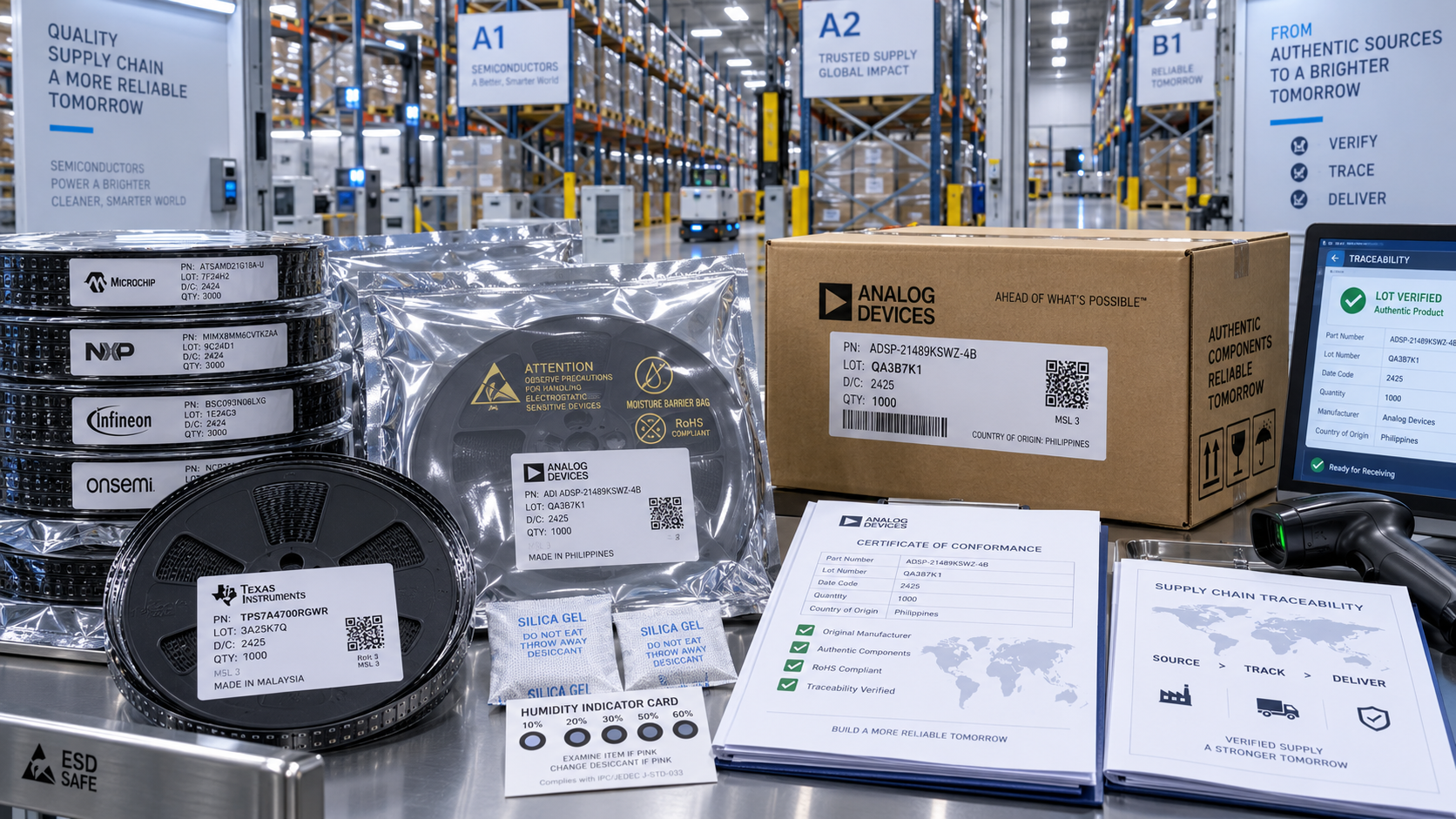
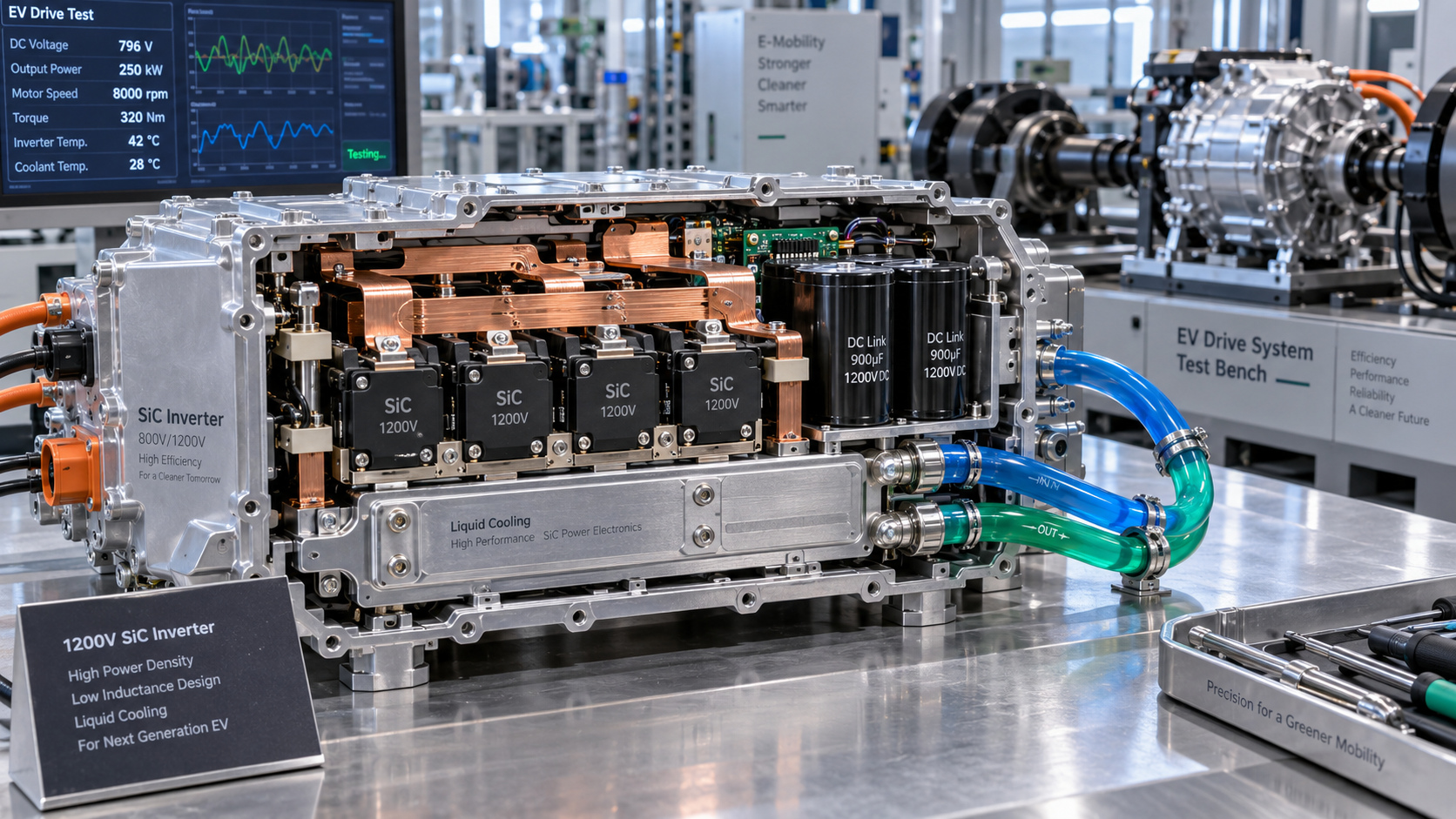
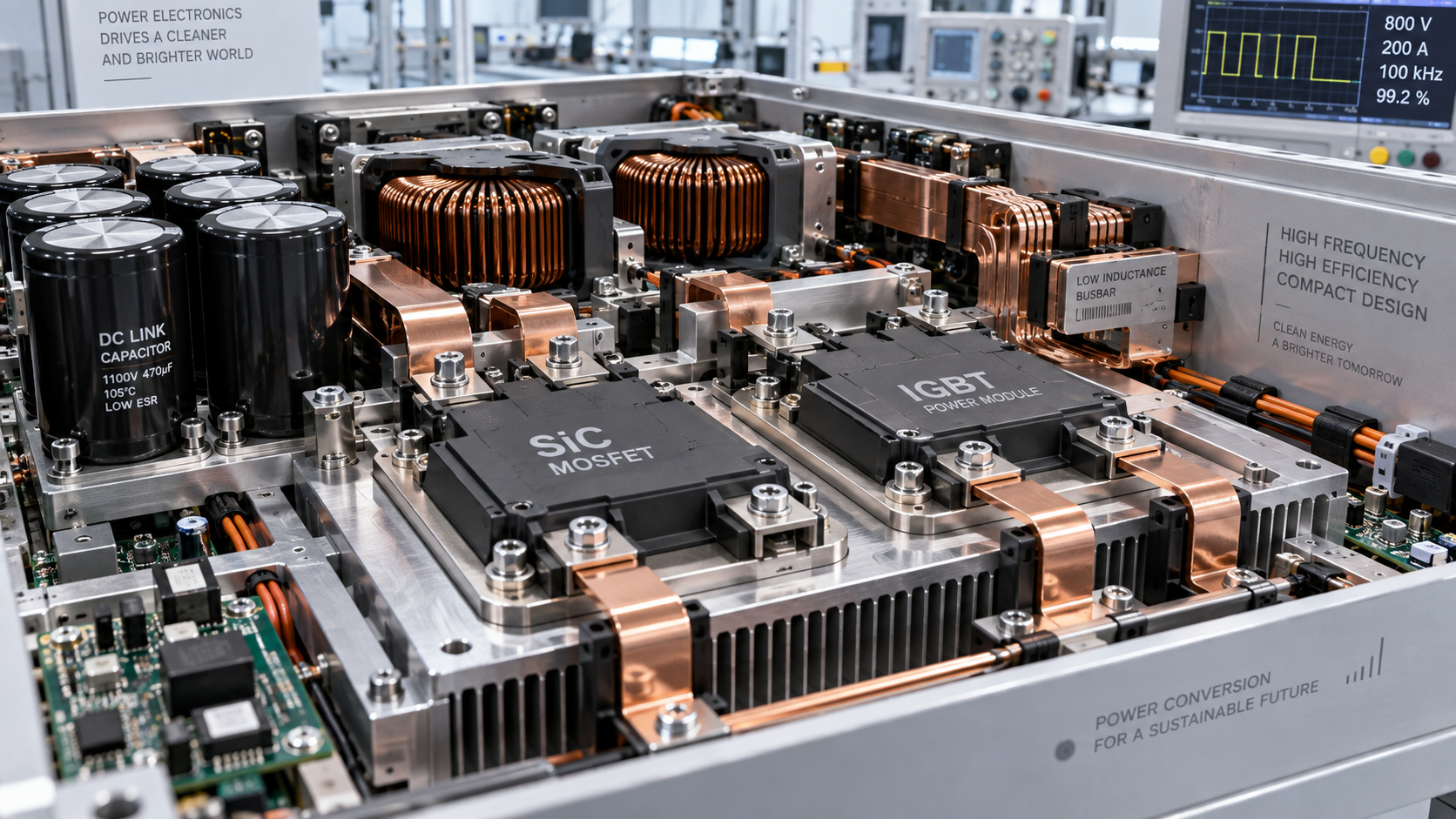
According to the supply announcement issued by Infineon to global customers on August 12, 2026, the delivery time of automotive-grade 1200V SiC MOSFET modules has generally been extended to 48 to 52 weeks, involving CoolSiC™ G2 series; the notice also mentioned that the Malaysian 12-inch SiC wafer fab is at full production but the yield ramp is lower than expected, and a new EU rule requires that 800V models must pass AEC-Q101-013 certification starting from 2027. The time of the incident was not clearly stated in the article. For European and American OEMs, Tier 1 and related procurement, certification and delivery links, this is not simply a delay in supply, but a signal that the supply pace and compliance thresholds are tightening at the same time.
The delivery time has been lengthened and the certification threshold has been raised simultaneously
The confirmed information mainly focuses on two points: first, the delivery time of automotive-grade 1200V SiC MOSFET modules has been extended to 48 to 52 weeks; second, the EU has proposed AEC-Q101-013 certification requirements for 800V models starting in 2027. The reason given in the announcement is that the Malaysian 12-inch SiC wafer fab is at full production, but the yield rate climb is not as expected. As a matter of fact, this means that the supply cycle and subsequent certification requirements of key components are simultaneously affecting the procurement and verification arrangements of the main drive system.
For OEMs and Tier 1s that use this type of module, extended delivery times will directly compress project scheduling space; and the emergence of certification requirements will further push issues originally focused on supply capabilities to the nodes of technical verification, document preparation, and version freezing. After the two are superimposed, supply chain management is no longer just about price comparison and quantity locking, but also the matching of certification time points and delivery windows.
Adjustment pressure faced by each link of the main drive chain
It is more difficult to straighten the procurement rhythm of OEMs and first-tier suppliers
European and American OEMs and Tier 1 are most directly affected by the procurement schedule of the main drive system. The delivery time of 48 to 52 weeks means that the original quarterly material preparation and switching rhythm needs to be recalibrated; if the model platform also involves an 800V architecture, the certification requirements will lengthen the selection, verification and fixed-point process. What deserves more attention now is that the purchasing decision may shift from "available for supply" to "available for supply and certification matching can be completed."
The importance of certification and testing services increases
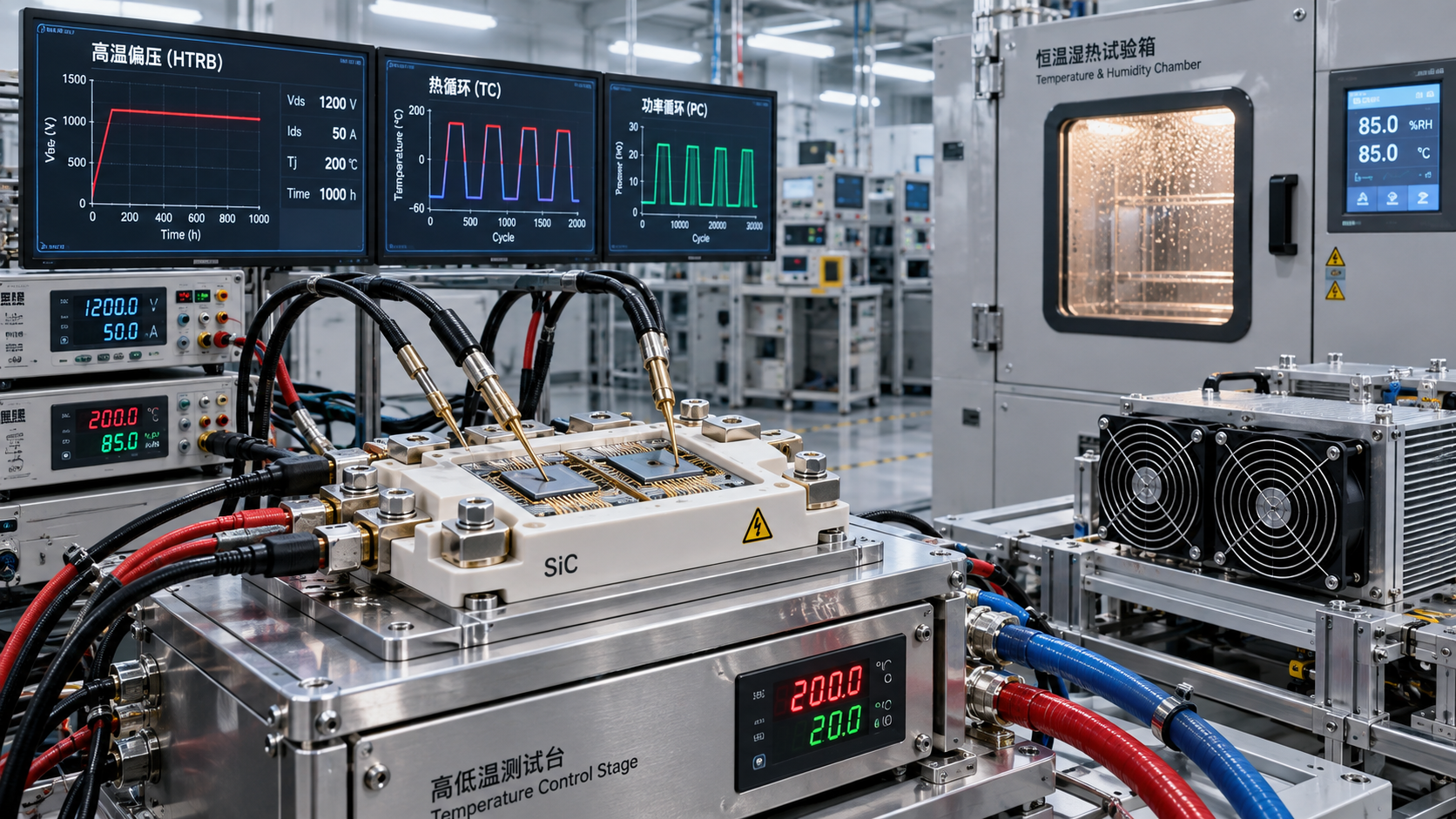
Once the AEC-Q101-013 certification requirements are included in the model introduction conditions, the workload of testing agencies, verification laboratories and quality document services will increase. The impact is not only on the test itself, but also on whether samples, batch traceability, failure analysis and technical data are sufficient to support the certification closed loop. For relevant service providers, extended delivery times will make it more difficult to compress the certification schedule, and any document gaps may become project delays.
Procurement and cross-border supply arrangements in China rely more on compliance details
The information has clearly mentioned that this development will affect the pace and technical verification cycle of European and American OEMs and Tier 1 procurement in China. From a business perspective, what is affected is not just the ordering time, but also the transfer of technical data, sample verification, version confirmation and subsequent supply switching. As long as certification standards or bidding documents are further tightened, documents and quality certification materials in cross-border procurement will become more critical.
What practical changes should we pay attention to next
Check the certification standards first, and then talk about the introduction of substitute materials
For companies that are still promoting the 800V platform, the more realistic action at present is not to simply look for alternative supplies, but to first confirm the specific application method, test scope and data requirements of AEC-Q101-013 in the project. If the certification standards are not completely clear, freezing materials in advance may amplify the risk of subsequent rework.
Write delivery risk into procurement and delivery terms
The delivery time of 48 to 52 weeks is no longer an ordinary fluctuation, and the relevant procurement contracts, delivery plans and customer commitments should be recalibrated. Enterprises need to focus on checking the supply cycle, batch switching conditions, acceptance nodes and quality traceability requirements to avoid superimposing certification wait and supply delay into a single project risk.
Pay attention to the follow-up official statements and enforcement details
It can be confirmed that the rule changes and delivery date changes have appeared at the same time, but the specific enforcement details, certification standards and project enforcement rhythm still need to continue to be observed. For enterprises, what really needs to be followed up is the official follow-up statement, whether the bidding documents are adjusted, how the certification body interprets the relevant requirements, and whether clearer delivery alternatives emerge on the market.
This information is more like an execution signal
From an industry perspective, this information is more suitable to be understood as an execution signal, rather than a conclusion that has been fully implemented and no longer needs to be observed. The extension of delivery time is a supply change that has already occurred, and the certification requirements indicate that the access conditions for 800V models may be further tightened in the future. Putting the two together, it shows that the SiC main drive supply chain faces not only production capacity issues, but also synchronization constraints on rules, certification and delivery time. For relevant companies, the key is to treat it as a compliance and procurement signal that needs to be tracked immediately, rather than as a simple short-term supply fluctuation.
Source and verification
This article is generated based on the information title, event time and event summary provided by the user. Typical types of relevant sources covered in this article include official company announcements, regulatory agency releases, standards organization documents, industry association information, customs or trade authority information, and authoritative media reports. No specific official source link is provided in the input, and subsequent verification of certification enforcement standards, changes in bidding documents, industry feedback, and actual company enforcement will still need to be continued.
Get weekly intelligence in your inbox.
No noise. No sponsored content. Pure intelligence.
 Apr 28, 2026When do rapid prototyping 3D printing services save real costWhen do rapid prototyping 3D printing services save real cost
 Apr 28, 2026What Can Go Wrong in Fan-out Wafer Level Pkg?What Can Go Wrong in Fan-out Wafer Level Pkg?
 Apr 28, 2026What Makes Optical LiDAR Modules Better for Autonomy?What Makes Optical LiDAR Modules Better for Autonomy?
 Apr 28, 20262026 Market Trends in Supply Chain Resilience for Fabs2026 Market Trends in Supply Chain Resilience for Fabs
 Oct 10, 2026When do integrated sensor systems reduce commissioning risks?When do integrated sensor systems reduce commissioning risks?
 Oct 09, 2026How North American semiconductor fabs control airborne molecular contaminationHow North American semiconductor fabs control airborne molecular contamination
 Oct 08, 2026When do custom aluminum extrusions reduce fabrication costs?When do custom aluminum extrusions reduce fabrication costs?
 Oct 07, 2026How semiconductor packaging affects thermal reliability in EV power electronicsHow semiconductor packaging affects thermal reliability in EV power electronics
 Oct 06, 2026When do corrugated plastic boxes make sense for returnable shipping?When do corrugated plastic boxes make sense for returnable shipping?
 Oct 05, 2026What to verify before choosing semiconductor distributors in North AmericaWhat to verify before choosing semiconductor distributors in North America
 Oct 04, 2026How to assess a high purity materials manufacturer’s traceabilityHow to assess a high purity materials manufacturer’s traceability
 Oct 03, 2026How SiC power conversion solutions improve high-voltage invertersHow SiC power conversion solutions improve high-voltage inverters
 Oct 02, 2026When do SiC MOSFET benefits justify the higher device cost?When do SiC MOSFET benefits justify the higher device cost?
 Oct 01, 2026Which semiconductor reliability testing standards apply to power devices?Which semiconductor reliability testing standards apply to power devices?
 Sep 30, 2026How to qualify a semiconductor photoresist supplier for KrF/ArF productionHow to qualify a semiconductor photoresist supplier for KrF/ArF production
 Sep 29, 2026What image quality should portable ultrasound scanners deliver for triage?What image quality should portable ultrasound scanners deliver for triage?
 Sep 28, 2026How sub-ppb impurity control gases protect process consistencyHow sub-ppb impurity control gases protect process consistency
 Sep 27, 2026How chemical purity affects defect rates in semiconductor depositionHow chemical purity affects defect rates in semiconductor deposition
 Sep 26, 2026When do high voltage power semiconductor devices need SiC over IGBTs?When do high voltage power semiconductor devices need SiC over IGBTs?
 Sep 25, 2026How to verify quality controls at a die casting parts supplier in ChinaHow to verify quality controls at a die casting parts supplier in China
 Sep 24, 2026How to verify electronic gas purity for sub-ppb semiconductor processesHow to verify electronic gas purity for sub-ppb semiconductor processes
 Sep 23, 2026When sensory data integration improves industrial motion monitoringWhen sensory data integration improves industrial motion monitoring
 Sep 22, 2026How supply chain resilience reduces the cost of production disruptionsHow supply chain resilience reduces the cost of production disruptions
 Sep 21, 2026What autonomous systems OEMs should verify before sourcing LiDAR modulesWhat autonomous systems OEMs should verify before sourcing LiDAR modules
 Sep 20, 2026How gas purity affects defect density in epitaxial wafer growthHow gas purity affects defect density in epitaxial wafer growth
 Sep 19, 2026How substrate defects affect third-generation material device yieldHow substrate defects affect third-generation material device yield
 Sep 18, 2026How trace impurities in specialty process gases affect wafer yieldHow trace impurities in specialty process gases affect wafer yield