Supply Chain Intelligence for Semiconductor Risk Control
In a semiconductor market shaped by geopolitical volatility, capacity constraints, and uncompromising quality requirements, enterprise leaders can no longer rely on fragmented supplier data or reactive risk management. Supply Chain Intelligence enables decision-makers to identify fabrication bottlenecks, qualify critical materials, benchmark packaging and testing reliability, and anticipate disruptions across the silicon value chain. For organizations building sovereign-level digital infrastructure, it is now a strategic capability for controlling technical, operational, and compliance risks before they impact production resilience.
Why Supply Chain Intelligence Has Become a Board-Level Semiconductor Control Function
Semiconductor risk is no longer limited to purchasing shortages. It now includes process maturity, material purity, thermal reliability, export controls, logistics exposure, and supplier qualification evidence.
For enterprise decision-makers, Supply Chain Intelligence converts scattered technical and commercial signals into structured risk indicators that support investment, sourcing, and continuity decisions.
The risk profile has shifted from price variance to system exposure
- Fabrication dependency risk increases when mature-node capacity, wafer starts, or foundry qualification windows are concentrated in limited regional clusters.
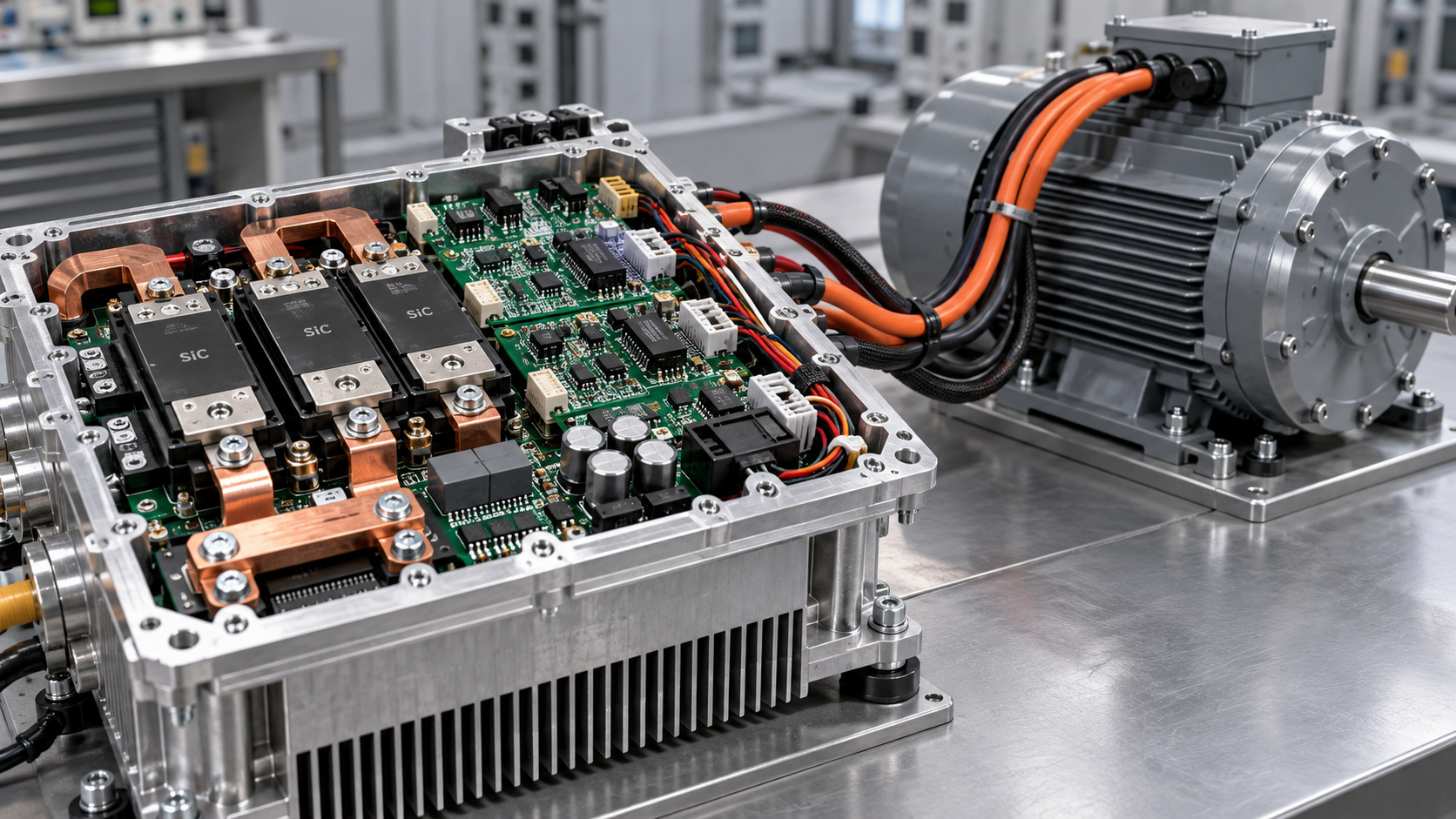
- Material risk expands when high-purity gases, electronic chemicals, SiC substrates, or specialty packaging materials lack traceable certification records.
- Reliability risk appears when device performance is evaluated by datasheet claims rather than thermal cycling, AEC-Q100, or process control evidence.
- Compliance risk grows when procurement teams cannot map supplier documentation to SEMI, ISO/IEC 17025, automotive, industrial, or export-control requirements.
G-SSI addresses these issues through multidisciplinary benchmarking across power semiconductors, advanced packaging, MEMS sensors, electronic chemicals, and fabrication environment control.
Where Supply Chain Intelligence Creates Measurable Decision Value
Supply Chain Intelligence is most valuable when technical risk and procurement risk overlap. The following scenarios show where semiconductor leaders can reduce uncertainty before contracts are locked.
This structured view helps executives separate tactical shortages from strategic exposure. It also prevents purchasing teams from treating technically unequal suppliers as interchangeable.
How to Evaluate Semiconductor Suppliers Beyond Commercial Quotations
A low quotation may conceal weak process control, incomplete testing, or limited continuity planning. Supply Chain Intelligence should therefore integrate technical verification with sourcing economics.
A practical evaluation sequence for enterprise procurement
- Define the operating mission, including voltage class, thermal envelope, lifetime requirement, data accuracy, and failure consequences.
- Map all critical nodes, from wafer fabrication and packaging to testing, chemicals, gases, calibration, and cleanroom environment control.
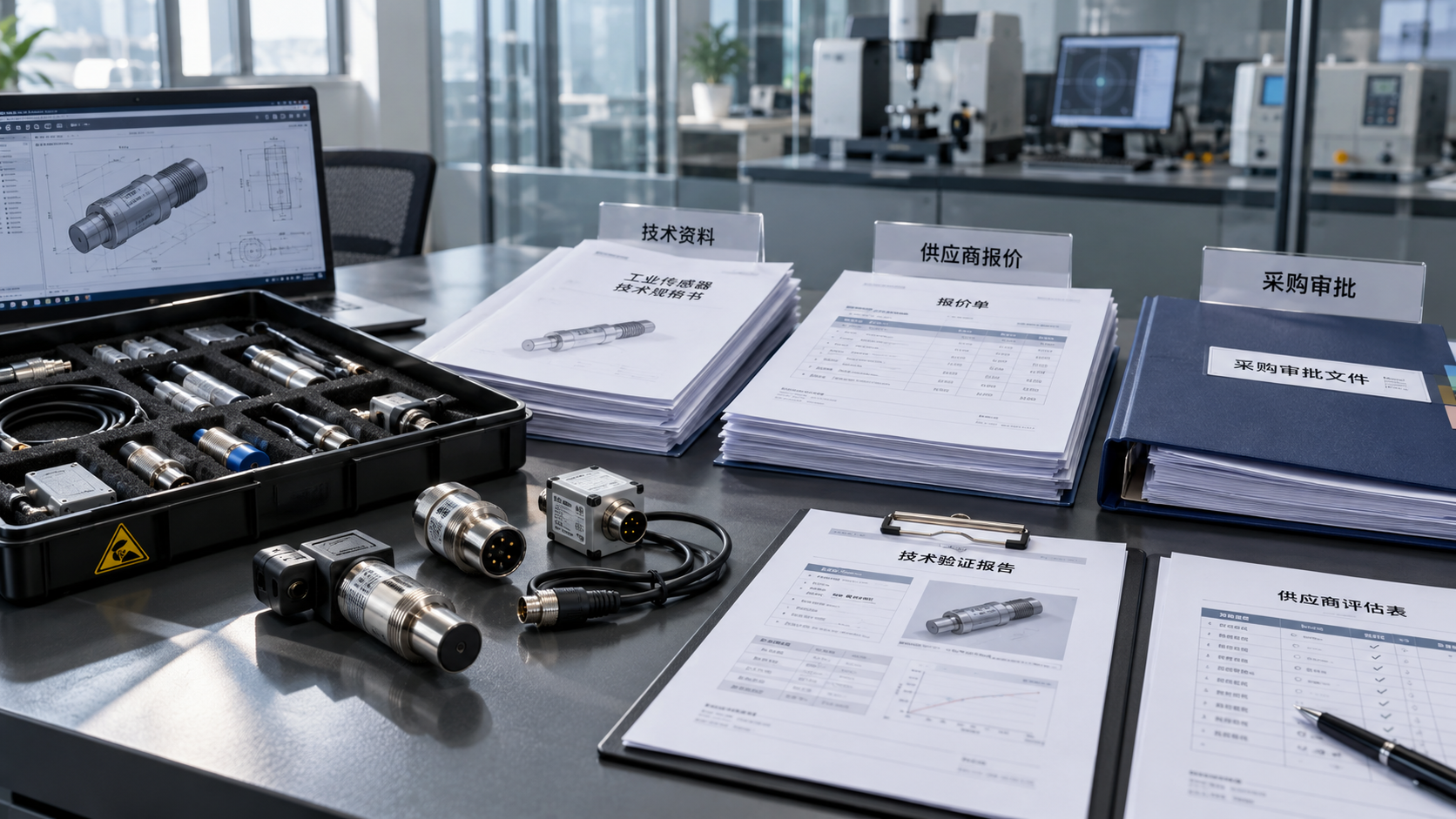
- Request evidence, not claims, including process control documents, reliability reports, lot traceability, and third-party laboratory references.
- Score suppliers against technical thresholds, delivery resilience, regulatory exposure, and ability to support ramp-up or emergency reallocation.
- Create a mitigation plan covering dual sourcing, buffer inventory, alternative materials, and pre-approved engineering substitutions.
G-SSI supports this evaluation by aligning supplier data with international benchmarks such as SEMI practices, AEC-Q100 expectations, and ISO/IEC 17025 testing credibility.
Key Parameters for Supply Chain Intelligence in Silicon Infrastructure
Executives do not need every engineering detail, but they need a decision dashboard that connects semiconductor parameters with operational risk and investment timing.
These parameters make Supply Chain Intelligence actionable. They help leadership challenge assumptions, prioritize audits, and allocate risk budgets where failures would be most expensive.
Reactive Sourcing vs. Intelligence-Led Semiconductor Risk Control
Many organizations still respond to semiconductor disruption after delays appear. Intelligence-led teams act earlier by interpreting weak signals across suppliers, technology nodes, and compliance channels.
The distinction is strategic. Reactive sourcing buys time; Supply Chain Intelligence protects architecture decisions, qualification investments, and continuity commitments.
What Enterprise Leaders Should Ask Before Approving Semiconductor Programs
Before approving capital plans or long-term sourcing agreements, executives should require a risk narrative that connects technology selection with supply assurance.
Questions for CTOs, procurement heads, and industrial IoT architects
- Which suppliers control the most critical process steps, and where do we have limited substitution options?
- Do qualification reports match the actual mission profile, including voltage stress, temperature, vibration, humidity, and expected lifetime?
- Are high-purity chemicals and special gases verified by credible analytical methods and repeatable batch-level documentation?
- Can packaging and testing partners support ramp schedules without compromising burn-in, inspection, or thermal validation coverage?
- What design, sourcing, or inventory alternatives are already approved if regional supply routes become constrained?
These questions make Supply Chain Intelligence practical for governance meetings. They also reveal whether risk ownership is distributed or clearly accountable.
Implementation Framework: From Supplier Data to Risk-Control Decisions
A successful Supply Chain Intelligence program should not become another reporting layer. It must create timely, decision-grade insight for engineering, sourcing, and leadership teams.
G-SSI’s role is to connect these stages with deep technical context, especially where semiconductor choices influence autonomous systems, power conversion, and sensory infrastructure.
Standards, Certification, and Evidence: Avoiding Compliance Blind Spots
Standards should not be treated as checkboxes. In semiconductor sourcing, the meaning of a standard depends on scope, test relevance, and evidence traceability.
How standards support Supply Chain Intelligence
- SEMI-related practices help evaluate cleanroom control, equipment interfaces, materials handling, and manufacturing environment discipline.
- AEC-Q100 provides useful reliability expectations for integrated circuits, although applicability must match the target device and use case.
- ISO/IEC 17025 strengthens confidence in testing data when laboratories operate with validated methods, calibration control, and documented competence.
- Customer-specific requirements may exceed general standards, especially in industrial automation, energy systems, defense-adjacent infrastructure, and automotive electronics.
Decision-makers should ask whether documents prove actual capability. A certificate alone does not confirm lot consistency, thermal robustness, or emergency supply resilience.
Common Misconceptions About Semiconductor Supply Chain Intelligence
Misunderstanding Supply Chain Intelligence can lead enterprises to overinvest in dashboards while underinvesting in technical verification and risk ownership.
Misconception one: supplier size equals supplier resilience
Large suppliers may still face node-specific allocation, packaging shortages, or regional export constraints. Resilience depends on process redundancy and transparent capacity planning.
Misconception two: qualification once is qualification forever
Process changes, material substitutions, fab transfers, and packaging revisions can alter risk. Supply Chain Intelligence should monitor change notices and requalification triggers.
Misconception three: commercial lead time is the only bottleneck
For advanced packaging, MEMS sensors, and SiC devices, testing slots, substrate supply, calibration equipment, or reliability validation may become the true constraint.
FAQ: Practical Questions from Enterprise Decision-Makers
How does Supply Chain Intelligence differ from ordinary supplier management?
Ordinary supplier management often focuses on price, delivery, and contract status. Supply Chain Intelligence links those factors with technical capability, standards evidence, and disruption scenarios.
Which semiconductor categories need the most careful intelligence review?
High-risk categories include SiC and GaN power devices, Chiplet packaging, industrial MEMS sensors, high-purity gases, electronic chemicals, and fabrication environment controls.
What should procurement teams request during supplier qualification?
Teams should request process control evidence, reliability summaries, test method references, lot traceability, capacity assumptions, change notification rules, and applicable certification documentation.
Can Supply Chain Intelligence reduce cost without increasing technical risk?
Yes, when it identifies qualified alternatives, avoids emergency purchasing, prioritizes critical inventory, and prevents over-specification where application requirements do not justify premium components.
Why Choose G-SSI for Semiconductor Risk Control Advisory
G-SSI is built for organizations that need more than market commentary. We translate semiconductor technology signals into board-relevant Supply Chain Intelligence.
Our benchmarking perspective spans power semiconductors and third-generation materials, advanced IC packaging and testing, industrial MEMS, electronic chemicals, special gases, and fabrication environment control.
Enterprises can consult G-SSI for parameter confirmation, supplier comparison, qualification evidence review, delivery-cycle risk assessment, standards mapping, and customized sourcing strategy.
If your team is evaluating SiC MOSFETs, Chiplet packaging partners, MEMS sensor platforms, or sub-ppb purity materials, early intelligence review can reduce late-stage redesign pressure.
Contact G-SSI to discuss component selection, critical material sourcing, certification requirements, sample support planning, risk-mitigation priorities, and quotation preparation for semiconductor resilience programs.
- Power Semiconductors
- SiC MOSFET
- Advanced IC Packaging
- 3D Chiplet
- MEMS Sensors
- Electronic Chemicals
- Special Gases
- Industrial IoT
- Autonomous Systems
- Power Conversion
- Silicon Value Chain
- Third-Generation Materials
- High-Purity Chemicals
- Environment Control
- Digital Infrastructure
- GaN power devices
- Industrial MEMS
- Semiconductor Supply Chain
- Sovereign-Level Digital Infrastructure
Get weekly intelligence in your inbox.
No noise. No sponsored content. Pure intelligence.
 Apr 28, 2026When do rapid prototyping 3D printing services save real costWhen do rapid prototyping 3D printing services save real cost
 Apr 28, 2026What Can Go Wrong in Fan-out Wafer Level Pkg?What Can Go Wrong in Fan-out Wafer Level Pkg?
 Apr 28, 2026What Makes Optical LiDAR Modules Better for Autonomy?What Makes Optical LiDAR Modules Better for Autonomy?
 Apr 28, 20262026 Market Trends in Supply Chain Resilience for Fabs2026 Market Trends in Supply Chain Resilience for Fabs
 Oct 26, 2026How do buying decisions in the B2B market differ from those in B2C?How do buying decisions in the B2B market differ from those in B2C?
 Oct 26, 2026JW Insights’ 2026 SiC Report: Substrate Price Rebound Signals Industry Turning PointJW Insights’ 2026 SiC Report: Substrate Price Rebound Signals Industry Turning Point
 Oct 25, 2026How SiC power semiconductors for motor drives reduce switching lossesHow SiC power semiconductors for motor drives reduce switching losses
 Oct 25, 2026AI Overcapacity Fears Rattle US Chip Stocks as October Losses Reach $2.2 TrillionAI Overcapacity Fears Rattle US Chip Stocks as October Losses Reach $2.2 Trillion
 Oct 24, 2026How post-CMP cleaning materials affect wafer particle removalHow post-CMP cleaning materials affect wafer particle removal
 Oct 24, 2026AI, GaN and Robotics: What Comes Next for Power SemiconductorsAI, GaN and Robotics: What Comes Next for Power Semiconductors
 Oct 23, 2026How noise affects MEMS accelerometers in wearable medical devicesHow noise affects MEMS accelerometers in wearable medical devices
 Oct 23, 2026U.S. Commerce Announces Up to $389 Million in CHIPS R&D FundingU.S. Commerce Announces Up to $389 Million in CHIPS R&D Funding
 Oct 22, 2026How to avoid counterfeit power conversion components in the Middle EastHow to avoid counterfeit power conversion components in the Middle East
 Oct 22, 2026Nvidia Partners Expand AI Supply Chain; Amkor Plans Over 300% Capacity IncreaseNvidia Partners Expand AI Supply Chain; Amkor Plans Over 300% Capacity Increase
 Oct 21, 2026When are portable solar panels cost-effective for remote worksites?When are portable solar panels cost-effective for remote worksites?
 Oct 21, 2026Infineon and Wolfspeed Sign Multiyear 8-Inch SiC Wafer Supply AgreementInfineon and Wolfspeed Sign Multiyear 8-Inch SiC Wafer Supply Agreement
 Oct 20, 2026Can FFU systems alone achieve ISO 14644-1 Class 1 cleanliness?Can FFU systems alone achieve ISO 14644-1 Class 1 cleanliness?
 Oct 20, 2026Aixtron Q3 Orders More Than Double as Orders and Profit Beat ExpectationsAixtron Q3 Orders More Than Double as Orders and Profit Beat Expectations
 Oct 19, 2026How to evaluate power semiconductor suppliers for supply continuityHow to evaluate power semiconductor suppliers for supply continuity
 Oct 18, 2026How system-in-package technology reduces PCB space in wearablesHow system-in-package technology reduces PCB space in wearables
 Oct 17, 2026How to size gate resistors in 1200 V SiC power semiconductor designsHow to size gate resistors in 1200 V SiC power semiconductor designs
 Oct 16, 2026How to select 1200 V SiC MOSFETs for 800 V EV traction invertersHow to select 1200 V SiC MOSFETs for 800 V EV traction inverters
 Oct 15, 2026What voltage rating do SiC power modules for railway traction need?What voltage rating do SiC power modules for railway traction need?
 Oct 14, 2026How third-generation semiconductors achieve high breakdown voltagesHow third-generation semiconductors achieve high breakdown voltages
 Oct 13, 2026When does parallel testing cut high-volume semiconductor testing costs?When does parallel testing cut high-volume semiconductor testing costs?
 Oct 12, 2026Industrial Accelerometer Specifications for Machine Vibration MonitoringIndustrial Accelerometer Specifications for Machine Vibration Monitoring
 Oct 12, 2026What Makes an Industrial Gas Sensor Supplier Reliable for Long-Term Supply?What Makes an Industrial Gas Sensor Supplier Reliable for Long-Term Supply?