Power Semiconductors Manufacturer Selection: 7 Checks Before You Commit
Choosing a Power Semiconductors manufacturer is a strategic decision that affects reliability, thermal performance, compliance, and long-term supply security. For commercial evaluators comparing partners in a fast-evolving market, these seven checks provide a practical framework to verify technical capability, manufacturing discipline, and risk resilience before you commit.
In 2026, the decision is no longer limited to price-per-unit or nominal voltage ratings. Buyers now assess whether a supplier can support high-efficiency conversion platforms, maintain process consistency over 12–36 month sourcing cycles, and align with international reliability expectations for industrial, automotive-adjacent, and infrastructure-grade applications.
For business evaluators working across power electronics, industrial automation, energy systems, and sensory infrastructure, a capable Power Semiconductors manufacturer must prove more than catalog breadth. The real questions involve wafer source stability, packaging discipline, thermal validation, qualification data, lead-time resilience, and engineering responsiveness when conditions shift.
Why Manufacturer Selection Matters More in Power Devices
Power devices operate under stresses that expose weak manufacturing control quickly. A MOSFET, IGBT, rectifier, or SiC power component may face junction temperatures above 150°C, repetitive switching cycles in the tens of kHz, and long operating windows that extend beyond 20,000 hours in field conditions. Small process variations can become costly system failures.
That is why selecting a Power Semiconductors manufacturer should be treated as a commercial risk review, not only a technical sourcing exercise. If a supplier lacks die attach consistency, package thermal reliability, or traceability across lots, the downstream impact can include derating redesign, delayed approvals, and higher warranty exposure.
Typical buyer concerns in commercial evaluation
- Can the supplier support stable volume from pilot quantities to 10,000+ units per lot?
- Is the reliability evidence based on recognized qualification methods such as AEC-style stress logic, HTOL, temperature cycling, or power cycling?
- Will the packaging and thermal path match the intended inverter, charger, motor drive, or power conversion architecture?
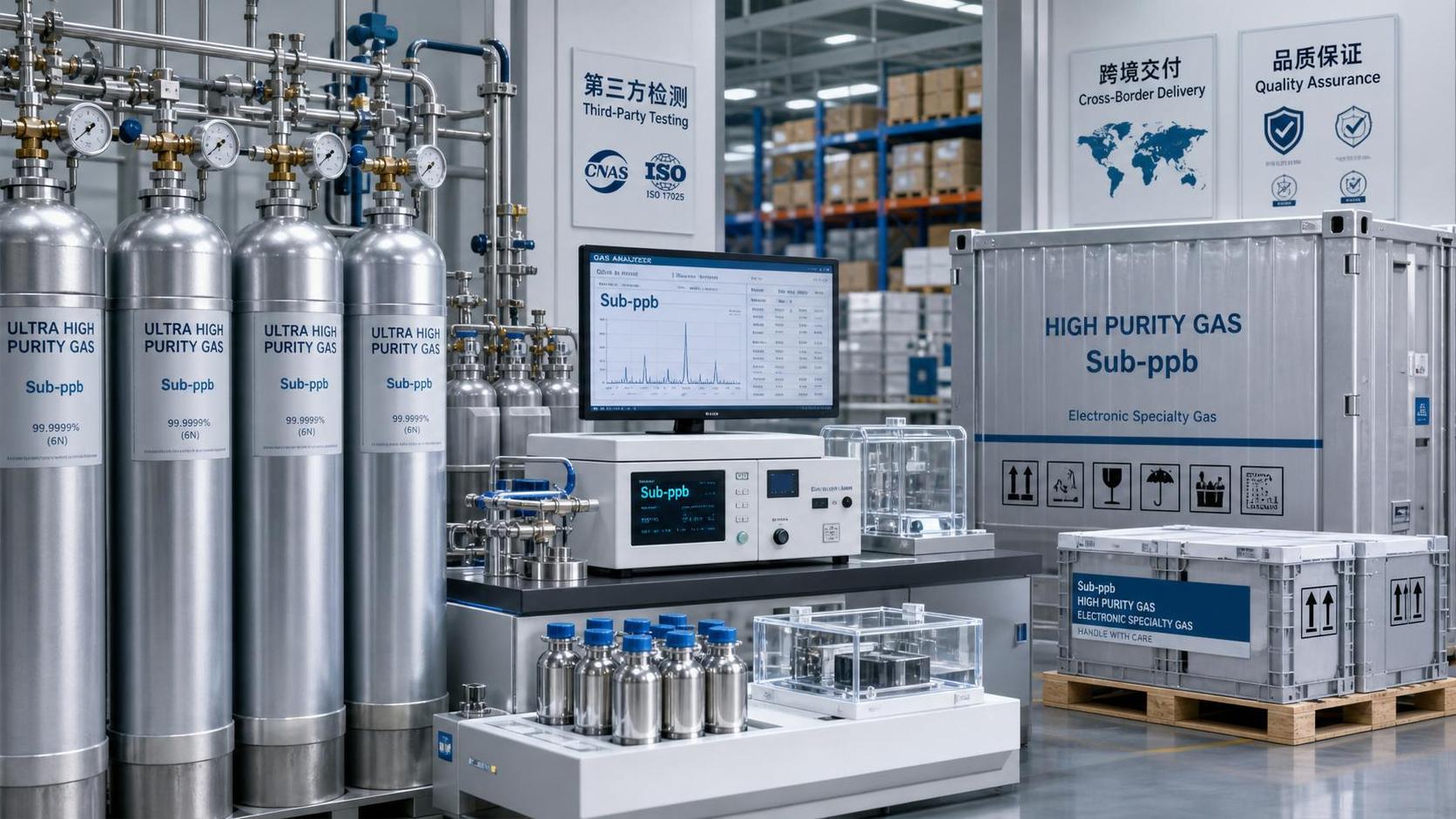
- How exposed is the source to substrate, wafer, lead frame, gas, or test capacity bottlenecks?
A practical decision lens
A sound sourcing decision usually combines 4 dimensions: device performance, production control, compliance evidence, and supply resilience. If one dimension is weak, apparent pricing advantages often disappear within 2–3 quarters due to requalification work, expedited logistics, or yield-related returns.
The 7 Checks Before You Commit
The following seven checks are designed for commercial evaluators who need a repeatable framework. They work across mature silicon power devices as well as third-generation materials such as SiC and GaN, though the depth of due diligence should increase for high-voltage and high-temperature use cases.
Check 1: Verify product and process fit, not just part availability
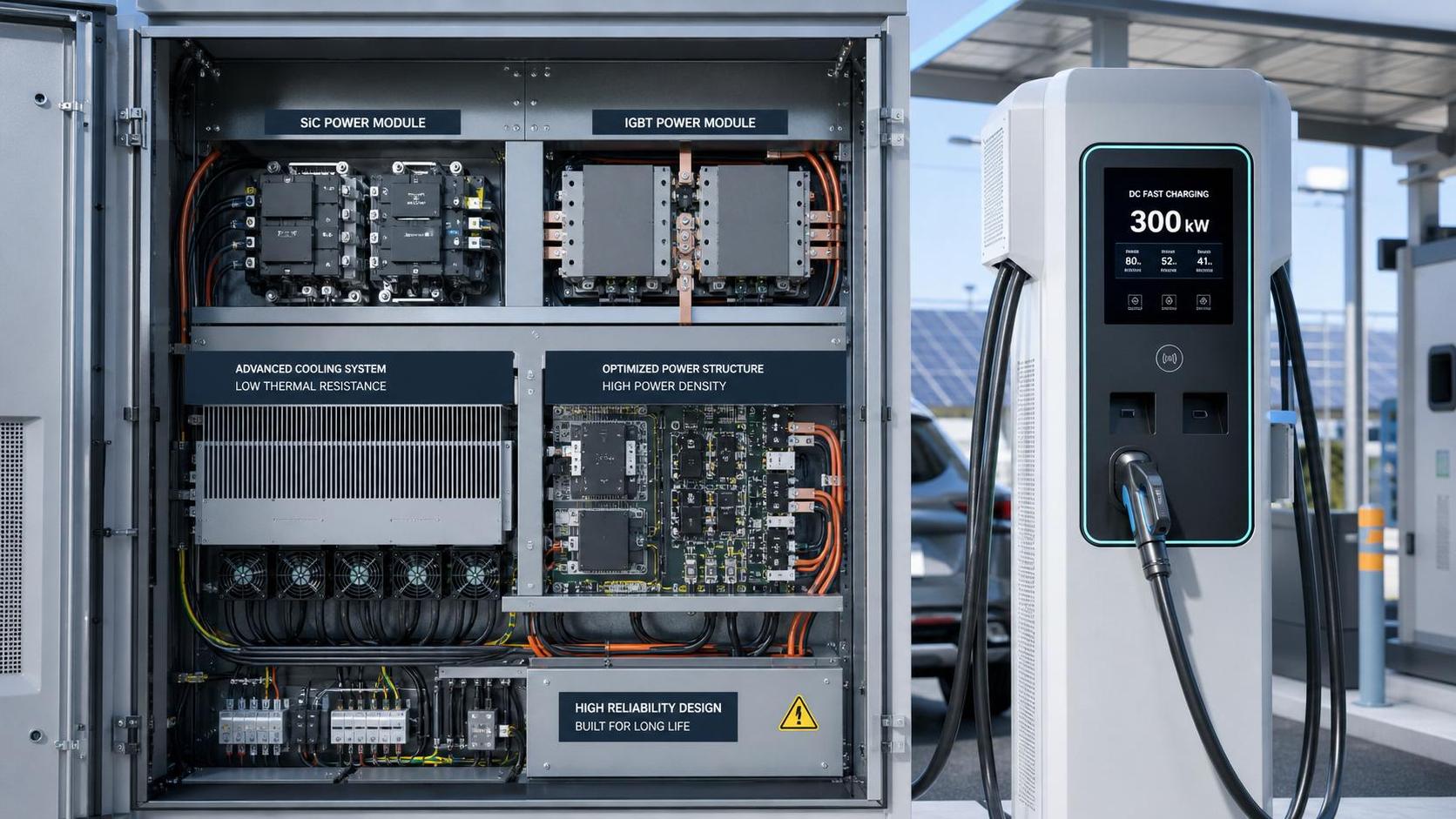
A broad catalog does not guarantee application fit. Ask whether the Power Semiconductors manufacturer has proven experience in your voltage class, current range, switching frequency, and thermal envelope. A supplier that performs well in 600V industrial drives may not automatically be suitable for 1200V fast-charging, traction-adjacent, or grid-edge conversion applications.
Review core technical items such as RDS(on), switching loss behavior, reverse recovery characteristics, short-circuit withstand time, package thermal resistance, and gate-drive sensitivity. Even a 5–10% difference in switching loss or thermal resistance can influence heat sink size, efficiency targets, and enclosure design.
Questions to ask
- Which voltage families are already shipping in volume: 650V, 750V, 1200V, or above?
- What package options are available for thermal and assembly requirements?
- Can the supplier provide application notes, SOA guidance, and reference test conditions?
Check 2: Review qualification depth and reliability evidence
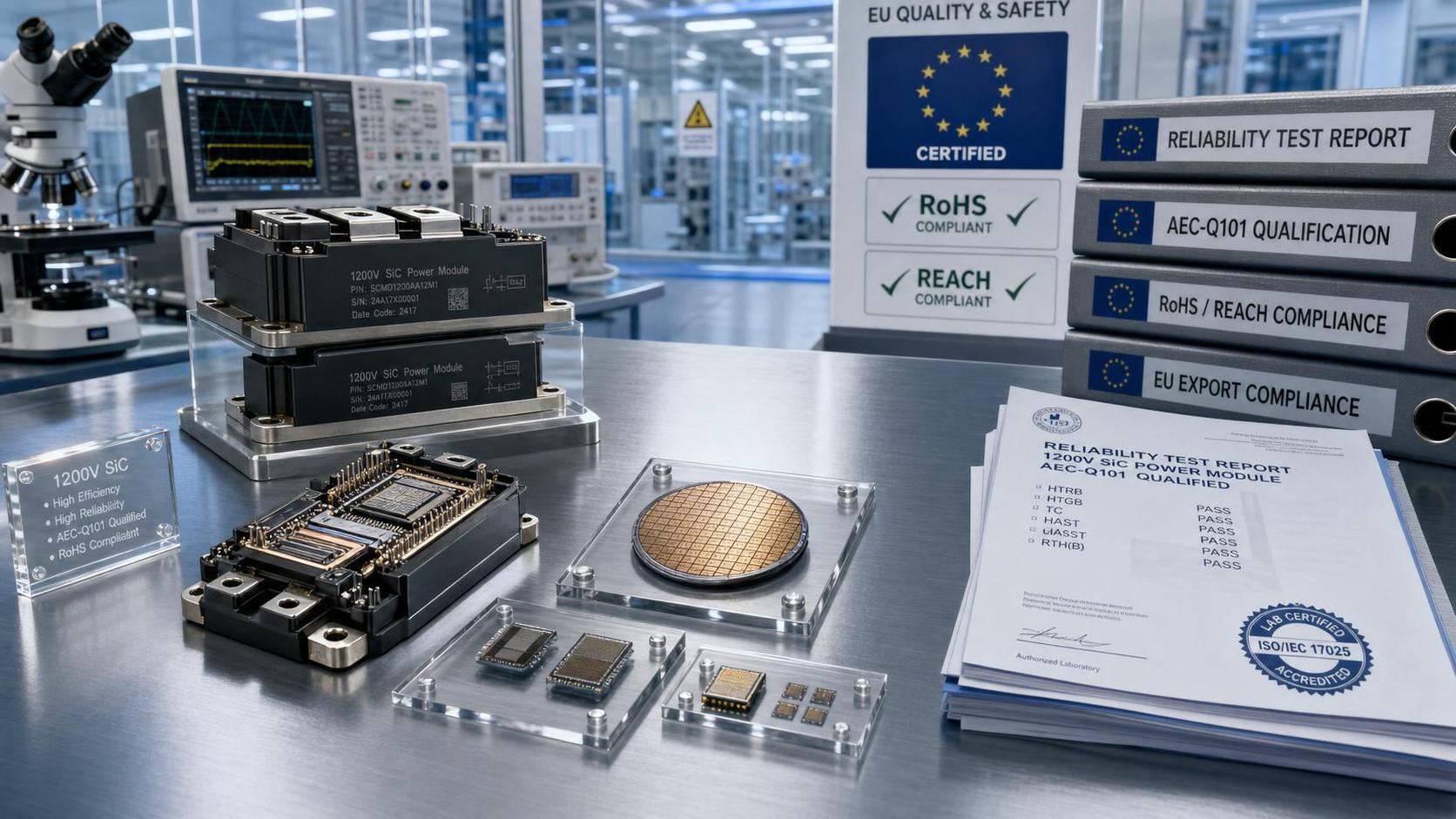
Reliability claims should be supported by structured test data, not marketing summaries. For a Power Semiconductors manufacturer, credible evidence often includes HTOL duration, temperature cycling range, HTRB or HTGB stress, humidity bias conditions, and failure analysis methods. Buyers should confirm whether data is available by package family and technology node.
For mission-critical infrastructure, ask for qualification samples, stress intervals, failure criteria, and lot coverage. A useful review window is at least 3 layers deep: wafer process reliability, package-level stress reliability, and outgoing electrical screening discipline. If the supplier cannot explain those layers clearly, the sourcing risk is higher.
The table below helps commercial teams compare the minimum evidence they should request before approving a new supplier.
In practice, the strongest suppliers are those that can connect qualification data directly to product family, package type, and process revision. That traceability reduces ambiguity during customer audits and shortens vendor approval cycles by 2–6 weeks.
Check 3: Assess manufacturing discipline and traceability
A Power Semiconductors manufacturer should show process discipline from wafer fabrication through assembly and final test. Commercial evaluators should ask how lots are traced, how outgoing quality excursions are contained, and whether key steps such as die attach, wire bonding, molding, singulation, and final electrical screening are controlled statistically.
Look for evidence of documented change control, lot genealogy, and retention practices. If a supplier changes substrate source, mold compound, or plating process, can they notify customers in advance and provide impact analysis? In many B2B programs, the acceptable notification window is 60–90 days before implementation.
Red flags during factory or audit review
- Inconsistent explanation of test coverage between engineering and sales teams
- Limited lot-level traceability beyond final packing date
- No clear process for PCN, quality alerts, or corrective action closure
- Weak segregation between development builds and mass production lots
Check 4: Confirm thermal and packaging capability
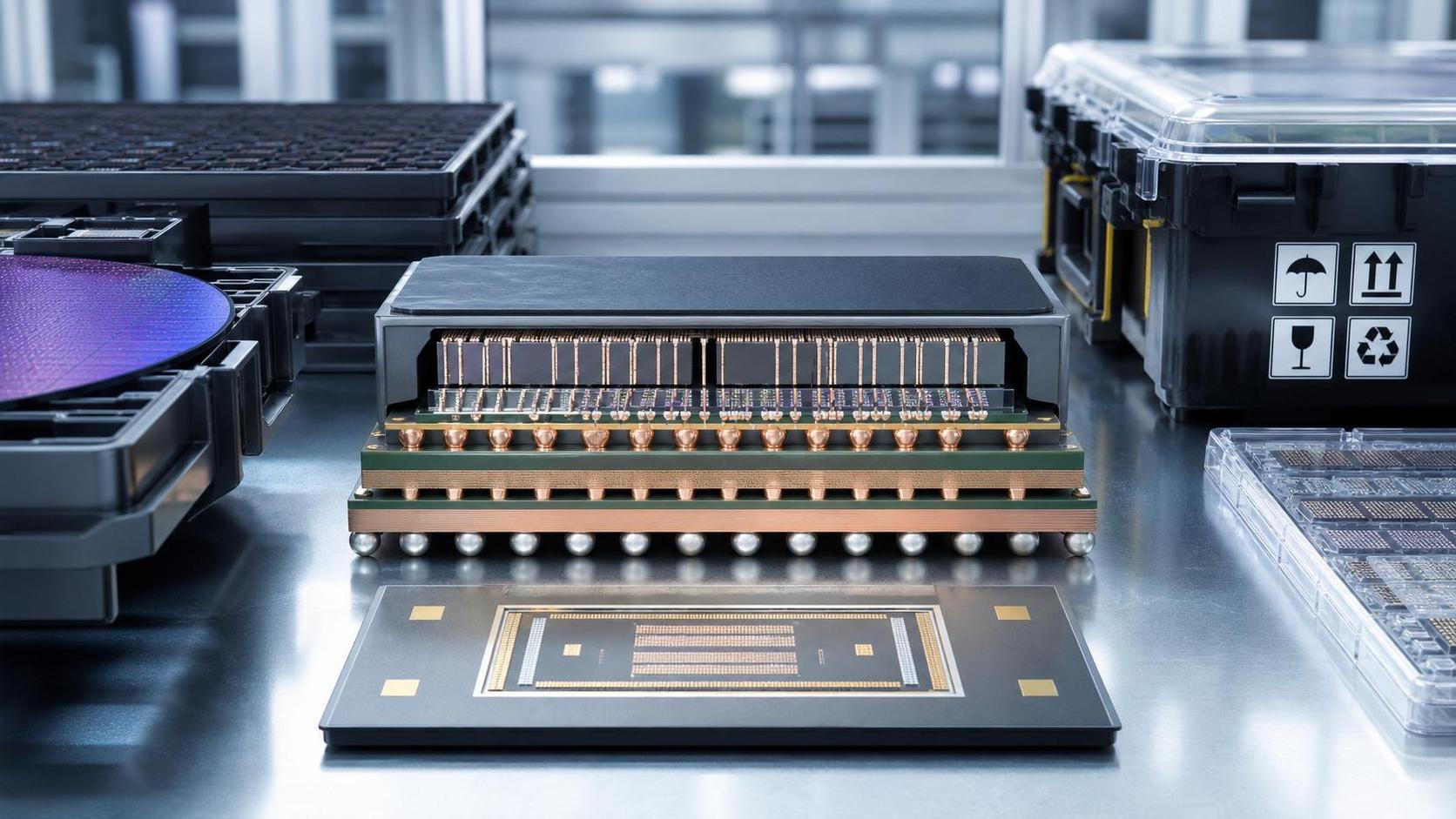
In power electronics, package choice can change system behavior as much as silicon itself. A supplier may offer acceptable die performance, yet the package may limit current density, heat extraction, creepage margin, or board-level reliability. Commercial reviewers should map the package family directly to the end-use assembly environment.
For example, board-mounted packages used in industrial drives, chargers, and energy conversion systems must be evaluated for thermal resistance, solder fatigue exposure, and assembly compatibility. If the application cycles between -40°C and 125°C, packaging robustness becomes a sourcing issue, not only an engineering issue.
The packaging review below can help buyers compare technical suitability across sourcing options.
This comparison is particularly important when evaluating SiC-based parts, where higher switching speed and thermal density can expose packaging limitations faster than in conventional silicon devices.
Check 5: Test supply chain resilience beyond quoted lead time
Quoted lead time is only one indicator. A more useful question is whether the Power Semiconductors manufacturer can sustain delivery under substrate shortages, wafer allocation constraints, special gas interruptions, or test capacity fluctuations. Mature-node and wide-bandgap supply chains each have different choke points, so buyers should ask where the real bottlenecks are.
Commercial teams should evaluate at least 5 resilience points: wafer source diversity, backend redundancy, material inventory strategy, forecast collaboration cycle, and recovery planning. In many programs, an 8–16 week standard lead time may expand to 20+ weeks if the source relies on a single backend route or limited packaging capacity.
Practical supply questions
- Is the wafer source single-site or multi-site?
- Are assembly and final test performed in one plant or split across qualified lines?
- What forecast horizon is needed: 8 weeks, 13 weeks, or 26 weeks?
- Can the supplier support safety stock for strategic accounts?
Check 6: Evaluate engineering support and change responsiveness
A reliable Power Semiconductors manufacturer is not only a shipment source but a technical response partner. During qualification and ramp-up, buyers may need sample tuning, gate-drive recommendations, thermal data clarification, FA support, or rapid replacement planning. Response time matters because sourcing delays often originate in slow technical closure, not in logistics alone.
Ask how long it takes to receive sample feedback, failure analysis updates, and engineering change responses. For many industrial programs, a reasonable target is initial technical acknowledgment within 24–72 hours and structured corrective action within 5–10 working days, depending on issue severity.
What strong support usually looks like
- Dedicated FAE or product engineer during design-in and qualification stages
- Clear escalation path for electrical anomaly or field-return analysis
- Documented PCN and EOL communication process
Get weekly intelligence in your inbox.
No noise. No sponsored content. Pure intelligence.
 Apr 28, 2026When do rapid prototyping 3D printing services save real costWhen do rapid prototyping 3D printing services save real cost
 Apr 28, 2026What Can Go Wrong in Fan-out Wafer Level Pkg?What Can Go Wrong in Fan-out Wafer Level Pkg?
 Apr 28, 2026What Makes Optical LiDAR Modules Better for Autonomy?What Makes Optical LiDAR Modules Better for Autonomy?
 Apr 28, 20262026 Market Trends in Supply Chain Resilience for Fabs2026 Market Trends in Supply Chain Resilience for Fabs
 Jun 20, 2026FDA Tightens Import Review for IC Cleaning SolventsFDA Tightens Import Review for IC Cleaning Solvents
 Jun 20, 2026GaN Module Buying Rises, but Local Packaging Becomes KeyGaN Module Buying Rises, but Local Packaging Becomes Key
 Jun 20, 2026METI Tightens Import Rules for Sub-ppb Electronic GasesMETI Tightens Import Rules for Sub-ppb Electronic Gases
 Jun 20, 2026SEMI Clarifies Export Boundaries for TSV and μBump ChipletsSEMI Clarifies Export Boundaries for TSV and μBump Chiplets
 Jun 20, 2026Wolfspeed SiC Certification Raises EU Import BarWolfspeed SiC Certification Raises EU Import Bar
 Jun 19, 2026SiC vs IGBT for EV Charging Station EfficiencySiC vs IGBT for EV Charging Station Efficiency
 Jun 19, 2026Heavy Duty Shelving: Load Limits, Layout, and SafetyHeavy Duty Shelving: Load Limits, Layout, and Safety
 Jun 19, 2026Cold Chain Logistics Failures and How to Prevent LossCold Chain Logistics Failures and How to Prevent Loss
 Jun 19, 2026Port Automation Tech: Where ROI Improves FirstPort Automation Tech: Where ROI Improves First
 Jun 19, 2026Supply Chain Shifts Reshaping Inventory Risk in 2026Supply Chain Shifts Reshaping Inventory Risk in 2026
 Jun 19, 2026SEMI China White Paper Maps Export Rules for Gas SensorsSEMI China White Paper Maps Export Rules for Gas Sensors
 Jun 19, 2026PCIM Europe 2026 Signals Shift to GaN Die SourcingPCIM Europe 2026 Signals Shift to GaN Die Sourcing
 Jun 19, 2026JETRO Tightens UPW Skid Import Documentation for JapanJETRO Tightens UPW Skid Import Documentation for Japan
 Jun 19, 2026EN 1822-4:2026 Brings AMC Units Into H14 CertificationEN 1822-4:2026 Brings AMC Units Into H14 Certification
 Jun 19, 2026BIS Adds License Rule for 1200V+ SiC MOSFET ModulesBIS Adds License Rule for 1200V+ SiC MOSFET Modules
 Jun 18, 2026How to Choose Power Transmission Components for Heavy-Duty SystemsHow to Choose Power Transmission Components for Heavy-Duty Systems
 Jun 18, 2026Biomass Energy Equipment: Common Failures and How to Prevent DowntimeBiomass Energy Equipment: Common Failures and How to Prevent Downtime
 Jun 18, 2026OEM Machined Parts: Tolerance, Lead Time, and Quality Checks ExplainedOEM Machined Parts: Tolerance, Lead Time, and Quality Checks Explained
 Jun 18, 2026Energy Solutions for Industrial Sites: How to Compare ROI and RiskEnergy Solutions for Industrial Sites: How to Compare ROI and Risk
 Jun 18, 2026Refrigerated Shipping Containers: Cost, Power Use, and Rental vs BuyRefrigerated Shipping Containers: Cost, Power Use, and Rental vs Buy
 Jun 18, 2026SEMI China Maps Export Compliance Gaps for Gas SensorsSEMI China Maps Export Compliance Gaps for Gas Sensors
 Jun 18, 2026PCIM Europe 2026 Signals Shift in GaN Module SourcingPCIM Europe 2026 Signals Shift in GaN Module Sourcing
 Jun 18, 2026METI Opens Fast-Track UPW Skid Access for Chinese SuppliersMETI Opens Fast-Track UPW Skid Access for Chinese Suppliers