Intraoral Scanners: Accuracy Factors Before Adoption
For enterprise decision makers evaluating digital dentistry investments, intraoral scanners offer clear gains in workflow speed, data capture, and patient experience—but adoption should begin with a disciplined review of accuracy factors.
From optical sensor performance and calibration stability to software algorithms, operator technique, and clinical environment control, each variable can affect scan fidelity and downstream outcomes.
This article examines the key technical and operational considerations leaders should assess before deploying intraoral scanners across clinics, labs, or integrated healthcare networks.
What Buyers Really Need to Know Before Choosing Intraoral Scanners
Most enterprise buyers are not asking whether intraoral scanners are innovative. They are asking whether scan accuracy remains reliable at scale.
The practical question is simple: will the device consistently produce usable digital impressions across operators, indications, locations, and restorative workflows?
Accuracy is not a single specification printed on a brochure. It is the result of hardware, software, environment, training, and governance.
For a single clinic, small accuracy deviations may be corrected manually. For a network, recurring deviations become cost, rework, delays, and reputational risk.
Decision makers should therefore treat intraoral scanners as clinical data acquisition infrastructure, not merely as chairside convenience equipment.
Why Accuracy Matters More Than Speed in Enterprise Adoption
Fast scanning is attractive because it shortens appointments and improves patient experience. However, speed without fidelity can increase downstream correction work.
In restorative dentistry, orthodontics, implant planning, and aligner production, captured geometry becomes the foundation for clinical and manufacturing decisions.
If margins, occlusal surfaces, interproximal areas, or implant scan bodies are distorted, errors may appear later in fit, function, or remakes.
For enterprises, the financial impact is broader than one failed case. It includes chair time, lab communication, material waste, and patient dissatisfaction.
A scanner should therefore be evaluated by total workflow reliability, not by acquisition speed alone or isolated demonstration performance.
Understanding Trueness, Precision, and Clinical Reliability
Accuracy discussions often use two terms: trueness and precision. Decision makers should understand both before comparing intraoral scanners.
Trueness describes how close the scan is to the actual anatomy. Precision describes repeatability when the same object is scanned multiple times.
A device may be precise but consistently biased, producing repeatable yet inaccurate results. Another may be true on average but inconsistent.
Clinical reliability requires both. The scanner must capture anatomy correctly and do so repeatedly across different cases and operator conditions.
Enterprise procurement teams should ask vendors for evidence showing performance across arches, preparation types, edentulous spaces, and implant indications.
Optical Sensor Performance Is the First Accuracy Gate
Intraoral scanners depend on optical sensing technologies such as structured light, confocal imaging, active triangulation, or hybrid capture methods.
The quality of the optical engine affects detail capture, depth measurement, surface recognition, and resilience under difficult intraoral conditions.
Reflective enamel, saliva, blood, subgingival margins, metallic restorations, and limited access can all challenge optical acquisition.
Enterprise buyers should examine how each scanner handles these realities, not only how it performs on clean demonstration models.
Important questions include capture depth, field of view, frame rate, anti-fog design, powder requirements, and tolerance for reflective surfaces.
Calibration Stability Determines Long-Term Consistency
Even advanced intraoral scanners can drift if calibration is unstable or poorly managed across devices and locations.
Calibration aligns sensor readings with known reference values, helping the scanner maintain dimensional reliability over time.
For enterprise deployment, calibration should not rely on informal habits. It must become part of preventive maintenance governance.
Buyers should ask how often calibration is required, whether it is automated, and how failures are detected or documented.
Central teams should also evaluate whether calibration logs can be audited across clinics to support compliance and quality assurance.
Software Algorithms Can Improve or Compromise Scan Fidelity
Modern intraoral scanners do not simply photograph teeth. They reconstruct three-dimensional geometry through algorithmic stitching, filtering, and surface modeling.
These algorithms determine how separate image frames are aligned, how missing data is interpolated, and how noise is removed.
Well-designed software can stabilize scanning, guide users, and improve difficult-case completion. Poor reconstruction may introduce distortion or false confidence.
Full-arch scans are especially sensitive because small stitching errors can accumulate across the arch and affect occlusion or appliance fit.
Decision makers should request validation data for short-span, full-arch, implant, and orthodontic use cases rather than accepting general accuracy claims.
Operator Technique Remains a Major Enterprise Risk Variable
One of the most underestimated factors is operator technique. The same scanner may produce different outcomes depending on user skill.
Scanning path, hand stability, moisture control, retraction, lighting, and ability to identify missed data all influence the final model.
In a multi-site organization, accuracy depends on the average operator, not the best-trained champion or vendor demonstrator.
Training should therefore include standardized scan paths, quality checkpoints, error recognition, and indication-specific protocols.
Organizations should measure rescan rates, rejected files, remake frequency, and lab feedback to identify training gaps after implementation.
Clinical Environment Control Affects Data Quality
The intraoral environment is naturally difficult for optical measurement. Moisture, movement, tongue interference, and soft tissue can degrade data capture.
Room lighting, temperature changes, mirror fogging, and infection-control barriers may also affect device handling and image consistency.
Enterprise leaders should standardize operating conditions as much as possible, especially for high-value restorative, implant, and aligner workflows.
This includes cheek retraction tools, drying protocols, isolation methods, and chairside verification steps before the patient leaves.
Accuracy should be viewed as a controlled process, similar to industrial measurement systems where environment and procedure matter.
Indication-Specific Accuracy: One Scanner May Not Fit Every Workflow
Different clinical applications place different demands on intraoral scanners. A crown scan is not equivalent to a full-arch implant case.
Single-unit restorations often require detailed margin capture. Orthodontic cases require stable arch geometry and reliable occlusal relationship capture.
Implant workflows may require accurate scan body recognition, angulation control, and compatibility with surgical planning or prosthetic software.
Edentulous arches are particularly challenging because fewer anatomical landmarks make stitching and positional stability more difficult.
Before adoption, enterprises should map intended use cases and define which scanner performance thresholds are required for each workflow.
Integration With CAD/CAM, Labs, and Data Ecosystems
Accuracy is only valuable if captured data moves cleanly into the downstream digital workflow without conversion loss or process friction.
Decision makers should evaluate compatibility with CAD/CAM systems, dental laboratories, aligner platforms, implant planning software, and patient record systems.
Open file formats such as STL, PLY, and OBJ can increase flexibility, though proprietary workflows may offer smoother controlled experiences.
The best choice depends on whether the organization prioritizes ecosystem freedom, vendor accountability, production efficiency, or standardized clinical governance.
Data security, storage architecture, cloud access, and jurisdictional compliance should also be reviewed before scaling across locations.
How to Evaluate Vendor Accuracy Claims
Vendor claims should be tested against independent evidence, transparent methodology, and clinical relevance. Laboratory precision is not always clinical reliability.
Ask whether measurements were performed on typodonts, stone models, intraoral patients, implants, full arches, or mixed clinical scenarios.
Review the reference scanner used, sample size, operator profile, statistical method, and whether results are repeatable under normal chairside conditions.
Enterprise buyers should also require pilot data from their own teams, not only published studies or vendor demonstration scans.
A structured pilot should compare scanners using identical cases, standardized operators, lab review, turnaround time, and remake outcomes.
Building a Practical Adoption Scorecard
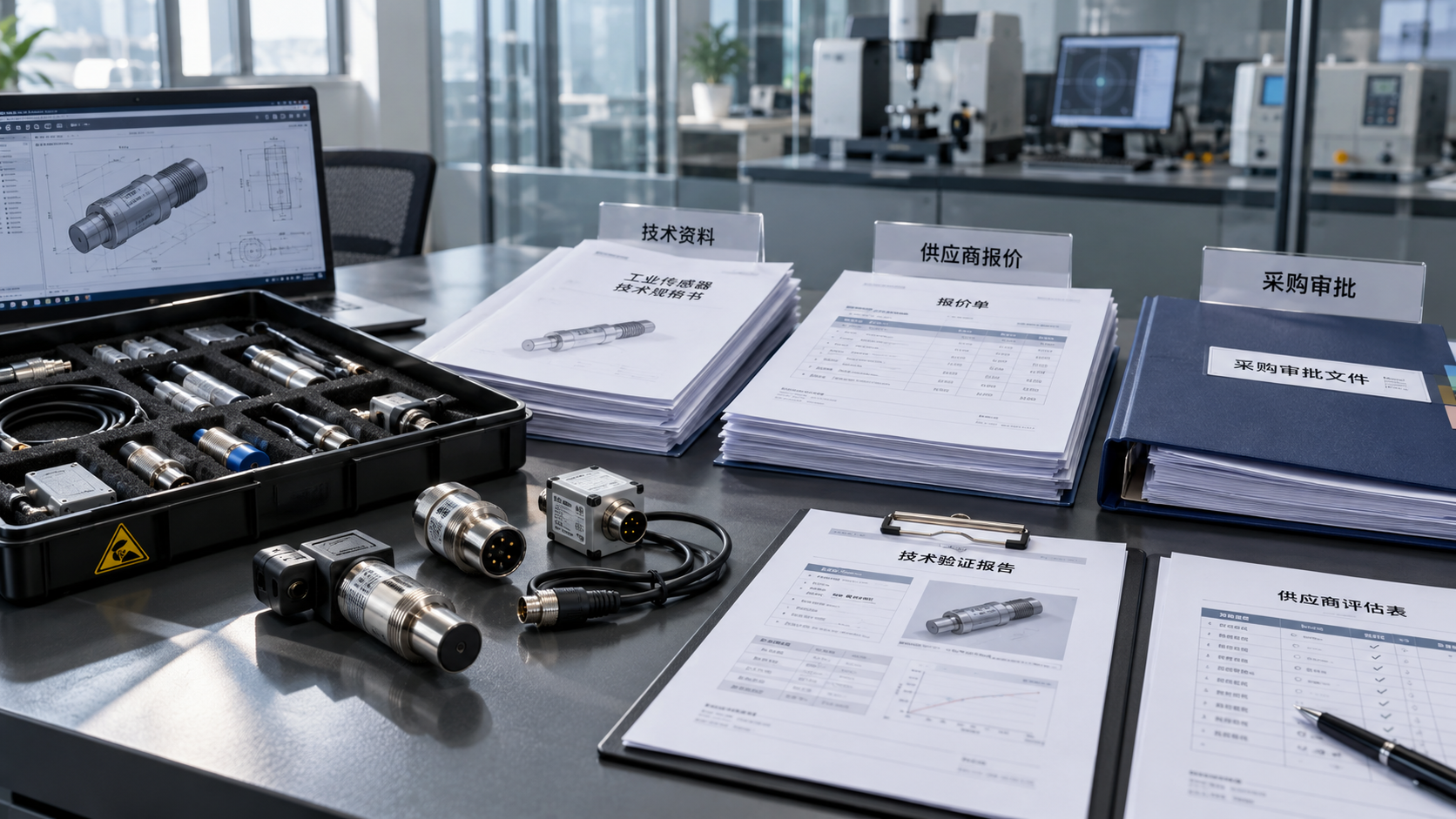
A disciplined scorecard helps executives avoid decisions based on brand familiarity, sales pressure, or isolated feature comparisons.
The scorecard should include accuracy by indication, calibration management, software reliability, training burden, support quality, and integration compatibility.
It should also include business metrics such as appointment time reduction, impression material savings, lab communication efficiency, and remake reduction.
For multi-site networks, add fleet management, usage analytics, remote support, data governance, and upgrade policy to the evaluation framework.
Weight each criterion according to strategic priorities. A premium implant center may value accuracy differently than a high-volume orthodontic group.
Cost, ROI, and the Hidden Economics of Accuracy
The purchase price of intraoral scanners is only one part of the investment. Accuracy-related economics often determine the real return.
Hidden costs include rescans, training time, software subscriptions, maintenance, calibration accessories, support delays, and workflow redesign.
Hidden savings include fewer physical impressions, reduced shipping, faster case acceptance, improved lab communication, and better digital case documentation.
ROI improves when scanners are matched to high-frequency workflows where digital capture produces measurable operational advantages.
Executives should model conservative, expected, and optimistic scenarios using actual case volumes rather than generic vendor calculators.
Risk Management Before Large-Scale Deployment
Large organizations should avoid immediate fleet-wide rollout without controlled validation. A phased approach reduces operational and financial risk.
Begin with representative clinics, varied operator profiles, and priority indications. Measure accuracy outcomes indirectly through clinical and lab performance.
Track rejected scans, remakes, adjustment appointments, support tickets, scan duration, and user confidence during the pilot period.
Define escalation rules for difficult cases, including when conventional impressions remain appropriate or when senior review is required.
This approach supports responsible adoption while allowing the organization to refine protocols before broad standardization.
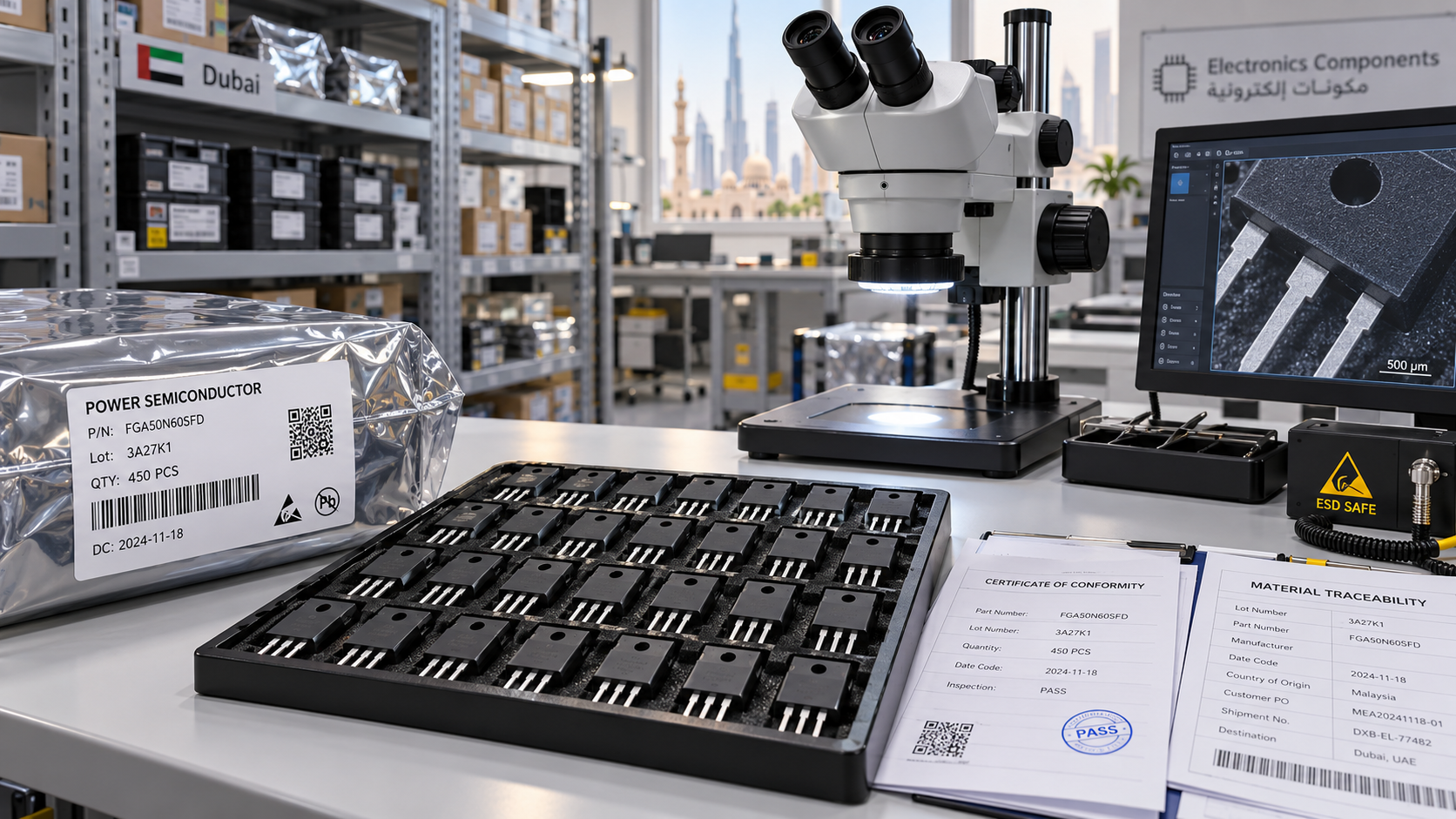
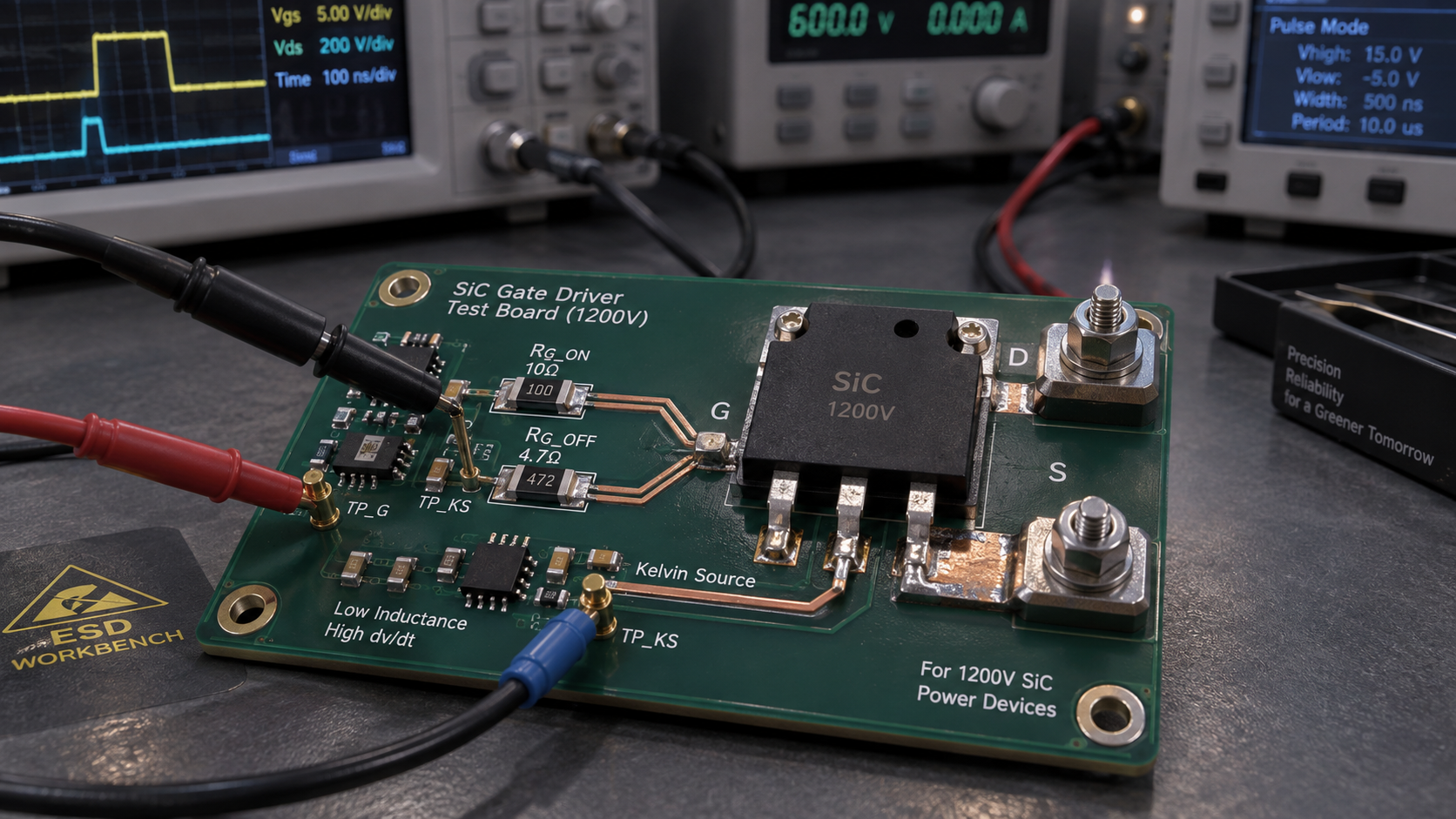
Where Semiconductor and Sensor Quality Thinking Adds Value
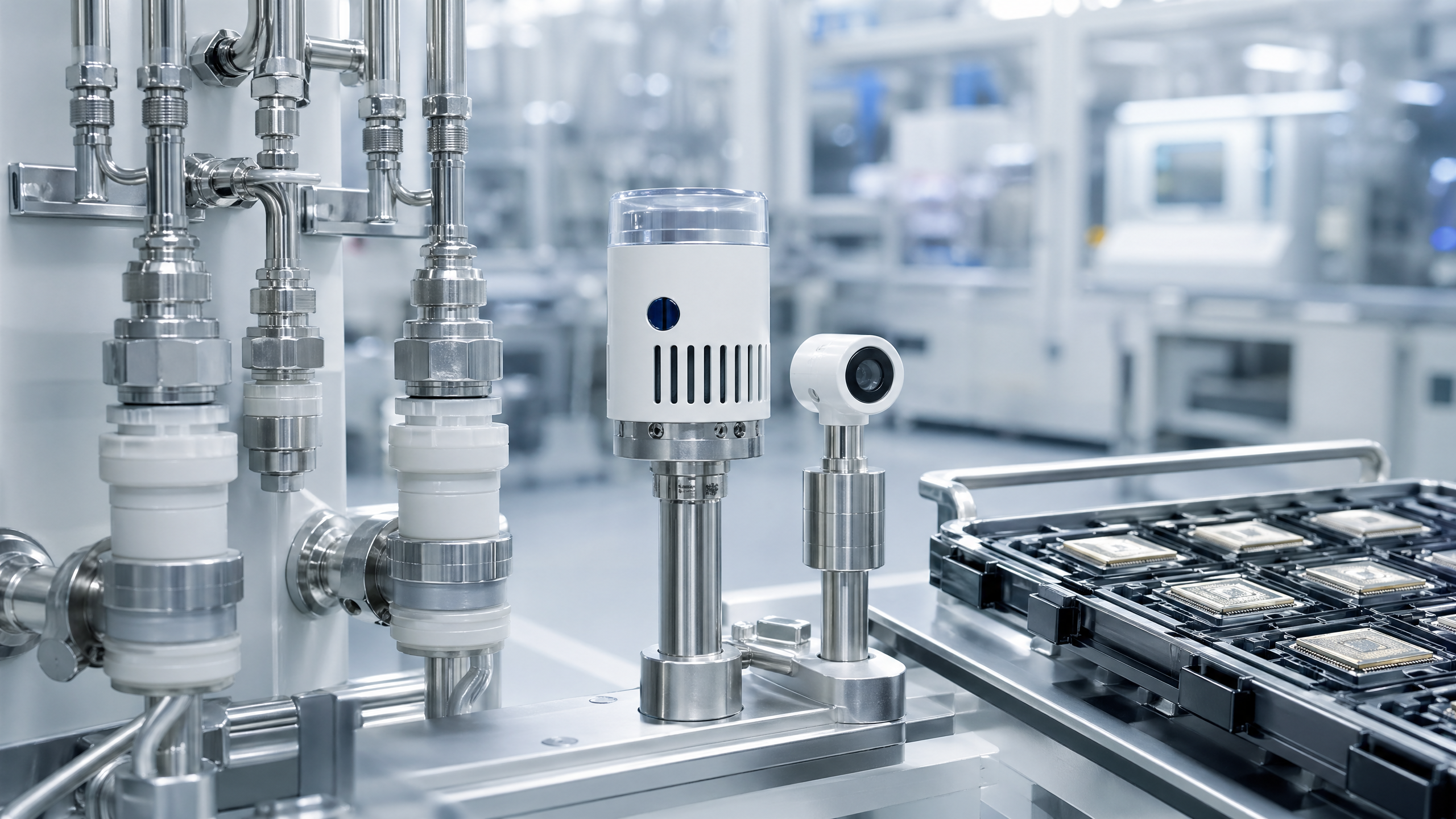
Although dentistry and semiconductor infrastructure appear distant, both depend on precise sensing, controlled environments, and repeatable data acquisition.
For decision makers, this perspective encourages procurement discipline beyond feature lists and marketing claims.
Sensor integrity, calibration traceability, environmental control, software validation, and process repeatability are central to trustworthy digital workflows.
Organizations that apply technical benchmarking principles can make better decisions when selecting intraoral scanners for enterprise-scale deployment.
This mindset is especially important as healthcare systems increasingly depend on digital models as operational and clinical data assets.
Final Decision Framework for Enterprise Buyers
Before adopting intraoral scanners, leaders should confirm three things: clinical suitability, operational scalability, and measurable financial value.
Clinical suitability means the scanner performs accurately for the organization’s real indications, including difficult cases and common operator conditions.
Operational scalability means training, calibration, support, data management, and workflow integration can be standardized across teams and locations.
Financial value means the investment improves throughput, reduces avoidable costs, or strengthens case quality enough to justify total ownership expense.
The strongest purchasing decision is not necessarily the most advanced scanner, but the one that produces dependable outcomes in daily use.
Conclusion: Accuracy Should Lead the Adoption Strategy
Intraoral scanners can transform digital dentistry, but enterprise success depends on more than speed, aesthetics, or vendor reputation.
Accuracy emerges from the interaction of optical hardware, calibration, algorithms, operator technique, clinical conditions, and workflow integration.
Decision makers should evaluate scanners through evidence, pilots, scorecards, and ROI models that reflect their actual care environment.
When accuracy factors are reviewed before adoption, organizations can reduce risk while capturing the productivity and patient-experience benefits of digital dentistry.
The right strategy treats intraoral scanning as reliable sensory infrastructure, turning clinical capture into trusted data for better enterprise outcomes.