Toshiba Advances TW007D120E SiC MOSFET Mass Production to Q3 2026
Toshiba Electronic Devices & Storage Corporation announced on May 28, 2026, that mass production of its 1200 V trench-gate silicon carbide (SiC) MOSFET, model TW007D120E, has been accelerated to Q3 FY2026 (July–September 2026). This shift—originally scheduled for FY2026 (April 2026–March 2027)—follows surging order demand from AI data center customers. The move signals implications for power electronics supply chains serving high-efficiency computing infrastructure, renewable energy systems, and industrial motor drives.
Event Overview
On May 28, 2026, Toshiba confirmed the acceleration of mass production for the TW007D120E—a 1200 V trench-gate SiC MOSFET—to Q3 2026 (July–September 2026). Concurrently, Toshiba opened a global sample request channel for the device, supporting dual certification under AEC-Q101 (automotive reliability) and UL 62368-1 (safety standard for information and communication technology equipment). The sample program is available to customers in North America, Europe, Southeast Asia, and the Middle East.
Impact on Specific Industry Segments
Power Module Manufacturers
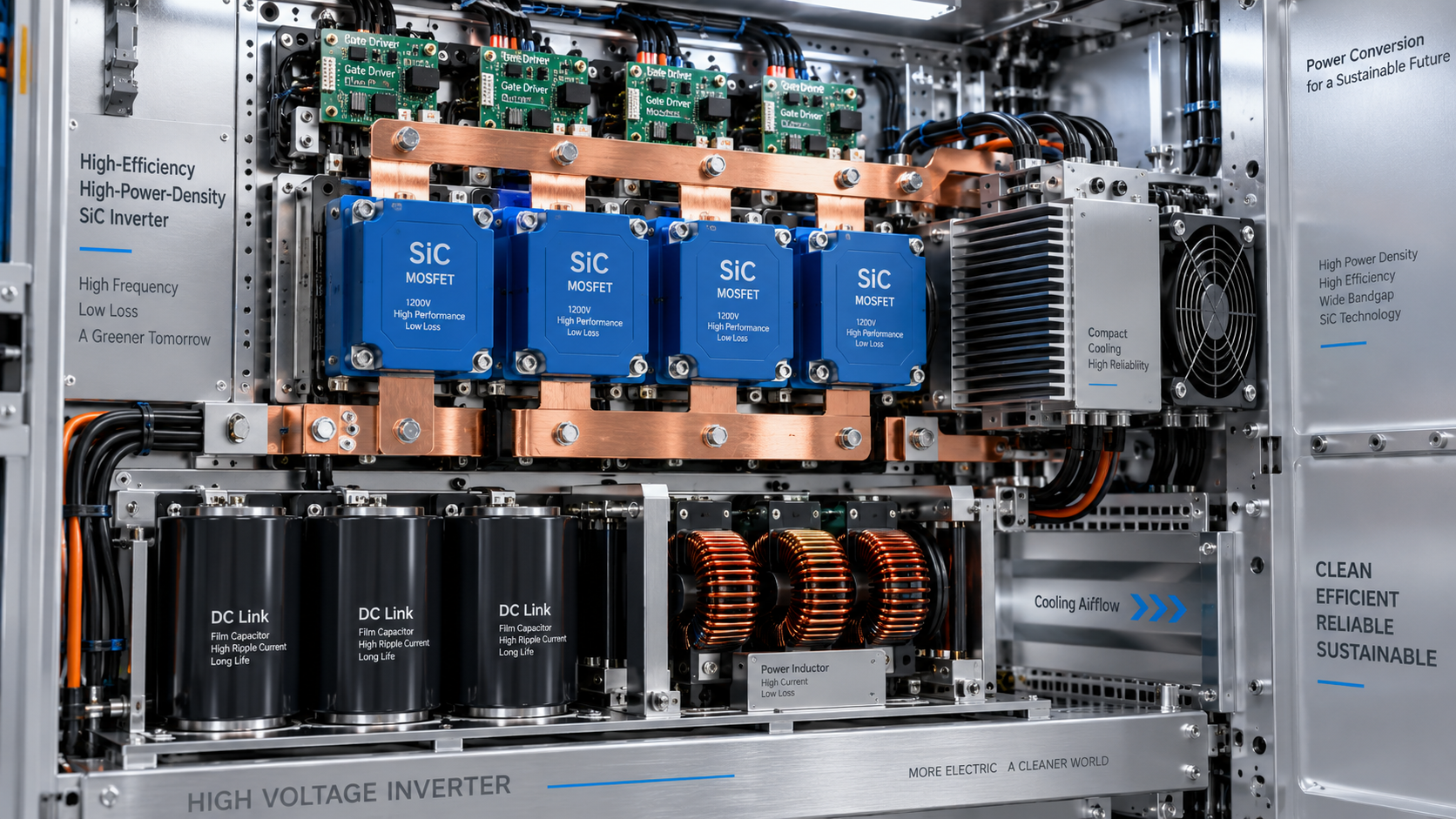
These firms integrate discrete SiC devices like the TW007D120E into higher-level modules for server PSUs, UPS systems, and EV chargers. Accelerated availability enables earlier qualification cycles for next-generation 3 kW–10 kW power stages. Impact manifests in compressed design-in timelines and potential revisions to BOM sourcing strategies ahead of Q4 2026 product launches.
Data Center Power Supply Design Houses
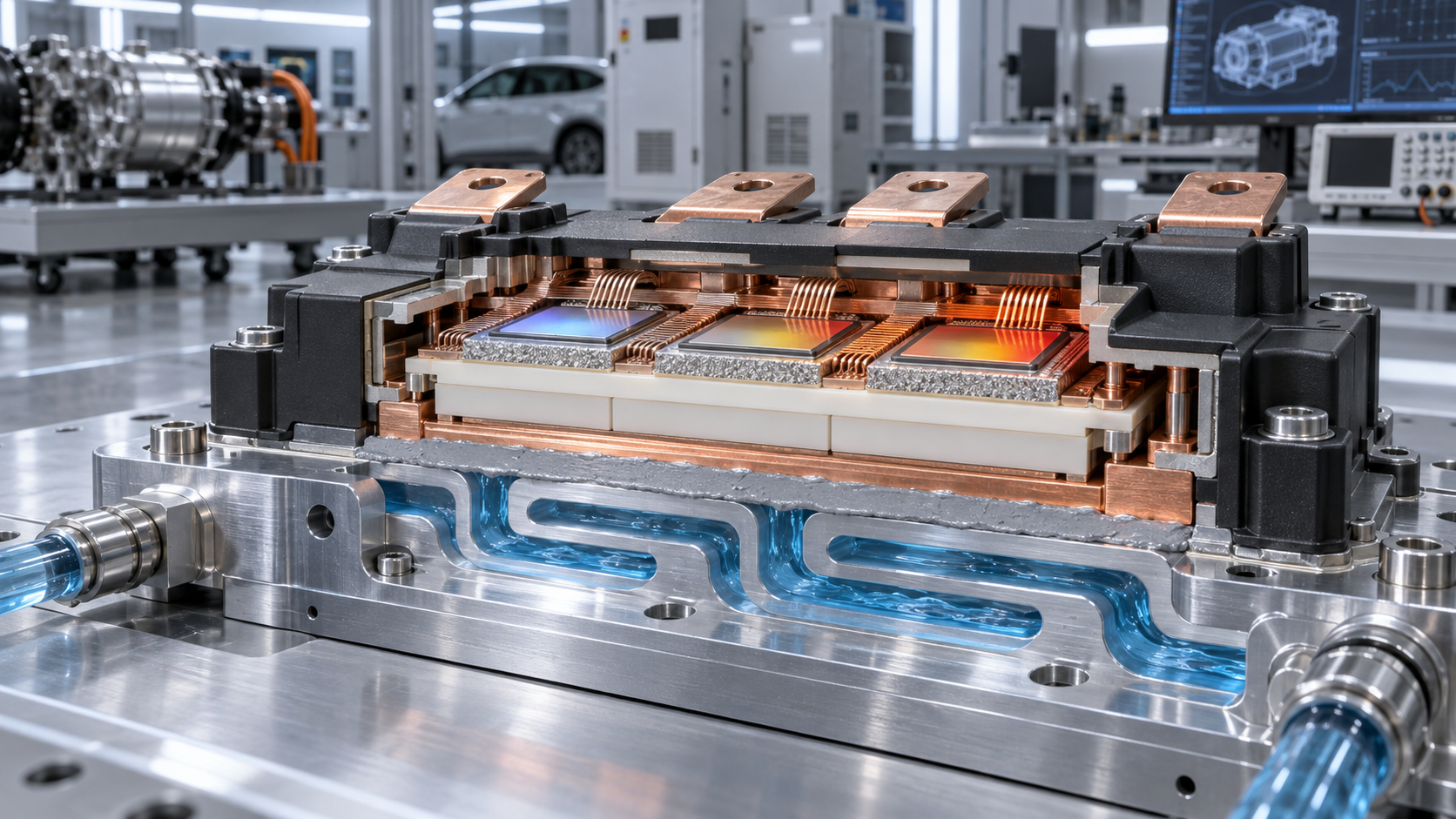
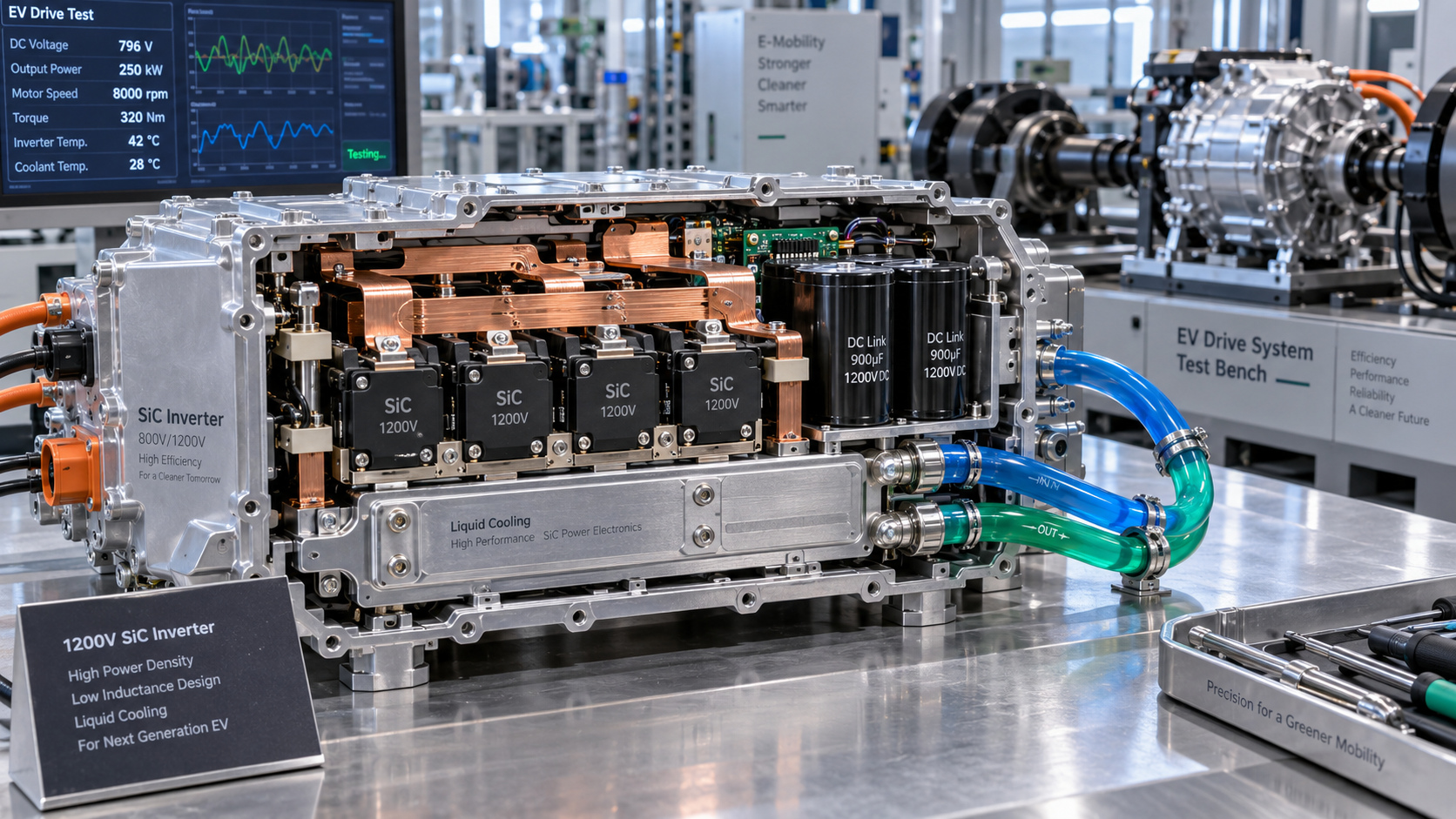
AI data centers require ultra-high-efficiency AC–DC and DC–DC conversion, where 1200 V SiC MOSFETs improve system efficiency at 48 V and 380 V intermediate bus architectures. Earlier access to qualified samples supports faster validation of high-density, liquid-cooled PSU designs targeting 2027 deployment. Delayed sample access could constrain thermal and EMI co-design iterations.
Automotive Tier-1 Suppliers (with Industrial Diversification)
Although the TW007D120E carries AEC-Q101 certification eligibility, its primary driver remains AI infrastructure—not automotive traction. However, suppliers already engaged in both automotive and industrial power applications may reassess allocation priorities if dual-certified inventory becomes constrained. Impact lies in cross-segment resource competition for early-batch wafers and test capacity.
Distributor and Logistics Partners Serving APAC–EMEA Corridors
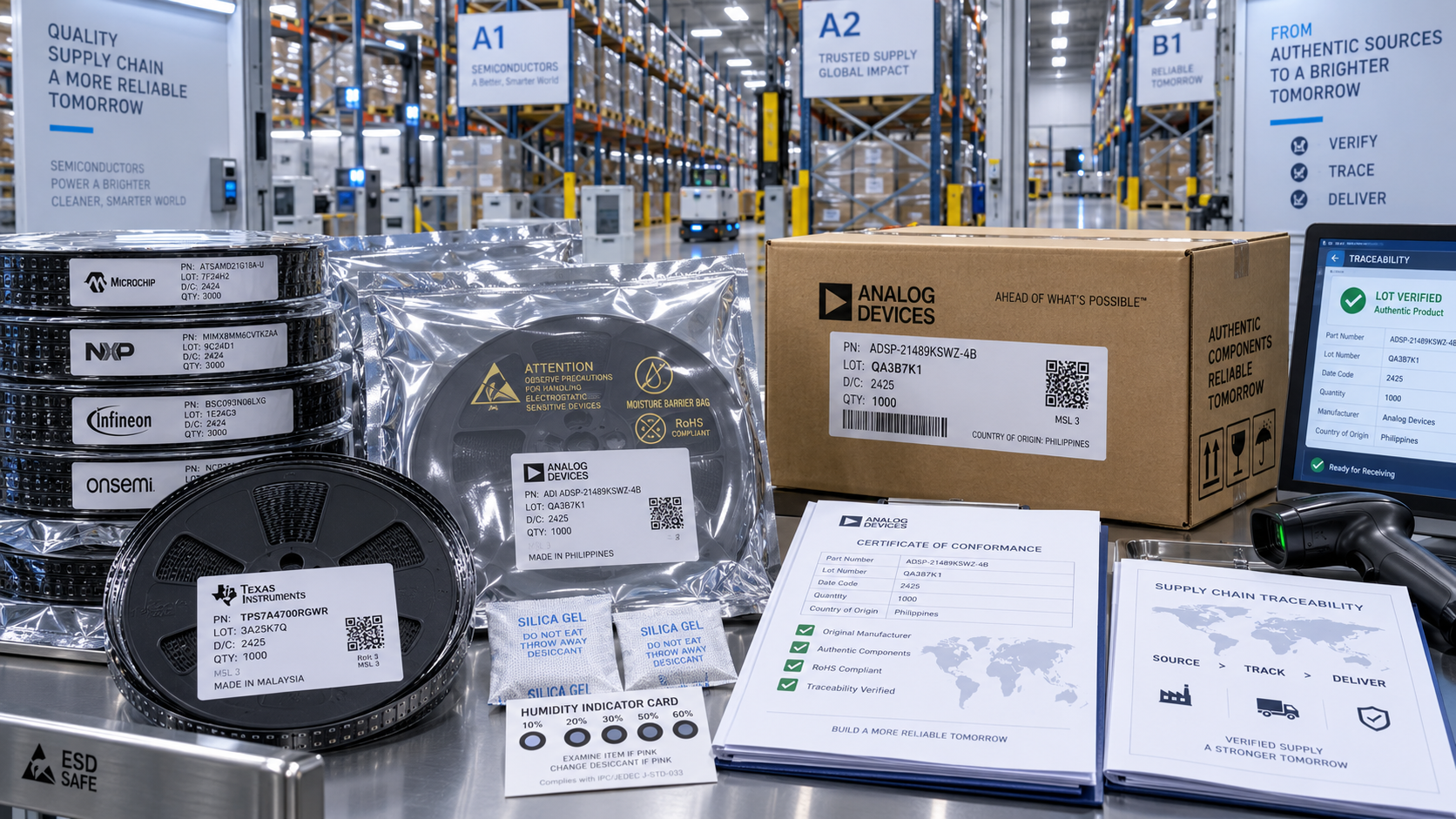
Global sample distribution requires coordination across customs-regulated regions with varying documentation requirements for electronic components (e.g., EU RoHS/REACH declarations, GCC conformity statements). Accelerated timing increases pressure on logistics partners to pre-clear certification paperwork and validate regional compliance labeling before physical shipment.
What Relevant Companies or Practitioners Should Monitor and Do Now
Track official sample application status and regional allocation updates
Toshiba’s sample portal does not indicate volume limits or regional quotas. Firms should monitor whether allocations are first-come-first-served or prioritized by end-application sector—especially given stated focus on AI data center demand. Confirming lead times and documentation turnaround windows is critical before initiating internal qualification workflows.
Verify alignment between device specifications and target system requirements
The TW007D120E is rated for 1200 V; however, actual usable voltage margins depend on gate drive robustness, layout parasitics, and snubber design. Engineering teams should cross-check Toshiba’s latest SPICE models and thermal derating curves (released alongside samples) against their existing topology simulations—particularly for hard-switched PFC or LLC resonant converters operating near 1000 V DC bus.
Assess dual-certification scope before assuming automotive readiness
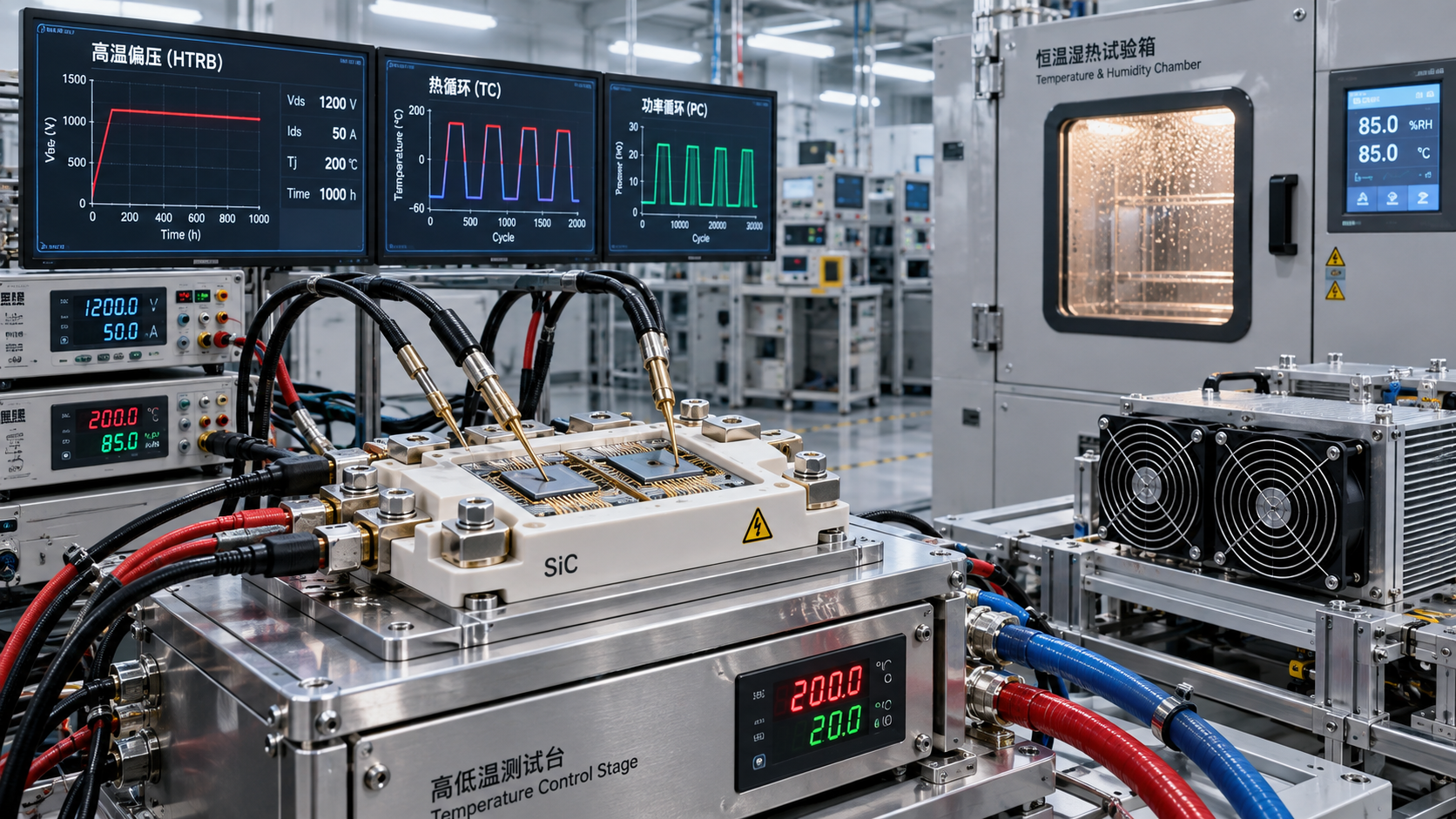
AEC-Q101 certification is process-based and requires customer-specific stress testing and failure analysis. Sample availability does not imply full AEC-Q101 qualification for all variants or lots. Firms intending automotive use must confirm whether Toshiba’s released samples carry lot-specific test reports—and whether those reports cover temperature cycling, HTRB, and UIS per Grade 0 or Grade 1 requirements.
Prepare procurement and second-source contingency plans
Given the accelerated ramp and concentrated demand from AI infrastructure OEMs, extended lead times for qualified wafers or assembly/test capacity may emerge post-Q3 2026. Companies dependent on this device should evaluate alternative 1200 V SiC MOSFETs from other vendors with comparable RDS(on), Qg, and gate threshold stability—even if requiring minor board rework—to mitigate single-supplier risk during qualification and early production phases.
Editorial Perspective / Industry Observation
Observably, this announcement functions less as a completed supply chain milestone and more as a forward-looking signal of tightening capacity in the high-voltage SiC discrete segment. The decision to accelerate production—driven explicitly by AI data center orders—highlights how hyperscaler power architecture roadmaps are now reshaping semiconductor manufacturing calendars. Analysis shows that such calendar shifts rarely occur without upstream adjustments: wafer fab capacity reallocation, substrate procurement renegotiation, and test program reprioritization. It is therefore more accurate to interpret this as an early indicator of structural demand pressure rather than merely a schedule update. The concurrent opening of global sample access—under dual certification frameworks—further suggests Toshiba anticipates cross-sector interest, though actual adoption velocity outside AI infrastructure remains unconfirmed and will require ongoing observation.
This development underscores how vertical integration in AI hardware stacks increasingly exerts pull-through effects on component-level semiconductor planning. For industry stakeholders, sustained attention is warranted—not only to Toshiba’s execution but also to how competing SiC suppliers adjust their own 1200 V roadmap timelines in response.
The broader significance lies in timing: a Q3 2026 ramp aligns with expected deployment cycles for next-generation AI accelerators requiring >10 kW/rack power delivery. That makes the TW007D120E less a standalone component update and more a synchronizing event across power electronics, thermal management, and system integration domains.
It is currently more appropriate to understand this announcement as a capacity signaling mechanism—indicating where design-in momentum is consolidating—rather than as evidence of immediate, broad-based supply relief. Real-world impact will depend on yield ramp, certification completion rates, and how quickly end customers transition from samples to production orders.
Source: Toshiba Electronic Devices & Storage Corporation press release, May 28, 2026.
Note: Dual certification status (AEC-Q101 + UL 62368-1) applies to the sample program; full production lot certification status and regional regulatory approvals remain subject to ongoing verification and are not yet publicly disclosed.
Get weekly intelligence in your inbox.
No noise. No sponsored content. Pure intelligence.
 Apr 28, 2026When do rapid prototyping 3D printing services save real costWhen do rapid prototyping 3D printing services save real cost
 Apr 28, 2026What Can Go Wrong in Fan-out Wafer Level Pkg?What Can Go Wrong in Fan-out Wafer Level Pkg?
 Apr 28, 2026What Makes Optical LiDAR Modules Better for Autonomy?What Makes Optical LiDAR Modules Better for Autonomy?
 Apr 28, 20262026 Market Trends in Supply Chain Resilience for Fabs2026 Market Trends in Supply Chain Resilience for Fabs
 Oct 13, 2026When does parallel testing cut high-volume semiconductor testing costs?When does parallel testing cut high-volume semiconductor testing costs?
 Oct 12, 2026Electronics Supply Chain Resilience: When to Dual-Source or Hold Safety StockElectronics Supply Chain Resilience: When to Dual-Source or Hold Safety Stock
 Oct 12, 2026What Should You Check Before Switching KrF/ArF Photoresist Suppliers?What Should You Check Before Switching KrF/ArF Photoresist Suppliers?
 Oct 12, 2026When does fan-out wafer level packaging outperform flip-chip packaging?When does fan-out wafer level packaging outperform flip-chip packaging?
 Oct 11, 2026How energy management can reduce peak demand chargesHow energy management can reduce peak demand charges
 Oct 10, 2026When do integrated sensor systems reduce commissioning risks?When do integrated sensor systems reduce commissioning risks?
 Oct 09, 2026How North American semiconductor fabs control airborne molecular contaminationHow North American semiconductor fabs control airborne molecular contamination
 Oct 08, 2026When do custom aluminum extrusions reduce fabrication costs?When do custom aluminum extrusions reduce fabrication costs?
 Oct 07, 2026How semiconductor packaging affects thermal reliability in EV power electronicsHow semiconductor packaging affects thermal reliability in EV power electronics
 Oct 06, 2026When do corrugated plastic boxes make sense for returnable shipping?When do corrugated plastic boxes make sense for returnable shipping?
 Oct 05, 2026What to verify before choosing semiconductor distributors in North AmericaWhat to verify before choosing semiconductor distributors in North America
 Oct 04, 2026How to assess a high purity materials manufacturer’s traceabilityHow to assess a high purity materials manufacturer’s traceability
 Oct 03, 2026How SiC power conversion solutions improve high-voltage invertersHow SiC power conversion solutions improve high-voltage inverters
 Oct 02, 2026When do SiC MOSFET benefits justify the higher device cost?When do SiC MOSFET benefits justify the higher device cost?
 Oct 01, 2026Which semiconductor reliability testing standards apply to power devices?Which semiconductor reliability testing standards apply to power devices?
 Sep 30, 2026How to qualify a semiconductor photoresist supplier for KrF/ArF productionHow to qualify a semiconductor photoresist supplier for KrF/ArF production
 Sep 29, 2026What image quality should portable ultrasound scanners deliver for triage?What image quality should portable ultrasound scanners deliver for triage?
 Sep 28, 2026How sub-ppb impurity control gases protect process consistencyHow sub-ppb impurity control gases protect process consistency
 Sep 27, 2026How chemical purity affects defect rates in semiconductor depositionHow chemical purity affects defect rates in semiconductor deposition
 Sep 26, 2026When do high voltage power semiconductor devices need SiC over IGBTs?When do high voltage power semiconductor devices need SiC over IGBTs?
 Sep 25, 2026How to verify quality controls at a die casting parts supplier in ChinaHow to verify quality controls at a die casting parts supplier in China
 Sep 24, 2026How to verify electronic gas purity for sub-ppb semiconductor processesHow to verify electronic gas purity for sub-ppb semiconductor processes
 Sep 23, 2026When sensory data integration improves industrial motion monitoringWhen sensory data integration improves industrial motion monitoring