Infineon 1200V SiC Hike Spurs Local Sourcing
Image Placement Plan
No image placeholders are required for this article because the requested placeholder count is zero.
On 2026-07-01, Infineon announced a second full-year price increase for 1200V SiC MOSFETs and other high-end power devices, affecting OBC, commercial and industrial energy storage, and photovoltaic inverter customers. The stated pressure comes from continued wafer capacity tightness linked to AI data center demand rather than raw material cost escalation.
Confirmed Update on the 1200V SiC MOSFET Price Move
Infineon announced that, effective 2026-07-01, it would implement its second comprehensive price increase of the year for 1200V SiC MOSFETs and other high-end power devices.
The announced increase ranges from 8% to 18% and applies to all backlog orders already in transit or pending fulfillment.
The reason provided for this round of pricing adjustment is continued supply tightness caused by wafer capacity being absorbed by AI data center demand. The input information states that the move is not driven by raw material cost increases.
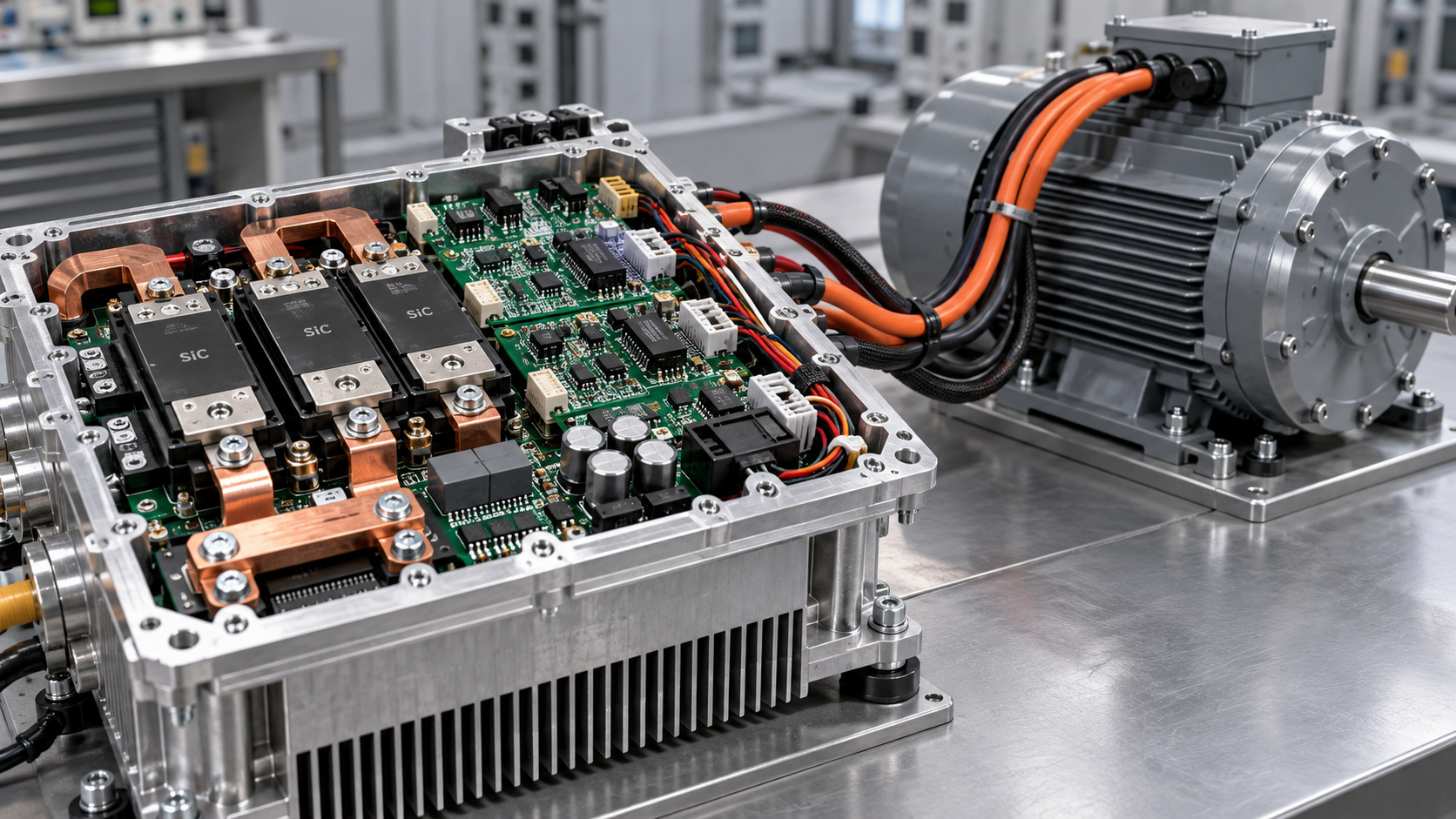
The event has widened the cost-performance window for domestic SiC alternatives, including second- and third-generation products from Basic Semiconductor, in commercial and industrial energy storage, photovoltaic inverters, and on-board chargers. Overseas importers are urgently reviewing procurement lists and delivery schedules.
Where the Pricing Shift Is Reaching the Value Chain
Direct trading companies face faster contract and quotation updates
Direct trading companies are affected because the increase covers backlog orders, not only new purchase orders. This means price validity, order confirmation, customer quotation, and resale margin management may all require immediate review.
Business teams may need to pay closer attention to whether purchase contracts allow price pass-through, how pending orders are priced, and whether delivery commitments remain commercially viable under the revised device cost structure.
Component and material procurement teams must separate cost causes
Procurement teams responsible for materials, components, and device sourcing may be affected even though the announced reason is not raw material inflation. The issue is linked to constrained wafer capacity, which changes the interpretation of cost pressure across the bill of materials.
These teams may need to focus on supplier allocation rules, safety stock assumptions, alternative SiC device availability, and the timing of purchase approvals. The main change to monitor is whether high-end power semiconductor allocation becomes a recurring constraint for OBC, storage, and inverter projects.
Manufacturing companies need tighter design and qualification alignment
Manufacturers of OBC systems, commercial and industrial energy storage equipment, and photovoltaic inverters may be affected because 1200V SiC MOSFETs are closely tied to electrical performance, thermal design, reliability validation, and product certification documentation.
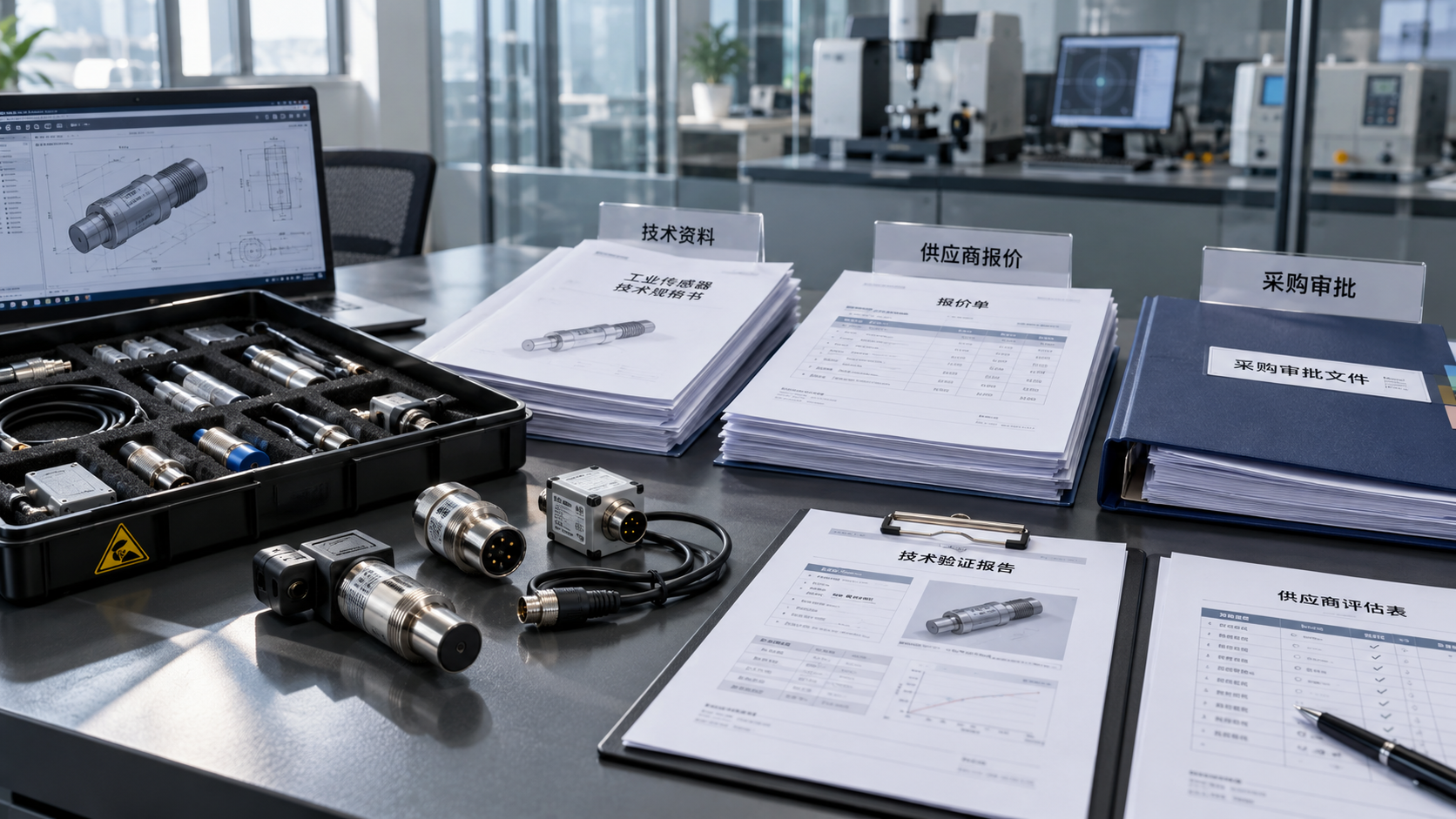
If a manufacturer considers domestic SiC alternatives, the impact is not limited to purchasing cost. It may extend to engineering change control, specification matching, sample validation, lifetime testing, test report updates, and customer approval cycles.
Supply chain service providers must manage delivery visibility
Supply chain service providers, including logistics coordinators, import service partners, and inventory planning providers, may face more frequent delivery schedule revisions as overseas importers reassess purchasing lists and lead-time strategies.
They may need to monitor backlog order status, allocation changes, arrival windows, and documentation consistency. For high-voltage power devices, traceability and shipment records may become more important when customers compare imported devices with domestic substitutes.
Operational Priorities for Companies Reviewing SiC Sourcing
Recheck qualification, certification, and customer approval files
Companies considering a shift from imported 1200V SiC MOSFETs to domestic alternatives should review whether existing product certifications, customer approval records, and technical documentation allow device substitution. In many power electronics applications, a device change can require updated validation evidence rather than a simple purchasing decision.
Align specifications before changing tender or bid documents
For projects involving OBC, energy storage, or photovoltaic inverter supply, technical bid alignment should be handled carefully. Voltage rating, switching performance, thermal behavior, package compatibility, reliability evidence, and test documentation should be compared before procurement lists or tender specifications are revised.
Rebuild delivery plans around backlog price exposure
Because the announced price increase covers backlog orders, companies should review open orders, in-transit items, delivery commitments, and customer pricing clauses. Procurement plans may need to distinguish between urgent confirmed demand and orders that can be redirected to qualified alternatives.
Strengthen supplier qualification and after-sales traceability
If domestic SiC products are introduced, supplier qualification should cover technical support capability, quality tracking, replacement handling, and after-sales documentation. This is particularly relevant for OBC and energy storage applications, where field reliability and failure analysis records can influence customer acceptance.
Industry Reading: A Procurement Rule Reset, Not Just a Price Change
From an industry perspective, this event is more appropriately understood as a shift in procurement rules for high-end power semiconductors rather than a normal cost adjustment. The confirmed reason points to wafer capacity competition from AI data centers, which means buyers may need to treat supply access as a strategic variable.
Analysis shows that the widened cost-performance window for domestic SiC alternatives could make sourcing reviews more urgent in OBC, commercial and industrial energy storage, and photovoltaic inverter projects. However, this does not mean immediate replacement is guaranteed. Qualification, reliability validation, certification documentation, and customer approval remain practical barriers.
What deserves closer attention is the interaction between price changes and technical compliance. If buyers accelerate alternative sourcing without completing specification alignment and traceability preparation, short-term savings may create later risks in delivery acceptance, warranty handling, or certification maintenance.
Observably, overseas importers are already reassessing procurement lists and delivery schedules. As an analytical judgment, this may encourage more structured dual-sourcing strategies, especially where lead time and price certainty are becoming as important as device performance.
Measured Conclusion for the Power Electronics Market
Infineon's second 2026 price increase for 1200V SiC MOSFETs highlights the growing pressure on high-end power device supply under competing demand from AI data center capacity needs. For OBC, energy storage, and inverter customers, the event increases the urgency of reviewing cost, delivery, and qualification strategies.
The industry significance lies in the possible acceleration of domestic SiC evaluation, not in a guaranteed market replacement outcome. Companies should respond through verified technical comparison, disciplined supplier qualification, and careful contract review rather than relying on price movement alone.
Information Basis and Items to Monitor
This article is generated based on the user-provided news title, event date, and event summary. Specific official source links were not provided in the input and should be verified continuously.
For events of this type, relevant source categories may include company pricing notices, distributor communications, customer procurement updates, product qualification documents, certification records, and technical validation reports. No specific source link is cited here because none was provided in the input.
Follow-up monitoring should focus on detailed pricing execution, certification and qualification requirements, tender specification changes, customer feedback, supplier allocation practices, delivery schedule adjustments, and industry responses to domestic SiC alternatives.
Get weekly intelligence in your inbox.
No noise. No sponsored content. Pure intelligence.
 Apr 28, 2026When do rapid prototyping 3D printing services save real costWhen do rapid prototyping 3D printing services save real cost
 Apr 28, 2026What Can Go Wrong in Fan-out Wafer Level Pkg?What Can Go Wrong in Fan-out Wafer Level Pkg?
 Apr 28, 2026What Makes Optical LiDAR Modules Better for Autonomy?What Makes Optical LiDAR Modules Better for Autonomy?
 Apr 28, 20262026 Market Trends in Supply Chain Resilience for Fabs2026 Market Trends in Supply Chain Resilience for Fabs
 Oct 26, 2026How do buying decisions in the B2B market differ from those in B2C?How do buying decisions in the B2B market differ from those in B2C?
 Oct 26, 2026JW Insights’ 2026 SiC Report: Substrate Price Rebound Signals Industry Turning PointJW Insights’ 2026 SiC Report: Substrate Price Rebound Signals Industry Turning Point
 Oct 25, 2026How SiC power semiconductors for motor drives reduce switching lossesHow SiC power semiconductors for motor drives reduce switching losses
 Oct 25, 2026AI Overcapacity Fears Rattle US Chip Stocks as October Losses Reach $2.2 TrillionAI Overcapacity Fears Rattle US Chip Stocks as October Losses Reach $2.2 Trillion
 Oct 24, 2026How post-CMP cleaning materials affect wafer particle removalHow post-CMP cleaning materials affect wafer particle removal
 Oct 24, 2026AI, GaN and Robotics: What Comes Next for Power SemiconductorsAI, GaN and Robotics: What Comes Next for Power Semiconductors
 Oct 23, 2026How noise affects MEMS accelerometers in wearable medical devicesHow noise affects MEMS accelerometers in wearable medical devices
 Oct 23, 2026U.S. Commerce Announces Up to $389 Million in CHIPS R&D FundingU.S. Commerce Announces Up to $389 Million in CHIPS R&D Funding
 Oct 22, 2026How to avoid counterfeit power conversion components in the Middle EastHow to avoid counterfeit power conversion components in the Middle East
 Oct 22, 2026Nvidia Partners Expand AI Supply Chain; Amkor Plans Over 300% Capacity IncreaseNvidia Partners Expand AI Supply Chain; Amkor Plans Over 300% Capacity Increase
 Oct 21, 2026When are portable solar panels cost-effective for remote worksites?When are portable solar panels cost-effective for remote worksites?
 Oct 21, 2026Infineon and Wolfspeed Sign Multiyear 8-Inch SiC Wafer Supply AgreementInfineon and Wolfspeed Sign Multiyear 8-Inch SiC Wafer Supply Agreement
 Oct 20, 2026Can FFU systems alone achieve ISO 14644-1 Class 1 cleanliness?Can FFU systems alone achieve ISO 14644-1 Class 1 cleanliness?
 Oct 20, 2026Aixtron Q3 Orders More Than Double as Orders and Profit Beat ExpectationsAixtron Q3 Orders More Than Double as Orders and Profit Beat Expectations
 Oct 19, 2026How to evaluate power semiconductor suppliers for supply continuityHow to evaluate power semiconductor suppliers for supply continuity
 Oct 18, 2026How system-in-package technology reduces PCB space in wearablesHow system-in-package technology reduces PCB space in wearables
 Oct 17, 2026How to size gate resistors in 1200 V SiC power semiconductor designsHow to size gate resistors in 1200 V SiC power semiconductor designs
 Oct 16, 2026How to select 1200 V SiC MOSFETs for 800 V EV traction invertersHow to select 1200 V SiC MOSFETs for 800 V EV traction inverters
 Oct 15, 2026What voltage rating do SiC power modules for railway traction need?What voltage rating do SiC power modules for railway traction need?
 Oct 14, 2026How third-generation semiconductors achieve high breakdown voltagesHow third-generation semiconductors achieve high breakdown voltages
 Oct 13, 2026When does parallel testing cut high-volume semiconductor testing costs?When does parallel testing cut high-volume semiconductor testing costs?
 Oct 12, 2026Industrial Accelerometer Specifications for Machine Vibration MonitoringIndustrial Accelerometer Specifications for Machine Vibration Monitoring
 Oct 12, 2026What Makes an Industrial Gas Sensor Supplier Reliable for Long-Term Supply?What Makes an Industrial Gas Sensor Supplier Reliable for Long-Term Supply?