IC Cleaning Solvents: How Purity Levels Affect Defect Reduction
In IC manufacturing, even trace contamination can trigger yield loss, reliability risks, and costly rework. For quality control and safety teams, understanding how solvent purity levels influence particle, ionic, and organic residue removal is essential. This article explains why choosing a qualified High-Purity Chemicals supplier is critical to defect reduction, process stability, and compliance in advanced semiconductor cleaning environments.
Why purity requirements vary so much by cleaning scenario
Not every IC cleaning step carries the same contamination risk. A solvent that performs adequately in a general metal parts cleaning line may be unacceptable in wafer fabrication, advanced packaging, MEMS processing, or post-etch residue removal. For quality control personnel, the key issue is not simply whether a solvent is “clean,” but whether its actual purity profile matches the defect sensitivity of the process step. For safety managers, the decision also extends to storage stability, operator exposure, compatibility with delivery systems, and change-control discipline.
In semiconductor environments, purity is multidimensional. Particle count affects surface defects and pattern collapse risk. Ionic contamination can alter electrical behavior, accelerate corrosion, or reduce long-term reliability. Organic trace residues can interfere with adhesion, wire bonding, underfill performance, or photoresist behavior. Water content may influence solvency, drying performance, and reaction byproducts. Because each process step prioritizes these risks differently, the same grade of solvent will not deliver the same defect reduction outcome in every application.
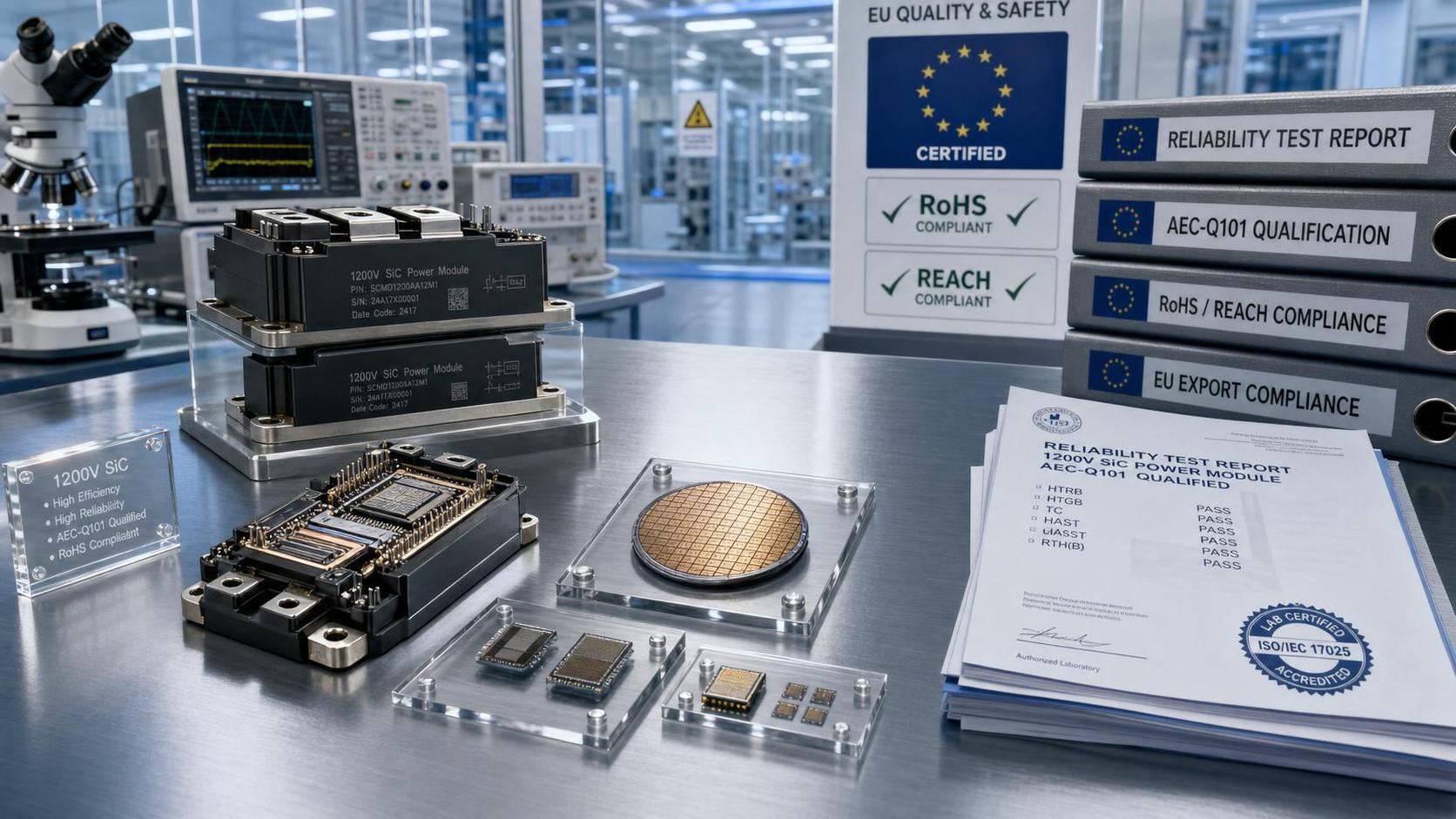
This is why a dependable High-Purity Chemicals supplier matters beyond procurement. A qualified supplier supports incoming quality verification, lot traceability, certificate consistency, impurity trend analysis, and alignment with SEMI-oriented cleanliness expectations. In mature-node fabs, OSAT facilities, sensor assembly lines, and industrial electronics plants, supplier discipline often becomes the hidden factor behind stable yield.
Typical IC cleaning scenarios and what purity level really affects
To make solvent selection practical, it helps to evaluate purity by application scenario rather than by generic marketing grade. The table below shows how priorities shift depending on where the solvent is used.
Scenario 1: Front-end wafer processing needs the tightest impurity control
In front-end fabrication, defect sensitivity is extremely high because contamination introduced early can multiply through later lithography, deposition, and etch steps. Even if a solvent removes visible residue, submicron particles or metallic ions can remain on the wafer and become latent yield killers. Here, quality teams should evaluate more than the headline purity percentage. A solvent labeled 99.9% pure may still be unsuitable if the remaining fraction includes harmful sodium, potassium, calcium, iron, sulfate, or particulate contamination.
For this scenario, a High-Purity Chemicals supplier should provide batch-level data on particle control, trace metal content, water content, and container cleanliness. Incoming inspection should also confirm whether the supplier’s packaging process protects against contamination during filling, transport, and point-of-use connection. In many cases, the solvent itself is not the only variable; drums, valves, transfer lines, and filters can all reintroduce defects if supplier controls are weak.
Safety managers in this environment should verify closed-transfer capability, chemical compatibility with dispensing hardware, and emergency handling procedures. Ultra-clean materials that are mishandled can quickly lose their value. For front-end use, purity must be protected operationally, not just specified on paper.
Scenario 2: Post-etch and photoresist cleaning depends on organic purity and residue behavior
A second common scenario is post-etch residue removal or photoresist strip support cleaning. In this application, the risk often comes from incomplete dissolution, reaction byproducts, or residual films that interfere with subsequent deposition or pattern fidelity. Here, the question is not only “How pure is the solvent?” but also “What type of impurity remains after evaporation or contact with process chemistry?”
Solvents with elevated nonvolatile residue may leave thin films that pass casual inspection yet still affect adhesion or electrical continuity. Moisture fluctuations can also change stripping performance and create process instability between lots. Quality teams should therefore compare purity data with actual use-case metrics such as contact angle, residue mapping, post-clean microscopy, and downstream process variation. A reliable High-Purity Chemicals supplier will support this correlation instead of offering only generic specification sheets.
For safety teams, this scenario often involves heated baths, ventilation demands, flammability management, and operator handling frequency. A technically strong supplier helps standardize safety data, storage conditions, and substitution assessments if a process change is needed.
Scenario 3: Advanced packaging requires purity that protects interconnect reliability
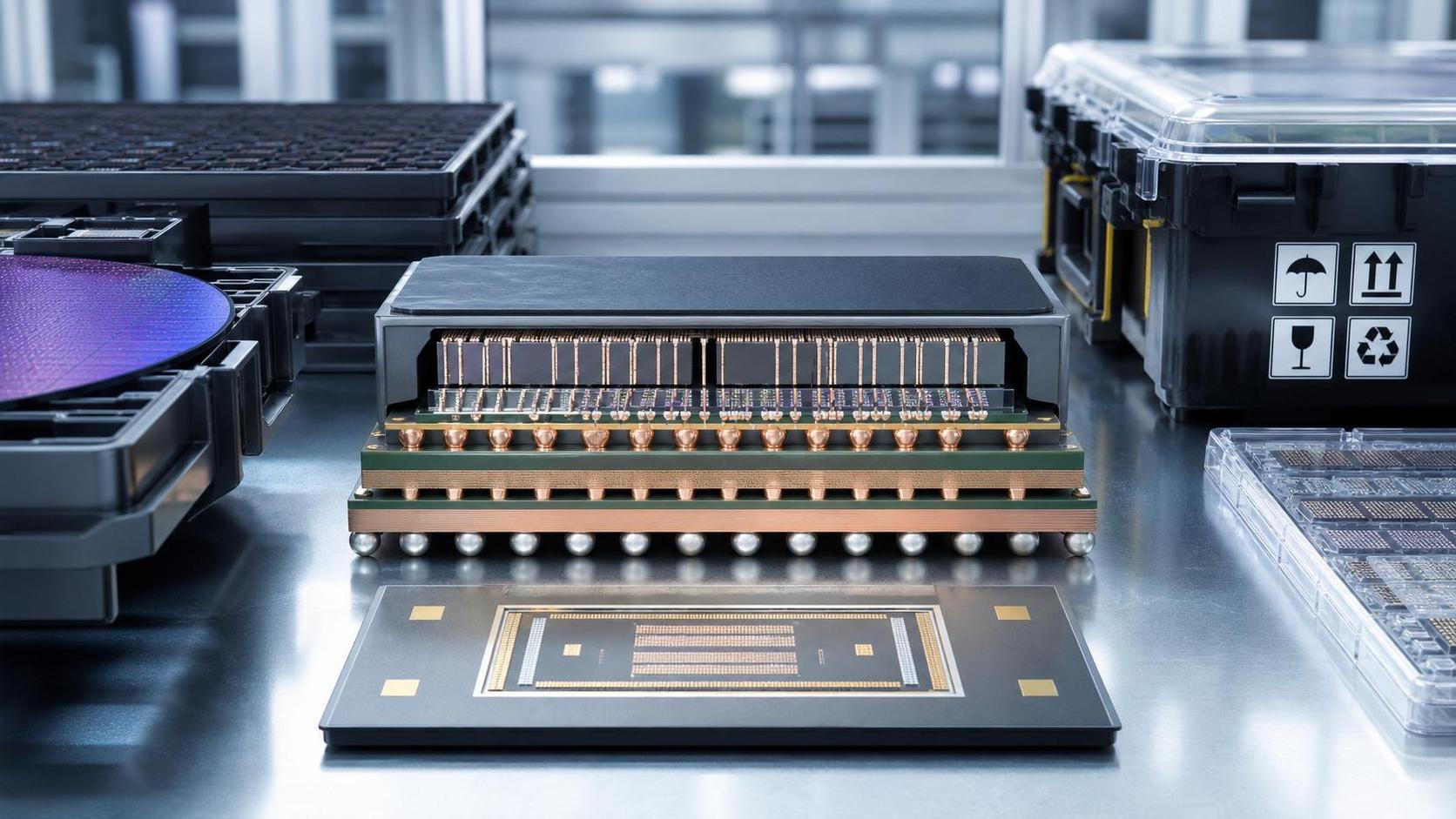
In advanced packaging, including wafer bumping, flip-chip, 2.5D integration, and chiplet assembly, solvent cleanliness directly influences bonding and interconnection reliability. Surface contamination can weaken solder wetting, reduce underfill adhesion, trigger delamination, or cause intermittent electrical failure during thermal cycling. In these cases, ionic contamination and organic residue are often more damaging than visible particles alone.
Quality control personnel should focus on the interaction between solvent purity and assembly outcomes: bond pull strength, shear performance, void formation, moisture sensitivity, and long-term thermal reliability. A High-Purity Chemicals supplier serving packaging operations should be able to demonstrate consistency across lots, because small shifts in nonvolatile residue or ionic profile may not show up immediately but can emerge during stress testing or field use.
This is especially relevant for suppliers serving Global Top 500 manufacturers, automotive electronics, and industrial IoT hardware, where compliance expectations align with AEC-oriented reliability thinking and strict traceability culture. A cheaper solvent can become far more expensive if it creates sporadic package failures months later.
Scenario 4: MEMS and sensor cleaning adds functional sensitivity, not just cosmetic cleanliness
MEMS and smart sensor manufacturing introduces another layer of complexity. These devices are highly sensitive to residue, stiction, micro-particle obstruction, and surface chemistry changes. In pressure sensors, inertial sensors, optical sensors, or industrial-grade sensing modules, a trace film can alter movement, response time, calibration stability, or long-term drift. That means solvent purity affects functional output, not only visual cleanliness.
For this scenario, QC teams should assess whether the chosen solvent supports stable drying, low residue, and compatibility with delicate structures. Functional testing should be linked to cleaning chemistry decisions. If a line experiences unexplained drift, intermittent offset, or reduced sensitivity, solvent impurity variation is a plausible root cause that is often overlooked. Working with a High-Purity Chemicals supplier familiar with semiconductor and sensory-infrastructure applications can help identify these hidden interactions earlier.
How different teams should judge solvent suitability
The same solvent may appear acceptable to procurement, while failing the standards of quality or safety teams. A practical evaluation framework should reflect each role’s priorities.
Common misjudgments that increase defect risk
One frequent mistake is treating purity percentage as the only decision metric. A nominally high assay value does not reveal which impurities are present or how harmful they are to the target process. Another common error is qualifying a solvent in a pilot run and then assuming every future lot will behave identically, even though packaging, filtration, or raw material sourcing may change.
A third misjudgment is separating quality and safety reviews too sharply. For instance, a solvent transfer setup that exposes product to ambient contamination is both a quality problem and an operational safety problem. Similarly, unclean dispensing hardware may produce defects that are wrongly blamed on the chemical itself. The strongest programs treat chemical purity, handling discipline, and equipment cleanliness as one integrated control chain.
Another overlooked issue is using a general industrial supplier for a semiconductor-cleaning application without confirming semiconductor-grade documentation depth. A capable High-Purity Chemicals supplier should understand trace-level contamination thresholds, change management expectations, and the documentation culture expected by advanced fabs, OSATs, and sensor manufacturers.
How to match supplier capability to your actual operating scenario
For mature-node fabs, the right approach is to prioritize batch reproducibility, contamination transparency, and defect correlation support. For advanced packaging plants, emphasize low residue behavior, interconnect reliability evidence, and lot traceability. For MEMS and sensor manufacturers, request proof of compatibility with sensitive structures and drying-critical processes. For mixed industrial electronics facilities, ensure the supplier can support both semiconductor-grade quality expectations and practical safety implementation on site.
G-SSI’s industry perspective is especially relevant here: the convergence of power semiconductors, advanced packaging, smart sensors, high-purity electronic chemicals, and fabrication environment control means purity decisions can no longer be isolated. They are part of a larger reliability and infrastructure strategy. A solvent is not just a consumable; it is a process integrity input.
FAQ: practical questions from quality and safety teams
Is a higher purity grade always better?
Not automatically. Higher purity is valuable only when the impurity profile aligns with the failure risks of the process step. The right grade is scenario-dependent and should be verified against defect and reliability data.
What should be included in supplier qualification?
Beyond standard documentation, include lot consistency review, impurity trend history, packaging cleanliness, change-notification policy, transport controls, and support for root-cause analysis. A strong High-Purity Chemicals supplier should function as a technical partner, not only a vendor.
How often should solvent purity be revalidated?
Revalidation should occur after supplier changes, packaging changes, process shifts, unexplained defect excursions, and on a periodic risk-based schedule. High-sensitivity lines generally require tighter review cycles.
Final takeaway for scenario-based decision making
Purity levels affect defect reduction differently across wafer fabrication, post-etch cleaning, advanced packaging, MEMS production, and maintenance support operations. The best choice depends on the contamination mode that matters most in your line: particles, ions, organics, moisture, or residue after evaporation. For quality control and safety management teams, the most effective strategy is to evaluate solvent purity through a real operating scenario, not through a generic label.
If your organization is reviewing cleaning chemistry for yield improvement, process stability, or compliance readiness, start by mapping each cleaning step to its actual defect sensitivity and handling risks. Then compare supplier capability, not just price. A qualified High-Purity Chemicals supplier can help reduce hidden contamination pathways, support more stable production, and strengthen confidence in semiconductor cleaning environments where precision leaves no room for compromise.
Get weekly intelligence in your inbox.
No noise. No sponsored content. Pure intelligence.
 Apr 28, 2026When do rapid prototyping 3D printing services save real costWhen do rapid prototyping 3D printing services save real cost
 Apr 28, 2026What Can Go Wrong in Fan-out Wafer Level Pkg?What Can Go Wrong in Fan-out Wafer Level Pkg?
 Apr 28, 2026What Makes Optical LiDAR Modules Better for Autonomy?What Makes Optical LiDAR Modules Better for Autonomy?
 Apr 28, 20262026 Market Trends in Supply Chain Resilience for Fabs2026 Market Trends in Supply Chain Resilience for Fabs
 Jun 21, 2026Japan Updates JIS C 5400-2026 for ISO Class 1 FFU TestingJapan Updates JIS C 5400-2026 for ISO Class 1 FFU Testing
 Jun 21, 2026Infineon-JCET Consortium Wins 2.5D SiP Order at PCIM AsiaInfineon-JCET Consortium Wins 2.5D SiP Order at PCIM Asia
 Jun 21, 2026SEMI China Sets New Export Packaging BarSEMI China Sets New Export Packaging Bar
 Jun 21, 2026BIS Listing Update Puts Chinese GaN Module Packaging Under ReviewBIS Listing Update Puts Chinese GaN Module Packaging Under Review
 Jun 21, 2026EU Sets Mandatory SiC MOSFET Efficiency PathEU Sets Mandatory SiC MOSFET Efficiency Path
 Jun 20, 2026Solar Water Heaters: Installation Mistakes That Raise Energy CostsSolar Water Heaters: Installation Mistakes That Raise Energy Costs
 Jun 20, 2026Orthopedic Implants: How to Compare Materials, Fit, and Long-Term OutcomesOrthopedic Implants: How to Compare Materials, Fit, and Long-Term Outcomes
 Jun 20, 2026Manufacturing Trends Reshaping Cost, Capacity, and Lead Times in 2026Manufacturing Trends Reshaping Cost, Capacity, and Lead Times in 2026
 Jun 20, 2026How Semiconductor Supply Chain Precision Reduces Yield and Delivery RiskHow Semiconductor Supply Chain Precision Reduces Yield and Delivery Risk
 Jun 20, 2026Third-Generation Semiconductors: Key Use Cases and 2026 Market ShiftsThird-Generation Semiconductors: Key Use Cases and 2026 Market Shifts
 Jun 20, 2026FDA Tightens Import Review for IC Cleaning SolventsFDA Tightens Import Review for IC Cleaning Solvents
 Jun 20, 2026GaN Module Buying Rises, but Local Packaging Becomes KeyGaN Module Buying Rises, but Local Packaging Becomes Key
 Jun 20, 2026METI Tightens Import Rules for Sub-ppb Electronic GasesMETI Tightens Import Rules for Sub-ppb Electronic Gases
 Jun 20, 2026SEMI Clarifies Export Boundaries for TSV and μBump ChipletsSEMI Clarifies Export Boundaries for TSV and μBump Chiplets
 Jun 20, 2026Wolfspeed SiC Certification Raises EU Import BarWolfspeed SiC Certification Raises EU Import Bar
 Jun 19, 2026SiC vs IGBT for EV Charging Station EfficiencySiC vs IGBT for EV Charging Station Efficiency
 Jun 19, 2026Heavy Duty Shelving: Load Limits, Layout, and SafetyHeavy Duty Shelving: Load Limits, Layout, and Safety
 Jun 19, 2026Cold Chain Logistics Failures and How to Prevent LossCold Chain Logistics Failures and How to Prevent Loss
 Jun 19, 2026Port Automation Tech: Where ROI Improves FirstPort Automation Tech: Where ROI Improves First
 Jun 19, 2026Supply Chain Shifts Reshaping Inventory Risk in 2026Supply Chain Shifts Reshaping Inventory Risk in 2026
 Jun 19, 2026SEMI China White Paper Maps Export Rules for Gas SensorsSEMI China White Paper Maps Export Rules for Gas Sensors
 Jun 19, 2026PCIM Europe 2026 Signals Shift to GaN Die SourcingPCIM Europe 2026 Signals Shift to GaN Die Sourcing
 Jun 19, 2026JETRO Tightens UPW Skid Import Documentation for JapanJETRO Tightens UPW Skid Import Documentation for Japan