Semiconductor Fabrication Standards That Influence Supplier Approval
For quality and safety teams, Semiconductor Fabrication standards are not just technical references. They are practical tools for deciding whether a supplier can consistently meet contamination control, traceability, reliability, and process discipline requirements. In supplier approval, the real question is rarely “Does this vendor mention SEMI or ISO?” It is “Which standards materially affect product quality, manufacturing risk, audit readiness, and long-term supply stability?”
The short answer is that supplier approval in semiconductor fabrication is most strongly influenced by standards tied to quality management, cleanroom and contamination control, EHS compliance, metrology competence, materials handling, and product reliability expectations. For quality control and safety managers, the value lies in knowing which standards are foundational, which are application-specific, and how to translate them into a practical approval checklist.
This article focuses on that decision-making layer. Rather than giving a broad overview of the semiconductor industry, it explains which standards matter most during supplier qualification, what they reveal about supplier capability, and how quality and safety teams can use them to reduce approval mistakes.
What is the real search intent behind “Semiconductor Fabrication standards” in supplier approval?
For the target reader, the search intent is highly practical. They are usually trying to evaluate, shortlist, audit, or re-approve suppliers involved in wafer fabrication, packaging-related support, high-purity chemicals, cleanroom systems, gases, consumables, metrology, or process-support services. They do not just want a list of standards. They want to understand which standards affect approval decisions and how those standards connect to operational risk.
That means the most useful content is not a theoretical summary of all semiconductor regulations. It is a decision-oriented explanation of the standards that indicate whether a supplier can support stable yield, safe operations, and customer compliance requirements. For quality teams, this often ties directly to defect prevention, audit evidence, CAPA maturity, and traceability. For safety teams, it often links to hazardous material handling, cleanroom discipline, emergency controls, and environmental compliance.
In other words, readers are looking for standards as approval signals. They want to know which certifications or compliance frameworks are meaningful, which claims need verification, and where hidden risks usually appear.
Why standards have such a strong influence on semiconductor supplier approval
Semiconductor manufacturing is unusually sensitive to variation. A supplier that performs adequately in a general industrial setting may still be unacceptable in fabrication environments because tiny deviations can affect yield, reliability, or contamination levels. This is why Semiconductor Fabrication standards influence approval so heavily: they provide a structured way to test whether the supplier operates with the discipline required by the fab environment.
For example, a chemical supplier may offer technically compliant material, but if its change control process is weak, impurity profiles can drift without timely notification. A filtration or gas-system supplier may have strong engineering capability, but if installation validation and particle control records are incomplete, the approval risk remains high. A test lab may generate acceptable-looking reports, but without formal competence under ISO/IEC 17025, the credibility of those results may be questioned during customer audits.
Supplier approval therefore becomes more than a procurement exercise. It is a risk-screening process. Standards help teams answer critical questions: Can this supplier maintain consistency? Can they detect nonconformity early? Can they manage contamination and safety hazards? Can they prove what happened if a failure occurs months later? The better the standards alignment, the lower the uncertainty.
Which standards matter most in practice?
Not every standard has equal weight in every approval workflow. The standards that matter most are usually those that prove control over quality systems, environmental conditions, measurement accuracy, and product or process reliability. For quality and safety managers, the following groups are the most influential.
1. ISO 9001: the baseline quality management signal
ISO 9001 is often the minimum starting point for supplier approval. On its own, it does not prove semiconductor-specific capability, but it shows whether the supplier has a structured quality management system, document control, corrective action processes, internal audits, and management review. For many suppliers outside the wafer fab core, this is the first screening standard.
However, quality teams should not overvalue the certificate itself. The real question is whether the quality system is mature enough for semiconductor-level change control, lot traceability, deviation handling, and customer notification. In a high-risk category, ISO 9001 is necessary but rarely sufficient.
2. ISO 14001 and ISO 45001: environmental and occupational safety control
For safety managers and EHS-linked approval teams, ISO 14001 and ISO 45001 are important because fabrication-related supply chains involve hazardous chemicals, specialty gases, waste streams, and strict operational controls. These standards do not replace technical process requirements, but they indicate whether the supplier systematically manages environmental impact and workplace safety.
This matters especially for suppliers of acids, solvents, photoresist-related materials, gas cabinets, abatement systems, scrubbers, and facilities services. A supplier with weak environmental or safety governance may become a major continuity risk even if its product performance appears acceptable.
3. ISO/IEC 17025: confidence in testing and calibration results
When supplier approval depends on analytical reports, particle testing, purity verification, failure analysis, calibration, or environmental monitoring, ISO/IEC 17025 becomes highly relevant. This standard addresses laboratory competence, method validation, measurement traceability, uncertainty, and result integrity.
For semiconductor buyers, this is especially important because decisions are often based on very tight tolerances. If a supplier’s lab data cannot withstand technical scrutiny, incoming qualification and ongoing monitoring become weaker. A reliable certificate of analysis is only valuable when the underlying measurement system is trustworthy.
4. SEMI standards: semiconductor-specific operational relevance
SEMI standards are among the most important semiconductor-specific references because they address equipment interfaces, safety, materials, environmental health, and manufacturing practices relevant to fabs. Depending on the supplier category, different SEMI documents may influence approval.
For example, SEMI S2 is widely referenced for EHS evaluation of semiconductor manufacturing equipment. It helps buyers assess machine safety, hazard controls, and compliance expectations. SEMI-related standards can also affect materials compatibility, equipment integration, automation communication, and contamination-sensitive applications.
The key point is that SEMI standards often carry more practical approval value than generic industrial standards when the supplier directly supports fabrication operations. For equipment, subsystem, and facilities suppliers, quality teams should check not only whether the supplier is “aware of SEMI,” but how they actually design, validate, and document to those expectations.
5. Cleanroom and contamination-control standards such as ISO 14644
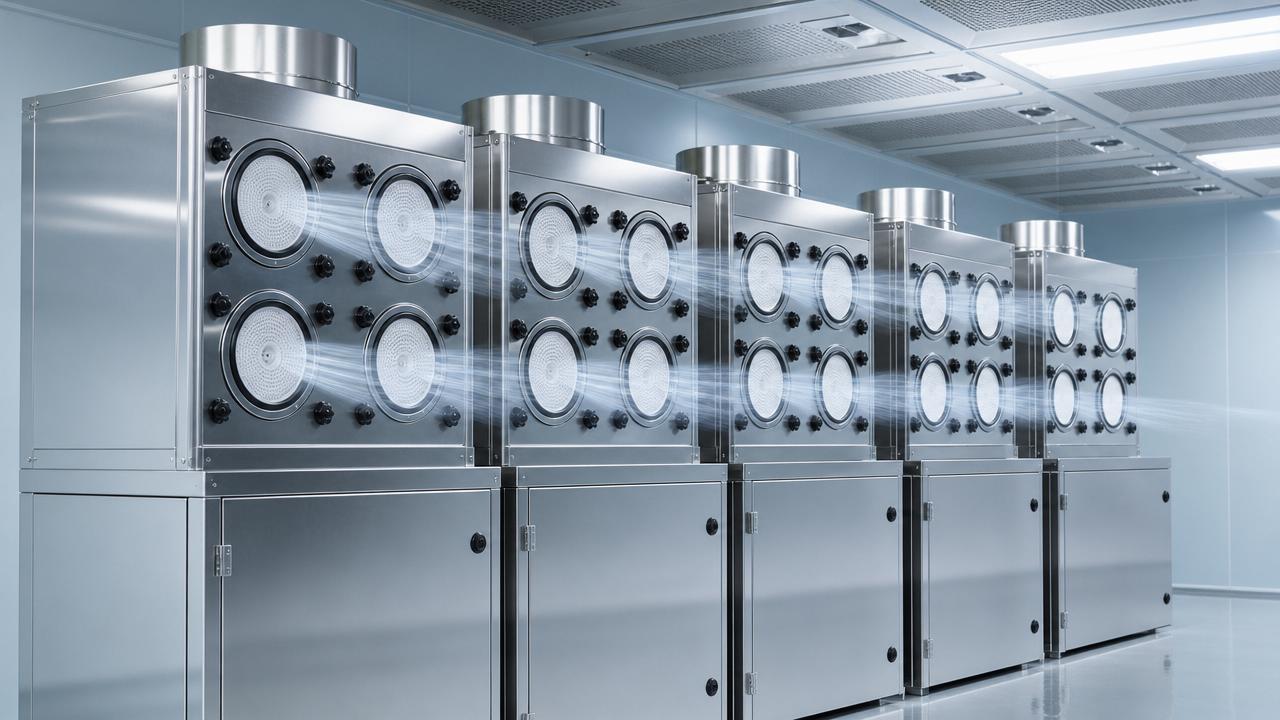
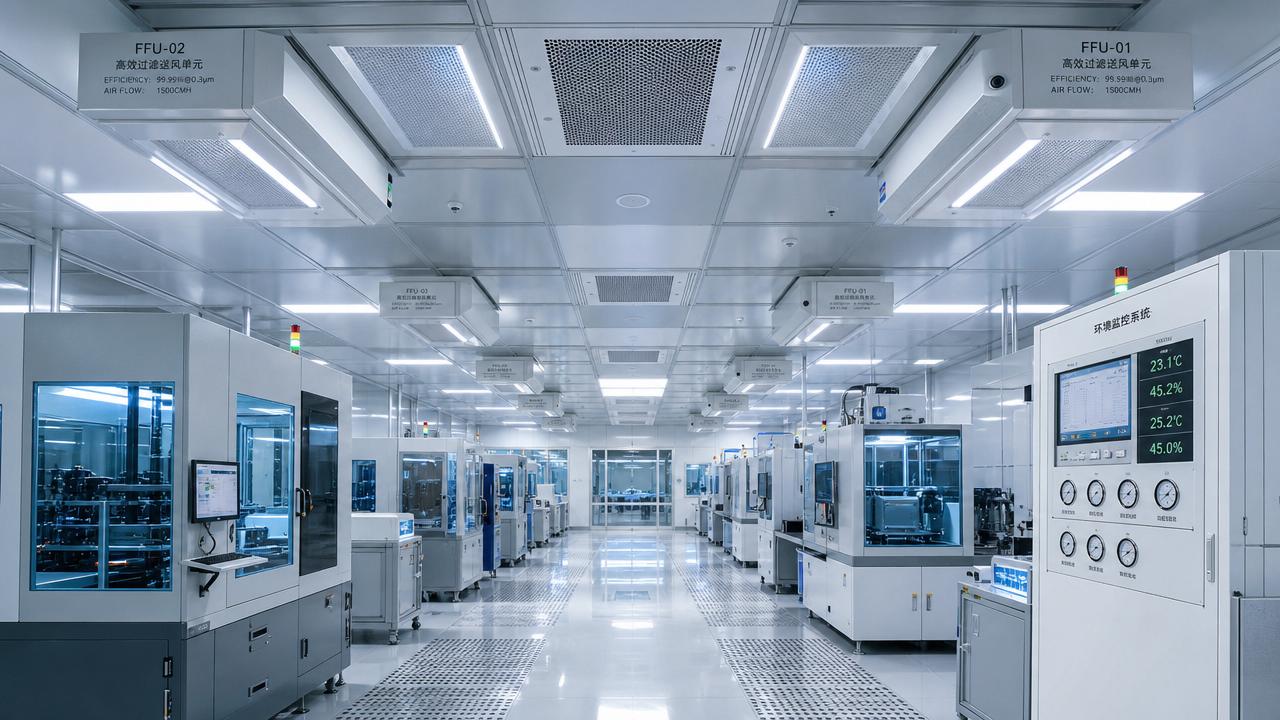
Semiconductor fabrication depends on strict environmental control. ISO 14644, which covers cleanrooms and controlled environments, is highly relevant for suppliers involved in cleanroom construction, maintenance, filtration, garments, packaging, transport, and contamination-sensitive assembly. A supplier supporting fab operations must be able to demonstrate control over airborne particles and, where relevant, other contamination pathways.
For approval teams, this standard becomes especially meaningful when the supplied product enters the cleanroom directly or affects process environment stability. Documentation should go beyond a claim of “cleanroom compatible” and include classification, monitoring practices, handling controls, packaging discipline, and deviation response.
6. Reliability-related standards and customer-specific requirements
In some cases, product approval is influenced by standards associated with downstream reliability expectations, such as AEC-Q100 for automotive integrated circuits or customer-specific reliability protocols for power semiconductors, sensors, and industrial electronics. These may not be fabrication standards in the narrowest sense, but they strongly affect supplier approval because upstream process variation can compromise downstream qualification.
For quality personnel, this means supplier approval should consider the end-market context. A supplier serving automotive, industrial control, data infrastructure, or power conversion applications may face much tighter approval expectations than one serving less critical markets.
What quality and safety teams care about most during supplier evaluation
In practice, target readers usually care less about the abstract wording of standards and more about the risks hidden behind them. Several concerns come up repeatedly in semiconductor-related supplier approval.
Can the supplier control contamination at the level our process requires?
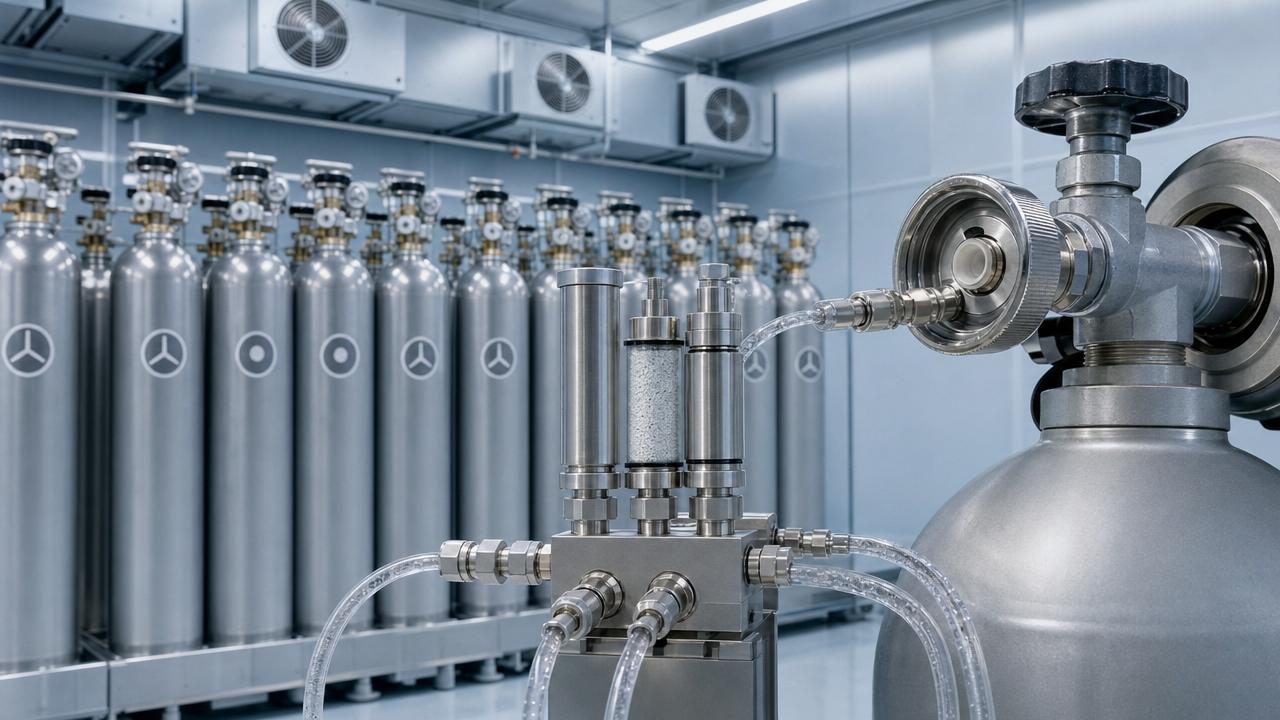
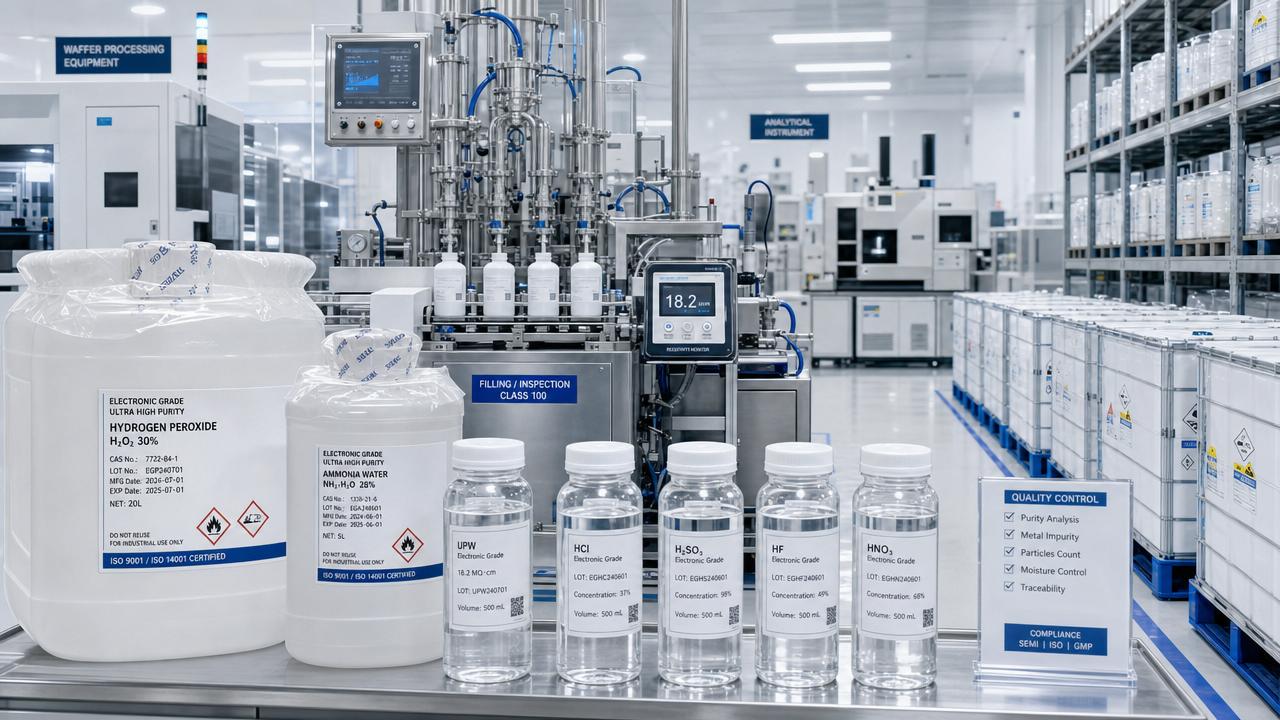
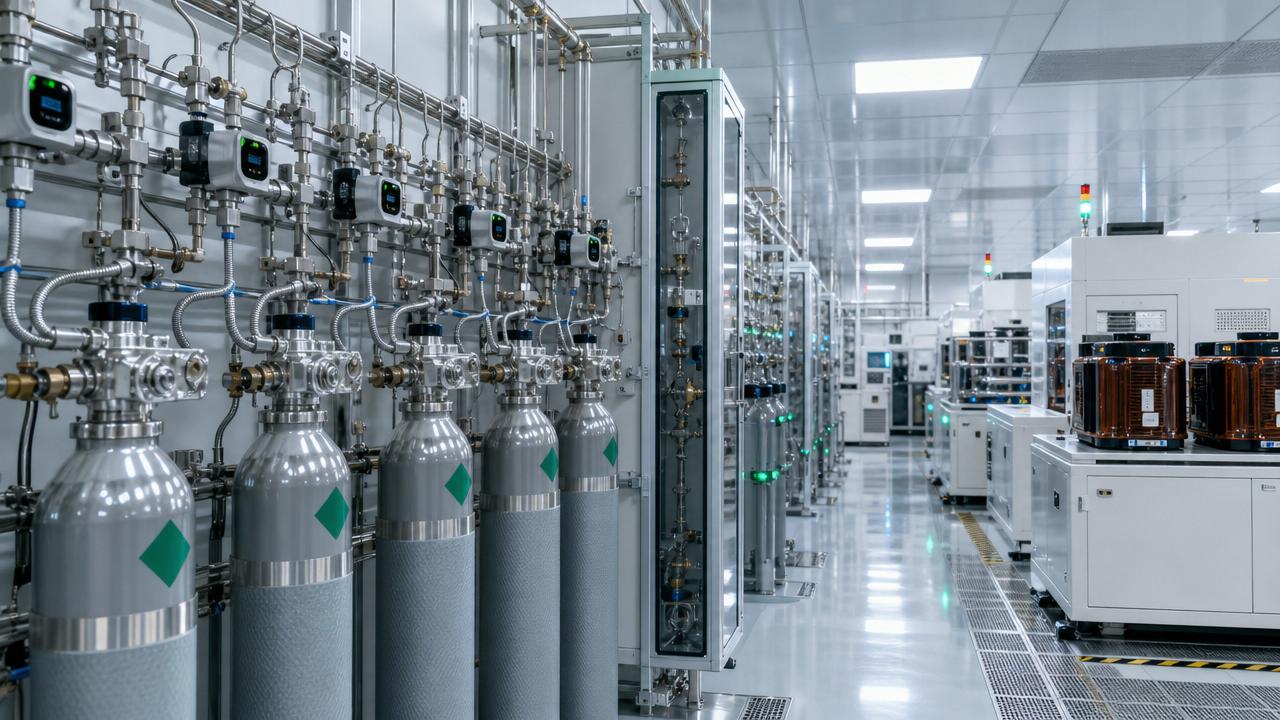
This is often the first real concern, especially for chemicals, gases, packaging, consumables, and cleanroom-facing components. Particle levels, metallic contamination, outgassing behavior, moisture control, and packaging integrity can all affect process stability. Teams want proof that contamination risks are understood, measured, and prevented—not just addressed after failures occur.
Is traceability complete enough to support root-cause analysis?
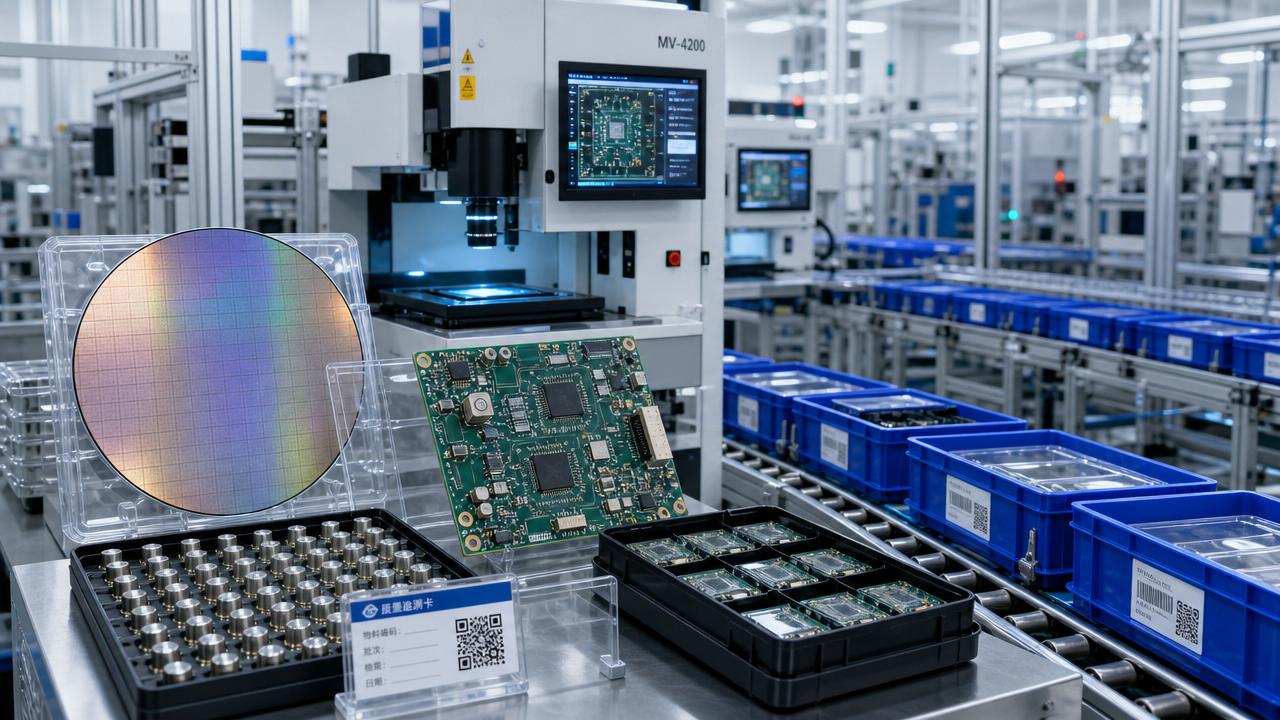
When a fab excursion happens, incomplete traceability can turn a manageable issue into a major containment event. Quality teams therefore want lot-level traceability, raw material linkage, process history, change records, and retention of relevant quality data. Standards matter here because they often define the structure and discipline needed to preserve those records reliably.
Does the supplier have disciplined change management?
Many semiconductor supplier failures are not caused by obvious nonconformance. They are caused by poorly controlled change: a new sub-supplier, an altered cleaning step, a modified package material, a changed transport method, or a relocated production line. Strong standards alignment should show up in formal change control, impact assessment, notification timing, and requalification triggers.
Can the supplier support audits and recurring compliance demands?
Approval is not a one-time event. If a supplier cannot sustain audit readiness, document retrieval, CAPA follow-up, and regular performance review, they may create long-term quality friction. Quality and safety managers value suppliers that can provide evidence quickly, clearly, and consistently.
How to use Semiconductor Fabrication standards as an approval framework
The most effective approach is to use standards as part of a tiered approval model instead of treating all suppliers the same. This improves both risk control and approval efficiency.
Tier 1: baseline system qualification
At this level, teams verify foundational management systems such as ISO 9001, and where relevant, ISO 14001 or ISO 45001. The purpose is to confirm that the supplier has basic quality, environmental, and safety governance in place. This stage also screens for obvious gaps in documentation, leadership accountability, and nonconformance handling.
Tier 2: process and application-specific fit
Next, teams evaluate whether the supplier meets semiconductor-relevant operational standards. This may include SEMI expectations, ISO 14644 cleanroom controls, EHS equipment assessments, purity management, calibration competence, and handling requirements tied to the actual supplied product or service.
This stage is where many approval decisions should be made. A supplier may pass baseline qualification yet still be unsuitable for a contamination-sensitive or safety-critical application.
Tier 3: evidence of sustained capability
Finally, teams should review evidence that the supplier can maintain compliance over time. This includes audit findings, response quality, process capability trends, complaint rates, SCAR performance, preventive action maturity, and management of change. The goal is not only to confirm current conformity but to predict future reliability.
Common approval mistakes when interpreting standards
One common mistake is accepting a certification at face value without checking its scope. A supplier may hold ISO 9001 certification for a sales office or a limited manufacturing activity that does not cover the product or facility under review. Approval teams should verify scope statements carefully.
Another mistake is assuming that general industrial compliance equals semiconductor readiness. Semiconductor fabrication has unusually strict expectations for cleanliness, process drift, analytical confidence, and notification discipline. Generic quality maturity may not be enough.
A third mistake is underestimating supplier sub-tier risk. A direct supplier may appear compliant, but if key purification, packaging, transport, or raw material steps are outsourced without equivalent controls, hidden risk remains. Semiconductor approvals should probe the critical sub-supplier chain.
Finally, some organizations over-focus on documentation and under-focus on execution. Standards influence supplier approval because they should reflect operating behavior. Site audits, process walkthroughs, sample records, and deviation case reviews often reveal more than certificates alone.
What a strong supplier approval checklist should include
For quality and safety teams, a useful checklist should connect standards to real control points. It should cover certification status and scope, but also contamination controls, analytical methods, calibration traceability, lot traceability, process change procedures, CAPA records, training discipline, EHS controls, emergency response readiness, and audit history.
It should also distinguish between critical and non-critical suppliers. For a supplier of ultrapure chemicals, specialty gases, wafer-contact materials, or fab equipment subsystems, the required evidence should be much deeper than for a low-risk indirect supplier. Standards provide structure, but risk classification determines how much proof is enough.
Conclusion: standards should guide approval, not replace judgment
Semiconductor Fabrication standards have a direct influence on supplier approval because they help quality and safety teams evaluate whether a supplier can support stable, compliant, and low-risk manufacturing performance. The most important standards are those that reveal system discipline, contamination control capability, metrology credibility, safety governance, and semiconductor-specific operational fit.
For practical supplier approval, the best approach is to look beyond certificates and ask what each standard proves in real operations. ISO 9001 may confirm baseline quality structure. ISO 14001 and ISO 45001 may indicate stronger environmental and safety governance. ISO/IEC 17025 may validate laboratory competence. SEMI standards and ISO 14644 often provide the semiconductor-specific depth needed for serious qualification decisions.
For quality control and safety professionals, the goal is not to collect the longest list of standards. It is to identify the standards that most reliably predict supplier performance, reduce approval uncertainty, and protect manufacturing continuity. When used this way, standards become not just compliance tools, but strategic filters for building a more resilient semiconductor supply base.
Get weekly intelligence in your inbox.
No noise. No sponsored content. Pure intelligence.
 Apr 28, 2026When do rapid prototyping 3D printing services save real costWhen do rapid prototyping 3D printing services save real cost
 Apr 28, 2026What Can Go Wrong in Fan-out Wafer Level Pkg?What Can Go Wrong in Fan-out Wafer Level Pkg?
 Apr 28, 2026What Makes Optical LiDAR Modules Better for Autonomy?What Makes Optical LiDAR Modules Better for Autonomy?
 Apr 28, 20262026 Market Trends in Supply Chain Resilience for Fabs2026 Market Trends in Supply Chain Resilience for Fabs
 May 09, 2026World's First 2.5D Chiplet Production Line Goes Live in SuzhouWorld's First 2.5D Chiplet Production Line Goes Live in Suzhou
 May 09, 2026Japan METI Expands KrF Photoresist Import Quota, Grants Fast-Track Clearance to Top Chinese SuppliersJapan METI Expands KrF Photoresist Import Quota, Grants Fast-Track Clearance to Top Chinese Suppliers
 May 09, 2026SEMI Updates AMC Filtration Standard F72-0526 with New Dynamic Adsorption Decay Rate RequirementSEMI Updates AMC Filtration Standard F72-0526 with New Dynamic Adsorption Decay Rate Requirement
 May 09, 2026EU Launches SiC MOSFET Carbon Footprint Verification PilotEU Launches SiC MOSFET Carbon Footprint Verification Pilot
 May 09, 2026US EPA Enacts Sub-ppb VOC Limits for Ultra-High-Purity GasesUS EPA Enacts Sub-ppb VOC Limits for Ultra-High-Purity Gases
 May 08, 2026Digital Infrastructure Standards: What to Track Before New System RolloutsDigital Infrastructure Standards: What to Track Before New System Rollouts
 May 08, 2026Sovereign Digital Infrastructure Development: Why It Matters for Industrial InvestmentSovereign Digital Infrastructure Development: Why It Matters for Industrial Investment
 May 08, 2026Supply Chain Resilience in Electronics Manufacturing Starts With Better Sourcing ChoicesSupply Chain Resilience in Electronics Manufacturing Starts With Better Sourcing Choices
 May 08, 2026Power Conversion Technology Trends to Watch in 2026Power Conversion Technology Trends to Watch in 2026
 May 08, 2026Third-Generation Materials for Power Semiconductors: Performance Trade-Offs to KnowThird-Generation Materials for Power Semiconductors: Performance Trade-Offs to Know
 May 08, 2026Third-Generation Semiconductors: Where the Market Is Moving NextThird-Generation Semiconductors: Where the Market Is Moving Next
 May 08, 2026Semiconductor Standards for Automotive: What Changes for Power ModulesSemiconductor Standards for Automotive: What Changes for Power Modules
 May 08, 2026Semiconductor Fabrication Standards That Influence Supplier ApprovalSemiconductor Fabrication Standards That Influence Supplier Approval
 May 08, 2026Reliability Standards Certification: A Practical Filter for Vendor ShortlistsReliability Standards Certification: A Practical Filter for Vendor Shortlists
 May 08, 2026Ultra-Pure Water Skids: Hidden Costs in System Sizing and MaintenanceUltra-Pure Water Skids: Hidden Costs in System Sizing and Maintenance
 May 08, 2026How AMC Filtration Supports Cleaner Process Conditions in Advanced FabsHow AMC Filtration Supports Cleaner Process Conditions in Advanced Fabs
 May 08, 2026Environment Control Solutions for Cleanrooms: What Impacts Air Stability MostEnvironment Control Solutions for Cleanrooms: What Impacts Air Stability Most
![]() May 08, 2026Why IC Cleaning Standards Matter More as Node Complexity IncreasesWhy IC Cleaning Standards Matter More as Node Complexity Increases
May 08, 2026Why IC Cleaning Standards Matter More as Node Complexity IncreasesWhy IC Cleaning Standards Matter More as Node Complexity Increases May 08, 2026Photoresist for KrF and ArF: What Changes in Process ControlPhotoresist for KrF and ArF: What Changes in Process Control
![]() May 08, 2026Electronic Chemicals for Semiconductor: How Contamination Impacts YieldElectronic Chemicals for Semiconductor: How Contamination Impacts Yield
May 08, 2026Electronic Chemicals for Semiconductor: How Contamination Impacts YieldElectronic Chemicals for Semiconductor: How Contamination Impacts Yield May 08, 2026High-Purity Chemicals Supplier: Key Questions Before You CommitHigh-Purity Chemicals Supplier: Key Questions Before You Commit
 May 08, 2026How to Evaluate a Special Gases Supplier for Long-Term Fab StabilityHow to Evaluate a Special Gases Supplier for Long-Term Fab Stability
![]() May 08, 2026Special Gases for Semiconductor Fabrication: Purity Risks You Should Not IgnoreSpecial Gases for Semiconductor Fabrication: Purity Risks You Should Not Ignore
May 08, 2026Special Gases for Semiconductor Fabrication: Purity Risks You Should Not IgnoreSpecial Gases for Semiconductor Fabrication: Purity Risks You Should Not Ignore