2026 Trade Intelligence Trends Reshaping Global Sourcing
In 2026, Trade Intelligence is no longer a support function inside global sourcing. It is becoming the decision framework behind supplier selection, technical validation, and long-range supply resilience.
That shift is especially visible in semiconductor, sensor, and industrial infrastructure markets, where a qualified source must meet performance, compliance, and continuity requirements at the same time.
The real challenge is not identifying factories. It is distinguishing dependable capability from commercial visibility, and aligning procurement choices with standards, geopolitical exposure, and product integrity.
For organizations operating across autonomous systems, power electronics, and digital infrastructure, better Trade Intelligence means fewer blind spots and more precise sourcing decisions.
Why Trade Intelligence matters more in 2026
Global sourcing used to reward scale, price leverage, and delivery speed. Those factors still matter, but they no longer provide enough protection in technically sensitive industries.
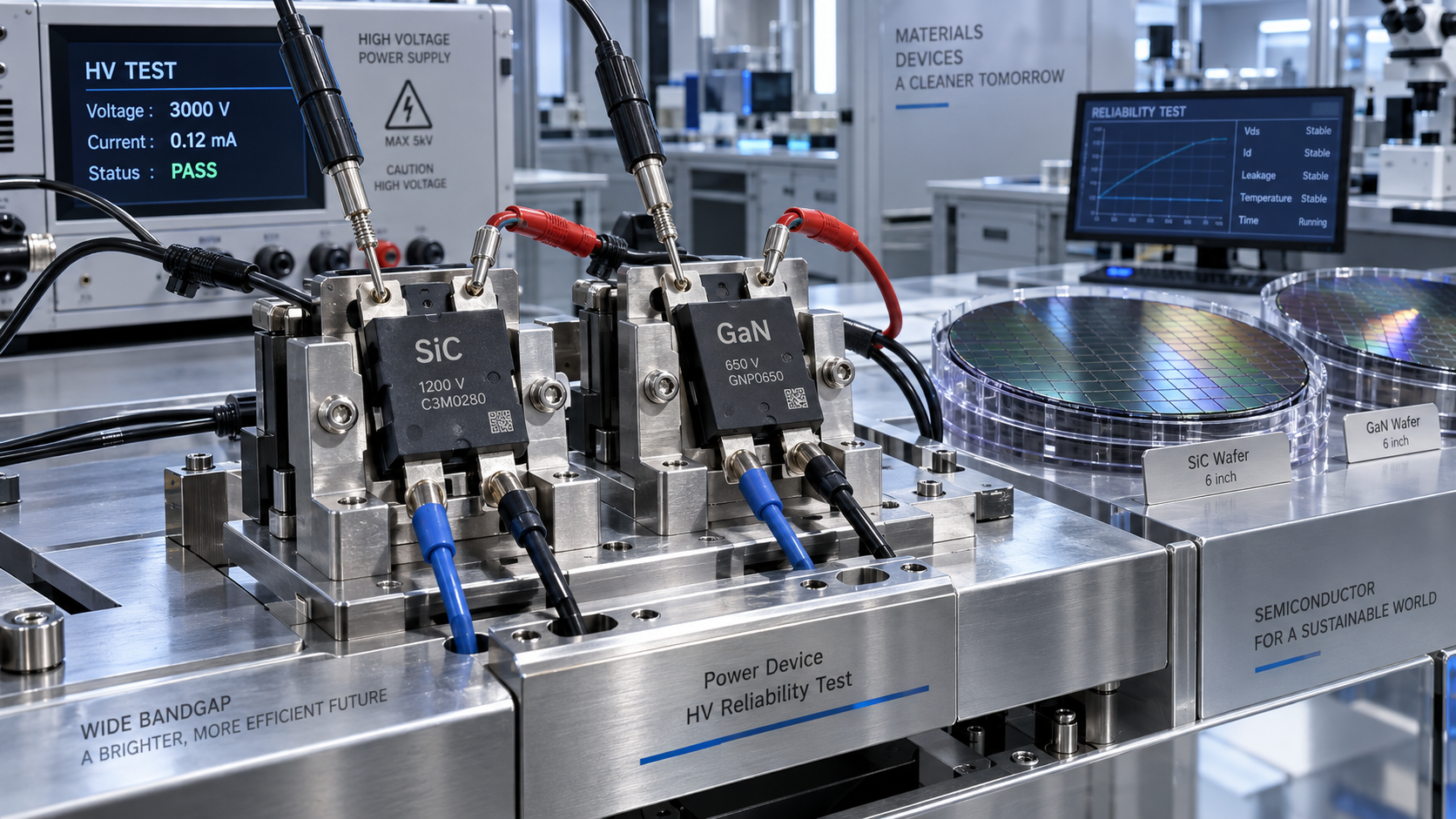
A supplier may offer attractive quotations yet fail under thermal stress, packaging reliability, contamination control, or test traceability. In semiconductor-linked sectors, such gaps become strategic risks.
Trade Intelligence helps convert fragmented market information into sourcing judgment. It combines supplier mapping, standards benchmarking, manufacturing signals, and regional capacity analysis.
This is where industry-specific context becomes critical. In silicon value chains, procurement quality depends on understanding process maturity, materials purity, and qualification discipline, not only commercial terms.
From supplier discovery to capability verification
One of the biggest 2026 trends is the move away from directory-style sourcing. Visibility is easy to obtain. Verification is harder, and more valuable.
Trade Intelligence now focuses on whether a supplier can repeatedly meet mission-critical specifications across batches, audits, and operating environments.
In practice, that means asking deeper questions:
- Is the fabrication process stable at the required node or material class?
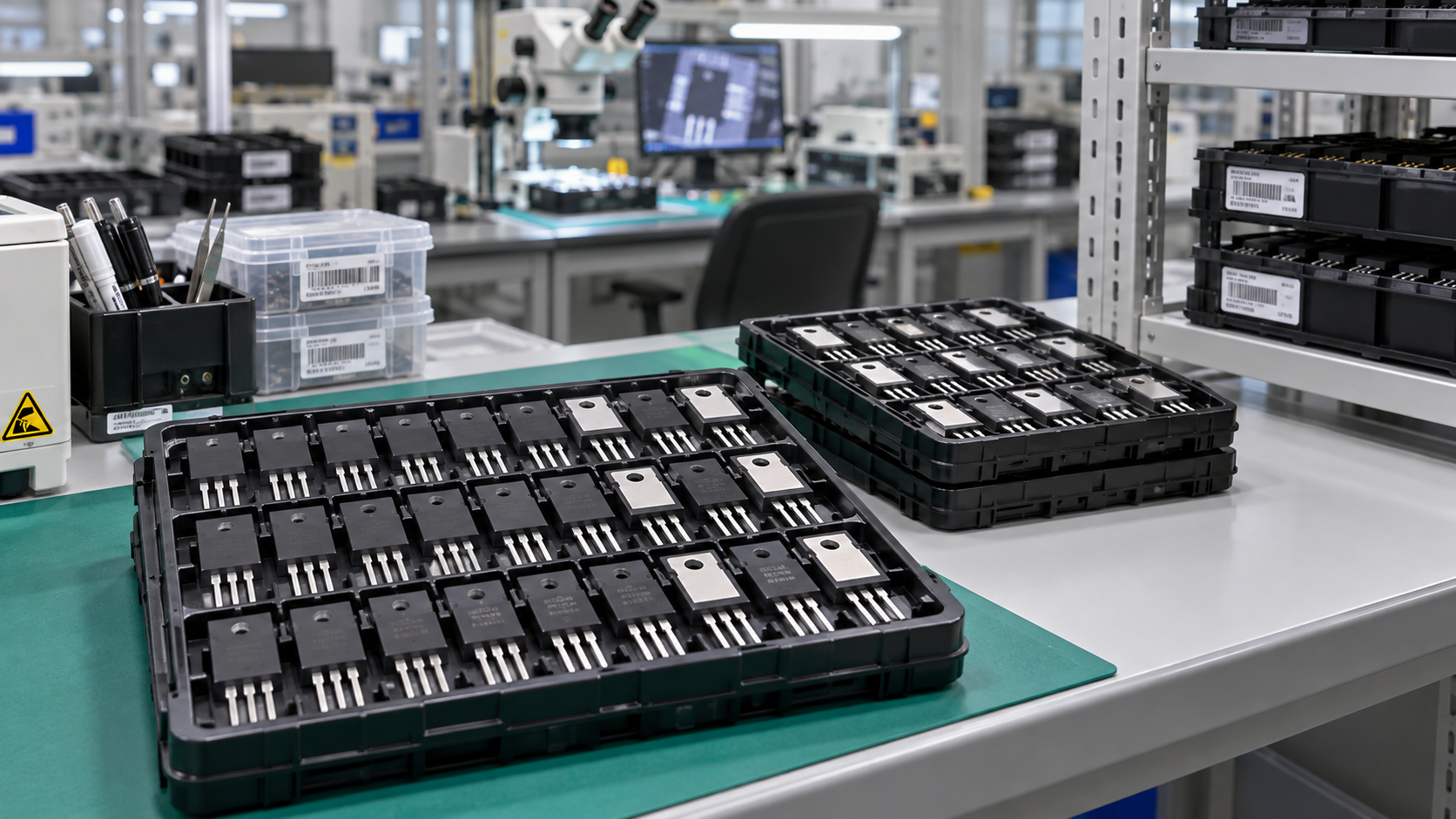
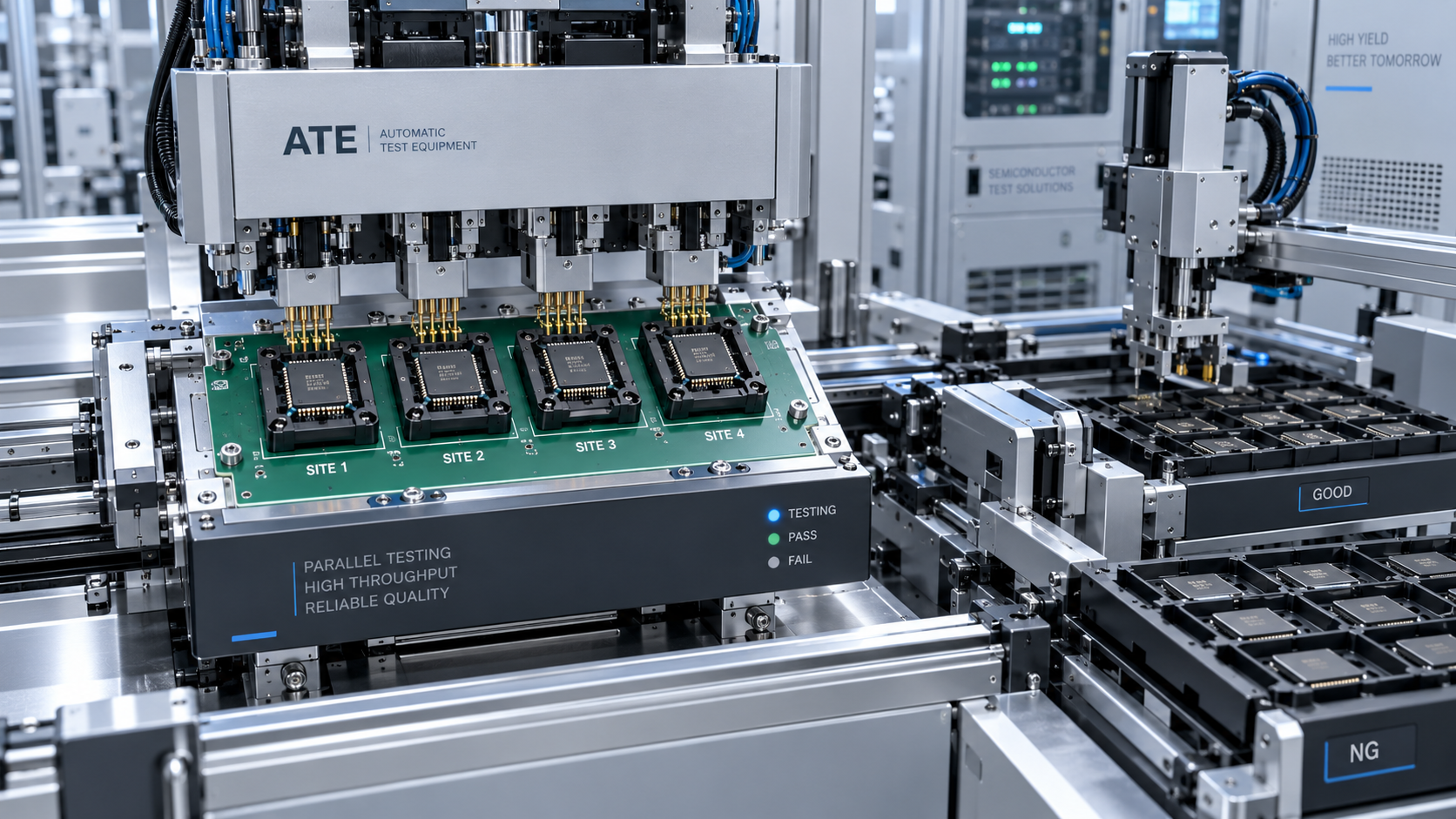
- Are packaging and testing methods aligned with target reliability levels?
- Can metrology, calibration, and environmental controls be independently verified?
- Does the supplier support recognized standards such as SEMI, AEC-Q100, or ISO/IEC 17025?
This deeper screening is particularly relevant when evaluating Chinese mature-node expansion against global performance expectations. Capacity growth alone does not equal international readiness.
The rise of standards-led sourcing intelligence
Another defining trend is the integration of technical standards into trade evaluation. Trade Intelligence increasingly starts with compliance evidence, not after-the-fact qualification.
This change is visible across five strategic areas of the silicon ecosystem, all central to G-SSI’s benchmarking framework.
In other words, Trade Intelligence is becoming more technical. That is a structural shift, not a temporary sourcing preference.
Regional diversification is becoming more nuanced
Diversification used to mean adding suppliers in new countries. In 2026, the stronger approach is capability-layer diversification.
A business may source mature-node components from one region, advanced packaging from another, and certified specialty gases from a third location.
Trade Intelligence supports this model by identifying where substitution is realistic and where it remains risky. Not every category is equally portable.
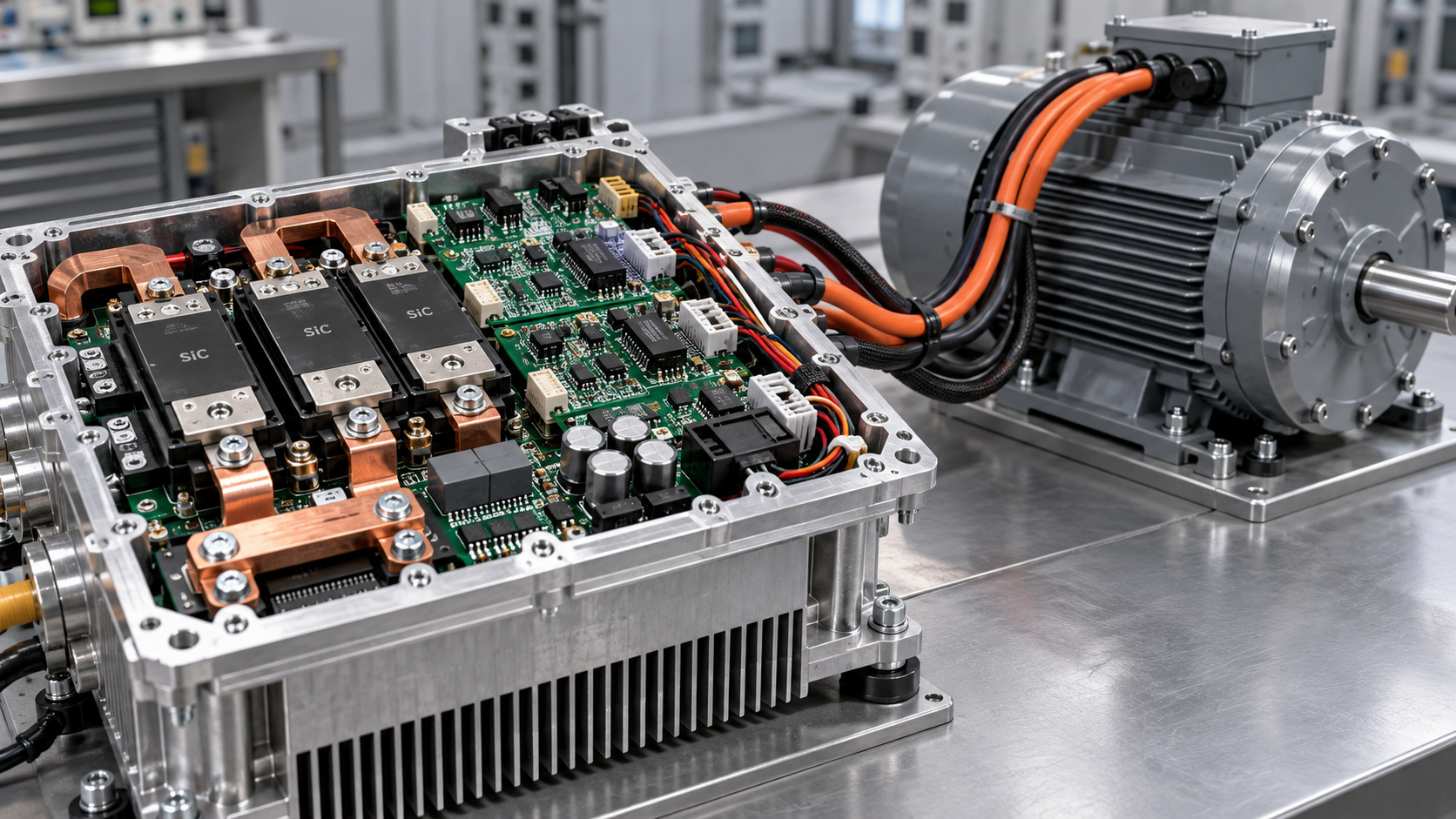
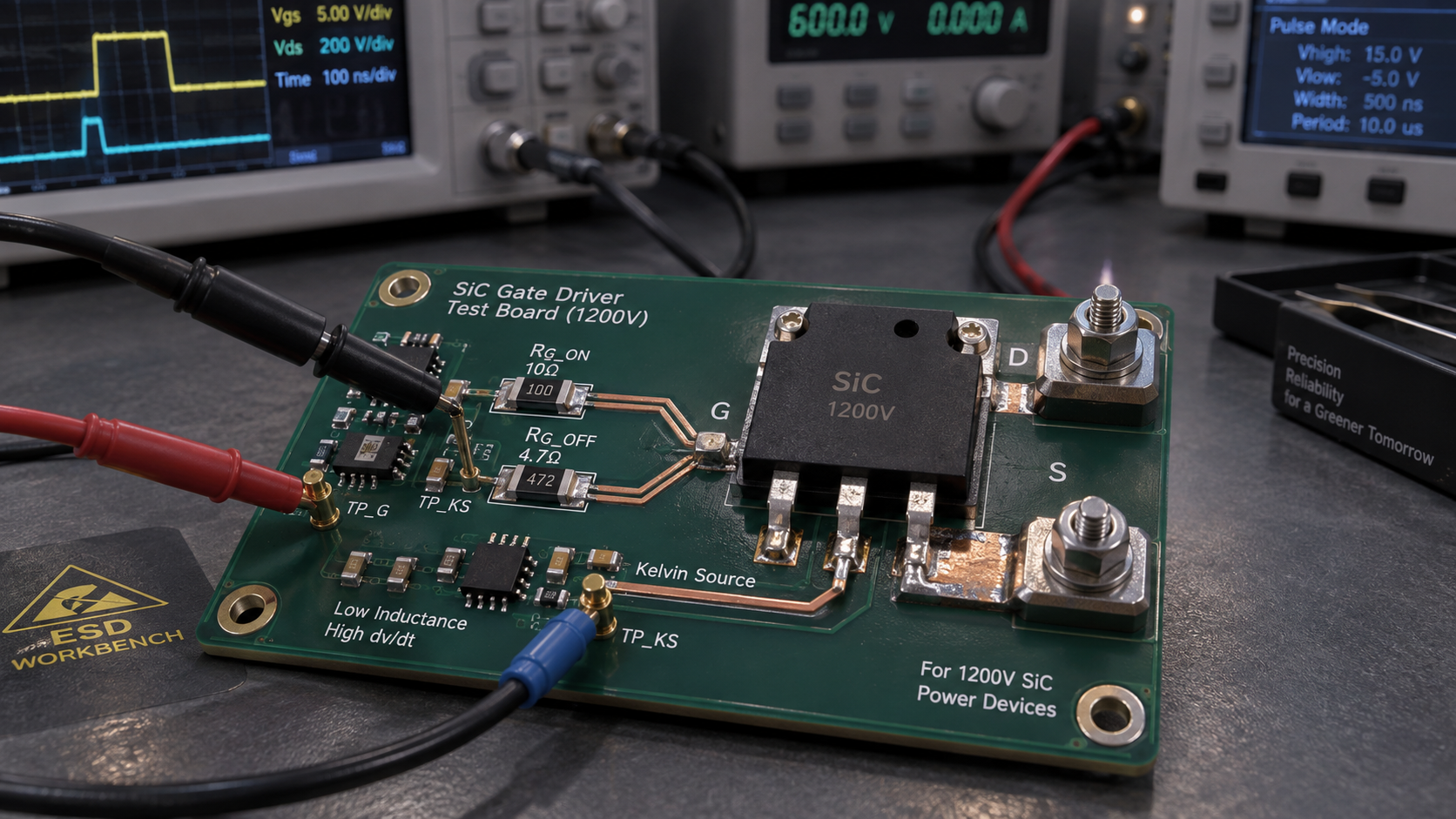
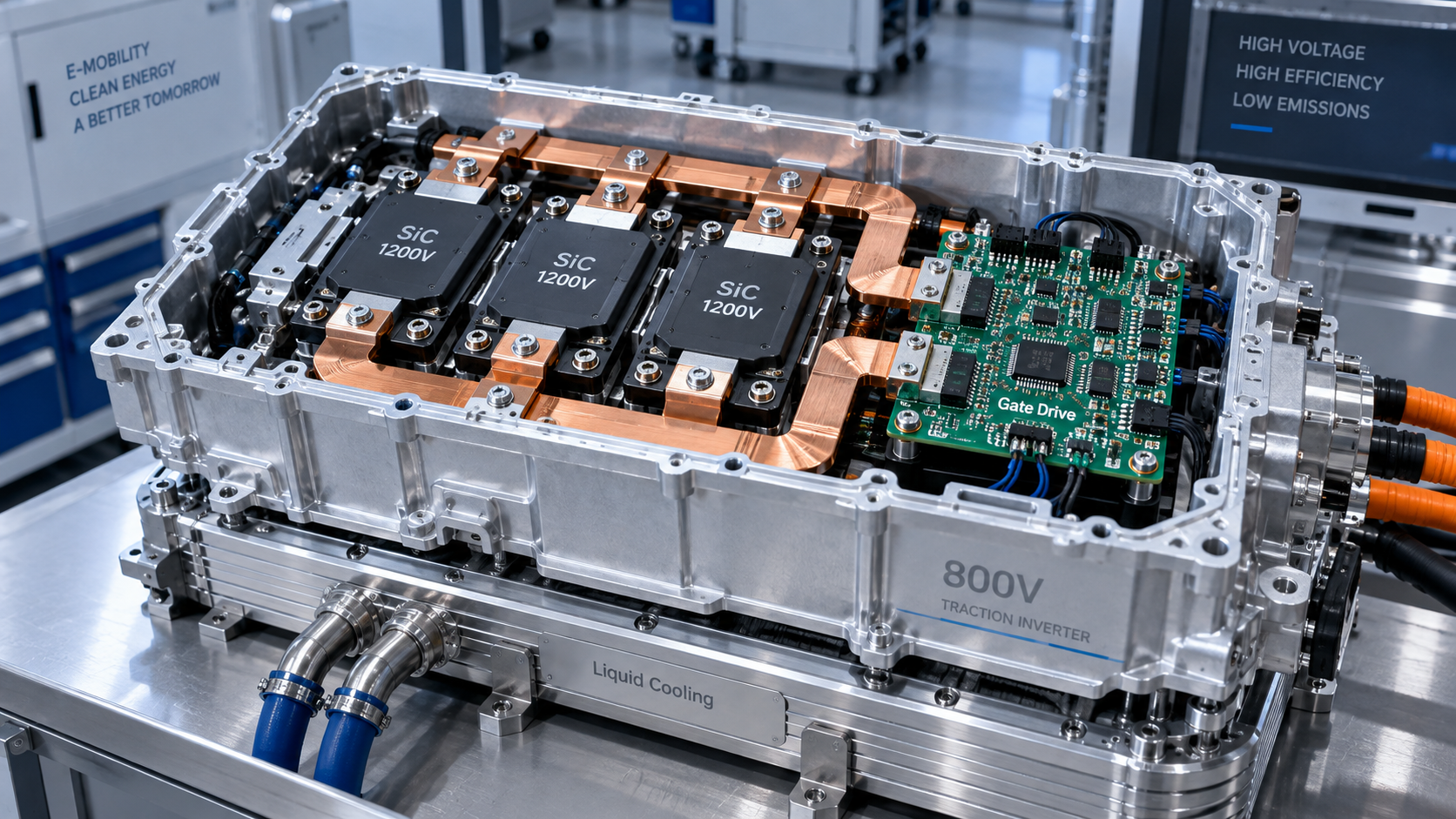
For example, switching a generic metal part may be straightforward. Switching a 1200V SiC MOSFET source or a sub-ppb gas supply chain is different.
The sourcing map therefore becomes layered:
- Commercially interchangeable categories
- Technically substitutable but qualification-heavy categories
- Strategic categories requiring dual-source development over time
- Near-nonreplaceable categories tied to unique know-how or infrastructure
This is a more realistic use of Trade Intelligence than simply counting supplier locations on a map.
Data quality is now part of sourcing quality
Digital procurement platforms produce more data than ever, but more data does not automatically improve sourcing outcomes.
The strongest Trade Intelligence programs now evaluate data fidelity itself. That includes test reports, inspection records, batch traceability, and calibration documentation.
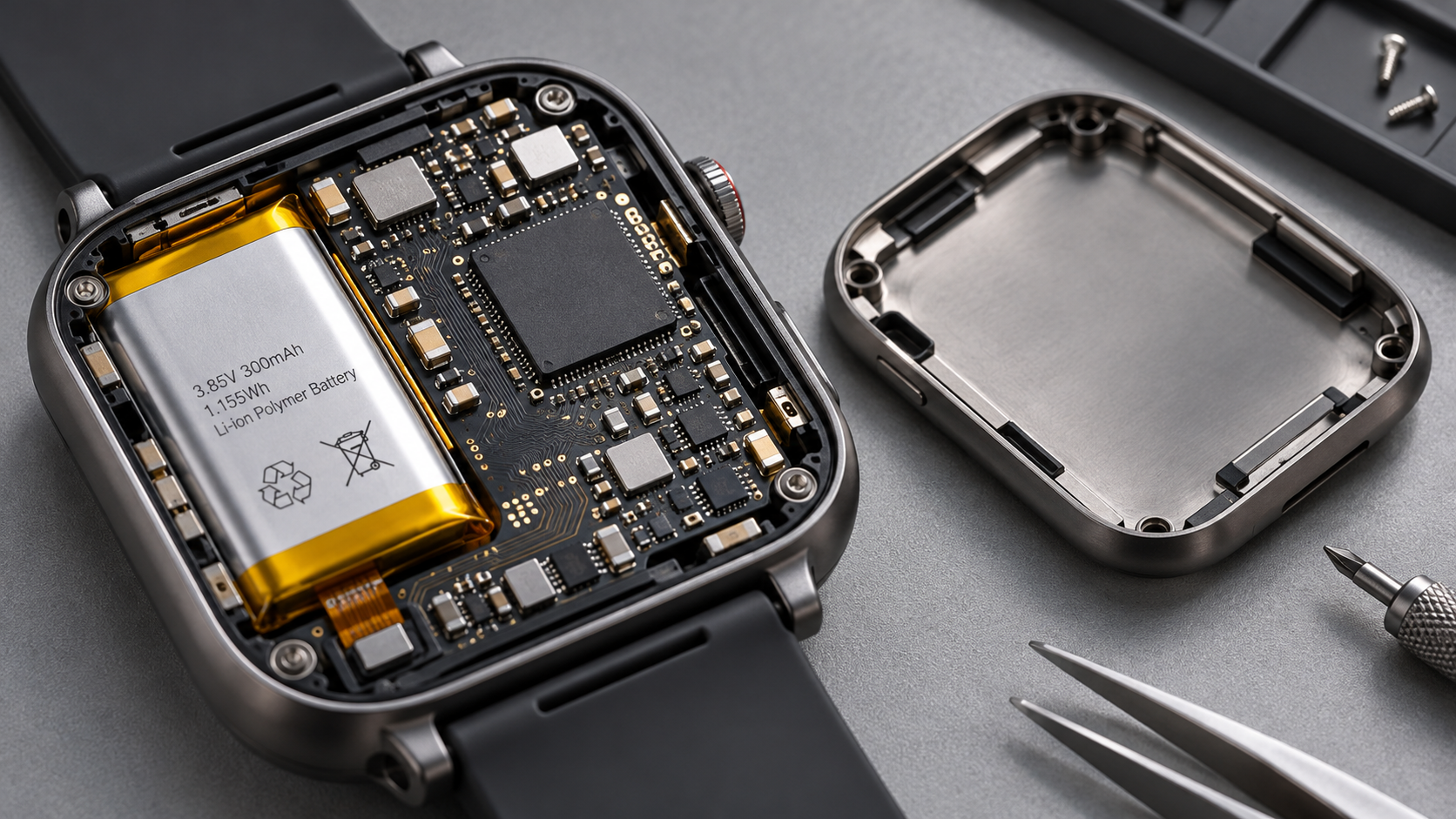
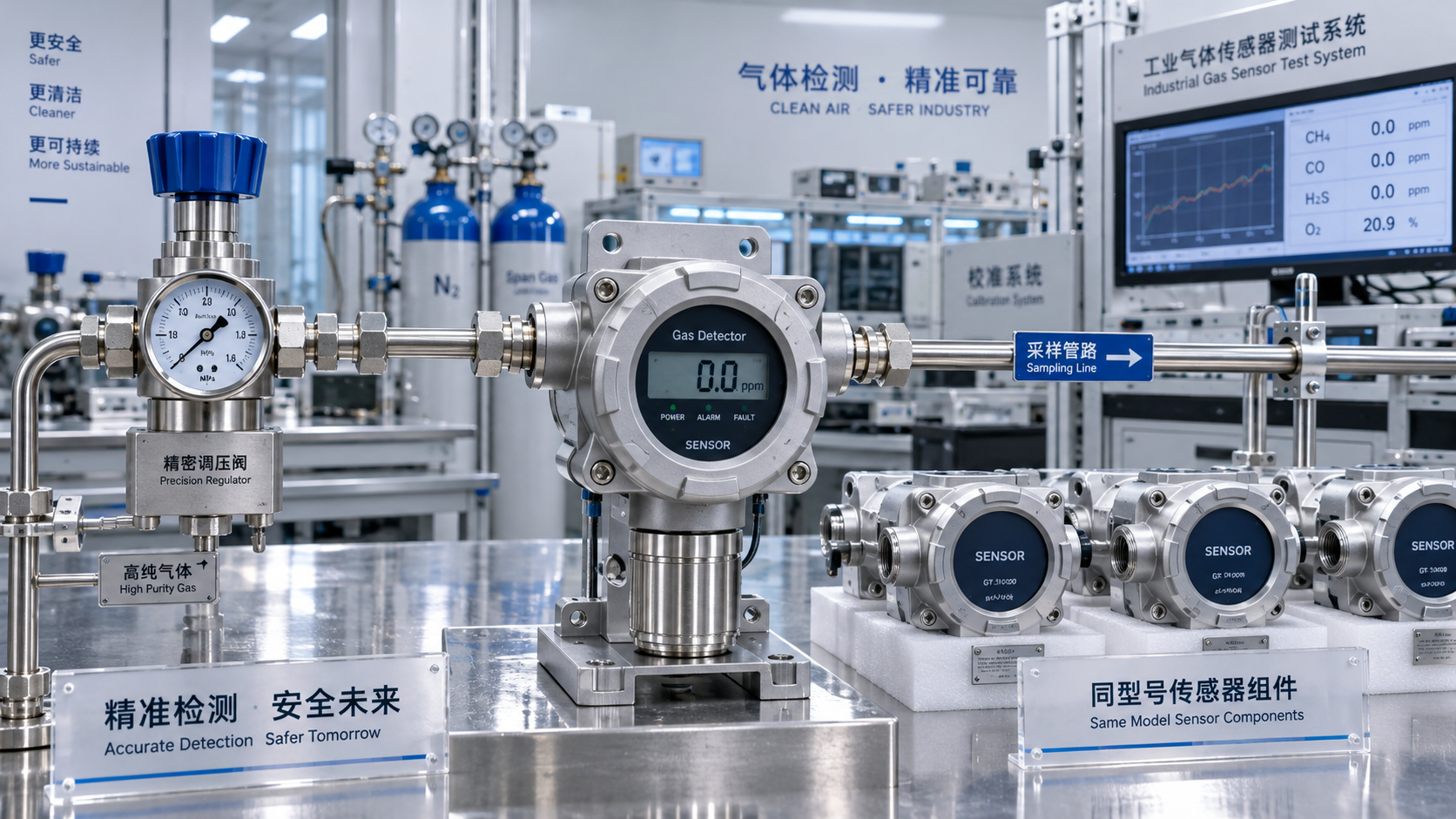
This matters greatly in sensor and industrial IoT chains. A component may pass basic acceptance while still introducing drift, noise, or reliability issues later in deployment.
G-SSI’s emphasis on the “Sovereignty of Silicon and Perception” fits this environment well. Sourcing decisions increasingly depend on the credibility of both fabrication and measured data.
That means procurement and technical governance can no longer operate in isolation.
What better data validation looks like
Useful Trade Intelligence does not stop at receiving certificates. It tests whether evidence is current, comparable, and relevant to the intended application.
- Match reports to actual production lots, not sample-only demonstrations
- Review failure analysis methods, not just pass rates
- Check laboratory accreditation scope and renewal status
- Compare operating conditions with end-use environments
Where Trade Intelligence delivers the most business value
The value of Trade Intelligence is clearest when sourcing decisions affect uptime, compliance exposure, and product liability.
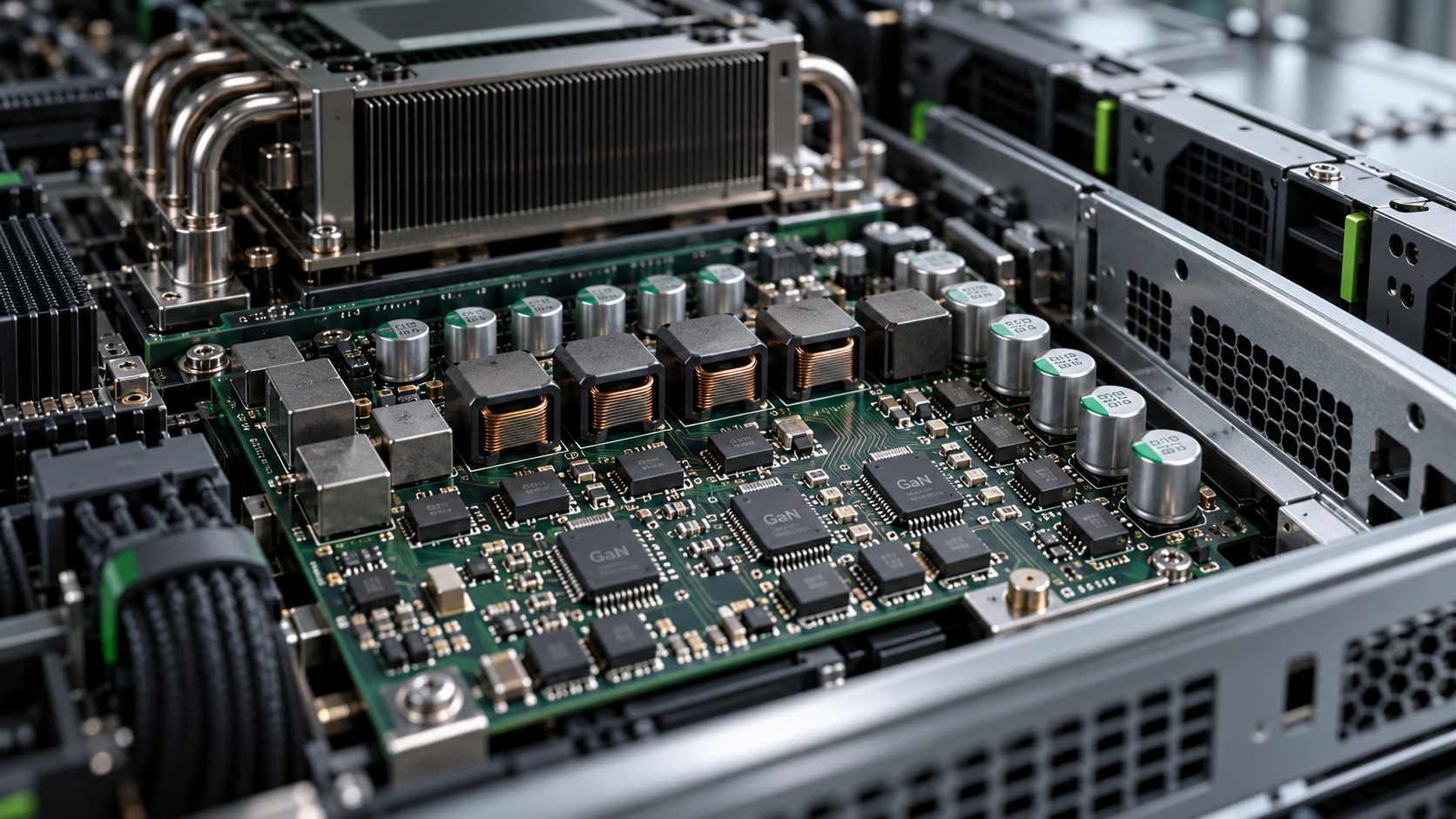
In high-efficiency power conversion, poor material consistency can undermine system reliability. In smart sensing, unstable calibration can weaken automation performance and data trust.
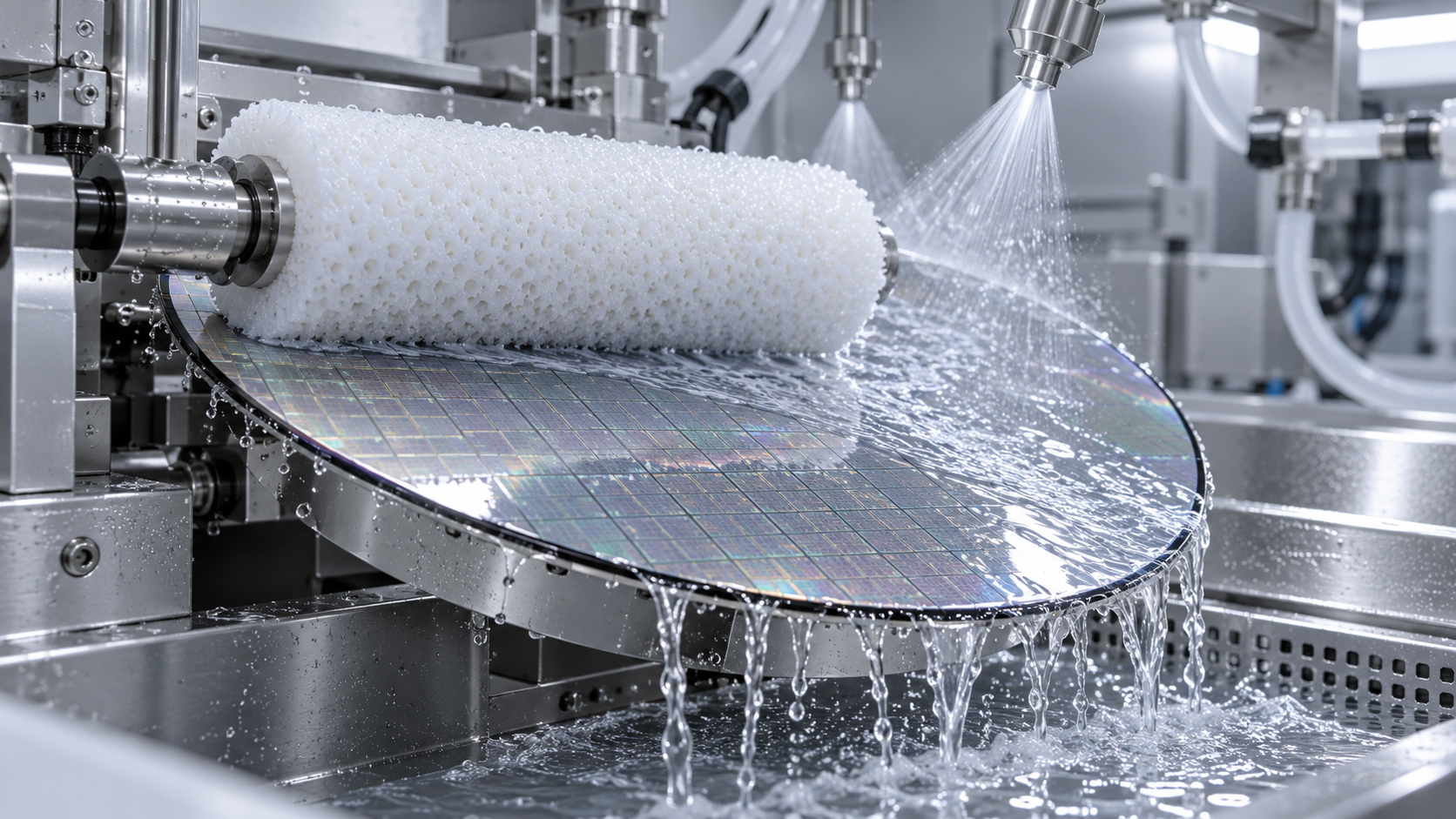
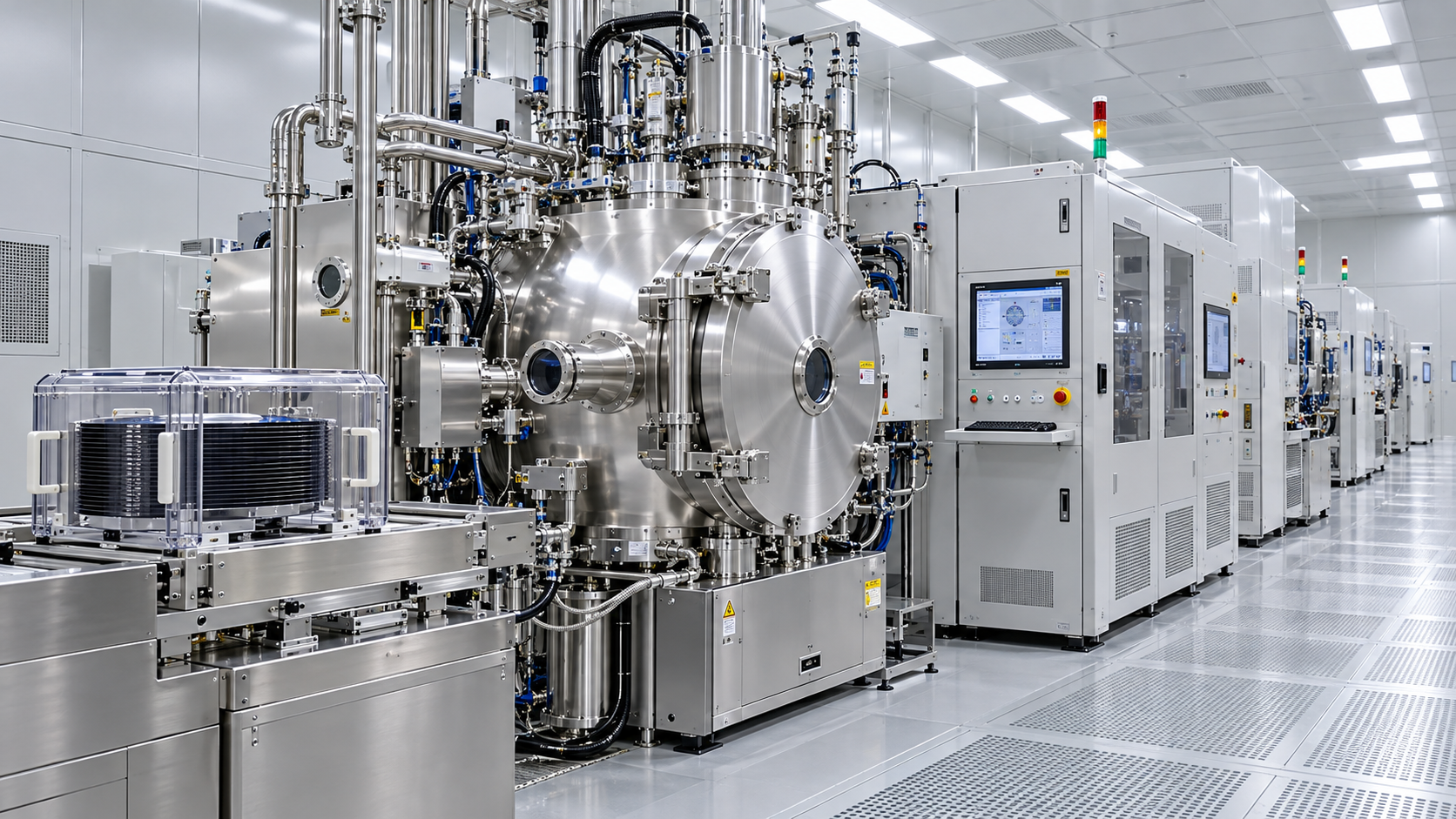
In fab environments, contamination or gas purity deviations can damage yields and create hidden downstream losses. These are not ordinary purchasing errors.
Well-structured Trade Intelligence improves business outcomes in several ways:
- Sharper supplier shortlists based on verified capability
- Faster identification of qualification risks before onboarding
- Better alignment between commercial negotiations and technical reality
- More resilient sourcing plans for strategic categories
- Improved confidence in expansion across regulated or high-reliability markets
How to read the market more effectively
In practical terms, Trade Intelligence works best when market signals are translated into sourcing thresholds.
Instead of asking whether a category is “available,” ask whether it is available at the required qualification depth, with acceptable lead time, and under stable process controls.
A disciplined review usually includes four dimensions:
This framework is especially useful when reviewing suppliers across fast-growing Chinese manufacturing bases and internationally regulated end markets.
What to prioritize next
The most effective response to 2026 sourcing complexity is not more supplier volume. It is better decision architecture.
Trade Intelligence should be built around category criticality, standards exposure, and substitution difficulty. That creates a usable priority model instead of a general market watchlist.
A sensible next step is to review strategic categories against three questions: what must be benchmarked, what can be diversified, and what requires deeper technical due diligence.
For organizations connected to semiconductors, sensors, and industrial infrastructure, benchmark-driven intelligence is becoming essential. It helps turn sourcing from a reactive function into a controlled strategic capability.
That is where focused reference systems such as G-SSI become relevant: not as marketing noise, but as a practical way to compare suppliers, standards, and technical readiness before risk becomes cost.
Get weekly intelligence in your inbox.
No noise. No sponsored content. Pure intelligence.
 Apr 28, 2026When do rapid prototyping 3D printing services save real costWhen do rapid prototyping 3D printing services save real cost
 Apr 28, 2026What Can Go Wrong in Fan-out Wafer Level Pkg?What Can Go Wrong in Fan-out Wafer Level Pkg?
 Apr 28, 2026What Makes Optical LiDAR Modules Better for Autonomy?What Makes Optical LiDAR Modules Better for Autonomy?
 Apr 28, 20262026 Market Trends in Supply Chain Resilience for Fabs2026 Market Trends in Supply Chain Resilience for Fabs
 Oct 26, 2026How do buying decisions in the B2B market differ from those in B2C?How do buying decisions in the B2B market differ from those in B2C?
 Oct 26, 2026JW Insights’ 2026 SiC Report: Substrate Price Rebound Signals Industry Turning PointJW Insights’ 2026 SiC Report: Substrate Price Rebound Signals Industry Turning Point
 Oct 25, 2026How SiC power semiconductors for motor drives reduce switching lossesHow SiC power semiconductors for motor drives reduce switching losses
 Oct 25, 2026AI Overcapacity Fears Rattle US Chip Stocks as October Losses Reach $2.2 TrillionAI Overcapacity Fears Rattle US Chip Stocks as October Losses Reach $2.2 Trillion
 Oct 24, 2026How post-CMP cleaning materials affect wafer particle removalHow post-CMP cleaning materials affect wafer particle removal
 Oct 24, 2026AI, GaN and Robotics: What Comes Next for Power SemiconductorsAI, GaN and Robotics: What Comes Next for Power Semiconductors
 Oct 23, 2026How noise affects MEMS accelerometers in wearable medical devicesHow noise affects MEMS accelerometers in wearable medical devices
 Oct 23, 2026U.S. Commerce Announces Up to $389 Million in CHIPS R&D FundingU.S. Commerce Announces Up to $389 Million in CHIPS R&D Funding
 Oct 22, 2026How to avoid counterfeit power conversion components in the Middle EastHow to avoid counterfeit power conversion components in the Middle East
 Oct 22, 2026Nvidia Partners Expand AI Supply Chain; Amkor Plans Over 300% Capacity IncreaseNvidia Partners Expand AI Supply Chain; Amkor Plans Over 300% Capacity Increase
 Oct 21, 2026When are portable solar panels cost-effective for remote worksites?When are portable solar panels cost-effective for remote worksites?
 Oct 21, 2026Infineon and Wolfspeed Sign Multiyear 8-Inch SiC Wafer Supply AgreementInfineon and Wolfspeed Sign Multiyear 8-Inch SiC Wafer Supply Agreement
 Oct 20, 2026Can FFU systems alone achieve ISO 14644-1 Class 1 cleanliness?Can FFU systems alone achieve ISO 14644-1 Class 1 cleanliness?
 Oct 20, 2026Aixtron Q3 Orders More Than Double as Orders and Profit Beat ExpectationsAixtron Q3 Orders More Than Double as Orders and Profit Beat Expectations
 Oct 19, 2026How to evaluate power semiconductor suppliers for supply continuityHow to evaluate power semiconductor suppliers for supply continuity
 Oct 18, 2026How system-in-package technology reduces PCB space in wearablesHow system-in-package technology reduces PCB space in wearables
 Oct 17, 2026How to size gate resistors in 1200 V SiC power semiconductor designsHow to size gate resistors in 1200 V SiC power semiconductor designs
 Oct 16, 2026How to select 1200 V SiC MOSFETs for 800 V EV traction invertersHow to select 1200 V SiC MOSFETs for 800 V EV traction inverters
 Oct 15, 2026What voltage rating do SiC power modules for railway traction need?What voltage rating do SiC power modules for railway traction need?
 Oct 14, 2026How third-generation semiconductors achieve high breakdown voltagesHow third-generation semiconductors achieve high breakdown voltages
 Oct 13, 2026When does parallel testing cut high-volume semiconductor testing costs?When does parallel testing cut high-volume semiconductor testing costs?
 Oct 12, 2026Industrial Accelerometer Specifications for Machine Vibration MonitoringIndustrial Accelerometer Specifications for Machine Vibration Monitoring
 Oct 12, 2026What Makes an Industrial Gas Sensor Supplier Reliable for Long-Term Supply?What Makes an Industrial Gas Sensor Supplier Reliable for Long-Term Supply?