Semiconductor Fabrication Standards That Impact Yield
Semiconductor Fabrication Standards That Impact Yield
Semiconductor Fabrication standards are not just compliance checkpoints—they directly shape yield, reliability, and long-term process stability.
In complex industrial settings, standard selection affects contamination control, thermal consistency, traceability, and final device behavior.
This matters across power devices, advanced packaging, MEMS sensors, specialty gases, and fabrication environment control.
For global infrastructure programs, weak discipline around Semiconductor Fabrication standards often appears first as yield drift, not obvious failure.
That is why technical benchmarking must connect standards with actual fab scenarios, not only certification documents.
Why standards matter differently across fabrication scenarios
Different production environments face different loss mechanisms, even when using the same Semiconductor Fabrication standards framework.
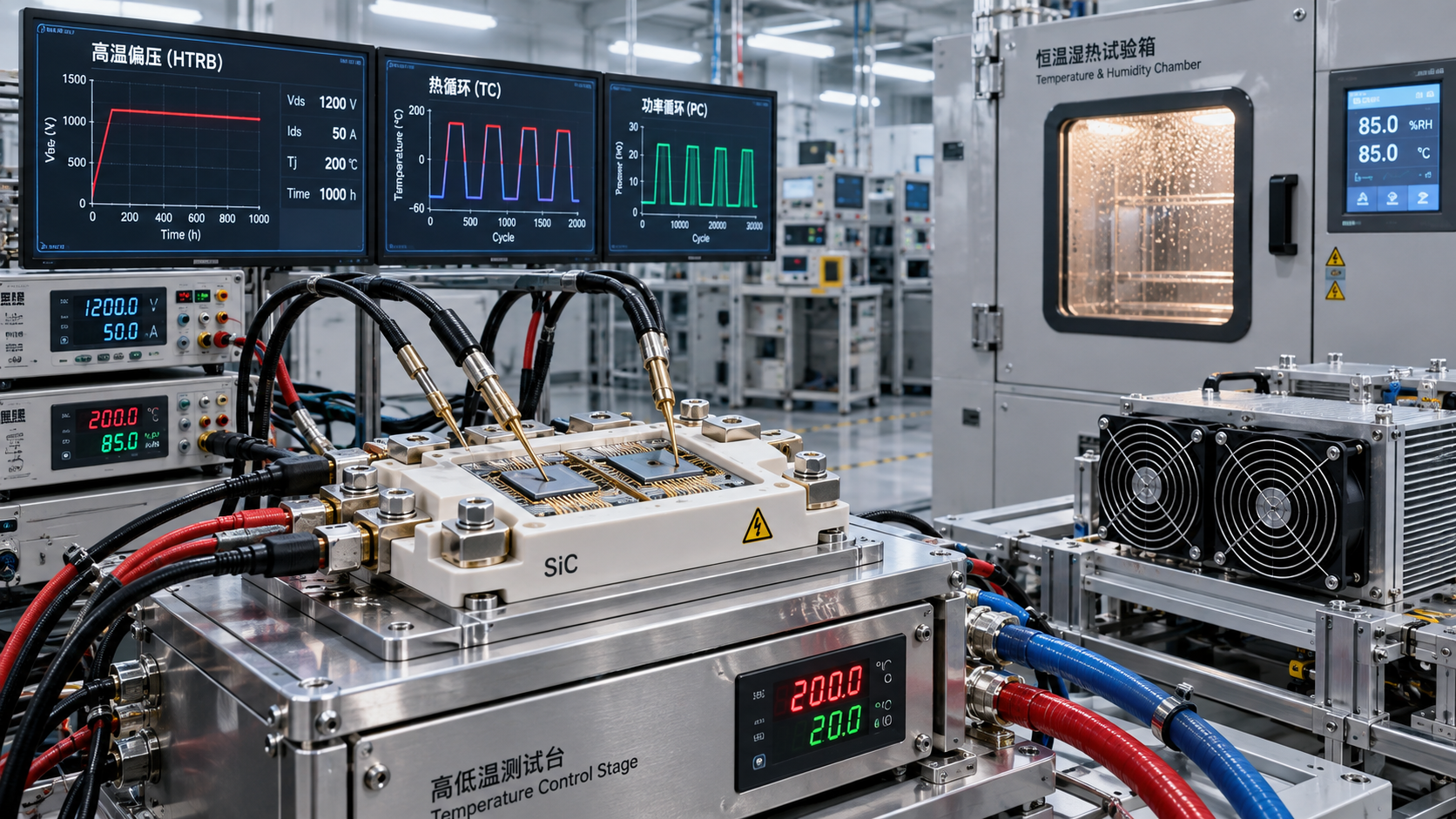
A mature-node power fab may struggle with particles, moisture, and thermal cycling.
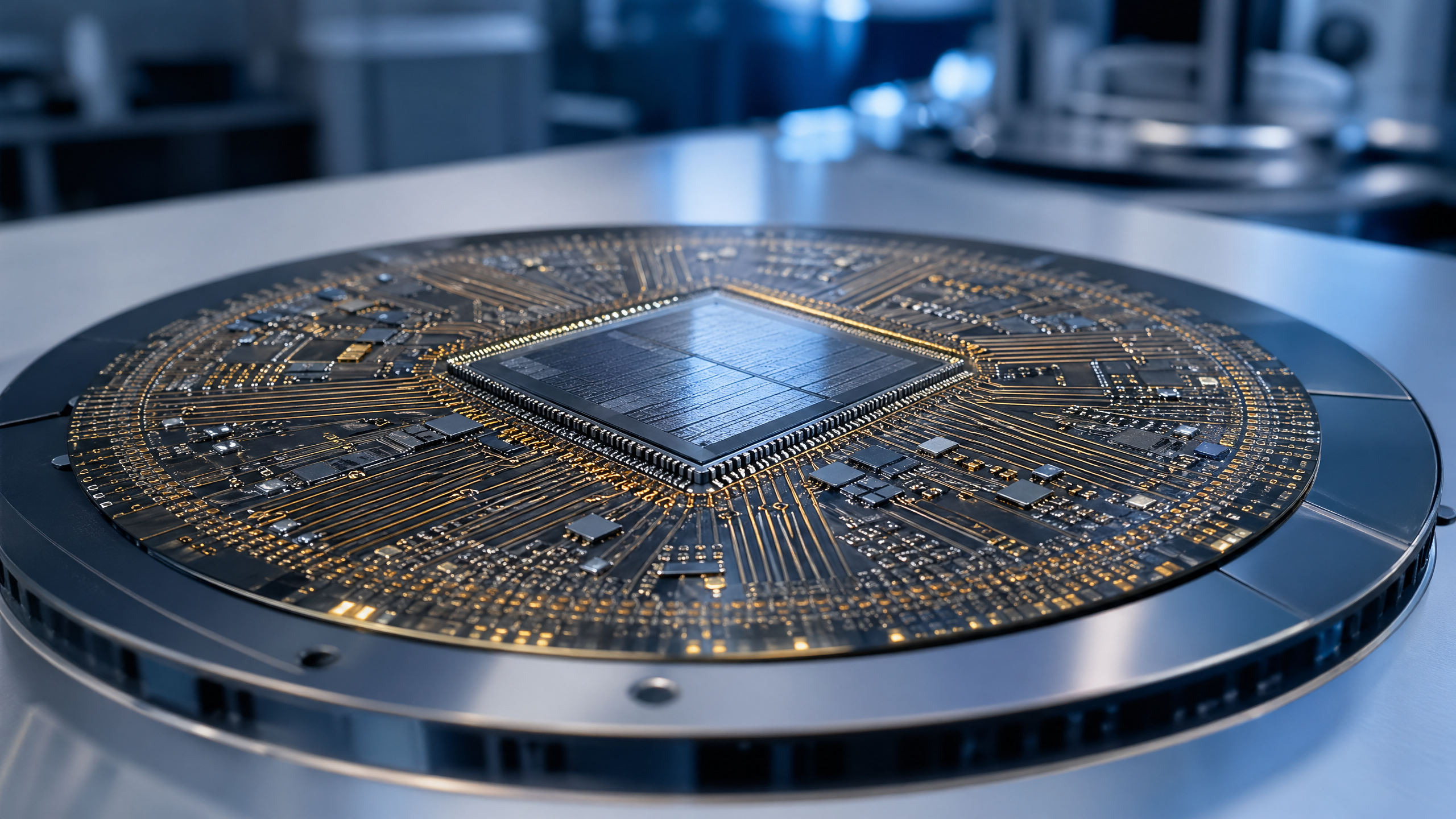
An advanced packaging line may face warpage, interconnect variation, and metrology inconsistency.
A MEMS or sensor process may depend more heavily on data fidelity, cross-sensitivity control, and calibration traceability.
Because of this, the value of Semiconductor Fabrication standards lies in scenario fit.
The most important question is not whether a site follows standards.
The real question is whether the chosen standards address the dominant yield risks in that process chain.
Scenario 1: Mature-node power semiconductor lines need tighter environmental discipline
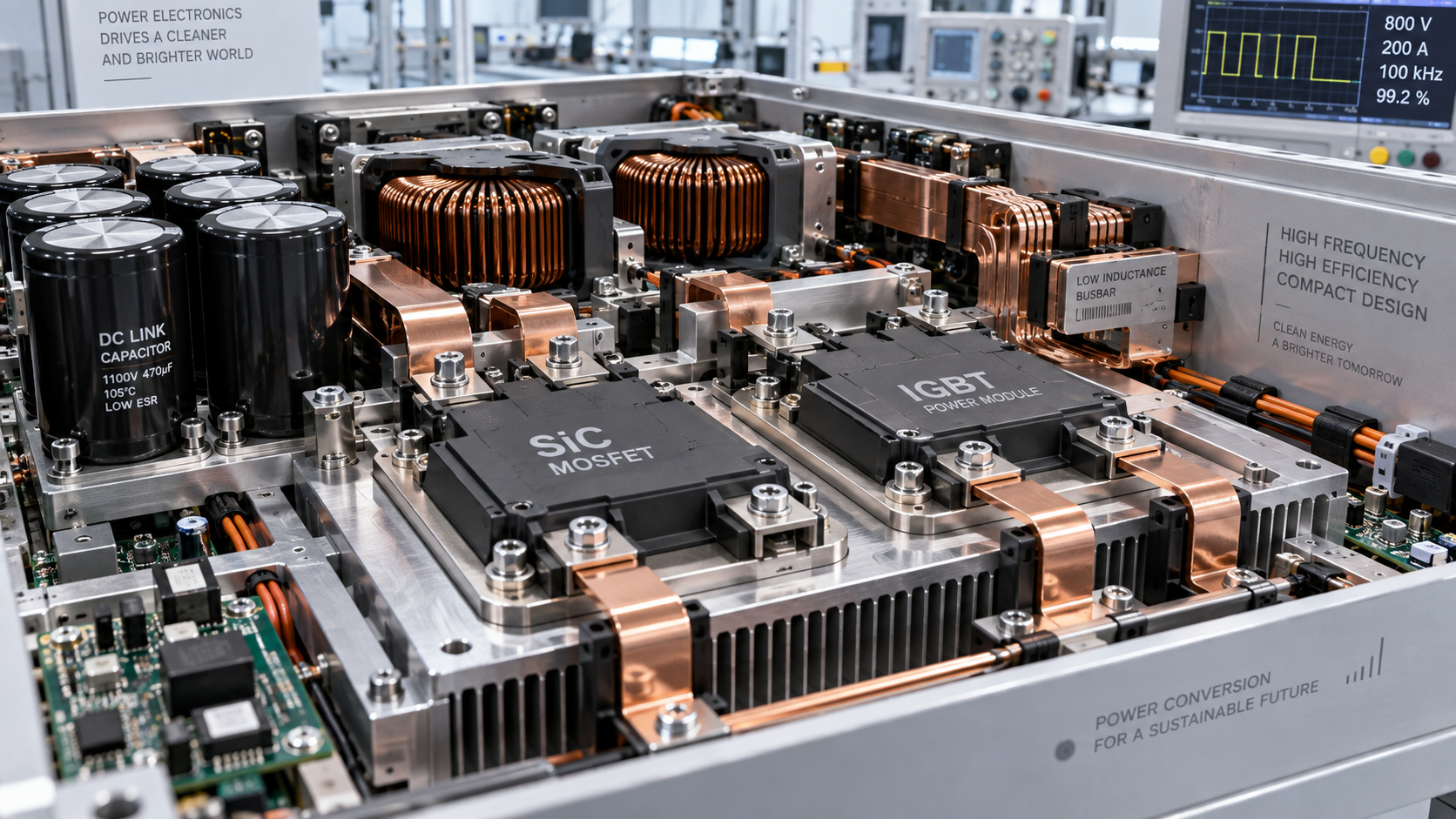
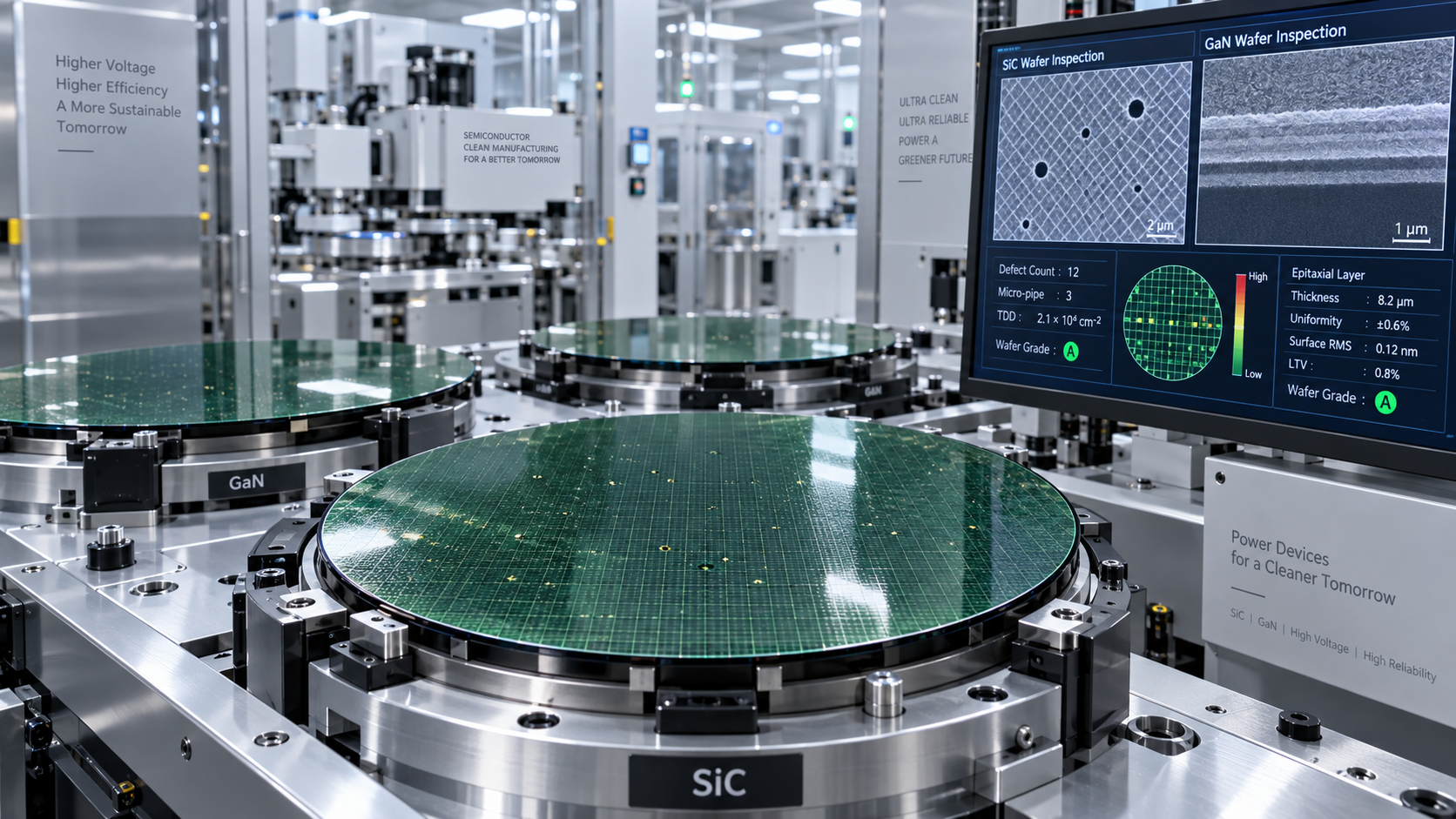
In Si, SiC, and GaN production, small contamination events can create large electrical variation and latent reliability loss.
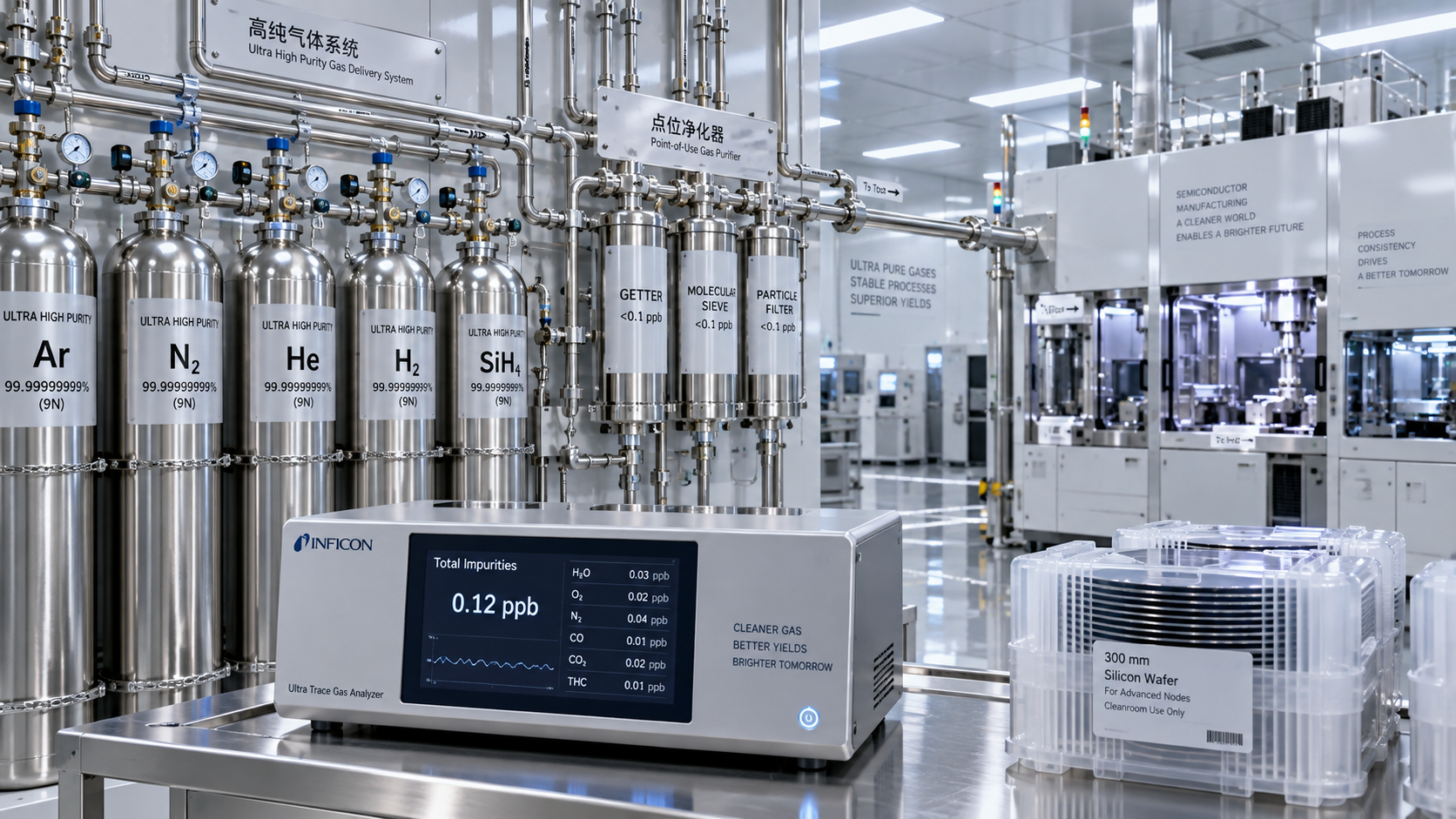
Here, Semiconductor Fabrication standards linked to cleanroom behavior and gas purity directly affect die yield.
Core judgment points
- Are airborne molecular contamination controls aligned with process sensitivity?
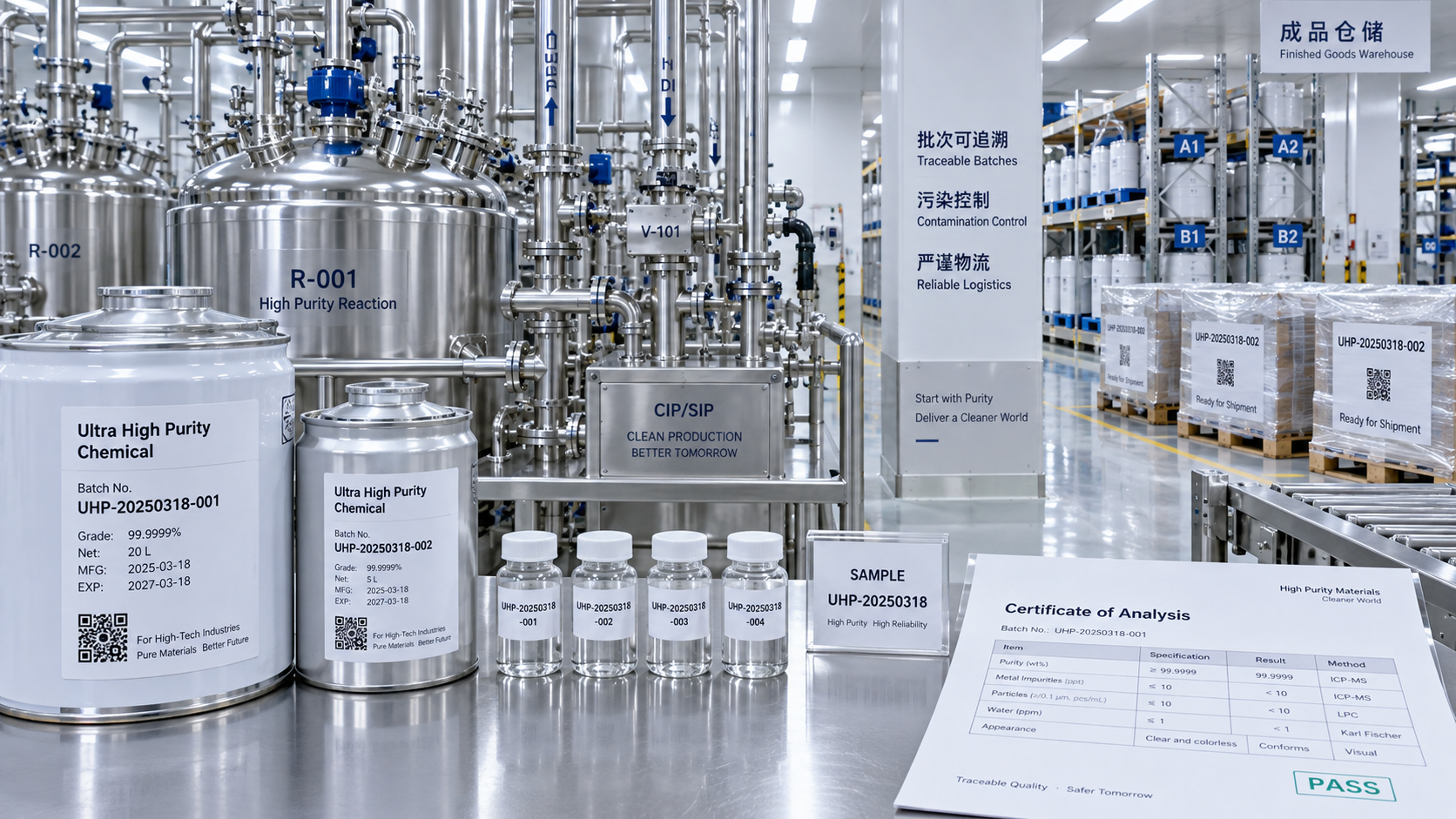
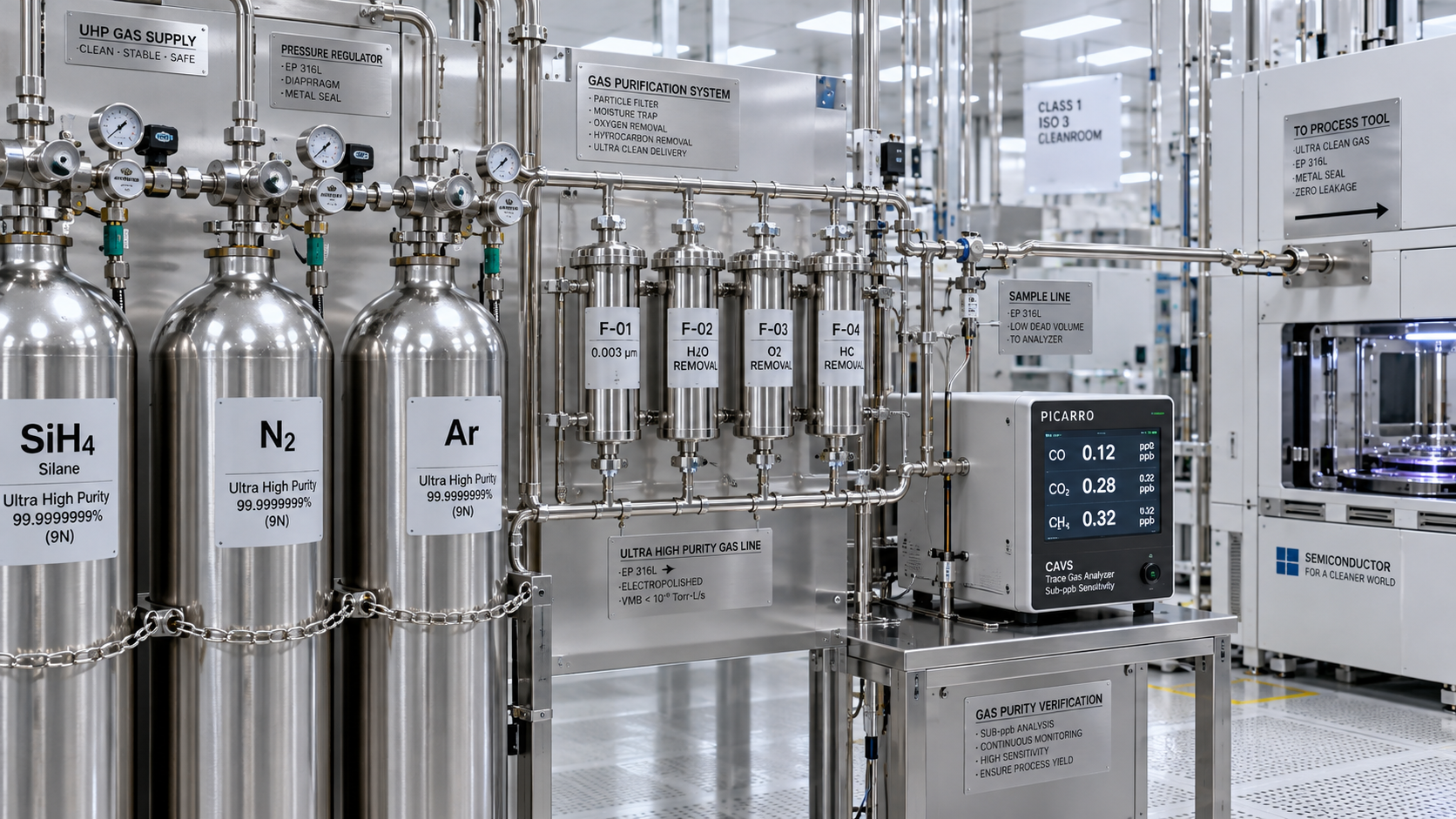
- Do specialty gases meet stable sub-ppb impurity expectations?
- Is thermal mapping consistent across furnaces, deposition, and anneal tools?
- Are incoming chemicals verified under recognized analytical methods?
Standards such as SEMI specifications, ISO cleanroom controls, and ISO/IEC 17025-backed laboratory verification reduce unseen variability.
Without those controls, apparent process capability can hide unstable material inputs and false pass conditions.
Scenario 2: Advanced packaging yield depends on precision beyond wafer fabrication
For 2.5D, 3D, and chiplet integration, Semiconductor Fabrication standards extend into packaging, assembly, and test ecosystems.
Yield loss often emerges from interaction effects rather than one isolated step.
Core judgment points
- Are substrate flatness and warpage limits controlled under standard test conditions?
- Do interconnect inspection methods maintain repeatability across shifts and tools?
- Is thermal interface performance verified under real load profiles?
- Are reliability screens consistent with final application stress?
In this scenario, Semiconductor Fabrication standards support process matching between wafer, package, and board-level behavior.
Weak alignment creates good short-term electrical test results but poor field robustness.
Scenario 3: MEMS and smart sensor output quality depends on data and calibration standards
MEMS and smart sensors combine fabrication quality with measurement integrity.
In this case, Semiconductor Fabrication standards influence both physical yield and usable signal accuracy.
Core judgment points
- Are calibration references traceable and periodically revalidated?
- Is environmental stress screening matched to sensor operating conditions?
- Do metrology systems detect drift before output deviation reaches customer-level thresholds?
- Are packaging materials controlled for outgassing and long-term stability?
This is where standards for laboratories, testing methods, and reliability qualification become inseparable from fabrication control.
A sensor can pass wafer inspection yet fail practical deployment because the data chain was not standardized.
How scenario requirements differ in practice
This comparison shows why Semiconductor Fabrication standards should not be evaluated through one universal checklist.
The highest-yield operation usually applies standards in a prioritized, process-specific way.
Practical adaptation advice for higher yield and lower risk
A strong standards program should connect incoming materials, fab conditions, package behavior, and measurement systems.
The following actions improve practical value from Semiconductor Fabrication standards.
- Rank standards by yield impact, not by document count.
- Audit contamination pathways across gas, chemicals, tools, and handling steps.
- Use accredited testing to validate purity, reliability, and calibration assumptions.
- Correlate process excursions with scrap, rework, and field-return signatures.
- Review whether packaging and test standards match final application stress.
- Build traceable dashboards that connect metrology data to operational yield.
This approach supports resilient benchmarking across the silicon value chain, especially where supply chains are changing quickly.
Common misjudgments that reduce the value of standards
One common mistake is assuming certification alone guarantees stable yield.
Another is treating Semiconductor Fabrication standards as a final audit topic instead of a daily process control tool.
A third mistake is ignoring interface risks between fab, packaging, and testing teams.
Many yield losses originate at those boundaries, where ownership is unclear but variation is real.
It is also risky to overfocus on electrical pass rates while underchecking thermal behavior, purity drift, or calibration integrity.
Those factors often determine long-term stability in industrial and sovereign digital infrastructure.
Next-step actions for benchmarking Semiconductor Fabrication standards
A practical next step is to map each production scenario to its top three yield-sensitive standards domains.
Then compare current controls against recognized references such as SEMI, AEC-Q100, and ISO/IEC 17025 where relevant.
For broader semiconductor ecosystem evaluation, include materials purity, environment control, packaging reliability, and data traceability in one review model.
That is the most effective way to turn Semiconductor Fabrication standards into measurable yield improvement rather than paperwork.
In a precision-driven industry, standards only create value when they are connected to scenario-specific risk and disciplined execution.
Get weekly intelligence in your inbox.
No noise. No sponsored content. Pure intelligence.
 Apr 28, 2026When do rapid prototyping 3D printing services save real costWhen do rapid prototyping 3D printing services save real cost
 Apr 28, 2026What Can Go Wrong in Fan-out Wafer Level Pkg?What Can Go Wrong in Fan-out Wafer Level Pkg?
 Apr 28, 2026What Makes Optical LiDAR Modules Better for Autonomy?What Makes Optical LiDAR Modules Better for Autonomy?
 Apr 28, 20262026 Market Trends in Supply Chain Resilience for Fabs2026 Market Trends in Supply Chain Resilience for Fabs
 Oct 10, 2026When do integrated sensor systems reduce commissioning risks?When do integrated sensor systems reduce commissioning risks?
 Oct 09, 2026How North American semiconductor fabs control airborne molecular contaminationHow North American semiconductor fabs control airborne molecular contamination
 Oct 08, 2026When do custom aluminum extrusions reduce fabrication costs?When do custom aluminum extrusions reduce fabrication costs?
 Oct 07, 2026How semiconductor packaging affects thermal reliability in EV power electronicsHow semiconductor packaging affects thermal reliability in EV power electronics
 Oct 06, 2026When do corrugated plastic boxes make sense for returnable shipping?When do corrugated plastic boxes make sense for returnable shipping?
 Oct 05, 2026What to verify before choosing semiconductor distributors in North AmericaWhat to verify before choosing semiconductor distributors in North America
 Oct 04, 2026How to assess a high purity materials manufacturer’s traceabilityHow to assess a high purity materials manufacturer’s traceability
 Oct 03, 2026How SiC power conversion solutions improve high-voltage invertersHow SiC power conversion solutions improve high-voltage inverters
 Oct 02, 2026When do SiC MOSFET benefits justify the higher device cost?When do SiC MOSFET benefits justify the higher device cost?
 Oct 01, 2026Which semiconductor reliability testing standards apply to power devices?Which semiconductor reliability testing standards apply to power devices?
 Sep 30, 2026How to qualify a semiconductor photoresist supplier for KrF/ArF productionHow to qualify a semiconductor photoresist supplier for KrF/ArF production
 Sep 29, 2026What image quality should portable ultrasound scanners deliver for triage?What image quality should portable ultrasound scanners deliver for triage?
 Sep 28, 2026How sub-ppb impurity control gases protect process consistencyHow sub-ppb impurity control gases protect process consistency
 Sep 27, 2026How chemical purity affects defect rates in semiconductor depositionHow chemical purity affects defect rates in semiconductor deposition
 Sep 26, 2026When do high voltage power semiconductor devices need SiC over IGBTs?When do high voltage power semiconductor devices need SiC over IGBTs?
 Sep 25, 2026How to verify quality controls at a die casting parts supplier in ChinaHow to verify quality controls at a die casting parts supplier in China
 Sep 24, 2026How to verify electronic gas purity for sub-ppb semiconductor processesHow to verify electronic gas purity for sub-ppb semiconductor processes
 Sep 23, 2026When sensory data integration improves industrial motion monitoringWhen sensory data integration improves industrial motion monitoring
 Sep 22, 2026How supply chain resilience reduces the cost of production disruptionsHow supply chain resilience reduces the cost of production disruptions
 Sep 21, 2026What autonomous systems OEMs should verify before sourcing LiDAR modulesWhat autonomous systems OEMs should verify before sourcing LiDAR modules
 Sep 20, 2026How gas purity affects defect density in epitaxial wafer growthHow gas purity affects defect density in epitaxial wafer growth
 Sep 19, 2026How substrate defects affect third-generation material device yieldHow substrate defects affect third-generation material device yield
 Sep 18, 2026How trace impurities in specialty process gases affect wafer yieldHow trace impurities in specialty process gases affect wafer yield