Robotic Surgical Systems: Key Uptime Checks for 2026
Robotic surgical systems in 2026 are judged by uptime, not just capability
For robotic surgical systems, maintenance quality now shapes clinical continuity as much as technical performance.
In practice, a missed uptime check can delay procedures, disrupt sterilized workflows, and create avoidable safety reviews.
That is why robotic surgical systems need disciplined inspection routines covering motion stability, sensing accuracy, power integrity, cooling behavior, and software health.
The 2026 shift toward autonomous and sensor-dense equipment makes this more demanding.
Precision mechatronics increasingly depends on semiconductor reliability, MEMS sensor fidelity, packaging robustness, and controlled operating environments.
That broader industrial lens matters because robotic surgical systems no longer fail in simple, isolated ways.
A positioning drift may begin with actuator wear, but it can also trace back to thermal cycling, connector fatigue, sensor instability, or power conversion noise.
Actual uptime checks vary because operating conditions are not all the same
Not every service environment stresses robotic surgical systems equally.
Some installations run heavy daily schedules with frequent arm articulation and rapid turnover between procedures.
Others see lower procedure volume but longer idle periods, software update windows, and delayed preventive intervention.
A useful judgment method is to separate uptime risk into five layers.
- Mechanical repeatability under repeated motion cycles
- Sensor accuracy after cleaning, handling, and calibration drift
- Thermal stability during extended powered operation
- Power quality across controllers, drives, and communication modules
- Software and network integrity after updates or subsystem replacements
This is where a benchmark mindset helps.
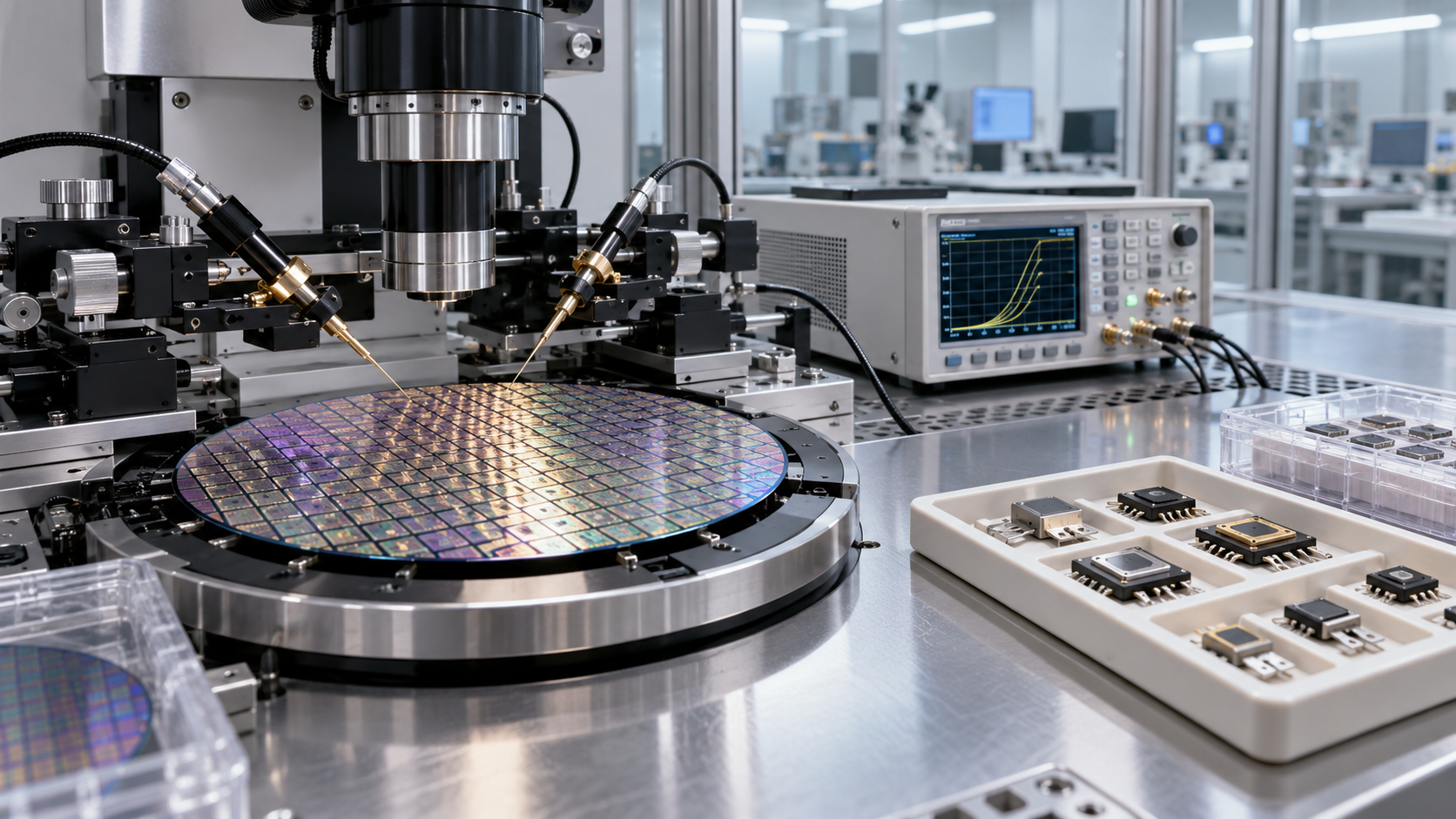
The same disciplines used in G-SSI reference work apply here: verify sensing, thermal behavior, packaging durability, and environmental control against measurable standards.
High-utilization operating rooms usually expose motion and thermal problems first
In high-throughput settings, robotic surgical systems are tested less by calendar age and more by accumulated duty cycles.
Repeated articulation, braking, repositioning, and instrument exchange gradually affect servo smoothness and arm repeatability.
Here, uptime checks should prioritize backlash growth, joint vibration, encoder consistency, and motor current deviation under known test motions.
Thermal control also becomes a leading indicator.
Drive electronics, power modules, and compact processing boards can drift before alarms appear.
A stable robotic surgical system should show repeatable thermal profiles after warm-up, not unexplained hot spots.
This is especially relevant where advanced packaging density and high-efficiency power devices raise local heat concentration.
A practical check is trend comparison, not one-off temperature readings.
If one arm joint or controller section warms faster than historical baselines, the maintenance window should move forward.
Lower-frequency use creates a different risk: hidden drift during idle periods
Less active robotic surgical systems are often assumed to be lower risk.
That assumption is not always safe.
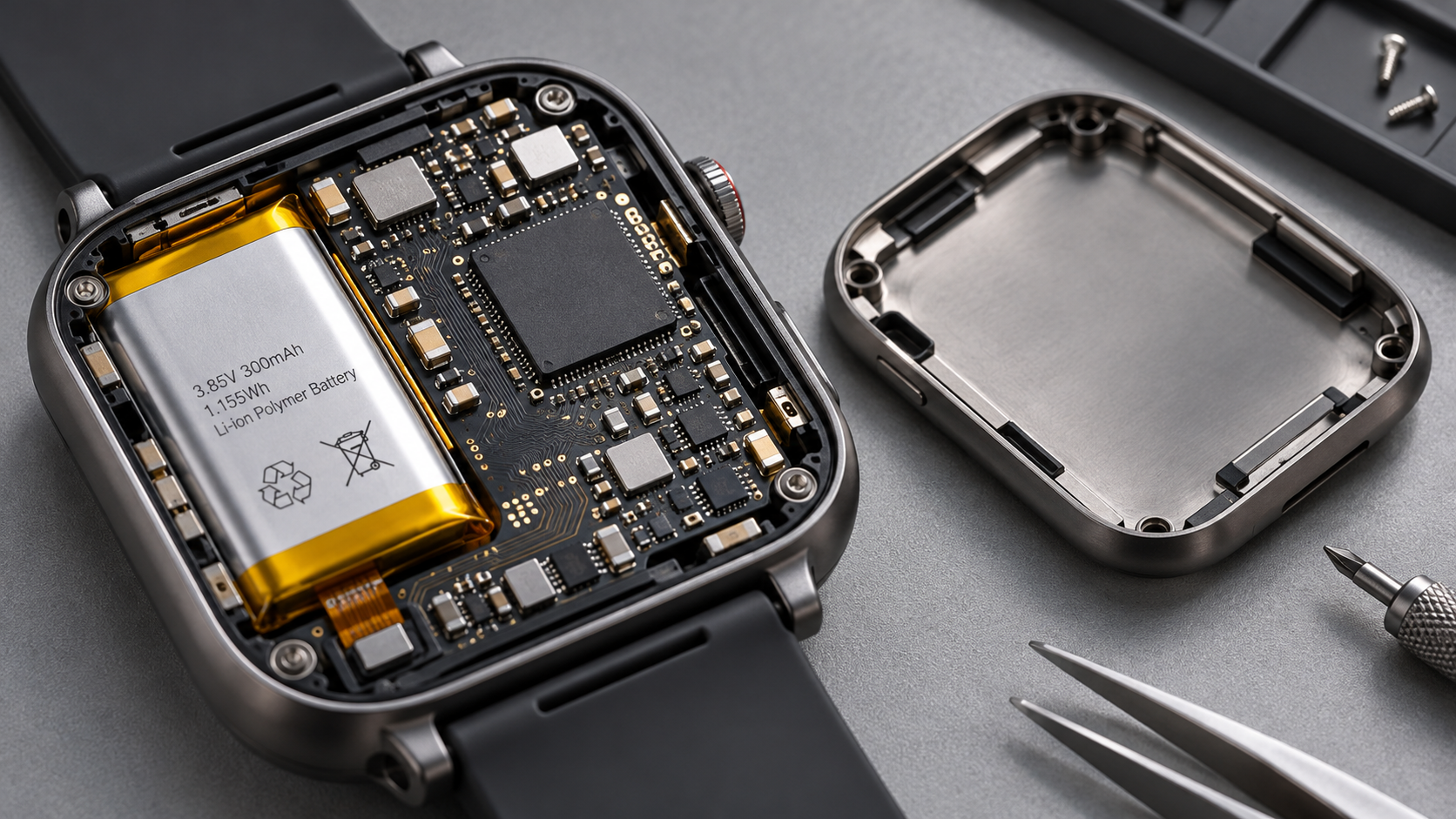
Long idle periods can conceal battery degradation, seal aging, connector oxidation, and calibration drift that only appears when the system returns to full use.
In these conditions, uptime checks should focus on startup behavior and baseline recovery.
Boot logs, self-test completion times, communication latency, and reference position repeatability matter more than raw cycle count.
Sensor-heavy robotic surgical systems deserve extra attention here.
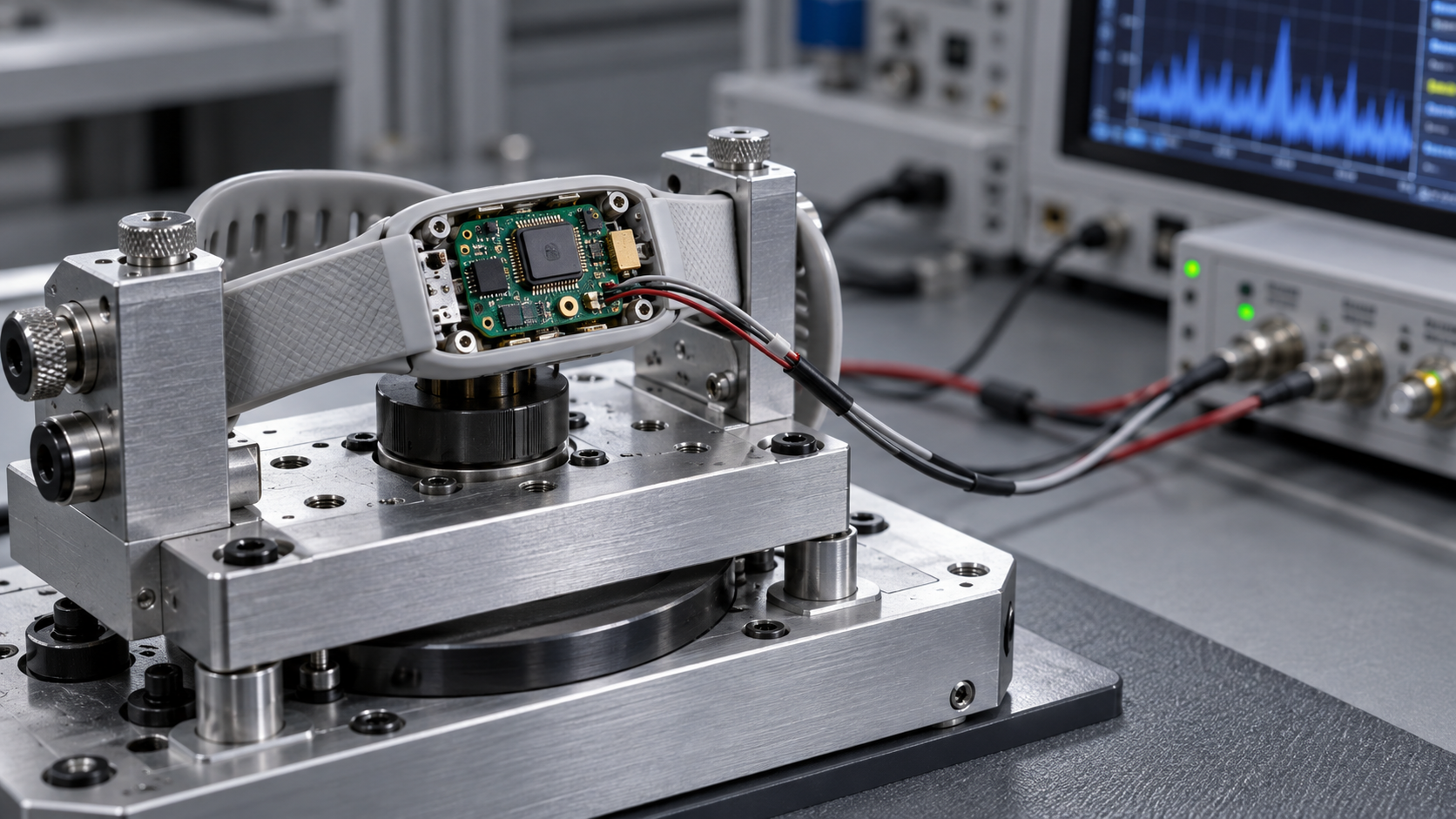
MEMS-based orientation, force, and proximity elements can remain within tolerance individually while drifting as a combined control chain.
That is why verification should include cross-checking sensor fusion outputs, not only single-sensor recalibration.
After module replacement, power and data integrity become the real checkpoint
One of the more common field scenarios is partial replacement rather than full overhaul.
A drive board, cable assembly, camera unit, or sensor module is changed, and the system appears to recover.
Yet many uptime issues begin after that point.
Robotic surgical systems depend on tight relationships between power stages, signal timing, shielding quality, and firmware compatibility.
If the replacement part meets nominal specification but behaves differently under transient load, intermittent faults may follow.
This is where semiconductor-grade thinking is useful.
Look beyond rated voltage and current.
Check switching noise, thermal interface quality, connector insertion reliability, and grounding paths after reassembly.
Clean-room thinking matters more than many service routines admit
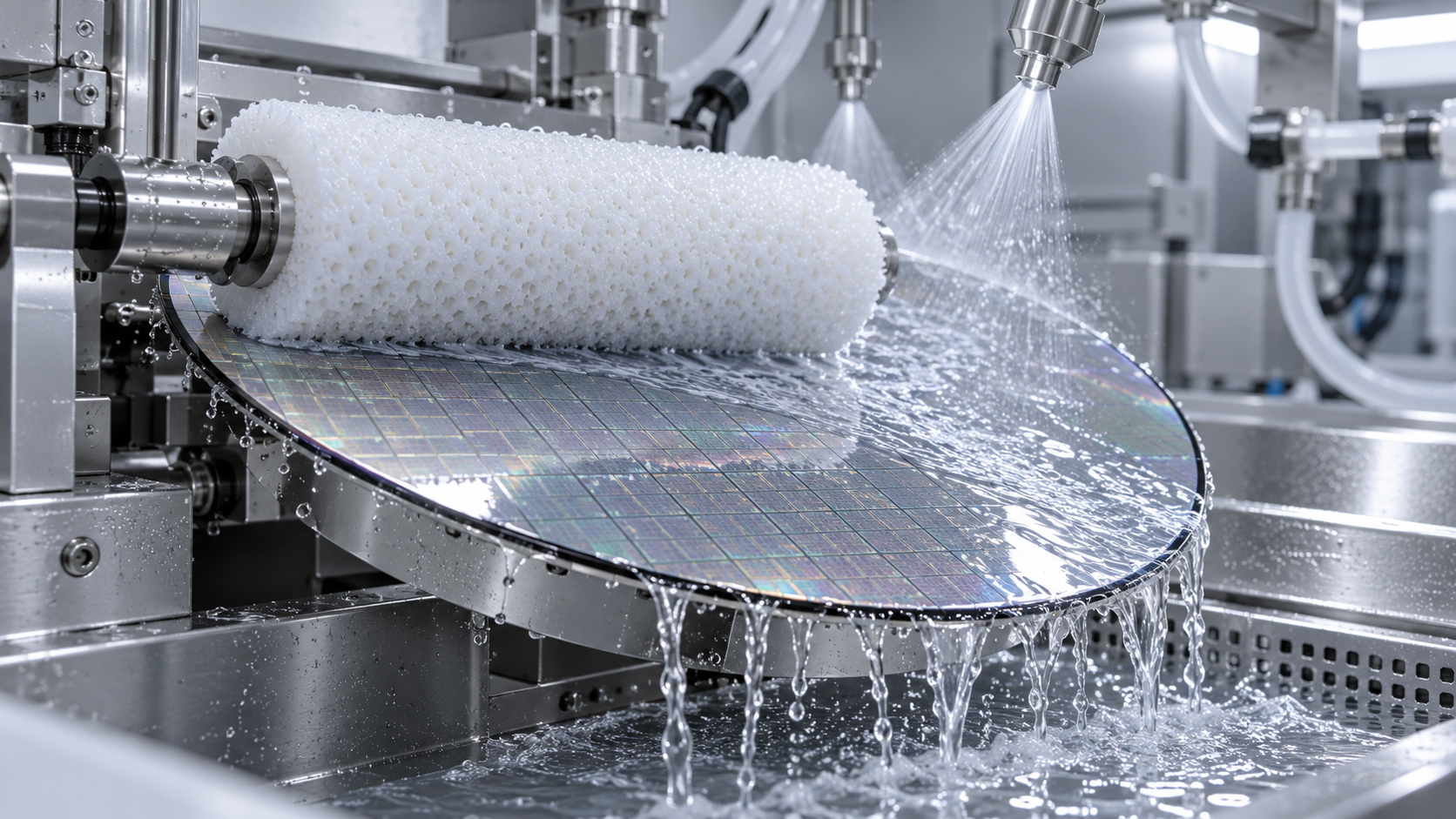
Robotic surgical systems do not operate in semiconductor fabs, yet contamination control principles still matter.
Sensitive optics, connectors, cooling paths, and sealed housings can all degrade from residue, micro-particles, or unsuitable cleaning chemistry.
This is where maintenance teams often misread the problem.
They see software alerts or unstable sensing and chase firmware causes first.
In reality, contamination at contact points, vent paths, or optical surfaces may be the upstream trigger.
Borrowing from G-SSI’s environment-control perspective, robotic surgical systems benefit from tighter control over handling materials, purge cleanliness, and post-service environmental verification.
Where scene-based priorities usually differ
The best maintenance plan changes with use pattern, not just model number.
- Frequent-use systems need cycle-based trending and heat mapping.
- Intermittent-use systems need startup diagnostics and drift verification.
- Recently repaired systems need transient power and interface validation.
- Systems with repeated alarms need contamination and connector checks before software escalation.
Misjudgments that reduce uptime even when inspections look complete
A common mistake is to treat robotic surgical systems like ordinary electromechanical assets.
They are closer to integrated precision platforms, where semiconductors, sensors, packaging, and control software interact continuously.
Another mistake is relying on pass-fail checks only.
Robotic surgical systems often show degradation as trend movement before they cross alarm thresholds.
There is also the cost bias.
Choosing a lower-cost replacement without matching thermal behavior, packaging durability, or signal stability can increase hidden downtime later.
The final blind spot is assuming similar operating rooms create identical service needs.
Procedure mix, room temperature control, update discipline, and cleaning practices all change the risk profile.
A practical way to strengthen robotic surgical systems uptime checks
A stronger process starts with baseline capture.
Record motion repeatability, sensor offsets, thermal curves, power quality, and boot diagnostics when the system is known to be stable.
Then divide inspection routines by condition.
Some robotic surgical systems need daily quick checks, while others need post-repair validation or quarterly trend audits.
It also helps to align checks with recognized reliability disciplines.
Standards thinking from SEMI, AEC-Q100, and ISO/IEC 17025 is useful for structuring traceable verification, even outside chip production itself.
For the next step, map each robotic surgical system by use intensity, repair history, sensor density, and environmental exposure.
Then define which uptime checks are mandatory, which are trend-based, and which require escalation.
That scene-based discipline is what keeps robotic surgical systems ready, predictable, and safer to return to service in 2026.
Get weekly intelligence in your inbox.
No noise. No sponsored content. Pure intelligence.
 Apr 28, 2026When do rapid prototyping 3D printing services save real costWhen do rapid prototyping 3D printing services save real cost
 Apr 28, 2026What Can Go Wrong in Fan-out Wafer Level Pkg?What Can Go Wrong in Fan-out Wafer Level Pkg?
 Apr 28, 2026What Makes Optical LiDAR Modules Better for Autonomy?What Makes Optical LiDAR Modules Better for Autonomy?
 Apr 28, 20262026 Market Trends in Supply Chain Resilience for Fabs2026 Market Trends in Supply Chain Resilience for Fabs
 Oct 26, 2026How do buying decisions in the B2B market differ from those in B2C?How do buying decisions in the B2B market differ from those in B2C?
 Oct 26, 2026JW Insights’ 2026 SiC Report: Substrate Price Rebound Signals Industry Turning PointJW Insights’ 2026 SiC Report: Substrate Price Rebound Signals Industry Turning Point
 Oct 25, 2026How SiC power semiconductors for motor drives reduce switching lossesHow SiC power semiconductors for motor drives reduce switching losses
 Oct 25, 2026AI Overcapacity Fears Rattle US Chip Stocks as October Losses Reach $2.2 TrillionAI Overcapacity Fears Rattle US Chip Stocks as October Losses Reach $2.2 Trillion
 Oct 24, 2026How post-CMP cleaning materials affect wafer particle removalHow post-CMP cleaning materials affect wafer particle removal
 Oct 24, 2026AI, GaN and Robotics: What Comes Next for Power SemiconductorsAI, GaN and Robotics: What Comes Next for Power Semiconductors
 Oct 23, 2026How noise affects MEMS accelerometers in wearable medical devicesHow noise affects MEMS accelerometers in wearable medical devices
 Oct 23, 2026U.S. Commerce Announces Up to $389 Million in CHIPS R&D FundingU.S. Commerce Announces Up to $389 Million in CHIPS R&D Funding
 Oct 22, 2026How to avoid counterfeit power conversion components in the Middle EastHow to avoid counterfeit power conversion components in the Middle East
 Oct 22, 2026Nvidia Partners Expand AI Supply Chain; Amkor Plans Over 300% Capacity IncreaseNvidia Partners Expand AI Supply Chain; Amkor Plans Over 300% Capacity Increase
 Oct 21, 2026When are portable solar panels cost-effective for remote worksites?When are portable solar panels cost-effective for remote worksites?
 Oct 21, 2026Infineon and Wolfspeed Sign Multiyear 8-Inch SiC Wafer Supply AgreementInfineon and Wolfspeed Sign Multiyear 8-Inch SiC Wafer Supply Agreement
 Oct 20, 2026Can FFU systems alone achieve ISO 14644-1 Class 1 cleanliness?Can FFU systems alone achieve ISO 14644-1 Class 1 cleanliness?
 Oct 20, 2026Aixtron Q3 Orders More Than Double as Orders and Profit Beat ExpectationsAixtron Q3 Orders More Than Double as Orders and Profit Beat Expectations
 Oct 19, 2026How to evaluate power semiconductor suppliers for supply continuityHow to evaluate power semiconductor suppliers for supply continuity
 Oct 18, 2026How system-in-package technology reduces PCB space in wearablesHow system-in-package technology reduces PCB space in wearables
 Oct 17, 2026How to size gate resistors in 1200 V SiC power semiconductor designsHow to size gate resistors in 1200 V SiC power semiconductor designs
 Oct 16, 2026How to select 1200 V SiC MOSFETs for 800 V EV traction invertersHow to select 1200 V SiC MOSFETs for 800 V EV traction inverters
 Oct 15, 2026What voltage rating do SiC power modules for railway traction need?What voltage rating do SiC power modules for railway traction need?
 Oct 14, 2026How third-generation semiconductors achieve high breakdown voltagesHow third-generation semiconductors achieve high breakdown voltages
 Oct 13, 2026When does parallel testing cut high-volume semiconductor testing costs?When does parallel testing cut high-volume semiconductor testing costs?
 Oct 12, 2026Industrial Accelerometer Specifications for Machine Vibration MonitoringIndustrial Accelerometer Specifications for Machine Vibration Monitoring
 Oct 12, 2026What Makes an Industrial Gas Sensor Supplier Reliable for Long-Term Supply?What Makes an Industrial Gas Sensor Supplier Reliable for Long-Term Supply?