Industrial IoT Certification: Standards That Impact Deployment Risk
Industrial IoT certification has moved from a compliance checkbox to a deployment risk filter. In fabs, power electronics lines, and sensor-rich infrastructure, connected assets now influence yield, safety, uptime, and traceability at the same time.
That shift matters because industrial systems are no longer isolated devices. They are part of data chains that connect edge sensing, control logic, test environments, quality systems, and enterprise decisions.
When those chains fail, the problem is rarely just network access. It can appear as thermal drift, timing instability, bad calibration, corrupted records, or weak interoperability between certified and non-certified components.
For organizations working across semiconductors and sensory infrastructure, Industrial IoT certification helps separate attractive specifications from proven deployment readiness. It offers a structured way to judge whether a product can survive real industrial conditions.
Why certification now affects operational risk
Industrial digitalization is expanding into environments where failure tolerance is low. A packaging line, gas delivery system, MEMS calibration station, or SiC power module test cell cannot rely on generic connected-device claims.
In these settings, Industrial IoT certification is valuable because it links performance statements to recognized standards. That changes procurement discussions from feature comparison to risk qualification.
This is especially relevant in the G-SSI context. Semiconductor fabrication integrity and sensory data precision are now tied directly to sovereign-grade digital infrastructure, not only to factory efficiency.
As mature-node capacity expands and autonomous systems scale, technical due diligence must cover more than device functionality. It must also address repeatability, contamination control, cybersecurity posture, and evidence quality.
What Industrial IoT certification actually covers
Industrial IoT certification is not one universal badge. It is a landscape of standards, test frameworks, and conformity practices that validate different layers of an industrial system.
Some standards address communication and interoperability. Others focus on safety, cybersecurity, environmental durability, or laboratory competence. The deployment risk changes depending on which layer has been verified.
Common standard domains
- Cybersecurity standards such as IEC 62443 evaluate security architecture, access control, patching discipline, and system hardening.
- Functional safety frameworks such as IEC 61508 matter where sensing or control faults can trigger hazardous states.
- Quality and laboratory standards such as ISO 9001 and ISO/IEC 17025 support traceable testing, calibration confidence, and defensible measurement results.
- Sector-specific references such as SEMI standards and AEC-Q100 add relevance for semiconductor equipment, materials handling, and reliability expectations.
- Interoperability programs around OPC UA, industrial Ethernet, and protocol conformance reduce integration uncertainty across multi-vendor environments.
Simple compliance statements are not enough. The real question is whether the certificate addresses the operational weakness most likely to disrupt the target deployment.
The standards that change the risk profile most
Not every certification carries equal weight. Some influence documentation quality. Others materially affect downtime, data trust, and system resilience.
From a deployment perspective, the strongest Industrial IoT certification strategy combines these domains rather than treating them as substitutes. Secure data from an unstable sensor is still poor infrastructure.
Where the issue becomes practical
The value of Industrial IoT certification becomes clearer when viewed through operational scenarios rather than abstract compliance language.
Semiconductor fabrication environments
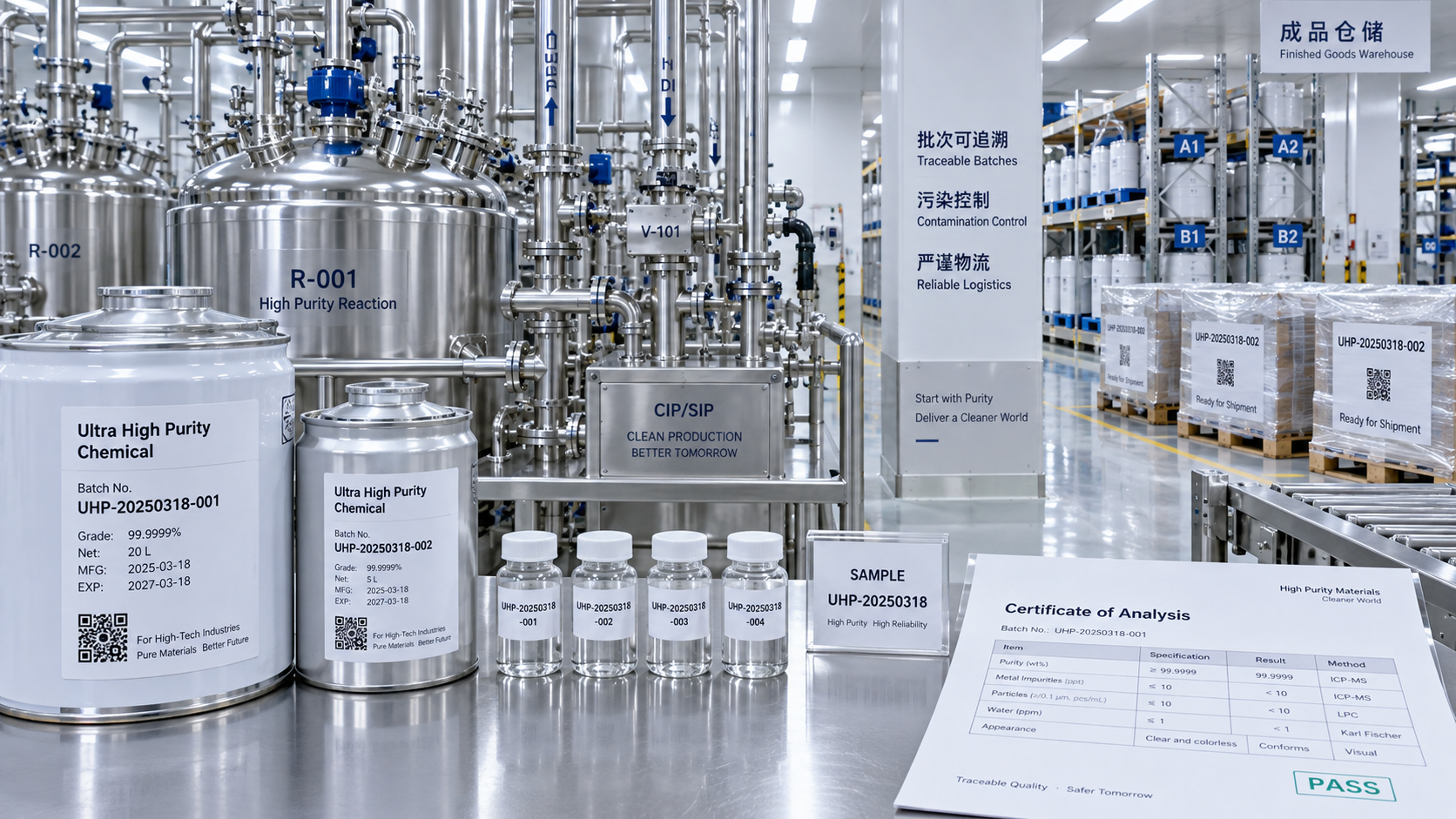
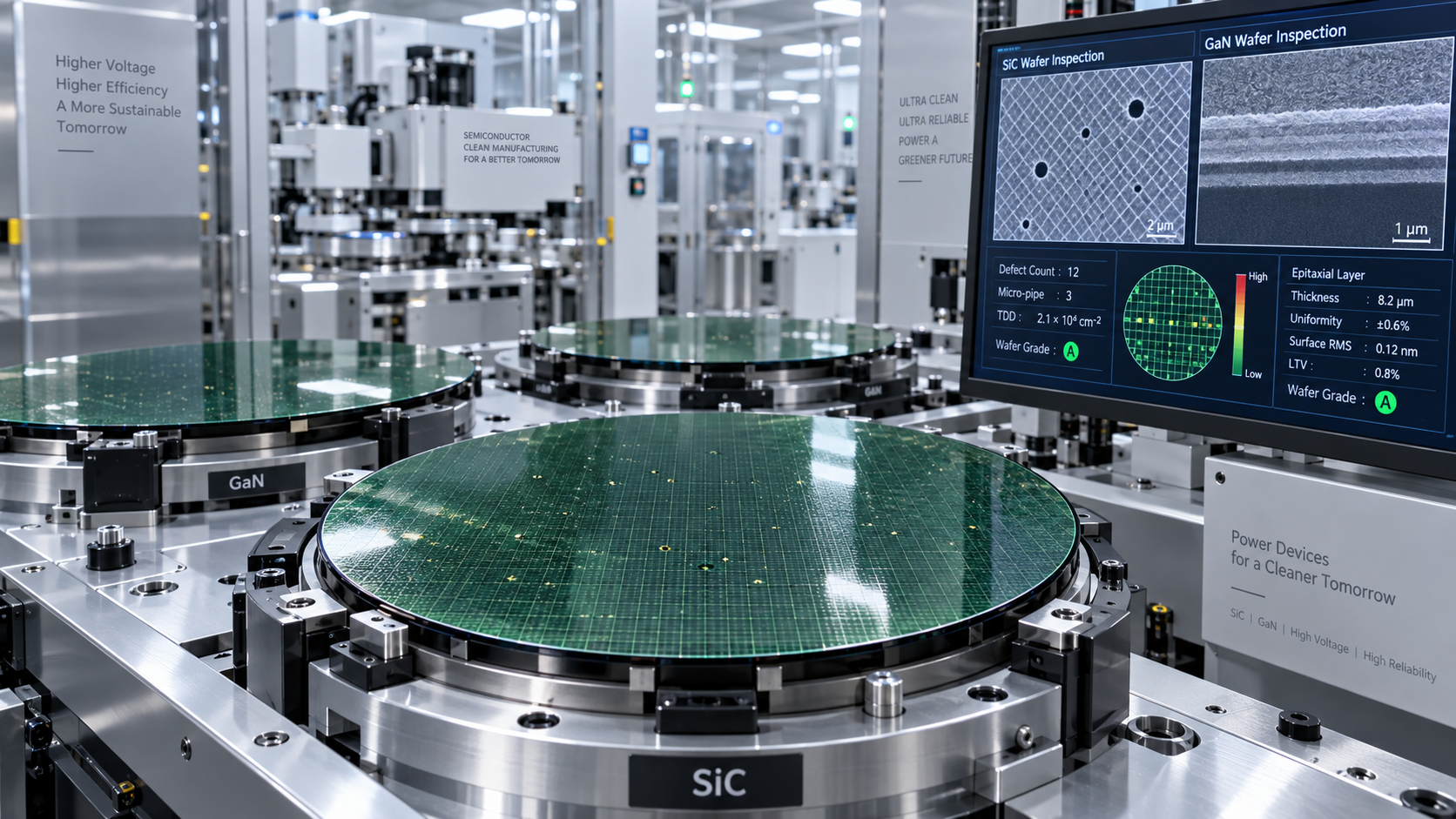
Connected sensors track humidity, particles, gases, pressure, vibration, and tool state. If calibration evidence is weak, fab decisions can be based on false normal conditions.
Here, ISO/IEC 17025, SEMI alignment, and communication conformance often matter more than general device marketing claims. Data integrity and traceability directly affect yield confidence.
Power semiconductor and high-voltage systems
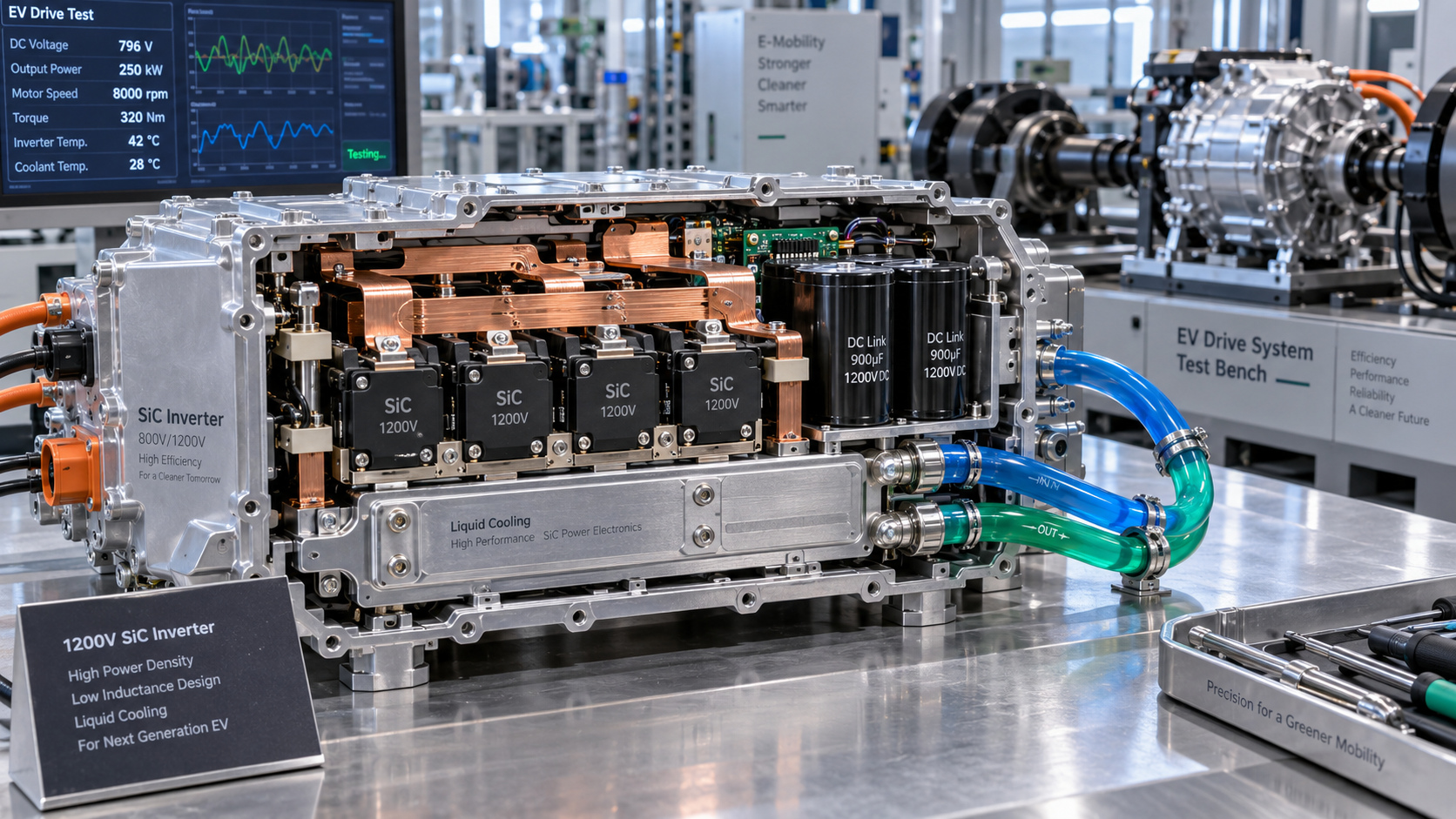
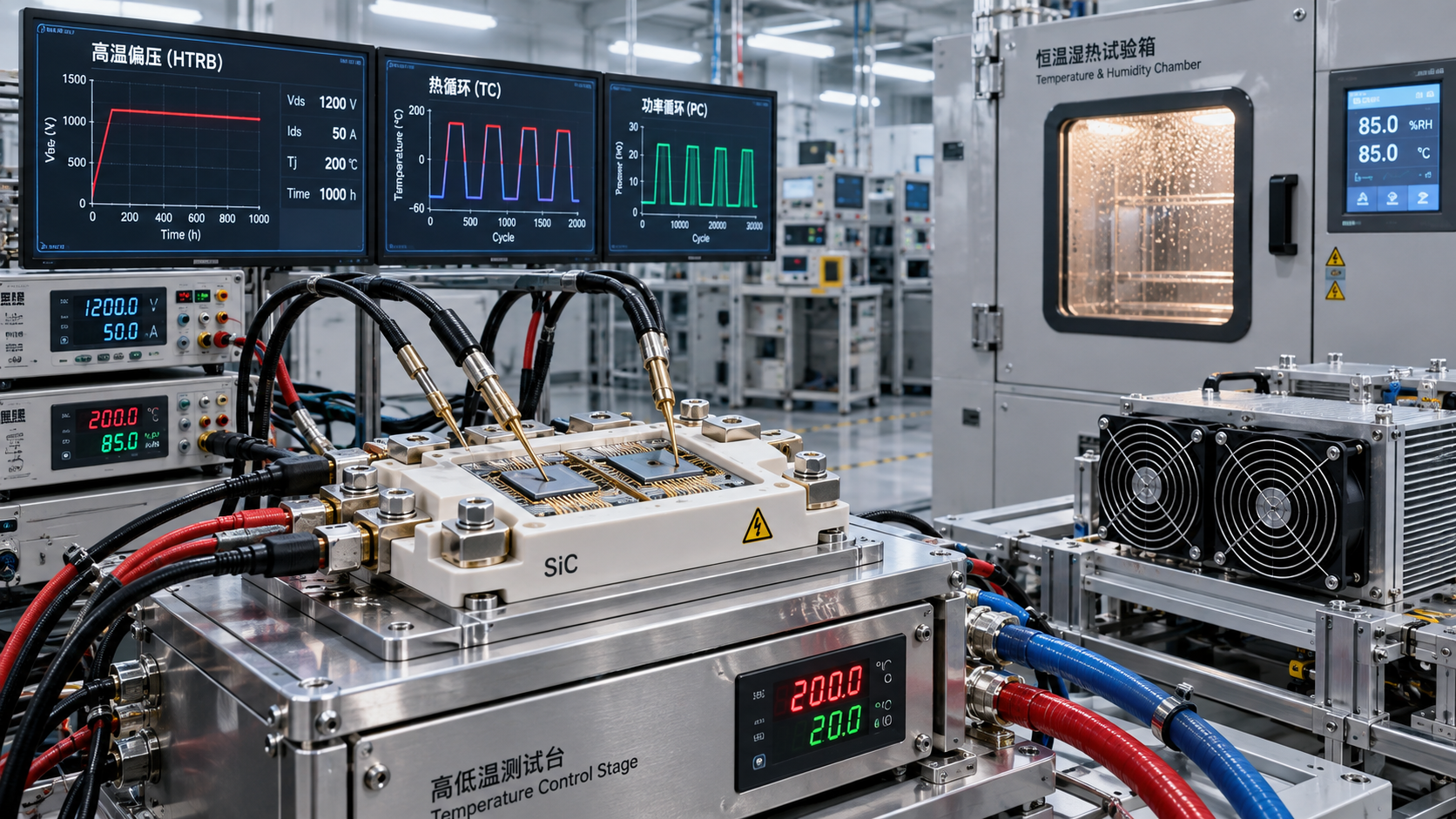
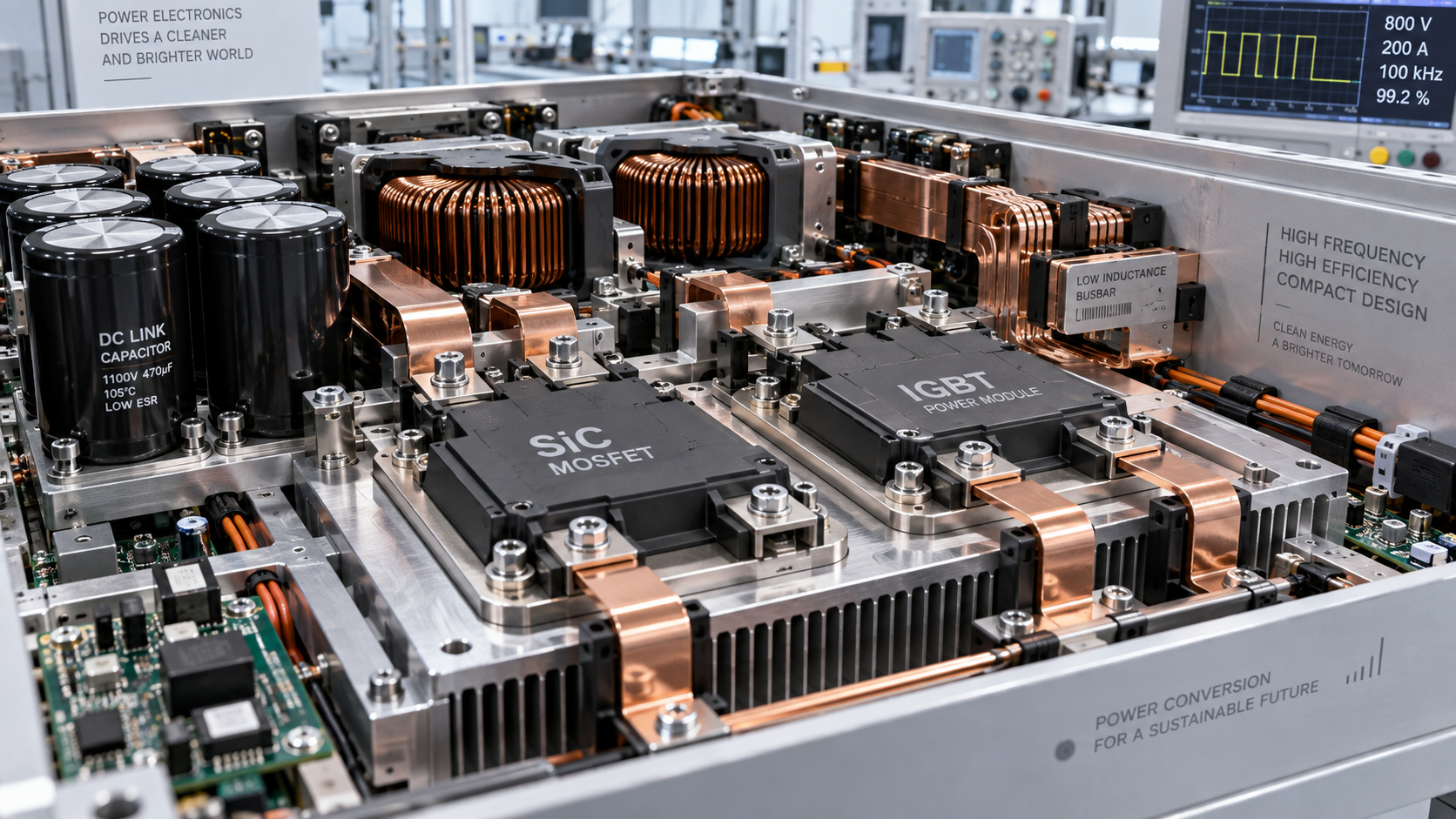
In SiC and GaN applications, telemetry is used to monitor thermal behavior, switching stress, and field conditions. Certification gaps can hide failures that only appear under load or over time.
Industrial IoT certification in this case should support environmental endurance, safe control logic, and reliable data collection around demanding power conversion conditions.
Smart sensors and distributed infrastructure
Industrial-grade MEMS and edge sensing devices often fail not because sensing stops, but because confidence in the signal collapses. Drift, timestamp errors, and insecure firmware updates can all degrade decisions.
That is why Industrial IoT certification must be read alongside update governance, reference calibration, and protocol interoperability, not only enclosure ratings or datasheet accuracy.
How to interpret certificates without overestimating them
A certificate can reduce uncertainty, but it does not remove the need for technical scrutiny. The most common mistake is assuming that one compliance mark validates the whole deployment stack.
Usually, certificates apply to a product version, a subsystem, a test condition, or a manufacturing process scope. Real operating conditions may still fall outside that scope.
Useful review questions
- Does the certificate match the exact hardware revision, firmware version, and interface configuration under evaluation?
- Was testing performed by an accredited laboratory with traceable methods and current reports?
- Do the test conditions reflect thermal load, contamination exposure, vibration, or electromagnetic stress expected in operation?
- Is interoperability proven through conformance results, or only claimed in product literature?
- Are cybersecurity controls maintained across updates, remote service, and third-party integration points?
This review approach is especially important in cross-border supply chains, where documentation quality varies and naming similarity can hide different qualification depth.
Why benchmarking matters more than isolated compliance
In practice, deployment decisions are rarely made between a certified option and an uncertified one. They are made between several options that carry different certifications with different evidence strength.
That is where structured benchmarking becomes useful. G-SSI’s emphasis on SEMI, AEC-Q100, and ISO/IEC 17025 reflects a broader reality: the same Industrial IoT certification label can imply very different technical credibility.
A sensor package, a chiplet-enabled subsystem, an electronic gas monitor, and a high-voltage switching module should not be judged through one generic checklist. Their risk pathways differ.
Benchmarking exposes those differences by comparing reliability evidence, thermal margins, laboratory discipline, and data fidelity under standard-aligned conditions. That creates a more defensible basis for deployment approval.
A practical next step for evaluation
A useful starting point is to map each connected asset to its most likely failure consequence. From there, align the required Industrial IoT certification domains to that consequence rather than to marketing categories.
For some assets, cybersecurity certification will be decisive. For others, calibration traceability, fab compatibility, or stress reliability will matter more. The point is to rank standards by deployment relevance.
It also helps to request current test reports, scope statements, and change-management records before final qualification. Those documents often reveal more than the certificate headline.
Industrial IoT certification is most useful when it supports a disciplined evaluation model. Build that model around operating conditions, integration boundaries, and evidence quality, and deployment risk becomes easier to predict before failures become expensive.
Get weekly intelligence in your inbox.
No noise. No sponsored content. Pure intelligence.
 Apr 28, 2026When do rapid prototyping 3D printing services save real costWhen do rapid prototyping 3D printing services save real cost
 Apr 28, 2026What Can Go Wrong in Fan-out Wafer Level Pkg?What Can Go Wrong in Fan-out Wafer Level Pkg?
 Apr 28, 2026What Makes Optical LiDAR Modules Better for Autonomy?What Makes Optical LiDAR Modules Better for Autonomy?
 Apr 28, 20262026 Market Trends in Supply Chain Resilience for Fabs2026 Market Trends in Supply Chain Resilience for Fabs
 Oct 09, 2026How North American semiconductor fabs control airborne molecular contaminationHow North American semiconductor fabs control airborne molecular contamination
 Oct 08, 2026When do custom aluminum extrusions reduce fabrication costs?When do custom aluminum extrusions reduce fabrication costs?
 Oct 07, 2026How semiconductor packaging affects thermal reliability in EV power electronicsHow semiconductor packaging affects thermal reliability in EV power electronics
 Oct 06, 2026When do corrugated plastic boxes make sense for returnable shipping?When do corrugated plastic boxes make sense for returnable shipping?
 Oct 05, 2026What to verify before choosing semiconductor distributors in North AmericaWhat to verify before choosing semiconductor distributors in North America
 Oct 04, 2026How to assess a high purity materials manufacturer’s traceabilityHow to assess a high purity materials manufacturer’s traceability
 Oct 03, 2026How SiC power conversion solutions improve high-voltage invertersHow SiC power conversion solutions improve high-voltage inverters
 Oct 02, 2026When do SiC MOSFET benefits justify the higher device cost?When do SiC MOSFET benefits justify the higher device cost?
 Oct 01, 2026Which semiconductor reliability testing standards apply to power devices?Which semiconductor reliability testing standards apply to power devices?
 Sep 30, 2026How to qualify a semiconductor photoresist supplier for KrF/ArF productionHow to qualify a semiconductor photoresist supplier for KrF/ArF production
 Sep 29, 2026What image quality should portable ultrasound scanners deliver for triage?What image quality should portable ultrasound scanners deliver for triage?
 Sep 28, 2026How sub-ppb impurity control gases protect process consistencyHow sub-ppb impurity control gases protect process consistency
 Sep 27, 2026How chemical purity affects defect rates in semiconductor depositionHow chemical purity affects defect rates in semiconductor deposition
 Sep 26, 2026When do high voltage power semiconductor devices need SiC over IGBTs?When do high voltage power semiconductor devices need SiC over IGBTs?
 Sep 25, 2026How to verify quality controls at a die casting parts supplier in ChinaHow to verify quality controls at a die casting parts supplier in China
 Sep 24, 2026How to verify electronic gas purity for sub-ppb semiconductor processesHow to verify electronic gas purity for sub-ppb semiconductor processes
 Sep 23, 2026When sensory data integration improves industrial motion monitoringWhen sensory data integration improves industrial motion monitoring
 Sep 22, 2026How supply chain resilience reduces the cost of production disruptionsHow supply chain resilience reduces the cost of production disruptions
 Sep 21, 2026What autonomous systems OEMs should verify before sourcing LiDAR modulesWhat autonomous systems OEMs should verify before sourcing LiDAR modules
 Sep 20, 2026How gas purity affects defect density in epitaxial wafer growthHow gas purity affects defect density in epitaxial wafer growth
 Sep 19, 2026How substrate defects affect third-generation material device yieldHow substrate defects affect third-generation material device yield
 Sep 18, 2026How trace impurities in specialty process gases affect wafer yieldHow trace impurities in specialty process gases affect wafer yield
 Sep 17, 2026How European REACH rules affect specialty electronic chemical sourcingHow European REACH rules affect specialty electronic chemical sourcing