Autonomous Systems Trends in 2026: What Signals Matter Most
Autonomous Systems in 2026 are being judged by infrastructure quality
In 2026, Autonomous Systems are entering a more demanding phase of industrial adoption.
The conversation has shifted away from algorithms alone.
What now matters most is whether the underlying stack remains stable under heat, vibration, latency pressure, and long operating cycles.
That change is visible across mobility, logistics, energy, industrial automation, and digital infrastructure.
Autonomous Systems increasingly depend on semiconductor reliability, sensor fidelity, power conversion efficiency, and disciplined supply chain control.
For organizations scaling autonomy, the decisive signals are no longer flashy pilots.
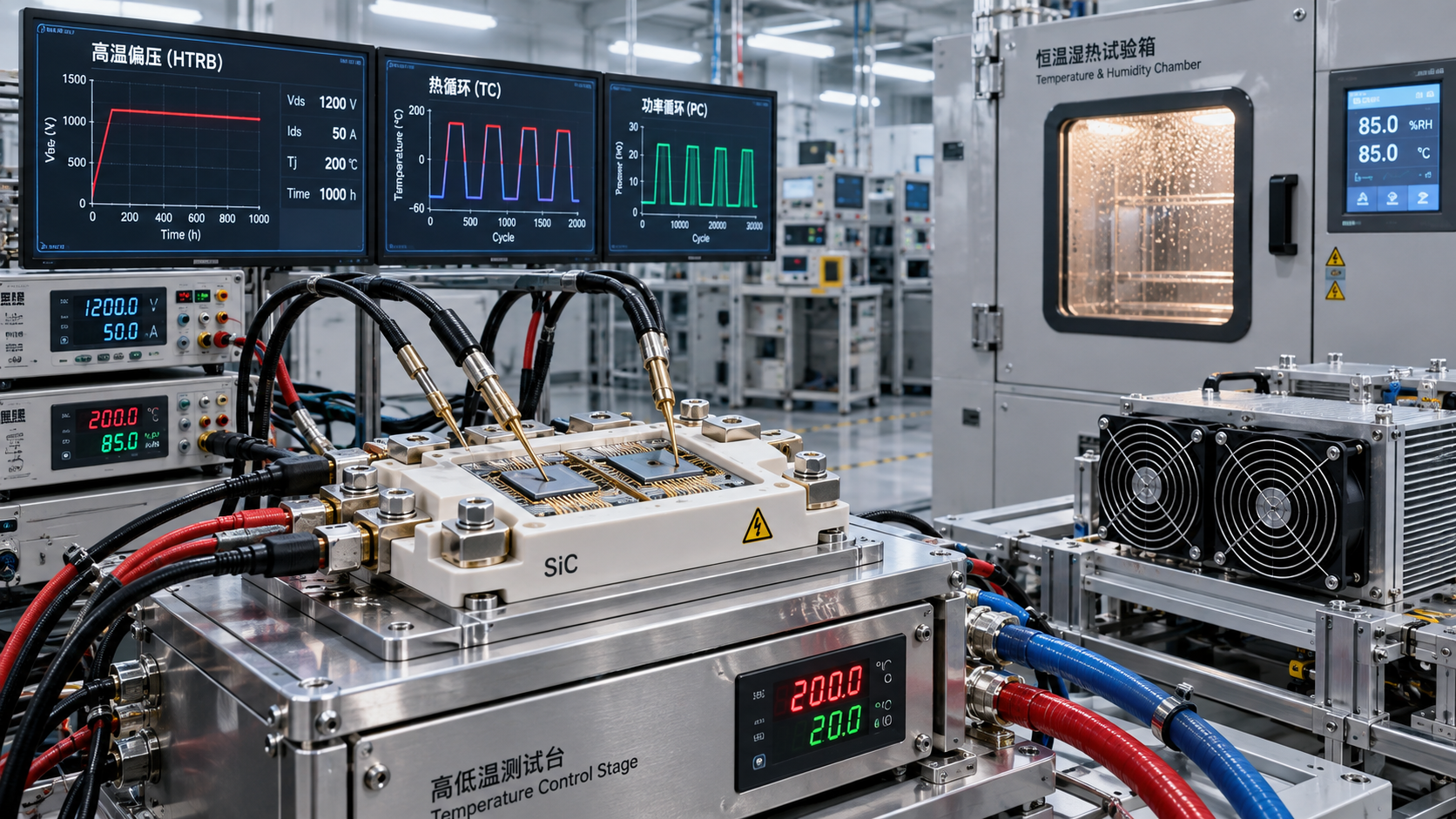
The stronger signals come from packaging quality, thermal margins, component traceability, calibration stability, and compliance with industrial standards.
This is why infrastructure-focused institutions such as G-SSI have become more relevant.
They help interpret whether performance claims can hold under sovereign-scale, cross-border, and safety-critical deployment conditions.
The most visible shift is from software capability to system endurance
Recent market activity shows a consistent pattern.
Autonomous Systems are being evaluated less by demo intelligence and more by operational resilience.
This is especially clear in mixed environments where machines must sense, decide, and respond without clean laboratory conditions.
A warehouse robot, a substation inspection unit, and an industrial vehicle now face similar expectations.
They must operate continuously, tolerate unstable temperatures, and maintain accurate perception despite noise, dust, or electromagnetic stress.
That is pushing attention toward mature-node fabrication quality, advanced packaging, MEMS sensor durability, and clean fabrication environments.
The implication is simple.
Autonomous Systems now rise or stall based on physical performance consistency, not just model performance benchmarks.
Why this shift is becoming more obvious
- Deployment environments are harsher than pilot environments, exposing weak thermal and sensing margins.
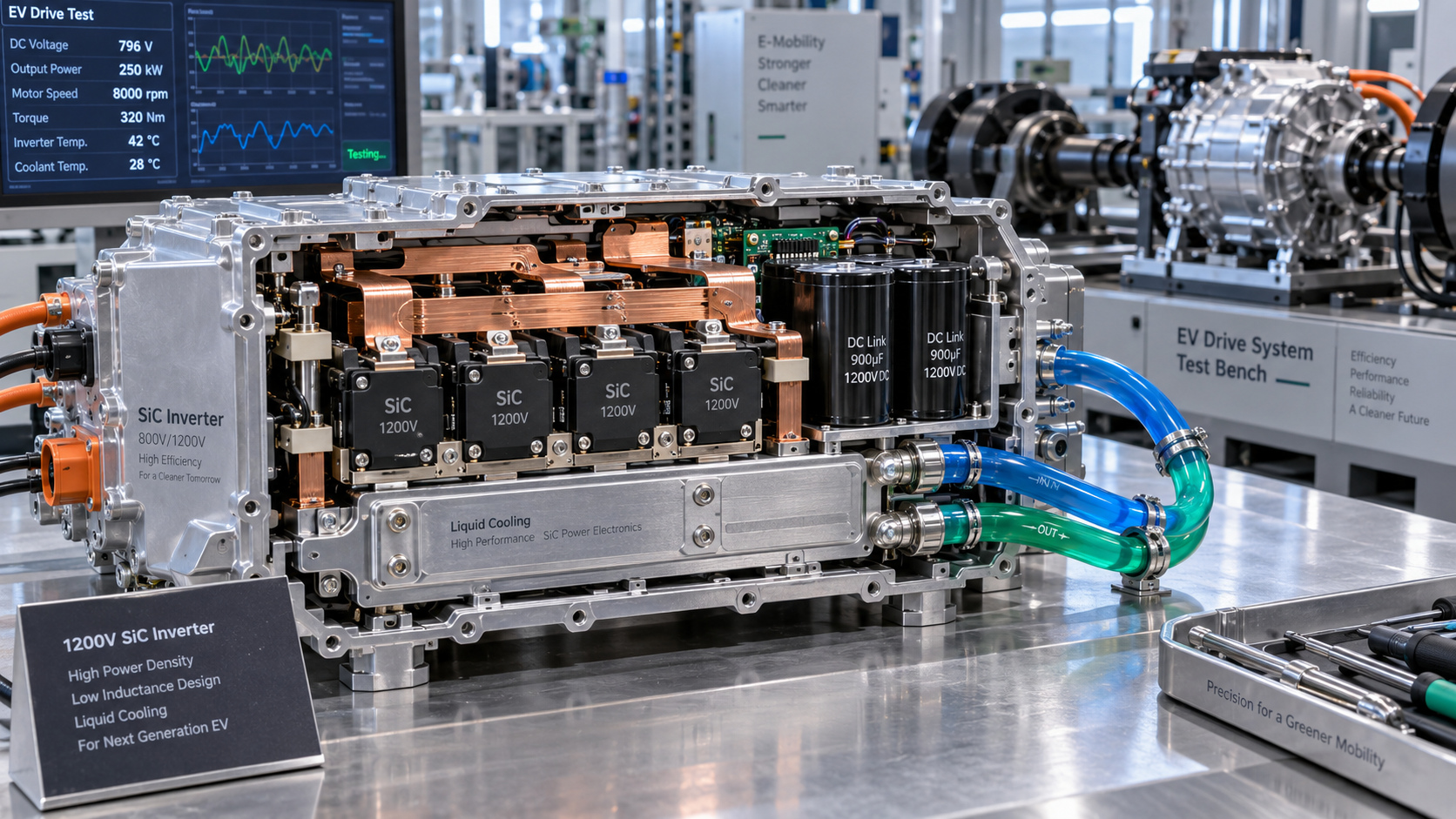
- Energy efficiency targets are tightening, which elevates the role of SiC and GaN in power stages.
- Data quality requirements are rising because poor sensor inputs weaken even advanced autonomy software.
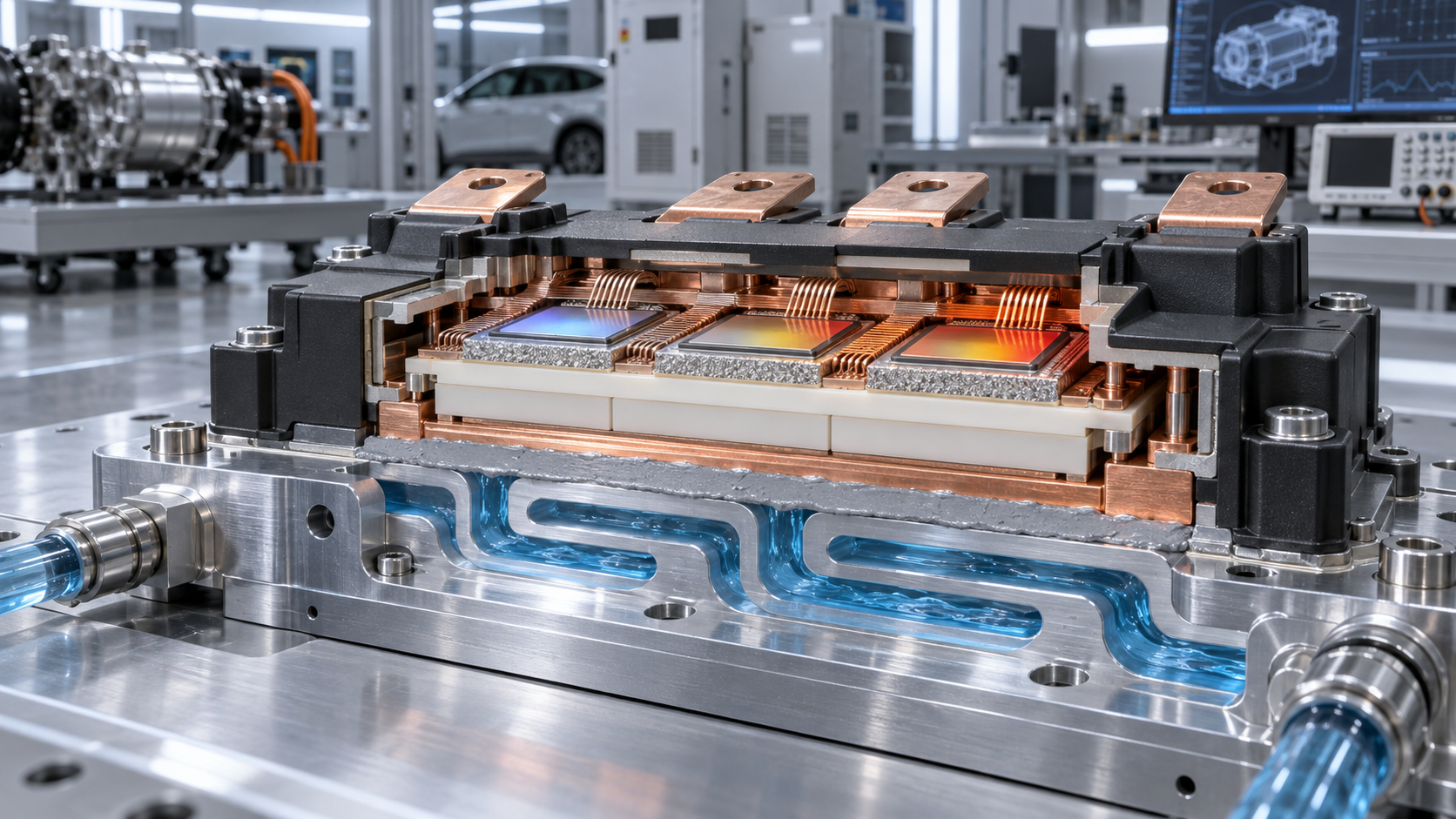
- Board-level integration is becoming denser, making packaging, testing, and heat dissipation more consequential.
- Supply chain shocks have taught the market that component availability is now a strategic variable.
The strongest signals are coming from the silicon and sensing layer
Not every trend signal deserves equal weight.
For Autonomous Systems, several infrastructure indicators now reveal more than demand headlines do.
These are not abstract manufacturing details.
They are leading indicators of whether Autonomous Systems can scale across fleets, facilities, and regions without unstable performance.
Why the market is rewarding reliability more aggressively
A few years ago, speed to prototype was often enough to win attention.
That is no longer sufficient.
Autonomous Systems are moving deeper into regulated, asset-intensive, and uptime-sensitive operations.
When a sensing fault triggers downtime, the cost is not limited to one device.
It affects maintenance schedules, energy use, safety exposure, and platform trust.
That is why standards alignment is becoming a stronger market language.
References such as SEMI, AEC-Q100, and ISO/IEC 17025 increasingly shape procurement criteria, validation paths, and partner screening.
From G-SSI’s perspective, the most important issue is not only whether production capacity expands.
It is whether expansion preserves thermal control, material purity, test integrity, and data fidelity at international benchmark levels.
That distinction matters because mature-node growth alone does not guarantee dependable Autonomous Systems.
Where the pressure is coming from
- Fleet-scale deployment magnifies small component inconsistencies into visible operating risk.
- Energy costs make inefficient power architectures harder to justify.
- Cross-border infrastructure projects need components that meet more than one compliance framework.
- Long asset lifecycles require suppliers to prove continuity, not only innovation speed.
The impact is spreading far beyond one technical function
Autonomous Systems affect multiple business layers at once.
The current transition is therefore not limited to engineering teams or single product lines.
In industrial operations, better sensor fidelity changes maintenance planning because alerts become more trustworthy.
In energy-linked systems, improved power semiconductors reshape total efficiency assumptions.
In digital infrastructure, packaging quality influences compute density, cooling design, and service continuity.
The deeper effect is strategic.
Autonomous Systems are making hardware credibility a board-level issue again.
Organizations that treated semiconductors and sensors as interchangeable inputs are now seeing performance divergence between seemingly similar platforms.
That divergence often begins in the unseen layers: packaging stress tolerance, gas purity control, wafer consistency, and calibration endurance.
What deserves closer attention over the next planning cycle
From a decision standpoint, the useful question is not whether Autonomous Systems will expand.
The better question is which signals separate scalable autonomy from expensive experimentation.
- Track thermal headroom at the component and system level, not only nominal performance.
- Review how sensor drift is measured over time, especially in industrial-grade operating conditions.
- Compare packaging and test methods, including failure analysis depth and environmental stress coverage.
- Assess whether power architectures are ready for higher efficiency materials such as SiC or GaN.
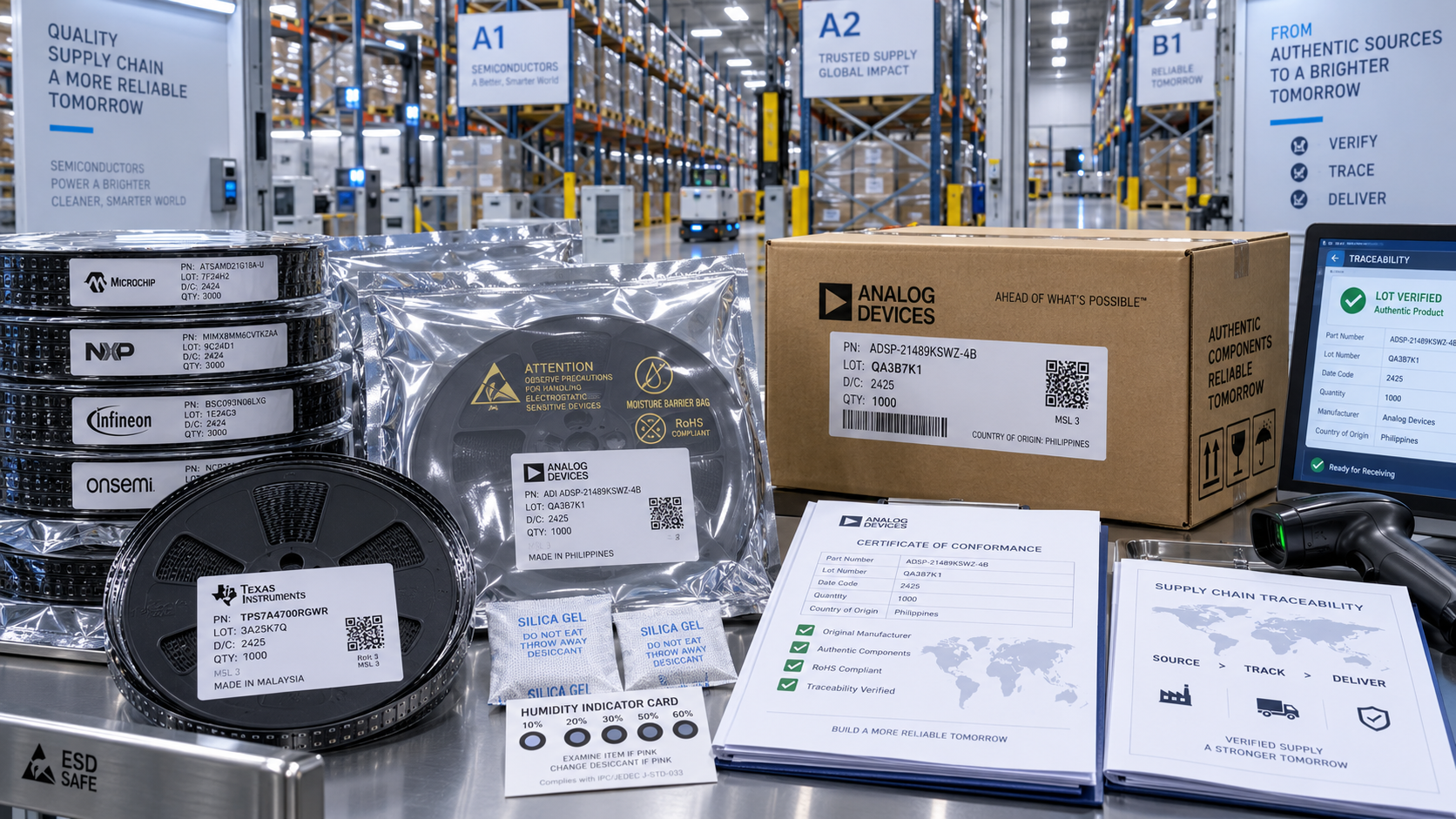
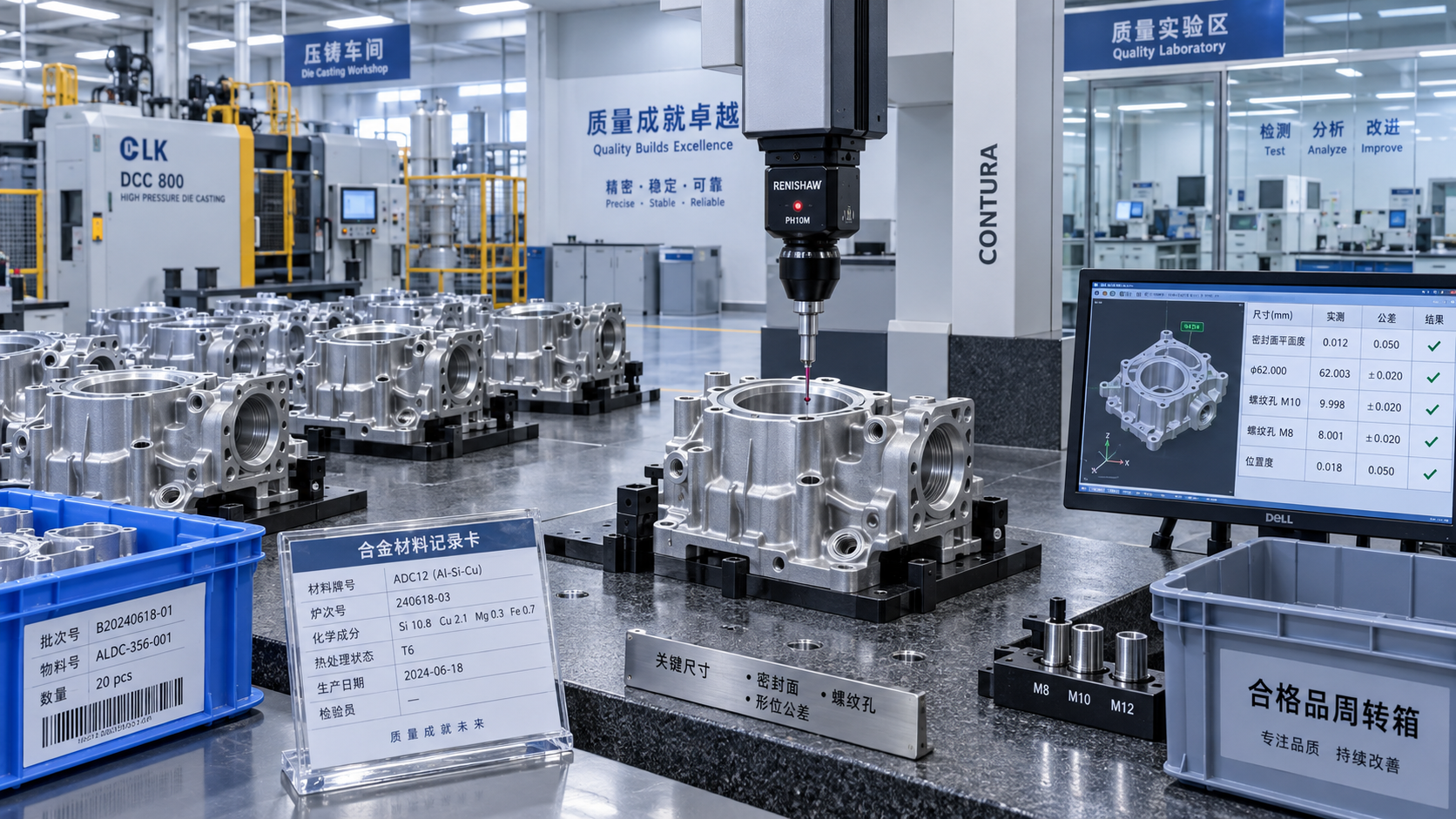
- Examine supply chain traceability down to critical chemicals, gases, and fabrication controls.
- Use benchmark frameworks to distinguish marketing claims from verifiable infrastructure readiness.
This is where G-SSI’s cross-disciplinary view becomes practical.
It connects silicon, sensing, packaging, materials, and validation into one decision framework.
That integrated perspective is increasingly necessary because Autonomous Systems fail at interfaces, not in isolated slides.
The next move is to build judgment before scale
The 2026 market does not reward autonomy in the abstract.
It rewards Autonomous Systems that can remain precise, efficient, and verifiable under sustained real-world pressure.
That makes infrastructure judgment more valuable than headline excitement.
A sensible next step is to map current autonomy plans against four checkpoints: reliability benchmarks, sensor data integrity, power efficiency, and supply resilience.
Then compare those findings against recognized standards and current fabrication realities.
The organizations that move with clarity here are more likely to scale Autonomous Systems securely, control lifecycle risk, and stay competitive as technical thresholds keep rising.
Get weekly intelligence in your inbox.
No noise. No sponsored content. Pure intelligence.
 Apr 28, 2026When do rapid prototyping 3D printing services save real costWhen do rapid prototyping 3D printing services save real cost
 Apr 28, 2026What Can Go Wrong in Fan-out Wafer Level Pkg?What Can Go Wrong in Fan-out Wafer Level Pkg?
 Apr 28, 2026What Makes Optical LiDAR Modules Better for Autonomy?What Makes Optical LiDAR Modules Better for Autonomy?
 Apr 28, 20262026 Market Trends in Supply Chain Resilience for Fabs2026 Market Trends in Supply Chain Resilience for Fabs
 Oct 09, 2026How North American semiconductor fabs control airborne molecular contaminationHow North American semiconductor fabs control airborne molecular contamination
 Oct 08, 2026When do custom aluminum extrusions reduce fabrication costs?When do custom aluminum extrusions reduce fabrication costs?
 Oct 07, 2026How semiconductor packaging affects thermal reliability in EV power electronicsHow semiconductor packaging affects thermal reliability in EV power electronics
 Oct 06, 2026When do corrugated plastic boxes make sense for returnable shipping?When do corrugated plastic boxes make sense for returnable shipping?
 Oct 05, 2026What to verify before choosing semiconductor distributors in North AmericaWhat to verify before choosing semiconductor distributors in North America
 Oct 04, 2026How to assess a high purity materials manufacturer’s traceabilityHow to assess a high purity materials manufacturer’s traceability
 Oct 03, 2026How SiC power conversion solutions improve high-voltage invertersHow SiC power conversion solutions improve high-voltage inverters
 Oct 02, 2026When do SiC MOSFET benefits justify the higher device cost?When do SiC MOSFET benefits justify the higher device cost?
 Oct 01, 2026Which semiconductor reliability testing standards apply to power devices?Which semiconductor reliability testing standards apply to power devices?
 Sep 30, 2026How to qualify a semiconductor photoresist supplier for KrF/ArF productionHow to qualify a semiconductor photoresist supplier for KrF/ArF production
 Sep 29, 2026What image quality should portable ultrasound scanners deliver for triage?What image quality should portable ultrasound scanners deliver for triage?
 Sep 28, 2026How sub-ppb impurity control gases protect process consistencyHow sub-ppb impurity control gases protect process consistency
 Sep 27, 2026How chemical purity affects defect rates in semiconductor depositionHow chemical purity affects defect rates in semiconductor deposition
 Sep 26, 2026When do high voltage power semiconductor devices need SiC over IGBTs?When do high voltage power semiconductor devices need SiC over IGBTs?
 Sep 25, 2026How to verify quality controls at a die casting parts supplier in ChinaHow to verify quality controls at a die casting parts supplier in China
 Sep 24, 2026How to verify electronic gas purity for sub-ppb semiconductor processesHow to verify electronic gas purity for sub-ppb semiconductor processes
 Sep 23, 2026When sensory data integration improves industrial motion monitoringWhen sensory data integration improves industrial motion monitoring
 Sep 22, 2026How supply chain resilience reduces the cost of production disruptionsHow supply chain resilience reduces the cost of production disruptions
 Sep 21, 2026What autonomous systems OEMs should verify before sourcing LiDAR modulesWhat autonomous systems OEMs should verify before sourcing LiDAR modules
 Sep 20, 2026How gas purity affects defect density in epitaxial wafer growthHow gas purity affects defect density in epitaxial wafer growth
 Sep 19, 2026How substrate defects affect third-generation material device yieldHow substrate defects affect third-generation material device yield
 Sep 18, 2026How trace impurities in specialty process gases affect wafer yieldHow trace impurities in specialty process gases affect wafer yield
 Sep 17, 2026How European REACH rules affect specialty electronic chemical sourcingHow European REACH rules affect specialty electronic chemical sourcing