Thermal Management Basics: What Impacts System Reliability Most
Thermal Management often decides reliability long before a visible failure appears. In semiconductors, sensors, and advanced packages, heat shapes electrical behavior, material stress, signal accuracy, and service life. For organizations comparing devices against strict industrial benchmarks, the most important question is rarely whether heat exists, but which thermal conditions create the highest reliability risk.
That question matters more in 2026 because power density keeps rising while system footprints shrink. Autonomous equipment, industrial sensing networks, SiC and GaN power stages, and chiplet-based architectures all push more performance through tighter spaces. In that environment, Thermal Management is no longer a support topic. It becomes part of technical qualification, field stability, and supply chain confidence.
Why heat affects reliability more than many teams expect
Heat does not damage systems in only one way. Excess temperature changes semiconductor switching behavior, increases leakage, shifts sensor outputs, weakens interconnects, and accelerates material aging. Even when a device remains functional, repeated thermal stress can shorten the margin between normal operation and failure.
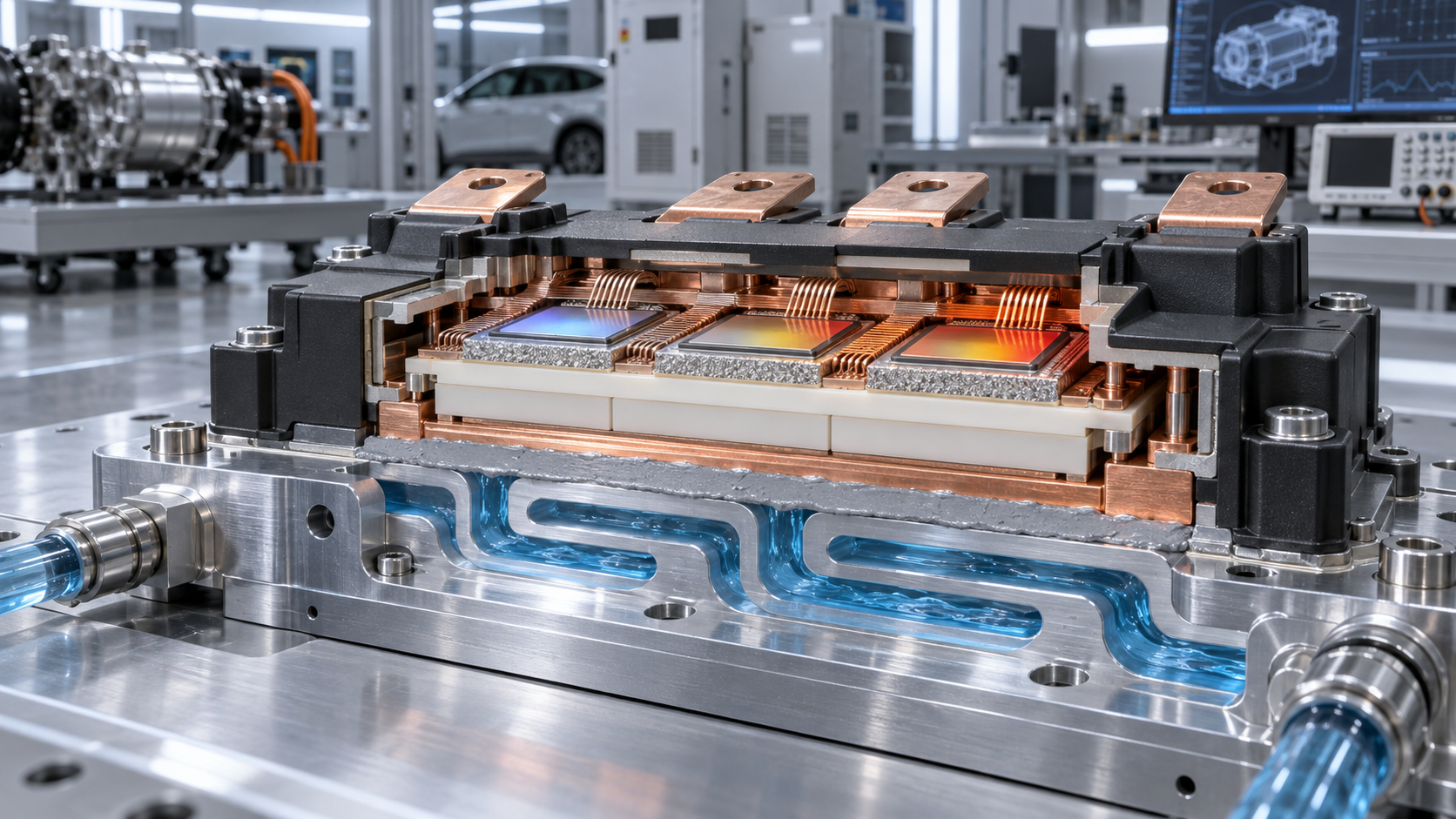
A useful starting point is junction temperature, not ambient temperature alone. Ambient conditions may look acceptable, while local hotspots inside a package or module exceed safe limits. This is common in power devices, dense IC packages, and sensor assemblies placed near motors, converters, or sealed enclosures.
Thermal Management therefore means more than cooling hardware. It includes heat generation, heat spreading, thermal interfaces, airflow, package design, board layout, enclosure constraints, and operating cycles. Reliability changes when any of those factors drift.
The thermal factors that usually matter most
Not every thermal metric has equal importance. In practical evaluation work, a few variables consistently influence long-term system reliability more than others.
Peak junction temperature
High peak junction temperature directly affects electrical performance and aging rate. For MOSFETs, drivers, PMICs, and sensor ASICs, elevated junction temperature can alter switching losses, offset drift, and timing behavior. Once temperature headroom disappears, reliability becomes highly sensitive to small workload changes.
Thermal cycling range
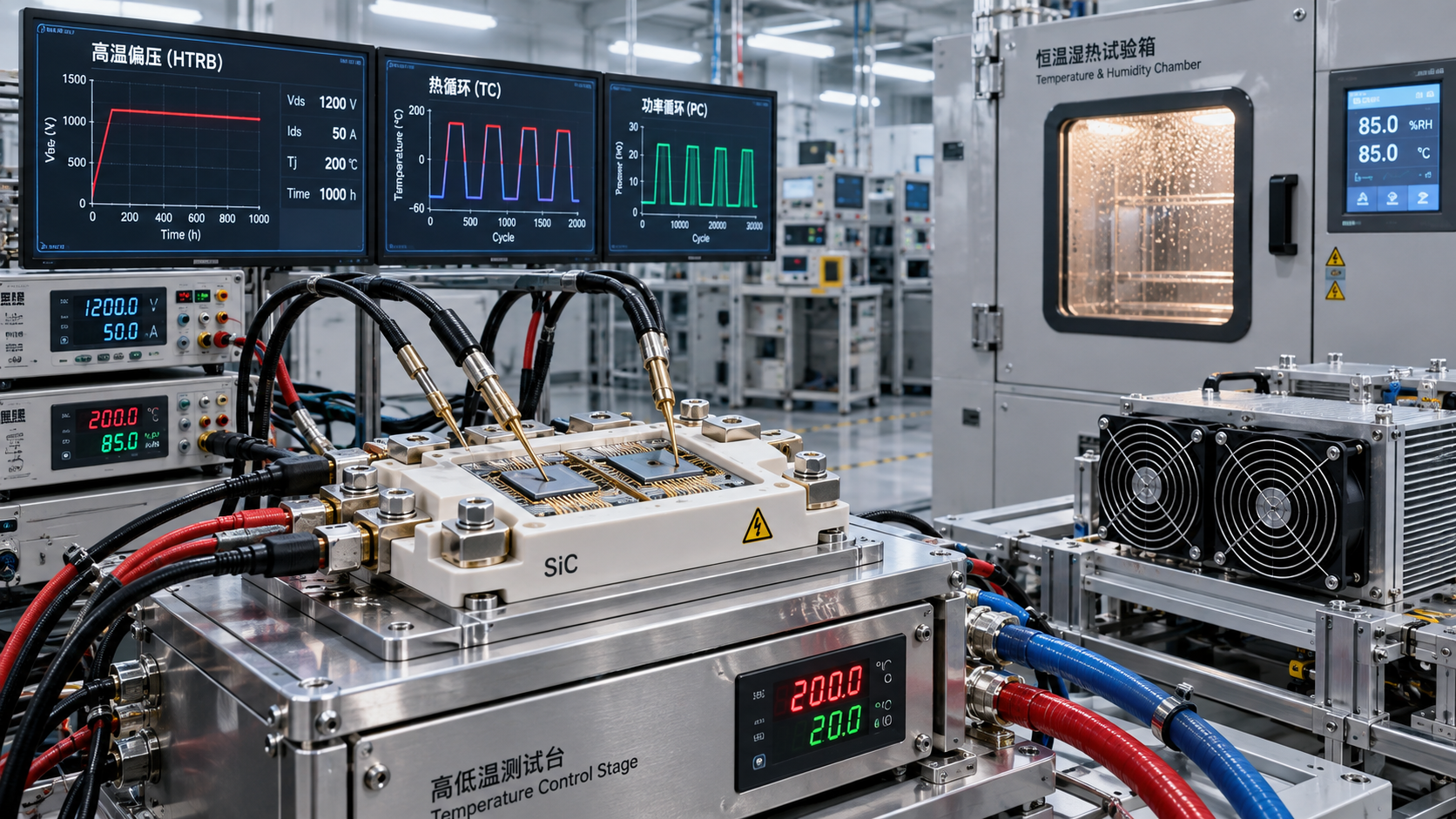
A device that repeatedly moves from cool to hot often fails sooner than a device held at a stable, slightly elevated temperature. The repeated expansion and contraction of die, substrate, solder, mold compound, and leads create fatigue over time. This is a major concern in automotive, industrial control, and power conversion platforms.
Temperature gradients and hotspots
Average temperature can hide dangerous local conditions. Uneven heat distribution across a package, PCB, or module causes mechanical stress concentration. In multi-die packages and 2.5D or 3D structures, a hotspot near one active region may degrade nearby components that appear thermally compliant in aggregate models.
Transient thermal response
Short power bursts matter. A system may pass steady-state checks and still fail in the field because startup surges, load spikes, or pulsed operation create brief but severe thermal excursions. Fast switching SiC and GaN stages are especially sensitive here.
- Peak temperature sets the absolute stress ceiling.
- Cycling amplitude drives fatigue in solder joints and interfaces.
- Hotspots expose weaknesses hidden by average values.
- Transient behavior reveals real operating risk.
Where Thermal Management becomes a decisive benchmark
Thermal Management is now central across the silicon value chain. The challenge changes by device type, but the reliability logic remains connected.
This is where the G-SSI perspective becomes relevant. When benchmarking assets against standards such as SEMI, AEC-Q100, and ISO/IEC 17025, Thermal Management is not treated as an isolated design note. It is tied to qualification evidence, measurement discipline, and cross-domain consistency from wafer process to packaged system behavior.
What to examine beyond the datasheet
Datasheets remain necessary, but they rarely describe the full thermal story. A reliable evaluation needs context around measurement conditions, package assumptions, and use-case realism.
Package and interface quality
Thermal resistance numbers can look favorable while interface quality remains inconsistent. Die attach quality, lid construction, substrate material, TIM stability, and voiding behavior often determine whether heat leaves the device as intended.
Board-level heat spreading
Copper balance, via structure, layer stack, and component spacing can alter thermal performance dramatically. Two systems using the same device may show very different reliability because one PCB moves heat efficiently and the other traps it near critical nodes.
Operating profile realism
A static test point rarely reflects field behavior. Duty cycle, startup frequency, idle periods, enclosure sealing, altitude, dust loading, and neighboring heat sources all change thermal response. Thermal Management must be verified under realistic mission profiles, not only under nominal lab conditions.
- Check whether thermal resistance values are junction-to-case or junction-to-ambient.
- Review how measurements were taken and under what airflow conditions.
- Compare steady-state and transient thermal data.
- Inspect derating guidance against actual load patterns.
Why sensors and data integrity need thermal attention
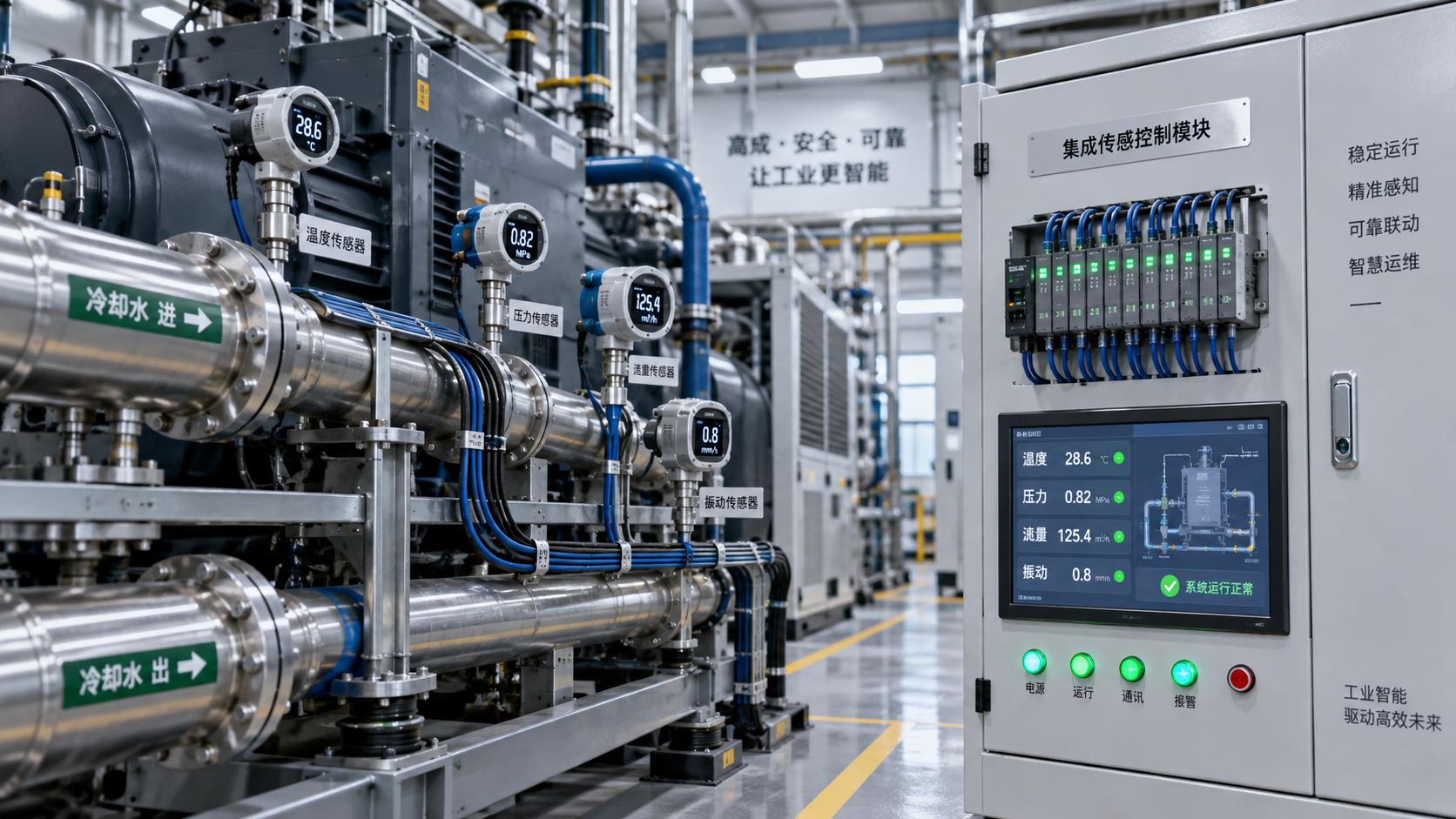
Thermal Management is often discussed around power devices, yet sensors can be equally vulnerable. Heat affects offset, sensitivity, noise, and long-term calibration stability. In industrial sensing infrastructure, these shifts may not destroy a device, but they can erode trust in the data stream.
This matters in machine health monitoring, robotics, energy systems, and precision control loops. A temperature-biased pressure sensor or MEMS inertial unit can distort decisions upstream. In practice, data fidelity and thermal design are closely linked.
For that reason, Thermal Management should include sensor placement, thermal isolation from power stages, compensation strategy, and recalibration intervals. In mixed-function boards, the hottest component is not always the most thermally critical one.
A practical way to judge thermal reliability risk
A useful evaluation model combines device physics, packaging behavior, and application conditions. The goal is not simply lower temperature. The goal is stable thermal behavior with enough margin to absorb manufacturing variation and field uncertainty.
In many cases, the strongest indicator is not a single absolute temperature number. It is the relationship between heat generation, dissipation path, and repeated stress over time. That relationship exposes whether the design will remain stable across seasons, workloads, and production lots.
- Map heat sources at die, package, board, and enclosure levels.
- Identify worst-case duty cycles rather than average loads.
- Use thermal imaging and simulation together, not separately.
- Link thermal findings to failure modes, not only temperatures.
- Verify compliance against relevant standards and test methods.
This approach aligns well with the broader G-SSI framework. Across power semiconductors, advanced packaging, smart sensors, specialty materials, and environment control, the most credible decisions come from benchmarked evidence rather than isolated thermal claims.
Where to focus next
Thermal Management becomes most valuable when it is treated as an early evaluation discipline, not a late corrective step. The next move is to define which thermal parameters matter most for the specific architecture, load profile, package type, and reliability target under review.
From there, compare thermal paths, transient behavior, derating limits, and qualification evidence across candidate components or assemblies. That process usually reveals more about long-term reliability than headline performance numbers alone. In a market shaped by high-density power conversion and precision sensing, better thermal judgment is often better system judgment.
Get weekly intelligence in your inbox.
No noise. No sponsored content. Pure intelligence.
 Apr 28, 2026When do rapid prototyping 3D printing services save real costWhen do rapid prototyping 3D printing services save real cost
 Apr 28, 2026What Can Go Wrong in Fan-out Wafer Level Pkg?What Can Go Wrong in Fan-out Wafer Level Pkg?
 Apr 28, 2026What Makes Optical LiDAR Modules Better for Autonomy?What Makes Optical LiDAR Modules Better for Autonomy?
 Apr 28, 20262026 Market Trends in Supply Chain Resilience for Fabs2026 Market Trends in Supply Chain Resilience for Fabs
 Oct 10, 2026When do integrated sensor systems reduce commissioning risks?When do integrated sensor systems reduce commissioning risks?
 Oct 09, 2026How North American semiconductor fabs control airborne molecular contaminationHow North American semiconductor fabs control airborne molecular contamination
 Oct 08, 2026When do custom aluminum extrusions reduce fabrication costs?When do custom aluminum extrusions reduce fabrication costs?
 Oct 07, 2026How semiconductor packaging affects thermal reliability in EV power electronicsHow semiconductor packaging affects thermal reliability in EV power electronics
 Oct 06, 2026When do corrugated plastic boxes make sense for returnable shipping?When do corrugated plastic boxes make sense for returnable shipping?
 Oct 05, 2026What to verify before choosing semiconductor distributors in North AmericaWhat to verify before choosing semiconductor distributors in North America
 Oct 04, 2026How to assess a high purity materials manufacturer’s traceabilityHow to assess a high purity materials manufacturer’s traceability
 Oct 03, 2026How SiC power conversion solutions improve high-voltage invertersHow SiC power conversion solutions improve high-voltage inverters
 Oct 02, 2026When do SiC MOSFET benefits justify the higher device cost?When do SiC MOSFET benefits justify the higher device cost?
 Oct 01, 2026Which semiconductor reliability testing standards apply to power devices?Which semiconductor reliability testing standards apply to power devices?
 Sep 30, 2026How to qualify a semiconductor photoresist supplier for KrF/ArF productionHow to qualify a semiconductor photoresist supplier for KrF/ArF production
 Sep 29, 2026What image quality should portable ultrasound scanners deliver for triage?What image quality should portable ultrasound scanners deliver for triage?
 Sep 28, 2026How sub-ppb impurity control gases protect process consistencyHow sub-ppb impurity control gases protect process consistency
 Sep 27, 2026How chemical purity affects defect rates in semiconductor depositionHow chemical purity affects defect rates in semiconductor deposition
 Sep 26, 2026When do high voltage power semiconductor devices need SiC over IGBTs?When do high voltage power semiconductor devices need SiC over IGBTs?
 Sep 25, 2026How to verify quality controls at a die casting parts supplier in ChinaHow to verify quality controls at a die casting parts supplier in China
 Sep 24, 2026How to verify electronic gas purity for sub-ppb semiconductor processesHow to verify electronic gas purity for sub-ppb semiconductor processes
 Sep 23, 2026When sensory data integration improves industrial motion monitoringWhen sensory data integration improves industrial motion monitoring
 Sep 22, 2026How supply chain resilience reduces the cost of production disruptionsHow supply chain resilience reduces the cost of production disruptions
 Sep 21, 2026What autonomous systems OEMs should verify before sourcing LiDAR modulesWhat autonomous systems OEMs should verify before sourcing LiDAR modules
 Sep 20, 2026How gas purity affects defect density in epitaxial wafer growthHow gas purity affects defect density in epitaxial wafer growth
 Sep 19, 2026How substrate defects affect third-generation material device yieldHow substrate defects affect third-generation material device yield
 Sep 18, 2026How trace impurities in specialty process gases affect wafer yieldHow trace impurities in specialty process gases affect wafer yield