Sovereign Digital Infrastructure Solutions Trends 2026
As enterprises redefine resilience, compliance, and autonomy in 2026, Sovereign Digital Infrastructure Solutions are moving from policy language into operational architecture.
Across the broader industrial landscape, infrastructure decisions now affect fabrication reliability, sensing accuracy, energy efficiency, and digital continuity.
For globally connected businesses, Sovereign Digital Infrastructure Solutions combine technical control with legal, geographic, and supply chain accountability.
This shift matters especially where semiconductor quality, environmental control, and trusted data flows shape the performance of critical systems.
Definition and core scope of Sovereign Digital Infrastructure Solutions
Sovereign Digital Infrastructure Solutions refer to technology frameworks designed to preserve control over compute, data, supply, and validation processes.
The concept goes beyond cloud residency.
It includes semiconductor sourcing, packaging integrity, industrial sensor trust, environmental stability, and auditable compliance against recognized standards.
In practical terms, these solutions support sovereign-level operations where infrastructure must remain dependable under regulatory pressure, geopolitical shifts, and thermal or power stress.
Within G-SSI’s industrial perspective, sovereignty depends on five linked domains.
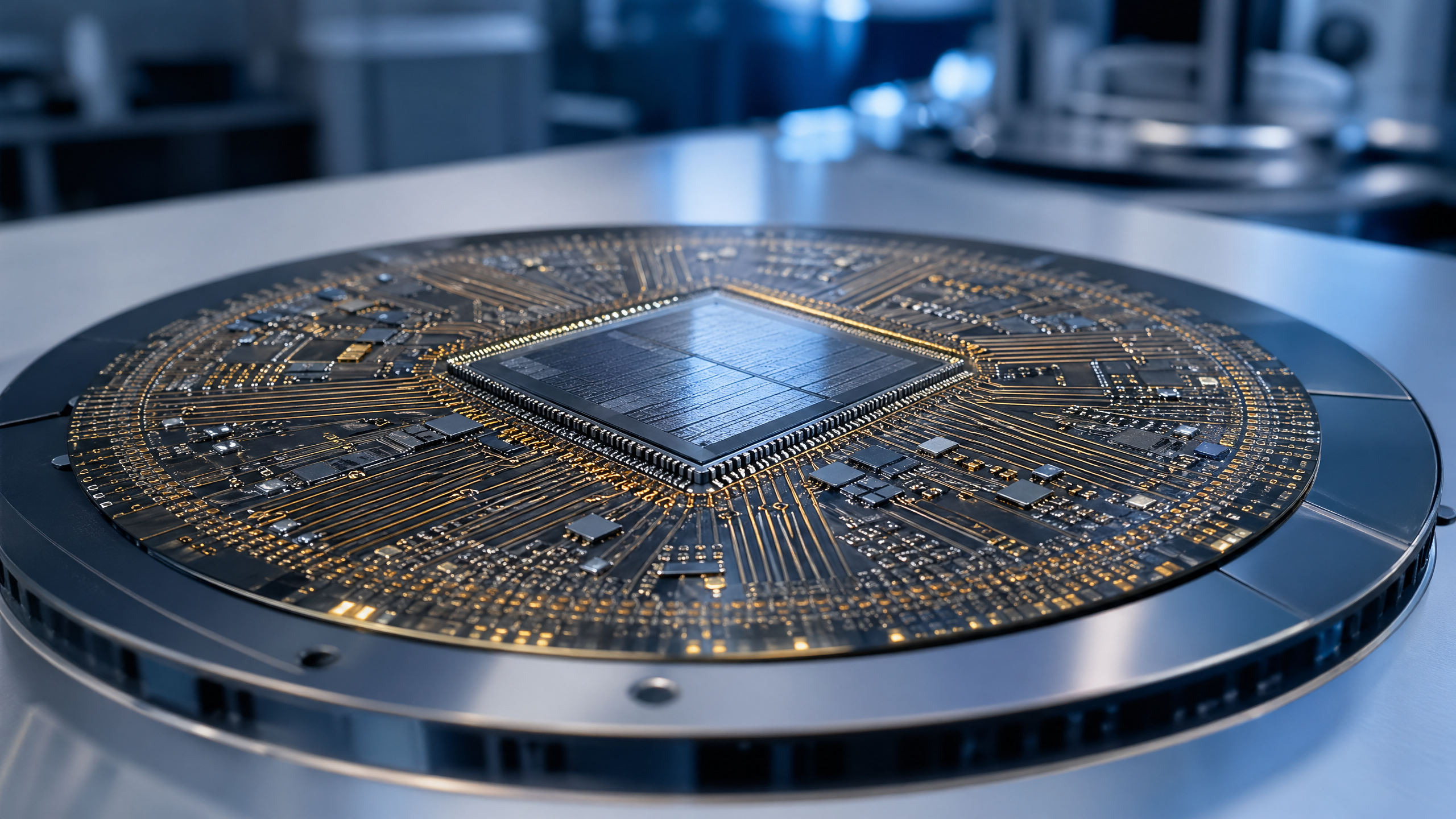
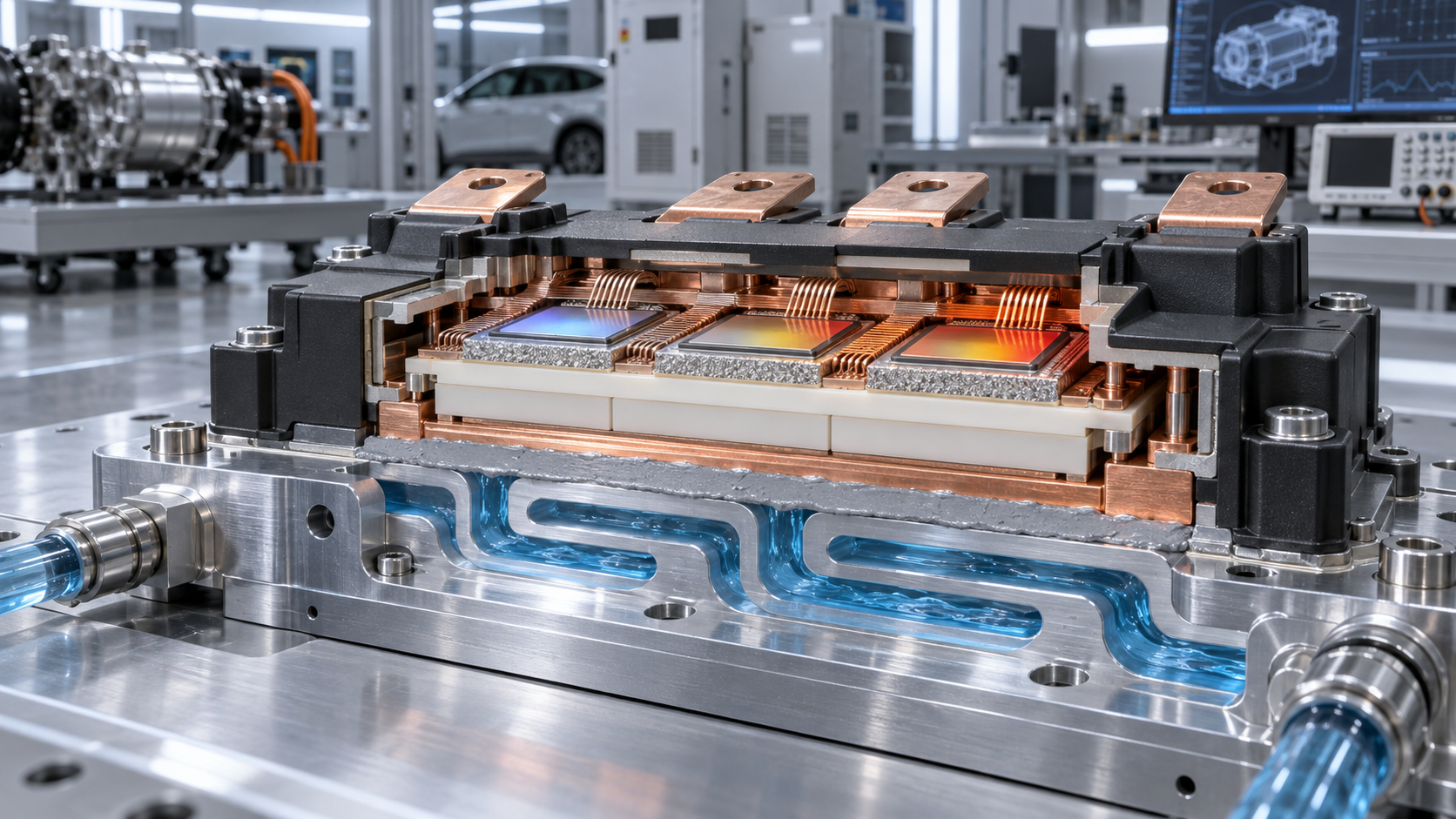
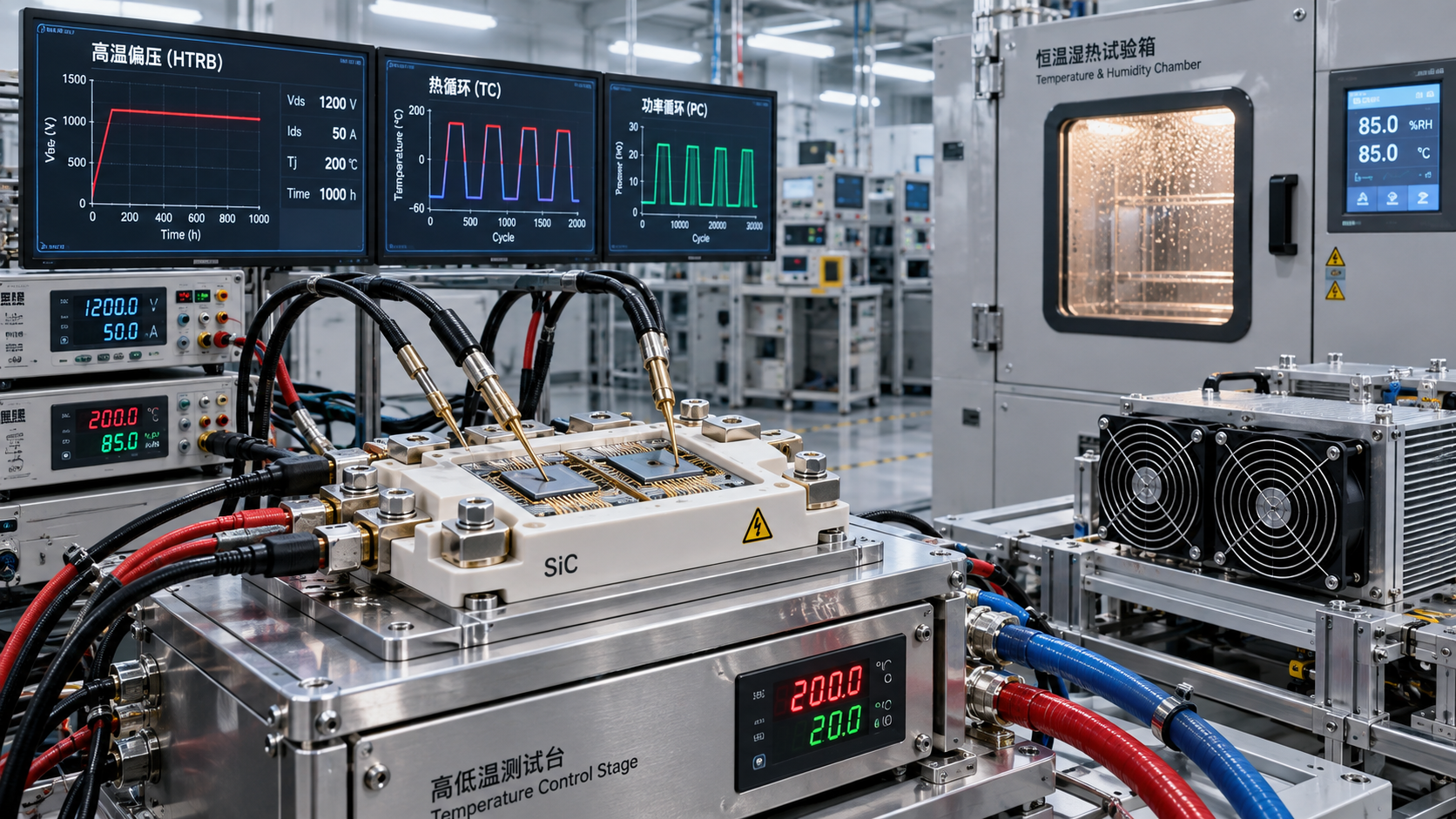
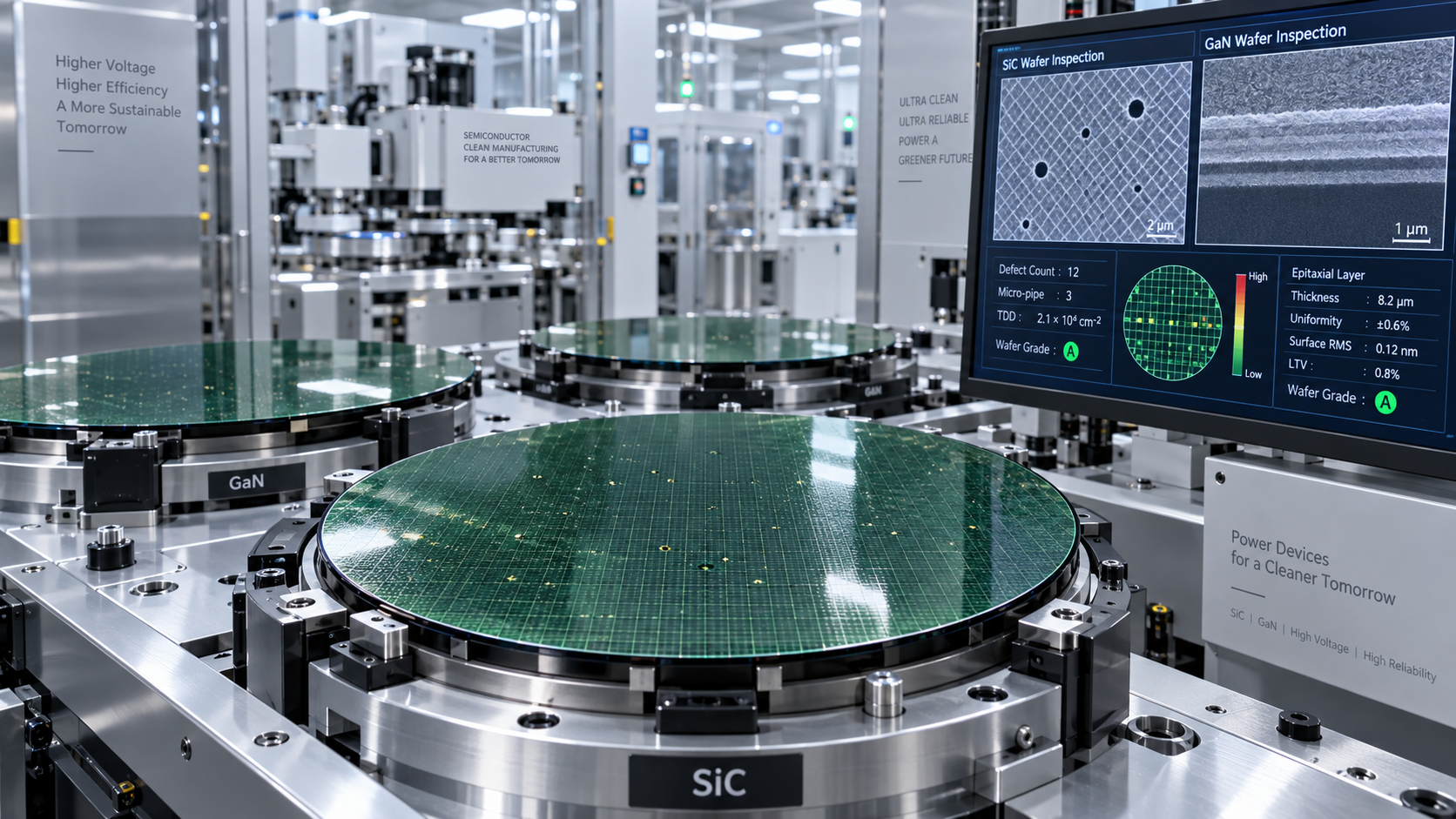
- Power semiconductors using SiC and GaN for efficient conversion and grid resilience.
- Advanced packaging and testing for heterogeneous integration and reliability verification.
- Industrial MEMS and smart sensors for accurate perception in harsh environments.
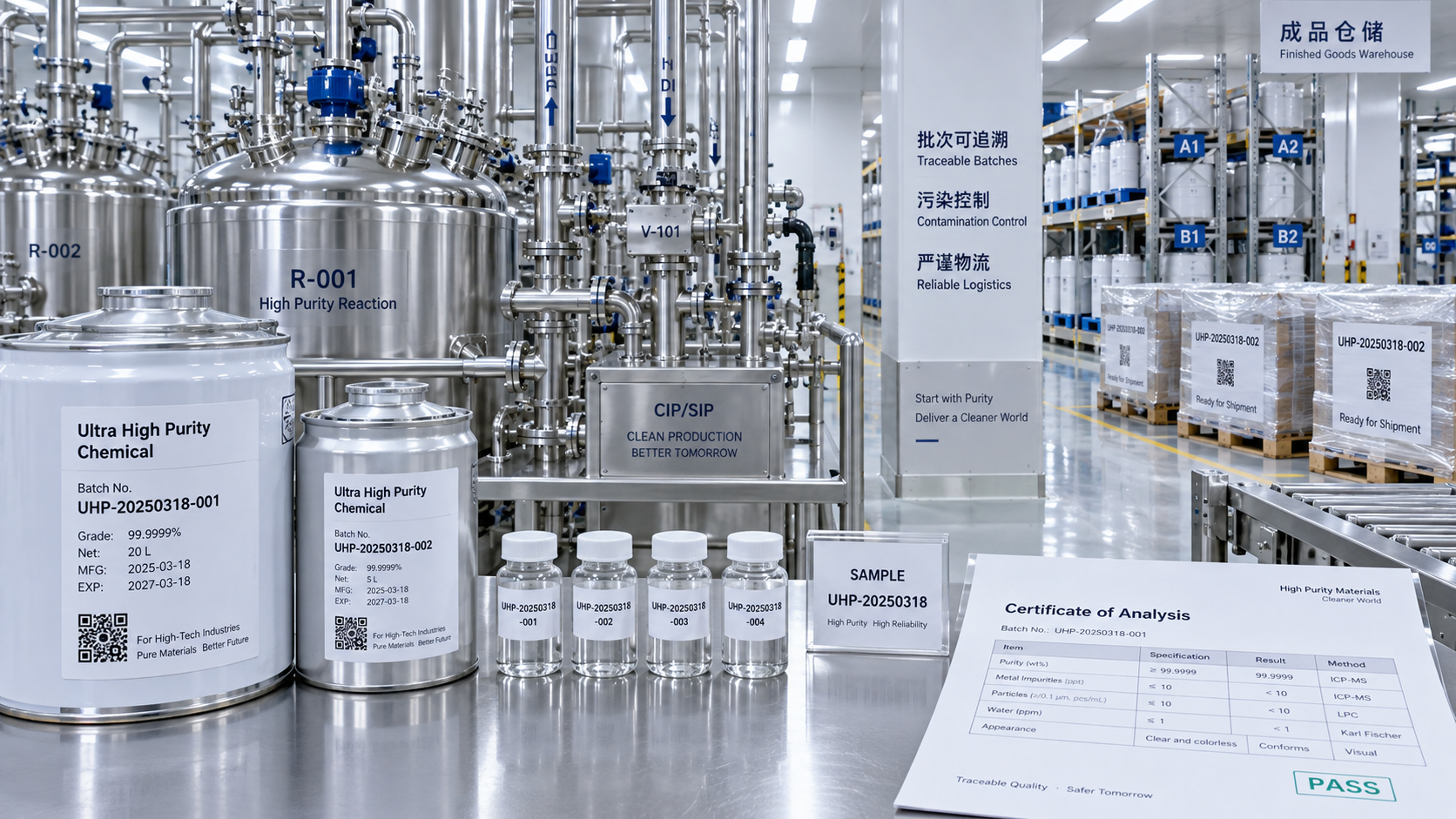
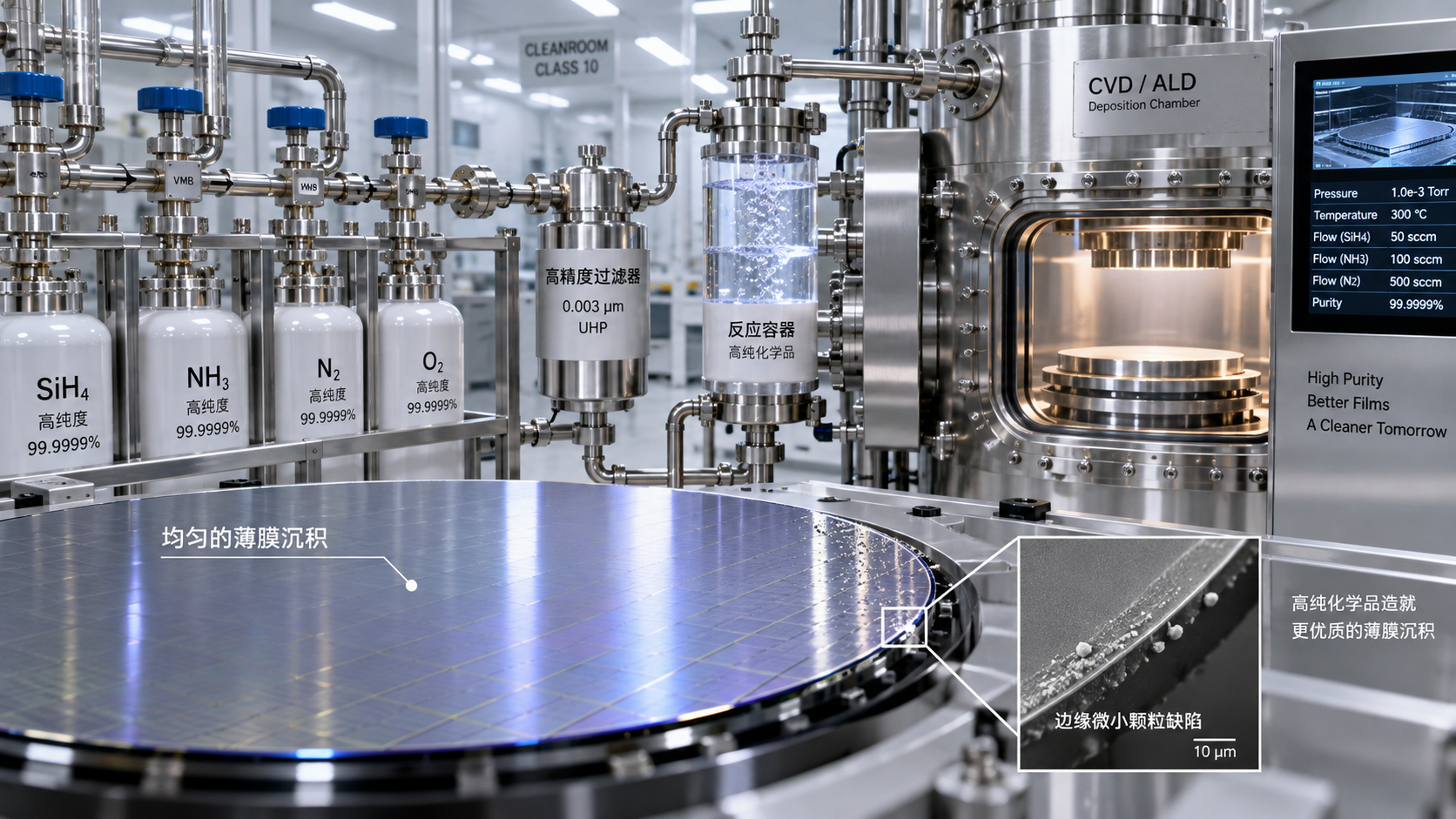
- High-purity chemicals and special gases for process consistency.
- Fabrication environment control to protect yield, safety, and data fidelity.
When these layers are coordinated, Sovereign Digital Infrastructure Solutions create a foundation for digital autonomy without sacrificing international interoperability.
Industry context and strategic signals for 2026
In 2026, several market forces are redefining infrastructure planning.
Autonomous systems demand dependable sensing, while electrification increases stress on power devices and thermal management.
At the same time, supply chain fragmentation has made traceability a board-level concern.
These signals explain why Sovereign Digital Infrastructure Solutions are no longer limited to public sector discussions.
They now influence industrial design, plant modernization, supplier qualification, and digital transformation across sectors.
Why Sovereign Digital Infrastructure Solutions matter for business resilience
The business value begins with continuity.
If core chips, sensor outputs, or process gases become unreliable, enterprise systems lose predictability long before visible failure occurs.
Sovereign Digital Infrastructure Solutions reduce that exposure by aligning component trust with operational governance.
1. Stronger technical assurance
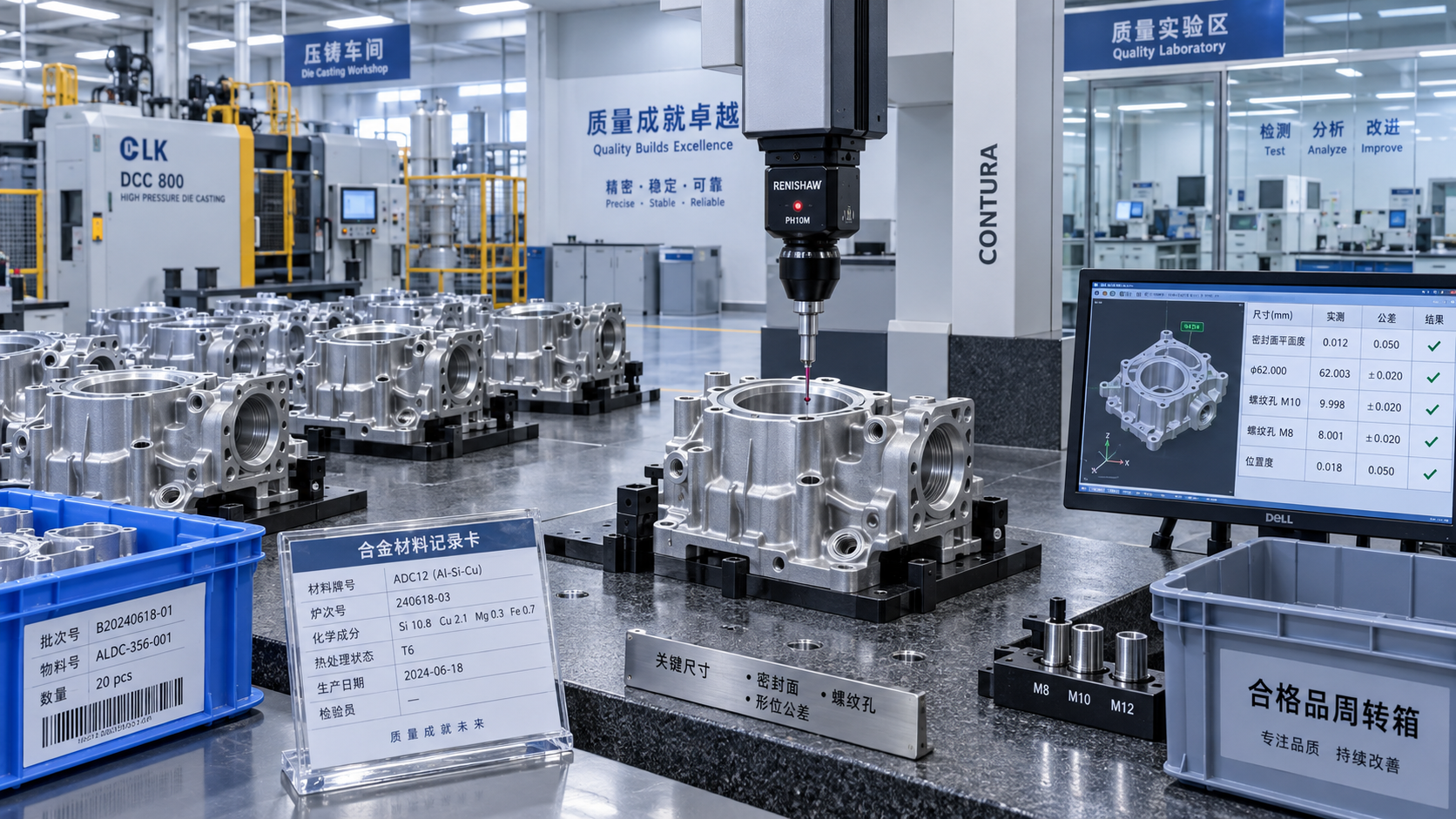
Benchmarking against SEMI, AEC-Q100, and ISO/IEC 17025 supports consistent quality across design, fabrication, testing, and validation.
2. Better supply chain visibility
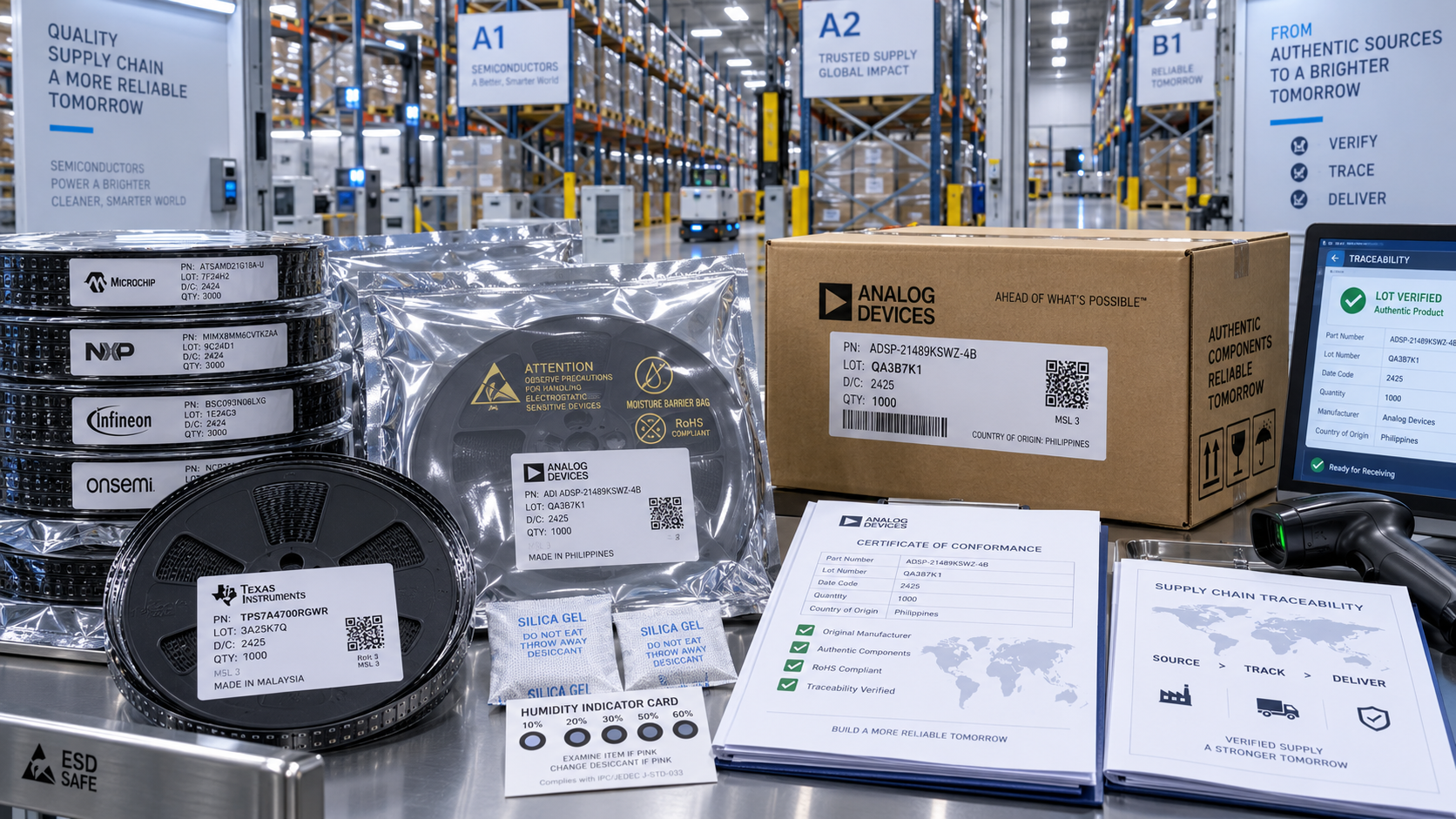
Sovereign Digital Infrastructure Solutions rely on traceable materials, process records, and qualification paths, not assumptions about vendor stability.
3. Improved data integrity
Industrial sensing only creates value when calibration, environmental conditions, and transmission controls preserve fidelity from edge to decision layer.
4. Compliance with fewer surprises
Jurisdiction-aware architectures make audits easier and reduce the risk of sudden redesign caused by data or sourcing restrictions.
5. Longer-term strategic autonomy
Organizations can adapt partnerships while keeping core infrastructure principles stable, measurable, and under accountable control.
Representative application scenarios across the silicon value chain
The most effective Sovereign Digital Infrastructure Solutions are built around concrete industrial scenarios rather than abstract policy goals.
Each scenario shows that Sovereign Digital Infrastructure Solutions connect digital governance with physical process control.
Common architecture patterns and implementation priorities
Most organizations do not start from zero.
They evolve existing infrastructure toward more sovereign control through layered upgrades.
- Localize critical workloads and sensitive industrial data near the source of production.
- Separate commodity IT services from mission-critical process and sensing layers.
- Qualify semiconductor and sensor components through repeatable benchmarks.
- Build material and environmental monitoring into infrastructure, not after deployment.
- Use standards-based evidence to support supplier comparison and compliance reviews.
A practical roadmap often starts with infrastructure mapping.
That map should identify which systems depend on external jurisdictions, opaque materials, or unverified sensor chains.
From there, teams can prioritize the highest-impact exposures first.
Risk factors and evaluation criteria
Not every infrastructure upgrade creates sovereignty.
Some projects only relocate assets while leaving core validation gaps unresolved.
Effective Sovereign Digital Infrastructure Solutions should be tested against clear criteria.
- Can component origin, process history, and testing results be traced reliably?
- Are sensor data paths protected from drift, tampering, or environmental distortion?
- Do packaging and thermal controls support the intended lifecycle?
- Are critical materials validated to internationally accepted purity levels?
- Can the architecture keep operating during cross-border disruption or policy change?
These questions help distinguish marketing claims from infrastructure readiness.
Practical next steps for 2026 planning
The next step is disciplined assessment, not broad replacement.
Start by reviewing critical workloads, semiconductor dependencies, sensing chains, and environmental controls under one governance model.
Then align those findings with standards, jurisdiction requirements, and measurable reliability targets.
For many industrial organizations, Sovereign Digital Infrastructure Solutions will be strongest when digital, material, and validation layers are assessed together.
A focused benchmark across power devices, packaging quality, sensor integrity, gas purity, and fab environment control can reveal immediate priorities.
In 2026, Sovereign Digital Infrastructure Solutions are no longer a defensive concept.
They are a strategic operating model for resilient, precise, and future-ready enterprise infrastructure.
Get weekly intelligence in your inbox.
No noise. No sponsored content. Pure intelligence.
 Apr 28, 2026When do rapid prototyping 3D printing services save real costWhen do rapid prototyping 3D printing services save real cost
 Apr 28, 2026What Can Go Wrong in Fan-out Wafer Level Pkg?What Can Go Wrong in Fan-out Wafer Level Pkg?
 Apr 28, 2026What Makes Optical LiDAR Modules Better for Autonomy?What Makes Optical LiDAR Modules Better for Autonomy?
 Apr 28, 20262026 Market Trends in Supply Chain Resilience for Fabs2026 Market Trends in Supply Chain Resilience for Fabs
 Oct 10, 2026When do integrated sensor systems reduce commissioning risks?When do integrated sensor systems reduce commissioning risks?
 Oct 09, 2026How North American semiconductor fabs control airborne molecular contaminationHow North American semiconductor fabs control airborne molecular contamination
 Oct 08, 2026When do custom aluminum extrusions reduce fabrication costs?When do custom aluminum extrusions reduce fabrication costs?
 Oct 07, 2026How semiconductor packaging affects thermal reliability in EV power electronicsHow semiconductor packaging affects thermal reliability in EV power electronics
 Oct 06, 2026When do corrugated plastic boxes make sense for returnable shipping?When do corrugated plastic boxes make sense for returnable shipping?
 Oct 05, 2026What to verify before choosing semiconductor distributors in North AmericaWhat to verify before choosing semiconductor distributors in North America
 Oct 04, 2026How to assess a high purity materials manufacturer’s traceabilityHow to assess a high purity materials manufacturer’s traceability
 Oct 03, 2026How SiC power conversion solutions improve high-voltage invertersHow SiC power conversion solutions improve high-voltage inverters
 Oct 02, 2026When do SiC MOSFET benefits justify the higher device cost?When do SiC MOSFET benefits justify the higher device cost?
 Oct 01, 2026Which semiconductor reliability testing standards apply to power devices?Which semiconductor reliability testing standards apply to power devices?
 Sep 30, 2026How to qualify a semiconductor photoresist supplier for KrF/ArF productionHow to qualify a semiconductor photoresist supplier for KrF/ArF production
 Sep 29, 2026What image quality should portable ultrasound scanners deliver for triage?What image quality should portable ultrasound scanners deliver for triage?
 Sep 28, 2026How sub-ppb impurity control gases protect process consistencyHow sub-ppb impurity control gases protect process consistency
 Sep 27, 2026How chemical purity affects defect rates in semiconductor depositionHow chemical purity affects defect rates in semiconductor deposition
 Sep 26, 2026When do high voltage power semiconductor devices need SiC over IGBTs?When do high voltage power semiconductor devices need SiC over IGBTs?
 Sep 25, 2026How to verify quality controls at a die casting parts supplier in ChinaHow to verify quality controls at a die casting parts supplier in China
 Sep 24, 2026How to verify electronic gas purity for sub-ppb semiconductor processesHow to verify electronic gas purity for sub-ppb semiconductor processes
 Sep 23, 2026When sensory data integration improves industrial motion monitoringWhen sensory data integration improves industrial motion monitoring
 Sep 22, 2026How supply chain resilience reduces the cost of production disruptionsHow supply chain resilience reduces the cost of production disruptions
 Sep 21, 2026What autonomous systems OEMs should verify before sourcing LiDAR modulesWhat autonomous systems OEMs should verify before sourcing LiDAR modules
 Sep 20, 2026How gas purity affects defect density in epitaxial wafer growthHow gas purity affects defect density in epitaxial wafer growth
 Sep 19, 2026How substrate defects affect third-generation material device yieldHow substrate defects affect third-generation material device yield
 Sep 18, 2026How trace impurities in specialty process gases affect wafer yieldHow trace impurities in specialty process gases affect wafer yield