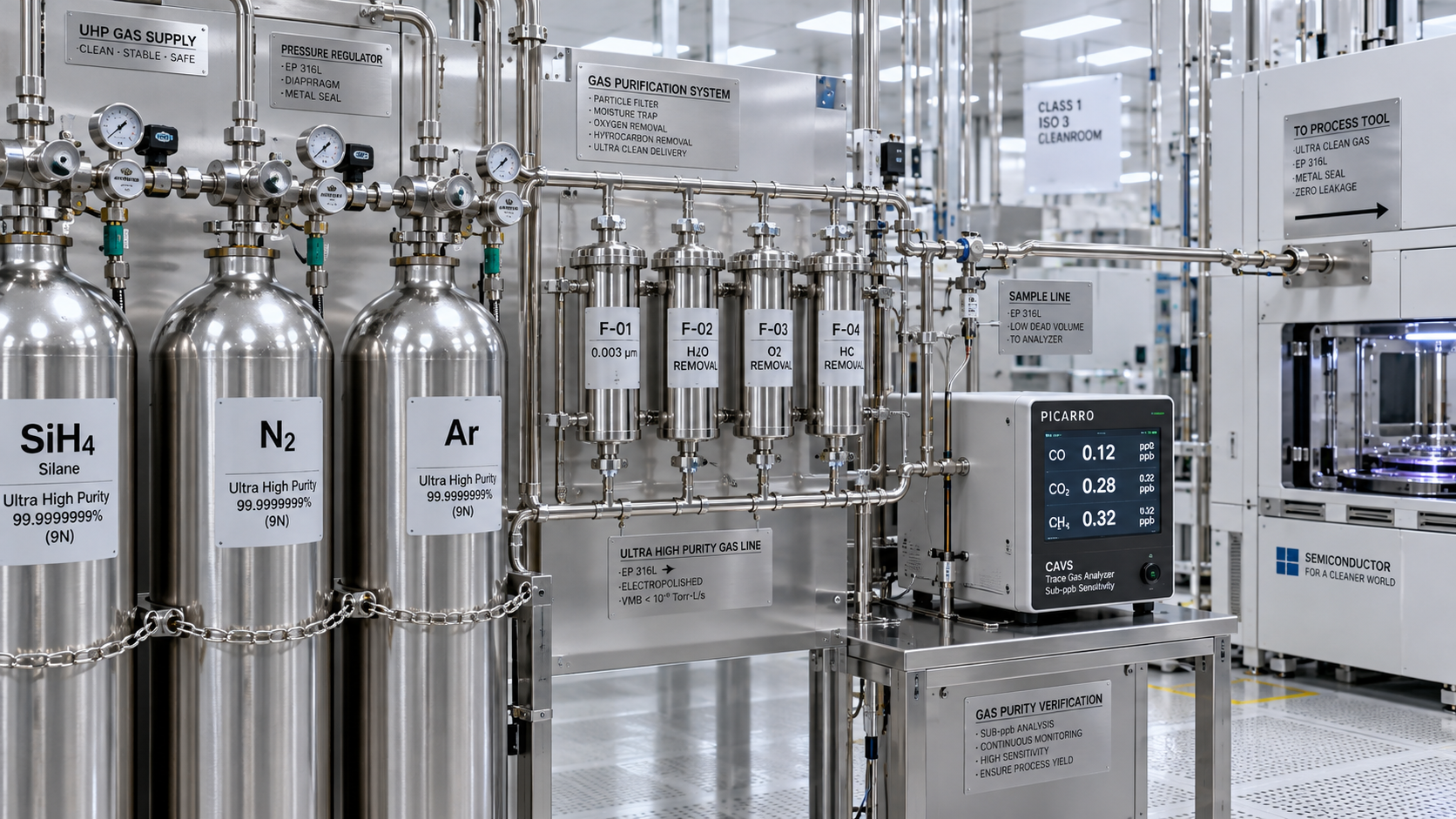
Semiconductor Standards Compliance Risk Checklist
Semiconductor Standards Compliance is no longer a box-ticking exercise for project leaders managing complex fabrication, packaging, sensor, or materials programs. As reliability, traceability, and global certification demands intensify, even small compliance gaps can trigger costly delays, audit failures, and supply chain risks. This checklist helps engineering and project management teams identify critical exposure points early and align execution with internationally recognized semiconductor standards.
For project managers and engineering leads, the real challenge is not knowing that standards exist. It is managing dozens of interdependent requirements across design validation, cleanroom control, supplier qualification, test records, and change management without losing schedule discipline.
In semiconductor programs tied to power devices, MEMS sensors, advanced packaging, electronic chemicals, or fab environment control, one missing control point can affect yield, safety, export readiness, or customer approval. A practical Semiconductor Standards Compliance checklist creates visibility before those issues become contractual or operational failures.
Why Semiconductor Standards Compliance Has Become a Project Leadership Issue
In 2026, more semiconductor projects must satisfy not just one customer specification, but 3 to 5 overlapping frameworks. These often include SEMI requirements, reliability expectations such as AEC-Q100, laboratory discipline under ISO/IEC 17025, and internal quality controls tied to packaging, materials, or sensor accuracy.
For G-SSI-aligned organizations working across SiC, GaN, advanced chip packaging, industrial MEMS, and ultra-high-purity materials, compliance is closely linked to sovereign-grade infrastructure expectations. That means thermal stability, contamination control, traceability depth, and test reproducibility must be managed as project deliverables, not afterthoughts.
Where project teams usually lose control
- Requirements are scattered across design, procurement, QA, and operations, with no single compliance owner.
- Supplier documents are collected late, often 2 to 4 weeks before audit or customer review.
- Engineering change notices are issued, but the related validation matrix is not updated.
- Test methods exist, yet calibration intervals, sample size, or acceptance thresholds are inconsistent.
- Environmental controls for particles, humidity, gases, or ESD are monitored, but records are incomplete.
High-impact consequences of a small compliance gap
A single nonconformance in wafer handling, die attach materials, gas purity verification, or sensor calibration can delay qualification by 7 to 30 days. In automotive or industrial programs, the impact can be larger because one failed audit may trigger re-sampling, document resubmission, and supplier re-approval in sequence.
This is why Semiconductor Standards Compliance should be reviewed at every major gate: concept freeze, design review, pilot build, process qualification, and release. A 5-gate model gives project leaders a repeatable structure to detect risk early.
Core Checklist: 10 Compliance Areas That Deserve Immediate Attention
The checklist below focuses on 10 areas that frequently determine whether a semiconductor program moves smoothly from prototype to customer acceptance. It is especially useful for projects involving mature-node fabrication, advanced packaging, industrial sensors, specialty gases, and clean manufacturing environments.
These 5 items alone account for many early-stage failures. The pattern is consistent: teams often focus on technical performance first, while Semiconductor Standards Compliance records are assembled too late to support qualification, procurement approval, or external review.
Additional checklist items for complex semiconductor programs
1. Environmental and contamination control
For fab spaces, gas lines, and packaging lines, define acceptable particle class, humidity band, and chemical handling procedures. Many operations use review intervals of 1 shift, 24 hours, and 7 days depending on contamination sensitivity.
2. Reliability validation planning
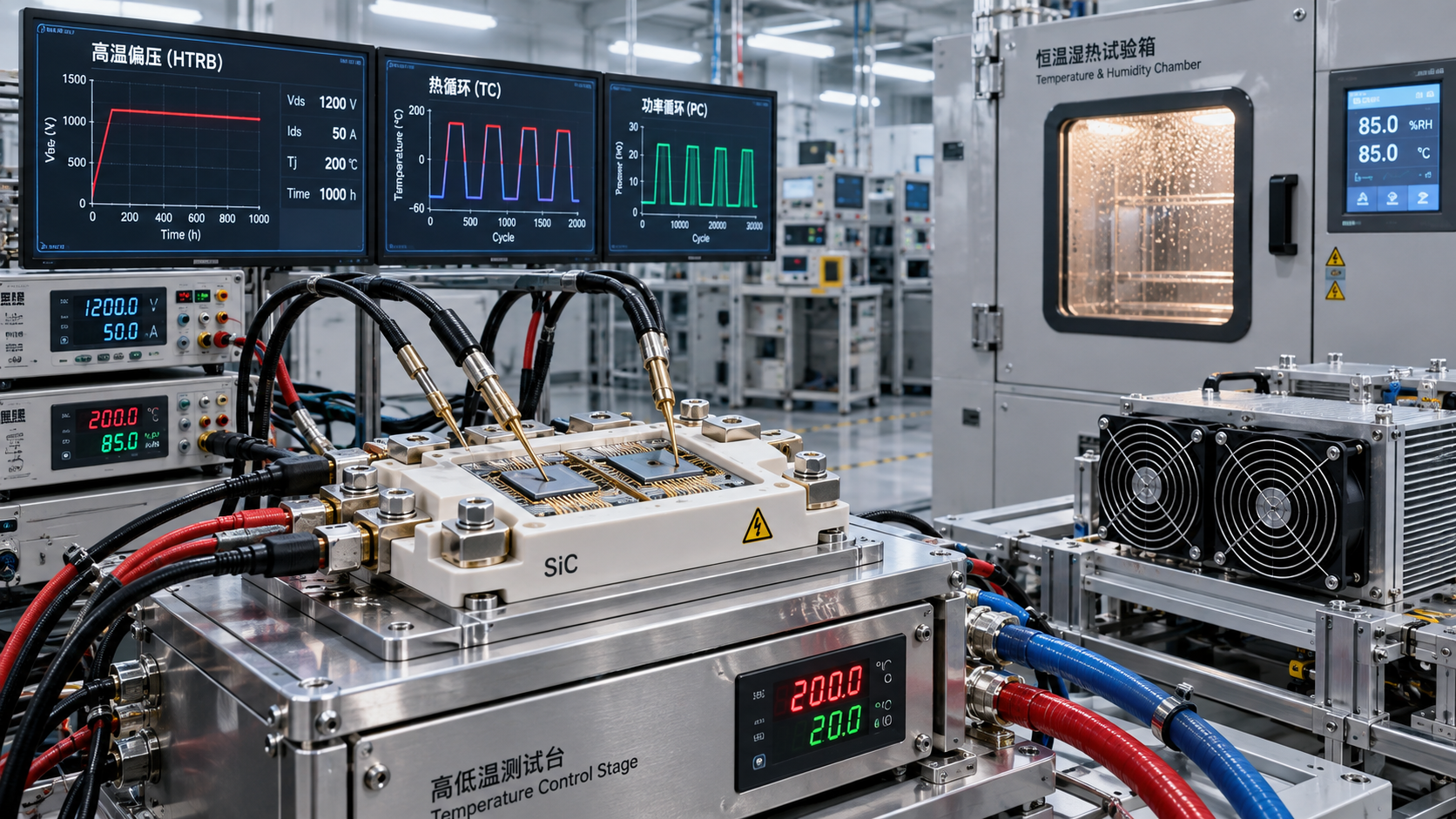
Power semiconductors, automotive ICs, and industrial MEMS frequently require staged reliability tests. A project plan should specify which stresses apply, how many samples are needed per lot, and what constitutes a failure mechanism versus a cosmetic defect.
3. Laboratory competence and calibration discipline
Where internal or external labs support release decisions, calibration intervals must match measurement criticality. For tight process windows, calibration cycles of 3, 6, or 12 months should be justified rather than copied from generic quality templates.
4. Packaging and assembly controls
In 2.5D or 3D packaging, compliance exposure often sits in underfill materials, warpage thresholds, thermal cycling conditions, and inspection records. Documentation should connect substrate source, assembly profile, and final test yield at unit and lot level.
5. Chemical and gas purity verification
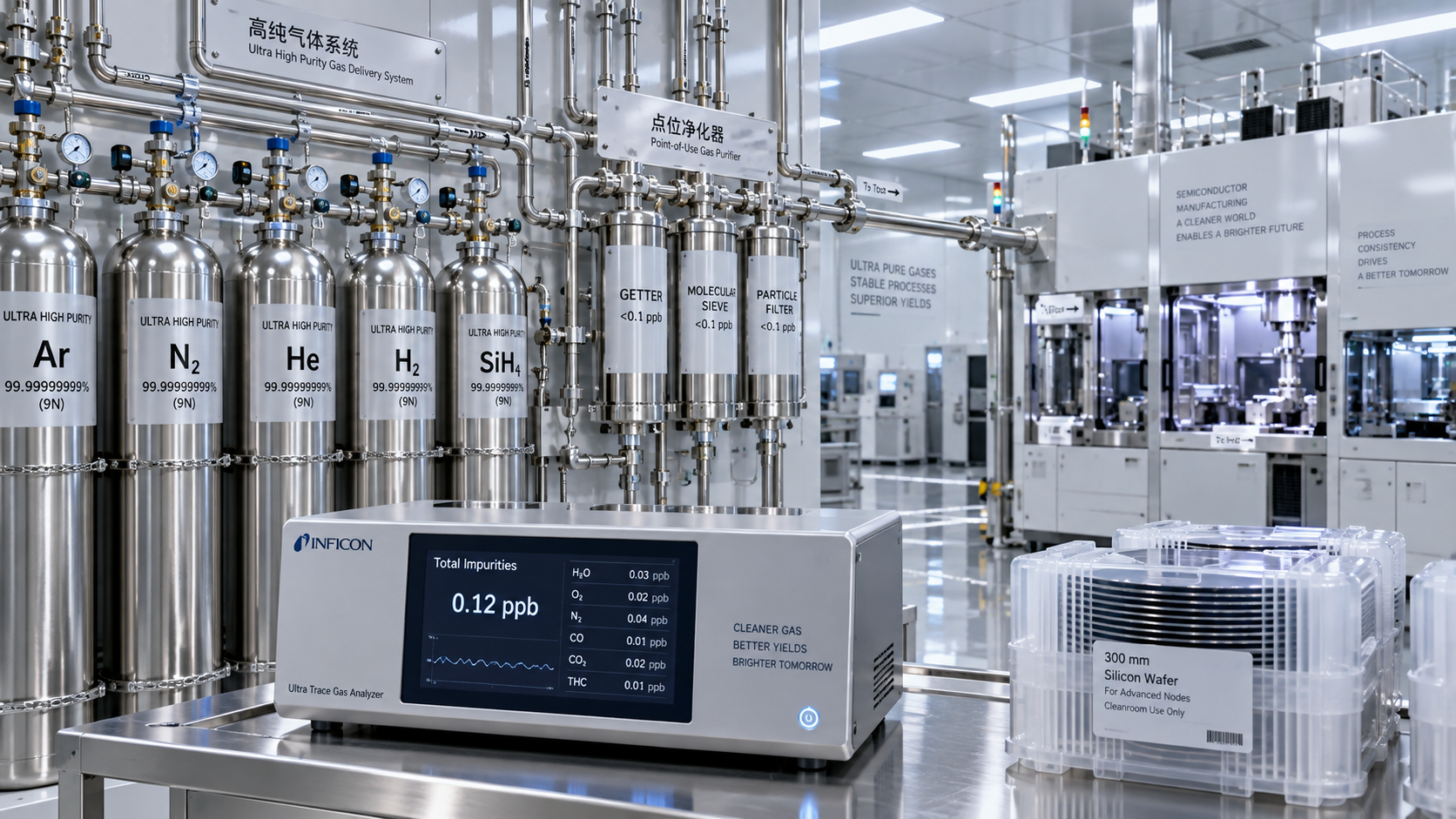
For electronic chemicals and specialty gases, project teams should define impurity limits, receipt testing frequency, and escalation actions. In high-purity applications, ppm is not always sufficient; some processes require ppb or sub-ppb level control.
How to Build a Practical Compliance Workflow Across the Project Lifecycle
A checklist only works when it is tied to project gates, owners, and evidence. The strongest Semiconductor Standards Compliance programs are built into the schedule from day 1, not attached as a final QA package shortly before delivery or audit.
A 5-stage workflow for project managers
- Define applicable standards and customer-specific controls at kickoff.
- Create a requirements matrix linked to deliverables, owners, and due dates.
- Review supplier readiness before pilot procurement and first article build.
- Verify evidence packages at pilot, qualification, and pre-release stages.
- Lock post-release change control with formal notification thresholds.
This 5-stage structure reduces late surprises because every gate requires both technical data and documentary proof. In many semiconductor projects, documentation maturity lags technical maturity by 2 to 6 weeks. The workflow closes that gap.
Recommended ownership model
Project leaders should not own every detail, but they must control the interface. A practical model uses 4 accountability lines: engineering for technical criteria, quality for evidence control, procurement for supplier compliance, and operations for process execution.
The key lesson is simple: ownership must be visible. When responsibilities are left informal, Semiconductor Standards Compliance becomes reactive and fragmented. When owners, outputs, and review dates are explicit, risk is easier to control.
Priority Risk Areas by Semiconductor Segment
Not every semiconductor segment faces the same compliance pressure. Project managers should tune the checklist to the product and process. A SiC power module, a MEMS pressure sensor, and a specialty gas supply line each require different control depth.
Power semiconductors and third-generation materials
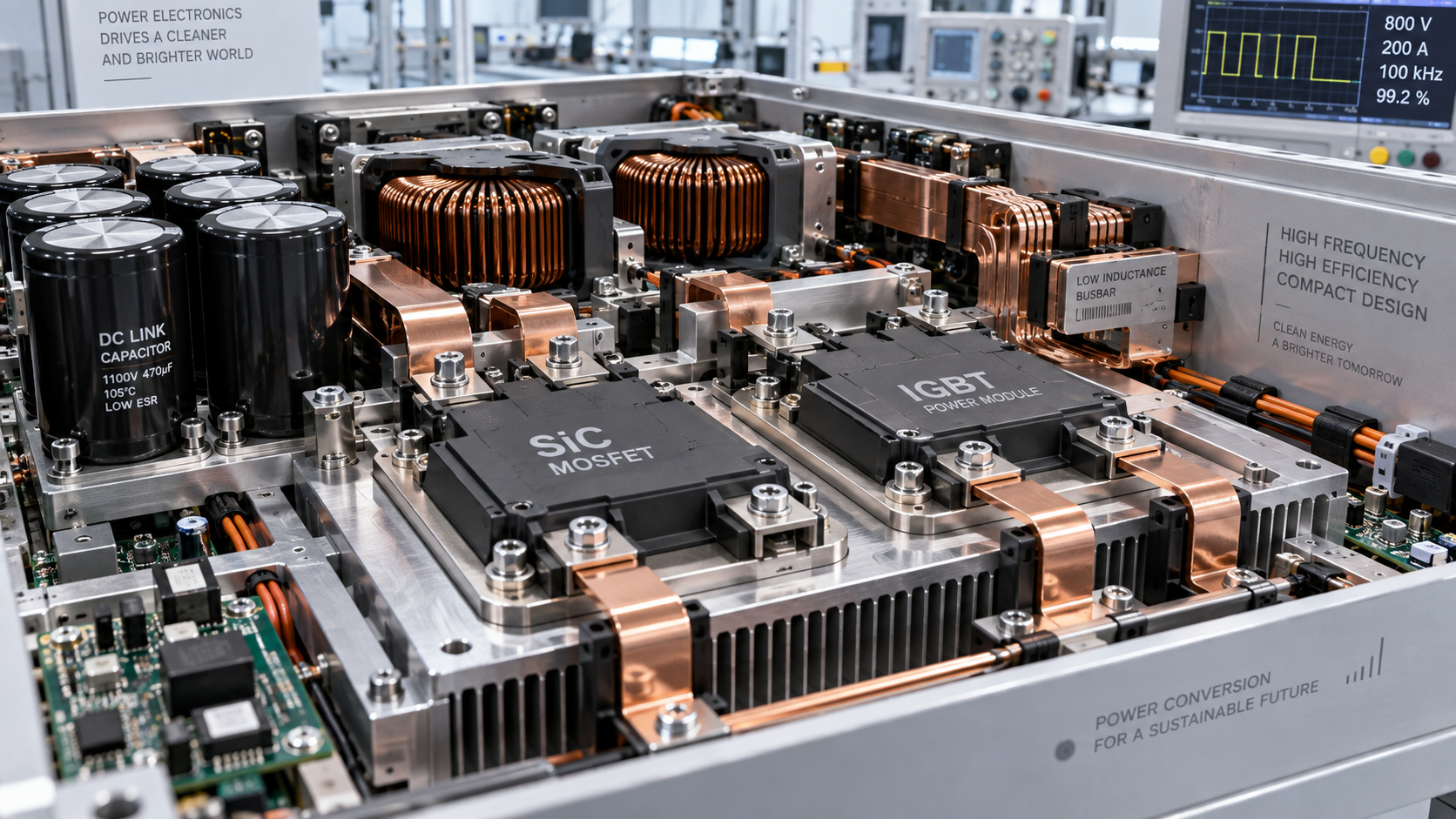
For SiC and GaN programs, thermal behavior, switching reliability, substrate quality, and packaging robustness are common exposure points. Teams should verify stress test definitions, thermal path assumptions, and material lot traceability before moving into qualification lots.
Advanced packaging and testing
In chiplet and heterogeneous integration projects, warpage measurement, interconnect integrity, underfill control, and test coverage become critical. Even a 1-step process change in reflow, bonding, or inspection can invalidate previous evidence if change approval rules are weak.
Industrial MEMS and smart sensors
Sensor products add another layer: data fidelity. Compliance must cover calibration method, drift acceptance, environmental compensation, and output verification. For industrial deployment, repeatability and long-term stability may matter more than peak bench performance.
Electronic chemicals, specialty gases, and fab environment control
In these segments, contamination and handling discipline are often the deciding factors. Receipt inspection, storage conditions, line purge procedures, and analytical verification must be clearly documented. A 24-hour deviation in storage conditions can be more damaging than a short shipment delay.
Common Mistakes That Weaken Semiconductor Standards Compliance
Most compliance failures are not caused by a complete absence of process. They are caused by weak integration between technical work and evidence management. The following mistakes appear repeatedly in semiconductor project reviews.
Mistake 1: treating customer requirements as separate from standards
Project teams sometimes maintain one list for customer demands and another for formal standards. This creates conflict and rework. A unified matrix should merge both into one controlled baseline, reviewed at least every 2 to 4 weeks.
Mistake 2: overrelying on supplier declarations
Certificates alone do not prove ongoing control. For critical materials, sampling plans, incoming verification, and change-notification terms are needed. This is especially important for gases, chemicals, substrates, and outsourced package assembly.
Mistake 3: documenting after the build is complete
Backfilling records after pilot or qualification runs creates inconsistency. Timestamps, calibration states, and lot links are harder to recover later. Real-time documentation is slower by minutes, but it can save days during audit preparation or failure analysis.
Mistake 4: failing to connect engineering change control to compliance status
A revised process setting, software version, or source material may appear minor. In compliance terms, it may require revalidation, customer notice, or a new risk review. Every engineering change should trigger a compliance impact check before release.
What Project Managers Should Ask Before Release or Customer Audit
Before a customer visit, production transfer, or quality audit, project leaders should run a final checkpoint review. This does not replace QA, but it provides a management-level screen for unresolved exposure.
Final gate questions
- Do we have one current compliance matrix covering all applicable standards and customer conditions?
- Can every critical lot be traced to supplier, tool, operator, and test evidence within 30 minutes?
- Are calibration records current for all instruments used in release decisions?
- Have all deviations been dispositioned with clear acceptance rationale?
- Did any process, software, BOM, or source change occur in the last 60 days?
- Is the document pack complete enough for an external reviewer with no internal explanation?
If the answer to even 2 of these questions is uncertain, the Semiconductor Standards Compliance risk level is already elevated. At that point, a short corrective sprint is usually cheaper than facing a failed review or delayed customer release.
Turning Compliance Into a Competitive Advantage
Strong Semiconductor Standards Compliance does more than reduce audit risk. It improves supplier transparency, shortens root-cause investigation cycles, and supports faster customer confidence in technically demanding programs. For organizations operating across power electronics, advanced packaging, sensors, chemicals, and fab controls, this discipline also strengthens long-term supply chain resilience.
G-SSI’s benchmarking perspective is particularly relevant for teams balancing rapid industrial expansion with international expectations for reliability, thermal performance, contamination control, and data fidelity. When compliance is integrated into planning, procurement, and validation, project execution becomes more predictable and commercially stronger.
If you need a more structured way to evaluate standards exposure across semiconductor fabrication, packaging, sensor, or materials programs, now is the time to build a tailored checklist and review workflow. Contact us to discuss your project, request a customized assessment, or explore more semiconductor compliance solutions.
- Power Semiconductors
- MEMS Sensors
- Smart Sensors
- Electronic Chemicals
- Semiconductor Fabrication
- Data Fidelity
- Semiconductor Standards
- Supply Chain Resilience
- Third-Generation Materials
- Environment Control
- Mature-Node Fabrication
- Semiconductor Standards Compliance
- Industrial MEMS
- Specialty Gases
- High-Purity Materials
Get weekly intelligence in your inbox.
No noise. No sponsored content. Pure intelligence.
 Apr 28, 2026When do rapid prototyping 3D printing services save real costWhen do rapid prototyping 3D printing services save real cost
 Apr 28, 2026What Can Go Wrong in Fan-out Wafer Level Pkg?What Can Go Wrong in Fan-out Wafer Level Pkg?
 Apr 28, 2026What Makes Optical LiDAR Modules Better for Autonomy?What Makes Optical LiDAR Modules Better for Autonomy?
 Apr 28, 20262026 Market Trends in Supply Chain Resilience for Fabs2026 Market Trends in Supply Chain Resilience for Fabs
 Oct 10, 2026When do integrated sensor systems reduce commissioning risks?When do integrated sensor systems reduce commissioning risks?
 Oct 09, 2026How North American semiconductor fabs control airborne molecular contaminationHow North American semiconductor fabs control airborne molecular contamination
 Oct 08, 2026When do custom aluminum extrusions reduce fabrication costs?When do custom aluminum extrusions reduce fabrication costs?
 Oct 07, 2026How semiconductor packaging affects thermal reliability in EV power electronicsHow semiconductor packaging affects thermal reliability in EV power electronics
 Oct 06, 2026When do corrugated plastic boxes make sense for returnable shipping?When do corrugated plastic boxes make sense for returnable shipping?
 Oct 05, 2026What to verify before choosing semiconductor distributors in North AmericaWhat to verify before choosing semiconductor distributors in North America
 Oct 04, 2026How to assess a high purity materials manufacturer’s traceabilityHow to assess a high purity materials manufacturer’s traceability
 Oct 03, 2026How SiC power conversion solutions improve high-voltage invertersHow SiC power conversion solutions improve high-voltage inverters
 Oct 02, 2026When do SiC MOSFET benefits justify the higher device cost?When do SiC MOSFET benefits justify the higher device cost?
 Oct 01, 2026Which semiconductor reliability testing standards apply to power devices?Which semiconductor reliability testing standards apply to power devices?
 Sep 30, 2026How to qualify a semiconductor photoresist supplier for KrF/ArF productionHow to qualify a semiconductor photoresist supplier for KrF/ArF production
 Sep 29, 2026What image quality should portable ultrasound scanners deliver for triage?What image quality should portable ultrasound scanners deliver for triage?
 Sep 28, 2026How sub-ppb impurity control gases protect process consistencyHow sub-ppb impurity control gases protect process consistency
 Sep 27, 2026How chemical purity affects defect rates in semiconductor depositionHow chemical purity affects defect rates in semiconductor deposition
 Sep 26, 2026When do high voltage power semiconductor devices need SiC over IGBTs?When do high voltage power semiconductor devices need SiC over IGBTs?
 Sep 25, 2026How to verify quality controls at a die casting parts supplier in ChinaHow to verify quality controls at a die casting parts supplier in China
 Sep 24, 2026How to verify electronic gas purity for sub-ppb semiconductor processesHow to verify electronic gas purity for sub-ppb semiconductor processes
 Sep 23, 2026When sensory data integration improves industrial motion monitoringWhen sensory data integration improves industrial motion monitoring
 Sep 22, 2026How supply chain resilience reduces the cost of production disruptionsHow supply chain resilience reduces the cost of production disruptions
 Sep 21, 2026What autonomous systems OEMs should verify before sourcing LiDAR modulesWhat autonomous systems OEMs should verify before sourcing LiDAR modules
 Sep 20, 2026How gas purity affects defect density in epitaxial wafer growthHow gas purity affects defect density in epitaxial wafer growth
 Sep 19, 2026How substrate defects affect third-generation material device yieldHow substrate defects affect third-generation material device yield
 Sep 18, 2026How trace impurities in specialty process gases affect wafer yieldHow trace impurities in specialty process gases affect wafer yield