Reliability Standards for Semiconductor Manufacturing
Reliability Standards for Semiconductor Manufacturing are no longer optional for quality and safety leaders—they are the foundation of yield stability, process control, and risk prevention. As semiconductor production supports autonomous systems, power electronics, and industrial sensing, understanding global reliability benchmarks helps teams reduce failures, strengthen compliance, and secure long-term operational confidence.
What Reliability Standards for Semiconductor Manufacturing Mean
Reliability Standards for Semiconductor Manufacturing define how chips, packages, materials, and fabrication environments are tested, monitored, and qualified for consistent performance.
They connect design intent with production reality. They also align fabrication data, thermal stress limits, contamination control, and failure analysis methods.
In practical terms, these standards answer three questions: Will the device work, how long will it last, and under which conditions will it fail?
For the broader industrial ecosystem, Reliability Standards for Semiconductor Manufacturing support product safety, supply chain trust, and operational continuity.
This is especially important where semiconductors control power conversion, machine vision, factory automation, mobility systems, and sensing infrastructure.
Core elements usually covered
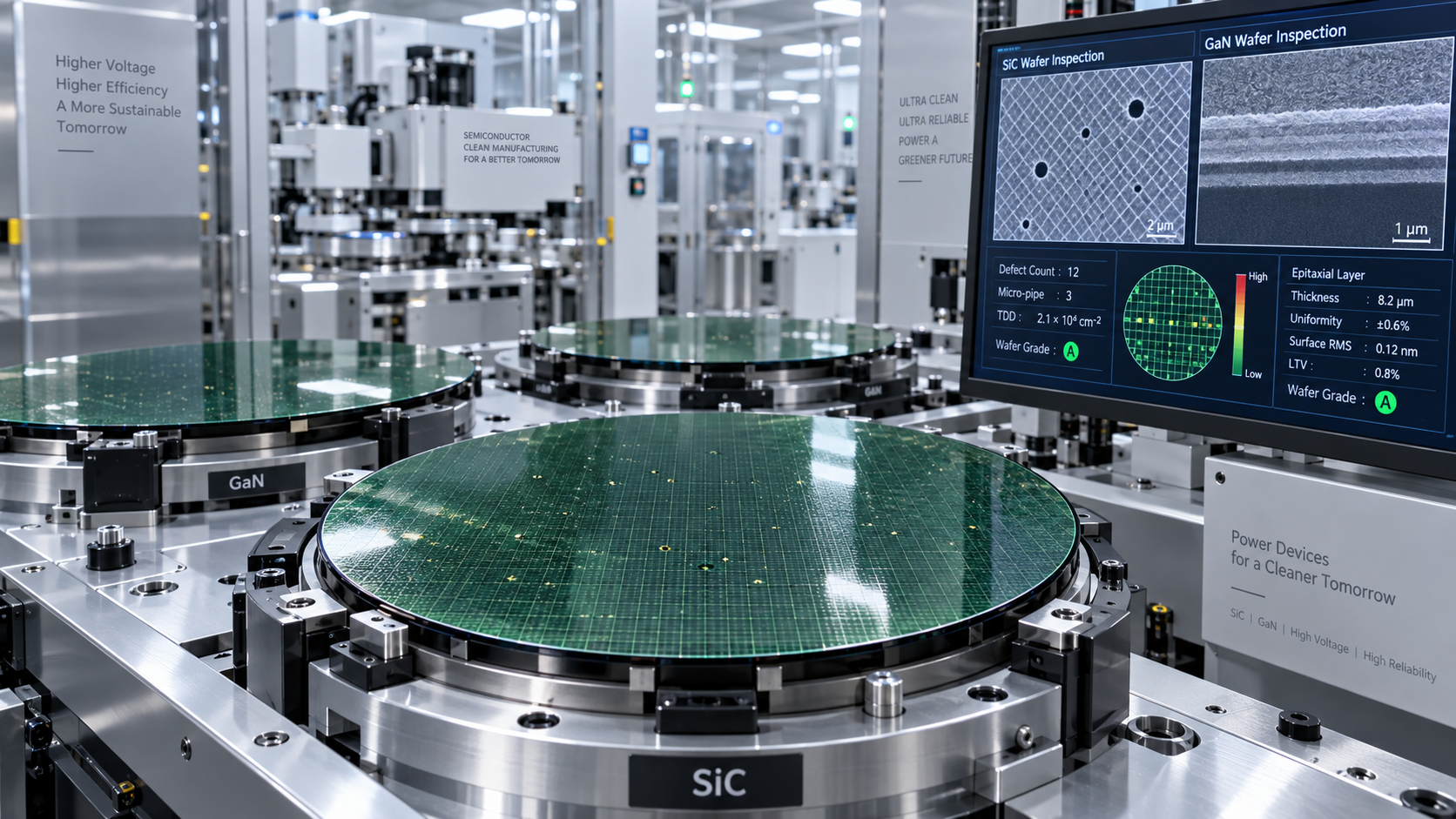
- Wafer process stability and defect density control
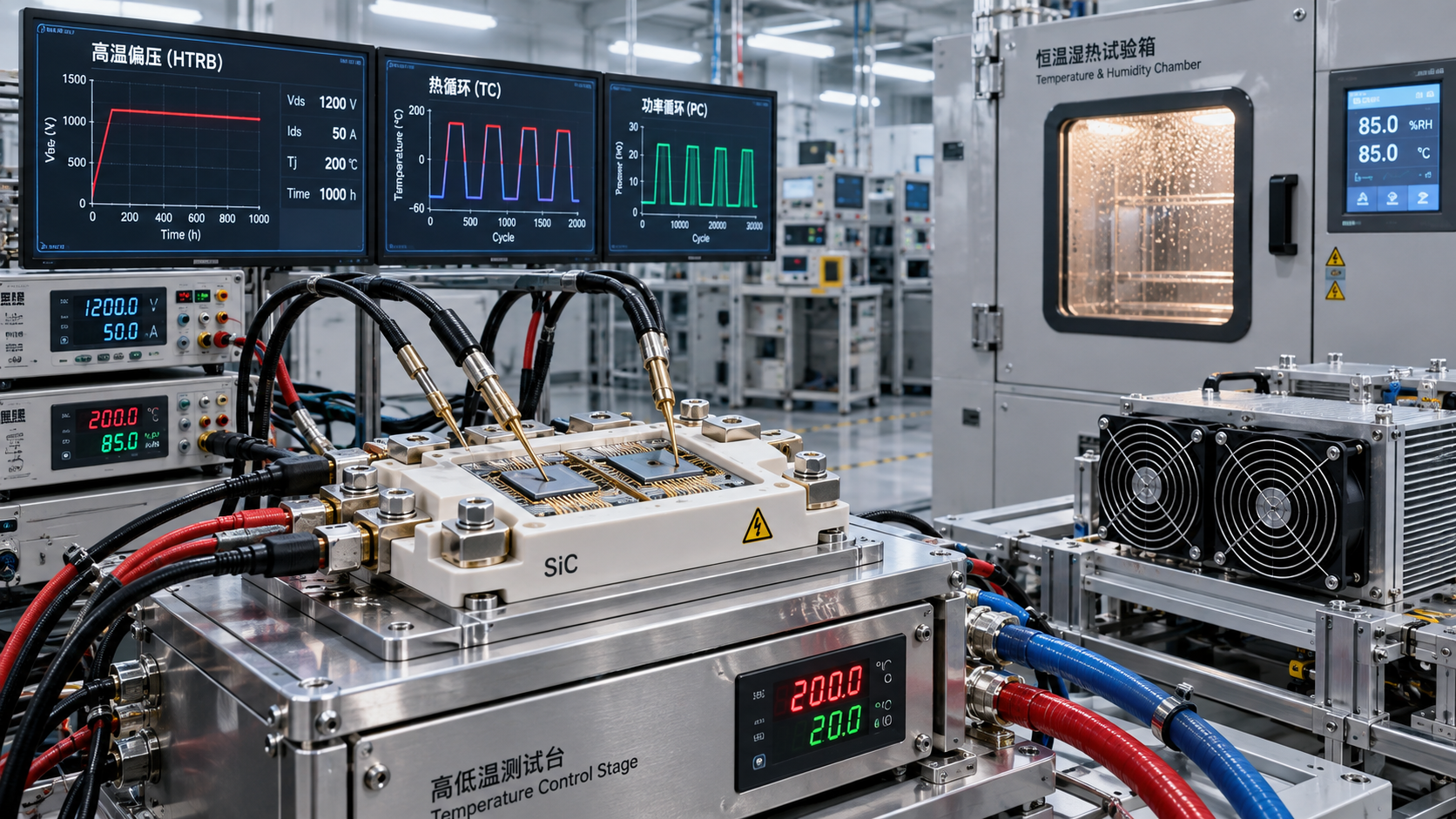
- Package integrity under moisture, vibration, and temperature cycling
- Electrical parameter drift over lifetime
- ESD, latch-up, and overstress tolerance
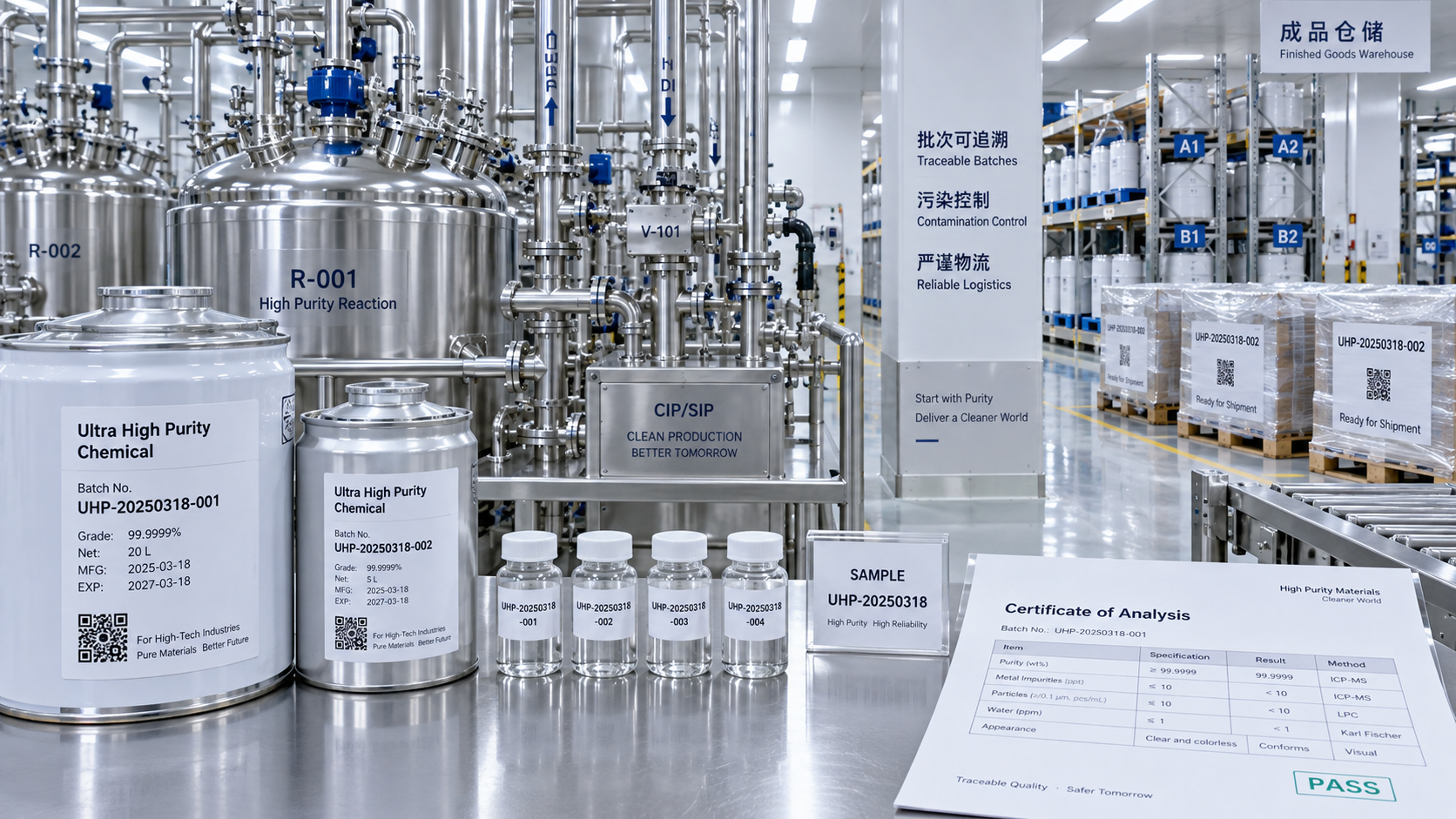
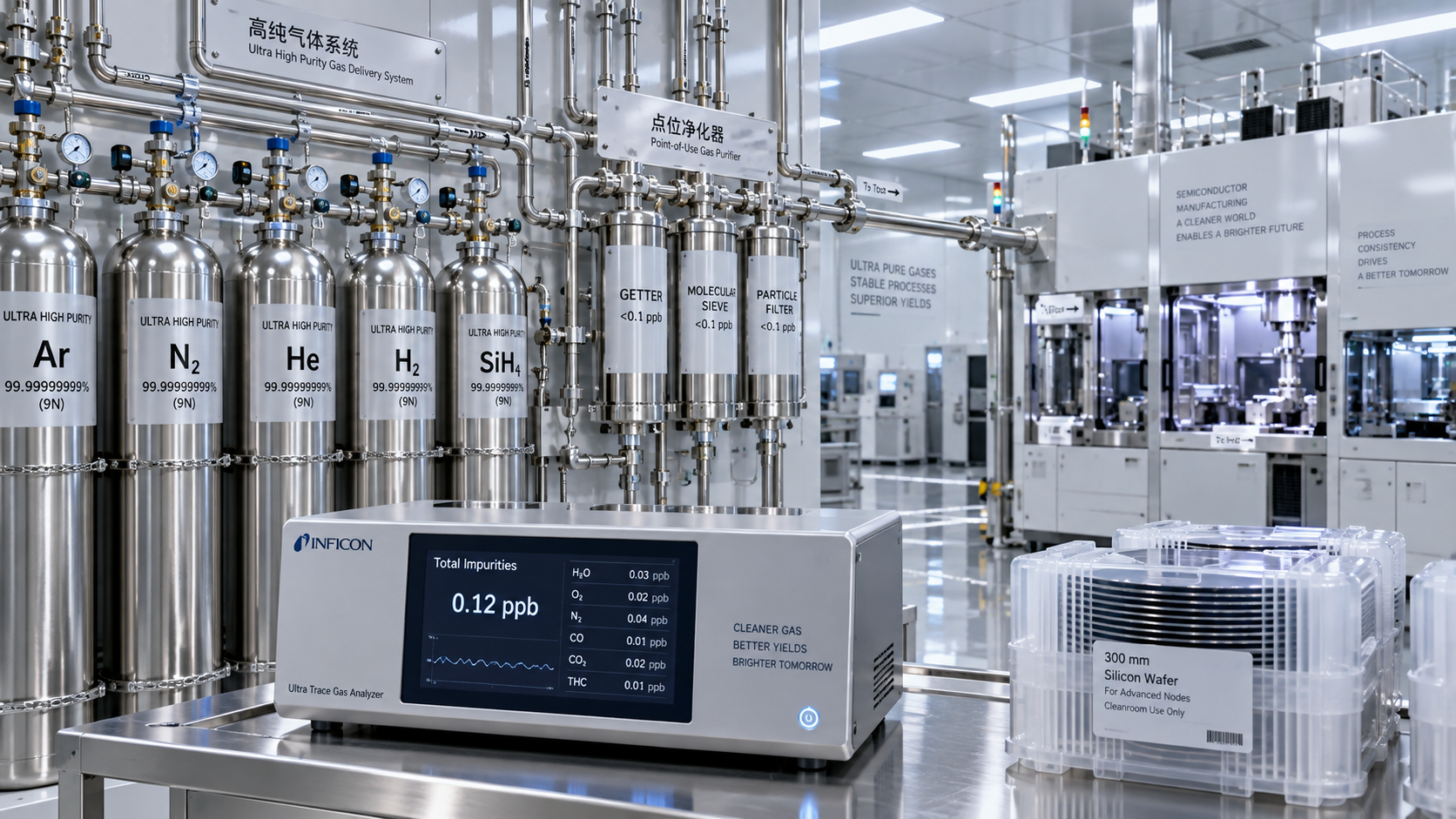
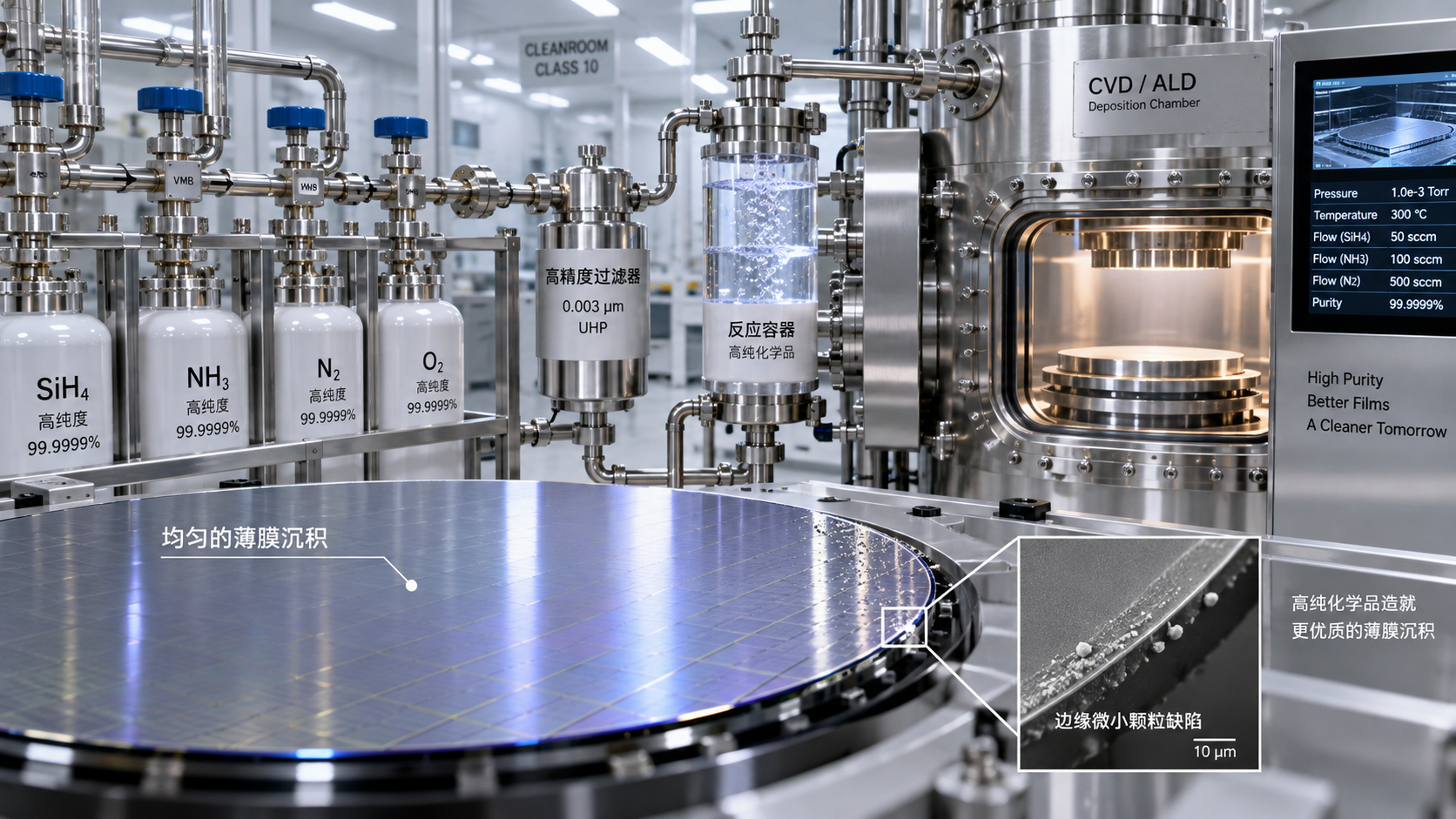
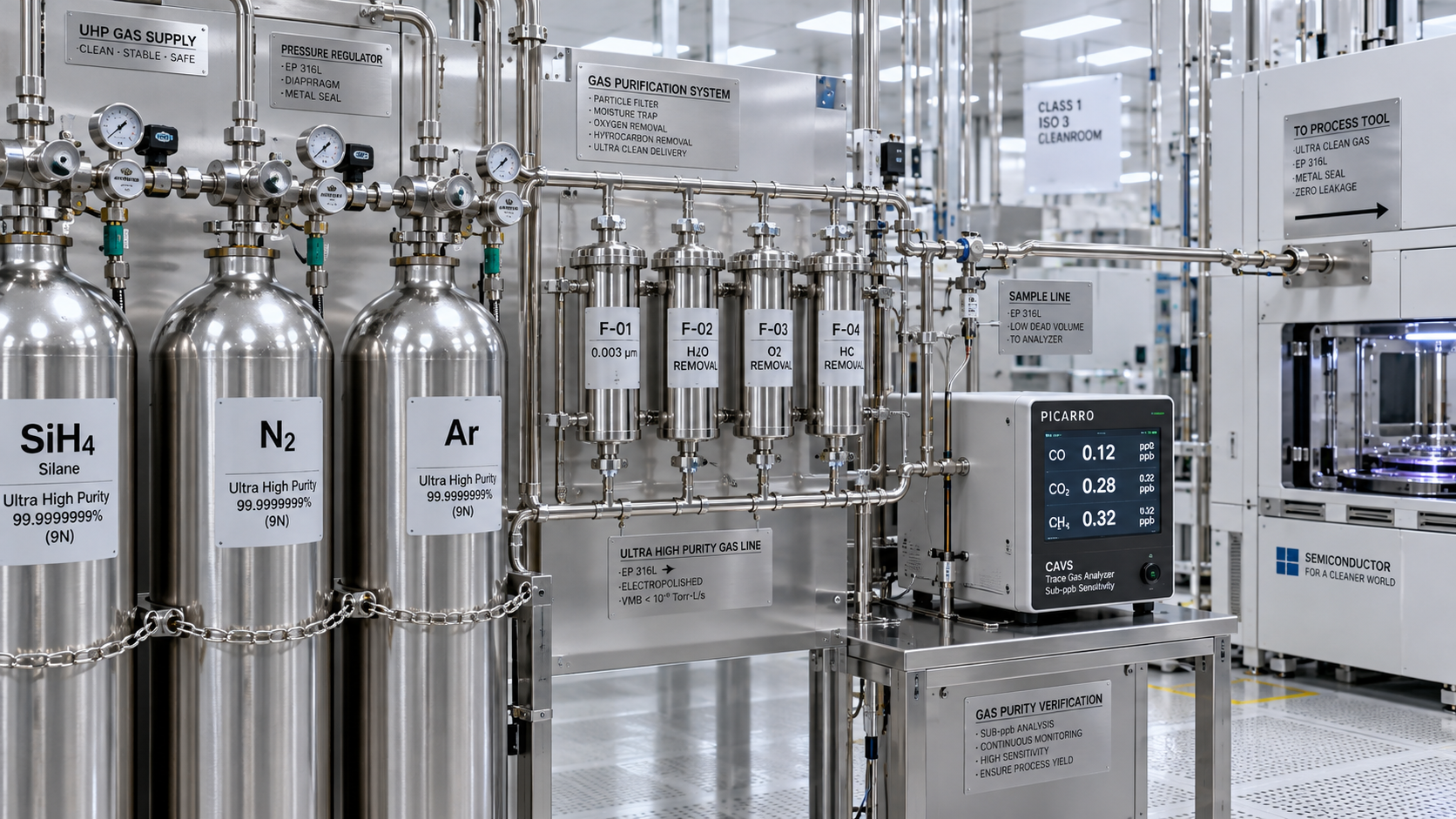
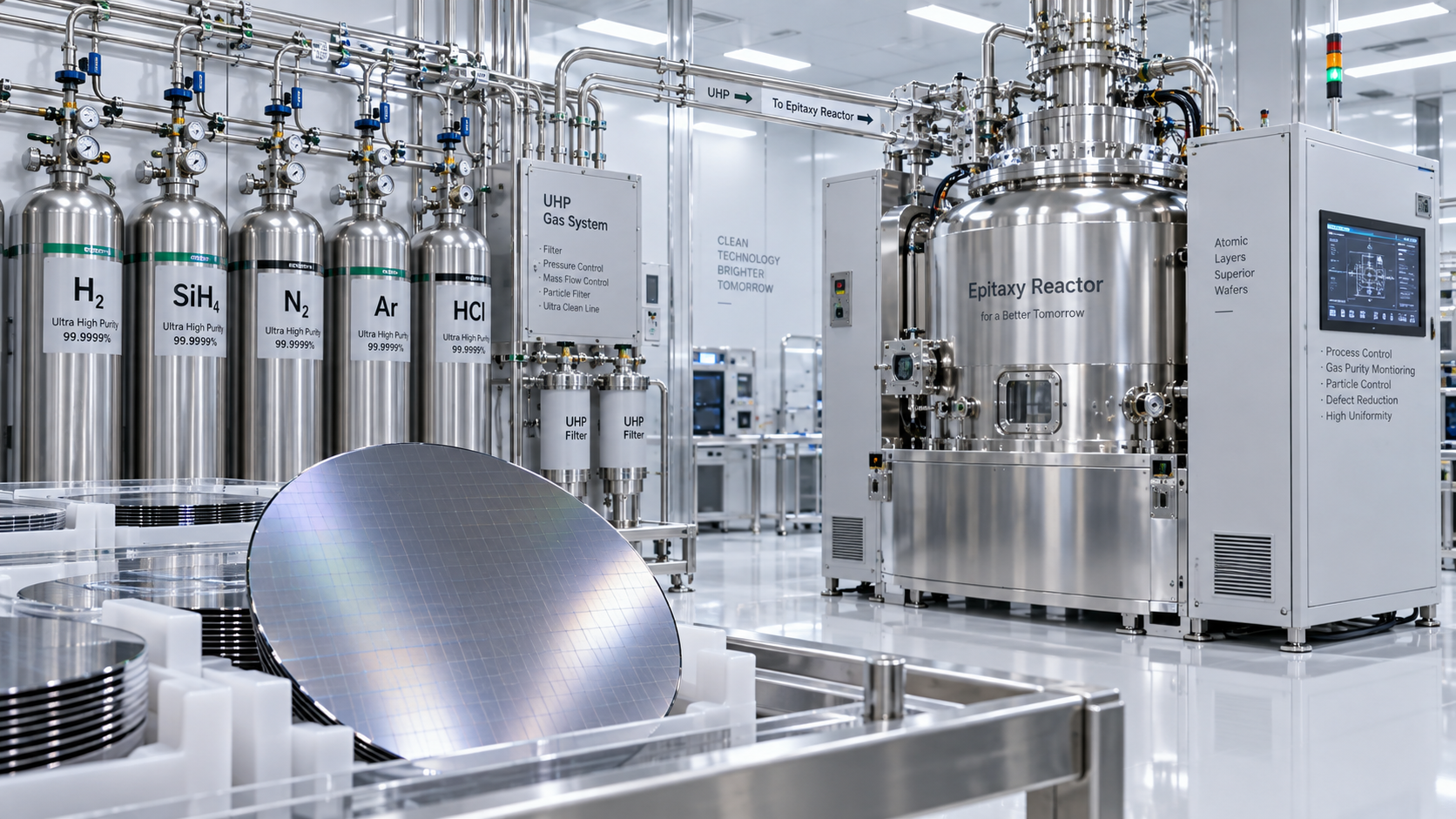
- Material purity, gas quality, and chemical consistency
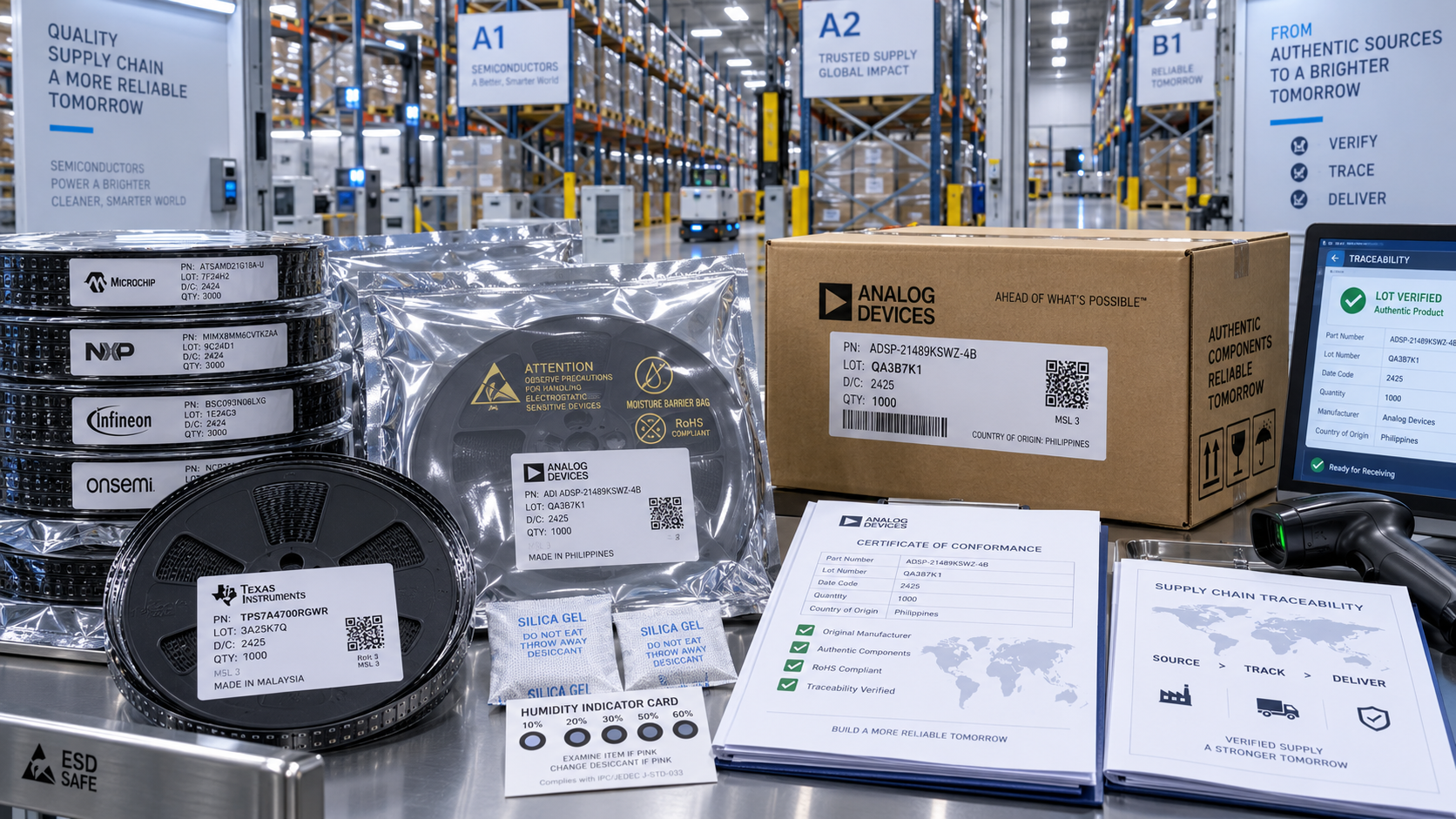
- Traceability, calibration, and test method repeatability
Industry Context and Current Reliability Focus
The industry now faces tighter performance windows. Autonomous systems, industrial IoT, and electrification demand longer lifetime with lower tolerance for unexpected failure.
At the same time, manufacturing networks span multiple sites, process nodes, and packaging flows. This increases the importance of standardized reliability governance.
Reliability Standards for Semiconductor Manufacturing also matter because failure costs are no longer limited to scrap. They now include downtime, legal exposure, and infrastructure instability.
Common benchmark families
- SEMI standards for fab operations, materials, and equipment interfaces
- AEC-Q100 and related automotive reliability qualification methods
- JEDEC methods for stress testing, moisture sensitivity, and package qualification
- ISO/IEC 17025 for laboratory competence and test result credibility
Business Value Across the Semiconductor Value Chain
Reliable standards are not only technical references. They improve decision quality across sourcing, process engineering, qualification, and lifecycle management.
For fabrication environments, Reliability Standards for Semiconductor Manufacturing help control contamination, stabilize tool behavior, and reduce variation between lots.
For packaging and test operations, they support stronger screening, more accurate root-cause analysis, and better confidence in field performance.
For electronic chemicals and specialty gases, standards protect process purity. Even sub-ppb contamination can affect yield, leakage, and long-term device integrity.
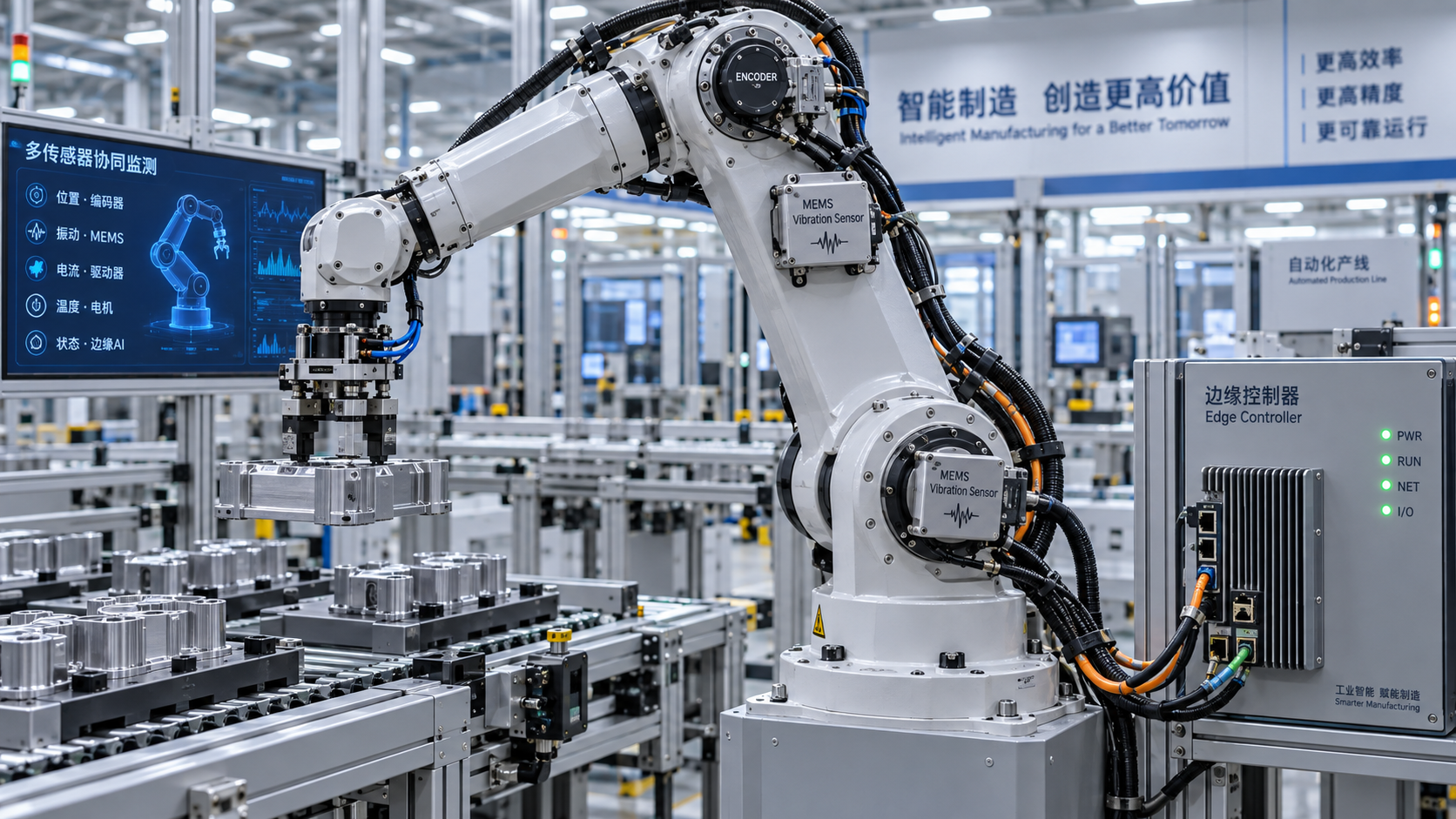
For industrial sensors and MEMS devices, standards preserve data fidelity. Stable output under heat, shock, and humidity is critical for trusted automation.
Operational benefits often seen
- Lower latent defect risk through earlier stress screening
- Better yield predictability across shifts, tools, and sites
- Faster failure isolation with structured qualification data
- Improved acceptance in regulated and export-sensitive markets
- Stronger resilience during supplier or process transitions
Typical Standards Application by Product and Process Type
Reliability Standards for Semiconductor Manufacturing are applied differently depending on device architecture, operating environment, and criticality of failure.
This classification helps connect reliability planning with actual risk. It also prevents overtesting low-risk areas and underestimating critical failure mechanisms.
Practical Implementation Guidance and Risk Controls
Effective use of Reliability Standards for Semiconductor Manufacturing starts with a clear matrix of product type, stress profile, and target application conditions.
A generic checklist is not enough. Reliability plans should reflect real voltage loads, thermal ranges, switching patterns, and exposure duration.
Implementation priorities
- Map critical failure modes before selecting qualification tests
- Use statistically valid sample plans and guard bands
- Link fab SPC data with reliability outcomes for faster feedback
- Verify laboratory calibration and method repeatability
- Audit incoming chemicals, gases, and packaging materials regularly
- Update criteria when process changes, tool sets, or suppliers change
Frequent gaps to avoid
- Treating qualification as a one-time event instead of continuous control
- Relying on package pass results without wafer-level correlation
- Ignoring environmental data from cleanroom and utility systems
- Using customer-driven limits without internal mechanism analysis
Where complex technologies are involved, benchmark repositories like G-SSI can support comparison across power devices, packaging structures, sensor platforms, and purity-sensitive materials.
That kind of structured benchmarking is useful when aligning China-based production expansion with internationally recognized reliability expectations.
Next-Step Actions for Stronger Reliability Alignment
Reliability Standards for Semiconductor Manufacturing create value only when they are translated into measurable controls, validated methods, and documented improvement loops.
A practical next step is to review current qualification plans against dominant standards, known failure mechanisms, and actual operating conditions.
Then compare material purity data, package stress results, sensor drift records, and environmental monitoring logs in one reliability dashboard.
This creates a stronger basis for investment decisions, process upgrades, and supplier alignment. It also improves confidence in long-term field performance.
For organizations building sovereign digital infrastructure, dependable semiconductor reliability is not a narrow factory issue. It is a strategic industrial capability.
Use Reliability Standards for Semiconductor Manufacturing as the common language that connects fabrication quality, testing credibility, and durable system performance.
Get weekly intelligence in your inbox.
No noise. No sponsored content. Pure intelligence.
 Apr 28, 2026When do rapid prototyping 3D printing services save real costWhen do rapid prototyping 3D printing services save real cost
 Apr 28, 2026What Can Go Wrong in Fan-out Wafer Level Pkg?What Can Go Wrong in Fan-out Wafer Level Pkg?
 Apr 28, 2026What Makes Optical LiDAR Modules Better for Autonomy?What Makes Optical LiDAR Modules Better for Autonomy?
 Apr 28, 20262026 Market Trends in Supply Chain Resilience for Fabs2026 Market Trends in Supply Chain Resilience for Fabs
 Oct 10, 2026When do integrated sensor systems reduce commissioning risks?When do integrated sensor systems reduce commissioning risks?
 Oct 09, 2026How North American semiconductor fabs control airborne molecular contaminationHow North American semiconductor fabs control airborne molecular contamination
 Oct 08, 2026When do custom aluminum extrusions reduce fabrication costs?When do custom aluminum extrusions reduce fabrication costs?
 Oct 07, 2026How semiconductor packaging affects thermal reliability in EV power electronicsHow semiconductor packaging affects thermal reliability in EV power electronics
 Oct 06, 2026When do corrugated plastic boxes make sense for returnable shipping?When do corrugated plastic boxes make sense for returnable shipping?
 Oct 05, 2026What to verify before choosing semiconductor distributors in North AmericaWhat to verify before choosing semiconductor distributors in North America
 Oct 04, 2026How to assess a high purity materials manufacturer’s traceabilityHow to assess a high purity materials manufacturer’s traceability
 Oct 03, 2026How SiC power conversion solutions improve high-voltage invertersHow SiC power conversion solutions improve high-voltage inverters
 Oct 02, 2026When do SiC MOSFET benefits justify the higher device cost?When do SiC MOSFET benefits justify the higher device cost?
 Oct 01, 2026Which semiconductor reliability testing standards apply to power devices?Which semiconductor reliability testing standards apply to power devices?
 Sep 30, 2026How to qualify a semiconductor photoresist supplier for KrF/ArF productionHow to qualify a semiconductor photoresist supplier for KrF/ArF production
 Sep 29, 2026What image quality should portable ultrasound scanners deliver for triage?What image quality should portable ultrasound scanners deliver for triage?
 Sep 28, 2026How sub-ppb impurity control gases protect process consistencyHow sub-ppb impurity control gases protect process consistency
 Sep 27, 2026How chemical purity affects defect rates in semiconductor depositionHow chemical purity affects defect rates in semiconductor deposition
 Sep 26, 2026When do high voltage power semiconductor devices need SiC over IGBTs?When do high voltage power semiconductor devices need SiC over IGBTs?
 Sep 25, 2026How to verify quality controls at a die casting parts supplier in ChinaHow to verify quality controls at a die casting parts supplier in China
 Sep 24, 2026How to verify electronic gas purity for sub-ppb semiconductor processesHow to verify electronic gas purity for sub-ppb semiconductor processes
 Sep 23, 2026When sensory data integration improves industrial motion monitoringWhen sensory data integration improves industrial motion monitoring
 Sep 22, 2026How supply chain resilience reduces the cost of production disruptionsHow supply chain resilience reduces the cost of production disruptions
 Sep 21, 2026What autonomous systems OEMs should verify before sourcing LiDAR modulesWhat autonomous systems OEMs should verify before sourcing LiDAR modules
 Sep 20, 2026How gas purity affects defect density in epitaxial wafer growthHow gas purity affects defect density in epitaxial wafer growth
 Sep 19, 2026How substrate defects affect third-generation material device yieldHow substrate defects affect third-generation material device yield
 Sep 18, 2026How trace impurities in specialty process gases affect wafer yieldHow trace impurities in specialty process gases affect wafer yield