Procurement Insights: 5 Cost Risks Hidden in Supplier Quotes
Procurement Insights: why a low quote can still become an expensive approval
Procurement Insights usually begin with a simple comparison: unit price, lead time, and payment terms.
Yet in semiconductor and sensory-infrastructure sourcing, the quoted number rarely tells the full financial story.
A lower bid for SiC devices, MEMS sensors, packaging services, specialty gases, or cleanroom controls can hide downstream exposure.
That exposure often appears later as scrap, qualification delays, emergency buys, compliance gaps, or shorter service life.
In practical terms, approval risk increases when the quote looks clear, but the assumptions behind it remain vague.
This matters even more in sectors shaped by autonomous systems, power conversion efficiency, and industrial data reliability.
G-SSI has made this point increasingly visible by benchmarking mature-node expansion against global standards such as SEMI, AEC-Q100, and ISO/IEC 17025.
The result is straightforward: quote review is no longer only a purchasing exercise; it is a total-cost judgement.
What hidden cost usually sits behind the “best” supplier quote?
The most common hidden cost is incomplete scope.
A quote may cover the visible item, but exclude qualification lots, burn-in, traceability files, retesting, export documents, or packaging controls.
In advanced packaging and testing, that gap can be significant.
A supplier may quote attractive assembly pricing, then add fees for substrate revision handling, failure analysis, or reliability validation.
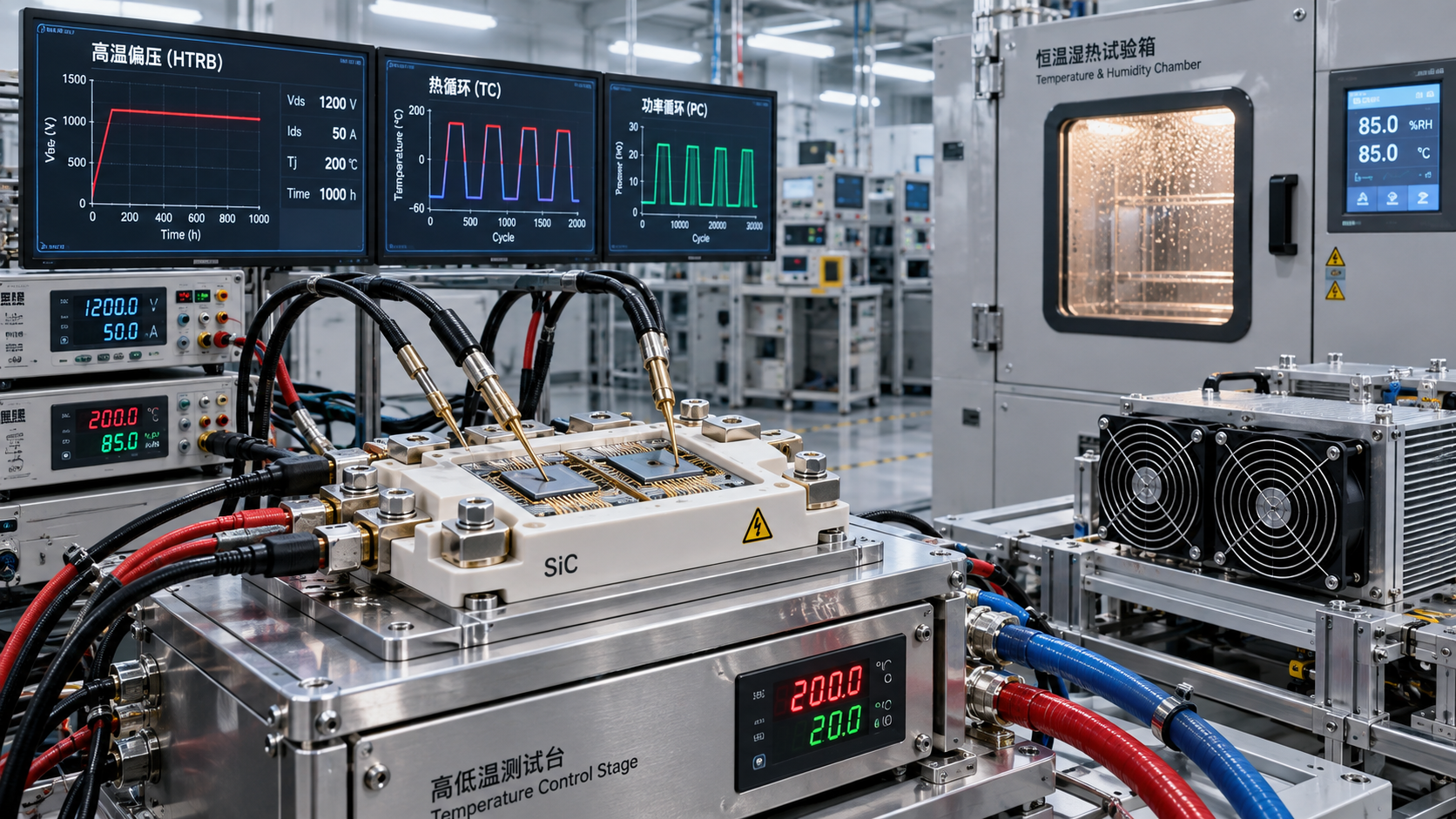
For power semiconductors, especially SiC and GaN, hidden scope often appears in screening and thermal characterization.
If those checks are not included, the buyer may pay later through field risk or duplicate testing at another lab.
A useful Procurement Insights habit is to ask one plain question: what must be purchased after this quote is approved?
That question often reveals the real cost faster than any discount discussion.
A quick review table helps separate price from actual exposure
Used well, Procurement Insights are less about rejecting low prices and more about understanding what those prices exclude.
Are compliance and quality assumptions really that expensive?
Yes, especially when the quoted part will enter infrastructure that depends on thermal stability, signal integrity, or long operating cycles.
One frequent mistake is assuming that “industrial grade” means the same thing across suppliers.
It often does not.
A MEMS sensor quote might list calibration performance without clarifying drift conditions, humidity tolerance, or lot-to-lot consistency.
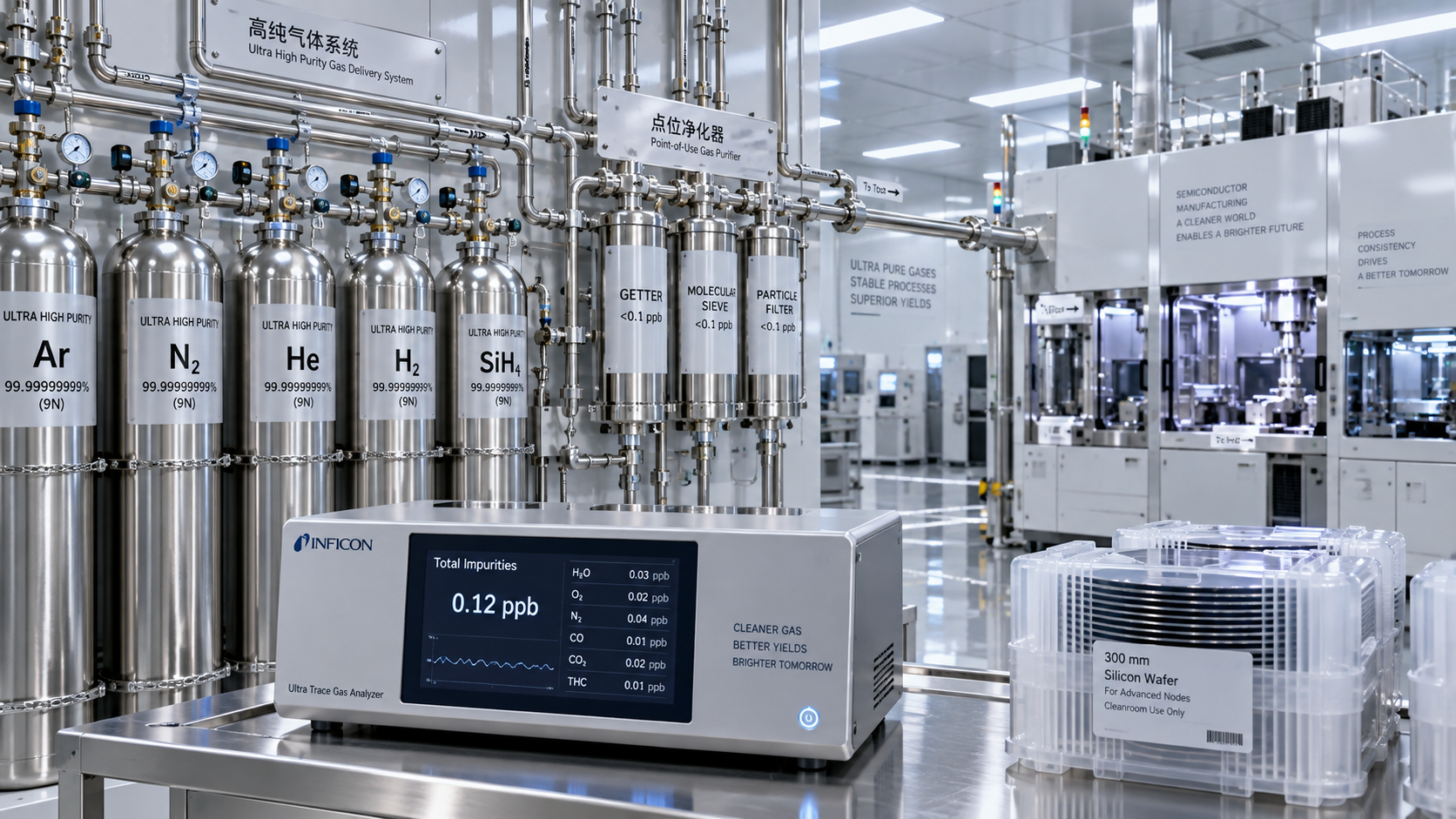
An electronic gas supplier may state purity, but omit impurity detection method, sampling frequency, or lab accreditation.
That difference matters because non-aligned methods create false confidence.
When G-SSI benchmarks suppliers against standards, the value is not abstract compliance language.
The value lies in reducing uncertainty around reliability claims, thermal behavior, and data fidelity.
In financial review terms, vague quality language should be treated as a pending cost, not a neutral statement.
- Check whether standards are named precisely, not referenced generally.
- Confirm test method, sample size, and pass criteria.
- Review whether change control applies to material, process, and sub-tier sources.
- Ask if traceability data is included in the quoted scope.
Why do lead times create cost risk even when delivery dates look acceptable?
Because quoted lead time is often a calendar estimate, not a capacity commitment.
This distinction becomes critical in mature-node fabrication, packaging lines, and specialty materials with constrained upstream supply.
A supplier can quote ten weeks today and still push the order later if wafer starts, substrates, gases, or cleanroom resources tighten.
The hidden cost then appears in expediting charges, production sequence changes, and revenue timing pressure.
More commonly, the budget issue comes from buffer inventory.
When delivery reliability is uncertain, organizations carry more stock to protect schedules.
That ties up cash even if the quote itself seems competitive.
Strong Procurement Insights therefore examine not just quoted weeks, but how those weeks are supported.
What should be confirmed before treating lead time as reliable?
- Whether raw material allocation is secured.
- Whether the supplier reserves process capacity after quote acceptance.
- Whether engineering changes reset the promised schedule.
- Whether partial shipments are possible without hidden surcharge.
- Whether late delivery triggers any contractual remedy.
If those answers stay unclear, the lead time should be viewed as indicative rather than bankable.
What is the risk of accepting “equivalent” parts or services too quickly?
Equivalence can be real, but it must be proven at the right level.
A quote may present an alternative sensor, package substrate, gas blend, or fab-environment component as functionally similar.
The hidden cost appears when “similar” only means dimensional fit or nominal performance.
In practice, equivalence should also cover drift, durability, contamination sensitivity, thermal cycling, and system-level integration behavior.
This is especially relevant in sensory-infrastructure programs where data accuracy affects control logic and maintenance intervals.
One cheaper alternative can introduce recurring calibration work or software filtering changes.
The quote saved money once, but the asset consumes more money for years.
That is why good Procurement Insights treat substitution review as a lifecycle question rather than a line-item comparison.
How often is lifecycle support missing from the quote?
More often than expected, especially in technical categories that evolve quickly.
The initial quote may look complete, but omit end-of-life notice periods, revision support, spare strategy, or field failure response.
That omission matters because semiconductor and sensing systems rarely operate as short-term purchases.
They sit inside equipment, platforms, and infrastructure with long validation cycles.
When lifecycle terms are weak, every design update becomes a new cost event.
This is where Procurement Insights can protect future budgets, not just current approvals.
A supplier with slightly higher pricing may still offer lower lifecycle cost through stable documentation, predictable PCN handling, and stronger root-cause support.
That trade-off is easy to miss if review stays focused on purchase price variance alone.
Useful checks before sign-off
- Notice period for process or material changes.
- Availability of long-term traceability records.
- Support for failure analysis and corrective action.
- Commitment to spare parts or replacement paths.
What is the smartest way to review supplier quotes before approval?
Start by separating visible price from cost triggers.
That means reviewing quotes across five risk lenses: scope, compliance, lead time, equivalence, and lifecycle support.
This approach works across G-SSI’s industrial pillars because the hidden-cost pattern is similar even when the technologies differ.
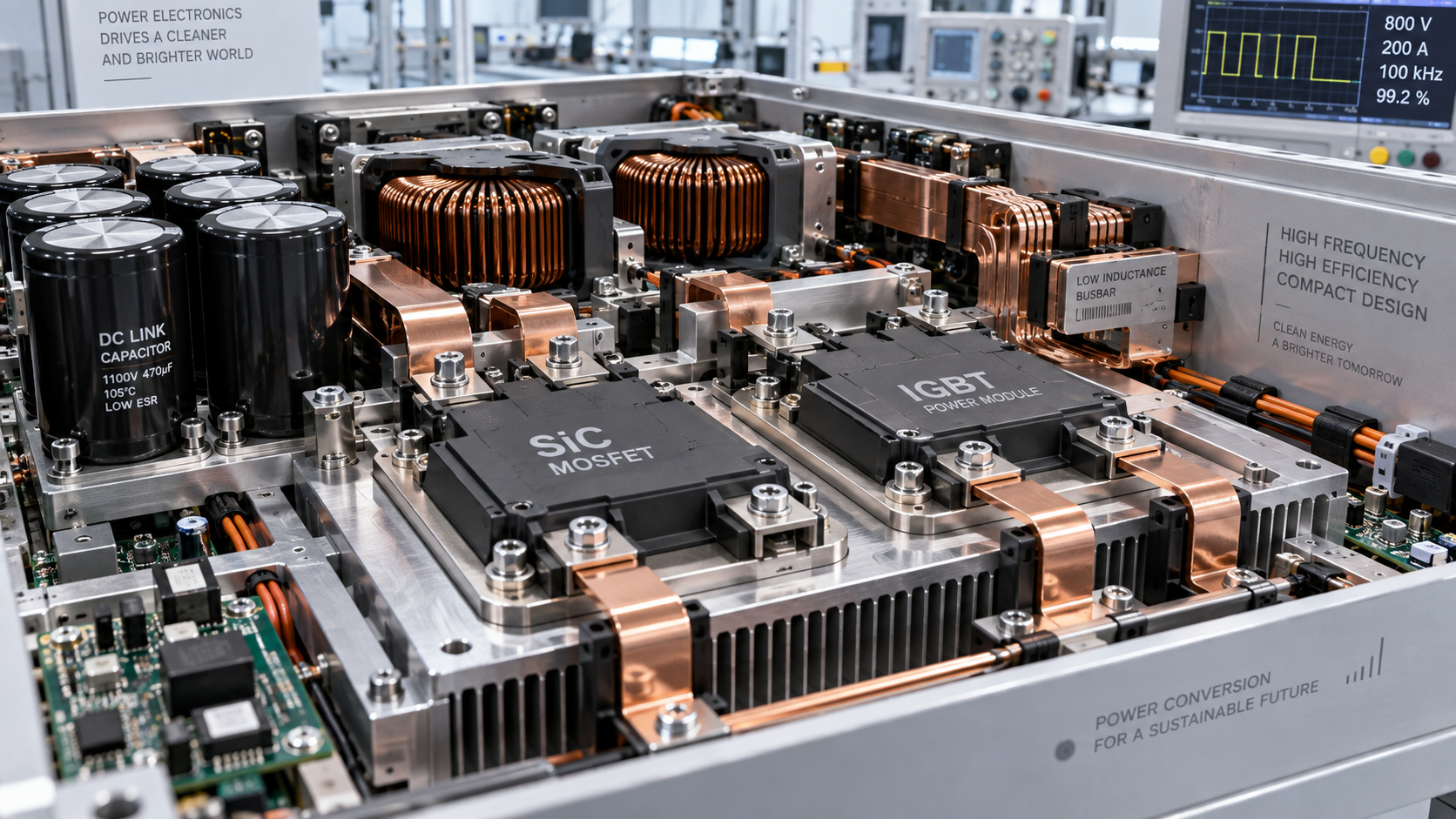
A SiC MOSFET quote, a 2.5D packaging quote, and a sub-ppb gas supply quote all require the same discipline.
Ask what is assumed, what is excluded, what may change, and what happens if the supplier underperforms.
The review becomes stronger when commercial terms are tested against technical evidence.
Benchmarking references, such as those used in G-SSI analysis, can help translate technical claims into approval confidence.
That is the real value of Procurement Insights: making cost risk visible before it becomes operational fact.
Before the next approval, build a short review sheet for every strategic quote.
List required standards, included services, capacity assumptions, substitution limits, and lifecycle commitments.
Then compare suppliers on total exposure, not price alone.
That one change usually leads to better cost control, cleaner approvals, and fewer surprises after the purchase order is issued.
Get weekly intelligence in your inbox.
No noise. No sponsored content. Pure intelligence.
 Apr 28, 2026When do rapid prototyping 3D printing services save real costWhen do rapid prototyping 3D printing services save real cost
 Apr 28, 2026What Can Go Wrong in Fan-out Wafer Level Pkg?What Can Go Wrong in Fan-out Wafer Level Pkg?
 Apr 28, 2026What Makes Optical LiDAR Modules Better for Autonomy?What Makes Optical LiDAR Modules Better for Autonomy?
 Apr 28, 20262026 Market Trends in Supply Chain Resilience for Fabs2026 Market Trends in Supply Chain Resilience for Fabs
 Oct 10, 2026When do integrated sensor systems reduce commissioning risks?When do integrated sensor systems reduce commissioning risks?
 Oct 09, 2026How North American semiconductor fabs control airborne molecular contaminationHow North American semiconductor fabs control airborne molecular contamination
 Oct 08, 2026When do custom aluminum extrusions reduce fabrication costs?When do custom aluminum extrusions reduce fabrication costs?
 Oct 07, 2026How semiconductor packaging affects thermal reliability in EV power electronicsHow semiconductor packaging affects thermal reliability in EV power electronics
 Oct 06, 2026When do corrugated plastic boxes make sense for returnable shipping?When do corrugated plastic boxes make sense for returnable shipping?
 Oct 05, 2026What to verify before choosing semiconductor distributors in North AmericaWhat to verify before choosing semiconductor distributors in North America
 Oct 04, 2026How to assess a high purity materials manufacturer’s traceabilityHow to assess a high purity materials manufacturer’s traceability
 Oct 03, 2026How SiC power conversion solutions improve high-voltage invertersHow SiC power conversion solutions improve high-voltage inverters
 Oct 02, 2026When do SiC MOSFET benefits justify the higher device cost?When do SiC MOSFET benefits justify the higher device cost?
 Oct 01, 2026Which semiconductor reliability testing standards apply to power devices?Which semiconductor reliability testing standards apply to power devices?
 Sep 30, 2026How to qualify a semiconductor photoresist supplier for KrF/ArF productionHow to qualify a semiconductor photoresist supplier for KrF/ArF production
 Sep 29, 2026What image quality should portable ultrasound scanners deliver for triage?What image quality should portable ultrasound scanners deliver for triage?
 Sep 28, 2026How sub-ppb impurity control gases protect process consistencyHow sub-ppb impurity control gases protect process consistency
 Sep 27, 2026How chemical purity affects defect rates in semiconductor depositionHow chemical purity affects defect rates in semiconductor deposition
 Sep 26, 2026When do high voltage power semiconductor devices need SiC over IGBTs?When do high voltage power semiconductor devices need SiC over IGBTs?
 Sep 25, 2026How to verify quality controls at a die casting parts supplier in ChinaHow to verify quality controls at a die casting parts supplier in China
 Sep 24, 2026How to verify electronic gas purity for sub-ppb semiconductor processesHow to verify electronic gas purity for sub-ppb semiconductor processes
 Sep 23, 2026When sensory data integration improves industrial motion monitoringWhen sensory data integration improves industrial motion monitoring
 Sep 22, 2026How supply chain resilience reduces the cost of production disruptionsHow supply chain resilience reduces the cost of production disruptions
 Sep 21, 2026What autonomous systems OEMs should verify before sourcing LiDAR modulesWhat autonomous systems OEMs should verify before sourcing LiDAR modules
 Sep 20, 2026How gas purity affects defect density in epitaxial wafer growthHow gas purity affects defect density in epitaxial wafer growth
 Sep 19, 2026How substrate defects affect third-generation material device yieldHow substrate defects affect third-generation material device yield
 Sep 18, 2026How trace impurities in specialty process gases affect wafer yieldHow trace impurities in specialty process gases affect wafer yield