Industrial IoT Architecture for Predictive Maintenance
Industrial IoT Architecture is becoming the backbone of predictive maintenance for organizations seeking higher uptime, lower risk, and smarter asset decisions. For engineering and operations environments, the right architecture links sensors, edge computing, secure networks, analytics platforms, and maintenance workflows. It transforms raw machine signals into timely alerts, failure predictions, and measurable business value across complex industrial systems.
What does Industrial IoT Architecture mean in predictive maintenance?
Industrial IoT Architecture is the structured design of data flow, device connectivity, computing layers, and decision logic across industrial assets.
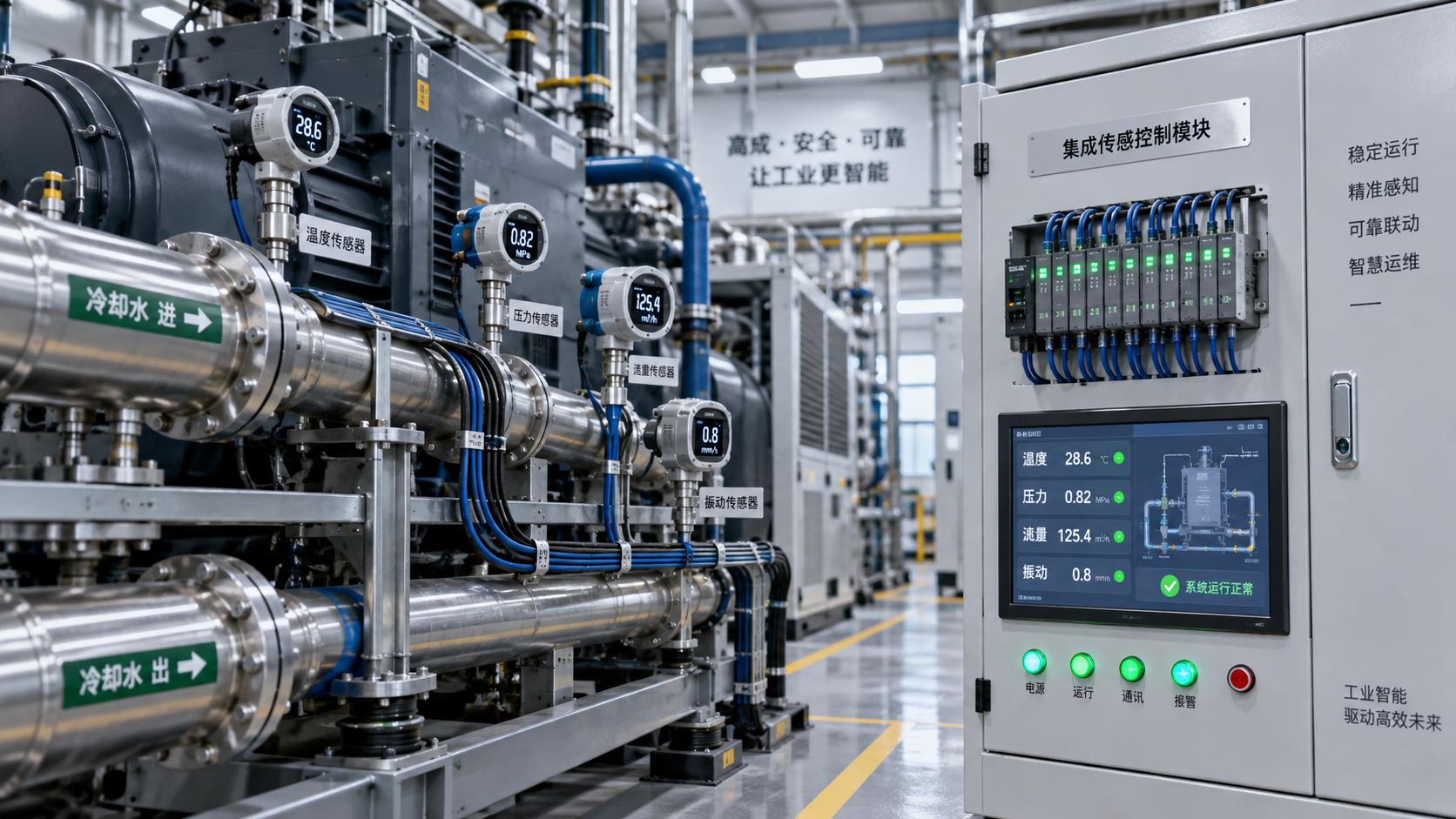
In predictive maintenance, it defines how vibration, temperature, current, pressure, and acoustic data move from equipment to insight engines.
A strong architecture usually includes five connected layers:
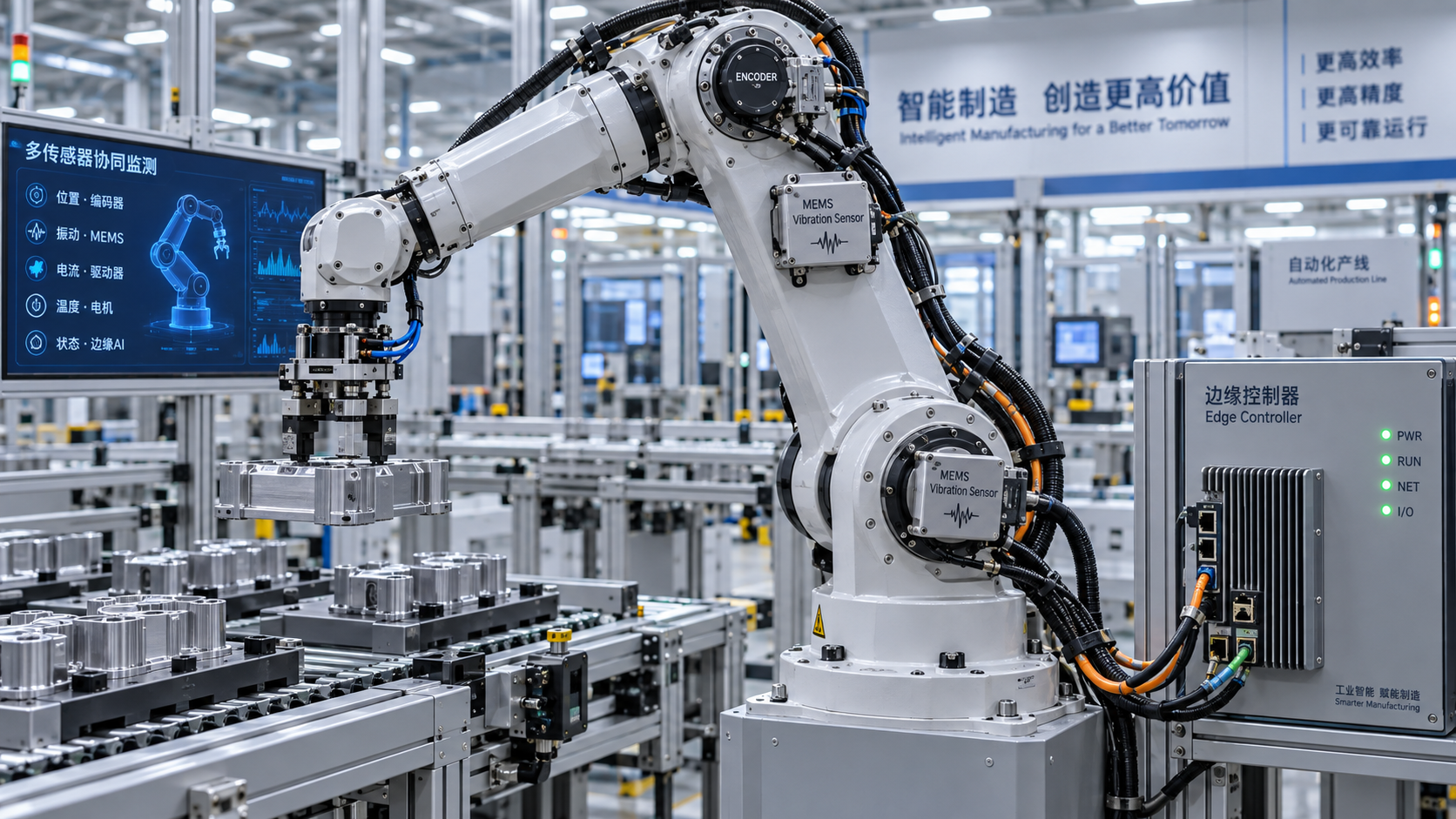
- Sensing layer for MEMS, smart sensors, and machine interfaces
- Edge layer for filtering, buffering, and local inference
- Connectivity layer for industrial protocols and secure transmission
- Platform layer for storage, modeling, and orchestration
- Application layer for CMMS, dashboards, alarms, and workflows
Without this structure, data stays fragmented. Maintenance teams react late, analytics remain unreliable, and asset decisions depend on guesswork.
With the right Industrial IoT Architecture, maintenance becomes condition-based, evidence-driven, and aligned with operational risk.
Why is Industrial IoT Architecture critical for predictive maintenance results?
Predictive maintenance fails more often from poor architecture than from weak algorithms.
If signals are noisy, timestamps inconsistent, or connectivity unstable, even advanced models produce false positives or missed failures.
A well-planned Industrial IoT Architecture improves four result areas:
- Data quality through calibrated sensors and validated collection rules
- Response speed through edge processing and event prioritization
- System trust through cybersecurity, traceability, and governance
- Business integration through maintenance planning and spare parts coordination
This matters across sectors, including semiconductor tools, power electronics lines, utilities, logistics infrastructure, and process industries.
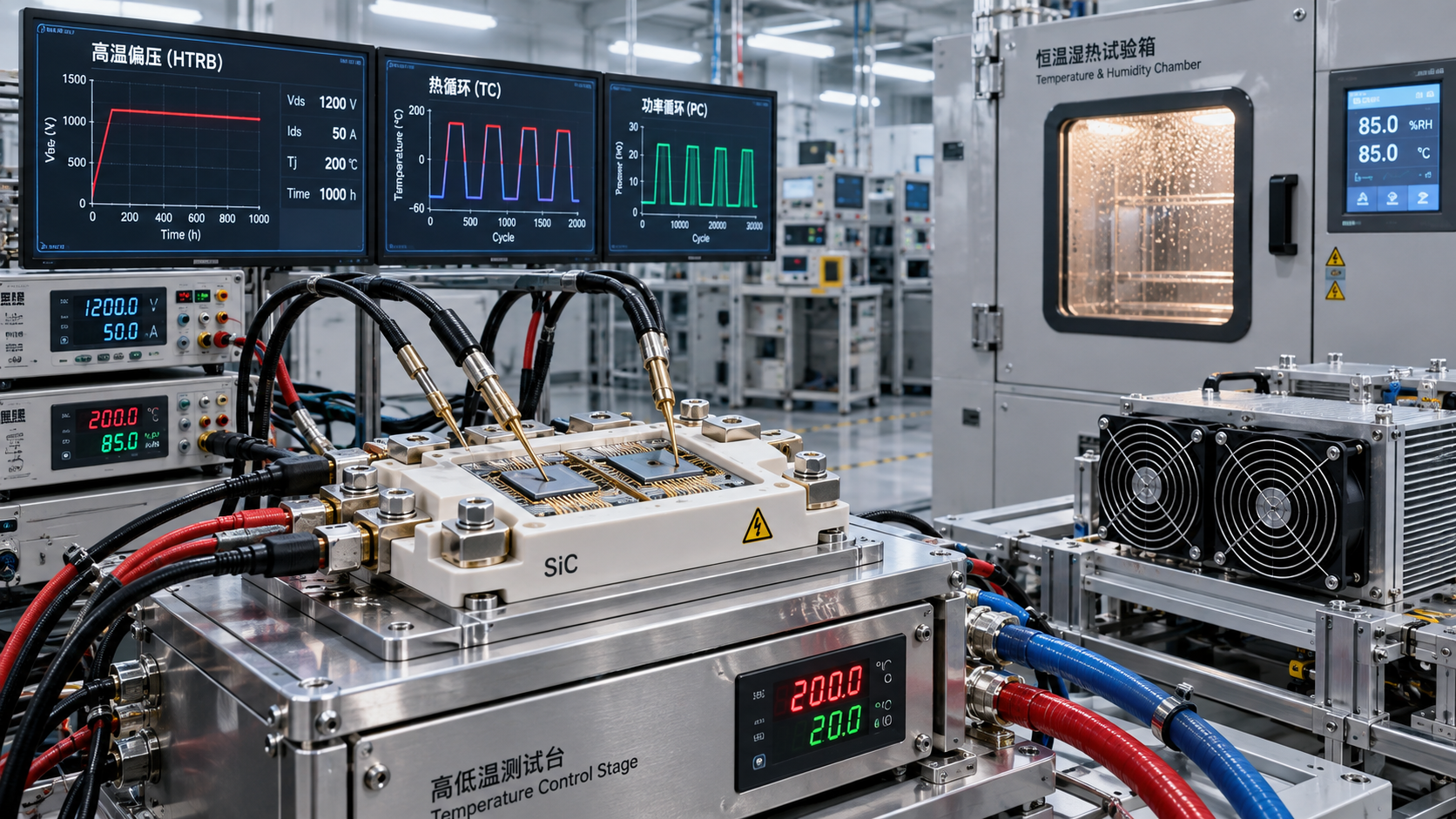
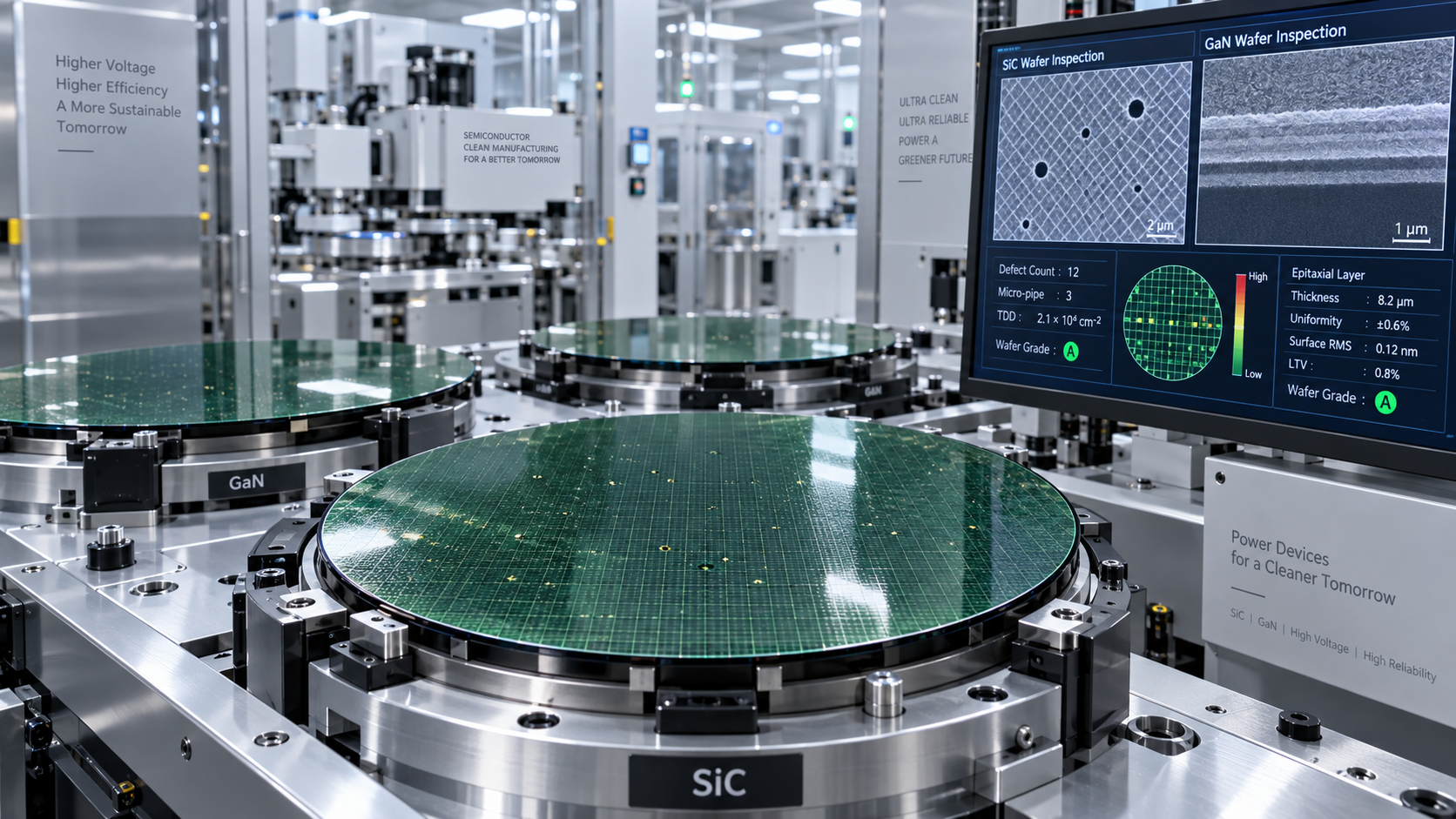
In high-value environments, such as wafer fabrication or sensory-infrastructure networks, data fidelity and thermal stability are not optional.
Architectures informed by SEMI, ISO/IEC 17025, and reliability standards support consistent diagnostics and scalable maintenance decisions.
How should Industrial IoT Architecture be designed for real industrial environments?
The best Industrial IoT Architecture starts with failure modes, not software features.
Begin by identifying assets with costly downtime, safety exposure, quality variation, or maintenance uncertainty.
Then map measurable indicators to those risks. For example, bearing wear links to vibration patterns, while thermal runaway links to temperature and current behavior.
Key design principles
- Choose sensors based on failure physics, environment, and calibration needs
- Place edge devices near critical assets to reduce latency and bandwidth load
- Use protocol gateways for OPC UA, Modbus, MQTT, and legacy PLC integration
- Separate operational technology and enterprise traffic with secure segmentation
- Store contextual data such as maintenance history, load, and operating cycles
- Connect predictions directly to work order systems and escalation rules
For advanced operations, architecture should also consider semiconductor-grade sensing, thermal management, and stable power conversion components.
This is where high-reliability assets, such as industrial MEMS, SiC power devices, and controlled fabrication environments, influence system uptime.
Practical architecture flow
Sensor data is captured, cleaned at the edge, transmitted securely, enriched with context, analyzed by rules or models, and converted into maintenance actions.
Each step needs ownership, validation, and fallback logic. That is what makes Industrial IoT Architecture production-ready.
What is the difference between basic monitoring and Industrial IoT Architecture?
Basic monitoring shows what is happening now. Industrial IoT Architecture supports understanding, prediction, and coordinated response.
This difference is important when budget owners expect maintenance savings, energy efficiency, and resilience from one digital initiative.
Basic monitoring is useful, but it rarely delivers the full value expected from predictive maintenance.
What risks and mistakes can weaken Industrial IoT Architecture?
Several common errors reduce return on investment and create distrust in predictive maintenance programs.
Frequent mistakes
- Collecting too much data without a failure-focused use case
- Ignoring sensor placement, drift, or calibration intervals
- Sending all data to the cloud without edge prioritization
- Treating cybersecurity as an afterthought
- Running analytics without maintenance workflow integration
- Choosing components unsuited for heat, vibration, or contamination
In regulated or precision-driven settings, weak environmental control can corrupt signals and shorten component life.
That is why architecture decisions should align with reliability benchmarks, materials compatibility, and data verification practices.
Risk reminder table
How can organizations evaluate cost, timeline, and readiness?
Industrial IoT Architecture should be assessed in phases, not as a single technology purchase.
The first phase usually targets one asset group with known downtime costs and available maintenance history.
A realistic evaluation should cover these questions:
- Which failure modes are expensive enough to justify instrumentation?
- Do current sensors meet accuracy, durability, and calibration needs?
- Can existing PLC, SCADA, or MES systems share data reliably?
- Is edge computing needed for fast response or network constraints?
- Who will own model tuning, alert review, and maintenance execution?
Most pilot timelines range from several weeks to a few months, depending on asset complexity and integration depth.
Costs are shaped by sensor density, edge infrastructure, cybersecurity controls, platform licensing, and process redesign.
Architectures using proven industrial semiconductors, robust packaging, and reliable sensing hardware often lower lifecycle cost through better stability.
What should the next step be for a stronger Industrial IoT Architecture?
Start with an asset criticality review and a failure-mode map.
Then audit sensing capability, connectivity maturity, data quality, and maintenance workflow readiness.
From there, define a reference Industrial IoT Architecture that supports edge intelligence, secure integration, and measurable maintenance outcomes.
For environments where data precision and component reliability are strategic, benchmark architecture choices against trusted semiconductor, sensor, and environmental control standards.
A successful Industrial IoT Architecture is not only technical. It is operational, governed, and built for continuous improvement.
When architecture, sensing, and maintenance execution work together, predictive maintenance moves from concept to dependable industrial value.
Get weekly intelligence in your inbox.
No noise. No sponsored content. Pure intelligence.
 Apr 28, 2026When do rapid prototyping 3D printing services save real costWhen do rapid prototyping 3D printing services save real cost
 Apr 28, 2026What Can Go Wrong in Fan-out Wafer Level Pkg?What Can Go Wrong in Fan-out Wafer Level Pkg?
 Apr 28, 2026What Makes Optical LiDAR Modules Better for Autonomy?What Makes Optical LiDAR Modules Better for Autonomy?
 Apr 28, 20262026 Market Trends in Supply Chain Resilience for Fabs2026 Market Trends in Supply Chain Resilience for Fabs
 Oct 10, 2026When do integrated sensor systems reduce commissioning risks?When do integrated sensor systems reduce commissioning risks?
 Oct 09, 2026How North American semiconductor fabs control airborne molecular contaminationHow North American semiconductor fabs control airborne molecular contamination
 Oct 08, 2026When do custom aluminum extrusions reduce fabrication costs?When do custom aluminum extrusions reduce fabrication costs?
 Oct 07, 2026How semiconductor packaging affects thermal reliability in EV power electronicsHow semiconductor packaging affects thermal reliability in EV power electronics
 Oct 06, 2026When do corrugated plastic boxes make sense for returnable shipping?When do corrugated plastic boxes make sense for returnable shipping?
 Oct 05, 2026What to verify before choosing semiconductor distributors in North AmericaWhat to verify before choosing semiconductor distributors in North America
 Oct 04, 2026How to assess a high purity materials manufacturer’s traceabilityHow to assess a high purity materials manufacturer’s traceability
 Oct 03, 2026How SiC power conversion solutions improve high-voltage invertersHow SiC power conversion solutions improve high-voltage inverters
 Oct 02, 2026When do SiC MOSFET benefits justify the higher device cost?When do SiC MOSFET benefits justify the higher device cost?
 Oct 01, 2026Which semiconductor reliability testing standards apply to power devices?Which semiconductor reliability testing standards apply to power devices?
 Sep 30, 2026How to qualify a semiconductor photoresist supplier for KrF/ArF productionHow to qualify a semiconductor photoresist supplier for KrF/ArF production
 Sep 29, 2026What image quality should portable ultrasound scanners deliver for triage?What image quality should portable ultrasound scanners deliver for triage?
 Sep 28, 2026How sub-ppb impurity control gases protect process consistencyHow sub-ppb impurity control gases protect process consistency
 Sep 27, 2026How chemical purity affects defect rates in semiconductor depositionHow chemical purity affects defect rates in semiconductor deposition
 Sep 26, 2026When do high voltage power semiconductor devices need SiC over IGBTs?When do high voltage power semiconductor devices need SiC over IGBTs?
 Sep 25, 2026How to verify quality controls at a die casting parts supplier in ChinaHow to verify quality controls at a die casting parts supplier in China
 Sep 24, 2026How to verify electronic gas purity for sub-ppb semiconductor processesHow to verify electronic gas purity for sub-ppb semiconductor processes
 Sep 23, 2026When sensory data integration improves industrial motion monitoringWhen sensory data integration improves industrial motion monitoring
 Sep 22, 2026How supply chain resilience reduces the cost of production disruptionsHow supply chain resilience reduces the cost of production disruptions
 Sep 21, 2026What autonomous systems OEMs should verify before sourcing LiDAR modulesWhat autonomous systems OEMs should verify before sourcing LiDAR modules
 Sep 20, 2026How gas purity affects defect density in epitaxial wafer growthHow gas purity affects defect density in epitaxial wafer growth
 Sep 19, 2026How substrate defects affect third-generation material device yieldHow substrate defects affect third-generation material device yield
 Sep 18, 2026How trace impurities in specialty process gases affect wafer yieldHow trace impurities in specialty process gases affect wafer yield