How to Qualify a Semiconductor Fabrication Supplier
Choosing the right Semiconductor Fabrication supplier is no longer just a sourcing task. It directly affects yield, product lifespan, compliance readiness, and supply continuity across industrial systems.
In 2026, demand spans power devices, industrial sensors, automotive electronics, smart infrastructure, and advanced packaging. Each use case requires a different qualification method for a Semiconductor Fabrication supplier.
A strong evaluation framework should connect process capability, quality discipline, environmental control, traceability, and business resilience. That is how technical fit becomes operational confidence.
Why qualification depends on the application scenario
Not every Semiconductor Fabrication supplier should be judged by the same checklist. A supplier suitable for consumer ICs may fail under high-voltage, harsh-environment, or safety-critical conditions.
Scenario-based qualification reduces hidden mismatch. It reveals whether the fab can support real operating temperatures, target node stability, package interaction, and long-term field reliability.
This matters across the wider industrial chain. Semiconductor performance now influences robotics, energy systems, factory automation, data infrastructure, and sovereign digital platforms.
Key baseline checks before comparing scenarios
- Process maturity, node roadmap, and yield consistency
- Quality systems such as ISO 9001, IATF 16949, or equivalent controls
- Reliability validation aligned with JEDEC, AEC-Q100, or customer-specific standards
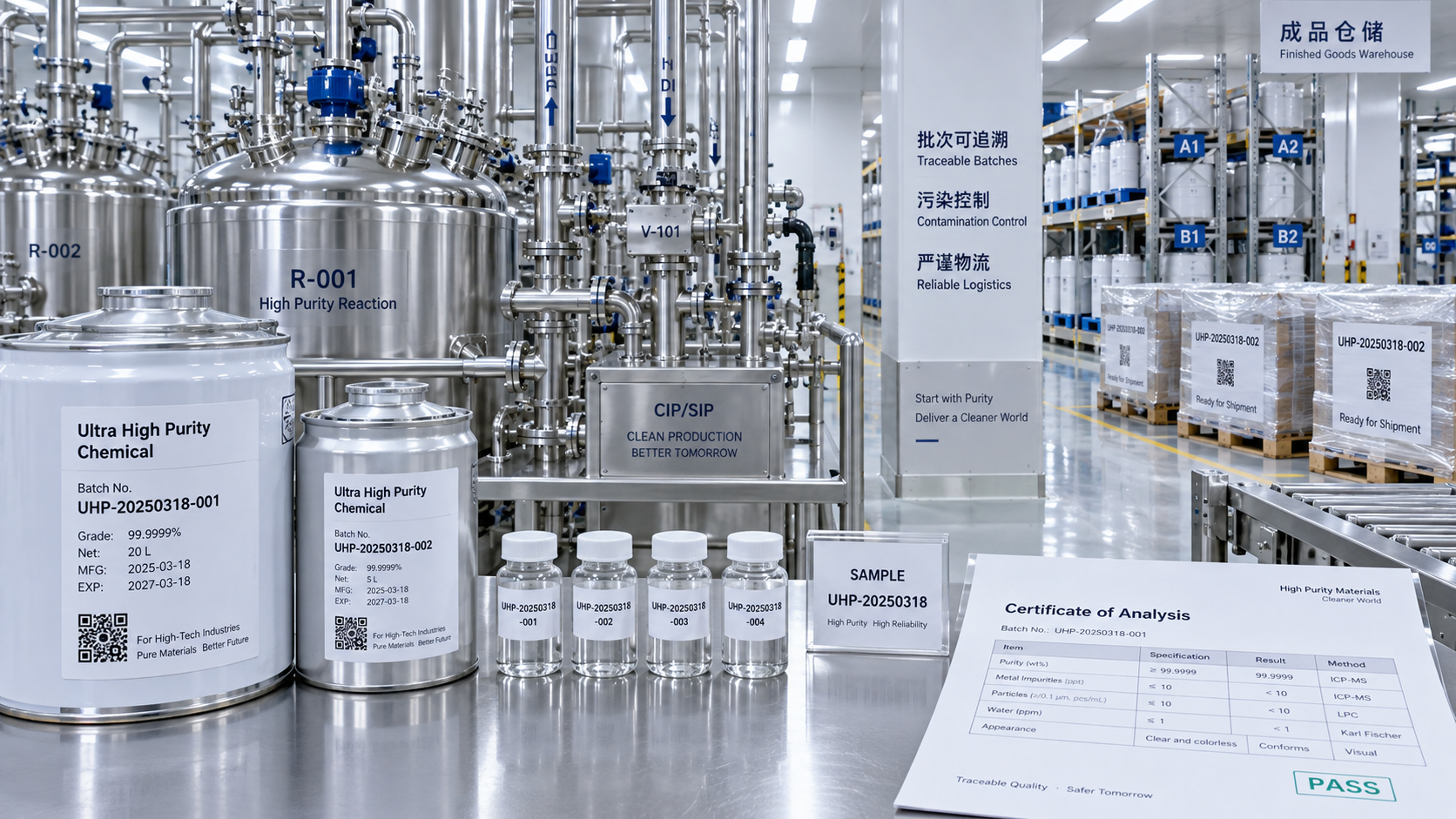
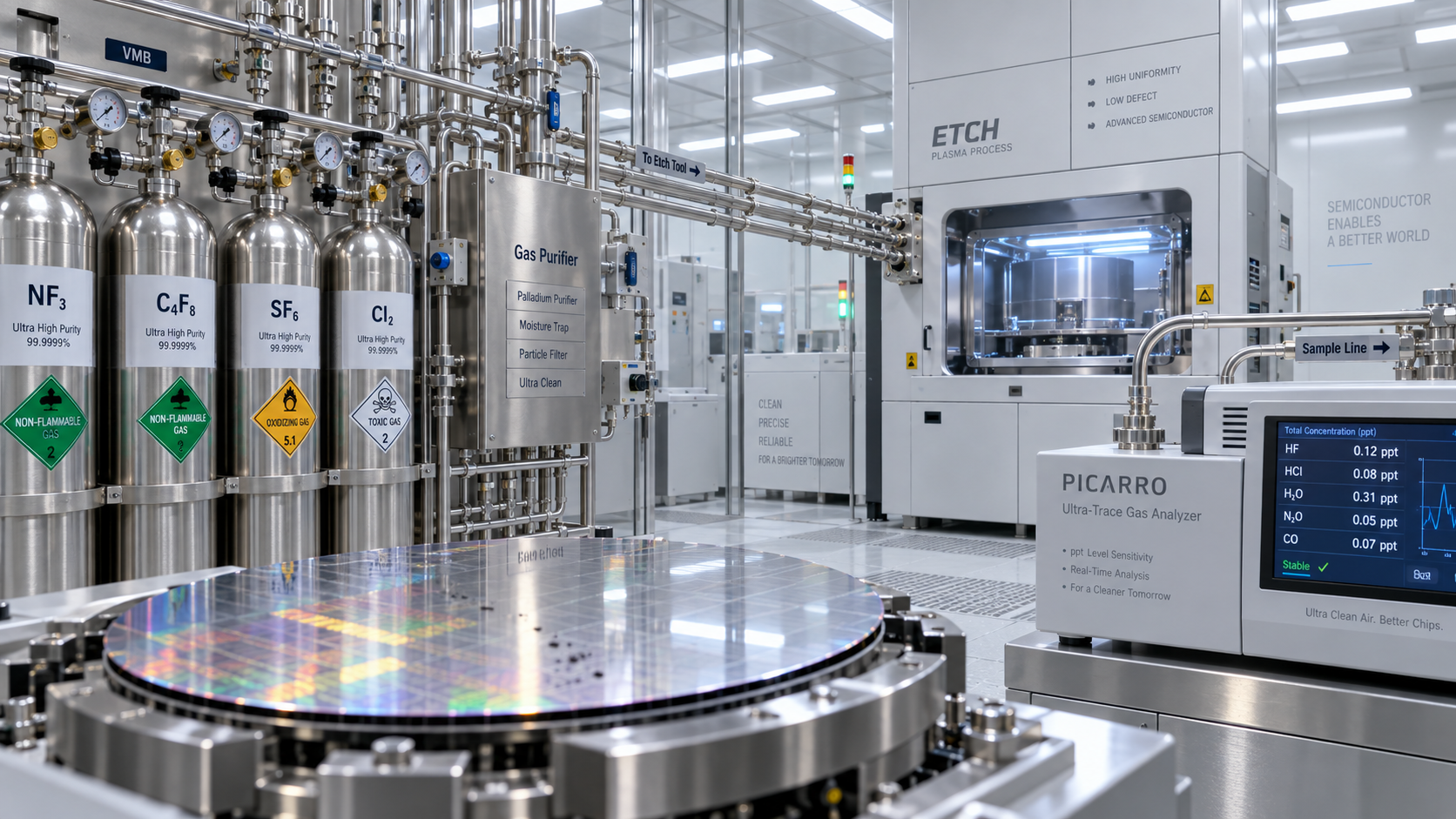
- Contamination control, cleanroom discipline, and metrology capability
- Lot traceability, change management, and CAPA responsiveness
- Supply chain resilience for materials, gases, spares, and subcontracted steps
Scenario 1: Power semiconductors require thermal and process discipline
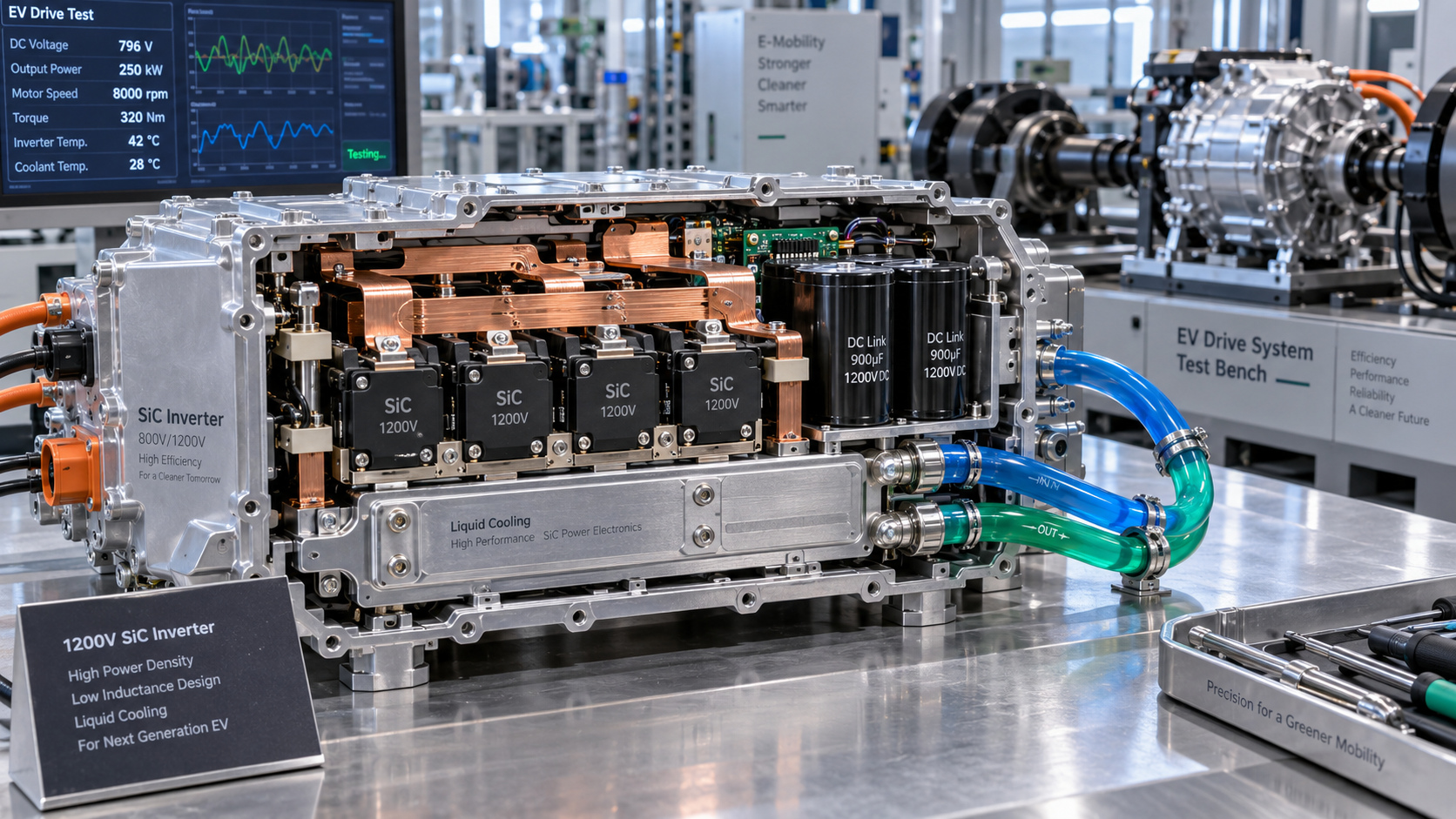
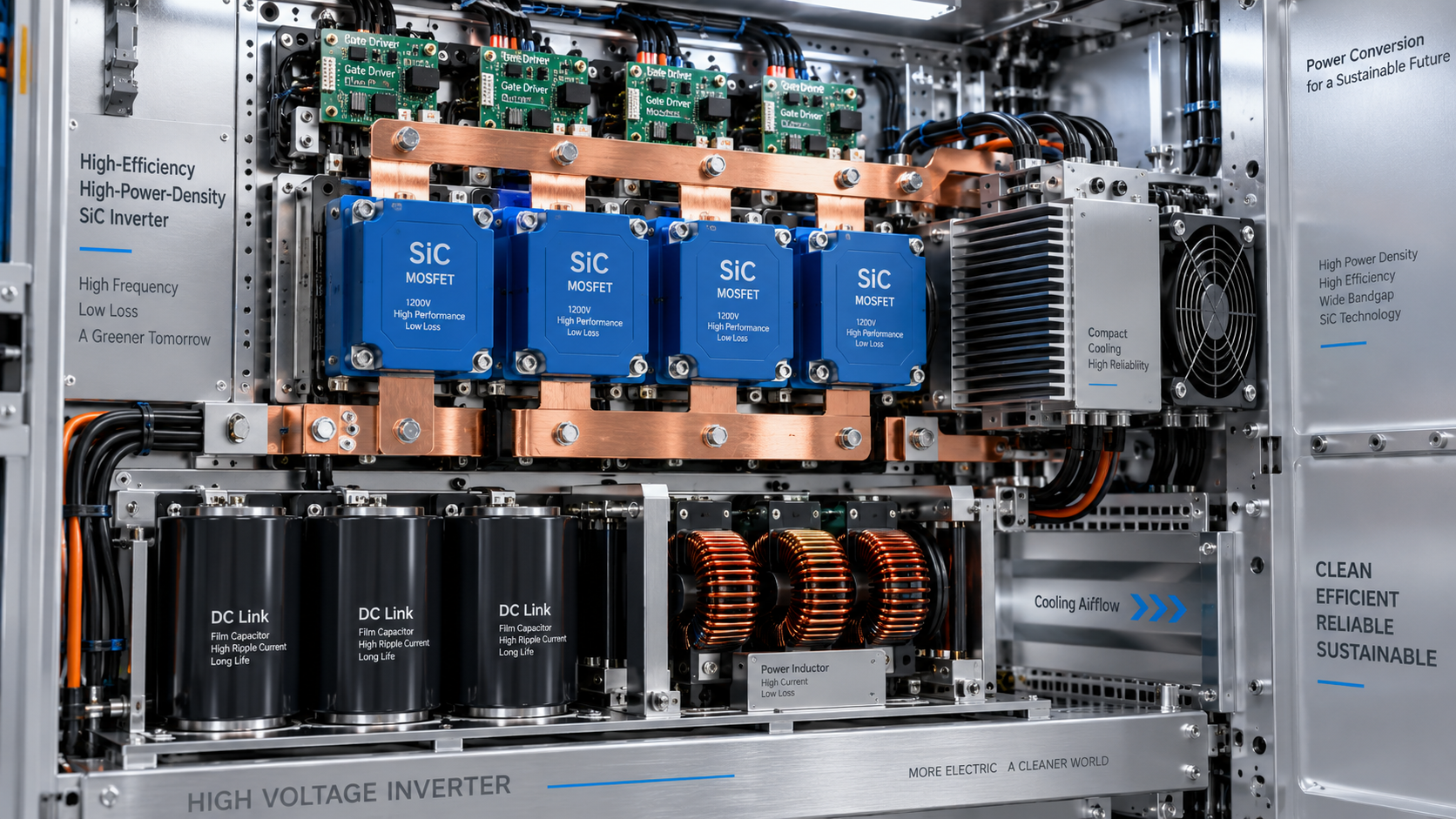
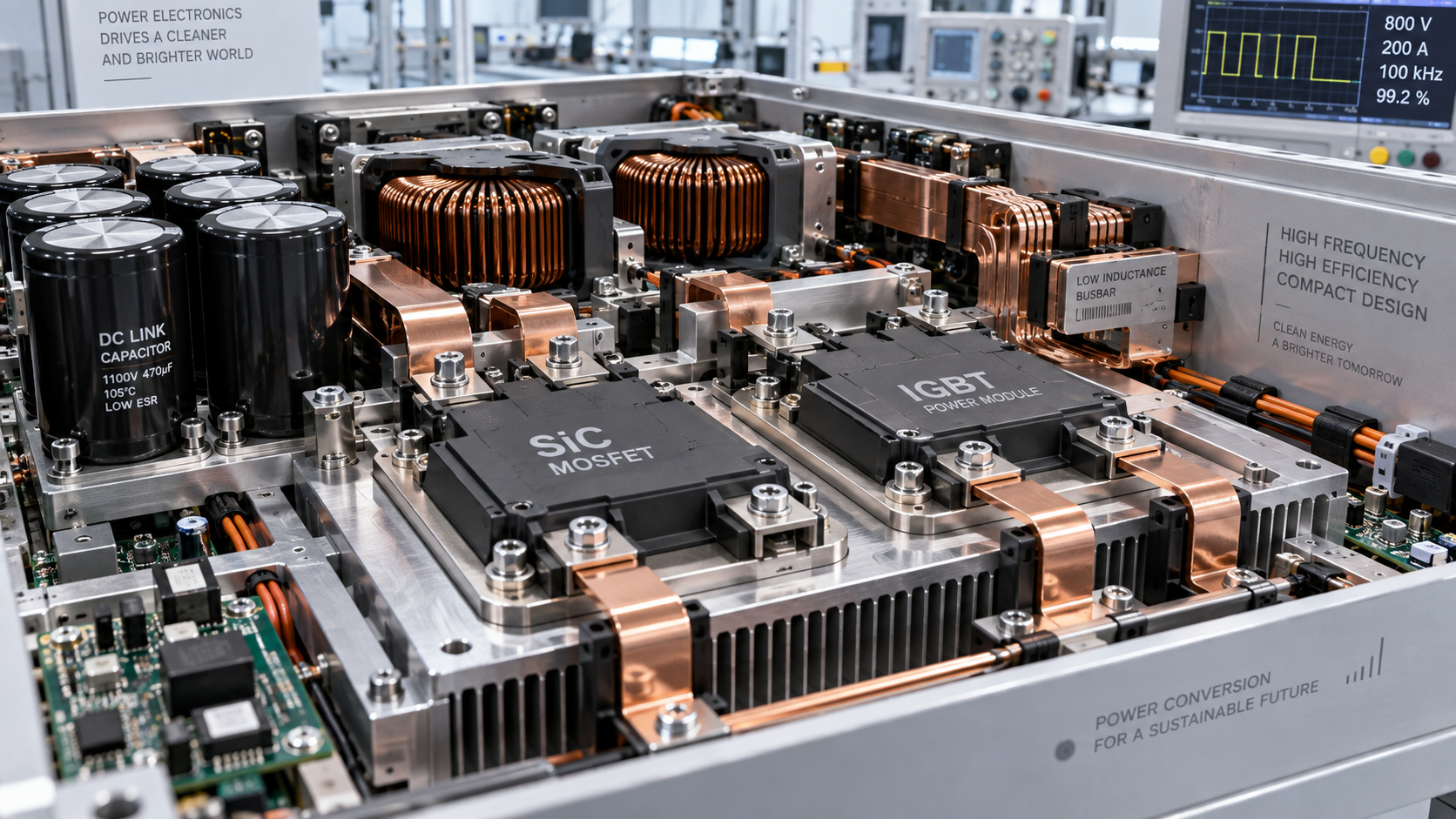
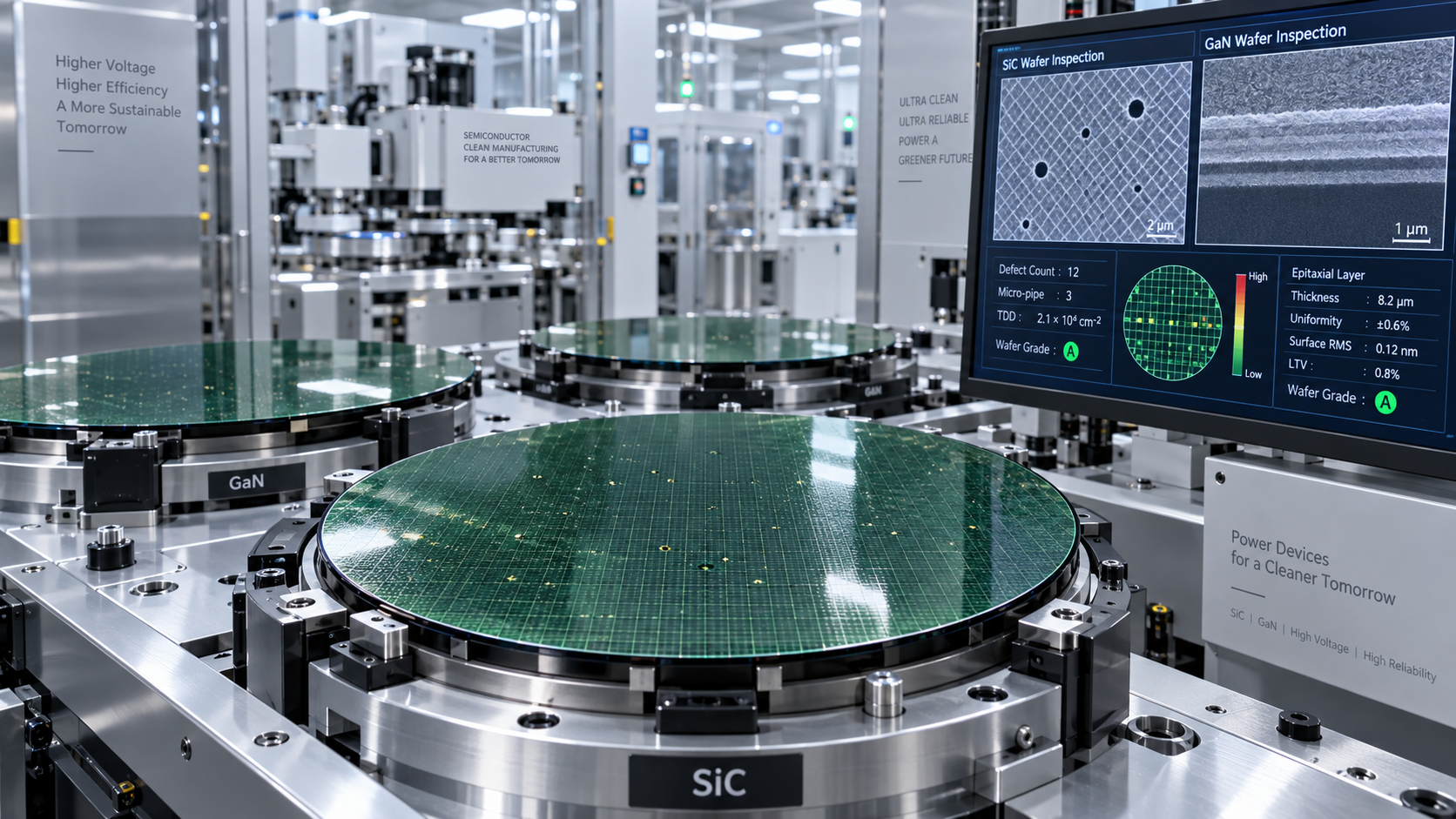
For SiC, GaN, IGBT, and high-voltage MOSFET applications, the best Semiconductor Fabrication supplier must prove more than wafer output. Thermal behavior and defect control become primary qualification factors.
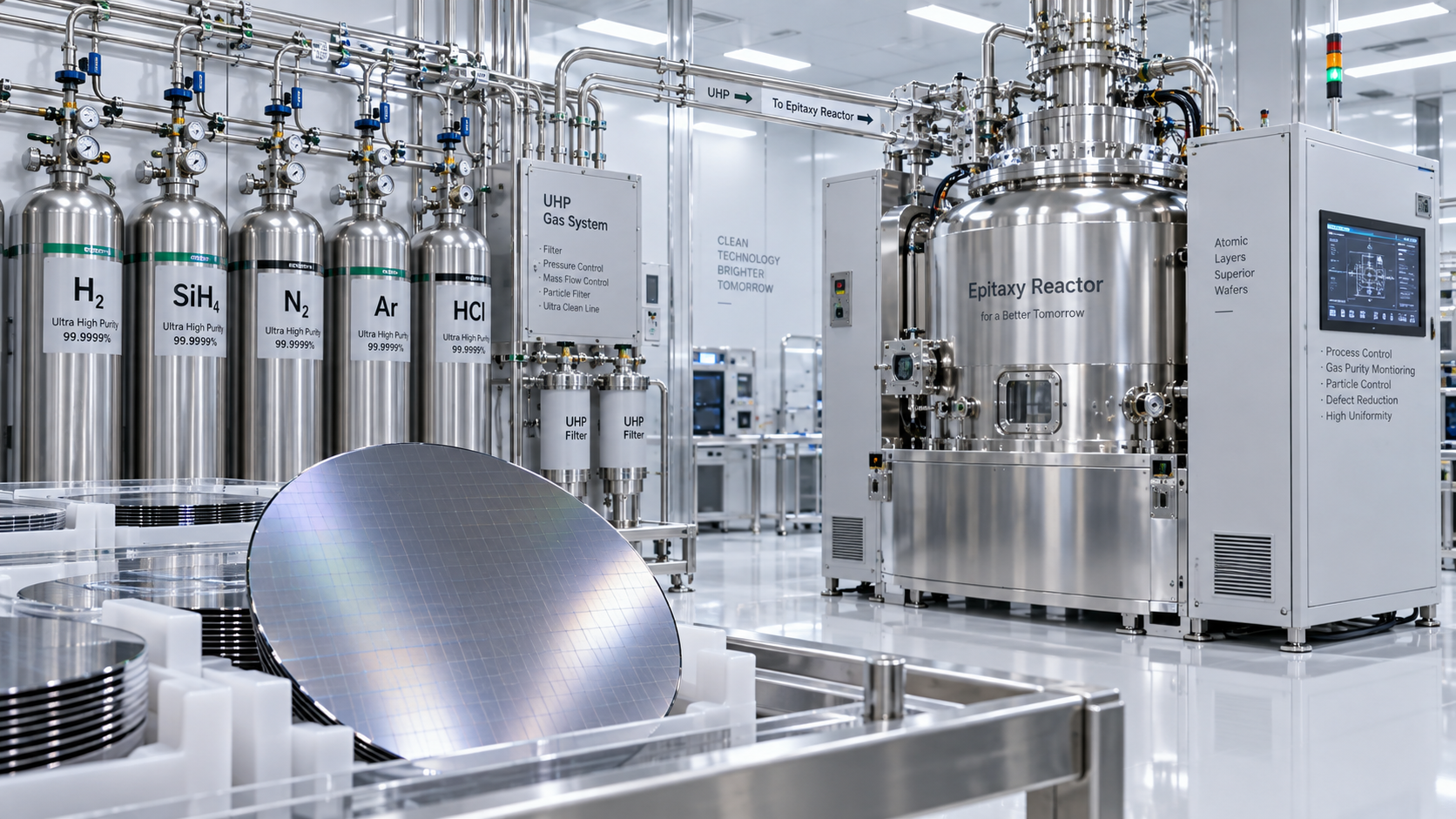
Evaluation should focus on epitaxy control, crystal defect monitoring, gate oxide stability, and wafer uniformity. These factors heavily influence breakdown voltage, leakage, and lifetime performance.
Core judgment points
- Can the fab show stable parametric distribution across multiple lots?
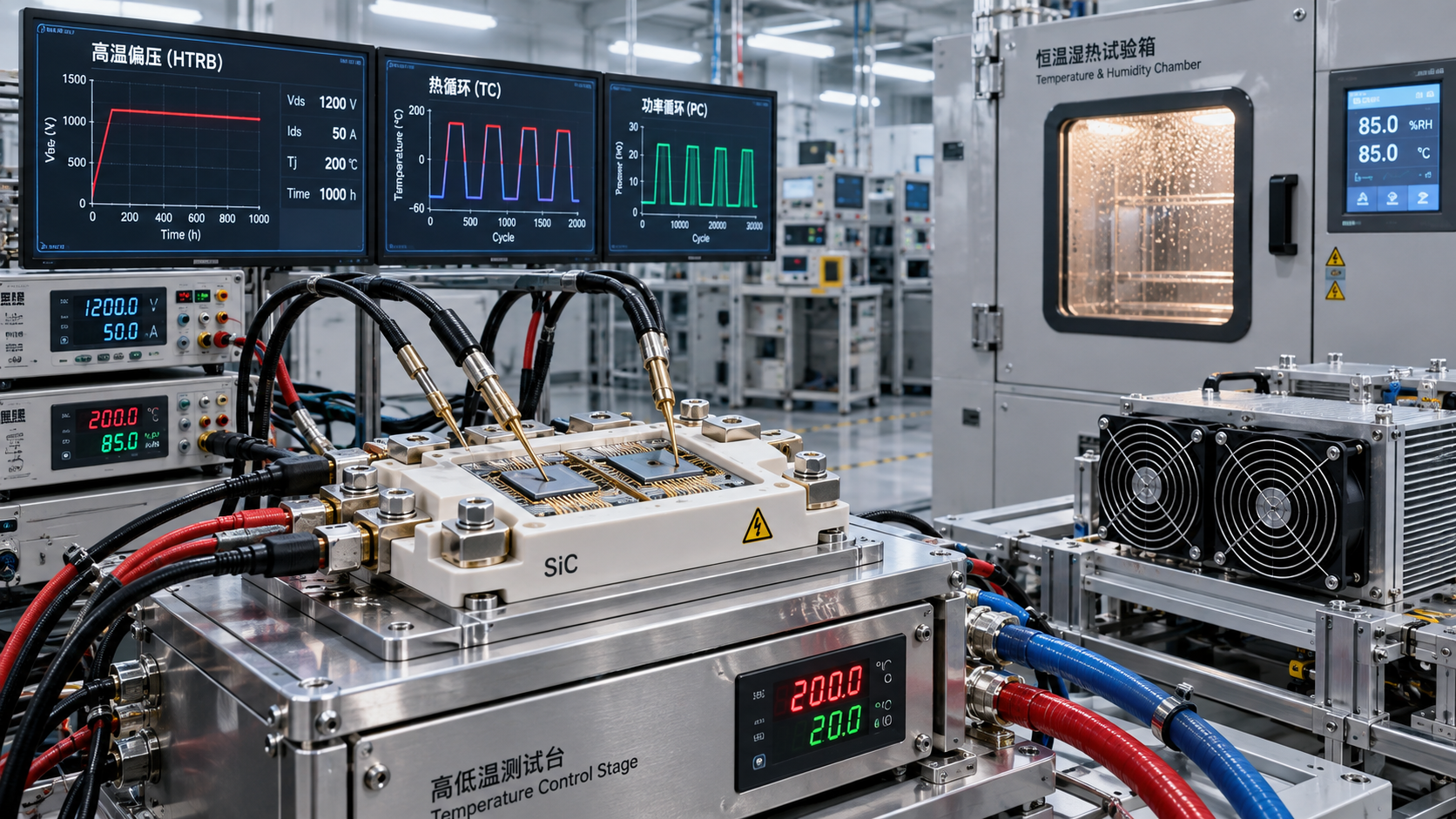
- Are HTOL, HTRB, temperature cycling, and power cycling data available?
- Is there experience with thick metal, backside processes, and thermal interface sensitivity?
- Are failure analysis tools available in-house or via qualified partners?
In this scenario, a Semiconductor Fabrication supplier should also demonstrate strong process transfer control. Yield at pilot scale does not guarantee reliable ramp-up.
Scenario 2: Automotive and industrial control need reliability evidence
Automotive electronics and industrial control systems face vibration, wide temperatures, and long service cycles. Here, qualifying a Semiconductor Fabrication supplier means validating discipline over many years, not one project.
A suitable supplier should support PPAP-style documentation, controlled deviations, extended retention samples, and strict notification procedures for process or material changes.
Core judgment points
- Qualification evidence against AEC-Q100 or relevant industrial standards
- Documented FMEA, control plans, and out-of-control action limits
- Long-term wafer banking or continuity planning for mature nodes
- Traceability from wafer lot to final test and shipped unit
For this environment, the ideal Semiconductor Fabrication supplier often wins through predictability. Stable documentation and change control may matter more than the lowest quoted cost.
Scenario 3: MEMS and sensor devices demand contamination precision
Industrial MEMS, pressure sensors, inertial devices, and smart sensing chips require specialized manufacturing conditions. A general IC fab is not automatically a qualified Semiconductor Fabrication supplier for sensor platforms.
Mechanical structures, cavity formation, wafer bonding, and calibration sensitivity create a different qualification pathway. Environmental cleanliness and measurement accuracy become decisive.
Core judgment points
- Capability in DRIE, bonding, cavity etch, and wafer-level sealing
- Particle, moisture, and ionic contamination monitoring routines
- Metrology repeatability and calibration traceability
- Experience with sensor drift, offset stability, and packaging interaction
When sensor accuracy defines product value, the chosen Semiconductor Fabrication supplier must prove control over both manufacturing variation and test correlation.
Scenario 4: Advanced packaging projects need integration readiness
Some sourcing decisions involve wafer fabrication plus backend coordination. For chiplet, 2.5D, 3D, or heterogeneous integration, the right Semiconductor Fabrication supplier must align closely with OSAT and test partners.
Qualification should extend beyond front-end parameters. Die thickness control, bump compatibility, warpage behavior, and known-good-die discipline all affect final package success.
Core judgment points
- Backend coordination and package co-design support
- Electrical yield versus assembly yield data linkage
- Wafer probe quality, map integrity, and known-good-die screening
- Change control across fab, bumping, assembly, and final test
How scenario needs differ when selecting a Semiconductor Fabrication supplier
Practical fit recommendations for each sourcing context
- Request recent Cp/Cpk, yield trend, and excursion history for similar products.
- Audit incoming material control for wafers, gases, chemicals, and critical consumables.
- Check whether the Semiconductor Fabrication supplier has dual-source plans for strategic inputs.
- Review engineering change notice timing and customer approval workflow.
- Verify lab competence, FA turnaround, and correlation between inline and final test data.
- Use pilot lots to compare technical claims against real production variation.
These actions help distinguish a capable Semiconductor Fabrication supplier from one that only performs well during quotations or small sample runs.
Common qualification mistakes that create downstream risk
One common mistake is focusing only on price and nominal capacity. Low quote advantages disappear quickly when excursions, delayed analysis, or unstable yield disrupt launch schedules.
Another error is overvaluing equipment lists. A modern toolset does not automatically mean disciplined recipes, trained operators, or robust maintenance culture.
A third mistake is ignoring ecosystem dependencies. A Semiconductor Fabrication supplier may look strong, while outsourced bumping, test, gas purity, or chemical supply remains fragile.
Finally, some evaluations overlook communication speed during abnormalities. Fast, evidence-based response often predicts long-term partnership success better than presentation quality.
Next steps to qualify a Semiconductor Fabrication supplier with confidence
Start with the application scenario, then build a scorecard around technical risk, reliability proof, supply resilience, and documentation maturity. Keep the checklist tied to real operating conditions.
Then compare candidates using pilot data, audit findings, and cross-functional evidence. The best Semiconductor Fabrication supplier is the one that consistently matches scenario needs, not generic market claims.
For organizations navigating power semiconductors, sensors, packaging, or industrial electronics, a structured qualification model turns supplier selection into a measurable advantage in reliability and continuity.
Get weekly intelligence in your inbox.
No noise. No sponsored content. Pure intelligence.
 Apr 28, 2026When do rapid prototyping 3D printing services save real costWhen do rapid prototyping 3D printing services save real cost
 Apr 28, 2026What Can Go Wrong in Fan-out Wafer Level Pkg?What Can Go Wrong in Fan-out Wafer Level Pkg?
 Apr 28, 2026What Makes Optical LiDAR Modules Better for Autonomy?What Makes Optical LiDAR Modules Better for Autonomy?
 Apr 28, 20262026 Market Trends in Supply Chain Resilience for Fabs2026 Market Trends in Supply Chain Resilience for Fabs
 Oct 10, 2026When do integrated sensor systems reduce commissioning risks?When do integrated sensor systems reduce commissioning risks?
 Oct 09, 2026How North American semiconductor fabs control airborne molecular contaminationHow North American semiconductor fabs control airborne molecular contamination
 Oct 08, 2026When do custom aluminum extrusions reduce fabrication costs?When do custom aluminum extrusions reduce fabrication costs?
 Oct 07, 2026How semiconductor packaging affects thermal reliability in EV power electronicsHow semiconductor packaging affects thermal reliability in EV power electronics
 Oct 06, 2026When do corrugated plastic boxes make sense for returnable shipping?When do corrugated plastic boxes make sense for returnable shipping?
 Oct 05, 2026What to verify before choosing semiconductor distributors in North AmericaWhat to verify before choosing semiconductor distributors in North America
 Oct 04, 2026How to assess a high purity materials manufacturer’s traceabilityHow to assess a high purity materials manufacturer’s traceability
 Oct 03, 2026How SiC power conversion solutions improve high-voltage invertersHow SiC power conversion solutions improve high-voltage inverters
 Oct 02, 2026When do SiC MOSFET benefits justify the higher device cost?When do SiC MOSFET benefits justify the higher device cost?
 Oct 01, 2026Which semiconductor reliability testing standards apply to power devices?Which semiconductor reliability testing standards apply to power devices?
 Sep 30, 2026How to qualify a semiconductor photoresist supplier for KrF/ArF productionHow to qualify a semiconductor photoresist supplier for KrF/ArF production
 Sep 29, 2026What image quality should portable ultrasound scanners deliver for triage?What image quality should portable ultrasound scanners deliver for triage?
 Sep 28, 2026How sub-ppb impurity control gases protect process consistencyHow sub-ppb impurity control gases protect process consistency
 Sep 27, 2026How chemical purity affects defect rates in semiconductor depositionHow chemical purity affects defect rates in semiconductor deposition
 Sep 26, 2026When do high voltage power semiconductor devices need SiC over IGBTs?When do high voltage power semiconductor devices need SiC over IGBTs?
 Sep 25, 2026How to verify quality controls at a die casting parts supplier in ChinaHow to verify quality controls at a die casting parts supplier in China
 Sep 24, 2026How to verify electronic gas purity for sub-ppb semiconductor processesHow to verify electronic gas purity for sub-ppb semiconductor processes
 Sep 23, 2026When sensory data integration improves industrial motion monitoringWhen sensory data integration improves industrial motion monitoring
 Sep 22, 2026How supply chain resilience reduces the cost of production disruptionsHow supply chain resilience reduces the cost of production disruptions
 Sep 21, 2026What autonomous systems OEMs should verify before sourcing LiDAR modulesWhat autonomous systems OEMs should verify before sourcing LiDAR modules
 Sep 20, 2026How gas purity affects defect density in epitaxial wafer growthHow gas purity affects defect density in epitaxial wafer growth
 Sep 19, 2026How substrate defects affect third-generation material device yieldHow substrate defects affect third-generation material device yield
 Sep 18, 2026How trace impurities in specialty process gases affect wafer yieldHow trace impurities in specialty process gases affect wafer yield