How to Compare Power Semiconductors Manufacturers in 2026
Choosing the right Power Semiconductors manufacturer in 2026 requires more than checking price lists or capacity claims. Business comparison now centers on reliability, thermal behavior, certification depth, package design, and supply continuity. In a market shaped by electrification, automation, and sovereign infrastructure goals, the best evaluation method is evidence-based benchmarking across technology, quality, and resilience.
Why the comparison standard for a Power Semiconductors manufacturer is changing in 2026
The market has moved beyond basic component sourcing. Power devices now sit inside strategic systems with stricter uptime, safety, and energy efficiency expectations.
A qualified Power Semiconductors manufacturer must support not only device supply, but also lifecycle stability, thermal consistency, and validation transparency.
This shift is visible across industrial drives, EV charging, renewable inverters, robotics, data centers, and intelligent infrastructure platforms.
In these applications, a device failure affects system efficiency, field maintenance cost, and compliance risk. That is why comparison criteria have become more technical and more strategic.
The strongest trend signals now come from efficiency, heat, and resilience
Several industry signals explain why buyers are reviewing each Power Semiconductors manufacturer more carefully than before.
- Higher switching frequency is increasing thermal management difficulty.
- SiC and GaN adoption is raising expectations for material and packaging quality.
- Industrial systems require longer mission profiles and lower tolerance for drift.
- Regional supply chain diversification is now part of technical due diligence.
- Certification evidence matters more as export and safety requirements tighten.
These changes mean that headline parameters alone are no longer enough. Datasheet values must be matched with process maturity, testing discipline, and field reliability evidence.
What is driving the new evaluation model for every Power Semiconductors manufacturer
The new comparison model comes from a mix of technical, operational, and strategic pressures. Each factor influences long-term device suitability.
How quality differences affect applications across the broader industry
The impact of choosing the wrong Power Semiconductors manufacturer is rarely limited to component replacement. It often expands into system-level losses.
In industrial automation, unstable switching behavior can reduce control precision and increase cooling load. In energy systems, weak thermal design can reduce conversion efficiency and shorten service intervals.
In mobility and charging infrastructure, package reliability directly affects uptime, warranty exposure, and safety credibility. In data-centric infrastructure, every watt lost raises operating cost.
- Lower reliability can increase field returns and maintenance disruption.
- Poor thermal performance can force oversized cooling systems.
- Weak traceability can slow root-cause analysis after failure events.
- Narrow packaging options can limit next-generation system design.
The most important benchmarks when comparing a Power Semiconductors manufacturer
A practical comparison should combine electrical performance with manufacturing credibility. The following benchmarks deserve priority attention.
1. Reliability evidence beyond the datasheet
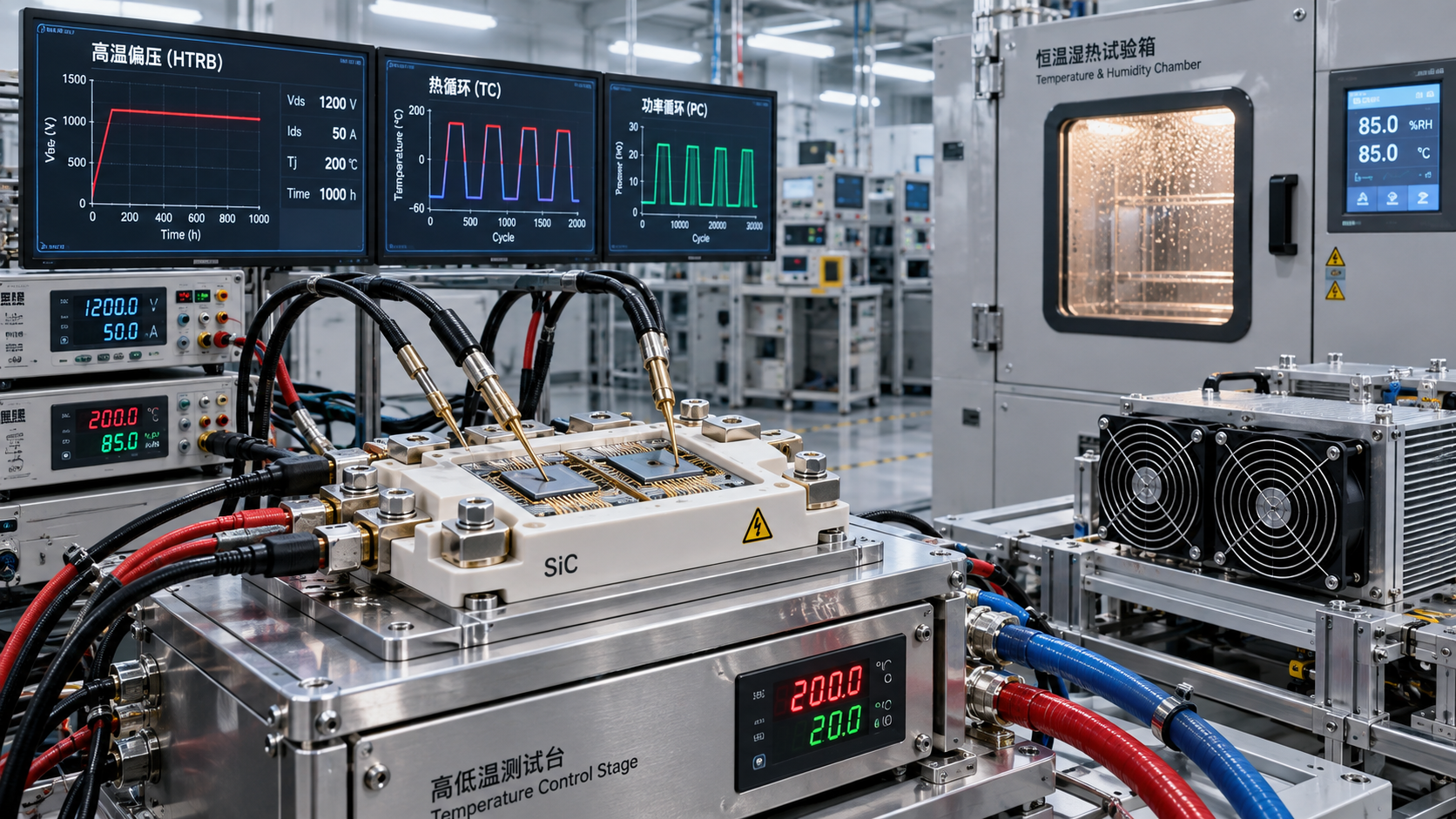
Check HTGB, HTRB, power cycling, thermal cycling, and humidity bias results. Ask whether qualification covers both device family and package family.
2. Thermal and package engineering depth
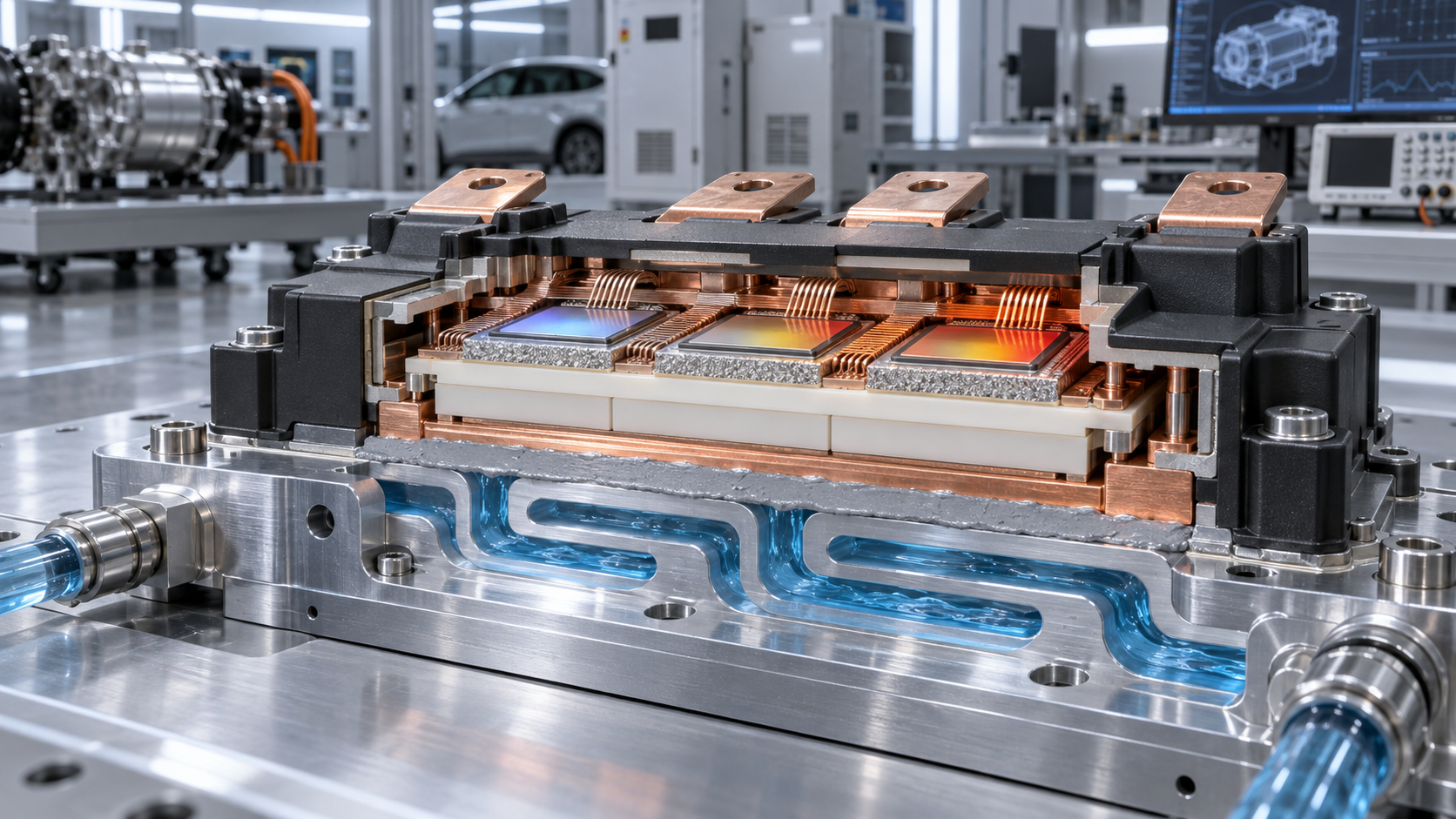
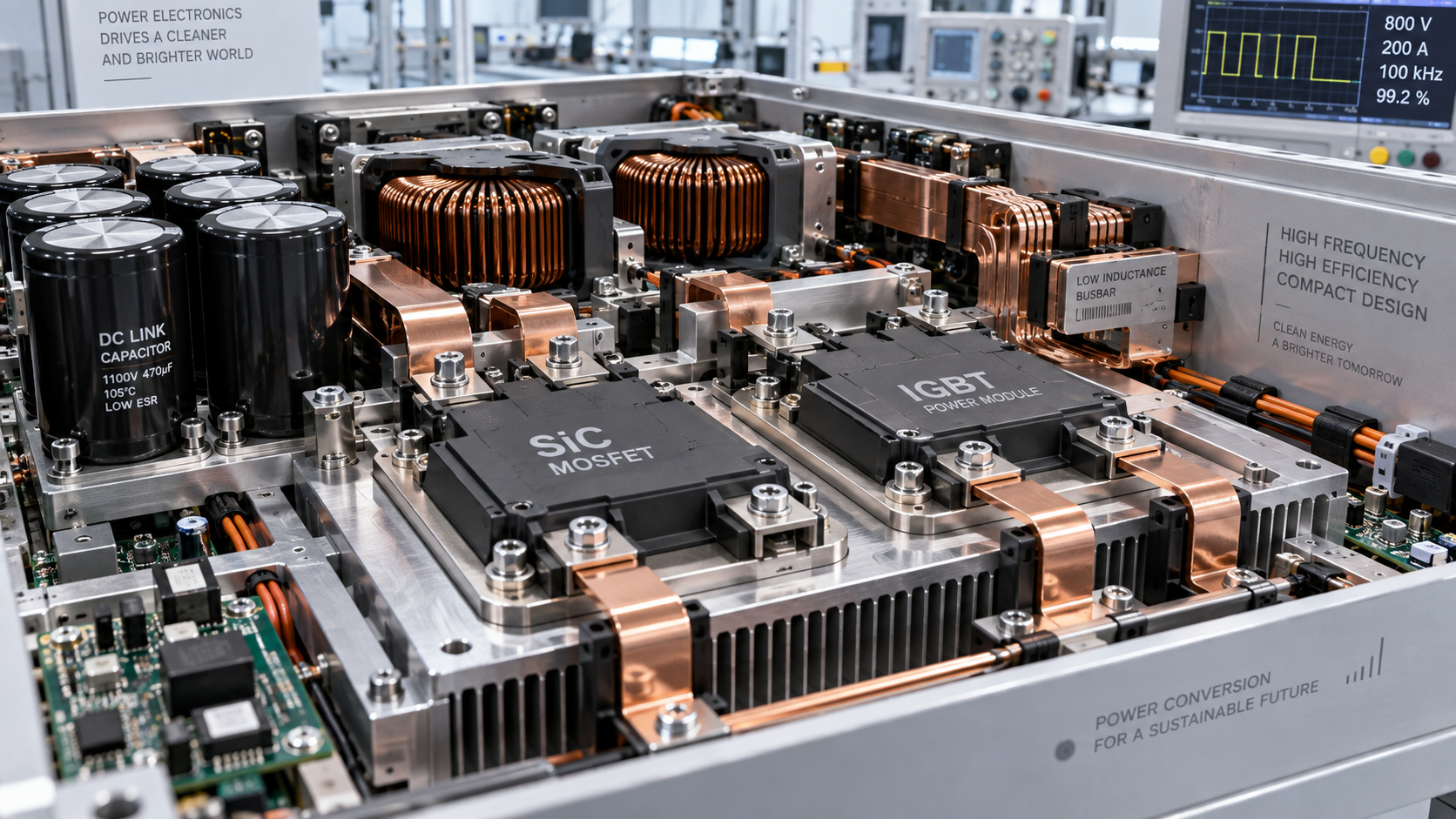
A strong Power Semiconductors manufacturer should explain leadframe design, die attach method, substrate choice, and thermal resistance consistency.
3. Certification and standards alignment
Review AEC-Q100 or relevant module standards, ISO quality systems, and laboratory competence. Test claims should be traceable and current.
4. Process maturity and yield stability
Ask about wafer source control, SPC practices, outgoing inspection, and lot-to-lot consistency. High nominal capacity means little without stable yield.
5. Application engineering support
Leading suppliers provide simulation models, gate drive guidance, EMI advice, and failure interpretation. Technical support shortens integration risk.
6. Supply chain resilience
Review geographic diversification, packaging backup capability, raw material dependence, and lead-time behavior under demand spikes.
A decision framework that separates strong suppliers from risky options
Use a weighted framework instead of a single-price comparison. This approach reveals whether a Power Semiconductors manufacturer can support growth, not just first delivery.
What deserves closer attention before final selection
Shortlists often look similar on paper. The real differences appear during deeper validation and technical discussion.
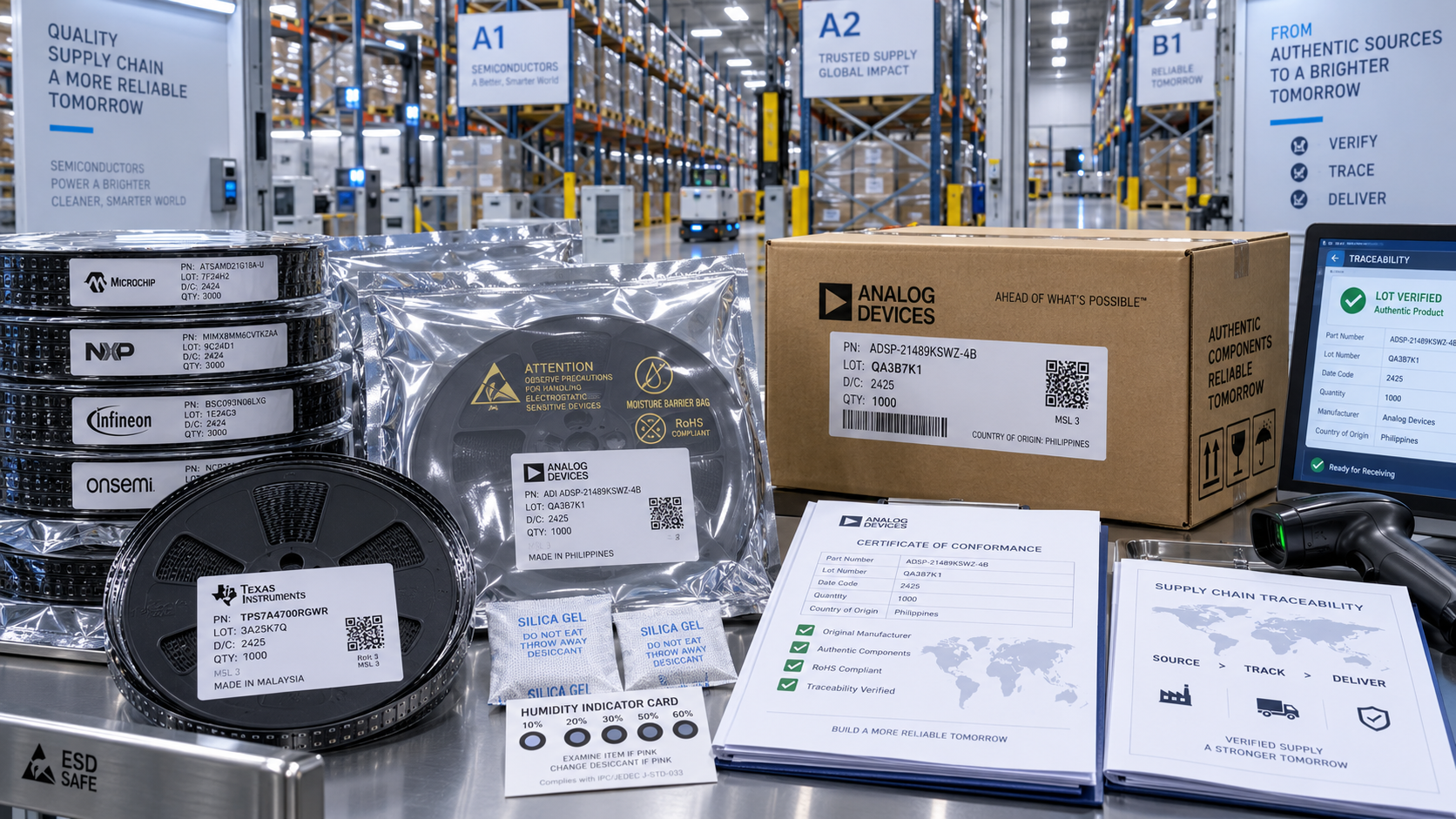
- Request lot traceability examples, not only compliance certificates.
- Compare package roadmap support for future voltage and current needs.
- Verify whether test methods are internal, certified, or third-party validated.
- Review field return handling time and corrective action transparency.
- Check whether the supplier supports both discrete and module-level scaling.
For 2026, the best Power Semiconductors manufacturer is the one that proves consistency under real operating stress, not just laboratory conditions.
How to move from comparison to confident action
Start with a scorecard built around reliability, thermal performance, standards, packaging, and resilience. Then validate top candidates with application-specific questions and real test evidence.
Where power conversion supports critical infrastructure, use technical benchmarking repositories and cross-standard references to reduce blind spots.
A disciplined review of each Power Semiconductors manufacturer helps protect efficiency targets, operating safety, and long-term digital infrastructure strategy.
If the next step is supplier screening, prepare a structured evidence list first. That single step improves comparison quality more than any initial price negotiation.
Get weekly intelligence in your inbox.
No noise. No sponsored content. Pure intelligence.
 Apr 28, 2026When do rapid prototyping 3D printing services save real costWhen do rapid prototyping 3D printing services save real cost
 Apr 28, 2026What Can Go Wrong in Fan-out Wafer Level Pkg?What Can Go Wrong in Fan-out Wafer Level Pkg?
 Apr 28, 2026What Makes Optical LiDAR Modules Better for Autonomy?What Makes Optical LiDAR Modules Better for Autonomy?
 Apr 28, 20262026 Market Trends in Supply Chain Resilience for Fabs2026 Market Trends in Supply Chain Resilience for Fabs
 Oct 10, 2026When do integrated sensor systems reduce commissioning risks?When do integrated sensor systems reduce commissioning risks?
 Oct 09, 2026How North American semiconductor fabs control airborne molecular contaminationHow North American semiconductor fabs control airborne molecular contamination
 Oct 08, 2026When do custom aluminum extrusions reduce fabrication costs?When do custom aluminum extrusions reduce fabrication costs?
 Oct 07, 2026How semiconductor packaging affects thermal reliability in EV power electronicsHow semiconductor packaging affects thermal reliability in EV power electronics
 Oct 06, 2026When do corrugated plastic boxes make sense for returnable shipping?When do corrugated plastic boxes make sense for returnable shipping?
 Oct 05, 2026What to verify before choosing semiconductor distributors in North AmericaWhat to verify before choosing semiconductor distributors in North America
 Oct 04, 2026How to assess a high purity materials manufacturer’s traceabilityHow to assess a high purity materials manufacturer’s traceability
 Oct 03, 2026How SiC power conversion solutions improve high-voltage invertersHow SiC power conversion solutions improve high-voltage inverters
 Oct 02, 2026When do SiC MOSFET benefits justify the higher device cost?When do SiC MOSFET benefits justify the higher device cost?
 Oct 01, 2026Which semiconductor reliability testing standards apply to power devices?Which semiconductor reliability testing standards apply to power devices?
 Sep 30, 2026How to qualify a semiconductor photoresist supplier for KrF/ArF productionHow to qualify a semiconductor photoresist supplier for KrF/ArF production
 Sep 29, 2026What image quality should portable ultrasound scanners deliver for triage?What image quality should portable ultrasound scanners deliver for triage?
 Sep 28, 2026How sub-ppb impurity control gases protect process consistencyHow sub-ppb impurity control gases protect process consistency
 Sep 27, 2026How chemical purity affects defect rates in semiconductor depositionHow chemical purity affects defect rates in semiconductor deposition
 Sep 26, 2026When do high voltage power semiconductor devices need SiC over IGBTs?When do high voltage power semiconductor devices need SiC over IGBTs?
 Sep 25, 2026How to verify quality controls at a die casting parts supplier in ChinaHow to verify quality controls at a die casting parts supplier in China
 Sep 24, 2026How to verify electronic gas purity for sub-ppb semiconductor processesHow to verify electronic gas purity for sub-ppb semiconductor processes
 Sep 23, 2026When sensory data integration improves industrial motion monitoringWhen sensory data integration improves industrial motion monitoring
 Sep 22, 2026How supply chain resilience reduces the cost of production disruptionsHow supply chain resilience reduces the cost of production disruptions
 Sep 21, 2026What autonomous systems OEMs should verify before sourcing LiDAR modulesWhat autonomous systems OEMs should verify before sourcing LiDAR modules
 Sep 20, 2026How gas purity affects defect density in epitaxial wafer growthHow gas purity affects defect density in epitaxial wafer growth
 Sep 19, 2026How substrate defects affect third-generation material device yieldHow substrate defects affect third-generation material device yield
 Sep 18, 2026How trace impurities in specialty process gases affect wafer yieldHow trace impurities in specialty process gases affect wafer yield