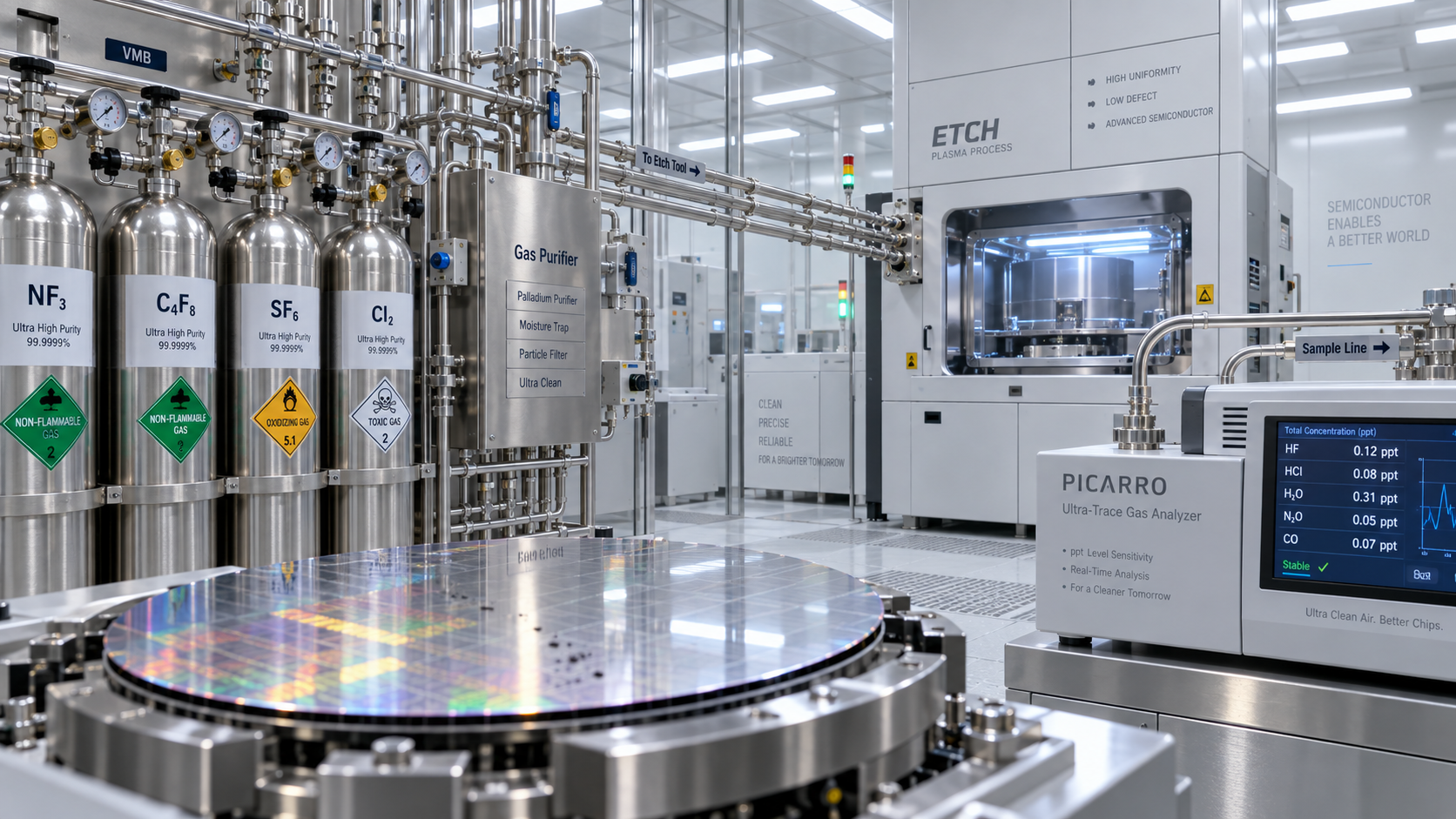
Electronic Chemicals Standards That Matter Most
For quality control and safety management teams, Electronic Chemicals standards are more than compliance checklists. They anchor yield stability, contamination control, and safe semiconductor operations.
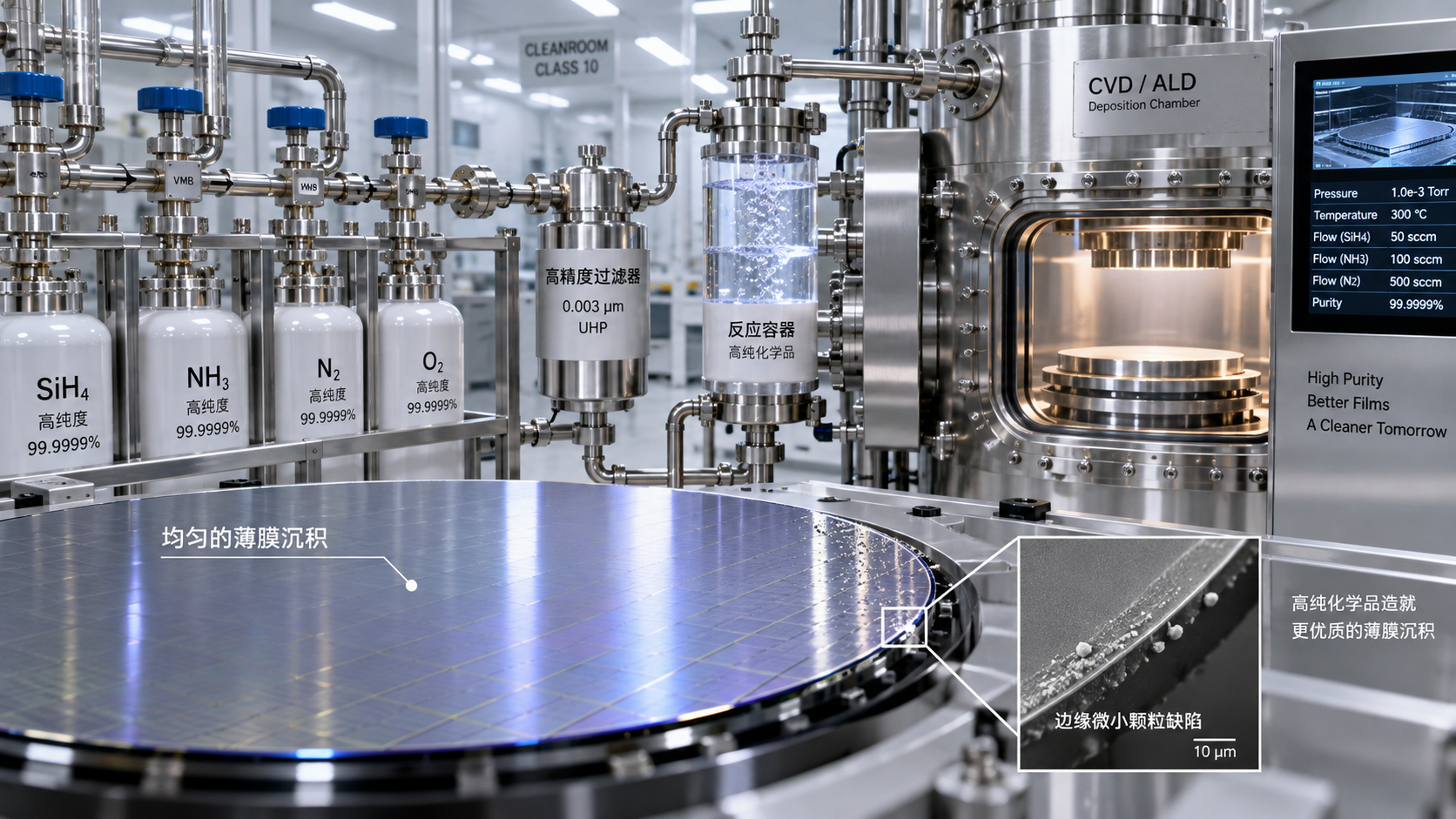
As fabs push tighter purity thresholds, Electronic Chemicals standards now shape competitiveness. They influence defect density, tool uptime, traceability, and cross-border acceptance in advanced supply chains.
Within integrated silicon ecosystems, standards also connect chemicals, gases, packaging, sensors, and cleanroom control. That is why they matter across the broader industrial landscape, not only inside wafer fabrication.
Why Electronic Chemicals standards are moving from support function to strategic control point
The industry is changing fast. Mature-node expansion continues, while power semiconductors, MEMS, SiC, and advanced packaging require stricter material discipline.
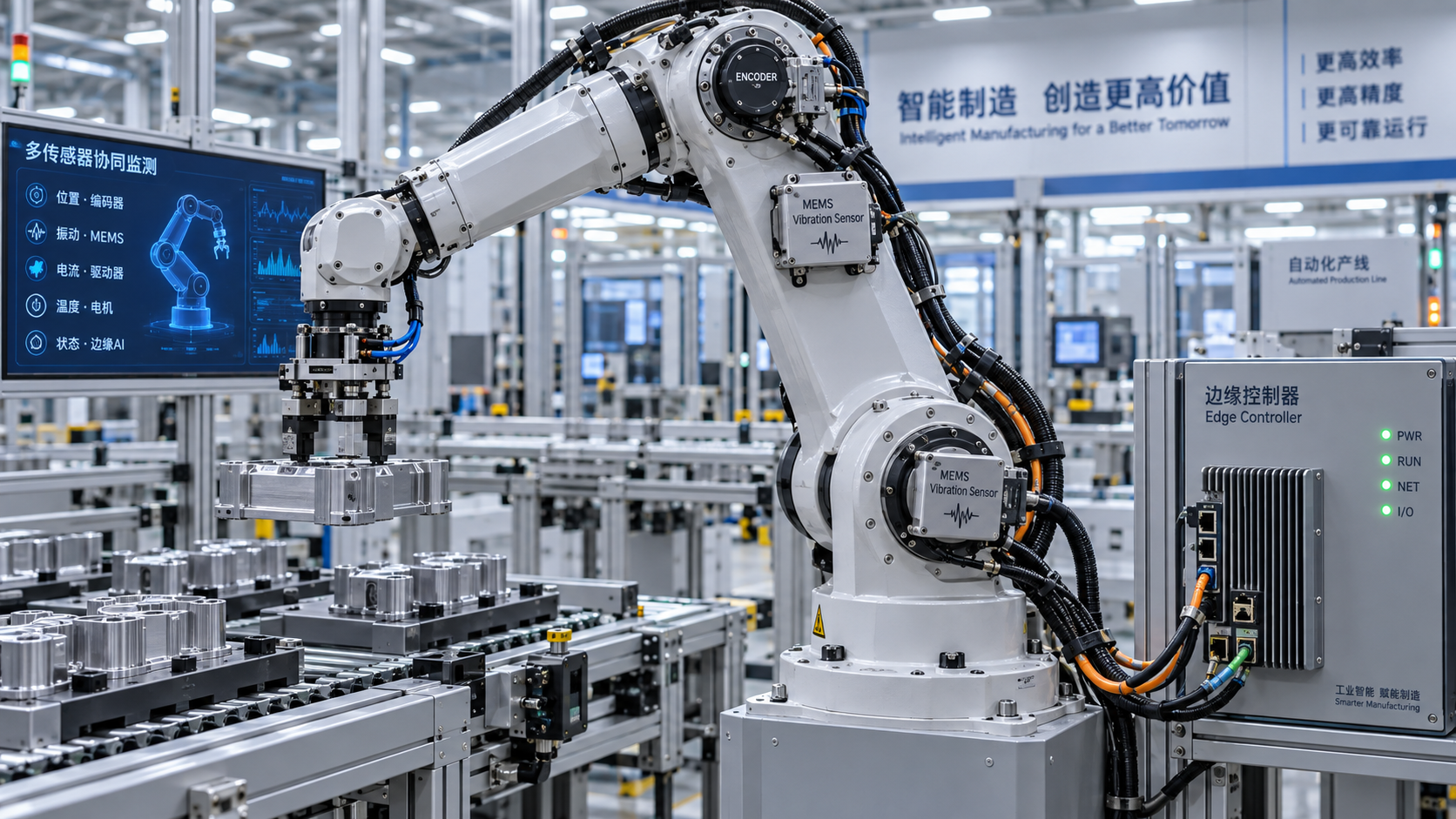
At the same time, autonomous systems and industrial IoT architectures depend on stable chips and accurate sensing. Small chemical deviations can now trigger large operational consequences.
Electronic Chemicals standards therefore act as a shared language. They help align suppliers, fabs, labs, packaging sites, and infrastructure operators around measurable quality expectations.
The strongest trend signals are coming from purity, traceability, and safety convergence
Three signals stand out in current market practice. Each one raises the importance of robust Electronic Chemicals standards and disciplined verification.
- Purity targets are moving toward ultra-trace control, including metals, particles, moisture, and organics.
- Documentation expectations are expanding beyond certificates into lot genealogy, handling records, and analytical repeatability.
- Environmental, health, and process safety requirements are being integrated into material qualification decisions.
This convergence matters because a chemically acceptable material on paper may still fail under transport stress, storage drift, or point-of-use contamination.
The standards that matter most are those linking specification, measurement, and operational control
Not every standard carries equal weight. The most valuable Electronic Chemicals standards are the ones that connect laboratory results with process reality.
SEMI standards remain central to semiconductor material discipline
SEMI frameworks support common definitions, test expectations, and material handling references. They help reduce ambiguity between suppliers and users.
For high-purity chemicals and special gases, SEMI-aligned methods support cleaner qualification flows, especially when multiple production sites must match performance.
ISO/IEC 17025 determines whether analytical claims are truly defensible
A chemical specification is only useful if measurement confidence is credible. ISO/IEC 17025 strengthens that confidence through competence, calibration, and method validation.
For Electronic Chemicals standards, this is critical. Ultra-low contamination values demand reproducible testing, defined uncertainty, and controlled sample handling.
Safety and environmental rules influence material approval more than before
Modern qualification decisions also consider storage stability, hazardous interaction risk, emissions control, and emergency response compatibility.
This means Electronic Chemicals standards now sit beside EHS obligations. The result is a broader, more integrated qualification framework.
What is driving tighter Electronic Chemicals standards across the silicon value chain
The impact extends beyond chemicals purchasing into reliability, packaging, sensing, and infrastructure
Tighter Electronic Chemicals standards affect wafer yield first, but the downstream effects are broader. Packaging reliability, sensor drift, and field stability can all be influenced.
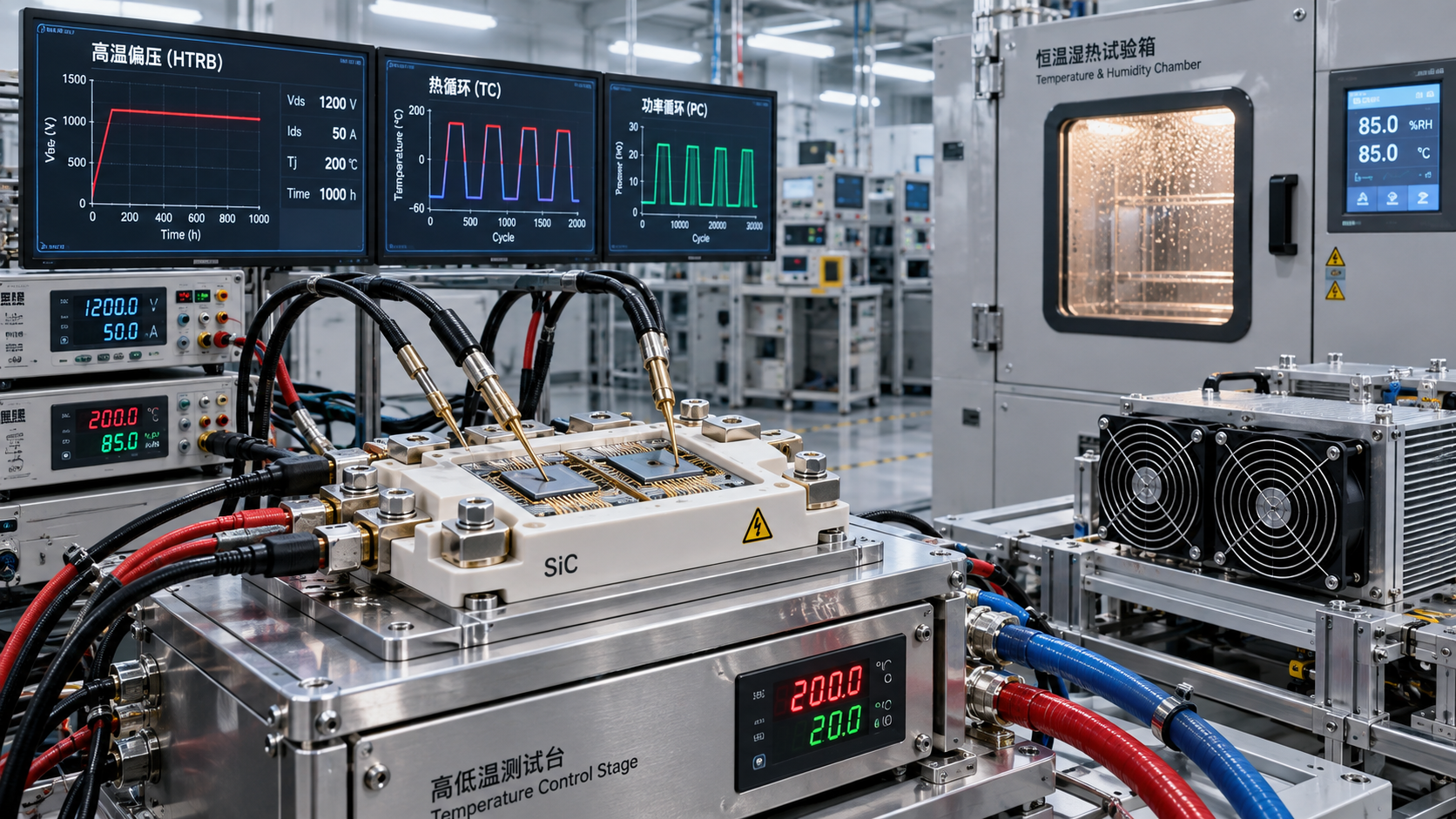
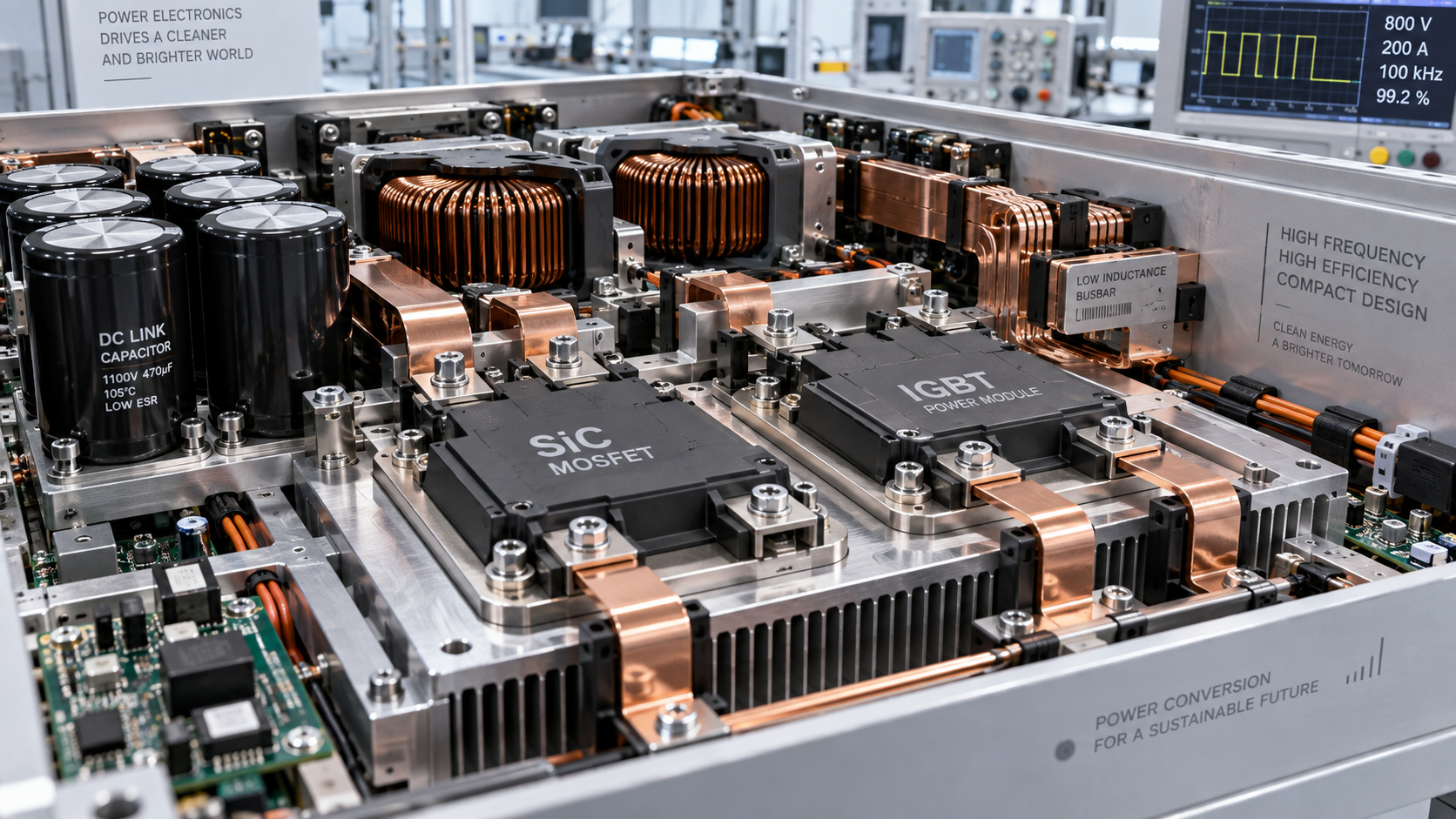
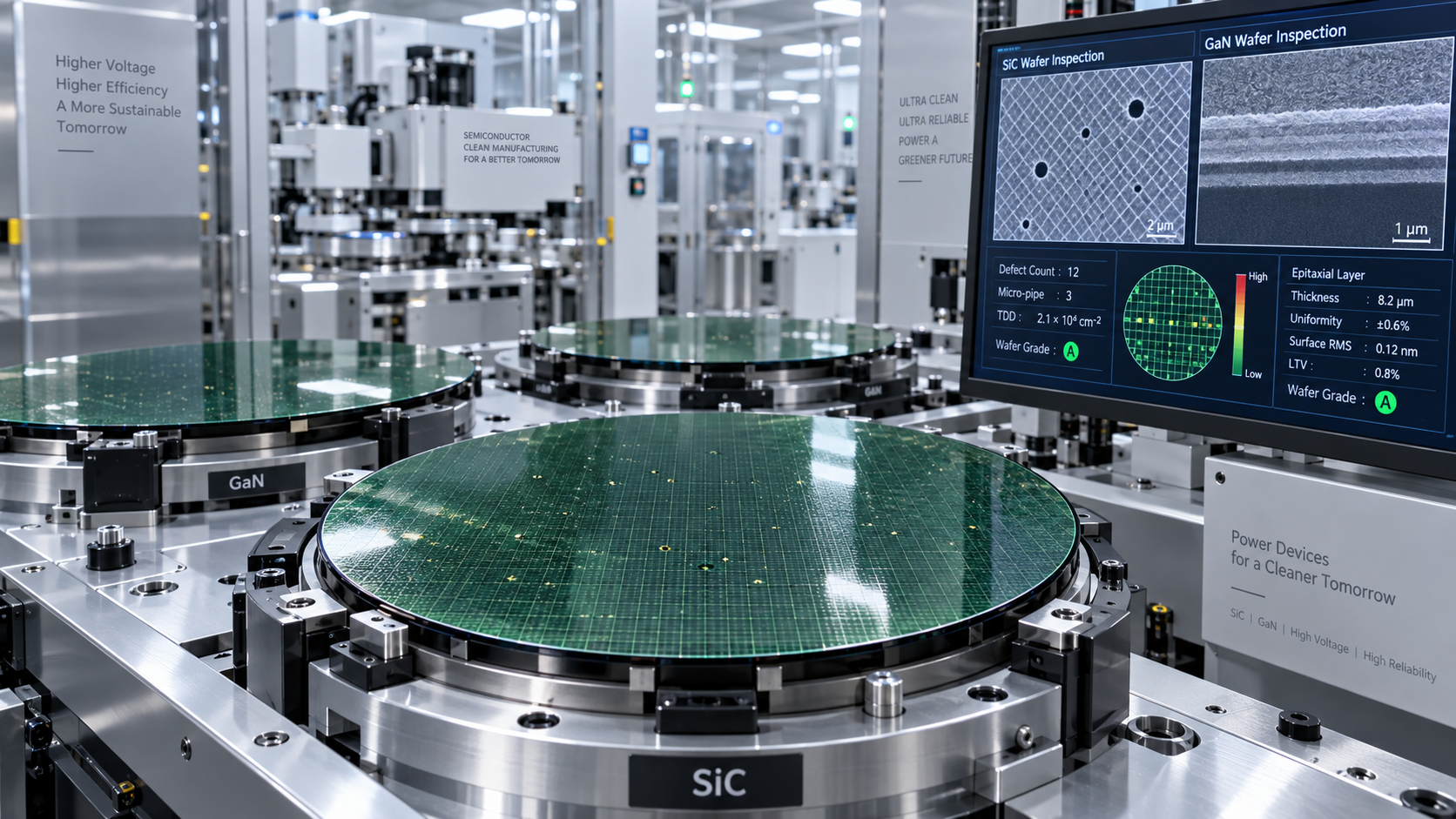
In power semiconductor applications, uncontrolled residues may weaken long-term reliability under heat and voltage stress. In MEMS and smart sensors, contamination can distort calibration and signal fidelity.
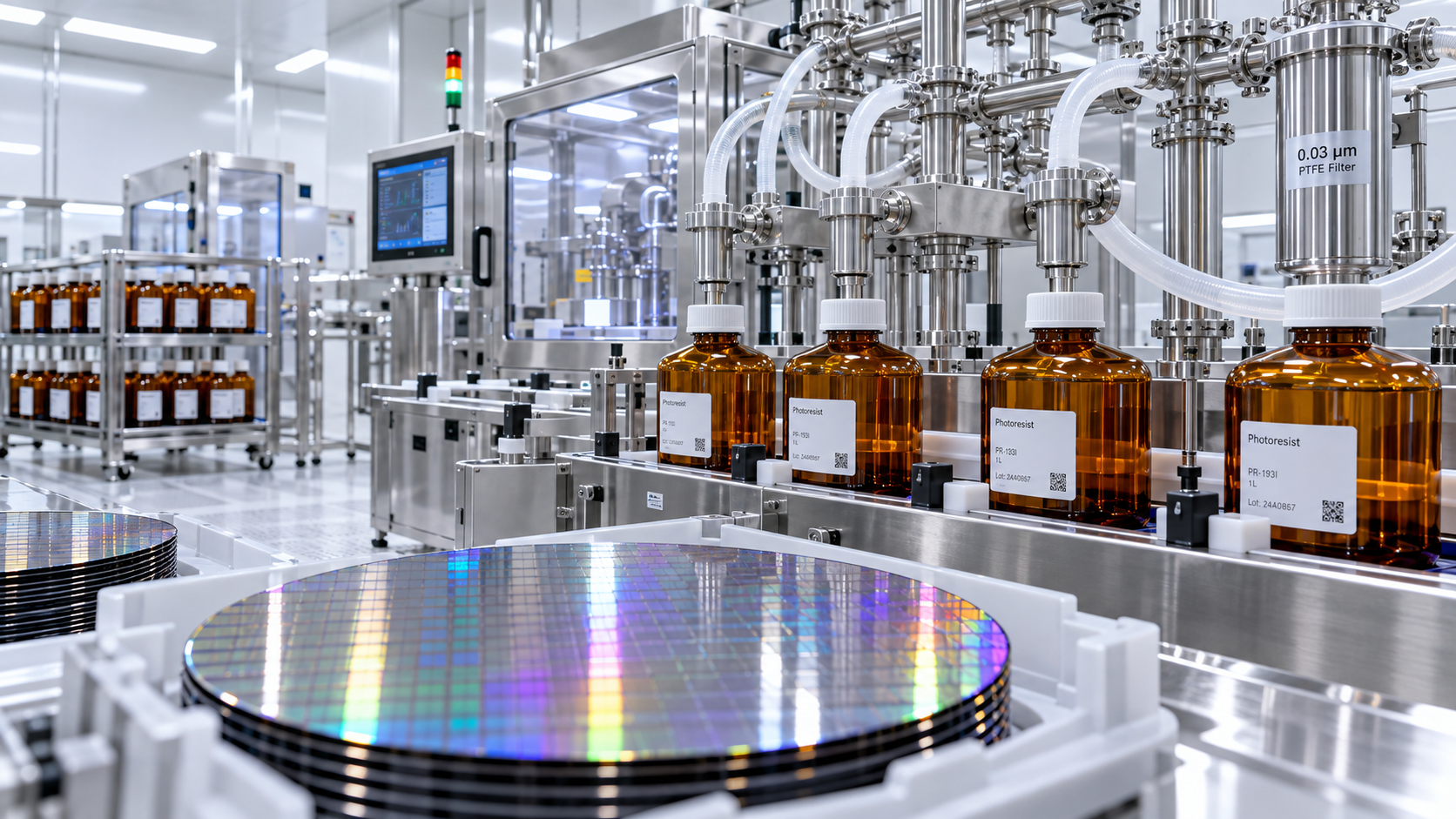
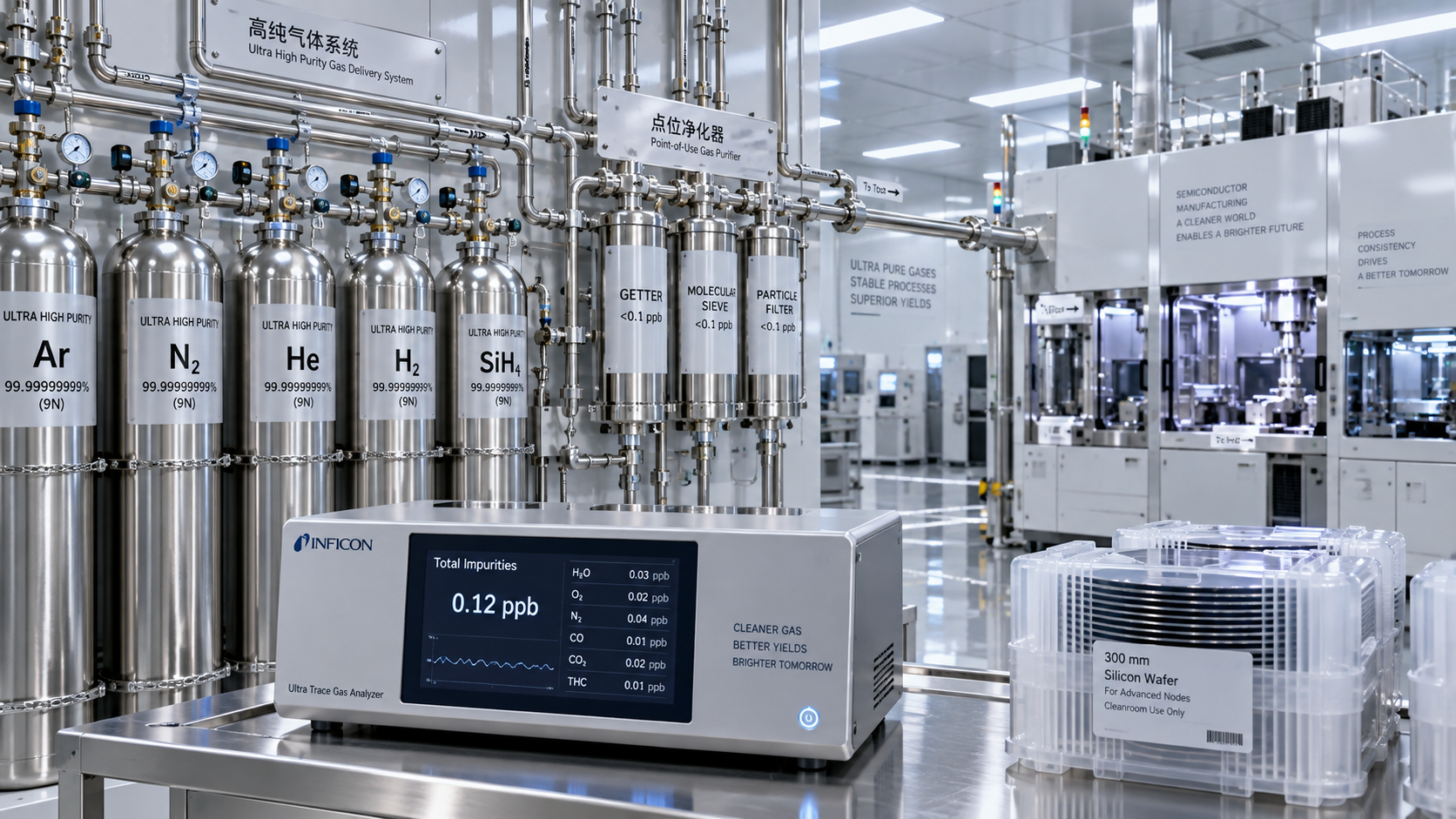
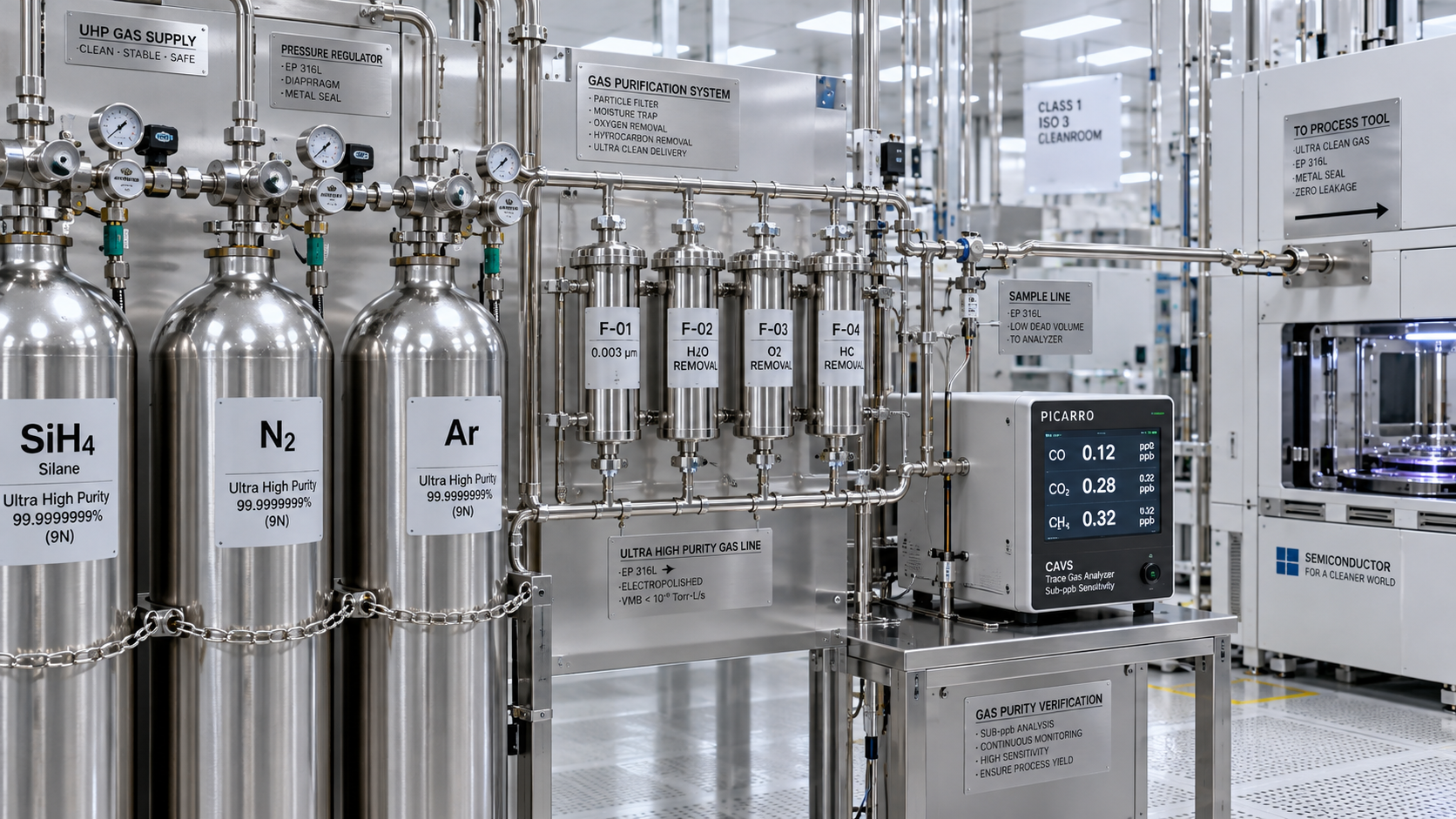
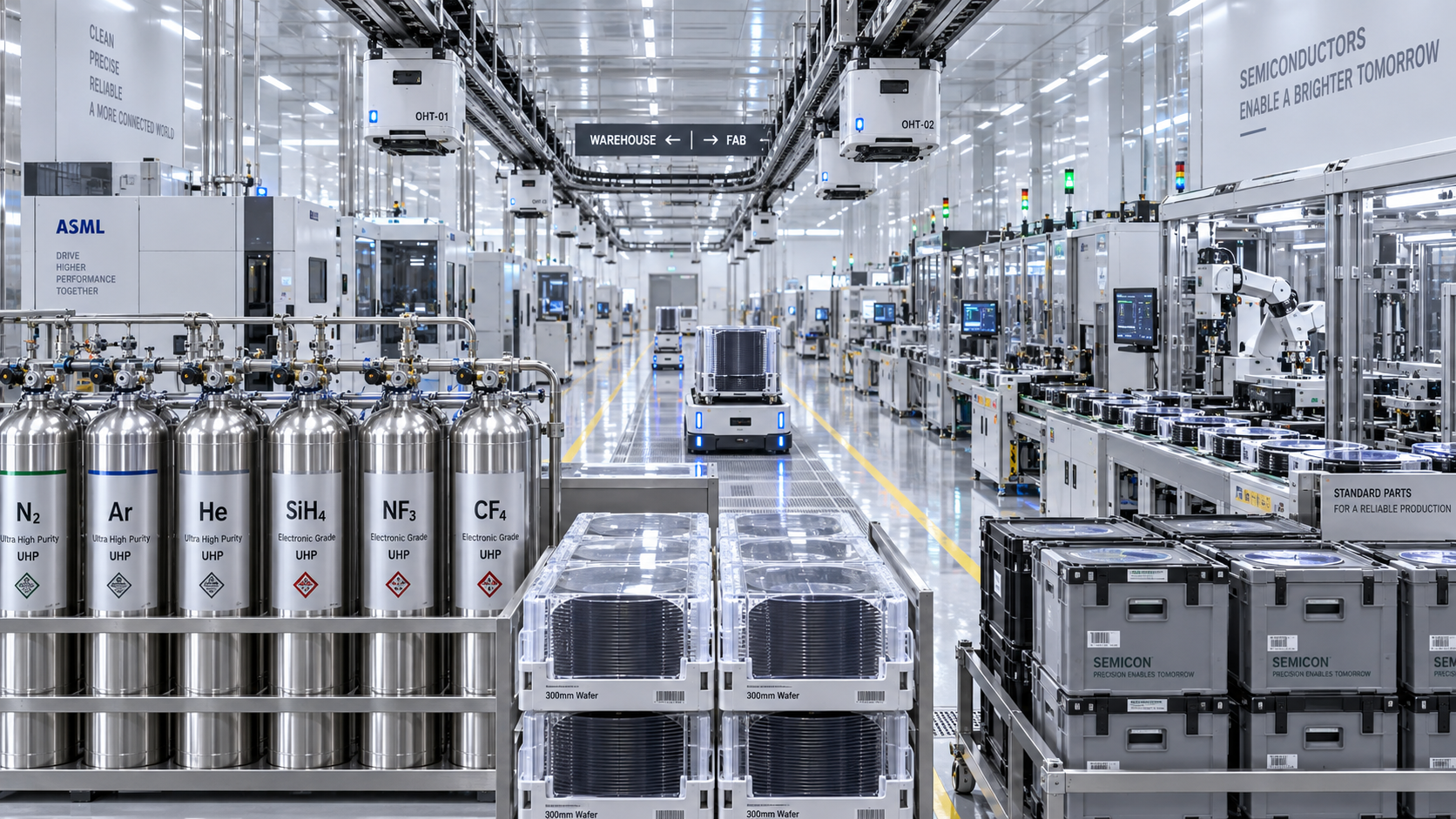
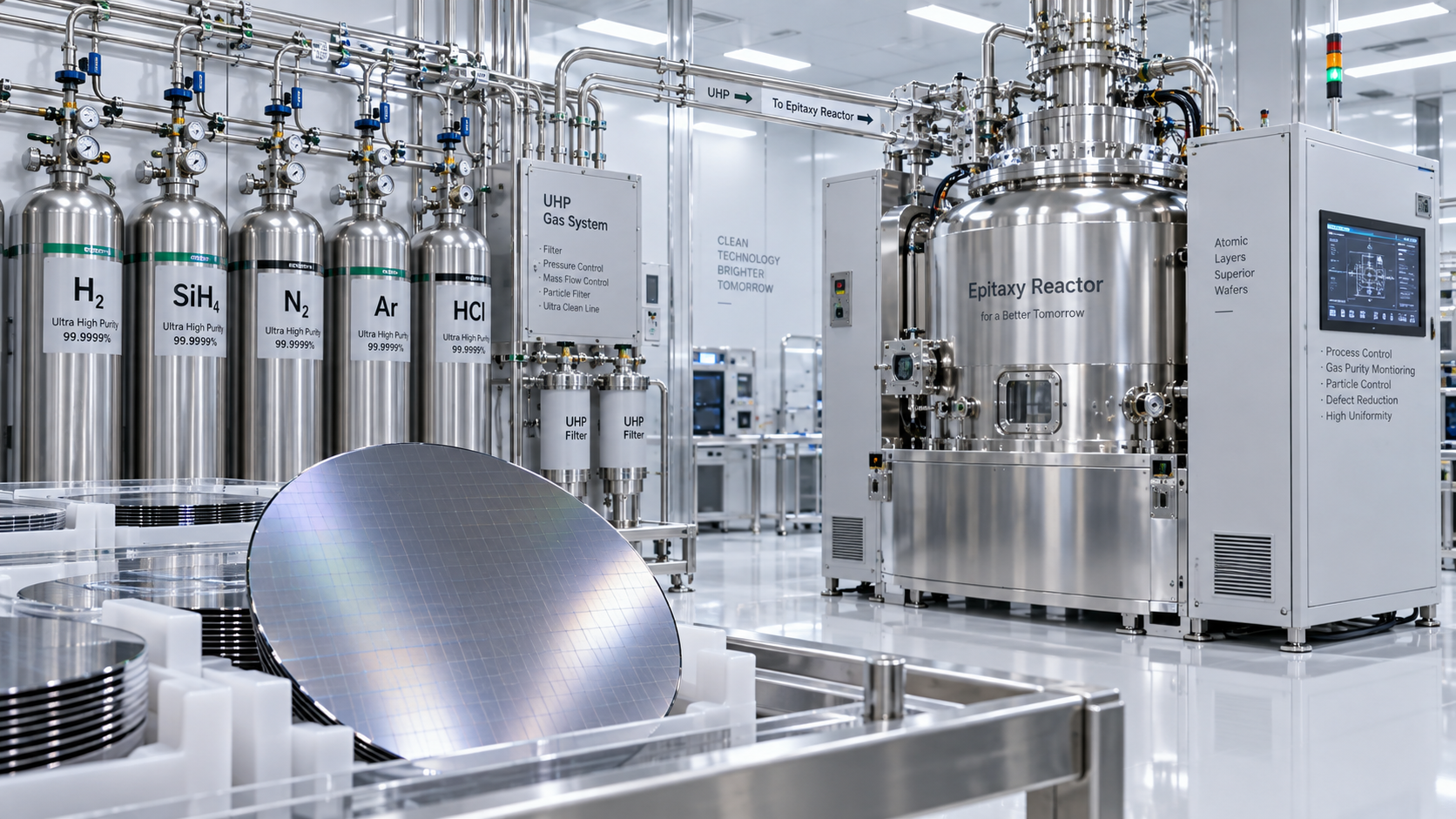
Facility-level infrastructure also feels the impact. Chemical delivery systems, storage cabinets, filtration units, and waste treatment processes must match the intended purity class.
- Higher inspection frequency may be needed at receiving, storage, and point-of-use stages.
- Specification changes can require requalification of lines, tools, and packaging interfaces.
- Data integration between lab systems and manufacturing execution becomes more valuable.
The most useful focus areas are practical, measurable, and cross-functional
Organizations reviewing Electronic Chemicals standards should focus on a few high-leverage checkpoints rather than generic compliance language.
- Confirm impurity profiles reflect actual process sensitivity, not outdated default specifications.
- Verify analytical methods can detect target contaminants at meaningful action levels.
- Check container compatibility, transfer protocols, and shelf-life controls.
- Require disciplined change notification for source, process, packaging, or logistics modifications.
- Align incoming inspection rules with process criticality and historical deviation patterns.
- Integrate chemical quality data with cleanroom, gas, and water monitoring records.
These actions make Electronic Chemicals standards operational instead of symbolic. They also improve resilience when capacity expands or sourcing shifts.
A stronger response starts with staged judgment instead of one-time qualification
The old model treated material approval as a gate. The current environment requires a living control system tied to process learning.
Electronic Chemicals standards will increasingly define trusted industrial capability
The direction is clear. Electronic Chemicals standards are becoming a signal of technical maturity, not just a documentation requirement.
In a world shaped by sovereign digital infrastructure, advanced packaging, and power-efficient electronics, material discipline supports reliability at every layer.
A useful next step is to compare current specifications, lab capability, and handling controls against critical process risks. That review often reveals the fastest path to stronger yield protection and safer operations.
Get weekly intelligence in your inbox.
No noise. No sponsored content. Pure intelligence.
 Apr 28, 2026When do rapid prototyping 3D printing services save real costWhen do rapid prototyping 3D printing services save real cost
 Apr 28, 2026What Can Go Wrong in Fan-out Wafer Level Pkg?What Can Go Wrong in Fan-out Wafer Level Pkg?
 Apr 28, 2026What Makes Optical LiDAR Modules Better for Autonomy?What Makes Optical LiDAR Modules Better for Autonomy?
 Apr 28, 20262026 Market Trends in Supply Chain Resilience for Fabs2026 Market Trends in Supply Chain Resilience for Fabs
 Oct 10, 2026When do integrated sensor systems reduce commissioning risks?When do integrated sensor systems reduce commissioning risks?
 Oct 09, 2026How North American semiconductor fabs control airborne molecular contaminationHow North American semiconductor fabs control airborne molecular contamination
 Oct 08, 2026When do custom aluminum extrusions reduce fabrication costs?When do custom aluminum extrusions reduce fabrication costs?
 Oct 07, 2026How semiconductor packaging affects thermal reliability in EV power electronicsHow semiconductor packaging affects thermal reliability in EV power electronics
 Oct 06, 2026When do corrugated plastic boxes make sense for returnable shipping?When do corrugated plastic boxes make sense for returnable shipping?
 Oct 05, 2026What to verify before choosing semiconductor distributors in North AmericaWhat to verify before choosing semiconductor distributors in North America
 Oct 04, 2026How to assess a high purity materials manufacturer’s traceabilityHow to assess a high purity materials manufacturer’s traceability
 Oct 03, 2026How SiC power conversion solutions improve high-voltage invertersHow SiC power conversion solutions improve high-voltage inverters
 Oct 02, 2026When do SiC MOSFET benefits justify the higher device cost?When do SiC MOSFET benefits justify the higher device cost?
 Oct 01, 2026Which semiconductor reliability testing standards apply to power devices?Which semiconductor reliability testing standards apply to power devices?
 Sep 30, 2026How to qualify a semiconductor photoresist supplier for KrF/ArF productionHow to qualify a semiconductor photoresist supplier for KrF/ArF production
 Sep 29, 2026What image quality should portable ultrasound scanners deliver for triage?What image quality should portable ultrasound scanners deliver for triage?
 Sep 28, 2026How sub-ppb impurity control gases protect process consistencyHow sub-ppb impurity control gases protect process consistency
 Sep 27, 2026How chemical purity affects defect rates in semiconductor depositionHow chemical purity affects defect rates in semiconductor deposition
 Sep 26, 2026When do high voltage power semiconductor devices need SiC over IGBTs?When do high voltage power semiconductor devices need SiC over IGBTs?
 Sep 25, 2026How to verify quality controls at a die casting parts supplier in ChinaHow to verify quality controls at a die casting parts supplier in China
 Sep 24, 2026How to verify electronic gas purity for sub-ppb semiconductor processesHow to verify electronic gas purity for sub-ppb semiconductor processes
 Sep 23, 2026When sensory data integration improves industrial motion monitoringWhen sensory data integration improves industrial motion monitoring
 Sep 22, 2026How supply chain resilience reduces the cost of production disruptionsHow supply chain resilience reduces the cost of production disruptions
 Sep 21, 2026What autonomous systems OEMs should verify before sourcing LiDAR modulesWhat autonomous systems OEMs should verify before sourcing LiDAR modules
 Sep 20, 2026How gas purity affects defect density in epitaxial wafer growthHow gas purity affects defect density in epitaxial wafer growth
 Sep 19, 2026How substrate defects affect third-generation material device yieldHow substrate defects affect third-generation material device yield
 Sep 18, 2026How trace impurities in specialty process gases affect wafer yieldHow trace impurities in specialty process gases affect wafer yield