Cost-Effective Hybrid Inverters for Renewable ESS Projects
For business evaluators assessing renewable ESS investments, hybrid inverters cost-effective solutions are becoming essential for balancing CAPEX, efficiency, and long-term system reliability. In an industry where power conversion quality, thermal stability, and supply chain resilience directly affect project performance, selecting the right inverter architecture can determine whether an energy storage deployment delivers measurable commercial value.
Across utility, commercial, and industrial projects, cost pressure no longer allows oversizing without justification. At the same time, grid codes are tightening. Renewable variability is increasing. Asset owners need systems that support flexible charging, stable output, and predictable maintenance cycles.
This is where hybrid inverters cost-effective solutions gain strategic relevance. They combine renewable input management, battery coordination, and grid interaction in one architecture. When properly specified, they reduce equipment count, simplify controls, and improve lifecycle economics.
Definition and Technical Scope of Hybrid Inverter Architecture
A hybrid inverter integrates multiple power functions within a single platform. It converts DC from solar arrays or batteries into AC for loads or grid export. It also manages battery charging, discharging, and energy flow priorities.
Compared with separate inverter and battery converter setups, hybrid inverters cost-effective solutions often lower balance-of-system expense. Fewer cabinets, cables, communication interfaces, and protection layers can reduce installation complexity and commissioning time.
However, cost-effectiveness should not be reduced to a low purchase price. In renewable ESS projects, the real benchmark includes conversion efficiency, thermal design, power density, fault tolerance, grid support functions, and serviceability.
For technically rigorous evaluations, several parameters deserve attention:
- Rated power and overload capability
- Battery voltage range and chemistry compatibility
- Peak and weighted conversion efficiency
- Response speed during grid disturbances
- Operating temperature range and cooling method
- Protection features, monitoring depth, and firmware stability
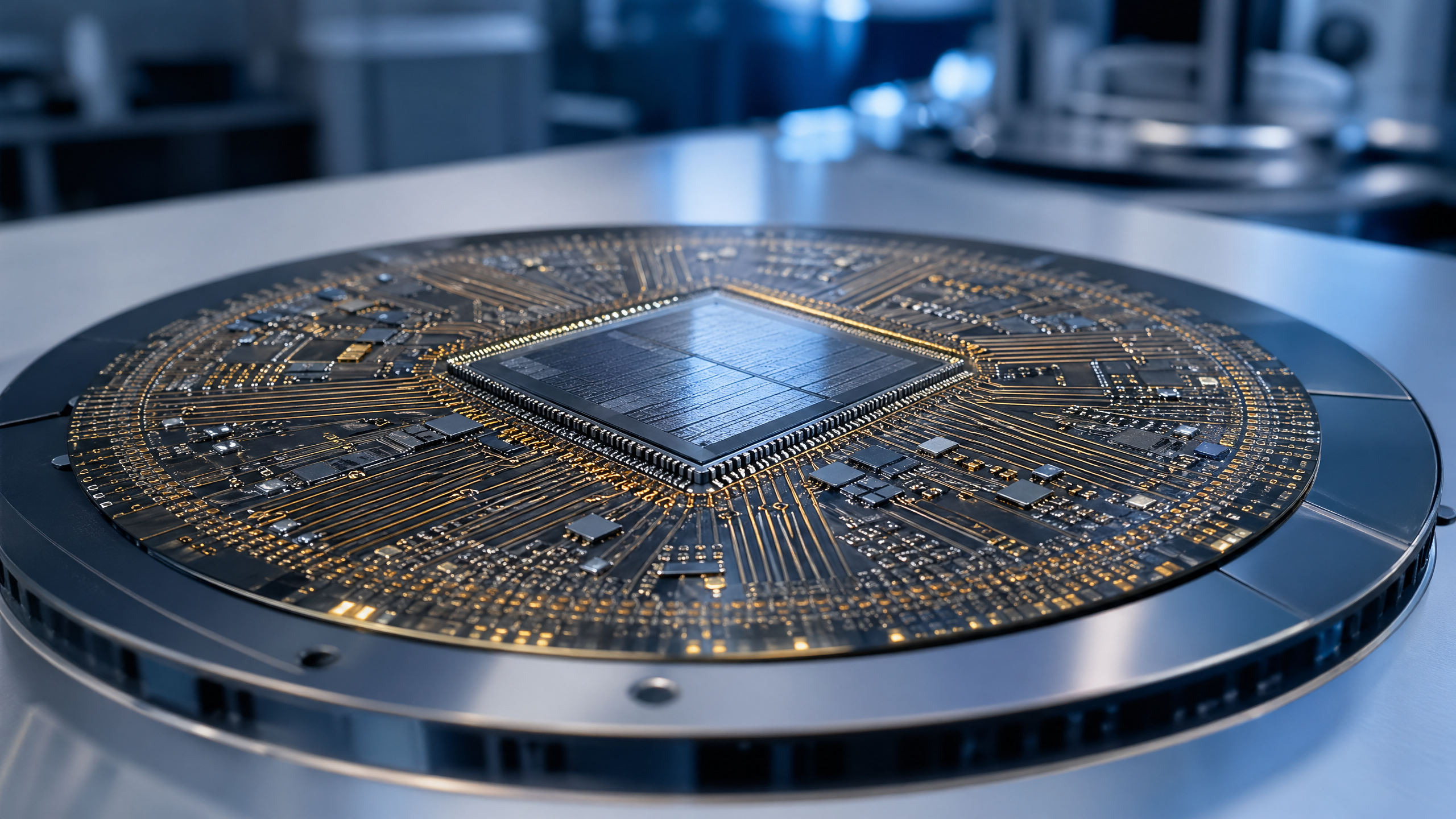
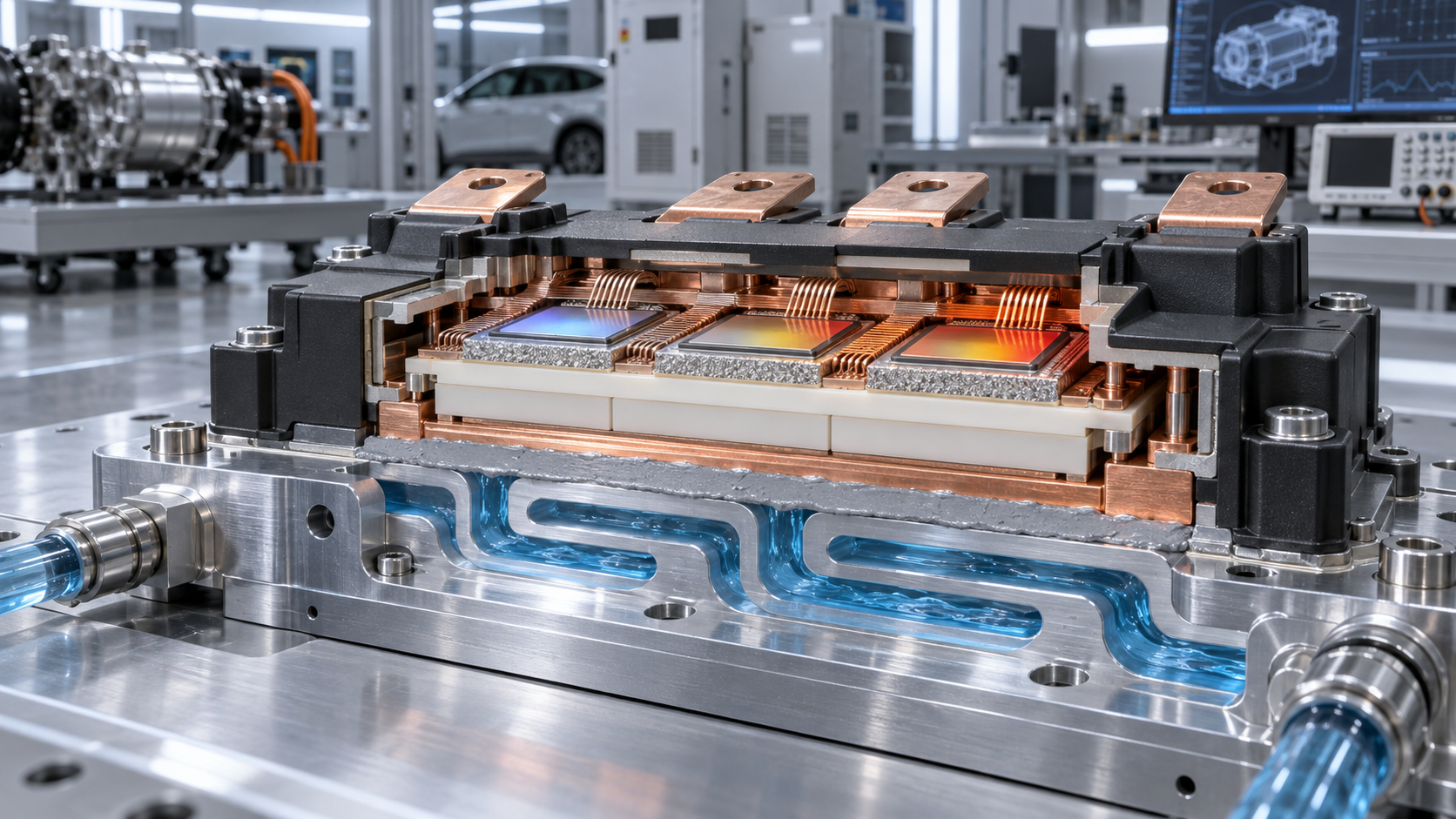
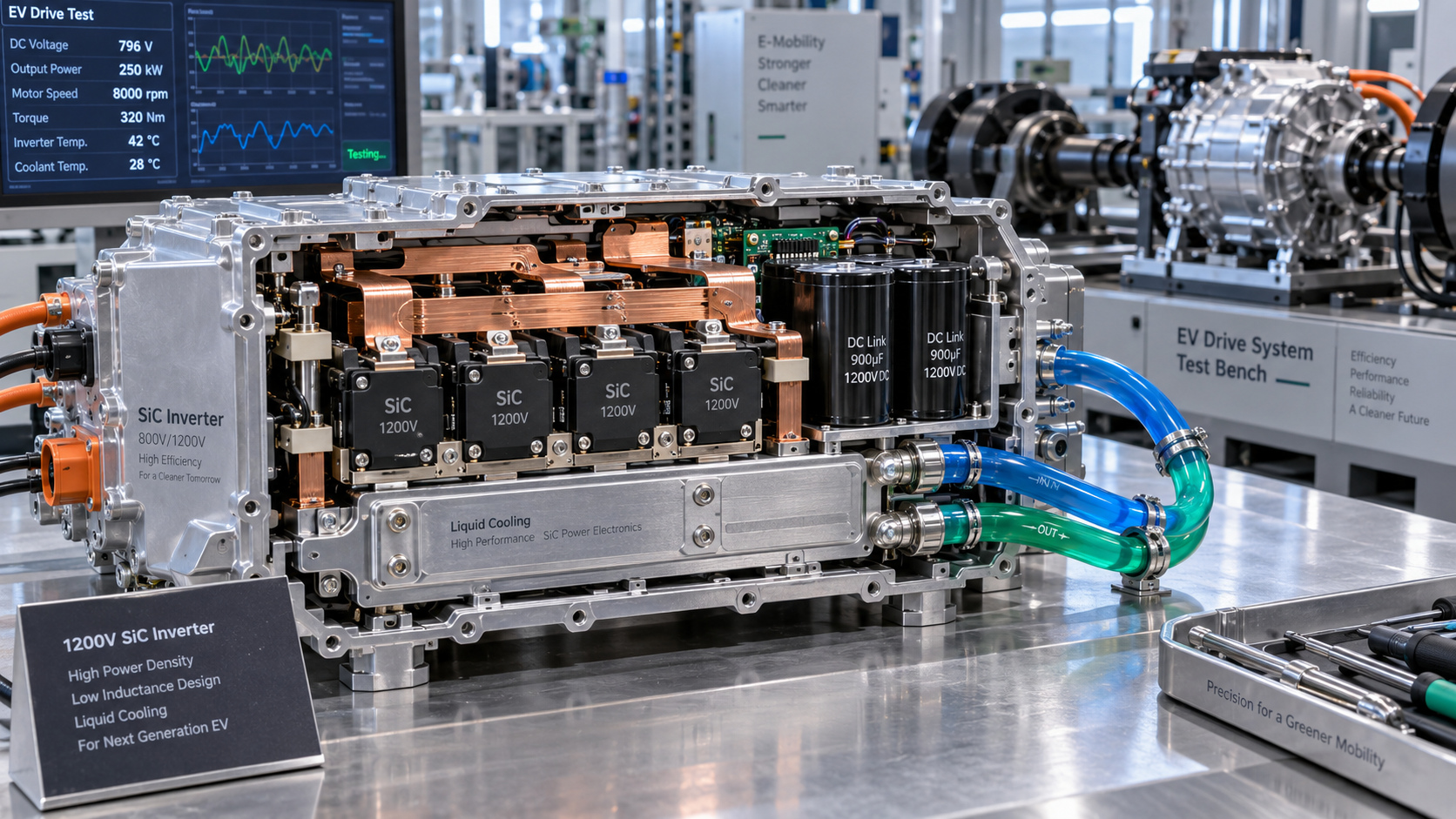
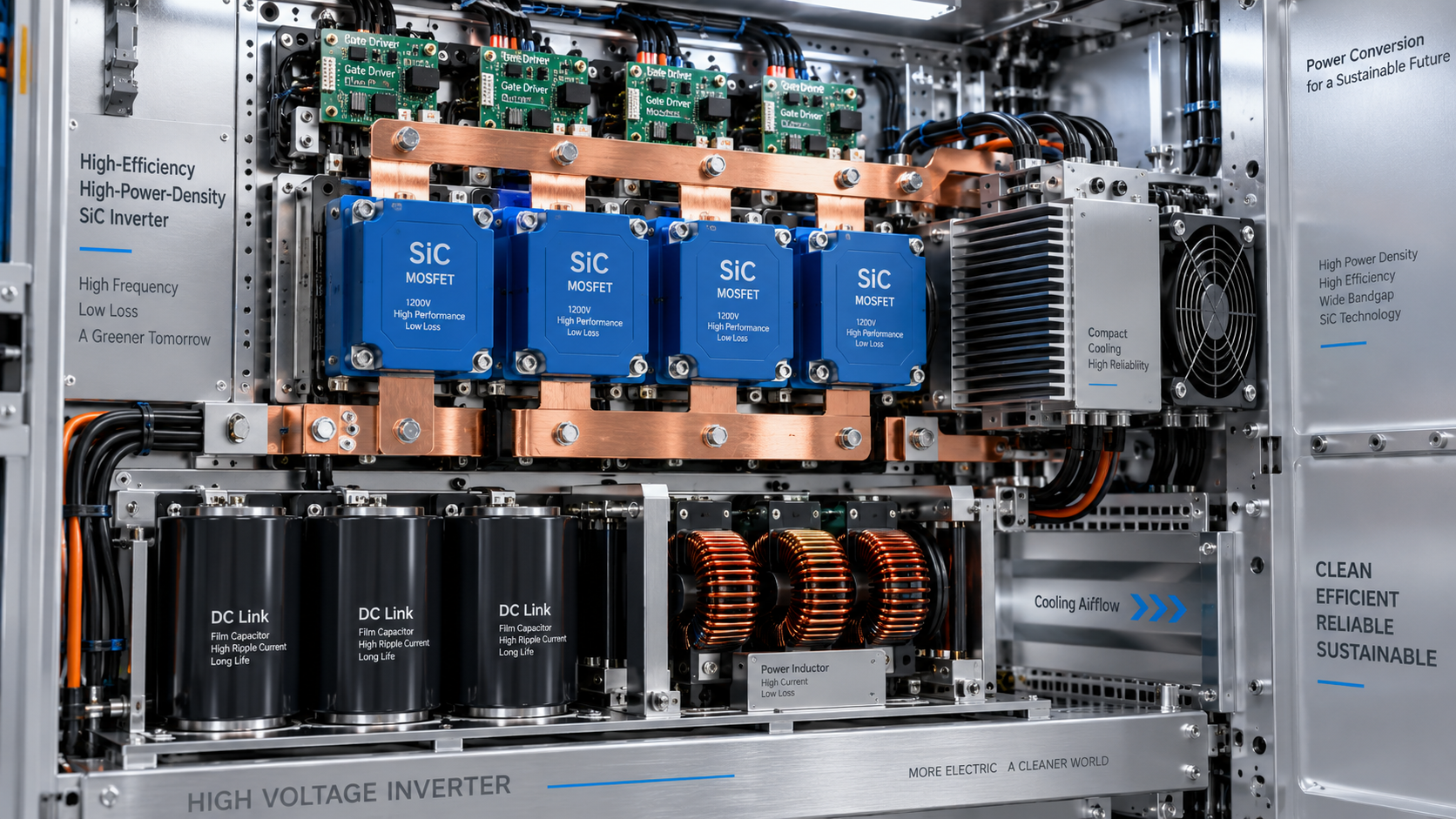
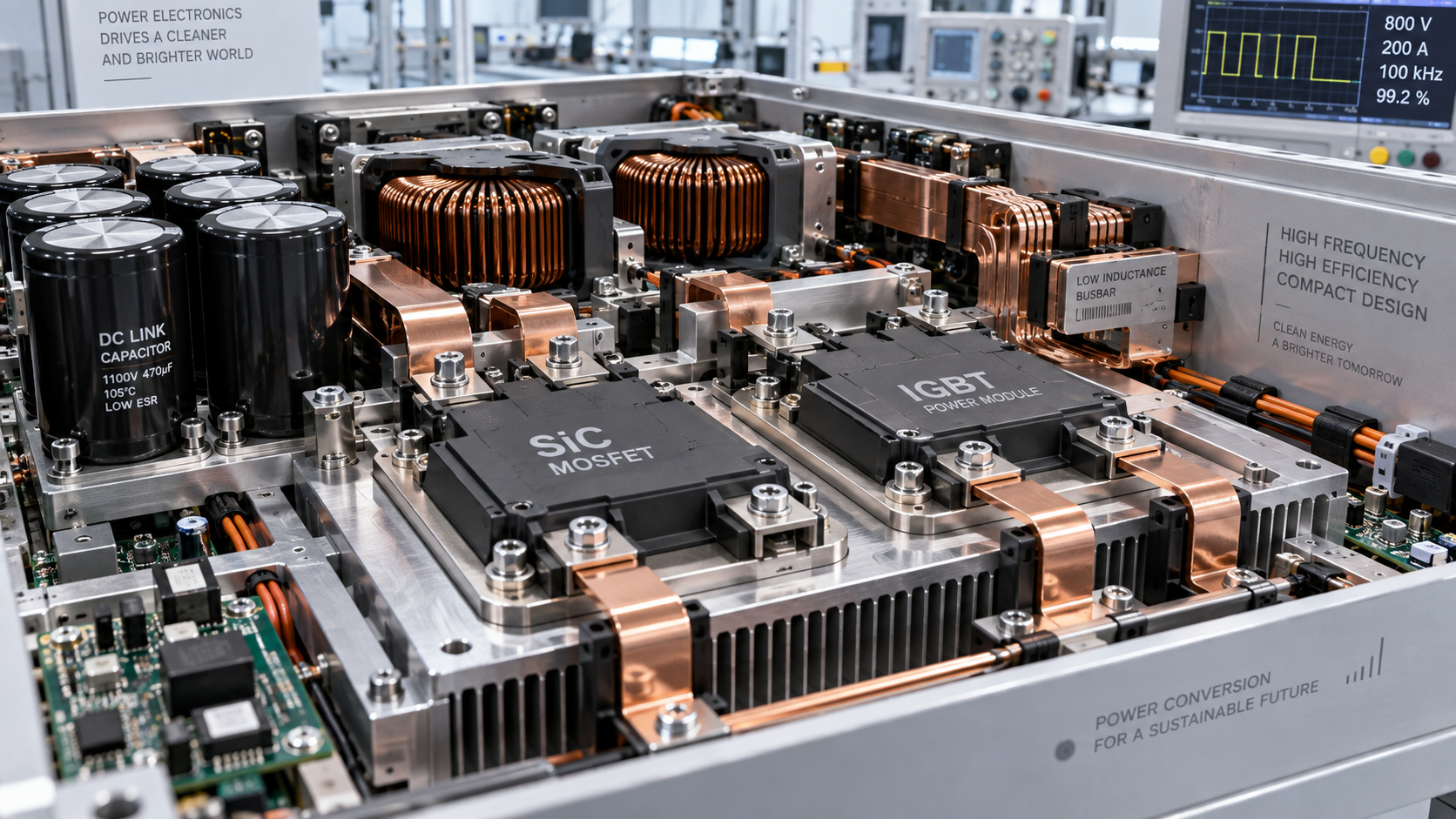
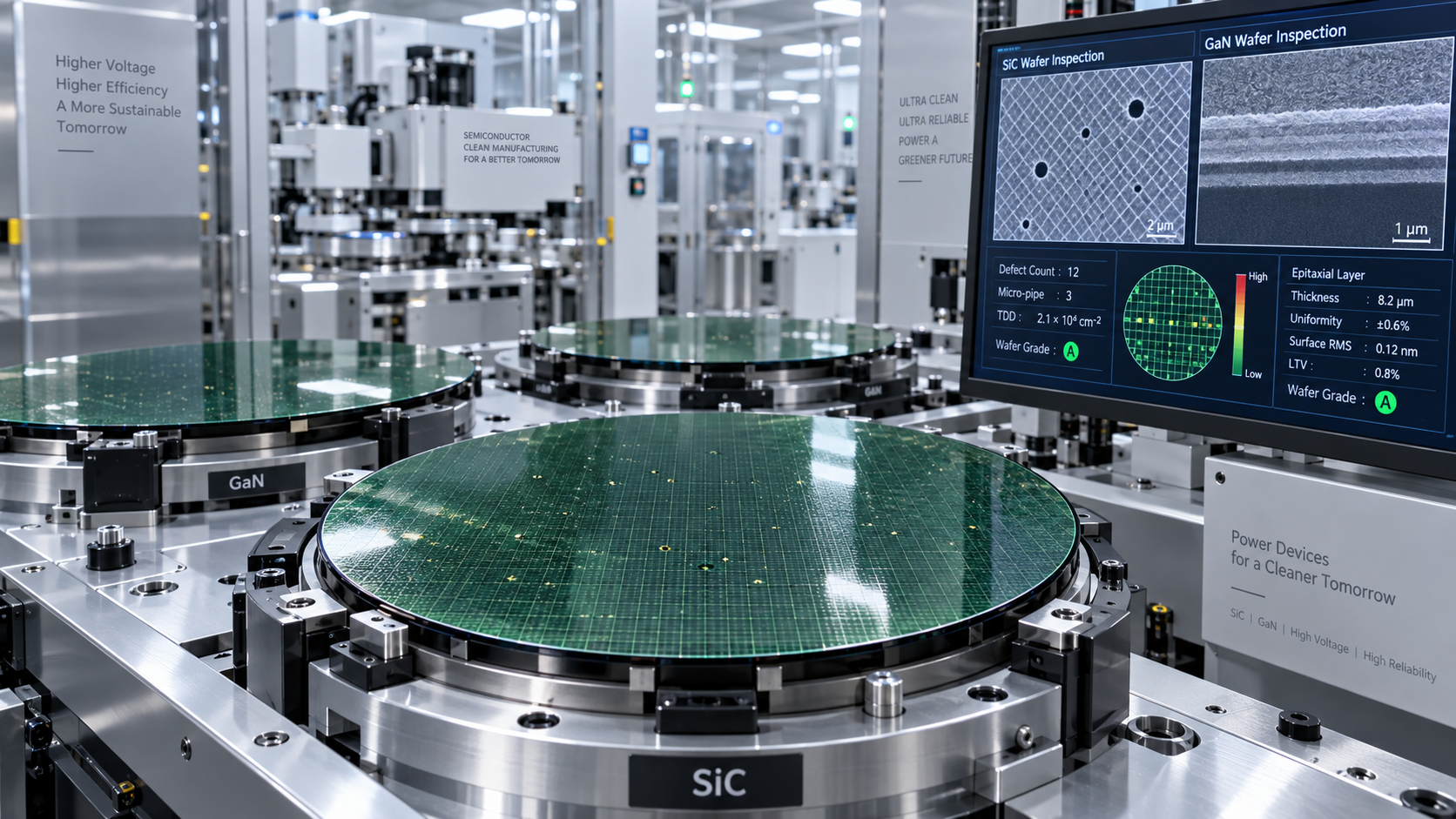
In advanced projects, semiconductor selection matters as much as software control. SiC-based switching stages can support higher efficiency and better thermal behavior. That can strengthen hybrid inverters cost-effective solutions in demanding ESS environments.
Industry Conditions Shaping Cost-Effective Selection
The market for renewable ESS is expanding under mixed pressures. Decarbonization goals are rising, yet financing conditions remain selective. Equipment choices must therefore support both technical compliance and commercial resilience.
For integrated energy infrastructure, several signals explain the growing demand for hybrid inverters cost-effective solutions:
These trends align closely with the G-SSI perspective. Power conversion is no longer an isolated hardware decision. It sits within a larger framework of semiconductor reliability, sensor accuracy, environmental control, and standards-based validation.
As a result, hybrid inverters cost-effective solutions should be examined through both electrical and infrastructure lenses. The right product lowers energy losses, but also reduces data blind spots, overheating risk, and unplanned intervention costs.
Business Value in Renewable ESS Projects
The strongest business case for hybrid inverters cost-effective solutions comes from total project economics. Integrated architecture can produce savings before commissioning, during operation, and at service milestones.
Capital efficiency
A well-designed hybrid platform reduces separate equipment procurement. This may lower enclosure count, wiring volume, site labor, and engineering integration effort. In constrained sites, it can also reduce civil and layout complexity.
Operational performance
Higher conversion efficiency directly improves energy yield. Better battery coordination can preserve usable capacity and limit harmful cycling behavior. Fast response supports peak shaving, backup transitions, and renewable smoothing.
Maintenance and uptime
Integrated diagnostics simplify fault isolation. If thermal and sensing design are strong, operators gain earlier warnings on fan issues, insulation drift, DC abnormalities, and communication interruptions. That protects uptime and service planning.
Compliance and long-term bankability
Projects increasingly need clear evidence of testing discipline and component quality. Equipment aligned with recognized standards supports confidence in performance verification, grid code readiness, and financing reviews.
In practical terms, hybrid inverters cost-effective solutions become valuable when they minimize hidden costs. These include thermal derating, oversensitive shutdowns, poor firmware support, and weak battery communication layers.
Typical Scenarios and Selection Profiles
Not every project benefits from the same configuration. The definition of hybrid inverters cost-effective solutions changes according to duty cycle, redundancy needs, and power quality requirements.
For harsh or high-cycle applications, semiconductor quality becomes especially important. Devices with better switching efficiency and thermal characteristics may carry a higher initial price. Yet they often reinforce hybrid inverters cost-effective solutions over the asset lifetime.
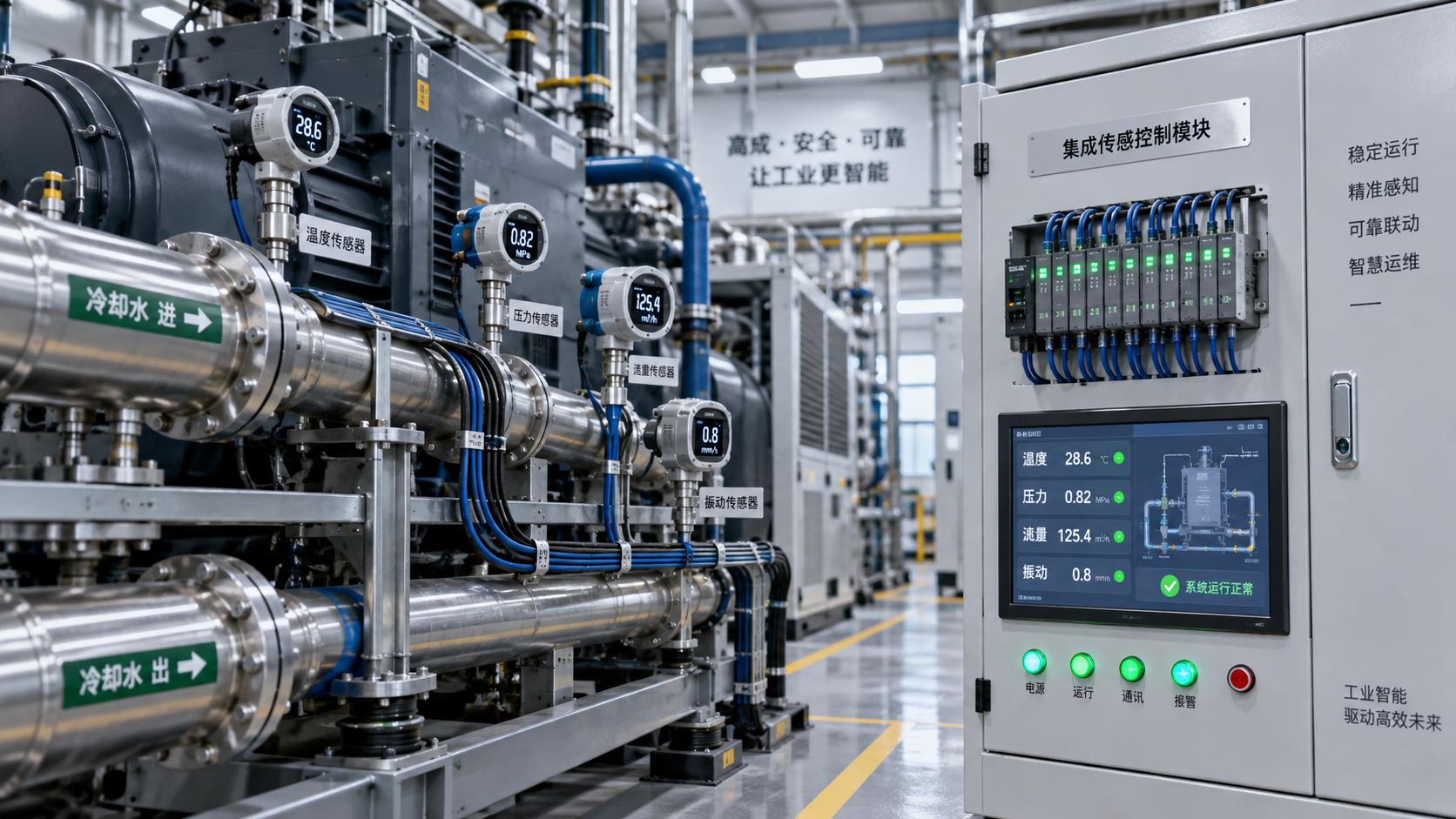
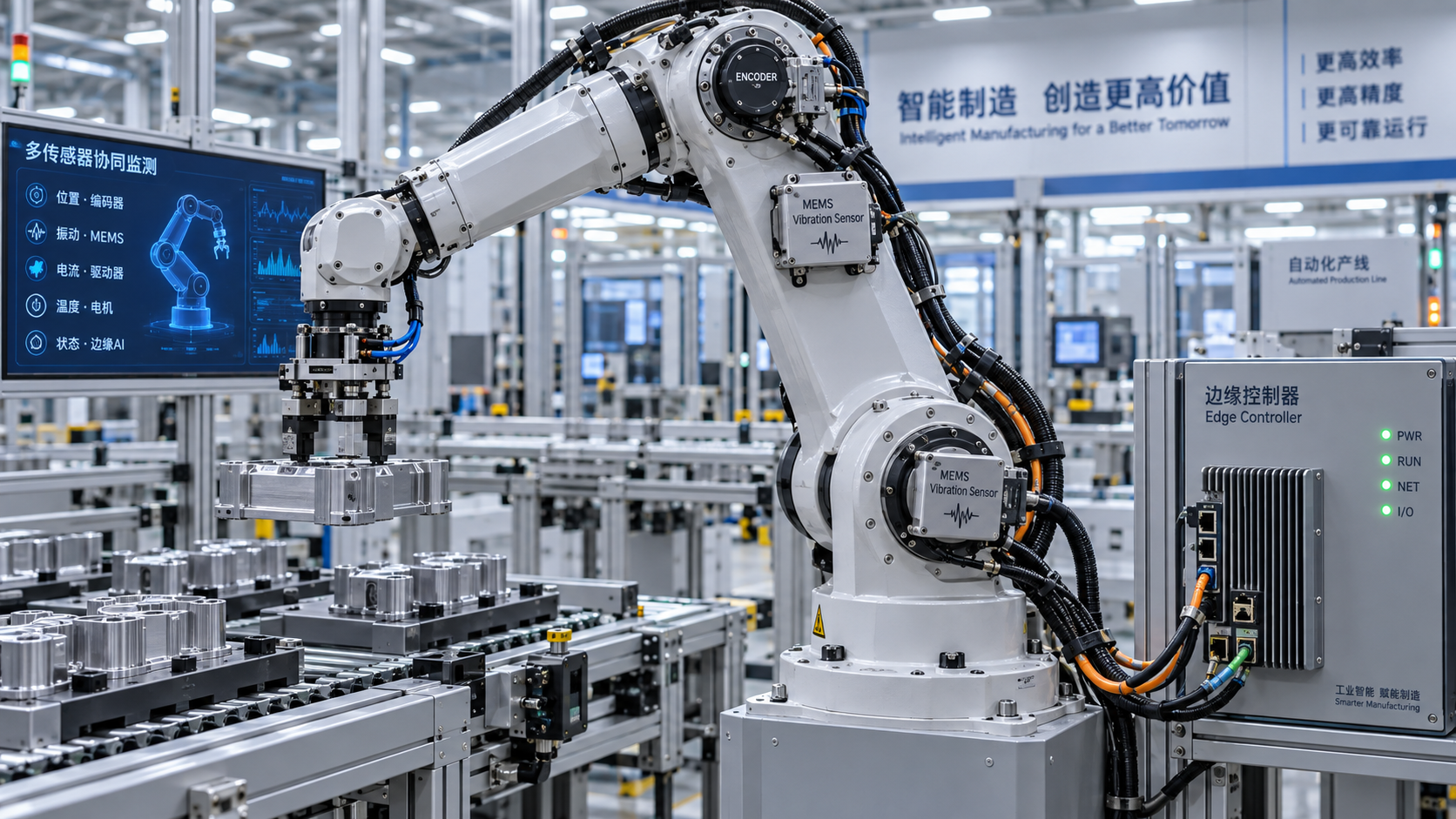
Sensor infrastructure also deserves closer review. Accurate current, voltage, and temperature sensing improves charge control and fault recognition. This connects inverter performance to the broader G-SSI emphasis on data fidelity and infrastructure precision.
Practical Evaluation Points and Risk Controls
A disciplined selection process helps identify whether claimed hybrid inverters cost-effective solutions are technically credible. The following checks can reduce procurement and operational risk:
- Verify efficiency across realistic load bands, not only peak values.
- Review derating behavior under high ambient temperature conditions.
- Check compatibility with target battery chemistry and BMS protocols.
- Confirm harmonic performance and grid code support functions.
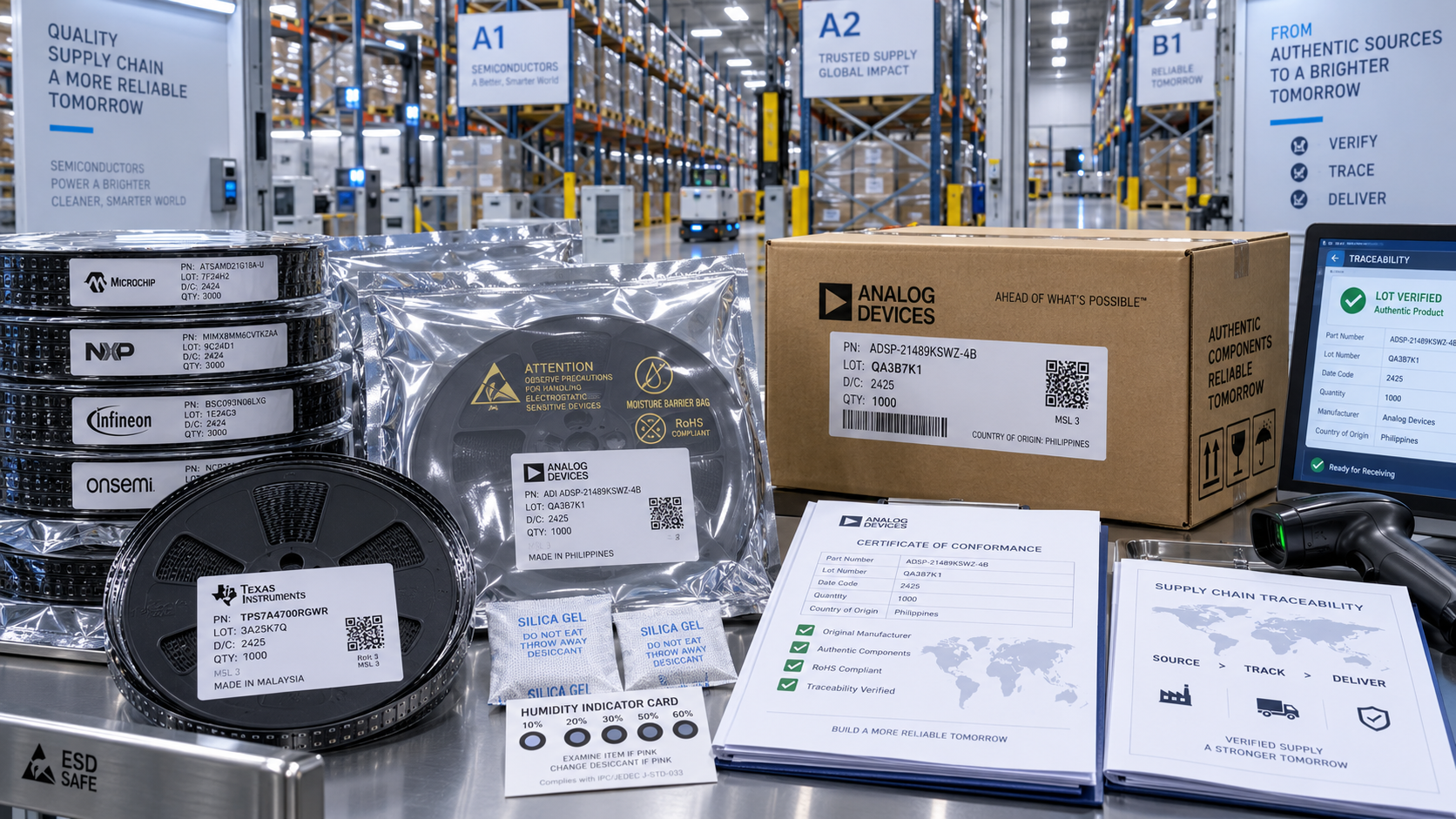
- Assess component sourcing transparency and long-term firmware support.
- Examine protection coordination, isolation design, and surge resilience.
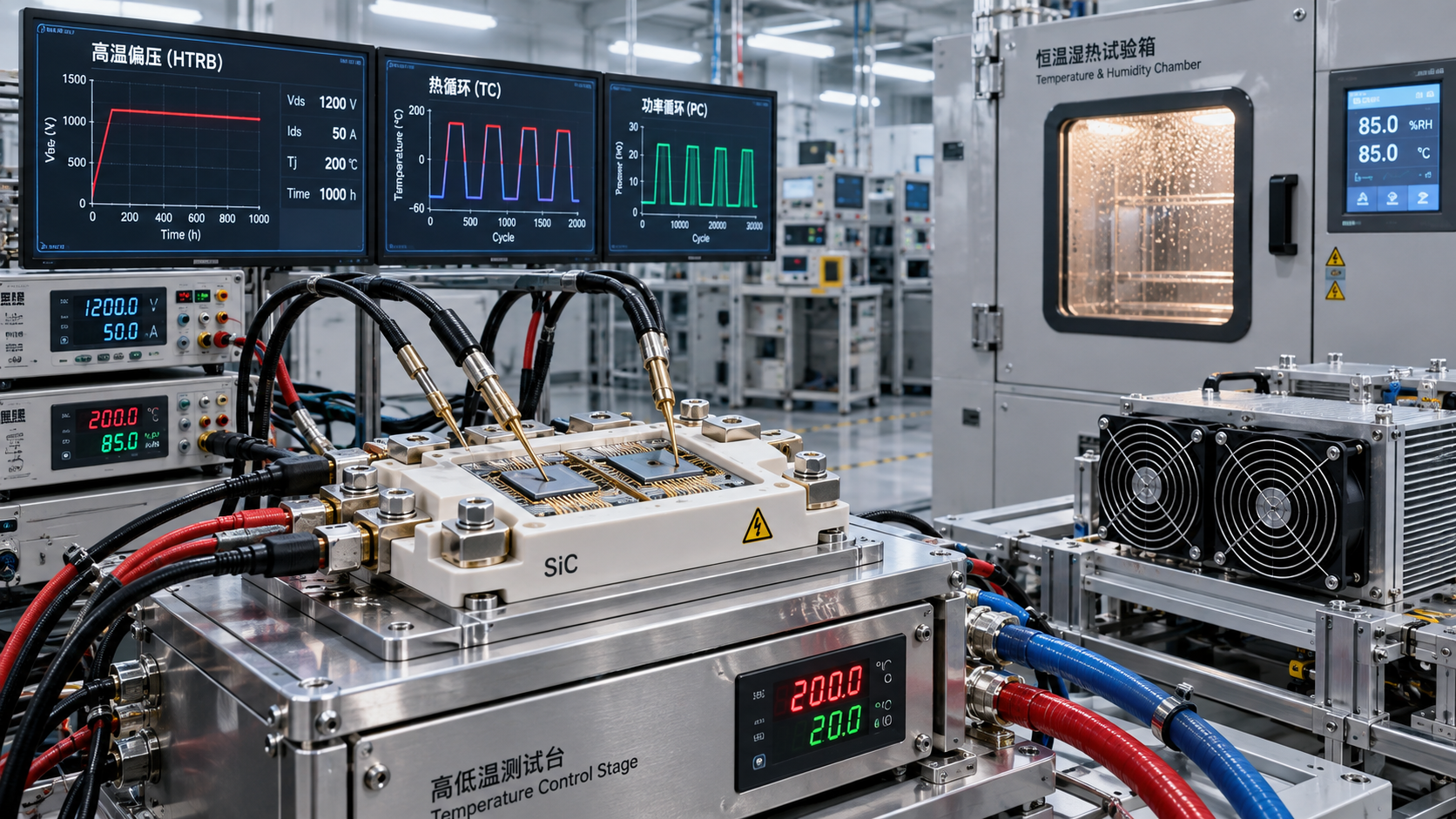
- Request evidence of testing aligned with relevant industrial standards.
It is also wise to compare integrated and modular architectures using the same financial model. Include downtime exposure, replacement intervals, spare strategy, and monitoring integration costs. That reveals the true value of hybrid inverters cost-effective solutions.
Another common oversight involves environmental conditions. Dust, humidity, and cooling airflow affect inverter life. Projects with stricter environmental control usually see more stable performance and lower maintenance variation.
Implementation Direction for More Resilient ESS Outcomes
The next step is not simply choosing the lowest bid. Effective deployment begins with matching inverter capability to the intended revenue model, operating profile, and site conditions. That creates a realistic path to measurable return.
When reviewing hybrid inverters cost-effective solutions, prioritize documented efficiency, thermal robustness, sensing quality, and standards alignment. Strong ESS performance depends on the interaction between power semiconductors, control logic, and environmental reliability.
Projects that apply this broader evaluation framework are better positioned to reduce lifecycle cost while protecting uptime and compliance. In renewable ESS planning, the most cost-effective solution is usually the one that stays efficient, observable, and dependable under real operating stress.
For organizations building future-ready energy infrastructure, a structured technical review grounded in semiconductor performance and sensor integrity can turn hybrid inverters cost-effective solutions into a durable competitive advantage.
Get weekly intelligence in your inbox.
No noise. No sponsored content. Pure intelligence.
 Apr 28, 2026When do rapid prototyping 3D printing services save real costWhen do rapid prototyping 3D printing services save real cost
 Apr 28, 2026What Can Go Wrong in Fan-out Wafer Level Pkg?What Can Go Wrong in Fan-out Wafer Level Pkg?
 Apr 28, 2026What Makes Optical LiDAR Modules Better for Autonomy?What Makes Optical LiDAR Modules Better for Autonomy?
 Apr 28, 20262026 Market Trends in Supply Chain Resilience for Fabs2026 Market Trends in Supply Chain Resilience for Fabs
 Oct 10, 2026When do integrated sensor systems reduce commissioning risks?When do integrated sensor systems reduce commissioning risks?
 Oct 09, 2026How North American semiconductor fabs control airborne molecular contaminationHow North American semiconductor fabs control airborne molecular contamination
 Oct 08, 2026When do custom aluminum extrusions reduce fabrication costs?When do custom aluminum extrusions reduce fabrication costs?
 Oct 07, 2026How semiconductor packaging affects thermal reliability in EV power electronicsHow semiconductor packaging affects thermal reliability in EV power electronics
 Oct 06, 2026When do corrugated plastic boxes make sense for returnable shipping?When do corrugated plastic boxes make sense for returnable shipping?
 Oct 05, 2026What to verify before choosing semiconductor distributors in North AmericaWhat to verify before choosing semiconductor distributors in North America
 Oct 04, 2026How to assess a high purity materials manufacturer’s traceabilityHow to assess a high purity materials manufacturer’s traceability
 Oct 03, 2026How SiC power conversion solutions improve high-voltage invertersHow SiC power conversion solutions improve high-voltage inverters
 Oct 02, 2026When do SiC MOSFET benefits justify the higher device cost?When do SiC MOSFET benefits justify the higher device cost?
 Oct 01, 2026Which semiconductor reliability testing standards apply to power devices?Which semiconductor reliability testing standards apply to power devices?
 Sep 30, 2026How to qualify a semiconductor photoresist supplier for KrF/ArF productionHow to qualify a semiconductor photoresist supplier for KrF/ArF production
 Sep 29, 2026What image quality should portable ultrasound scanners deliver for triage?What image quality should portable ultrasound scanners deliver for triage?
 Sep 28, 2026How sub-ppb impurity control gases protect process consistencyHow sub-ppb impurity control gases protect process consistency
 Sep 27, 2026How chemical purity affects defect rates in semiconductor depositionHow chemical purity affects defect rates in semiconductor deposition
 Sep 26, 2026When do high voltage power semiconductor devices need SiC over IGBTs?When do high voltage power semiconductor devices need SiC over IGBTs?
 Sep 25, 2026How to verify quality controls at a die casting parts supplier in ChinaHow to verify quality controls at a die casting parts supplier in China
 Sep 24, 2026How to verify electronic gas purity for sub-ppb semiconductor processesHow to verify electronic gas purity for sub-ppb semiconductor processes
 Sep 23, 2026When sensory data integration improves industrial motion monitoringWhen sensory data integration improves industrial motion monitoring
 Sep 22, 2026How supply chain resilience reduces the cost of production disruptionsHow supply chain resilience reduces the cost of production disruptions
 Sep 21, 2026What autonomous systems OEMs should verify before sourcing LiDAR modulesWhat autonomous systems OEMs should verify before sourcing LiDAR modules
 Sep 20, 2026How gas purity affects defect density in epitaxial wafer growthHow gas purity affects defect density in epitaxial wafer growth
 Sep 19, 2026How substrate defects affect third-generation material device yieldHow substrate defects affect third-generation material device yield
 Sep 18, 2026How trace impurities in specialty process gases affect wafer yieldHow trace impurities in specialty process gases affect wafer yield