Aluminum Extrusions vs Steel: Which Fits Custom Builds Better?
In custom industrial builds, the choice between steel and aluminumextrusions shapes more than structural performance. It influences assembly speed, thermal behavior, maintenance planning, and upgrade flexibility. Where precision equipment, sensing systems, and controlled environments matter, material selection becomes part of overall project strategy rather than a simple mechanical preference.
That is why the comparison remains relevant across automation frames, semiconductor support equipment, cleanroom modules, testing stations, and sensory-infrastructure platforms. For organizations working against demanding standards, the better fit depends on how weight, stiffness, corrosion exposure, integration needs, and lifecycle changes interact in the real build.
Why this material choice matters now
Industrial projects are being pushed toward tighter tolerances, faster deployment, and more modular architecture. At the same time, energy efficiency, thermal management, and system reliability are under closer review.
This is especially visible in sectors aligned with G-SSI priorities. Semiconductor fabrication environments, MEMS integration, power electronics, and Industrial IoT platforms all depend on stable mechanical foundations and predictable operating conditions.
In those settings, aluminumextrusions often attract attention because they support configurable structures without adding unnecessary mass. Steel remains essential where very high load capacity, impact resistance, or minimal deflection under heavy static demand is the main requirement.
The practical difference between aluminumextrusions and steel
Steel is typically selected for maximum strength, hardness, and cost stability in heavy-duty structures. It performs well in machine bases, support columns, and builds where high load margins outweigh concerns about weight.
Aluminumextrusions are shaped profiles designed for structural flexibility. Their value is not only lower weight. They also simplify mounting, enclosure integration, cable routing, and future reconfiguration.
In custom builds, that difference is significant. Steel often demands more cutting, welding, surface treatment, and secondary fabrication. Aluminumextrusions usually enable faster mechanical assembly through modular connectors and standardized profile systems.
Where aluminumextrusions usually fit better
Aluminumextrusions are often the better option when the build must stay adaptable. This is common in pilot lines, test platforms, inspection cells, and controlled production spaces where layouts change over time.
They are also well suited to structures that carry sensors, vision systems, cable trays, lightweight guards, and compact automation modules. Integrated channels allow accessories to be attached without repeated drilling or extensive redesign.
In semiconductor-related infrastructure, this flexibility can reduce downtime during process updates. Frame changes for enclosures, benches, transport fixtures, or monitoring stations can be made with less disruption than many welded steel alternatives.
Typical strengths in precision environments
- Lower weight helps transport, installation, and floor-loading management.
- Modular profile geometry supports rapid expansion or equipment relocation.
- Clean finishes are useful for organized, high-visibility work areas.
- Accessory compatibility simplifies guards, panels, brackets, and cable management.
- Corrosion resistance lowers surface maintenance in controlled or humid conditions.
Where steel still has the advantage
Steel remains the stronger candidate when the build faces high shock loads, concentrated mass, or demanding rigidity requirements. Large machine frames, heavy press supports, and fixed industrial platforms often still favor steel.
This is not only about raw strength. It is also about stiffness at a given geometry, especially where vibration control depends on mass and section depth. In some applications, aluminumextrusions can meet the requirement, but only with larger profiles or additional reinforcement.
If a custom build is unlikely to change, welding is acceptable, and installation weight is not a concern, steel can remain the more direct solution. It may also support lower material cost in simple heavy structures, though total installed cost may tell a different story.
Cost is more than the price per kilogram
Many comparisons stop too early by looking only at raw material pricing. That can distort the decision. Custom builds are affected by fabrication hours, coating, fasteners, shipping, installation time, and the cost of future changes.
Aluminumextrusions often cost more per unit of material than plain steel. Yet they can lower total project effort when fewer machining steps are required and assembly happens faster on site.
That matters in phased projects or international deployments. A structure that arrives in modular sections and assembles cleanly can reduce schedule risk, labor dependency, and disruption inside active production areas.
Questions that sharpen the cost decision
- Will the frame need future expansion, sensor additions, or layout changes?
- Does the site restrict welding, dust, or coating operations?
- How expensive is downtime if modifications are needed later?
- Is freight cost sensitive to total shipment weight?
- Do compliance and cleanliness requirements favor a modular system?
Relevance for semiconductor and sensory-infrastructure projects
The G-SSI perspective makes this comparison more specific. In advanced packaging, MEMS tooling support, environment control units, and smart sensing platforms, mechanical structures must coexist with strict reliability expectations.
Thermal behavior, contamination control, cable organization, and repeatable alignment all become part of the design conversation. Aluminumextrusions fit many of these needs because they enable structured routing and repeatable modular assembly.
That does not mean steel disappears from these sectors. Steel may still be chosen for subframes, base supports, or high-load sections beneath precision modules. In practice, mixed-material strategies are often the most effective.
A stable steel base with aluminumextrusions above it can balance stiffness, serviceability, and clean integration. For many engineered systems, the best answer is not one material replacing the other, but each material carrying the right task.
A better way to judge fit in custom builds
The strongest decision framework starts with operating reality rather than preference. Load data, mounting density, vibration sensitivity, relocation frequency, environmental exposure, and maintenance access should be reviewed together.
A useful approach is to score both steel and aluminumextrusions against five dimensions: structural demand, adaptability, cleanliness, installation complexity, and lifecycle change cost. That reveals tradeoffs more clearly than a single strength comparison.
What to do before final selection
Before choosing between steel and aluminumextrusions, define the build in terms of use, not just drawings. The mechanical frame should be reviewed alongside thermal loads, service access, utility routing, cleanliness targets, and expansion plans.
Where technical benchmarking matters, align the choice with the standards and reliability expectations surrounding the complete system. For high-value industrial infrastructure, the most durable decision usually comes from cross-checking structure, operations, and future adaptability at the same time.
If the project depends on modular scaling, rapid installation, and clean integration, aluminumextrusions often provide the better fit. If the structure must absorb major loads with minimal movement, steel may remain the stronger foundation. The next step is to compare both against actual operating conditions, not assumptions.
Get weekly intelligence in your inbox.
No noise. No sponsored content. Pure intelligence.
 Apr 28, 2026When do rapid prototyping 3D printing services save real costWhen do rapid prototyping 3D printing services save real cost
 Apr 28, 2026What Can Go Wrong in Fan-out Wafer Level Pkg?What Can Go Wrong in Fan-out Wafer Level Pkg?
 Apr 28, 2026What Makes Optical LiDAR Modules Better for Autonomy?What Makes Optical LiDAR Modules Better for Autonomy?
 Apr 28, 20262026 Market Trends in Supply Chain Resilience for Fabs2026 Market Trends in Supply Chain Resilience for Fabs
 Oct 26, 2026How do buying decisions in the B2B market differ from those in B2C?How do buying decisions in the B2B market differ from those in B2C?
 Oct 26, 2026JW Insights’ 2026 SiC Report: Substrate Price Rebound Signals Industry Turning PointJW Insights’ 2026 SiC Report: Substrate Price Rebound Signals Industry Turning Point
 Oct 25, 2026How SiC power semiconductors for motor drives reduce switching lossesHow SiC power semiconductors for motor drives reduce switching losses
 Oct 25, 2026AI Overcapacity Fears Rattle US Chip Stocks as October Losses Reach $2.2 TrillionAI Overcapacity Fears Rattle US Chip Stocks as October Losses Reach $2.2 Trillion
 Oct 24, 2026How post-CMP cleaning materials affect wafer particle removalHow post-CMP cleaning materials affect wafer particle removal
 Oct 24, 2026AI, GaN and Robotics: What Comes Next for Power SemiconductorsAI, GaN and Robotics: What Comes Next for Power Semiconductors
 Oct 23, 2026How noise affects MEMS accelerometers in wearable medical devicesHow noise affects MEMS accelerometers in wearable medical devices
 Oct 23, 2026U.S. Commerce Announces Up to $389 Million in CHIPS R&D FundingU.S. Commerce Announces Up to $389 Million in CHIPS R&D Funding
 Oct 22, 2026How to avoid counterfeit power conversion components in the Middle EastHow to avoid counterfeit power conversion components in the Middle East
 Oct 22, 2026Nvidia Partners Expand AI Supply Chain; Amkor Plans Over 300% Capacity IncreaseNvidia Partners Expand AI Supply Chain; Amkor Plans Over 300% Capacity Increase
 Oct 21, 2026When are portable solar panels cost-effective for remote worksites?When are portable solar panels cost-effective for remote worksites?
 Oct 21, 2026Infineon and Wolfspeed Sign Multiyear 8-Inch SiC Wafer Supply AgreementInfineon and Wolfspeed Sign Multiyear 8-Inch SiC Wafer Supply Agreement
 Oct 20, 2026Can FFU systems alone achieve ISO 14644-1 Class 1 cleanliness?Can FFU systems alone achieve ISO 14644-1 Class 1 cleanliness?
 Oct 20, 2026Aixtron Q3 Orders More Than Double as Orders and Profit Beat ExpectationsAixtron Q3 Orders More Than Double as Orders and Profit Beat Expectations
 Oct 19, 2026How to evaluate power semiconductor suppliers for supply continuityHow to evaluate power semiconductor suppliers for supply continuity
 Oct 18, 2026How system-in-package technology reduces PCB space in wearablesHow system-in-package technology reduces PCB space in wearables
 Oct 17, 2026How to size gate resistors in 1200 V SiC power semiconductor designsHow to size gate resistors in 1200 V SiC power semiconductor designs
 Oct 16, 2026How to select 1200 V SiC MOSFETs for 800 V EV traction invertersHow to select 1200 V SiC MOSFETs for 800 V EV traction inverters
 Oct 15, 2026What voltage rating do SiC power modules for railway traction need?What voltage rating do SiC power modules for railway traction need?
 Oct 14, 2026How third-generation semiconductors achieve high breakdown voltagesHow third-generation semiconductors achieve high breakdown voltages
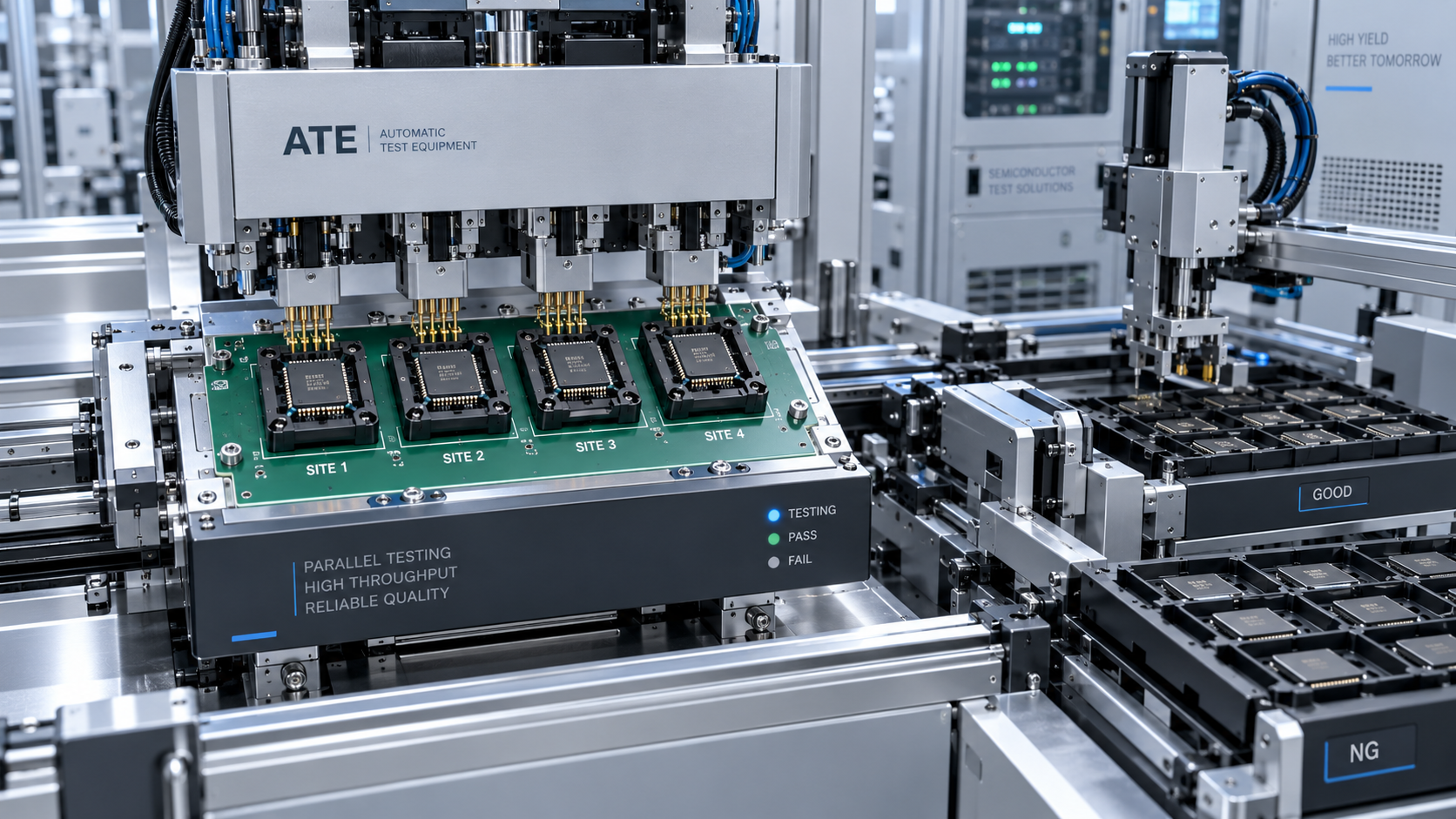
 Oct 13, 2026When does parallel testing cut high-volume semiconductor testing costs?When does parallel testing cut high-volume semiconductor testing costs?
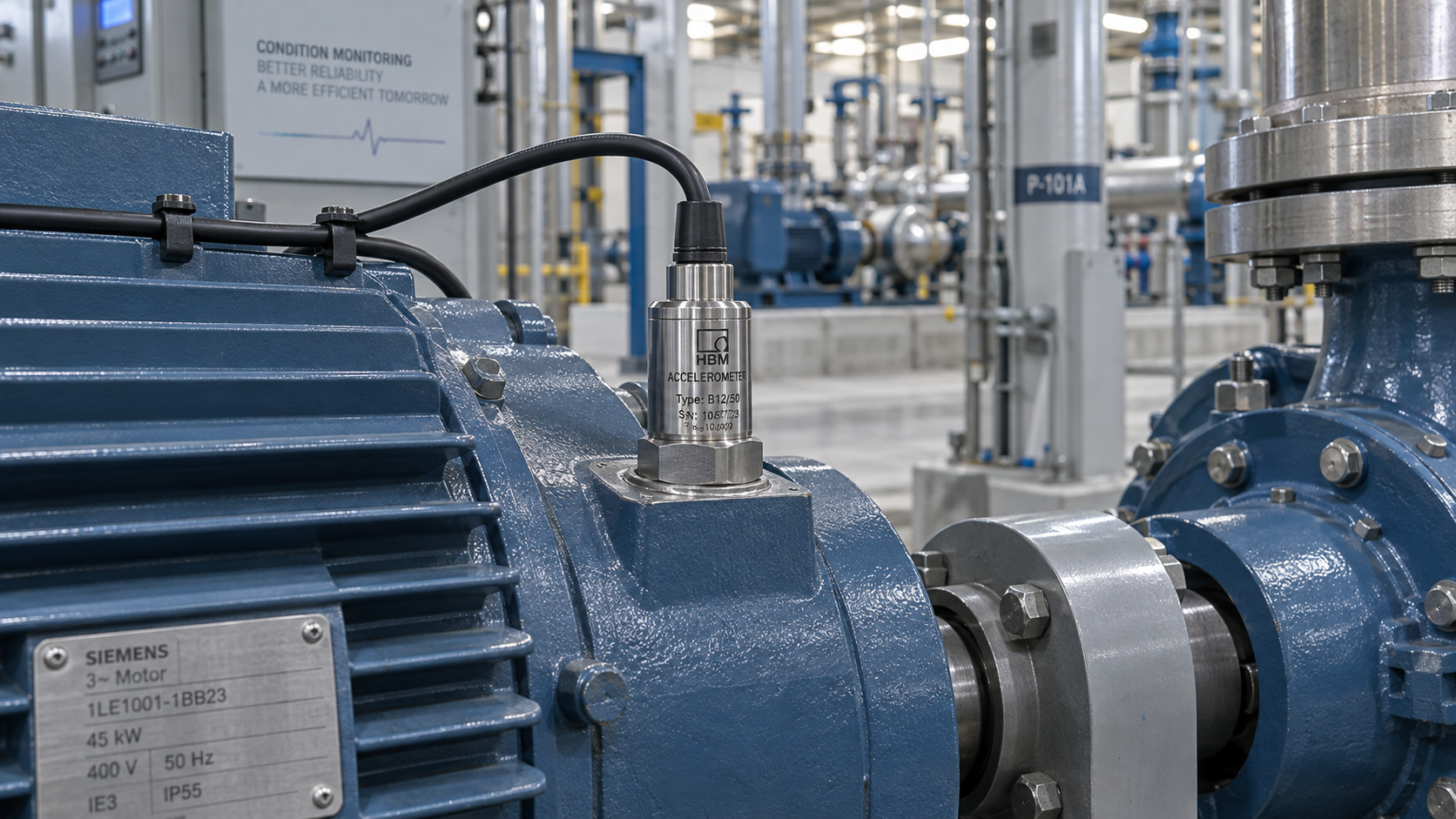
 Oct 12, 2026Industrial Accelerometer Specifications for Machine Vibration MonitoringIndustrial Accelerometer Specifications for Machine Vibration Monitoring
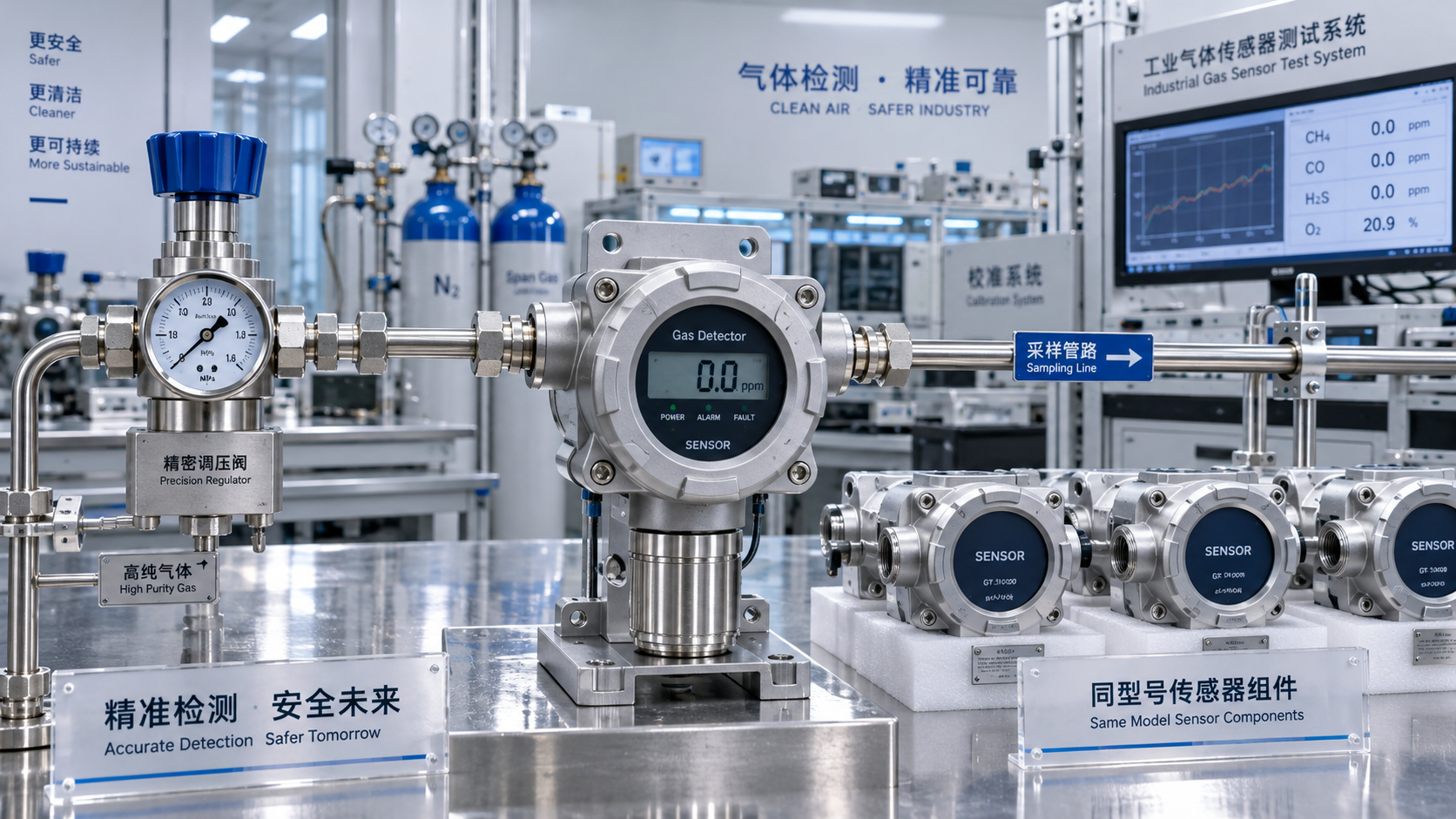
 Oct 12, 2026What Makes an Industrial Gas Sensor Supplier Reliable for Long-Term Supply?What Makes an Industrial Gas Sensor Supplier Reliable for Long-Term Supply?