Wolfspeed Starts Gen5 SiC MOSFET Shipments
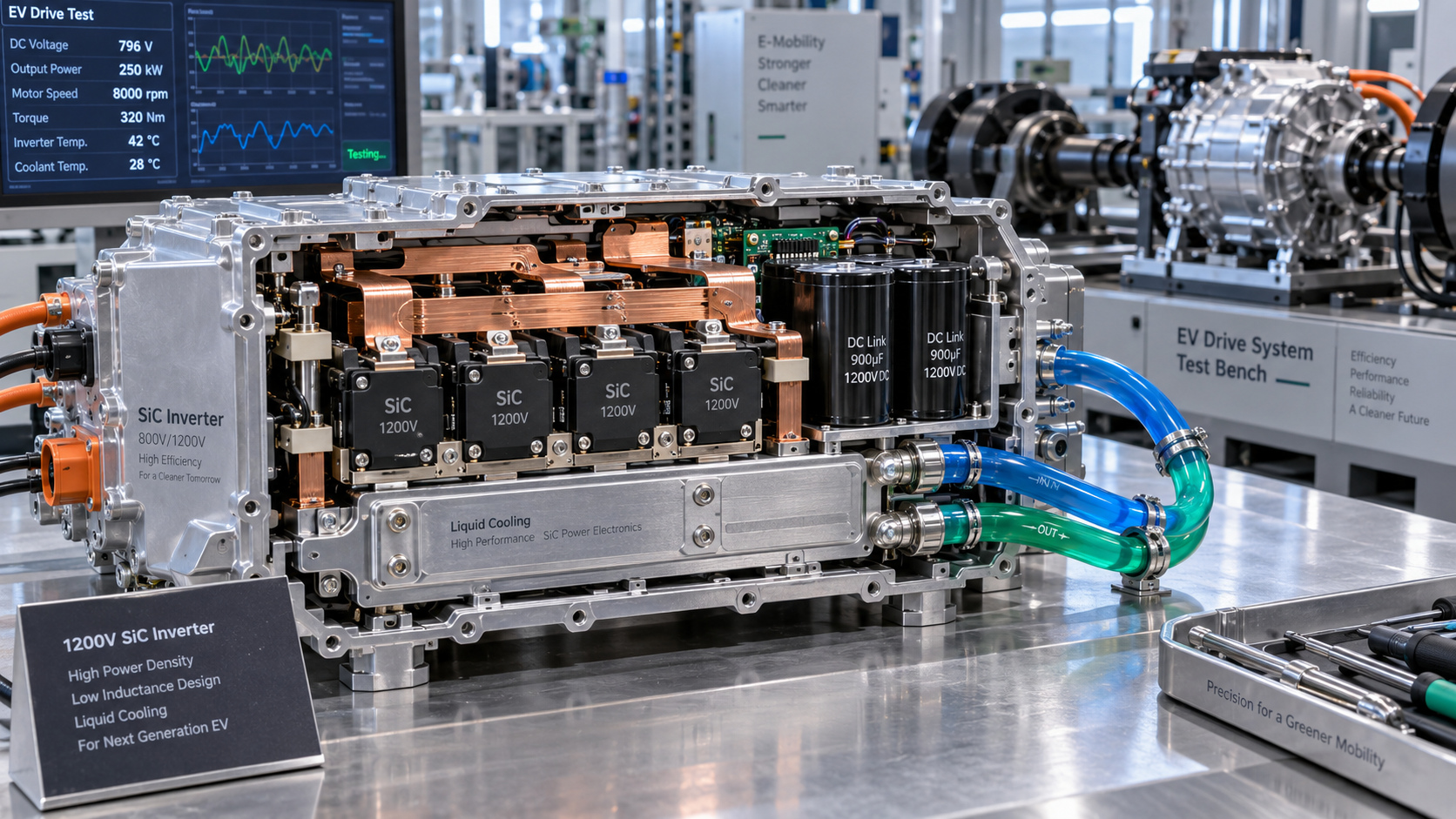
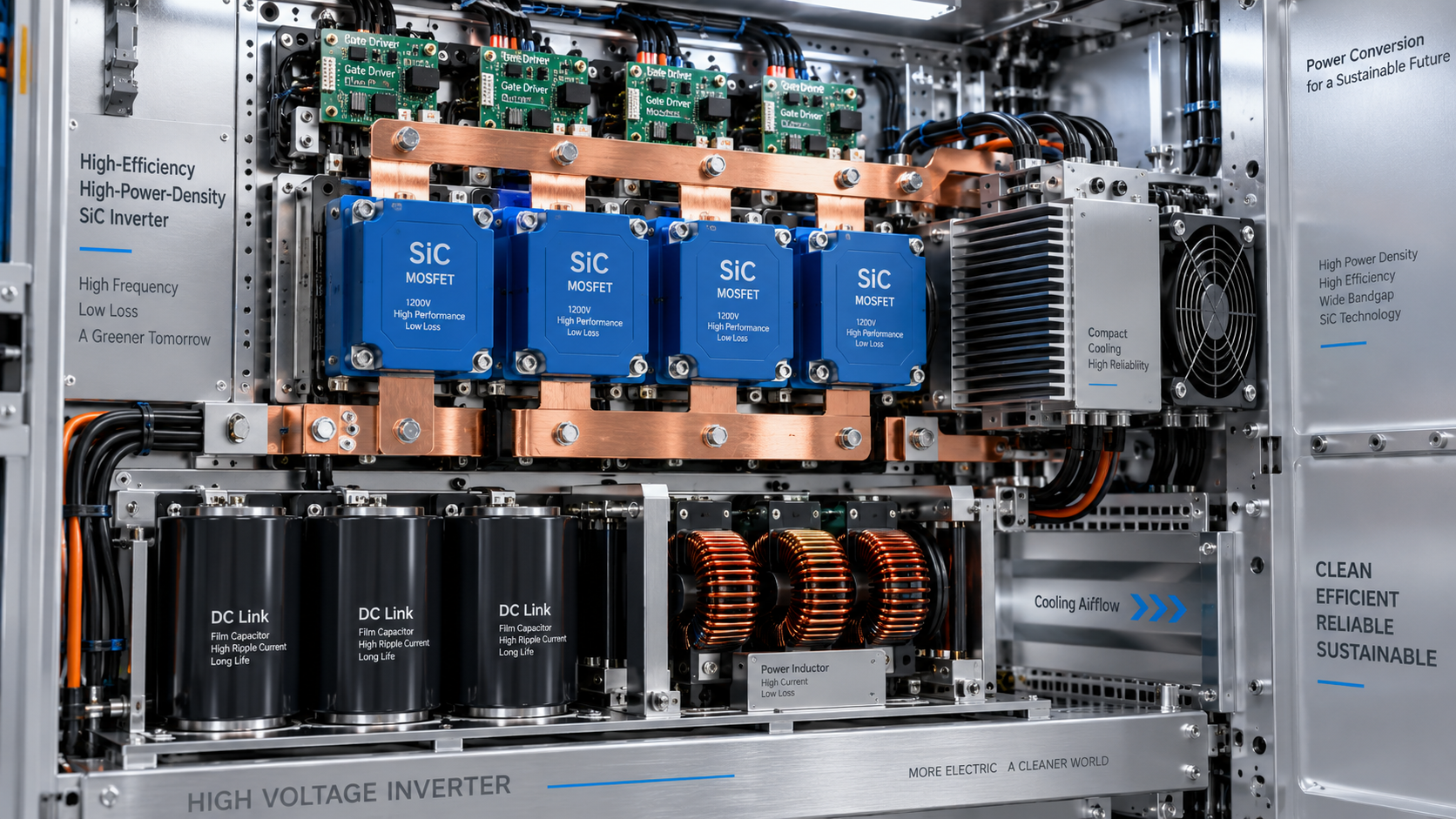
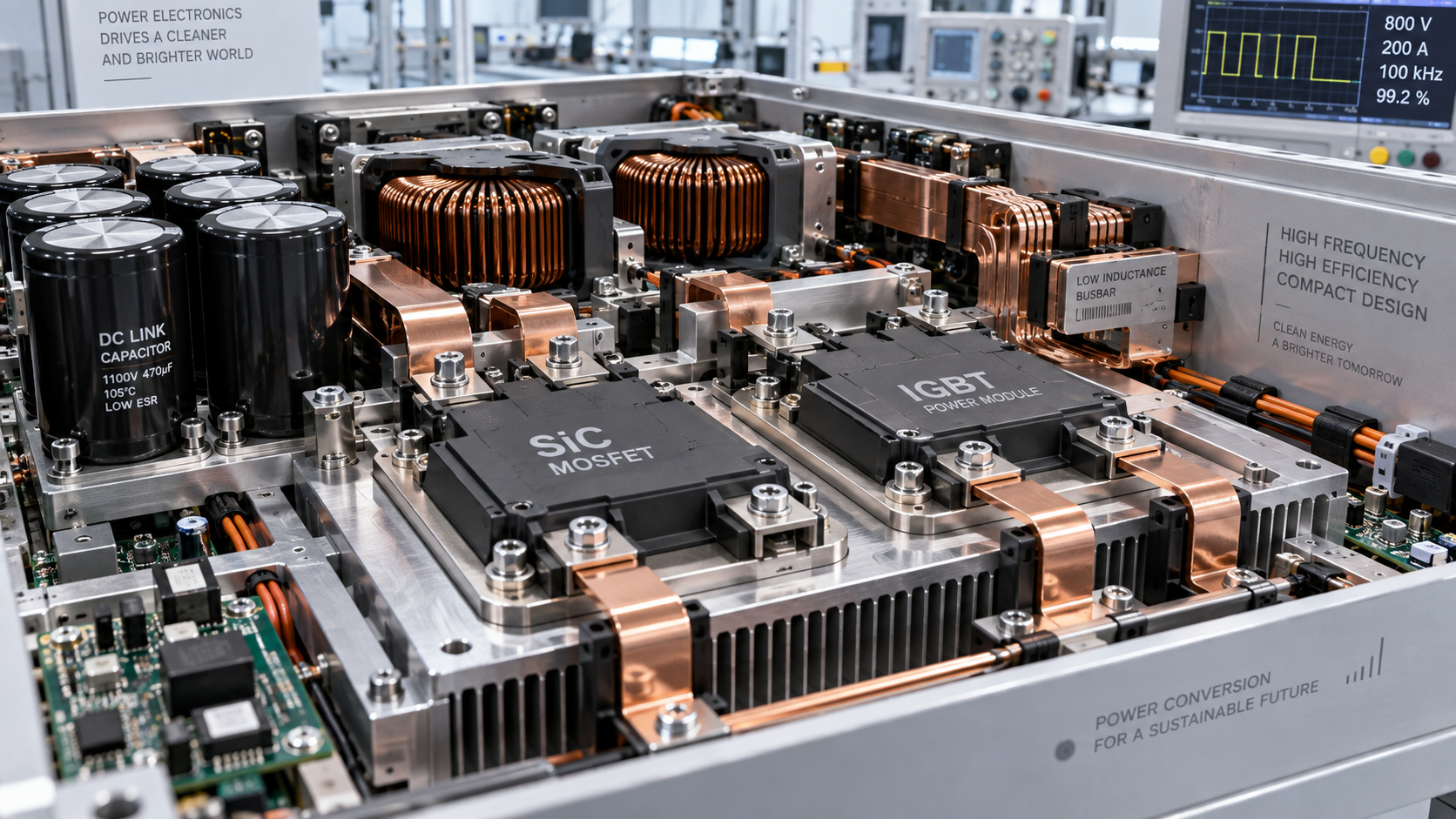
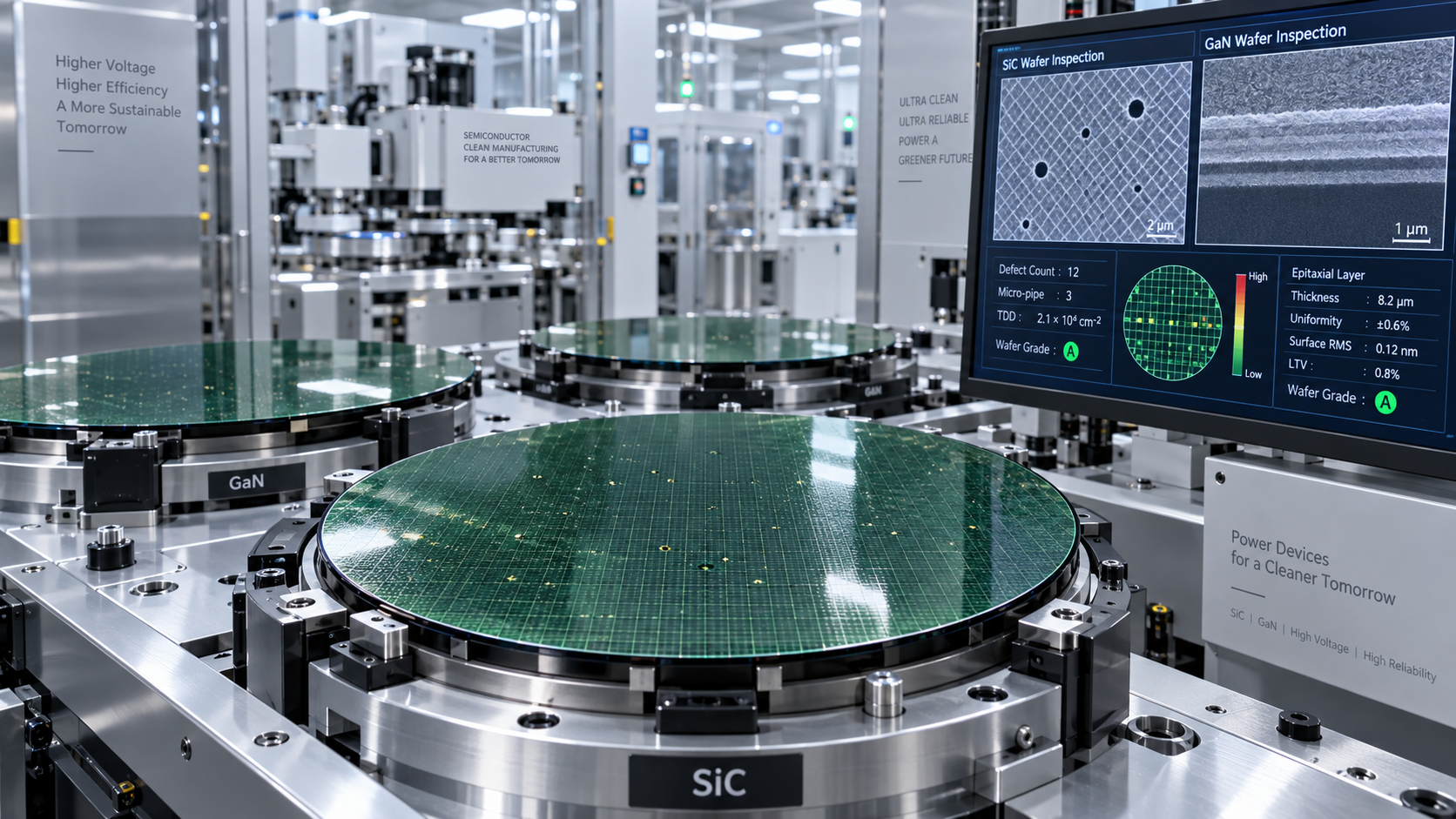
On June 22, 2026, Wolfspeed announced that its fifth-generation SiC MOSFET platform has moved into volume delivery, with the first 1200V device, QEM50120-25D10, completing full AEC-Q101 Rev E qualification and opening for volume orders from global Tier-1 automotive electronics suppliers and industrial inverter manufacturers. For companies tied to 800V EV platforms, energy storage systems, power electronics design, sourcing, and delivery planning, the development is worth watching because it combines automotive-grade qualification with production availability and device characteristics aimed at higher efficiency and power density.
What Wolfspeed Confirmed on June 22
According to the information provided, Wolfspeed formally stated on June 22, 2026 that its Gen5 SiC MOSFET has entered the volume shipment stage. The first released 1200V model is the QEM50120-25D10, and this device has passed full AEC-Q101 Rev E qualification. Wolfspeed also stated that volume orders are now open to global Tier-1 automotive electronics suppliers and industrial inverter manufacturers.
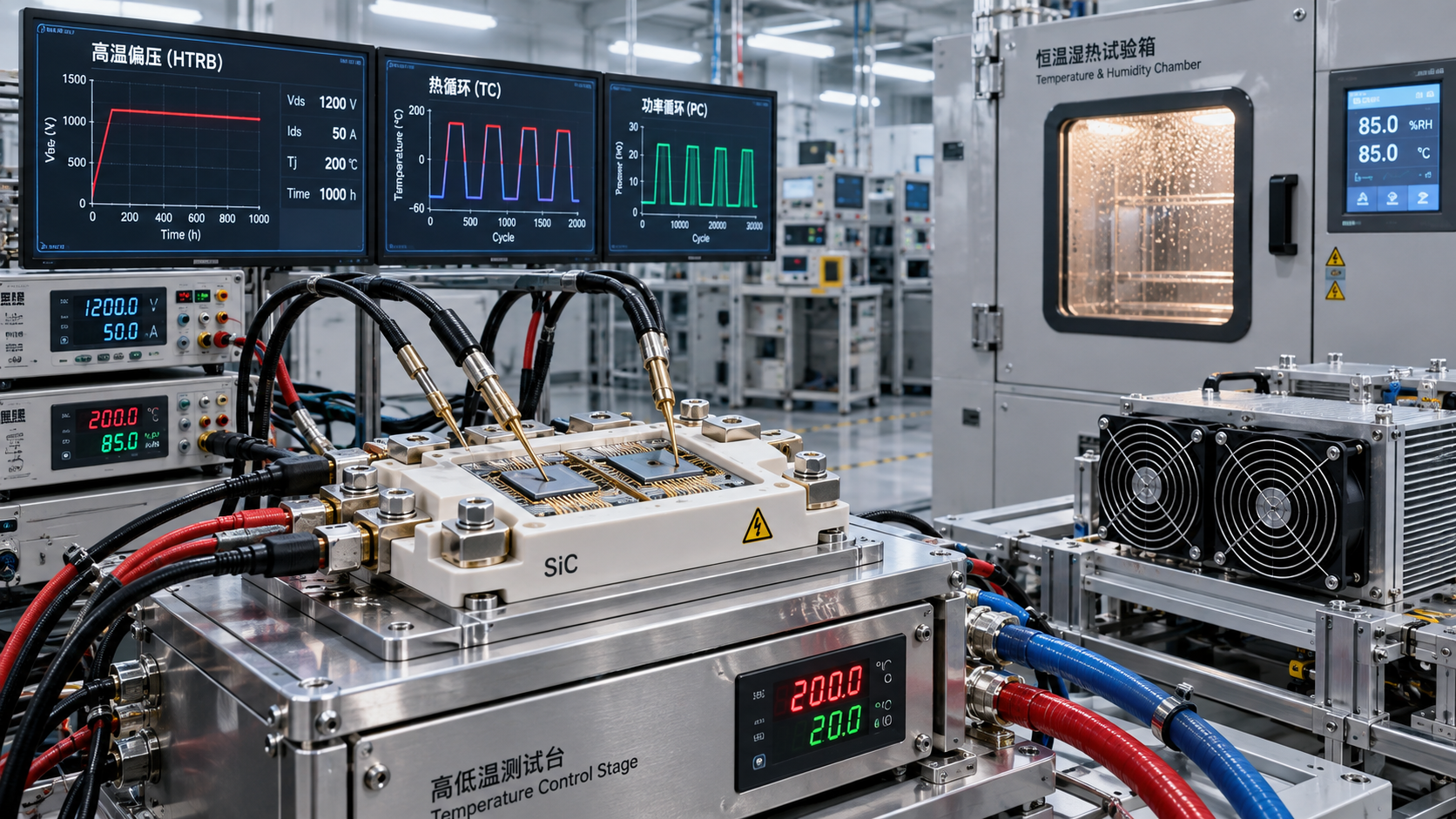
The confirmed technical points in the provided information are limited to the stated specific on-resistance figure of as low as 3.4 mΩ·cm² and support for continuous junction temperature operation at 200°C. The provided summary further states that these characteristics improve efficiency and power density for 800V electric vehicle platforms and energy storage systems.
Why the Signal Matters Across the Value Chain
For automotive electronics sourcing and program teams
From an industry perspective, the immediate relevance is that a 1200V SiC MOSFET has moved beyond product positioning into qualified volume delivery. That matters for teams managing component selection, supplier discussions, and launch schedules for 800V vehicle-related systems, because qualification status and order availability affect whether a device can be considered in practical sourcing and validation workflows.
For industrial inverter manufacturers
Industrial inverter suppliers may be affected because the announcement is not limited to automotive customers. The opening of volume orders to industrial inverter manufacturers suggests that procurement, design, and thermal management teams in this segment may need to assess whether the stated low on-resistance and 200°C continuous junction temperature support change their device evaluation priorities in systems where efficiency and power density are central design targets.
For manufacturing and supply chain coordination roles
Observably, the shift from announcement to volume delivery matters operationally as much as technically. Contracting, delivery planning, and customer communication teams may need to track how production availability, qualification documentation, and customer approval cycles align, especially where end customers require clear evidence of automotive-grade compliance or stable supply for industrial power electronics programs.
What Companies Should Watch Next
Qualification language versus actual program adoption
What deserves closer attention is the difference between a device being qualified and a device being fully incorporated into customer programs. AEC-Q101 Rev E qualification is a concrete milestone in the provided information, but companies should separately verify how that qualification maps to their own customer approval process, reliability documentation needs, and internal component release requirements.
Application fit in 800V and energy storage designs
For engineering and product teams, the practical issue is not only that the part is available, but how the stated characteristics fit specific platform goals. The provided information links the device to higher efficiency and power density in 800V EV platforms and energy storage systems, so design teams should focus on where those attributes matter most in system architecture, thermal constraints, and packaging trade-offs.
Order planning and supplier communication
For procurement and supply chain managers, the start of volume ordering is a signal to tighten communication with suppliers and customers. The most relevant workstreams are likely to include checking order windows, confirming required technical and qualification documents, aligning delivery expectations, and preparing contingency discussions if customer programs require extended validation before adoption.
Consistency of external messaging
Sales, field application, and account teams should also pay attention to how they communicate the announcement. The confirmed facts support discussion around Gen5 volume delivery, the 1200V QEM50120-25D10 model, AEC-Q101 Rev E qualification, and the stated efficiency and power density benefits. Claims beyond those points should be treated carefully until supported by additional verified disclosures.
How This Development Is Best Interpreted
Analysis shows this news is more than a routine product update because it combines three elements in one step: a new generation platform, automotive-grade qualification for the first 1200V model, and the start of volume delivery. That combination suggests movement from technical positioning toward commercial execution.
At the same time, it is more appropriate to understand this as a meaningful industry signal rather than a final market outcome. The provided information confirms shipment readiness and qualification status, but it does not by itself establish adoption scale, program wins, or long-term supply impact. Continued observation is still necessary.
A Practical Reading of the Announcement
In practical terms, this update indicates that Wolfspeed has reached a point where its Gen5 SiC MOSFET story is no longer only about device capability but also about delivery readiness for automotive and industrial customers. For the industry, the announcement is best read as a near-term operational development with longer-term strategic implications, especially in applications where 800V architectures, thermal tolerance, and power density remain central evaluation criteria.
A neutral conclusion is that the news deserves attention from design, sourcing, and program management teams, but the broader commercial impact still depends on follow-on customer adoption, qualification flow-through, and execution in real procurement cycles.
Basis of This Article and Ongoing Verification
This article is based on the user-provided news title, event date, and event summary. For developments of this kind, commonly relevant source categories may include official company announcements, corporate product statements, industry association materials, authoritative media coverage, and standard organization documents such as qualification references. A specific official source link was not provided in the input, so further verification remains necessary. The main areas to keep monitoring are subsequent official wording, additional product or qualification disclosures, and any clearer indication of how volume delivery progresses across automotive and industrial customer programs.
Get weekly intelligence in your inbox.
No noise. No sponsored content. Pure intelligence.
 Apr 28, 2026When do rapid prototyping 3D printing services save real costWhen do rapid prototyping 3D printing services save real cost
 Apr 28, 2026What Can Go Wrong in Fan-out Wafer Level Pkg?What Can Go Wrong in Fan-out Wafer Level Pkg?
 Apr 28, 2026What Makes Optical LiDAR Modules Better for Autonomy?What Makes Optical LiDAR Modules Better for Autonomy?
 Apr 28, 20262026 Market Trends in Supply Chain Resilience for Fabs2026 Market Trends in Supply Chain Resilience for Fabs
 Oct 10, 2026When do integrated sensor systems reduce commissioning risks?When do integrated sensor systems reduce commissioning risks?
 Oct 09, 2026How North American semiconductor fabs control airborne molecular contaminationHow North American semiconductor fabs control airborne molecular contamination
 Oct 08, 2026When do custom aluminum extrusions reduce fabrication costs?When do custom aluminum extrusions reduce fabrication costs?
 Oct 07, 2026How semiconductor packaging affects thermal reliability in EV power electronicsHow semiconductor packaging affects thermal reliability in EV power electronics
 Oct 06, 2026When do corrugated plastic boxes make sense for returnable shipping?When do corrugated plastic boxes make sense for returnable shipping?
 Oct 05, 2026What to verify before choosing semiconductor distributors in North AmericaWhat to verify before choosing semiconductor distributors in North America
 Oct 04, 2026How to assess a high purity materials manufacturer’s traceabilityHow to assess a high purity materials manufacturer’s traceability
 Oct 03, 2026How SiC power conversion solutions improve high-voltage invertersHow SiC power conversion solutions improve high-voltage inverters
 Oct 02, 2026When do SiC MOSFET benefits justify the higher device cost?When do SiC MOSFET benefits justify the higher device cost?
 Oct 01, 2026Which semiconductor reliability testing standards apply to power devices?Which semiconductor reliability testing standards apply to power devices?
 Sep 30, 2026How to qualify a semiconductor photoresist supplier for KrF/ArF productionHow to qualify a semiconductor photoresist supplier for KrF/ArF production
 Sep 29, 2026What image quality should portable ultrasound scanners deliver for triage?What image quality should portable ultrasound scanners deliver for triage?
 Sep 28, 2026How sub-ppb impurity control gases protect process consistencyHow sub-ppb impurity control gases protect process consistency
 Sep 27, 2026How chemical purity affects defect rates in semiconductor depositionHow chemical purity affects defect rates in semiconductor deposition
 Sep 26, 2026When do high voltage power semiconductor devices need SiC over IGBTs?When do high voltage power semiconductor devices need SiC over IGBTs?
 Sep 25, 2026How to verify quality controls at a die casting parts supplier in ChinaHow to verify quality controls at a die casting parts supplier in China
 Sep 24, 2026How to verify electronic gas purity for sub-ppb semiconductor processesHow to verify electronic gas purity for sub-ppb semiconductor processes
 Sep 23, 2026When sensory data integration improves industrial motion monitoringWhen sensory data integration improves industrial motion monitoring
 Sep 22, 2026How supply chain resilience reduces the cost of production disruptionsHow supply chain resilience reduces the cost of production disruptions
 Sep 21, 2026What autonomous systems OEMs should verify before sourcing LiDAR modulesWhat autonomous systems OEMs should verify before sourcing LiDAR modules
 Sep 20, 2026How gas purity affects defect density in epitaxial wafer growthHow gas purity affects defect density in epitaxial wafer growth
 Sep 19, 2026How substrate defects affect third-generation material device yieldHow substrate defects affect third-generation material device yield
 Sep 18, 2026How trace impurities in specialty process gases affect wafer yieldHow trace impurities in specialty process gases affect wafer yield