Industrial Thermal Management: Cut Downtime Risks
Industrial thermal management is no longer a background engineering issue. For quality control and safety teams, it is a direct lever for preventing defects, avoiding shutdowns, and reducing compliance exposure in heat-sensitive industrial environments.
In semiconductor, sensor, and industrial infrastructure settings, excessive heat rarely causes only one problem. It often creates a chain reaction: unstable output, accelerated material fatigue, process drift, alarm events, and eventually unplanned downtime.
This is why Industrial Thermal Management has become a practical risk-control discipline. When managed systematically, it helps plants protect critical assets, stabilize production windows, and support safer, more reliable operations under higher power density.
What are users really trying to solve when they search Industrial Thermal Management?
For this audience, the search intent is highly practical. They are not looking for a generic definition. They want to know how thermal risks affect uptime, product quality, worker safety, and operational continuity.
Quality personnel usually need to understand where heat causes measurable process variation, scrap, or hidden reliability failures. Safety managers want to identify overheating scenarios that can trigger equipment damage, fire hazards, gas-system instability, or emergency stoppages.
They also need a way to judge whether current controls are sufficient. That means clear indicators, useful inspection points, and a framework for deciding where thermal improvements will reduce downtime risk fastest.
Why unmanaged heat becomes a downtime problem before it becomes an obvious failure
Many plants notice thermal issues only after a trip, alarm, or product rejection. In reality, most heat-related failures develop earlier as small deviations that escape routine checks but gradually weaken process stability.
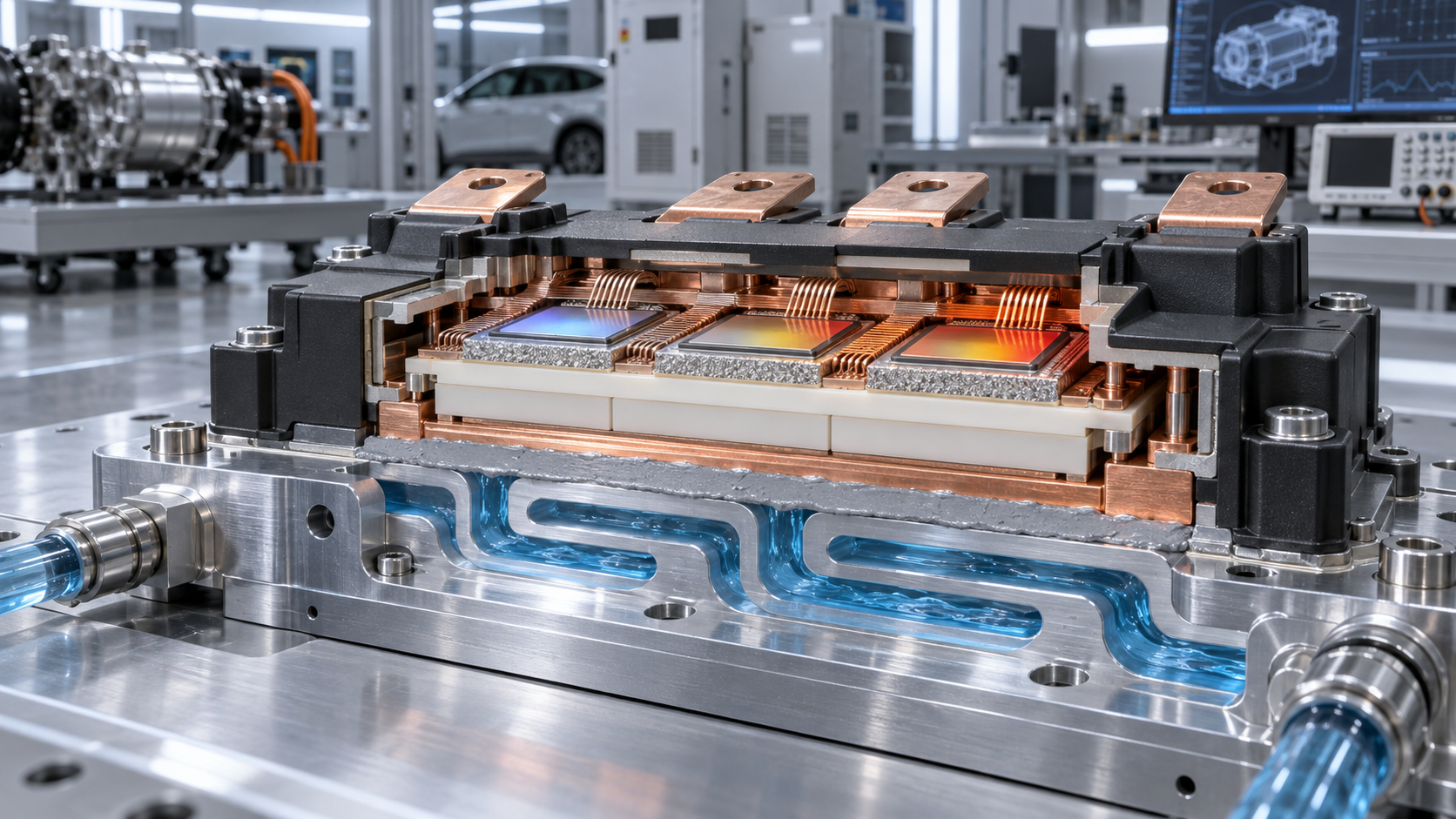
Cooling imbalance, blocked airflow, degraded thermal interface materials, sensor drift, hot spots inside enclosures, and poor heat dissipation from power modules can all raise risk long before a shutdown occurs.
In semiconductor-adjacent environments, the tolerance window is narrow. Small temperature fluctuations can affect electrical behavior, bonding consistency, packaging stress, gas purity control, calibration accuracy, and long-term component reliability.
For safety teams, the concern is broader than equipment life. Overheating can increase the likelihood of insulation breakdown, localized ignition sources, compressor stress, ventilation overload, or unsafe working conditions in enclosed production zones.
That is why Industrial Thermal Management should be treated as an early warning and prevention system, not simply a maintenance topic. By the time heat damage is visible, quality loss and downtime costs are often already accumulating.
What quality control teams should watch first
Quality personnel benefit most from linking thermal conditions to specific product and process outcomes. Instead of monitoring temperature in isolation, they should ask where heat changes process capability, repeatability, or release confidence.
Start with stations where thermal variation directly affects yield. This often includes power electronics assembly, advanced packaging, sensor calibration, burn-in, test environments, clean utility delivery, and temperature-sensitive inspection stages.
Look for recurring patterns such as higher defect rates during peak load periods, more rework after ambient shifts, inconsistent test values between shifts, or quality escapes associated with hotter equipment cabinets.
Thermal excursions also influence material behavior. Adhesives, encapsulants, substrates, solder joints, membranes, and connectors may all respond differently when exposed to repeated temperature cycling or localized hot spots.
For that reason, quality teams should include thermal trend review in root-cause analysis. If scrap or drift appears random, compare nonconformance records with load changes, cooling performance, enclosure temperatures, and environmental conditions.
Plants that make this connection early often discover that a portion of “mystery variation” is actually thermal instability. Once identified, these issues are usually more controllable than teams first assume.
What safety managers should assess beyond surface temperature
Safety managers should avoid reducing thermal risk to a simple temperature threshold. A system can remain below one nominal limit and still create unsafe conditions because of poor distribution, inadequate ventilation, or abnormal concentration of heat.
Critical checks include enclosure heat buildup, cooling redundancy failure, blocked exhaust paths, cable and busbar heating, transformer and drive cabinet loading, and thermal exposure near chemical or gas-handling systems.
It is equally important to assess what happens when cooling systems degrade. Fans fail, filters clog, pumps lose efficiency, and heat exchangers foul gradually. These are common pathways to overheating events that standard visual checks may miss.
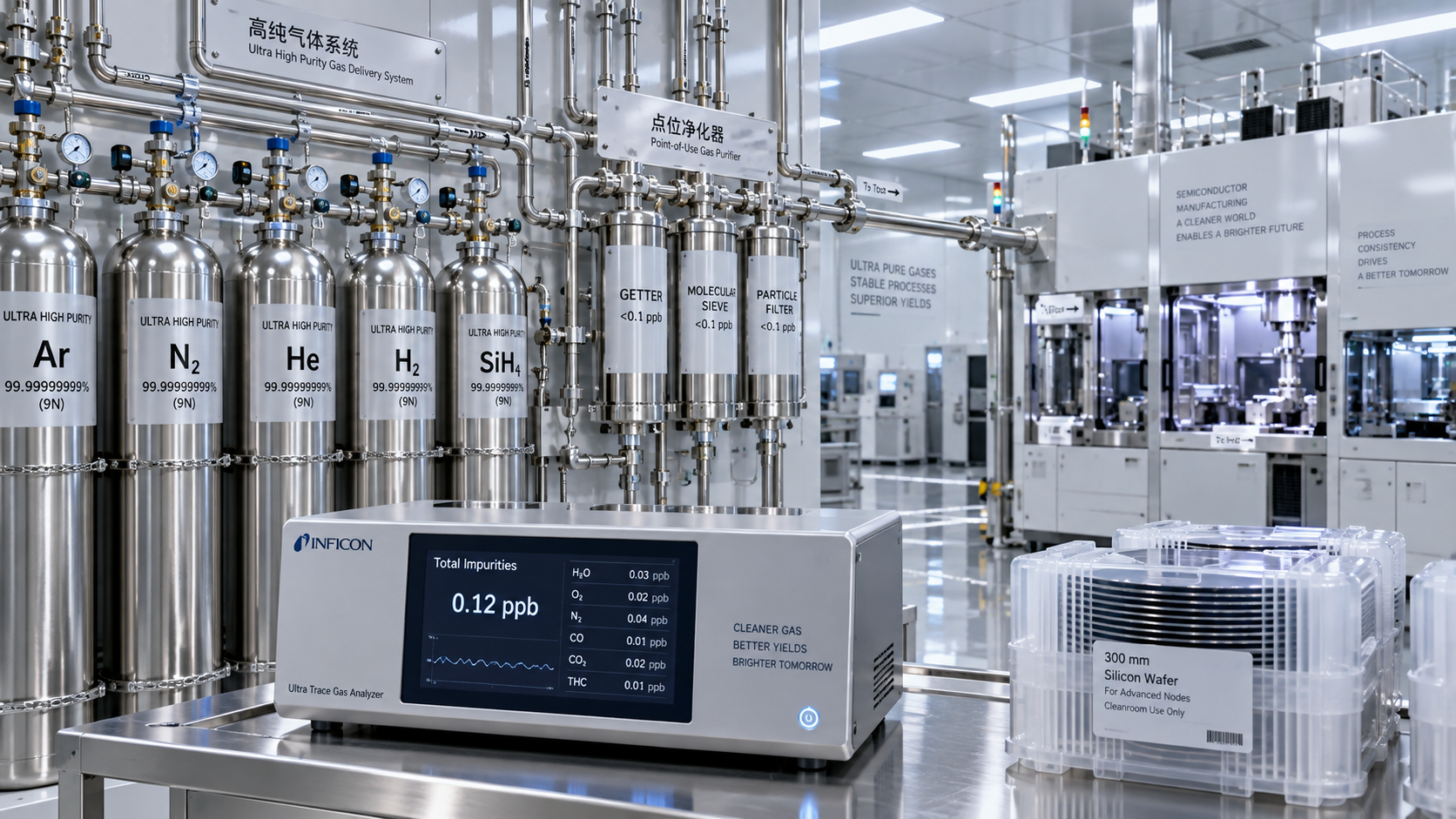
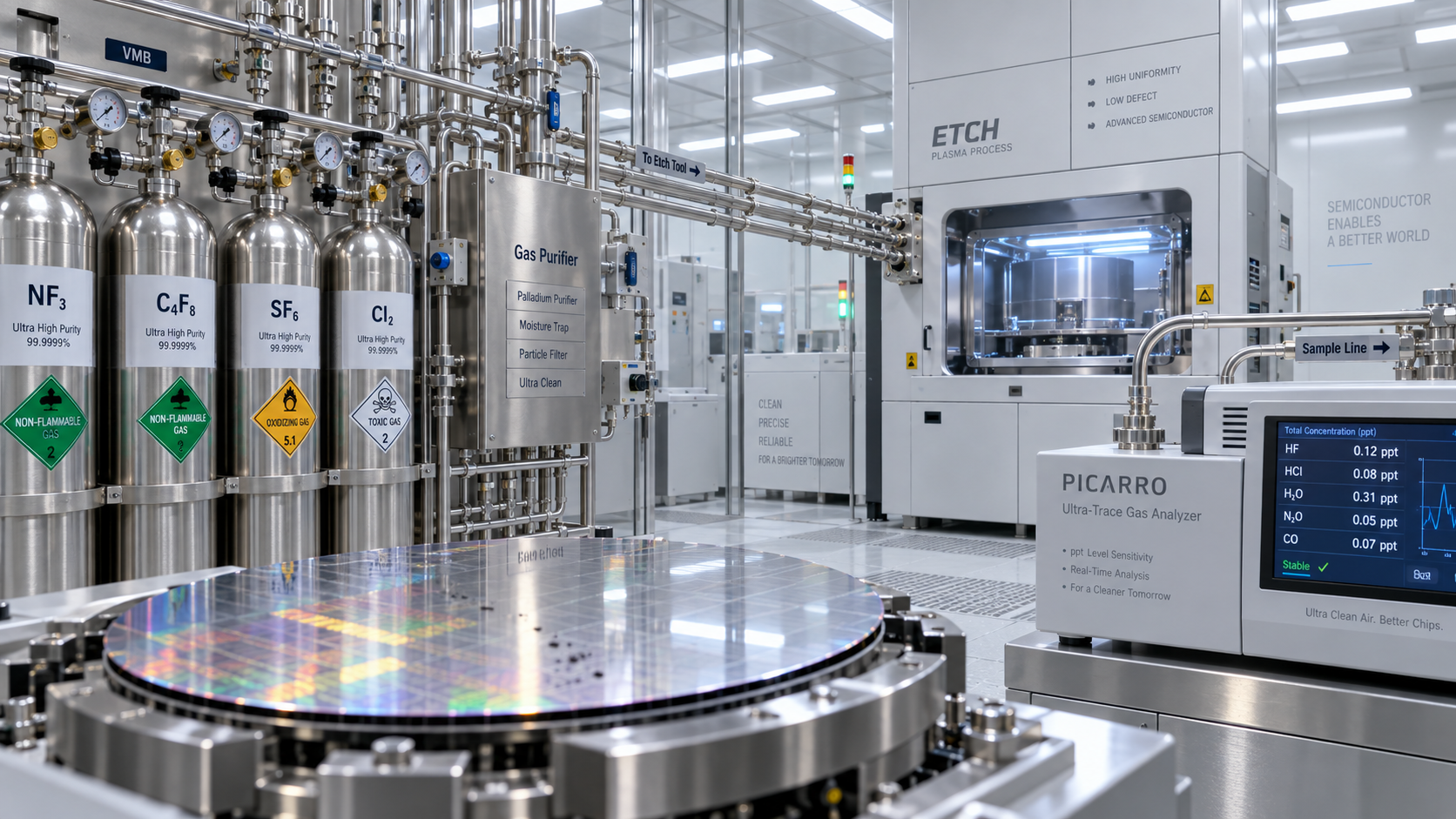
Where facilities handle specialty gases, power conversion equipment, or precision environmental controls, thermal management becomes intertwined with broader process safety. A localized heat event can destabilize surrounding systems and amplify operational risk.
Good safety practice therefore combines monitoring, preventive maintenance, escalation thresholds, and emergency response logic. The goal is not just to detect a hot asset, but to stop a developing thermal event from becoming a plant interruption.
Which areas create the highest thermal risk in semiconductor and sensory infrastructure operations?
Not all thermal risks have equal impact. In advanced industrial environments, the highest-priority areas are usually those with dense power loads, tight process windows, or strong dependence on stable environmental conditions.
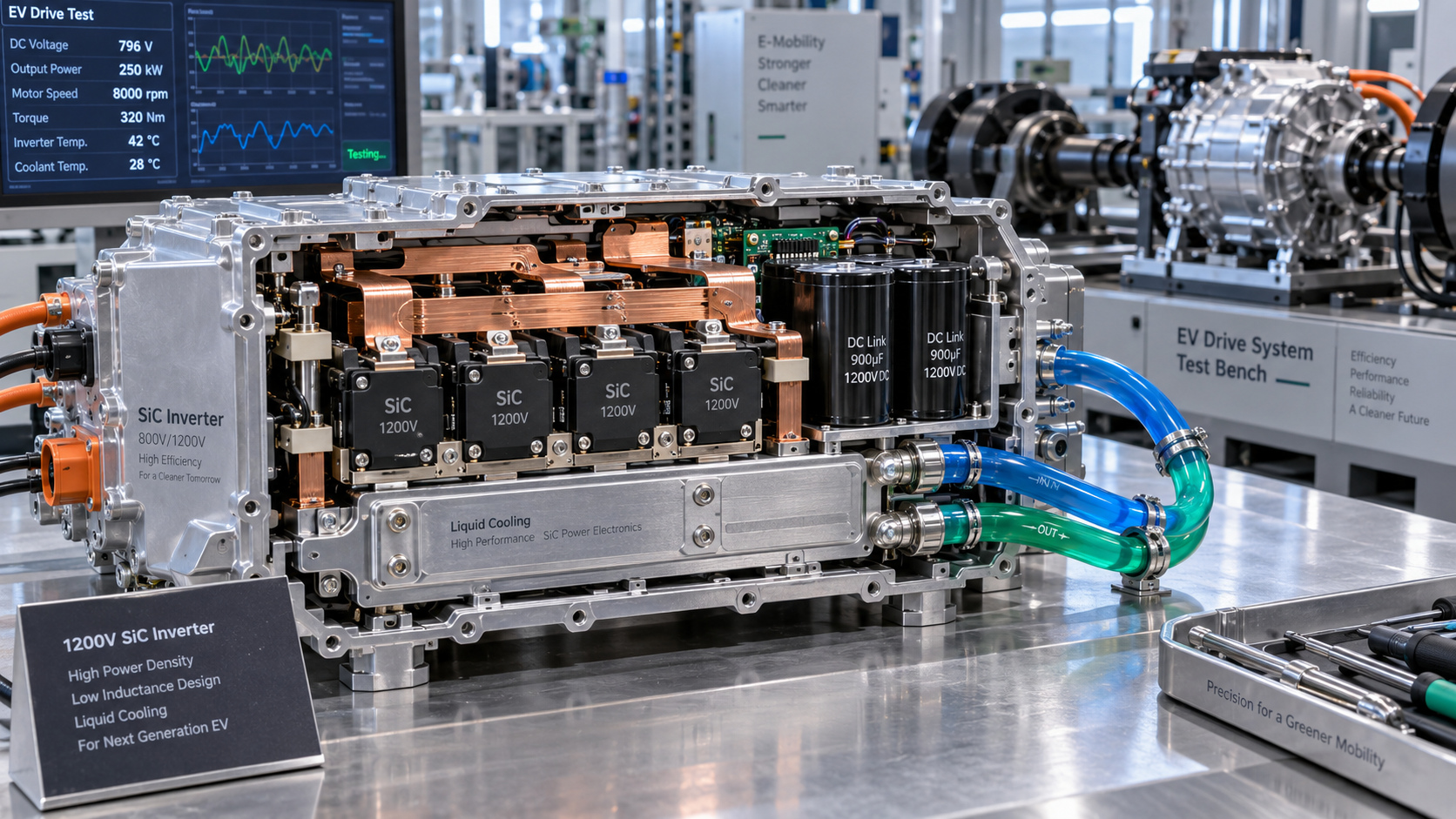
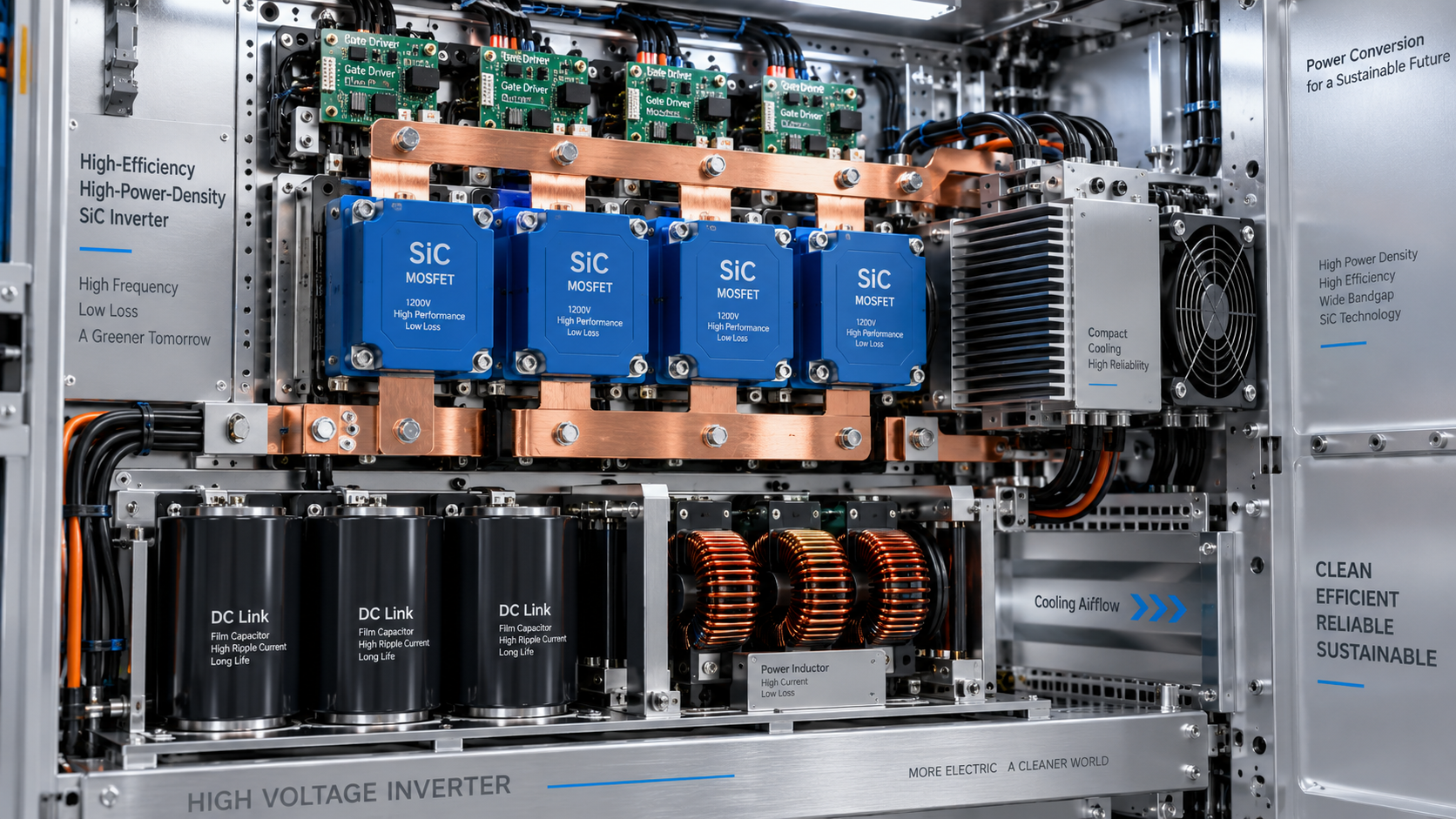
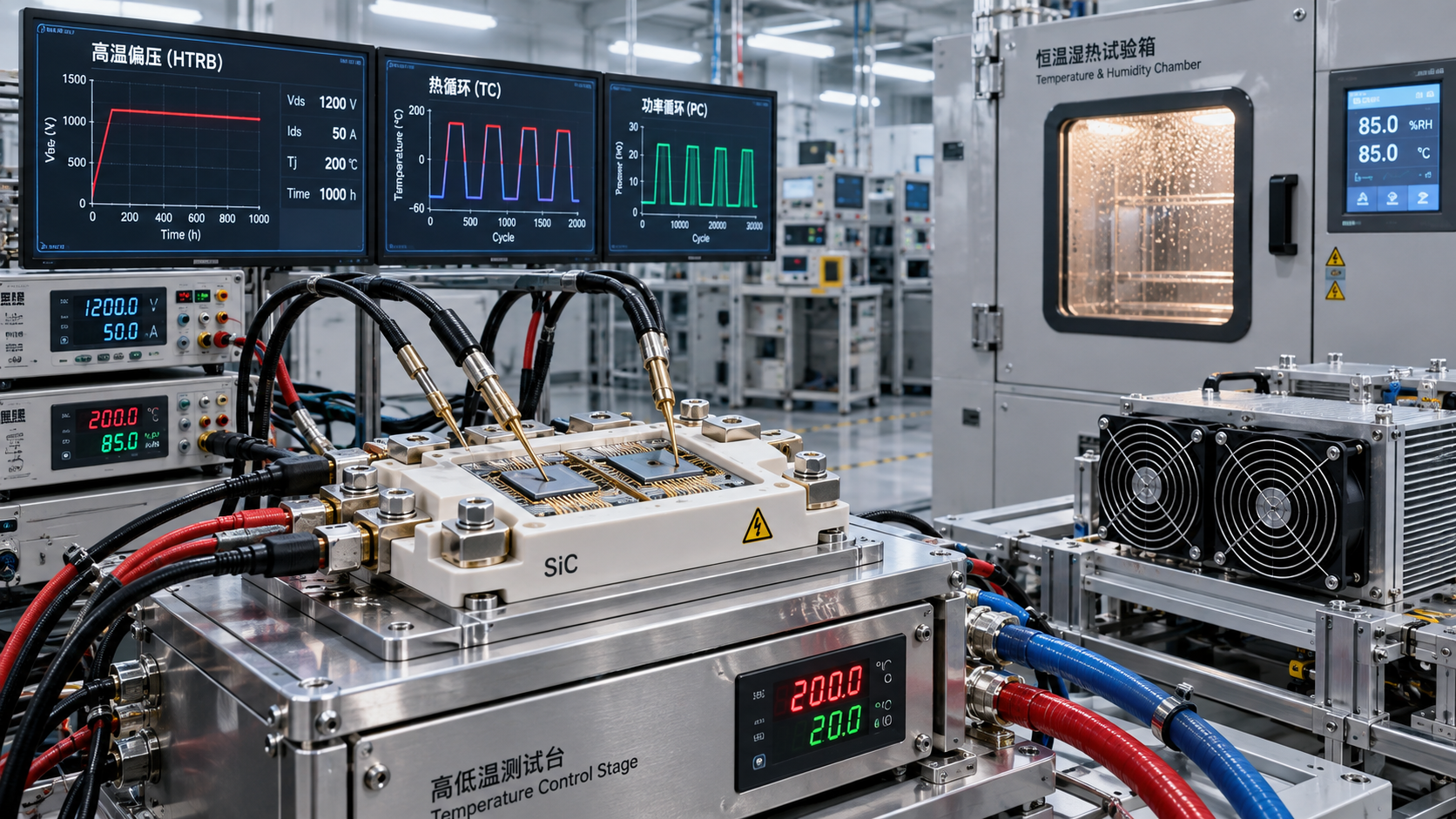
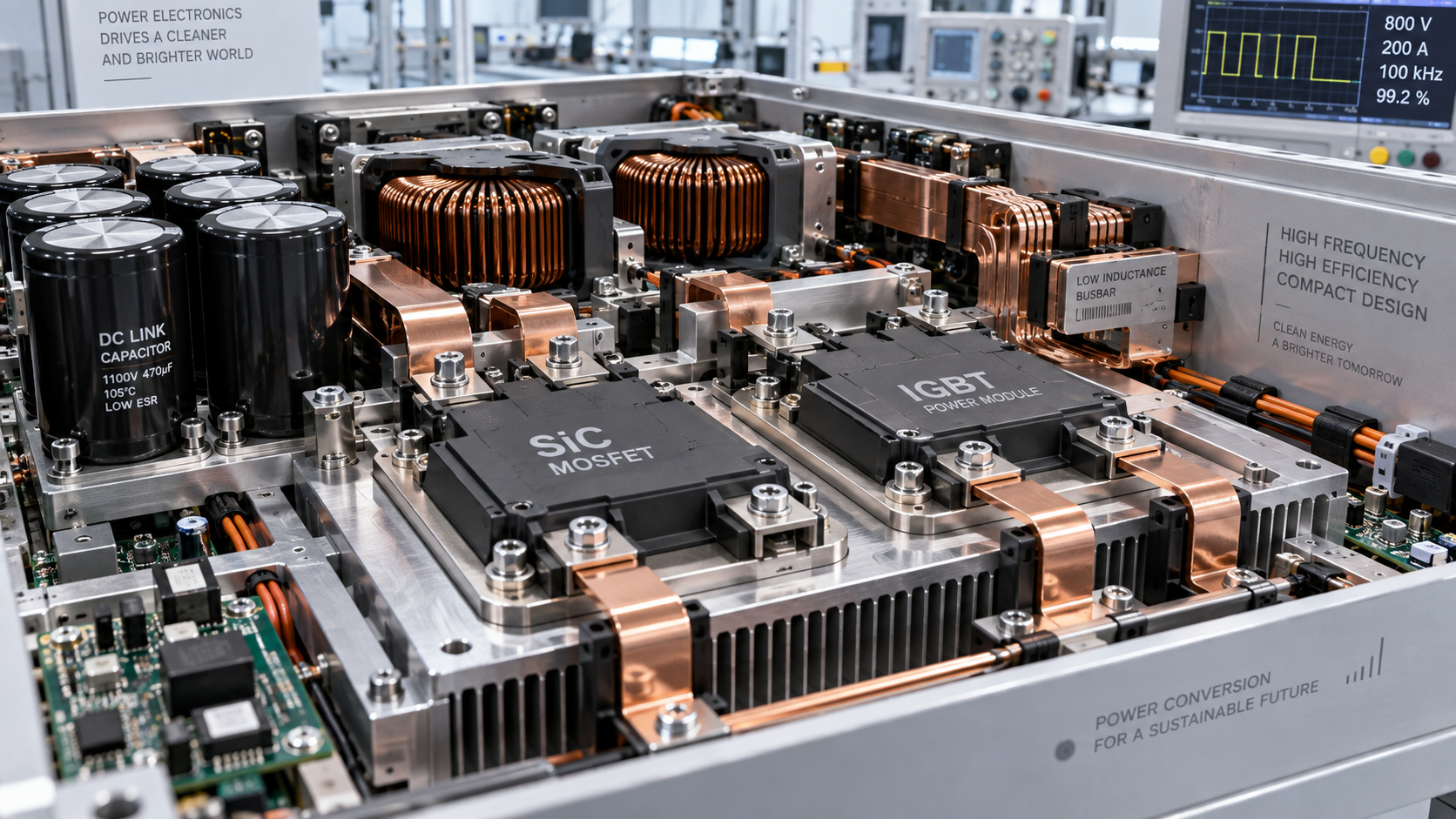
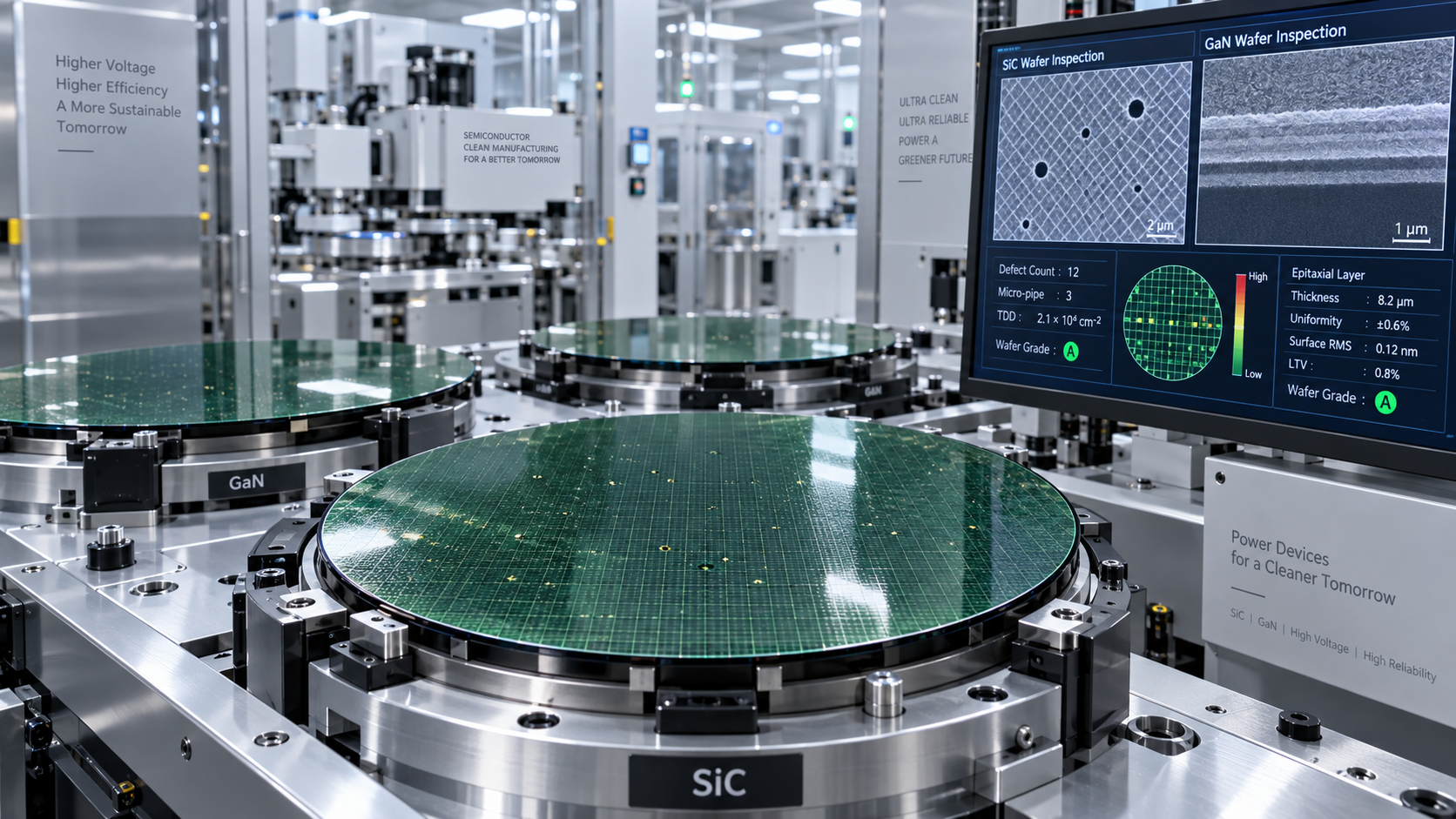
Power semiconductor systems are an obvious example. SiC and GaN devices deliver high efficiency, but their performance and lifetime still depend on controlled junction temperatures, effective heat spreading, and reliable packaging interfaces.
Advanced packaging and testing operations also deserve attention. Thermal cycling, warpage, interconnect stress, and uneven heating can affect package integrity, electrical test consistency, and long-term field reliability.
Industrial MEMS and smart sensors introduce another challenge. Their value depends on precision. Thermal drift can distort signal quality, calibration accuracy, and data fidelity, especially in harsh or rapidly changing operating environments.
Environmental control assets inside fabrication-related spaces are equally critical. Air handling, chilled water loops, exhaust treatment, and gas distribution support process stability. When these systems lose thermal balance, quality and safety impacts spread quickly.
For quality and safety leaders, the practical takeaway is simple: prioritize thermal management where heat can multiply consequences across yield, reliability, compliance, and continuity at the same time.
How to recognize weak thermal control before downtime happens
Most organizations already have data that can reveal thermal weakness. The problem is that temperature information often sits in separate maintenance, utility, production, and quality systems without a shared review method.
Useful warning signs include frequent fan replacement, recurring nuisance alarms, cabinet temperatures that rise seasonally, unexplained resets, shortened component life, cooling assets running continuously, and quality variation during high-throughput periods.
Another signal is dependence on operator intervention. If teams often open panels, add temporary cooling, reduce throughput manually, or adjust schedules to avoid overheating, thermal management is not robust enough.
Infrared inspections, trend logs, thermal mapping, and failure-history correlation can reveal hidden patterns. However, these tools create value only when findings are linked to action thresholds and ownership responsibilities.
Plants should define what counts as a thermal precursor event. Examples may include repeated local hot spots, abnormal temperature ramp rates, uneven cooling distribution, or temperature excursions that remain inside alarm limits but exceed process expectations.
By treating these as operational risk indicators, teams can intervene earlier. That is often the difference between a planned correction during maintenance and an unplanned production stop.
What an effective Industrial Thermal Management program should include
A strong program is structured, cross-functional, and measurable. It does not rely on a single device or occasional inspection. It combines design controls, operating discipline, maintenance routines, and escalation criteria.
First, define thermal-critical assets and process points. Rank them by consequence: effect on worker safety, effect on product quality, downtime impact, replacement cost, and recovery complexity after failure.
Second, establish normal operating ranges and warning bands. These should reflect real process needs, not just broad manufacturer limits. A component may survive at one temperature while still causing unacceptable drift or reliability loss.
Third, standardize inspection methods. Use repeatable thermal imaging routes, cabinet checks, airflow verification, coolant-condition checks, sensor validation, and enclosure cleanliness reviews at defined intervals.
Fourth, connect thermal findings to response actions. If a hot spot appears, teams should know whether to monitor, derate, clean, repair, replace, or stop operation. Ambiguity is a major source of delayed intervention.
Fifth, integrate quality, maintenance, EHS, and engineering data. When thermal events are reviewed in isolation, plants miss the business impact. Shared review reveals whether temperature issues are affecting scrap, incidents, or uptime simultaneously.
How to justify investment in thermal improvements
Many organizations hesitate because thermal controls are seen as indirect infrastructure spending. For quality and safety leaders, the stronger argument is risk concentration: small thermal failures can trigger disproportionate operational loss.
The business case should include avoided downtime, reduced scrap, lower rework, longer asset life, and fewer emergency interventions. In regulated or customer-audited sectors, it should also include compliance confidence and traceability benefits.
Investment decisions are easier when thermal issues are translated into plant language. Instead of saying “cabinet temperatures are high,” say “this condition raises reset frequency, threatens test stability, and increases shutdown probability during peak load.”
Short-payback actions often include airflow correction, filter management, enclosure redesign, improved heat-sink maintenance, cooling redundancy upgrades, better sensor placement, and more precise thermal monitoring at critical points.
Higher-value projects may involve redesigning heat paths in power systems, improving thermal interfaces in packaging lines, stabilizing utility temperatures, or linking predictive analytics to thermal trend data.
For decision-makers, the key message is that Industrial Thermal Management is not only about efficiency. It is about protecting throughput, safety margins, and the credibility of quality performance.
Practical questions to ask during audits and site reviews
Quality and safety professionals can improve oversight by using sharper audit questions. These questions help reveal whether thermal risk is truly controlled or merely assumed to be under control.
Ask which assets are considered thermal-critical and why. If no clear list exists, the site may lack prioritization. Ask what warning thresholds are based on and whether they reflect process sensitivity or only equipment survival.
Ask how thermal inspections are documented, trended, and escalated. If records exist but no action logic is defined, monitoring may not be preventing failures. Also ask whether recent downtime events were screened for thermal contribution.
Review whether cooling components are maintained as reliability assets rather than consumables. Fans, pumps, filters, exchangers, and sensors should be part of risk-based maintenance, not replaced only after obvious deterioration.
Finally, ask whether thermal performance is reviewed across seasons, product mixes, and load changes. A system that appears stable in one operating state may become vulnerable under different demand conditions.
Conclusion: thermal discipline is a downtime prevention strategy
For quality control and safety teams, the value of Industrial Thermal Management is clear. It reduces hidden process variation, lowers failure probability, and improves the resilience of critical industrial systems.
In semiconductor and sensory-infrastructure environments, heat must be managed with the same seriousness as contamination, calibration, and electrical integrity. The cost of waiting is usually higher than the cost of early control.
The most effective plants do not treat overheating as an isolated maintenance issue. They treat thermal discipline as part of quality assurance, risk management, and business continuity.
If your operation is facing tighter tolerances, higher power density, or more uptime pressure, thermal management deserves immediate review. Done well, it can cut downtime risks before they become visible failures.
Get weekly intelligence in your inbox.
No noise. No sponsored content. Pure intelligence.
 Apr 28, 2026When do rapid prototyping 3D printing services save real costWhen do rapid prototyping 3D printing services save real cost
 Apr 28, 2026What Can Go Wrong in Fan-out Wafer Level Pkg?What Can Go Wrong in Fan-out Wafer Level Pkg?
 Apr 28, 2026What Makes Optical LiDAR Modules Better for Autonomy?What Makes Optical LiDAR Modules Better for Autonomy?
 Apr 28, 20262026 Market Trends in Supply Chain Resilience for Fabs2026 Market Trends in Supply Chain Resilience for Fabs
 Oct 10, 2026When do integrated sensor systems reduce commissioning risks?When do integrated sensor systems reduce commissioning risks?
 Oct 09, 2026How North American semiconductor fabs control airborne molecular contaminationHow North American semiconductor fabs control airborne molecular contamination
 Oct 08, 2026When do custom aluminum extrusions reduce fabrication costs?When do custom aluminum extrusions reduce fabrication costs?
 Oct 07, 2026How semiconductor packaging affects thermal reliability in EV power electronicsHow semiconductor packaging affects thermal reliability in EV power electronics
 Oct 06, 2026When do corrugated plastic boxes make sense for returnable shipping?When do corrugated plastic boxes make sense for returnable shipping?
 Oct 05, 2026What to verify before choosing semiconductor distributors in North AmericaWhat to verify before choosing semiconductor distributors in North America
 Oct 04, 2026How to assess a high purity materials manufacturer’s traceabilityHow to assess a high purity materials manufacturer’s traceability
 Oct 03, 2026How SiC power conversion solutions improve high-voltage invertersHow SiC power conversion solutions improve high-voltage inverters
 Oct 02, 2026When do SiC MOSFET benefits justify the higher device cost?When do SiC MOSFET benefits justify the higher device cost?
 Oct 01, 2026Which semiconductor reliability testing standards apply to power devices?Which semiconductor reliability testing standards apply to power devices?
 Sep 30, 2026How to qualify a semiconductor photoresist supplier for KrF/ArF productionHow to qualify a semiconductor photoresist supplier for KrF/ArF production
 Sep 29, 2026What image quality should portable ultrasound scanners deliver for triage?What image quality should portable ultrasound scanners deliver for triage?
 Sep 28, 2026How sub-ppb impurity control gases protect process consistencyHow sub-ppb impurity control gases protect process consistency
 Sep 27, 2026How chemical purity affects defect rates in semiconductor depositionHow chemical purity affects defect rates in semiconductor deposition
 Sep 26, 2026When do high voltage power semiconductor devices need SiC over IGBTs?When do high voltage power semiconductor devices need SiC over IGBTs?
 Sep 25, 2026How to verify quality controls at a die casting parts supplier in ChinaHow to verify quality controls at a die casting parts supplier in China
 Sep 24, 2026How to verify electronic gas purity for sub-ppb semiconductor processesHow to verify electronic gas purity for sub-ppb semiconductor processes
 Sep 23, 2026When sensory data integration improves industrial motion monitoringWhen sensory data integration improves industrial motion monitoring
 Sep 22, 2026How supply chain resilience reduces the cost of production disruptionsHow supply chain resilience reduces the cost of production disruptions
 Sep 21, 2026What autonomous systems OEMs should verify before sourcing LiDAR modulesWhat autonomous systems OEMs should verify before sourcing LiDAR modules
 Sep 20, 2026How gas purity affects defect density in epitaxial wafer growthHow gas purity affects defect density in epitaxial wafer growth
 Sep 19, 2026How substrate defects affect third-generation material device yieldHow substrate defects affect third-generation material device yield
 Sep 18, 2026How trace impurities in specialty process gases affect wafer yieldHow trace impurities in specialty process gases affect wafer yield