What to Check in a High-Purity Chemicals Supplier for IC Cleaning Solvents
Choosing a reliable High-Purity Chemicals supplier is critical for IC cleaning solvents, where trace contamination can directly affect yield, reliability, and compliance. For procurement teams, the right partner must offer more than product availability—it should demonstrate consistent purity control, traceable quality systems, stable supply capability, and technical support aligned with semiconductor-grade standards.
Why does the choice of a High-Purity Chemicals supplier matter so much for IC cleaning solvents?
In semiconductor manufacturing, IC cleaning solvents are not simple commodity chemicals. They are process-critical materials used to remove particles, organic residues, photoresist traces, metal ions, and moisture-sensitive contaminants from wafers, dies, packages, and precision components. A weak supplier can introduce hidden variables that only become visible later as yield loss, reliability drift, corrosion, ionic contamination, or failure during electrical testing.
For procurement professionals, this means supplier evaluation must go beyond price and lead time. A qualified High-Purity Chemicals supplier should support process stability across incoming inspection, storage, dispensing, and application stages. In advanced fabs, OSAT lines, sensor packaging, and industrial electronics production, even small deviations in impurity profile can disrupt cleaning efficiency or leave residues that compromise downstream adhesion, wire bonding, encapsulation, or lithography performance.
This is especially relevant for organizations operating under strict reliability frameworks such as SEMI practices, ISO-based quality systems, or customer-specific audit requirements. In these environments, chemical sourcing directly affects not only process performance but also audit readiness, change control, and long-term supplier risk exposure.
What purity indicators should procurement teams verify first?
The first screening step is to confirm whether the supplier defines purity in a way that matches semiconductor use, not just general industrial use. Many chemical vendors advertise “high purity,” but procurement should ask how purity is measured, what impurities are controlled, and how lot-to-lot consistency is maintained. Semiconductor cleaning solvents require more than headline assay percentage.
Key indicators typically include trace metal content, non-volatile residue, particle count, moisture level, ionic contaminants, and organic impurity profile. Depending on the solvent type and application point, dissolved oxygen, chloride, sulfate, and specific metal ions such as sodium, potassium, calcium, iron, copper, and zinc may also be important. A credible High-Purity Chemicals supplier should provide a detailed certificate of analysis for each lot and explain the test methods behind each specification.
Procurement should also check whether the supplier’s analytical capabilities are strong enough for semiconductor-grade requirements. If impurity limits are claimed in ppb or sub-ppb ranges, the supplier should be able to show the instruments, calibration practices, detection limits, and lab competence supporting those values. A specification sheet without robust analytical infrastructure is not enough.
Quick evaluation table: what should be on your checklist?
How can you tell whether a High-Purity Chemicals supplier has a truly reliable quality system?
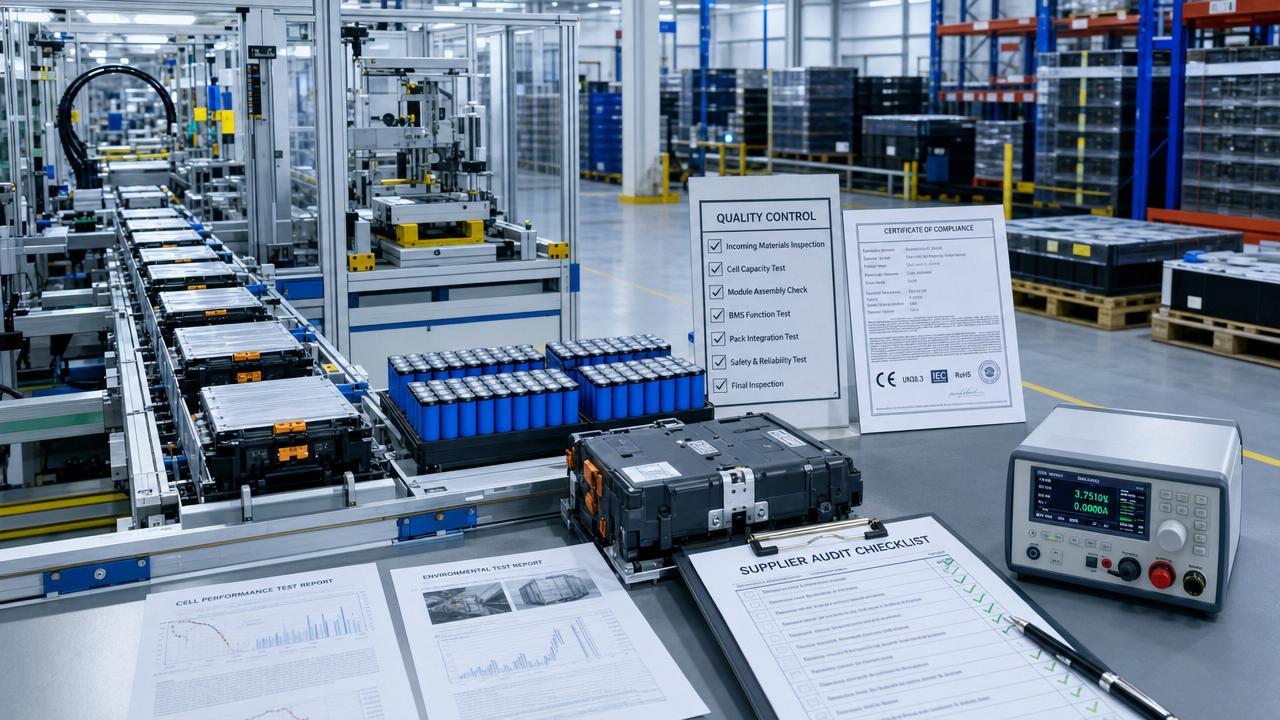
A strong quality system is visible in documentation, traceability, audit readiness, and problem-solving discipline. Procurement teams should ask whether the supplier operates under recognized management systems and whether those systems are meaningful for electronic chemicals rather than generic manufacturing only. ISO 9001 is a basic signal, but for semiconductor-facing business, deeper evidence matters: contamination control procedures, lot genealogy, retention samples, deviation management, CAPA workflows, and formal change notification processes.
Another important indicator is how the supplier handles out-of-specification risk. If a lot shows minor analytical drift, what happens next? Is there a quarantine protocol? Who approves release? How is root cause analysis conducted? A dependable High-Purity Chemicals supplier should answer these questions clearly and provide sample documents or audit records where appropriate.
Procurement should also review the supplier’s traceability from source materials to final packaging. In IC cleaning solvent supply, contamination can be introduced not only during synthesis or purification but also during transfer, filtration, filling, storage, and transport. Full traceability helps identify failure points quickly and minimizes production disruption if an investigation is required.
What manufacturing and packaging capabilities should be checked before approval?
Many purchasing teams focus on the chemical formula and overlook the production environment. That is a mistake. Even when the chemistry itself is correct, poor filtration, unsuitable wetted materials, unclean filling lines, or weak packaging control can compromise the final delivered solvent. For semiconductor applications, the supplier’s production setup is part of the product quality.
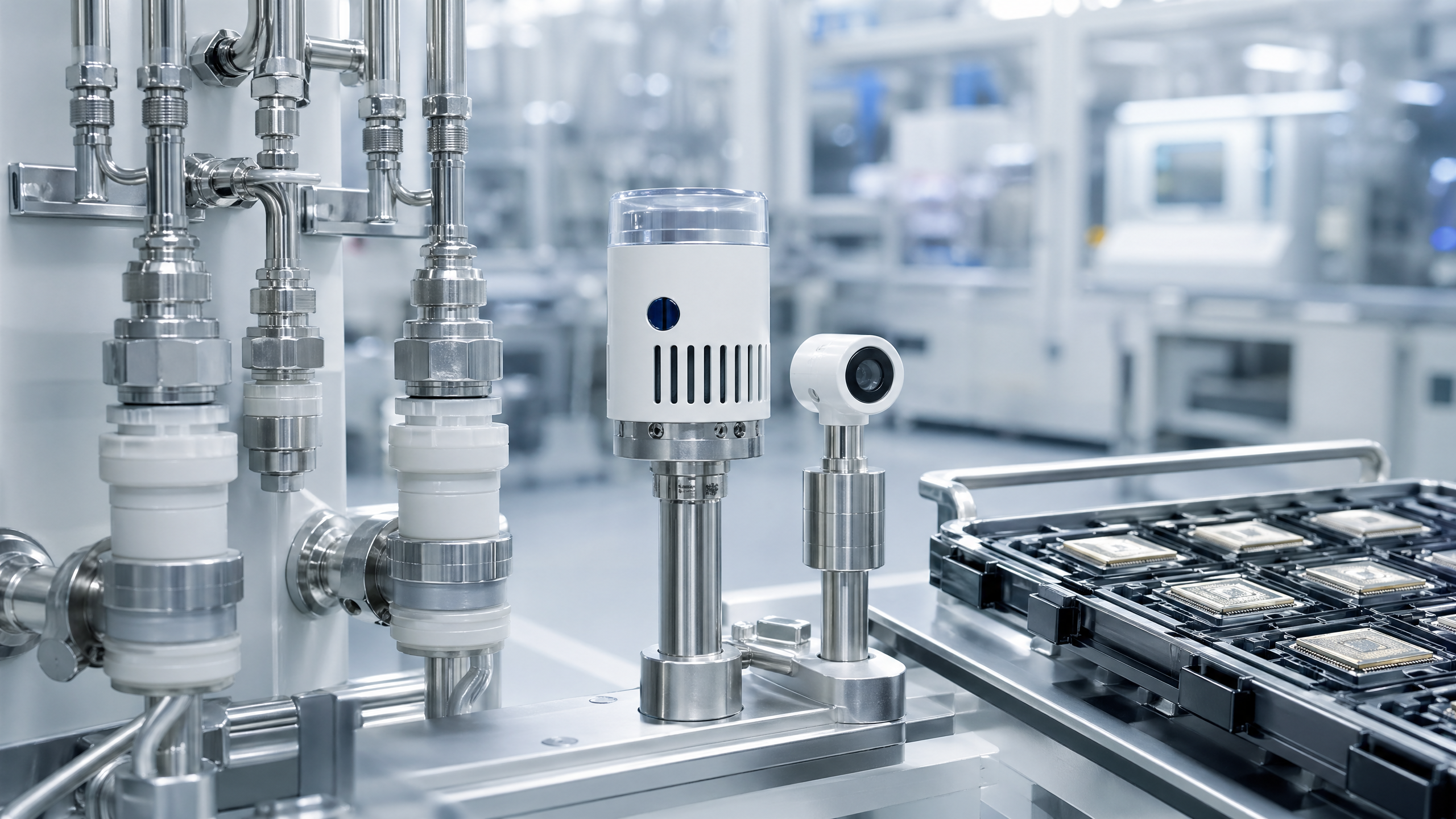
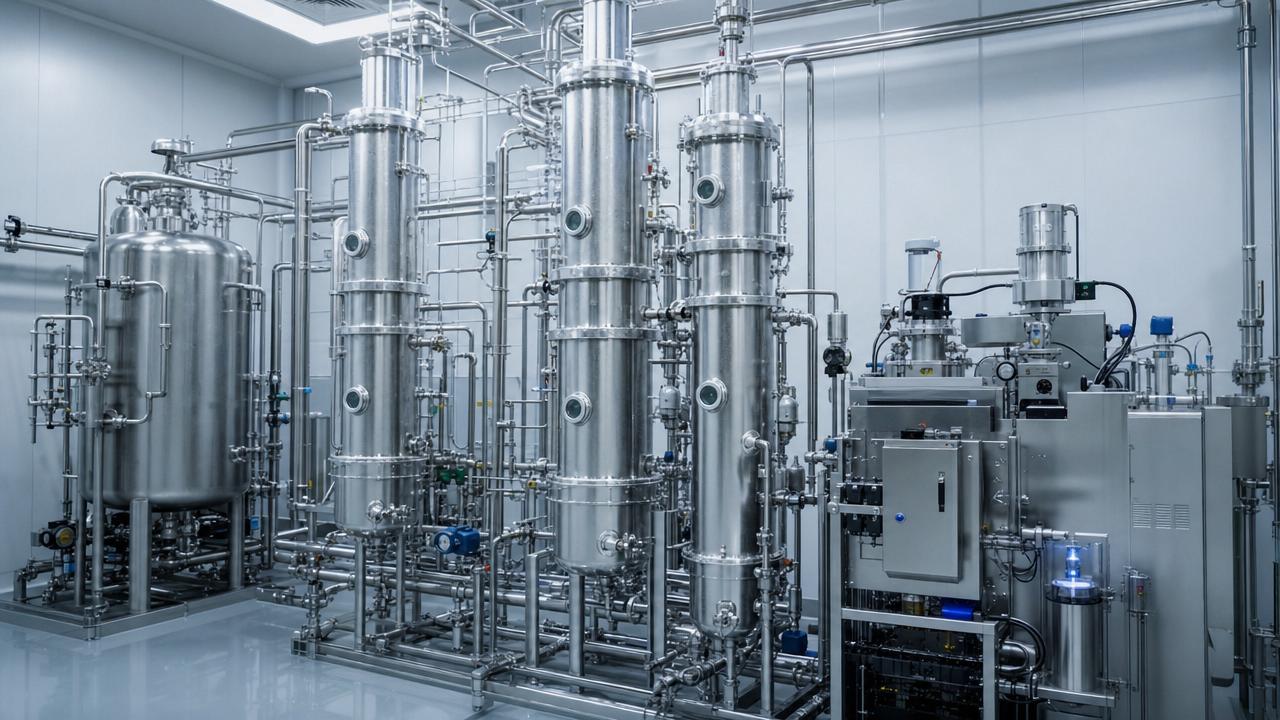
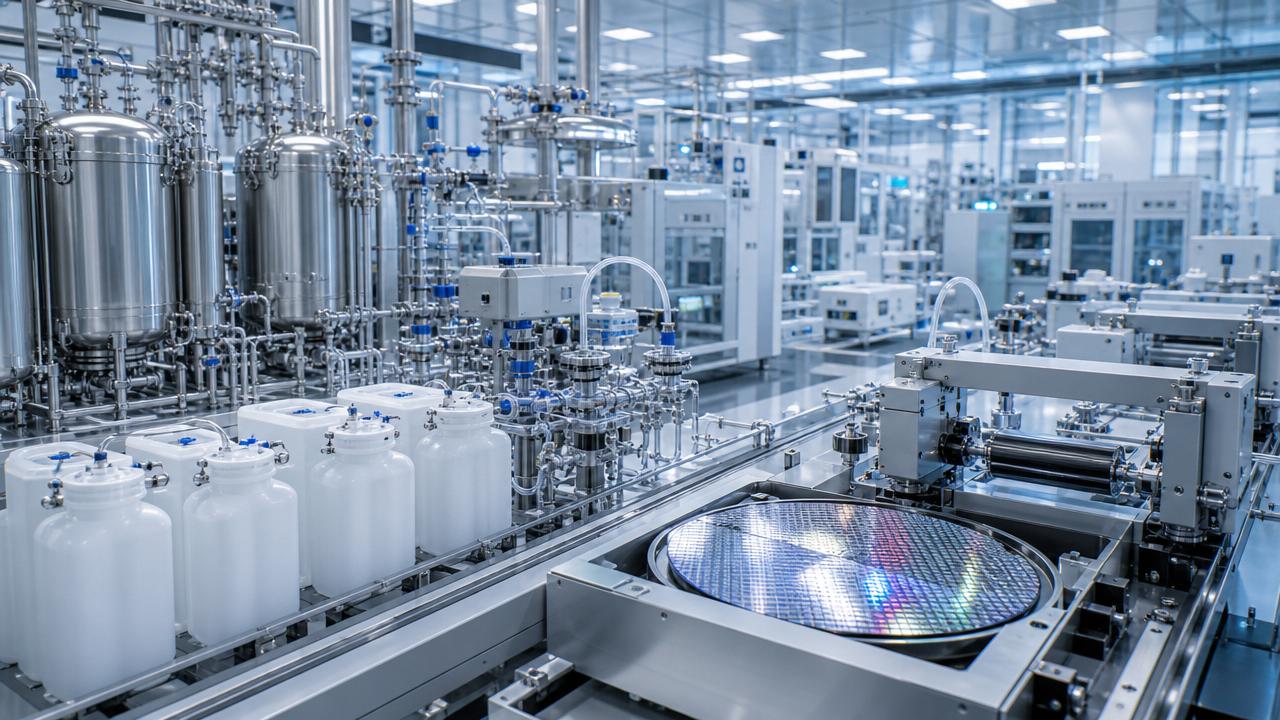
Ask whether the supplier uses dedicated production lines for electronic-grade chemicals or shares equipment with lower-grade materials. Shared systems increase cross-contamination risk. Confirm the filtration stages, the cleanliness of transfer lines, and the compatibility of pumps, valves, seals, and storage vessels with the solvent chemistry. The best High-Purity Chemicals supplier will explain not only what equipment is used, but why it is selected to protect purity.
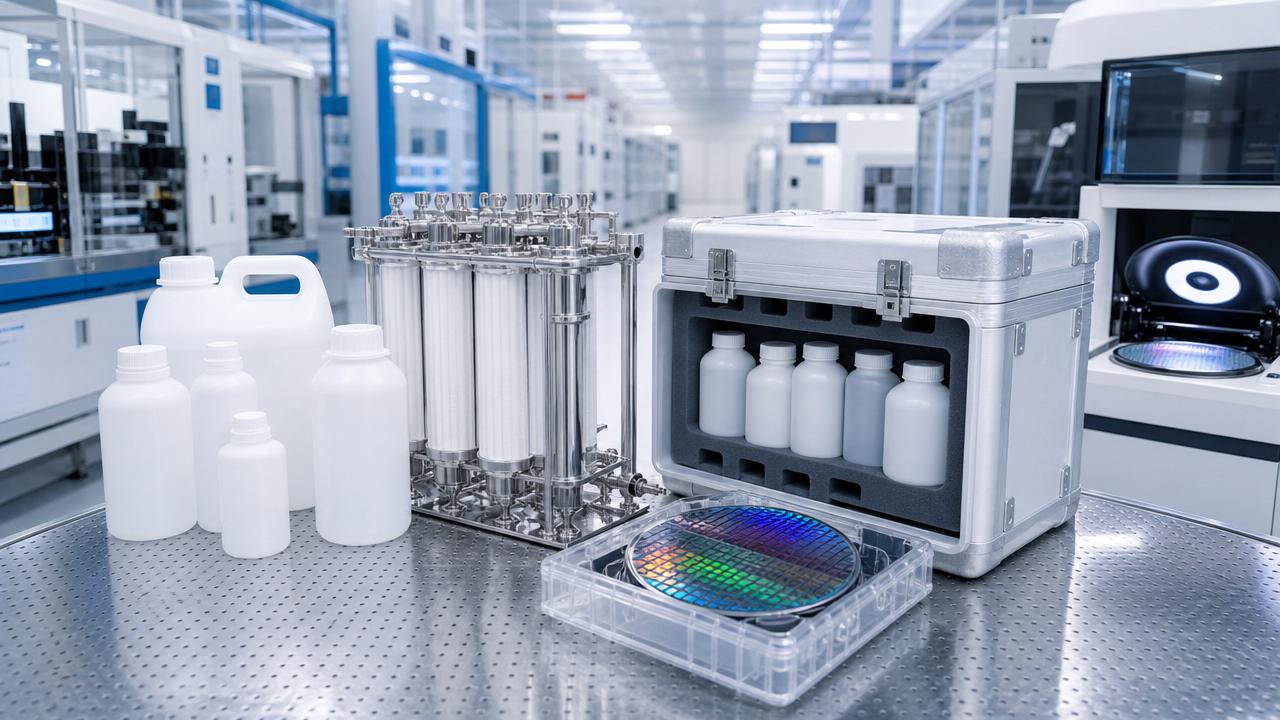
Packaging is equally critical. Container materials should be chemically compatible and low in extractables. The filling environment should be controlled to avoid particle ingress and airborne contamination. Sealing integrity, tamper evidence, labeling accuracy, and storage recommendations should all be standardized. If a supplier cannot explain how it keeps the product clean after final testing, that is a serious warning sign.
How should procurement evaluate supply stability, scale, and business continuity?
A technically strong supplier is still a risky choice if it cannot maintain stable delivery. IC cleaning solvent demand may fluctuate with fab loading, packaging expansion, customer qualification cycles, or geopolitical constraints. Procurement should therefore assess manufacturing capacity, inventory policy, raw material sourcing resilience, backup production arrangements, and logistics control.
Start with dual questions: can the supplier meet current demand, and can it support future ramp-up without changing product quality? Some companies can supply trial quantities but struggle with sustained commercial volumes. Others may rely on a single precursor source, a single purification line, or one packaging site. These bottlenecks matter, especially for strategic sectors such as semiconductors, power devices, and industrial sensing infrastructure.
A robust High-Purity Chemicals supplier should have defined business continuity measures, including alternate sourcing plans, preventive maintenance discipline, validated storage conditions, and emergency response procedures. For global buyers, export compliance, regional warehousing, and transit contamination prevention should also be reviewed. Stable supply is not just about shipment speed; it is about predictable quality and continuity over the life of a program.
What technical support and application knowledge should you expect from the supplier?
Procurement often works with process engineering, quality, and EHS teams during supplier approval. That makes technical support a practical selection factor. A capable High-Purity Chemicals supplier should understand how its solvents are used in pre-clean, post-etch clean, flux residue removal, wafer surface preparation, and package-level precision cleaning. It should also be ready to discuss compatibility with substrates, metals, polymers, and process equipment.
Useful support includes application notes, impurity risk interpretation, storage and handling guidance, shelf-life recommendations, and assistance during incoming qualification or line trials. When issues occur, the supplier should respond with disciplined troubleshooting, not generic assurances. Procurement teams benefit when the supplier can coordinate directly with technical stakeholders and provide data that shortens evaluation time.
This is especially valuable in high-spec environments such as advanced packaging, MEMS production, SiC device manufacturing, and sensor assembly, where cleaning chemistry can influence downstream bonding, insulation integrity, and signal stability. A vendor with true semiconductor application knowledge is usually easier to qualify and manage over time.
What are the most common mistakes when selecting a High-Purity Chemicals supplier?
The most common mistake is treating high-purity solvents like standard industrial consumables. A low price can become expensive if contamination triggers scrap, line downtime, customer returns, or requalification work. Procurement should not assume that a high assay percentage automatically means semiconductor suitability.
Another mistake is reviewing only the initial sample lot. Some suppliers perform well during qualification but lack robust batch consistency once volume orders begin. Historical lot data, process control discipline, and change management practices matter more than a single good test result. It is also risky to ignore packaging cleanliness and delivery conditions, because contamination can be introduced after final purification.
A third mistake is failing to align internal decision criteria. Procurement may prioritize cost and lead time, while engineering focuses on ionic cleanliness and quality teams focus on traceability. Without a shared scorecard, supplier comparison becomes inconsistent. The better approach is to define weighted approval criteria in advance and require the High-Purity Chemicals supplier to answer each point with evidence.
Common supplier selection questions and practical answers
Before placing an order, what should procurement confirm internally and with the supplier?
Before commercial commitment, procurement should confirm the exact use case, required specification limits, qualification method, annual demand, packaging format, storage conditions, and approval ownership across engineering, quality, operations, and EHS. This prevents delays caused by unclear acceptance criteria or mismatched expectations.
With the High-Purity Chemicals supplier, confirm the full document package: technical data sheet, safety data sheet, certificate of analysis format, regulatory compliance information, packaging details, shelf life, transport conditions, and change notification terms. If the material is for a sensitive semiconductor process, request trial support, sample retention policy, and defined escalation contacts for quality incidents.
For buyers serving advanced semiconductor, packaging, or industrial sensor programs, supplier selection should be treated as a strategic risk decision rather than a routine purchase. If you need to move forward with a specific evaluation, the most useful next discussion points are purity targets, impurity control methods, packaging cleanliness, lot traceability, supply continuity, qualification timeline, and the technical support model available after onboarding.
Get weekly intelligence in your inbox.
No noise. No sponsored content. Pure intelligence.
 Apr 28, 2026When do rapid prototyping 3D printing services save real costWhen do rapid prototyping 3D printing services save real cost
 Apr 28, 2026What Can Go Wrong in Fan-out Wafer Level Pkg?What Can Go Wrong in Fan-out Wafer Level Pkg?
 Apr 28, 2026What Makes Optical LiDAR Modules Better for Autonomy?What Makes Optical LiDAR Modules Better for Autonomy?
 Apr 28, 20262026 Market Trends in Supply Chain Resilience for Fabs2026 Market Trends in Supply Chain Resilience for Fabs
 May 22, 2026Solar Panels Wholesale USA: Pricing Shifts to Watch in 2026Solar Panels Wholesale USA: Pricing Shifts to Watch in 2026
 May 22, 2026Residential Photovoltaic Modules: What Impacts Long-Term OutputResidential Photovoltaic Modules: What Impacts Long-Term Output
 May 22, 2026How to Vet a Lithium-Ion Battery Manufacturer in ChinaHow to Vet a Lithium-Ion Battery Manufacturer in China
 May 22, 2026Lithium-Ion ESS Batteries: Key Safety Checks Before ProcurementLithium-Ion ESS Batteries: Key Safety Checks Before Procurement
![]() May 22, 2026Commercial EV Charging Installation: Cost Drivers and PaybackCommercial EV Charging Installation: Cost Drivers and Payback
May 22, 2026Commercial EV Charging Installation: Cost Drivers and PaybackCommercial EV Charging Installation: Cost Drivers and Payback![]() May 22, 2026How to Judge Sensory Data Precision Before System DeploymentHow to Judge Sensory Data Precision Before System Deployment
May 22, 2026How to Judge Sensory Data Precision Before System DeploymentHow to Judge Sensory Data Precision Before System Deployment May 22, 2026Industrial-Grade Sensor Specs That Matter in Harsh EnvironmentsIndustrial-Grade Sensor Specs That Matter in Harsh Environments
 May 22, 2026Best Power Semiconductor Materials for Fast-Switching DesignsBest Power Semiconductor Materials for Fast-Switching Designs
![]() May 22, 2026GaN Power Modules in 2026: Where Adoption Is AcceleratingGaN Power Modules in 2026: Where Adoption Is Accelerating
May 22, 2026GaN Power Modules in 2026: Where Adoption Is AcceleratingGaN Power Modules in 2026: Where Adoption Is Accelerating May 22, 20261200V+ SiC MOSFETs: Efficiency Gains vs IGBT Trade-Offs1200V+ SiC MOSFETs: Efficiency Gains vs IGBT Trade-Offs
 May 22, 2026China Accelerates Cleanroom Standards, Cuts Export Certification by 30%China Accelerates Cleanroom Standards, Cuts Export Certification by 30%
 May 22, 2026Hormuz Strait Fee Dispute May Delay Ultra-Pure Gas Shipments by 7–12 DaysHormuz Strait Fee Dispute May Delay Ultra-Pure Gas Shipments by 7–12 Days
 May 22, 2026ASTM F2100-26 Enforces High-Precision Gas Sensor Compliance for Medical MasksASTM F2100-26 Enforces High-Precision Gas Sensor Compliance for Medical Masks
 May 22, 2026China Customs Adds 'Restriction ID' for Photoresist/Solvent ExportsChina Customs Adds 'Restriction ID' for Photoresist/Solvent Exports
 May 22, 2026EU CBAM Tightens Reporting for Ultra-Pure Electronic GasesEU CBAM Tightens Reporting for Ultra-Pure Electronic Gases
 May 21, 2026Silicon Value Chain Analysis: 2026 Supply Risks for IC Cleaning SolventsSilicon Value Chain Analysis: 2026 Supply Risks for IC Cleaning Solvents
 May 21, 2026Intelligent Industrial Era Applications Expanding Demand for Gas SensorsIntelligent Industrial Era Applications Expanding Demand for Gas Sensors
 May 21, 2026How to Compare an Advanced IC Packaging Manufacturer in 2026How to Compare an Advanced IC Packaging Manufacturer in 2026
 May 21, 2026Silicon Value Chain Optimization for ArF Photoresist Cost ControlSilicon Value Chain Optimization for ArF Photoresist Cost Control
 May 21, 2026Industrial-Grade Sensors for IoT: Key Specs That Impact Field StabilityIndustrial-Grade Sensors for IoT: Key Specs That Impact Field Stability
 May 21, 2026Intelligent Industrial Era Technologies Driving MEMS Sensing UpgradesIntelligent Industrial Era Technologies Driving MEMS Sensing Upgrades
 May 21, 2026Sovereign Digital Infrastructure Development and Chiplet Packaging StrategySovereign Digital Infrastructure Development and Chiplet Packaging Strategy
 May 21, 2026Semiconductor Standards for Automotive: What Changes in 2026 LiDAR DesignSemiconductor Standards for Automotive: What Changes in 2026 LiDAR Design